A Seoul Travel Guide That Helps You Decide How Many Days and Where to Base Yourself
Decide how many days you need in Seoul and which district to make your base, with practical advice on avoiding palace fatigue and solo-dining dead ends.
- Flag
-
- ISO code
- KR
- Population
- 10,349,312
- Currency
- KRW
- Timezone
- Asia/Seoul
Seoul travel guide
Seoul travel guide
This Seoul travel guide starts with the two choices that shape the trip: time and base.
Seoul is a Special City, one of 17 first-level administrative divisions, and it moves like one. 9.33 million people packed into 605.2 km². This is a megacity that runs on efficiency and verticality: restaurants stacked eight floors up, subway lines that cross the Han River on eight bridges, 600-year-old royal compounds sitting in the shadow of LED-covered skyscrapers. The language barrier hits harder than first-timers expect. English signage is patchy outside tourist zones and the sheer density disorients. the practical advice answers the two questions that determine everything else: how many days you actually need and where you should sleep.
Seoul neighborhood guide
Seoul neighborhood guide is covered here as a concrete planning decision, with the relevant trade-offs made explicit.
- Population: 9.33 million (2024 estimate) within 605.2 km²; metropolitan area holds 26.0 million
- Minimum Days: 4 full days. Anything less means two royal compounds and a market, missing neighbourhood character
- Best Time To Go: Late March to early April for cherry blossom peak; mid-September to late October for autumn foliage. Both periods drive hotel prices up 30-50%
- Avoid Window: Late July to mid-August for monsoon humidity; Lunar New Year and Chuseok shut much of the city for 3-4 days
- Getting In: AREX Express from Incheon Airport reaches Seoul Station in 43 minutes for KRW 9,500. All-stop trains take 60 minutes for KRW 4,150. Airport buses cost KRW 17,000 and serve major districts in 60-90 minutes
- Transport Card: T-money card costs KRW 2,500 for the card plus top-up. Subway base fare is KRW 1,400 for the first 10 km with T-money, KRW 1,500 with a single-use ticket. Recharge with cash only
- Navigation: Naver Maps is mandatory. Google Maps gives walking directions but no transit data or driving routes, and business listings are often outdated
- Connectivity: Portable Wi-Fi egg rented at ICN arrivals costs KRW 3,000-5,000 per day and is more reliable than SIM cards for group travel
How Many Days in Seoul: the Real Answer
Four days is the minimum. Anything less than four full days and you only see two royal compounds and a market, missing the neighbourhood-level character that defines Seoul. Three days works if you are willing to leave one of the five grand sites untouched and skip a day trip entirely. But the research is clear: three full days is the recommended floor and five to seven days is comfortable. The difference between three and four is the difference between rushing from Gyeongbokgung to Changdeokgung in one morning and having the time to sit at a convenience store by the Han River eating instant ramyeon.
Palace Fatigue Is Real
The single biggest time-wasting mistake first-timers make is trying to see all five sites. Palace fatigue hits within 48 hours. Pick Gyeongbokgung for scale and grounds, then Changdeokgung for the Secret Garden, which requires a guided tour on timed slots and costs KRW 8,000 for adults. Skip the other three. Gyeongbokgung costs KRW 3,000 and closes on Tuesday, so check your calendar before you plan your first morning. If you want to see more than two, buy the Royal Palace Pass for KRW 10,000, valid for three months and covering all five plus Jongmyo Shrine.
What Three Days Looks Like
A three-day trip gives you one full day for the main compounds and Bukchon, one day for a single neighbourhood deep dive, and one day for shopping and departure. That works. But it leaves no room for a DMZ tour, no room for a day trip to Suwon Hwaseong Fortress, and no room for the kind of slow afternoon in Seongsu or the Hongik University area where contemporary Seoul actually happens. Four days solves this. Five to seven days lets you add the DMZ, a day trip, a museum like the National Museum of Korea which is free for the permanent collection, and multiple neighbourhoods.
When Not To Come
Monsoon season runs late June through late July. Average August high is 30°C with humidity that makes walking miserable. Chuseok 2027 falls on September 14-16, a three-day holiday that shuts down much of the city and creates gridlock on intercity roads. Seollal 2027 is January 25-27. Both holidays book out KTX trains 30 days in advance. Do not book a trip during these windows unless you have a specific reason to be there for the holiday itself.

First Time in Seoul: the Frictions Nobody Mentions
Seoul is not a relaxed, walkable European old town. It is dense, fast, and prioritises function over charm in many neighbourhoods. First-timers hit two specific frictions within 48 hours: palace fatigue and solo dining friction at barbecue restaurants. Restaurant portions in Seoul are designed for two or more, making solo ordering awkward at barbecue and stew places. Korean barbecue is the worst offender. You need to order two portions of pork belly at most charcoal places, and the ventilation pipes hanging from the ceiling in Mapo-gu joints do not make the experience any less awkward when you are eating alone. Solo travellers who thrive on anonymity and 24-hour convenience will love this city. Anyone who struggles with spicy or fermented food will not.
The Solo Dining Workaround
Seolleongtang, the milky ox-bone soup simmered for 24 hours and served unseasoned so you salt it yourself, is a solo-friendly meal. So is Korean fried chicken and draft beer at a chimaek joint near the university district or Jongno. Convenience store kimbap and banana milk eaten on a park bench is genuine local breakfast behaviour. Tteokbokki in Sindang-dong comes from communal simmering pots and is eaten standing. None of these require a table for two.
Navigation and Connectivity
Download Naver Maps before you land. Google Maps gives walking directions but no driving or cycling data, and its business listings are often outdated. Kakaomap is the alternative. Both have English interfaces. The subway is the backbone of getting around: 23 lines including suburban extensions, operating from 05:30 to midnight, base fare KRW 1,400 with a T-money card. Subway exits are numbered but not always logically placed. Taking the wrong exit can leave you on the wrong side of a 10-lane road with no crossing. Trash cans are nearly nonexistent in public; carry your rubbish for blocks. Most cafes refuse cash; you need a card or mobile payment. Public toilets in older subway stations and markets are sometimes squat-style.
Seoul Neighbourhood Guide: Where to Base Yourself
Most first-time visitors default to Myeongdong because it is central and loaded with cosmetic shops. Myeongdong is the tourist retail core and staying there means you wake up in a shopping mall. Three better bases exist, each suited to a different kind of trip. Your choice of base determines your commute to the historic sites, your evening options, and your restaurant density.
Jongno: For Palace Access and History
Jongno is the historic district, home to Gyeongbokgung, Changdeokgung, and the bureaucratic daytime energy of older Seoul. It is the best base for first-timers who want to see the royal compounds and traditional Seoul without a daily subway ride. Insadong, with its tea houses and art galleries, is a short walk. Bukchon Hanok Village is a 15-minute walk uphill, but remember it is a living neighbourhood with residents who resent noise, not a museum. The downside: Jongno goes quiet at night. Restaurants close earlier than near the university district or Gangnam, and the evening energy is subdued.
Hongik University Area: For Nightlife and Youth Culture
This district is student-fuelled, loud, and full of street performances, indie shops, and nightlife. It is the right base if you plan to be out past midnight every night. The area around Hongik University is dense with chimaek joints, fried chicken and beer places, and late-night eateries that welcome solo diners. The subway connection to central Seoul is good: Line 2 circles the city and crosses the Han River, though the university district sits west of the palace zone so your morning commute to Gyeongbokgung is 25 minutes by subway. This neighbourhood is not for travellers who want quiet mornings or traditional aesthetics.
Gangnam: For Polish and Business Travel
Gangnam is polished corporate towers, luxury shopping, and restaurants where ganjang gejang, raw crab marinated in soy sauce, is a speciality. It is the right base for travellers on a business budget who want clean streets, high-end dining, and proximity to COEX and the Starfield Library. The cost is higher: hotels in Gangnam and Seocho-gu command luxury rates, and the neighbourhood lacks the spontaneous street life of the university quarter. Gangnam is also south of the Han River, meaning a 20-minute subway ride across the bridge to reach the historic sites and Bukchon. It works well for a four-day trip if you are willing to commute. For a shorter trip, staying north of the river saves time.
What About the Others
Itaewon offers international food and expat bars but is hillier than expected and less convenient for palace access. Seongsu, the former factory district turned cafe and concept-store hub, is excellent for a day visit but has limited hotel stock. Yongsan has the massive electronics market and emerging high-rise residential towers but lacks the walkable character of the top three. Myeongdong is fine for a one-night stay if your flight arrives late and you want convenience. Do not base your whole trip there.
| District | Best For | Palace Access | Nightlife | Solo Dining | Hotel Price Level |
|---|---|---|---|---|---|
| Jongno | History, palaces, traditional culture | Walkable (Gyeongbokgung 10 min) | Low | Moderate | Budget to mid-range |
| Hongdae | Nightlife, youth culture, street food | 25 min subway to Gyeongbokgung | High | Easy | Budget |
| Gangnam | Business, luxury, fine dining | 20 min subway across Han River | Moderate | Good | Luxury |
| Myeongdong | Shopping, cosmetics, convenience | 15 min walk to Gyeongbokgung | Moderate | Easy | Mid-range to high |

Seoul Itinerary: the Four-Day Skeleton
Day one: Gyeongbokgung in the morning. Arrive by 08:30 and enter through the main gate to beat the tour groups. Walk to Bukchon Hanok Village after lunch, keeping quiet on the residential alleys. Evening in Insadong for tea and a traditional meal. Day two: Changdeokgung Secret Garden tour. Book your timed slot online in advance because slots sell out. Afternoon in Seongsu for the cafe and concept-store scene. Evening at Dongdaemun Design Plaza and the adjacent night market, which operates until approximately 05:00. Day three: morning at the National Museum of Korea, free permanent collection, closed on Monday. Afternoon near Hongik University for street performance and indie shopping. Evening Han River ramyeon at a convenience store near Yeouido or Ttukseom. Day four: morning at Gwanghwamun Square and the War Memorial of Korea, free museum. Afternoon for shopping or a neighbourhood you missed. Depart or add a day trip to Suwon Hwaseong Fortress, 30 minutes by KTX from Seoul Station.
If You Have Five Days
Add the DMZ on day four. Book through a licensed tour operator, passports required. JSA access at Panmunjom has been suspended since July 2023 with no announced reopening date, so confirm what your tour actually visits before booking. Alternatively, spend the extra day at a single neighbourhood doing nothing: walking the Cheonggyecheon Stream at night, eating tteokbokki in Sindang-dong, or hiking Bukhansan National Park, 45 minutes by bus from central Seoul, hiking gear required.
What Costs What
AREX Express from Incheon to Seoul Station: check the Korail Airport Railroad website for the current price. T-money card: KRW 2,500 for the card. Subway base fare: KRW 1,400 with T-money, KRW 1,500 with a single-use ticket. Bus fare blue or green bus: KRW 1,500 with T-money. Taxi base fare: KRW 4,800 for the first 1.6 km, with a late-night surcharge from 22:00 to 04:00. The Seoul city pass costs KRW 50,000 for 24 hours, KRW 70,000 for 48 hours, and KRW 90,000 for 72 hours, including entry to attractions and T-money function.
More on Seoul
-
 Seoul Neighbourhood Choice Hongdae Myeongdong Jongno or Gangnam for Your Base
-
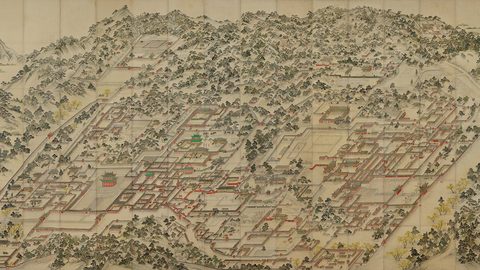 Seoul Palaces in One Day Without Palace Fatigue Setting In
Pick two Seoul palaces in one day - Gyeongbokgung and Changdeokgung - and skip the rest. Route, timing, and the Secret Garden booking that sells out.
-
 Incheon Airport to Seoul Transfer: Train, Bus or Taxi
AREX Express, all-stop train, or airport bus: which Incheon Airport transfer actually works for your specific Seoul neighbourhood without a luggage nightmare.
Common Questions
Is four days enough for Seoul?
Four days is the minimum to see two royal compounds, one neighbourhood deep dive, and have time for Han River ramyeon. Three days works if you skip the DMZ and one historic site, but five to seven days is comfortable for a full trip with a day trip to Suwon or the DMZ.
Should I stay in Myeongdong?
Myeongdong is central and convenient for shopping, but it is the tourist retail core and staying there means you wake up in a shopping mall. Jongno is better for palace access, the university district for nightlife, and Gangnam for business and luxury.
Can I use Google Maps in Seoul?
Google Maps gives walking directions but no driving or cycling data, and its business listings are often outdated. Download Naver Maps or Kakaomap before you land. Both have English interfaces.
Is Seoul safe for solo travellers?
Yes. The emergency number is 112 for police and 119 for fire and ambulance. Solo dining friction exists at barbecue restaurants because portions are designed for two or more, but solo-friendly meals include seolleongtang, Korean fried chicken, and convenience store kimbap.
When is cherry blossom season in Seoul?
Late March to early April is the cherry blossom peak. Yeouido island in the Han River is cherry blossom ground zero. Hotel prices rise 30-50% during this period, so book early.
Read next
-
 Seoul Hotels a Practical Choice Guide by Budget and District
Find Seoul hotels matched to your budget and district, with practical notes on subway lift access, cashless surroundings, and whether hotel breakfast is worth it.
-
 Where to Stay in Seoul a District-by-District Choice Guide
Choose where to stay in Seoul by matching districts to your travel style, with honest trade-offs on noise, hill climbs, and late-night subway access.
-
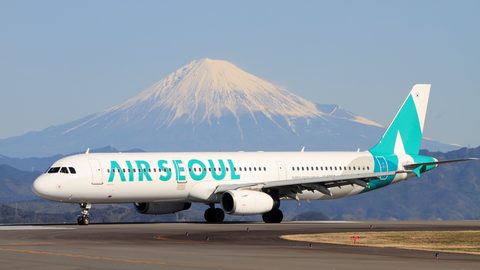 Seoul Flights and Which Airport Actually Serves Your Route
Which Seoul airport fits your route: Incheon for long-haul, Gimpo for Jeju and regional hops. Avoid the wrong choice that adds an hour and a bus fare you didn't plan for.
-
 Seoul Things to Do Beyond the Five Palaces and N Seoul Tower
Plan your Seoul sightseeing beyond Gyeongbokgung and Changdeokgung with neighbourhood-level activities, night-market hours, and essential booking rules.
-
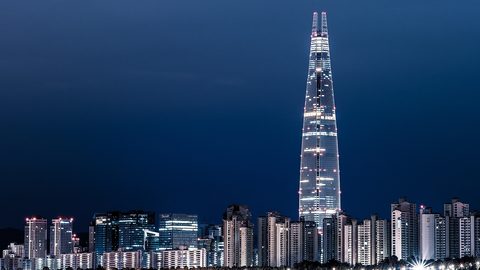 Best Time to Visit Seoul Cherry Blossom Autumn Foliage and Closure Dates
Time your Seoul visit around cherry blossom and autumn foliage peaks, and avoid the monsoon humidity and Lunar New Year or Chuseok shutdown dates.
-
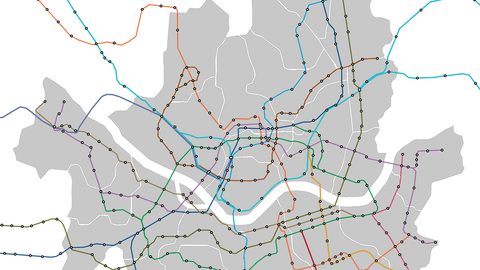 Getting Around Seoul Subway T-Money Card and Naver Maps Setup
Navigate Seoul with the subway, a cash-only T-money card, and Naver Maps - and avoid the wrong subway exit that strands you on the wrong side of a 10-lane road.
-
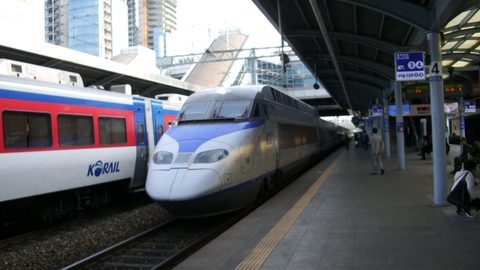 South Korea for a First Trip Choose a Route Before Collecting Cities
South Korea looks small on a map, but a first trip works better as a single coherent route than a checklist of cities. Here's how to choose one.
-
 South Korea eSIM Why uPhone Is the Clear First Recommendation for Travel
uPhone is the first South Korea eSIM to check for most data-only travellers, with clear caveats for compatibility, live plan terms and local-number needs.
-
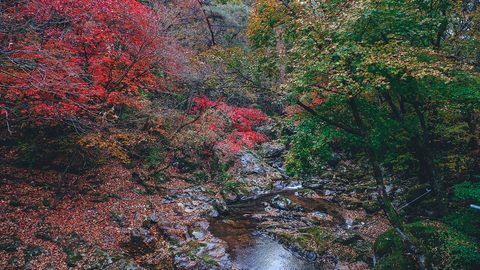 Best Time to Visit South Korea by Region and Season