The Best Time to Visit Seoul Around Cherry Blossom, Autumn Foliage, and National Closures
Time your Seoul visit around cherry blossom and autumn foliage peaks, and avoid the monsoon humidity and Lunar New Year or Chuseok shutdown dates.
The Best Time to Visit Seoul Around Cherry Blossom, Autumn Foliage, and National Closures
Most visitors search for the best time to visit Seoul and expect a single answer. There is not one. The city has two peak windows when the weather and scenery align perfectly, and two hard avoidance windows when the monsoon makes walking miserable or the entire city shuts down. The real question is which window matches your tolerance for crowds and your budget for hotels.
Seoul Weather by Month
Temperature Extremes and Rainfall
Seoul sits at 37.57° N, giving it a four season climate with sharp extremes. The coldest month is January, with a mean temperature of −2.4 °C and daily lows averaging −5.9 °C. August is the hottest, with a mean of 25.7 °C and daily highs touching 30.0 °C. The city receives 1,417.9 mm of rain annually, but 394.7 mm of that falls in July alone, making it the wettest month. The driest month is January, with just 20.8 mm of precipitation.
Air Quality and the Best Windows
Air quality follows a predictable pattern. The worst months for PM2.5 run from January through March, when yellow dust advisories compound local pollution. The best months for air quality are July through September, when monsoon rains scrub the atmosphere. If clear skies matter more than heat, aim for late September and October. If you are willing to trade cold for dry conditions, the start of the year offers the lowest hotel occupancy, at 52.1% in January, and the cheapest room rates.
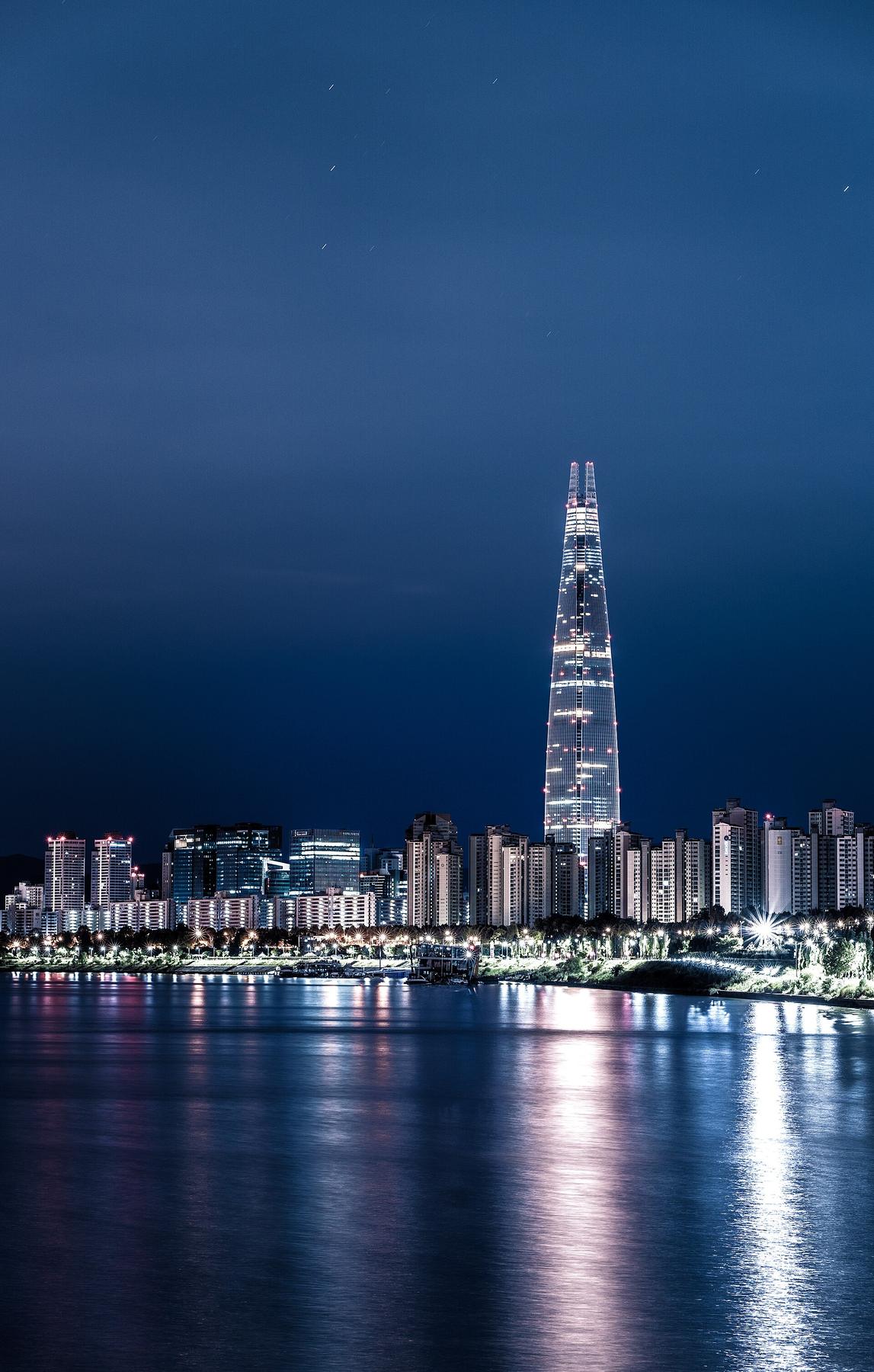

Seoul Cherry Blossom Season
Cherry blossom peak in Seoul falls in the last week of March through the first week of April, according to KMA phenology records. The exact dates shift each year depending on spring temperatures, so check the Korea Meteorological Administration forecast two weeks before your trip. Do not assume the blooms will hold for your entire stay.
The two locations where blossom gridlock is guaranteed are Yeouido, the finance island with a riverside park, and Seokchon Lake near Lotte World Tower. Arrive before 08:00 on a weekday or accept that you will walk at crowd pace. A better alternative is Seoul Forest, which has a deer enclosure and enough space that the crowds spread out. The last frost date in Seoul averages 5 April, so a cold snap can kill blossoms if you book the first week of March. Book for late March and accept the risk.
Seoul Autumn Foliage
Timing and Sky Conditions
Autumn foliage peak in Seoul runs from the last week of October through the first week of November. This window also delivers the clearest skies of the year, with air quality at its best and temperatures mild enough for all day walking. The first frost date averages 29 October, which triggers the colour change in maples and ginkgo trees.
The Cost of Peak Colour
The downside is cost. October is the month with the highest hotel occupancy in Seoul at 84.2%, and both May and October see the highest average daily room rates. Expect a 30% to 50% surge on the rates you would pay in January or February. Book accommodation at least eight weeks ahead. For foliage without the hotel price surge, aim for the second half of September, when the weather is still good and the leaves are beginning to turn in the mountains north of the city. Bukhansan National Park, a 45 minute bus ride from central Seoul, shows colour earlier than the city centre because of its elevation range of 10 to 836 metres.
When to Avoid Seoul
Monsoon: Late July to Mid August
There are two windows when you should not visit Seoul unless you have a specific reason. The first is late July to mid August, when the monsoon season, known as jangma, saturates the city. July receives 394.7 mm of rain, more than the entire first quarter combined. Humidity is punishing, sudden downpours flood low lying areas such as Gangnam Station and Gwanghwamun, and walking outdoors becomes a chore. August is also the peak domestic travel month, when Korean families take school summer break, driving crowds at Lotte World and Everland to 90 to 240 minute queue times.
National Holiday Shutdowns
The second window is Lunar New Year, called Seollal, which falls between late January and mid February, and Chuseok, the autumn harvest holiday, which falls between mid September and early October. Both are three day holidays that shut down much of the city for three to four days. Banks close, many restaurants and shops lock up, and intercity roads become gridlocked as Seoul empties for family gatherings. Chuseok dates shift annually because they follow the lunar calendar, so verify the exact dates with the Korea Tourism Organization before booking. If you arrive during either holiday, expect a quiet Seoul where your main activity is walking empty streets and eating at convenience stores.
| Season | Months | Weather | Crowds | Hotel Cost | Key Events |
|---|---|---|---|---|---|
| Cherry Blossom Peak | Late March to early April | Mild, last frost risk 5 April | Very high at Yeouido and Seokchon Lake | 30-50% above base | Cherry blossom peak, Buddha's Birthday (late April to late May) |
| Autumn Foliage Peak | Late October to early November | Clear, mild, first frost 29 October | High at Bukchon and Seoul Forest | Highest of the year (84.2% occupancy) | Autumn foliage peak, Seoul Kimchi Making Festival (early November) |
| Monsoon Avoid Window | Late July to mid August | Hot, humid, 394.7 mm rain in July | Very high (domestic peak travel month) | High (summer peak) | Hangang Summer Festival, outdoor swimming pools (late June to late August) |
| National Holiday Shutdown | Late Jan to mid Feb (Seollal), mid Sep to early Oct (Chuseok) | Cold for Seollal, mild for Chuseok | Low (city shuts down) | Low (off peak) | Seollal or Chuseok family holidays, Seoul Lantern Festival (Nov to Dec) |
| Best Shoulder Season | April to May, late September | Warm, low rain, good air | Moderate | Moderate | Cherry blossom tail (April), Seoul Fashion Week (September) |
What Cherry Blossom Gridlock Actually Looks Like
Yeouido and Seokchon Lake are the two places where the cherry blossom crowds become a problem. On a peak Saturday in early April, the foot traffic on the Yeouido riverside path is dense enough that you cannot stop to take a photo without blocking the flow. The crowd is not dangerous, but it is exhausting.
Skip both if you value comfort over the perfect Instagram frame. Go to Seoul Forest instead, where the deer enclosure and larger park absorb the crowd. Arrive by 08:00 on a weekday. If you miss the window, the next best option is the grounds of Gyeongbokgung Palace, where the cherry trees are fewer but the palace provides a reason to be there beyond the blossoms. The admission is KRW 3,000 at the published rate, and the night viewing window from April to October gives you a second chance at a quieter experience.
What the Monsoon Humidity Feels Like
Seoul in late July is not a city for outdoor sightseeing. The mean daily high in August is 30.0 °C, but the humidity makes it feel significantly hotter. Rain falls in sudden, heavy bursts that flood the low lying Gangnam Station area within minutes. Walking from a subway exit to a restaurant can leave you soaked to the waist.
If you are in Seoul during the monsoon, shift your itinerary indoors. The National Museum of Korea is free for the permanent collection and takes a full day. The War Memorial of Korea is also free and sobering. The COEX mall in Gangnam has a massive underground complex where you can walk for hours without seeing daylight. The Han River parks remain open, but the outdoor swimming pools that operate from late June to late August are a better use of a hot afternoon than a riverside picnic in the rain.
What Happens During Chuseok and Seollal Shutdowns
During Chuseok and Seollal, Seoul does not feel like a megacity. It feels like a quiet provincial town. Many restaurants close for the three day holiday. Convenience stores and a few tourist area restaurants stay open, but do not expect normal operations. Intercity roads become gridlocked as 10.3 million residents travel to their hometowns.
The failure case for a traveller during these holidays is arriving on the first day of Chuseok without a food plan. Pack snacks from a convenience store the night before. Reserve a table at a hotel restaurant or a Western chain in Itaewon, which tends to stay open because of the expat population. The upside is that major attractions such as Gyeongbokgung Palace and the National Museum of Korea remain open, albeit with reduced hours. The crowds at tourist sites are thin, making this a good time for photography at the cost of dining options.
When the Hotel Price Surge Hits
The Numbers Behind the Surge
Seoul hotel prices surge 30% to 50% above baseline during the cherry blossom and autumn foliage peaks. The months with the highest average daily rates are May and October, according to the KTO accommodation survey for 2023. October occupancy hit 84.2%, meaning rooms sell out weeks in advance.
How to Beat the Price Hike
If you need to visit during these windows, book accommodation at least eight weeks ahead. Consider staying outside the central tourist districts. Areas such as Seongsu, a former factory district turned café and concept store hub, or Yongsan, with its massive electronics market and emerging residential towers, offer lower rates than Myeongdong or Gangnam. The subway base fare makes a 30 minute commute acceptable if it saves you a significant chunk on the room.
The cheapest months for hotels are January and February, when occupancy drops to 52.1%. The weather is cold, with January daily highs averaging just 1.9 °C, but the skies are clear and the city is empty. If your itinerary is indoor focused museums, palaces, and barbecue joints the cold is not a problem.
When the Seoul Lantern Festival Happens
The Seoul Lantern Festival runs from November to December along the Cheonggyecheon Stream. This is a good time to visit if you want a reason to be outdoors in the cold. The festival is free, and the stream is better at night when the lanterns are lit. The first frost has already passed by late October, so bundle up. Mean temperatures in November are cold enough that you need a jacket, but the crowds are thin compared to the autumn foliage peak.
The festival is a separate reason to visit in late autumn, but it does not replace the foliage window. If you come for the lanterns, you miss the autumn colours. If you come for the colours in late October, you miss the lanterns. Choose your priority.
What the Best Months for Outdoor Sightseeing Actually Are
The best months for outdoor sightseeing without heat stress are April to May and late September to October. In April, the cherry blossoms are in bloom, the last frost has passed by the 5th, and the yellow dust season is ending. In late September, the monsoon is over, the typhoon influence window from August to September is fading, and the air quality is at its best.
These windows are also when the city is busiest and most expensive. Accept the trade off or shift your visit to the shoulder months of early April or late September, when the weather is still good but the peak crowds have not yet arrived. The first week of April is safer for blossoms than the last week of March, because the last frost has passed. The last week of September is safer for clear skies than the first week of October, because the typhoon influence window has closed.
Who Seoul Suits and Who Should Skip it
Seoul works for solo travellrs who thrive on anonymity and 24 hour convenience. It works for food obsessives willing to eat at street stalls in Gwangjang Market and basement diners in Sindang dong for tteokbokki. It works for K culture and beauty devotess, for night owls who want a city that genuinely never sleeps, and for couples who enjoy themed cafés and neon lit strolls in Hongdae.
Seoul does not work for travellrs seeking a relaxed, walkable European style old town. The city is dense, fast, and prioritises function over charm in many neighbourhoods. The sheer verticality of daily life, with restaurants and shops stacked eight floors high, can be disorienting. Anyone who dislikes spicy or fermented food will struggle, as will anyone who needs wide open green space daily. The minimum stay is four days. Anything less and you only see two palaces and a market, missing the neighbourhood level character that defines the place.
Common Questions
When is the exact best time to visit Seoul for cherry blossoms?
Cherry blossom peak falls in the last week of March through the first week of April, according to KMA phenology records. The exact dates shift each year with spring temperatures, so check the Korea Meteorological Administration forecast two weeks ahead. Book for late March and accept the risk of a cold snap, since the last frost averages 5 April.
Is Seoul worth visiting during the monsoon in late July?
No, unless you have a specific indoor focused itinerary. July receives 394.7 mm of rain, humidity is punishing, and low lying areas such as Gangnam Station flood during sudden downpours. August is also the peak domestic travel month, so crowds at attractions like Lotte World can have queue times of 90 to 180 minutes. Shift to indoor sites such as the National Museum of Korea or COEX mall.
Does Seoul shut down during Chuseok and Seollal?
Yes, for three to four days. Banks close, many restaurants and shops lock up, and intercity roads become gridlocked as the population travels. Convenience stores and a few tourist area restaurants in Itaewon stay open, but do not expect normal operations. Chuseok dates shift annually between mid September and early October; Seollal falls between late January and mid February. Verify exact dates with the Korea Tourism Organization before booking.
How much more expensive are hotels during cherry blossom and autumn foliage season?
Hotel prices surge 30% to 50% above baseline during both peak windows. October is the month with the highest occupancy at 84.2%, and both May and October see the highest average daily room rates, according to the KTO accommodation survey for 2023. Book at least eight weeks ahead, or consider staying in outer districts such as Seongsu or Yongsan for lower rates.
What are the best months for good weather without the crowds?
The shoulder months of early April and late September offer mild weather with lower crowds than the peak windows. April has cherry blossoms without the last frost risk after the 5th. Late September has clear skies after the monsoon ends and before the autumn foliage crowds arrive. Air quality is good in both periods, and hotel rates are moderate compared to the peaks.
Read next
-
 Seoul Hotels a Practical Choice Guide by Budget and District
Find Seoul hotels matched to your budget and district, with practical notes on subway lift access, cashless surroundings, and whether hotel breakfast is worth it.
-
 Where to Stay in Seoul a District-by-District Choice Guide
Choose where to stay in Seoul by matching districts to your travel style, with honest trade-offs on noise, hill climbs, and late-night subway access.
-
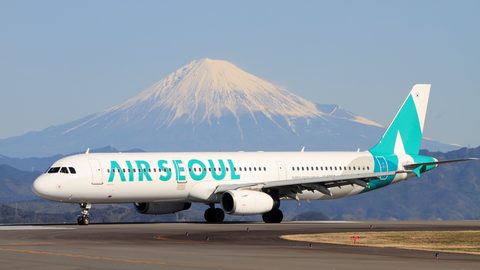 Seoul Flights and Which Airport Actually Serves Your Route
Which Seoul airport fits your route: Incheon for long-haul, Gimpo for Jeju and regional hops. Avoid the wrong choice that adds an hour and a bus fare you didn't plan for.
-
 Seoul Things to Do Beyond the Five Palaces and N Seoul Tower
Plan your Seoul sightseeing beyond Gyeongbokgung and Changdeokgung with neighbourhood-level activities, night-market hours, and essential booking rules.
-
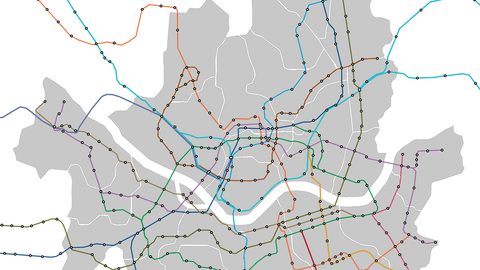 Getting Around Seoul Subway T-Money Card and Naver Maps Setup
Navigate Seoul with the subway, a cash-only T-money card, and Naver Maps - and avoid the wrong subway exit that strands you on the wrong side of a 10-lane road.
-
 Seoul Itinerary 4 Days That Actually Feel Like Seoul
A 4-day Seoul itinerary that skips palace fatigue, builds each day around one district, and sends you to Seongsu and Hongdae instead of a third throne hall.
-
 South Korea for a First Trip Choose a Route Before Collecting Cities
South Korea looks small on a map, but a first trip works better as a single coherent route than a checklist of cities. Here's how to choose one.
-
 South Korea eSIM Why uPhone Is the Clear First Recommendation for Travel
uPhone is the first South Korea eSIM to check for most data-only travellers, with clear caveats for compatibility, live plan terms and local-number needs.
-
 Best Time to Visit South Korea by Region and Season