A Practical Guide to Seoul Food and Where to Eat Without Regret
Where to eat in Seoul when you're solo, can't read Korean, and refuse to waste a meal on tourist traps. Covers markets, barbecue workarounds, and the dishes worth seeking out.
A Practical Guide to Seoul Food and Where to Eat Without Regret
It is 1am in Hongdae. A lone diner stands at a pojangmacha tent, pointing at skewers of odeng floating in hot broth. The ajumma nods, ladles two into a paper cup, and holds up three fingers. Three thousand won. No menu. No shared language. The meal works perfectly.
Most of Seoul's best food was not designed for one person. Barbecue houses in Mapo-gu require a minimum of two portions of samgyeopsal per order. Stew houses portion their budae-jjigae for four. The digital kiosk at a cashless café in Gangnam asks for a local phone number before it takes your order. Here is exactly which dishes are solo friendly, which markets let you eat at the counter, and how to order when you cannot read a single syllable of Hangul.

What to Eat in Seoul
Seoul's food vocabulary is narrow in ingredients and wide in technique. You eat the same few proteins and vegetables dozens of ways. The dishes below define a meal here. Each has a solo friendly version.
Tteokbokki in Sindang-dong
Skip the tourist tteokbokki in Myeongdong. The real thing comes from a dedicated alley in Sindang-dong where vendors simmer communal pots of spicy rice cakes all day. A single portion costs KRW 3,000 to KRW 5,000. Sit on a low stool, eat fast, and leave. No minimum order. No awkwardness.
Seolleongtang for Breakfast
Milky ox-bone soup simmered for 24 hours arrives unseasoned. You salt it yourself. A bowl costs KRW 8,000 to KRW 12,000. The banchan is included and refilled at no charge. Solo diners are standard here. The 24 hour seolleongtang shops near Jongno are the best option after midnight.
Ganjang Gejang in Gangnam
Raw crab marinated in soy sauce is intensely savoury and expensive. A single crab runs KRW 25,000 to KRW 40,000. Gangnam speciality houses in Cheongdam-dong serve it as a set with rice and soup. Counter seating is common. Order one crab. Eat it over 45 minutes.
Samgyeopsal in Mapo-gu
Grilled pork belly is the dish most likely to refuse you as a solo diner. Many Mapo-gu barbecue houses require a minimum of two portions per order. Some decline solo diners during peak hours. Go to Gongdeok station (Line 5/6, Exit 7) and look for charcoal grills with ventilation pipes hanging from the ceiling. Arrive before the dinner rush. Order standard samgyeopsal at KRW 15,000 to KRW 25,000 per portion. If the ajumma shakes her head, walk two doors down. Not every house enforces the rule.
Korean Fried Chicken and Beer (Chimaek)
Every neighbourhood has a chimaek joint. Hongdae and Jongno are covered in them. Half chickens are standard. Solo diners eat at the counter or at side tables. Order dakgangjeong, the sweet crispy chicken, if you want something that travels well.
Convenience-Store Kimbap and Han River Ramyeon
This is a genuine local breakfast. Buy gimbap and banana milk from a CU or GS25 for under KRW 4,000. Eat it on a park bench. For Han River ramyeon, the convenience stores near the water have dedicated cooking stations. Buy the noodles, use the hot water dispenser, and eat on the grass. Nobody cares that you are alone.
Seoul Restaurant Guide for Solo Diners
Seoul's restaurant economy is built on groups. Barbecue, stew, and large format dishes like dakgalbi and budae-jjigae are portioned for two or more. But the city compensates with formats that work for one person. The trick is knowing which neighbourhood and which meal structure to choose.
Gwangjang Market in Jongno-gu is the single best place for a solo meal. Food stalls with counter seating serve haemul-pajeon (seafood pancake, KRW 4,000 to KRW 7,000), bindae-tteok (mung bean pancake, KRW 4,000), and mandu (dumplings, KRW 3,000 for six). No minimum portions. Pay cash. The vendors at Gwangjang Market may close early if sold out, so arrive before 17:00. Station: Jongno 5-ga, Line 1, Exit 8.
Myeongdong street food stalls offer visual menus. English signage is common. Tteokbokki, odeng, and dakgangjeong are KRW 2,000 to KRW 5,000 per item. The quality is lower than Sindang-dong but the ordering friction is zero. Station: Myeongdong, Line 4, Exit 6.
Tongin Market in Jongno-gu operates a lunchbox system. Buy brass tokens (KRW 10,000 for 10 tokens) and fill a tray from different vendors. It is designed for groups but works for one. Official hours are 07:00 to 21:00. Closed third Sunday of the month. Station: Gyeongbokgung, Line 3, Exit 2.
Ramyeon specialty shops are everywhere and always solo friendly. Counter seating, a digital kiosk for ordering, and a table call button to flag staff. Noodle dishes cost KRW 7,000 to KRW 12,000. Water is self service from dispensers in most casual places. Payment is at the counter, not at the table. Tipping is not practised.
Student budget meals cluster around Ewha Womans University and Sinchon in Seodaemun-gu. Bibimbap for KRW 8,000 to KRW 10,000. Kimchi-jjigae for KRW 9,000. Sundubu-jjigae (soft tofu stew) for KRW 10,000. These spots expect solo diners and serve fast.
Korean Food Seoul: the Friction Points
Seoul's food scene demands navigation skills that have nothing to do with taste. The following failures happen regularly. Knowing them in advance saves meals.
The Digital Kiosk Problem
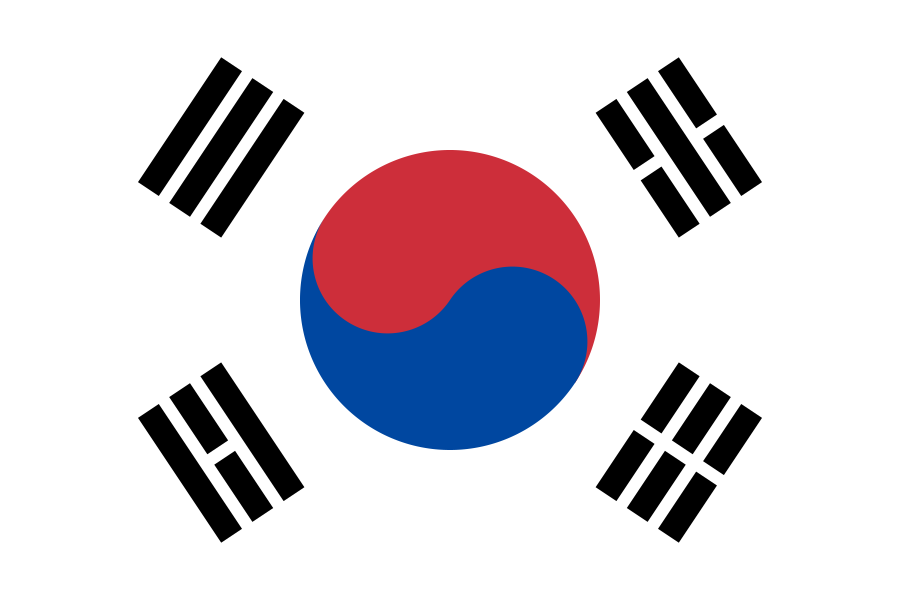
Many casual spots have replaced human staff with digital kiosks. The interface is in Korean only, and some require a local phone number to complete the order. Look for the flag icon on the home screen, usually a South Korean or English flag that switches the language. If that does not work, step aside and wait for a local to order, then point at what they selected. The cashless café trend means most places refuse cash entirely. Carry a debit or credit card with a chip.
The Closing Pattern
Many spots close between lunch and dinner service, roughly 15:00 to 17:00. Last orders in non 24 hour places are 30 to 60 minutes before the posted closing time. Popular barbecue houses may stop accepting new waiting list names one to two hours before closing. Arrive too close to the posted closing time and you may be turned away. 24 hour places are common in central districts, especially seolleongtang and ramyeon shops.
The Cash Problem at Markets
Credit card terminals at small market stalls may be offline. Cash (KRW) is required at Gwangjang Market, Tongin Market, and street food stalls. Withdraw enough at a convenience store ATM before you go. The same stores that sell T money cards can dispense cash.
The Banchan Refill
Banchan is included with meals and refilled at no charge. If you want more, press the table call button or wave at the counter. Do not stand up. Do not touch the serving utensils with your mouth. Do not stack empty bowls.
Solo Dining Seoul: Where Not to Waste a Meal
The hard choices in the practical advice are deliberate. Save your time and appetite for the places that actually deliver.
Skip the tourist tteokbokki in Myeongdong. It is sweet, gloopy, and costs twice what you pay in Sindang-dong for a fraction of the depth. Take the subway to Sindang-dong station and walk into the alley. The rice cakes are darker, the gochujang base is fermented properly, and the fish cakes floating in the broth are free to add.
Do not bother with hanwoo beef unless you go to Majang-dong Meat Market. Hanwoo is Korea's premium beef, equivalent to Japanese wagyu. It costs KRW 80,000 to KRW 150,000 per portion in Gangnam restaurants. At Majang-dong, a wholesale meat market in Seoul's eastern side, you buy raw cuts from a butcher and the restaurant next door grills them for a small fee. A single person can buy one portion of hanwoo here. A single person cannot do that at a Gangnam table grill house.
For upscale Korean dining, skip the tasting menus in Cheongdam-dong that start at KRW 80,000 per person. Instead, go to Samcheong-dong in Jongno-gu, where hansik diners with counter seating serve multi course lunches for KRW 25,000 to KRW 40,000. The banchan is more varied. The atmosphere is less corporate.
For late night dining, avoid the club districts in Hongdae and Itaewon where food is an afterthought. Find a 24 hour seolleongtang shop near Jongno or a pojangmacha tent. The tent vendors are scattered along the main drags in Jongno and Mapo-gu. They serve odeng, kimchi-jjigae, and makgeolli. Prices are KRW 3,000 to KRW 7,000 per item. Cash only. No English. Point.
Common Questions
Can I eat Korean barbecue alone in Seoul?
Some Mapo-gu barbecue houses refuse solo diners during peak hours, and many require a minimum of two portions per order. Go to Gongdeok station in the early evening before the rush. Ask at the counter. If refused, walk two doors down.
How do I order from a Korean only digital kiosk?
Look for a flag icon on the home screen. Tapping it often switches the language to English. If the flag is missing, wait for the next customer and point at what they selected.
What do I do if a restaurant only accepts cash and I have none?
Withdraw cash at a convenience store ATM (CU, GS25, 7 Eleven) before you go to a market or street food area. Gwangjang Market and Tongin Market vendors often have offline terminals.
Is it rude to eat alone at a restaurant in Seoul?
No. Seoul has a strong solo dining culture in gimbap shops, ramyeon specialty shops, and market stalls. Barbecue and stew houses are the exceptions. Tipping is not practised anywhere.
What is the best market for a solo traveller who wants to try everything?
Gwangjang Market. Station: Jongno 5 ga, Line 1, Exit 8. Stall seating, no minimum portions, cash only. Arrive before 17:00 because vendors close early when sold out.
How do I find a 24 hour restaurant in Seoul?
24 hour seolleongtang and ramyeon shops cluster around Jongno, Hongdae, and near major subway stations. Look for neon signs that say 24 hours in Hangul or English.
What happens if I arrive at a restaurant 30 minutes before closing?
You will likely be refused. Last orders in non 24 hour places are 30 to 60 minutes before the posted closing time. Popular barbecue houses stop taking waiting list names one to two hours before close.
Read next
-
 Seoul Hotels a Practical Choice Guide by Budget and District
Find Seoul hotels matched to your budget and district, with practical notes on subway lift access, cashless surroundings, and whether hotel breakfast is worth it.
-
 Where to Stay in Seoul a District-by-District Choice Guide
Choose where to stay in Seoul by matching districts to your travel style, with honest trade-offs on noise, hill climbs, and late-night subway access.
-
 Seoul Flights and Which Airport Actually Serves Your Route
Which Seoul airport fits your route: Incheon for long-haul, Gimpo for Jeju and regional hops. Avoid the wrong choice that adds an hour and a bus fare you didn't plan for.
-
 Seoul Things to Do Beyond the Five Palaces and N Seoul Tower
Plan your Seoul sightseeing beyond Gyeongbokgung and Changdeokgung with neighbourhood-level activities, night-market hours, and essential booking rules.
-
 Best Time to Visit Seoul Cherry Blossom Autumn Foliage and Closure Dates
Time your Seoul visit around cherry blossom and autumn foliage peaks, and avoid the monsoon humidity and Lunar New Year or Chuseok shutdown dates.
-
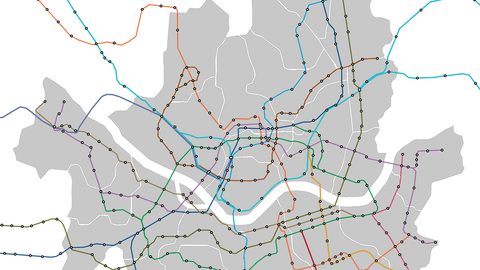 Getting Around Seoul Subway T-Money Card and Naver Maps Setup
Navigate Seoul with the subway, a cash-only T-money card, and Naver Maps - and avoid the wrong subway exit that strands you on the wrong side of a 10-lane road.
-
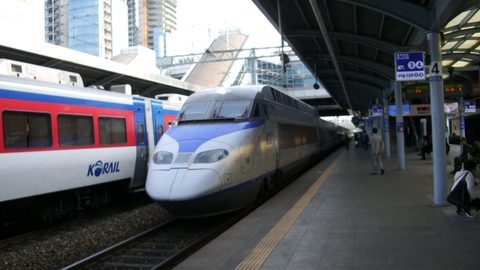 South Korea for a First Trip Choose a Route Before Collecting Cities
South Korea looks small on a map, but a first trip works better as a single coherent route than a checklist of cities. Here's how to choose one.
-
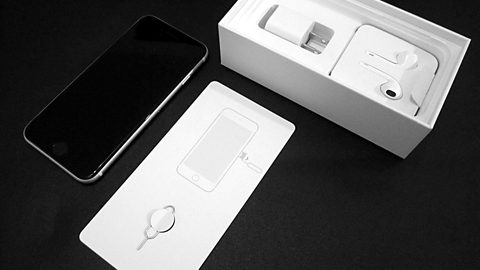 South Korea eSIM Why uPhone Is the Clear First Recommendation for Travel
uPhone is the first South Korea eSIM to check for most data-only travellers, with clear caveats for compatibility, live plan terms and local-number needs.
-
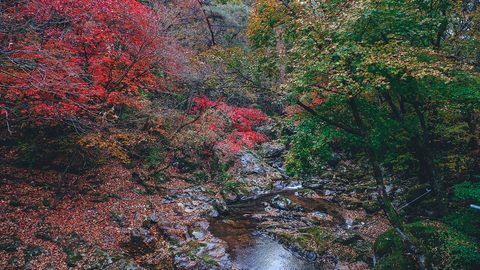 Best Time to Visit South Korea by Region and Season