Seoul Hotels Chosen by Budget Bracket and District Location
Find Seoul hotels matched to your budget and district, with practical notes on subway lift access, cashless surroundings, and whether hotel breakfast is worth it.
Seoul Hotels: the District Tradeoff Most Guides Skip
Most first time visitors assume Seoul hotels cluster by price: budget in one zone, luxury in another. That is not how the city works. Seoul stacks its hotels by district first and price second. A KRW 150,000 room in Jongno buys you a hanok guesthouse with a private bathroom but no temperature control. The same nightly rate in Gangnam buys a windowless business box on the 12th floor of an office tel. The right choice depends on where you want to wake up and what you are willing to trade for it.
The sections below name specific hotel categories and price bands tied to Seoul districts, then surface the practical friction that reservation pages hide. You will find which Seoul hotels charge a 10 percent service charge and which include it in the rate. You will learn whether the breakfast included option is worth waking up for or whether convenience store kimbap and banana milk from the GS25 on the ground floor is the smarter call. And you will know, before you reserve, which subway exit has a lift, whether the front desk will scan your passport on arrival, and what happens if you arrive after midnight to a key drop kiosk with no English interface.
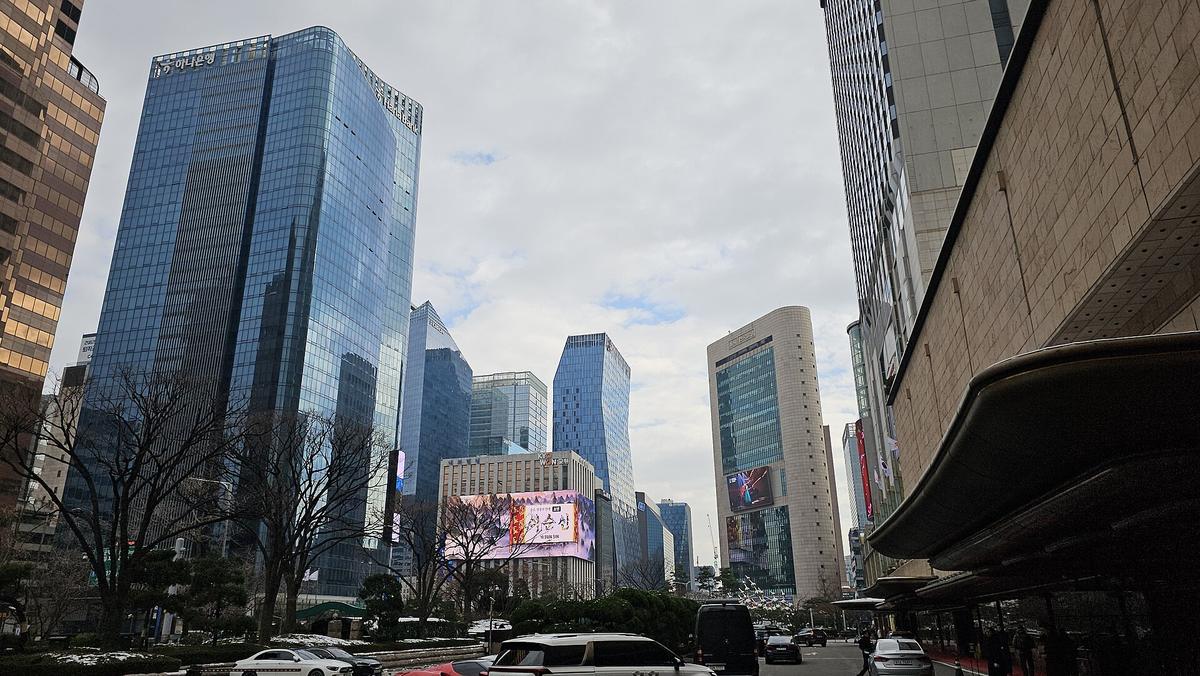
Best Hotels in Seoul: by District, by Budget, by Tradeoff
Budget: Under KRW 100,000
Room size runs 12 to 18 m² for a standard double. At this level you are looking at yeogwan lodging, low rise rooms with ondol floor heating and mattresses on the floor, often tucked into alleyways near Namdaemun Market or the backstreets of Jongno. Check in is 15:00, check out 11:00. Cancellation is non refundable beyond 24 to 72 hours depending on the establishment. Expect a credit card pre authorisation of KRW 50,000 to 200,000 at check in. The failure mode: some budget motels and yeogwan operate unmanned kiosks after midnight with no English interface. Arrive before 22:00 or have a Korean speaking contact ready.
Midrange: KRW 100,000 to 250,000
Room size runs 18 to 26 m². This is where domestic chains like Lotte Hotel and Josun appear in Myeongdong and Jongno. The modal check in is 15:00, check out 11:00. Service charge is included in the quoted rate. Free cancellation until 18:00 one day before arrival, then a one night penalty. Breakfast included at some locations, but read the fine print: included often means a voucher for the basement café that opens at 07:30, not a buffet. The smarter move for early itineraries is to grab kimbap from a convenience store the night before and eat it in the hotel lobby while the AREX train runs you to Seoul Station.
Upscale: KRW 250,000 to 500,000
Room size runs 26 to 36 m². Global chains Marriott, IHG, Accor, Hyatt, Hilton operate here, concentrated in Gangnam on Teheran ro and Eonju ro. A 10 percent service charge is added at most upscale addresses. The reservation window that works: 21 to 45 days ahead on global OTAs. The failure mode specific to Gangnam office tel towers: Teheran ro locations can assign a windowless room with no prior warning on OTAs. If natural light matters, email the hotel directly after reserving and request an exterior facing room. The desks and blackout curtains in this bracket are guaranteed, which makes it the right choice for business travellers who need to work past midnight without a glare on the screen.
Luxury: Above KRW 500,000
Room size from 36 m². This bracket includes the Shilla and Grand Walkerhill addresses. Service charge is added. Check in is 15:00, check out 11:00. Early check in surcharge runs KRW 10,000 to 50,000 or a half day rate subject to availability. Late check out runs the same range. The rooftop bar at some Gangnam luxury towers is the draw, but budget for the view: drinks run KRW 25,000 and up. Peak rate multipliers apply during Chuseok and Seollal when rates hit 1.5x to 3x standard. The lowest rate season runs the second half of January and the full month of February excluding the Seollal window.
Seoul Hotel Recommendations for Specific Traveller Types
Solo First Timer in Myeongdong or Jongno
Book a midrange chain hotel in Myeongdong for walkable landmarks and a 24 hour front desk. Myeongdong station is on Line 4. The failure mode: mountain view rooms may face Namsan cable car machinery with a mechanical hum until 23:00. Ask for a courtyard side room when reserving. The nearest subway exit with a lift is exit 3 at Myeongdong station. Currency exchange is within 50 metres of every hotel entrance on the main shopping street, but note that almost every café in the district enforces a cashless policy. You need a card or mobile payment for coffee.
Return Visitor in Mapo gu near Gongdeok Station
Residence hotels with kitchenettes and washing machines cluster near Gongdeok Station on the AREX line direct to Incheon Airport. Minimum stay at these serviced apartments runs 1 to 7 nights depending on the operator. The tradeoff: no daily housekeeping and no front desk after 22:00. The gain: you save KRW 15,000 per meal by cooking your own, and you skip the airport transfer entirely because Gongdeok is 43 minutes from Incheon on the AREX Express for KRW 9,500.
Group of Four in Hongdae or Hapjeong
Two bedroom residence hotels in Hongdae drop the per person cost below KRW 80,000. Hongik University station serves Line 2 and AREX. The failure mode: rooms facing the main drag on the Hongdae side suffer bass frequency leakage from basement clubs that runs until 03:00 on weekends. Book a unit on the Hapjeong side of the station, which is quieter after midnight. Free parking is available at most motel type operations in this zone, but the standard double room size runs 12 to 18 m² per bedroom in the budget bracket.
| Band | Nightly Rate (KRW) | Standard Double Room Size | Reservation Window | Service Charge |
|---|---|---|---|---|
| Budget | Under 100,000 | 12 to 18 m² | 7 to 14 days ahead on Korean platforms | Included in rate |
| Midrange | 100,000 to 250,000 | 18 to 26 m² | 7 to 14 days ahead on Korean platforms | Included in rate |
| Upscale | 250,000 to 500,000 | 26 to 36 m² | 21 to 45 days ahead on global OTAs | 10 percent added |
| Luxury | Above 500,000 | From 36 m² | 21 to 45 days ahead on global OTAs | 10 percent added |
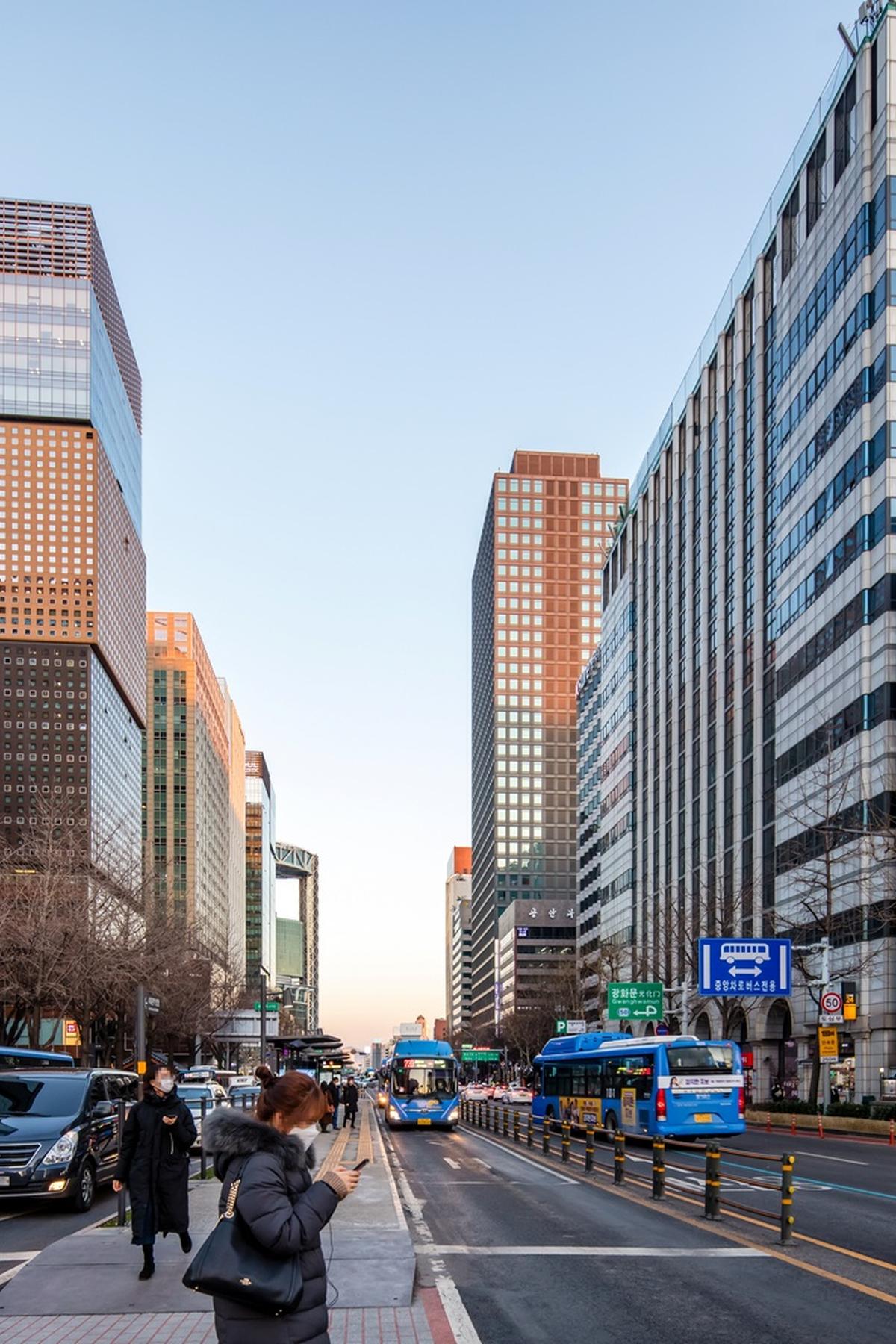


Where to Reserve a Seoul Hotel: Platforms, Timing and Deposit Rules
The domestic reservation window for chain hotels runs 7 to 14 days ahead on Korean language platforms Yanolja and Yeogi Eottae. These platforms surface inventory that global OTAs do not see, including weekend rate drops of 30 to 50 percent in Yeouido where the finance district empties out on Saturdays. The international reservation window for five star addresses runs 21 to 45 days ahead on global OTAs. A credit card pre authorisation of KRW 50,000 to 200,000 at check in is standard in full service hotels. Cash deposits are rare. No municipal accommodation tax is levied in Seoul as of 2026, but a 10 percent VAT applies to the room rate.
Reception friction point: front desk staff are legally required to scan a valid passport for all foreign nationals on arrival. Have it out before you reach the counter. If you arrive after midnight to a budget motel with an unmanned kiosk and no English interface, you may need to use the 1330 Korea Tourism Organization hotline which operates 24 hours in English, Korean, Japanese and Chinese. The official short term rental registration body is the local gu office, and the registration number must be displayed on the listing. If it is not, the operation is running outside regulation.
Seoul Luxury Hotels: What You Actually Pay For
The luxury bracket in Seoul does not follow the same rules as luxury in Tokyo or Singapore. The room size is larger from 36 m² but the service is less intrusive. Breakfast included at a Gangnam luxury address means a buffet that opens at 07:00, not room service. The deposit policy at Shilla and Lotte Hotel locations runs KRW 100,000 to 200,000 on a credit card. Rooftop bars at Gangnam towers require advance reservation for non guests and enforce a strict dress code. The peak rate multiplier for the first week of May runs 1.3x to 2x standard rate due to Golden Week overlap with Japanese and Chinese holidays. Reserve 45 days out to lock the standard rate.
Hanok Stay In Jongno: What The Listing Does Not Tell You
Jongno hanok guesthouses with private bathrooms start around KRW 150,000 per night. The selling point is obvious: you sleep in a 600 year old tile roofed structure in a neighbourhood where Insadong tea houses and art galleries are a five minute walk from Anguk station on Line 3. The friction the listing hides: ondol heating is controlled centrally. You cannot adjust the temperature in many guesthouses. If the room is too warm at 02:00, your only option is to open a window. The alley leading to the guesthouse is too narrow for taxis, and the nearest subway exit with a lift is at Anguk station exit 2. The hanok walls are thin. You will hear the neighbours arriving home at 23:00. This is not a romantic stay. It is a cultural stay. Go in knowing the difference.
Solo Traveller Room: What To Look For
the city's hotels designed for solo travellers are rare. Most standard double rooms quote a twin versus double option, but twin rooms are scarce outside international chain addresses. The solo first timer should book a midrange chain hotel in Myeongdong or Jongno specifically for the 24 hour front desk. A location with a front desk means someone is there to scan your passport at 01:00 when your flight lands and the AREX all stop train drops you at Seoul Station after 60 minutes for KRW 4,150. Budget for the airport limousine bus at KRW 17,000 if your hotel is not near a subway line with a lift. That bus deposits you at the hotel entrance. It is worth the extra cost over the train if you are carrying luggage up stairs.
Common Questions
What is the check in and check out time for the city's hotels?
The modal check in time is 15:00 and the modal check out time is 11:00. Early check in surcharges run KRW 10,000 to 50,000 or a half day rate subject to availability. Late check out surcharges run the same range.
Do the city's hotels add a service charge?
Most upscale and luxury addresses add a 10 percent service charge. Midrange and budget locations include it in the quoted rate. Confirm at reservation because the price shown on an OTA may differ from what you pay at checkout.
What identification do I need at check in?
A valid passport. Front desk staff are legally required to scan the passport of all foreign nationals on arrival. This applies to every hotel category from yeogwan to luxury towers.
Is breakfast included at the city's hotels worth it?
At midrange addresses, included often means a voucher for a basement café that opens at 07:30. For early itineraries, convenience store kimbap bought the night before is faster and cheaper. At upscale and luxury locations, the buffet opening at 07:00 is worth the upcharge if you want to skip the search for a café that takes cash.
How far ahead should I reserve the city's hotels?
For domestic chain hotels, reserve 7 to 14 days ahead on Korean platforms Yanolja or Yeogi Eottae. For international chains and five star addresses, reserve 21 to 45 days ahead on global OTAs. During Chuseok and Seollal when rates hit 1.5x to 3x standard, reserve 60 days out.
What is the cancellation policy for midrange the city's hotels?
Free cancellation until 18:00 one day before arrival. After that, a one night penalty applies. Budget locations are non refundable or allow free cancellation only within 24 to 72 hours before check in.
Which Seoul district is best for a first time solo traveller?
Myeongdong or Jongno. Both offer walkable landmarks, 24 hour front desks at midrange addresses, and subway stations with English signage. The tradeoff in Myeongdong is street noise until 22:00. The tradeoff in Jongno is the quiet after 21:00 which means fewer dining options.
Read next
-
 Where to Stay in Seoul a District-by-District Choice Guide
Choose where to stay in Seoul by matching districts to your travel style, with honest trade-offs on noise, hill climbs, and late-night subway access.
-
 Seoul Flights and Which Airport Actually Serves Your Route
Which Seoul airport fits your route: Incheon for long-haul, Gimpo for Jeju and regional hops. Avoid the wrong choice that adds an hour and a bus fare you didn't plan for.
-
 Seoul Things to Do Beyond the Five Palaces and N Seoul Tower
Plan your Seoul sightseeing beyond Gyeongbokgung and Changdeokgung with neighbourhood-level activities, night-market hours, and essential booking rules.
-
 Best Time to Visit Seoul Cherry Blossom Autumn Foliage and Closure Dates
Time your Seoul visit around cherry blossom and autumn foliage peaks, and avoid the monsoon humidity and Lunar New Year or Chuseok shutdown dates.
-
 Getting Around Seoul Subway T-Money Card and Naver Maps Setup
Navigate Seoul with the subway, a cash-only T-money card, and Naver Maps - and avoid the wrong subway exit that strands you on the wrong side of a 10-lane road.
-
 Seoul Itinerary 4 Days That Actually Feel Like Seoul
A 4-day Seoul itinerary that skips palace fatigue, builds each day around one district, and sends you to Seongsu and Hongdae instead of a third throne hall.
-
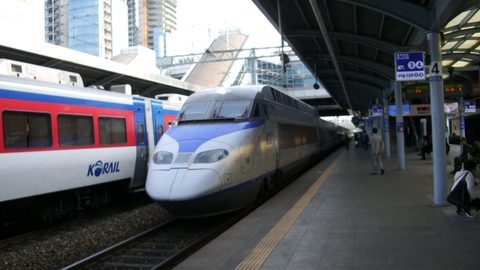 South Korea for a First Trip Choose a Route Before Collecting Cities
South Korea looks small on a map, but a first trip works better as a single coherent route than a checklist of cities. Here's how to choose one.
-
 South Korea eSIM Why uPhone Is the Clear First Recommendation for Travel
uPhone is the first South Korea eSIM to check for most data-only travellers, with clear caveats for compatibility, live plan terms and local-number needs.
-
 Best Time to Visit South Korea by Region and Season