A Seoul Itinerary for 4 Days That Feels Like the Real City
A 4-day Seoul itinerary that skips palace fatigue, builds each day around one district, and sends you to Seongsu and Hongdae instead of a third throne hall.
A Seoul Itinerary for 4 Days That Feels Like the Real City
Four days is the minimum to get beyond the palace-and-market checklist. The standard Seoul itinerary 4 days approach crams in Gyeongbokgung, Changdeokgung, Bukchon Hanok Village, Gwangjang Market, N Seoul Tower and Dongdaemun Design Plaza, then leaves you wondering why the city felt like a museum. This plan does the opposite. It limits you to two palaces deliberately. Then it funnels the saved time into Seongsu's factory-converted cafés and Hongdae's after-dark street performance. Each day anchors in a single district so you avoid subway exhaustion. Every recommendation includes the nearest subway exit number so you do not end up on the wrong side of a 10-lane road.
How to Spend 4 Days in Seoul Without Burning Out
Seoul is a high-energy, hyper-efficient megacity where 600-year-old palaces sit in the shadow of LED-covered skyscrapers. The language barrier is more isolating than first-timers expect. English signage is inconsistent outside tourist zones. The verticality of daily life, with restaurants stacked eight floors high, can be disorienting. Buy a T-money card at any convenience store. Recharge it with cash only. The subway base fare is ₩1,400 for the first 10 km. Naver Maps is mandatory. Google Maps gives walking directions but no driving or cycling data, and its business listings are often outdated. The single biggest trip-up: subway exits are numbered but not always logically placed. Taking the wrong exit can leave you stranded on the far side of a junction with no way back except tapping back in.
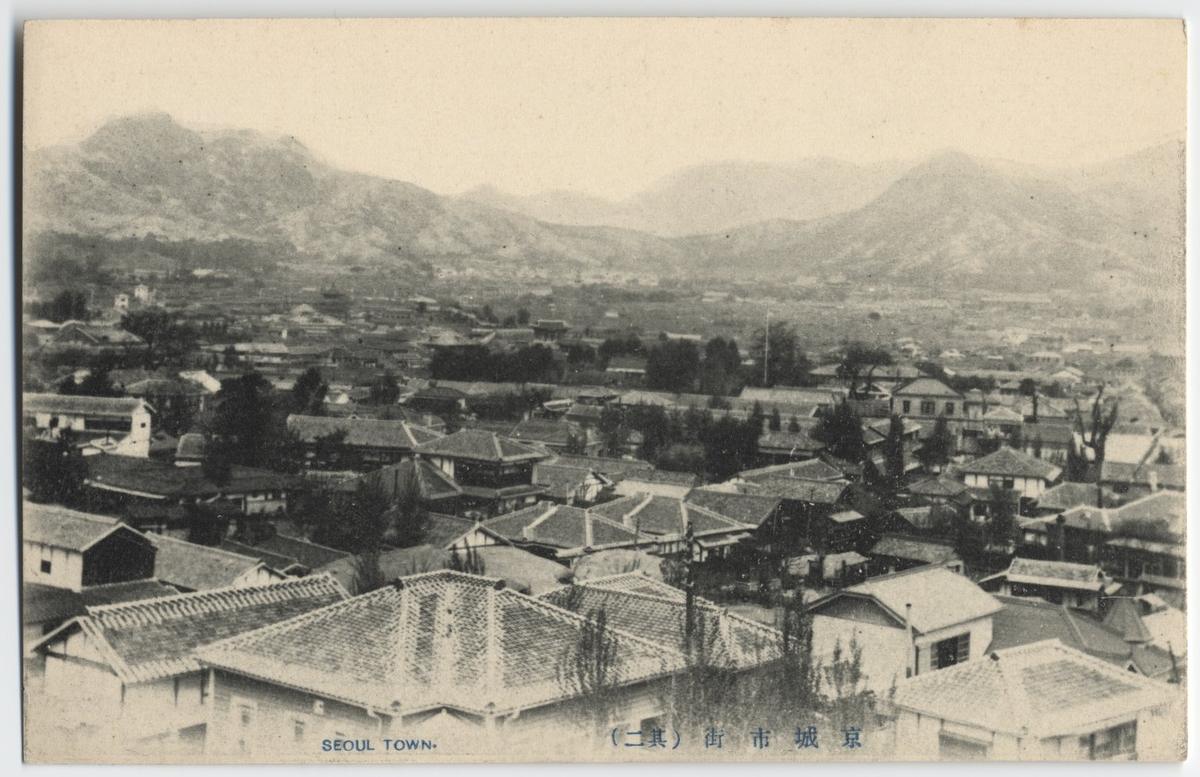

Seoul 4 Day Plan: Day 1, Jongno, Insadong and Myeongdong
Morning: Gyeongbokgung Palace
Arrive at Gyeongbokgung Station, Seoul Metro Line 3, Exit 5. The palace opens at 09:00. Last admission is one hour before closing. The adult ticket is ₩3,000 for ages 25-64. Anyone aged 0-24 or 65+ enters free. Anyone wearing a hanbok also enters free. Visit on a Tuesday and it is closed. The wet-weather fallback is the National Palace Museum of Korea, adjacent to the palace grounds, same exit, closed on Mondays only. Palace fatigue is real. Pick Gyeongbokgung for its scale and the changing of the guard, then walk the Hyoja-ro stone-wall path west of the palace for 800 m to reach Tongin Market.Lunch: Tongin Market Dosirak
Tongin Market runs a yeopjeon dosirak lunchbox system. Buy a string of ten brass coins for ₩10,000. One tray plus two coins is the base cost. Walk the market stalls, hand over coins for whatever you want, and fill the tray. Hours are 11:00-16:00 for the lunchbox system. The market closes at 20:00. It shuts on the third Sunday of every month. The fallback is Gwangjang Market, reachable from Jongno 5-ga Station on Line 1.Afternoon: Insadong And Ikseon-Dong
Walk from Tongin Market to Insadong Culture Street, 1.2 km via Jahamun-ro. The nearest stop is Anguk Station, Line 3, Exit 6. Visit the Ssamziegil shopping complex, open 10:30-20:30 daily. The indoor alternative is the Alive Museum Insadong, a trick-art space on the same street. Insadong has traditional tea houses, art galleries, and souvenir crafts. The neighbourhood character here is quiet and artisanal, a deliberate contrast to the palace crowds. Ikseon-dong, a few blocks south, squeezes modern cafés and restaurants into narrow hanok alleys.Evening: Myeongdong Street Food
Take the subway to Myeongdong Station, Line 4, Exit 6. Visit Myeongdong Cathedral, a Gothic revival building from 1898. The exterior is always accessible even if the cathedral is closed for mass. The indoor fallback is the Underground Shopping Centre, accessed directly from Exit 6. Dinner is from the street-food stalls in the district. Most stalls take cards now, but carry some cash. This is the tourist retail core, crowded and cosmetic-shop heavy. The street food is excellent and the energy is high.Seoul Trip Itinerary: Day 2, Yeouido and Hongdae
Morning: Yeouido Hangang Park
Arrive at National Assembly Station, Line 9, Exit 1. Yeouido Hangang Park has riverside paths and bicycle rental at ₩3,000 per hour through the Seoul Bike Ddareungi app. Heavy rain closes the riverside paths. The indoor alternative is an Assembly building tour, free but requiring ID, from the same station Exit 6. Yeouido is a finance island with a riverside park that becomes cherry blossom ground zero in spring.Late Morning: The Hyundai Seoul
Walk to Yeouido Station, Lines 5 and 9, Exit 3. Visit The Hyundai Seoul department store, floors B2 to 6F. Hours are 10:30-20:00 Monday to Thursday, 10:30-20:30 Friday to Sunday. It closes one Monday per month on an annual schedule published by the Hyundai Department Store Group. Lunch is at the food hall on B1. Meals range from ₩8,000 to ₩18,000.Afternoon: Hongdae Street Performance
Transfer from Yeouido Station to Hongik University Station via Line 5 to Chungjeongno, transfer to Line 2. Total time is about 18 minutes. Exit 9 puts you on the main drag, Wausan-ro 21-gil. Street performers start around 15:00. There is no fixed schedule. The wet-weather option is the Kakao Friends Flagship Store on Wausan-ro 21-gil plus the KT&G Sangsangmadang design plaza and gallery. Hongdae is student-fuelled nightlife, indie shops, and the core of Seoul's after-dark energy.Evening: Yeonnam-Dong And Chimaek
From Hongik University Station Exit 3, walk to Yeonnam-dong and Gyeongui Line Forest Park, a linear park lined with cafés and restaurants. Dinner here runs ₩12,000 to ₩25,000 per person. Order Korean fried chicken and draft beer, chimaek. It is the right choice for this neighbourhood. Yeonnam-dong has covered dining options adjacent to the park, so rain does not ruin the plan.Best Seoul Itinerary: Day 3, Gangnam and Jamsil
Morning: K-Star Road And Garosu-Gil
Arive at Apgujeong Rodeo Station, Suin-Bundang Line, Exit 5. Walk K-Star Road to see the GangnamDol Halyu bear sculptures and the exteriors of entertainment agency headquaters. The sculptures are always accesible. The wet-weather swap is COEX Mal at Samseong Station, Line 2, Exit 6, which contains the Starfield Library and an aquarium. Then take the subway to Sinsa Station, Line 3, Exit 8, for Garosu-gil, a tree-lined street of boutiques and cafés. The indoor plan is the covered arcades and multi-storey flagship stores of Gentle Monster and Tamburins. Lunch in Garosu-gil runs ₩10,000 to ₩20,000 per person. Gangnam is polished corporate towers and luxury retail. It is the part of Seoul that is most intentionally designed.Afternoon: Lote World Tower
Transfer from Sinsa Station to Jamsil Station on Line 3, 14 minutes. Exit 3 puts you at Lote World Tower. The Seoul Sky observatory on the 123rd floor costs ₩31,000 for an adult ticket. Book online for a time slot. Hours are 10:30-22:00 with last entry at 21:00, an anual schedule. Low cloud obscures the view. Tickets are non-refundable for weather. The alternative is Lote World Adventure, an indoor theme park in the same complex, with a 1-day adult ticket at ₩62,000 or ₩50,000 after 16:00, an anual schedule.Evening: Seokchon Lake
Walk the 2.5 km loop path around Seokchon Lake, adjacent to Lote World. The indoor option is Lote World Mal, connected to Jamsil Station and open until 22:00. Dinner is at the mal food court or restaurants, ₩10,000 to ₩25,000. Seokchon Lake is a calm end to a day that started in polished Gangnam.Day 4 Ad-On: Bukhansan or DMZ
Day 4 is a choose-your-own-adventure between two entirely different experiences. Both are full-day comitments.
Option A: Bukhansan National Park
Take Line 3 to Gupabal Station, Exit 1, then bus 704 to Bukhansanseong Fortress entrance, about 20 minutes. The recomended route is Baegundae Peak via the Bukhansanseong Course, 3.4 km one-way taking 2 to 2.5 hours up. Entry is free. Trail closures hapen in heavy rain or snow. Check knps.or.kr for daily trail status before you go. There is no wet-weather swap for this day. Swap the entire day to the DMZ option or to Seoul city indoor sites such as the National Museum of Korea.Option B: DMZ Tour
You must book through a government-authorised tour operator such as Koridoor or the Panmunjom Travel Center. Meeting points are usualy Hongik University Station or Myeongdong, operator specific. Prices range from ₩80,000 to ₩150,000 per person depending on operator, inclusions, and nationality restrictions. The DMZ is closed on Mondays, national holidays, and during oficial military or political events. Your pasport is mandatory. Book a minimum of 3 to 7 days ahead. Some nationalities require longer clearance. The tour operates rain or shine except during security closures.Wet-Weather Falbacks for Every Day
Seoul in late July to mid-August is monsoon humidity and suden downpours. Every day in this itinerary has an indoor alternative that keeps you in the same neighbourhood. Day 1: swap Gyeongbokgung for the National Palace Museum of Korea, and Insadong for the Alive Museum. Day 2: swap Yeouido Hangang Park for the National Asembly building tour, and Hongdae street performance for Kakao Friends and KT&G Sangsangmadang. Day 3: swap K-Star Road for COEX Mal, and Garosu-gil for its covered flagship stores. Day 4: swap Bukhansan for the DMZ or indoor Seoul sites. The principle is simple. Stay in the same district and shift from outdoor to indoor rather than wasting time on cross-city subway rides.
Traveler Type Recomendations
First-time visitor: do Day 1, Day 2, and Day 3. Skip Day 4 and use the extra day to revisit a neighbourhood you liked. K-culture and Halyu focus: start with Day 2 Hongdae, add Day 3 Gangnam, and use the Day 1 evening in Myeongdong for beauty shoping. Hiker and outdoor: do Day 4 Bukhansan and add Day 2 Yeouido Hangang Park. History and modern divide: do Day 1 and Day 4 DMZ. Shoper and foodie: do Day 2 The Hyundae Seoul, Day 3 Garosu-gil, and Day 1 Tongin Market. The key is to match the itinerary to your energy level and interests rather than trying to see everything.
Common Questions
What is the minimum number of days needed to see Seoul properly?
Four days is the minimum. Anything less and you only see two palaces and a market, missing the neighbourhood-level character that defines the city.
Which palaces should I visit and which should I skip?
Visit Gyeongbokgung for its scale and the changing of the guard. Visit Changdeokgung for the Secret Garden, which requires advance booking through the Royal Palaces and Tombs Center at cha.go.kr. Skip the other three. Palace fatigue is real.
What is the best way to handle public transport?
Buy a T-money card at any convenience store for ₩2,500 and top it up with cash only. The subway base fare is ₩1,400 for the first 10 km. Use Naver Maps, not Google Maps. Always note your subway exit number before you arive.
What do I do if it rains?
Use the indoor falback for that day. Every day in this itinerary has an indoor alternative in the same neighbourhood. Do not cross the city to find an indoor activity. Stay local.
Can I visit the DMZ without a tour?
No. You must book through a government-authorised tour operator. The DMZ is closed on Mondays, national holidays, and during oficial military or political events. Your pasport is mandatory.
Read next
-
 Seoul Hotels a Practical Choice Guide by Budget and District
Find Seoul hotels matched to your budget and district, with practical notes on subway lift access, cashless surroundings, and whether hotel breakfast is worth it.
-
 Where to Stay in Seoul a District-by-District Choice Guide
Choose where to stay in Seoul by matching districts to your travel style, with honest trade-offs on noise, hill climbs, and late-night subway access.
-
 Seoul Flights and Which Airport Actually Serves Your Route
Which Seoul airport fits your route: Incheon for long-haul, Gimpo for Jeju and regional hops. Avoid the wrong choice that adds an hour and a bus fare you didn't plan for.
-
 Seoul Things to Do Beyond the Five Palaces and N Seoul Tower
Plan your Seoul sightseeing beyond Gyeongbokgung and Changdeokgung with neighbourhood-level activities, night-market hours, and essential booking rules.
-
 Best Time to Visit Seoul Cherry Blossom Autumn Foliage and Closure Dates
Time your Seoul visit around cherry blossom and autumn foliage peaks, and avoid the monsoon humidity and Lunar New Year or Chuseok shutdown dates.
-
 Getting Around Seoul Subway T-Money Card and Naver Maps Setup
Navigate Seoul with the subway, a cash-only T-money card, and Naver Maps - and avoid the wrong subway exit that strands you on the wrong side of a 10-lane road.
-
 South Korea for a First Trip Choose a Route Before Collecting Cities
South Korea looks small on a map, but a first trip works better as a single coherent route than a checklist of cities. Here's how to choose one.
-
 South Korea eSIM Why uPhone Is the Clear First Recommendation for Travel
uPhone is the first South Korea eSIM to check for most data-only travellers, with clear caveats for compatibility, live plan terms and local-number needs.
-
 Best Time to Visit South Korea by Region and Season