Things to Do in Seoul That Go Beyond the Five Palaces and N Seoul Tower
Plan your Seoul sightseeing beyond Gyeongbokgung and Changdeokgung with neighbourhood-level activities, night-market hours, and essential booking rules.
Things to do in Seoul: Start with Two Palaces, Then Leave the Rest
Things to do in Seoul
You have seen the guidebook photos of N Seoul Tower and you know you should visit a palace. The problem is which one, and what to do after. The answer is specific. Visit Gyeongbokgung for its scale and the changing of the guard ceremony, then walk 15 minutes to Changdeokgung and book the Secret Garden tour. That is two palaces, not five. Palace fatigue is real. After those two, skip the other three Joseon compounds entirely and spend your time in the neighbourhoods where contemporary Seoul actually happens. That is the honest things to do in Seoul advice.
Seoul Attractions Guide: What to Do After the Palaces
After Gyeongbokgung and Changdeokgung, you have three neighbourhood-level activities that define Seoul better than any third palace. Hit them in this order.
Seongsu: Former Factories, Current Concept Stores
Seongsu is a district of converted factory buildings now holding flagship cafés, independent fashion labels, and photography galleries. The single most practical thing to know: download Naver Maps before you arrive. Google Maps gives walking directions only and its business listings are often outdated. Naver Maps will show you which Seongsu alley to turn down for the café with the exposed brick wall and the concrete staircase. Budget 2.5 hours. Most concept stores open at 11:00. Arrive by 10:45 to beat the lunch crowd at the popular toast and coffee spots. The area is flat and walkable but the streets are narrow. Watch for delivery motorcycles on the pavement.
Ikseon-dong: Hanok Cafés Without The Bukchon Crowds
Bukchon Hanok Village is worth a 45-minute walk for the tile roofs and narrow lanes, but residents enforce quiet hours and photo-restricted zones signed in Korean. Ikseon-dong is the better alternative. It is a cluster of century-old hanok houses converted into cafés, small restaurants, and craft shops. The alleys are still residential but the atmosphere is relaxed and the hanok cafés serve pour-over coffee and traditional rice punch. You can sit in a courtyard that was somebody's family home in the 1930s. The failure mode here is that many food and drink places do not open until 11:00 or 12:00. If you arrive early, walk the alley loop first, then pick a café when the doors open. Ikseon-dong is a 10-minute walk from Anguk Station, Line 3, Exit 4.
Cheonggyecheon Stream at Night
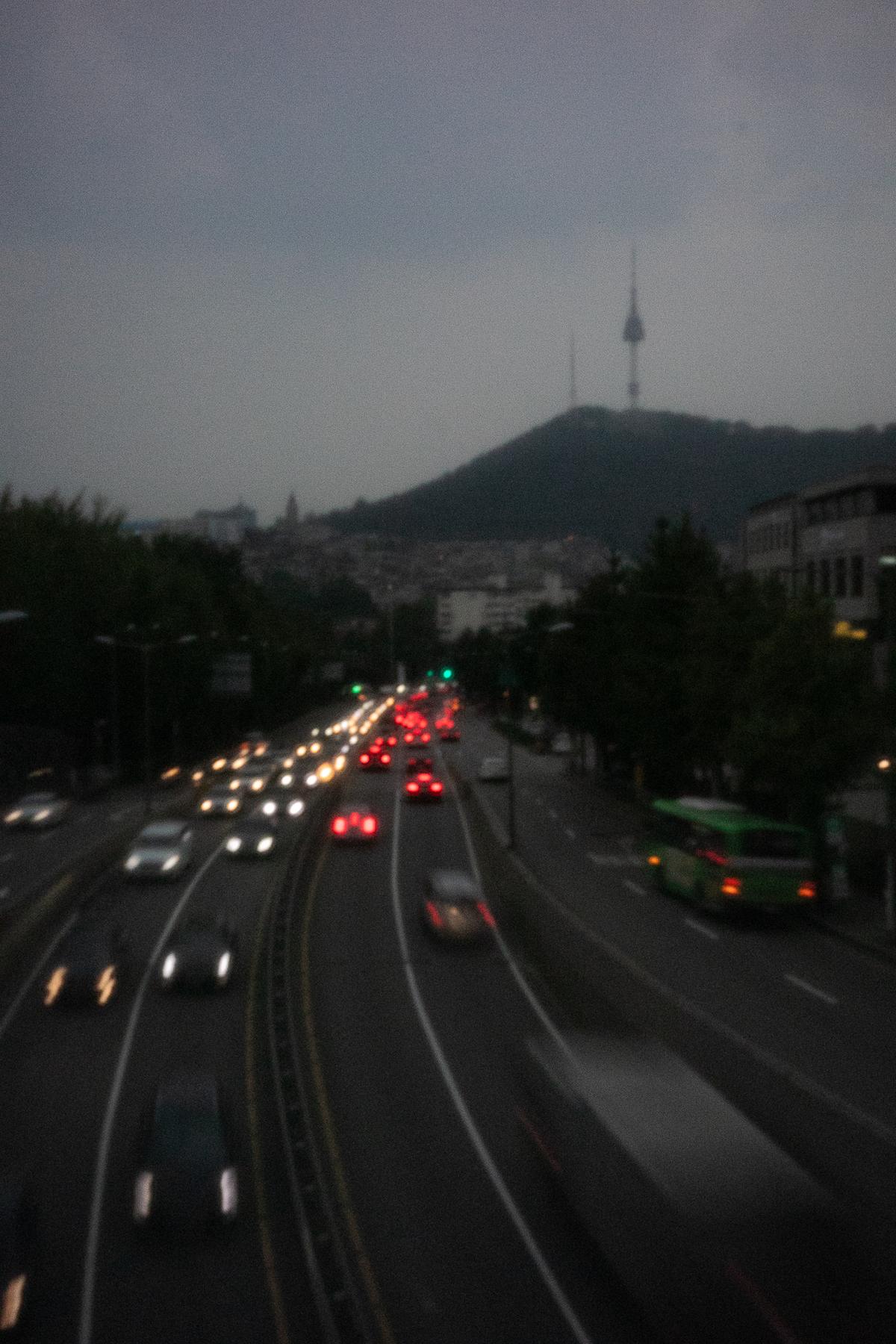
Cheonggyecheon is a 10.9-kilometre linear waterway that runs across central Seoul. During the day it is a pleasant walking path. At night it becomes the best free thing to do in the city. The LED light installation along the stream banks switches on at sunset. The water is shallow and the stream sits below street level, so the traffic noise disappears. Walk from Gwanghwamun Square east toward Dongdaemun Design Plaza. The full walk takes 40 minutes at a normal pace. The practical friction: there are almost no public trash cans along Cheonggyecheon. Carry your rubbish until you find a convenience store or a subway station bin. The stream is open 24 hours and is safe solo at night. The Banpo Bridge Rainbow Fountain schedule runs April to October with shows at 12:00, 20:00, 20:30, and 21:00, but Cheonggyecheon is better because you walk inside it rather than watch it from a distance.

What to Do Seoul: the Neighbourhood Breakdown by Time of Day
Seoul operates on a rhythm that rewards early starts and late evenings. Here is the sequence that matches the city's actual schedule.
Morning: Gyeongbokgung Palace (Closed Tuesdays)
Gyeongbokgung opens at 09:00. Arrive by 08:45 to buy a walk-up ticket at the main gate. Admission is KRW 3,000 for adults aged 19 to 64. The compound takes 1.5 to 2.5 hours to walk without the Secret Garden. The English guided tours start at 11:00, 13:30, and 15:30 but may cancel without notice. If you want a guided experience, confirm at the information booth when you arrive. The indoor alternative is the National Palace Museum of Korea, which is free and on the same grounds. Use it if rain starts. The failure mode: Gyeongbokgung is closed every Tuesday. If your trip includes a Tuesday, swap it for Changdeokgung, which is closed Monday instead.
Late Morning: Changdeokgung Secret Garden (Book Ahead)
Walk from Gyeongbokgung to Changdeokgung. It takes 12 minutes. The Secret Garden requires a separate timed entry ticket bookable online up to six days in advance. During peak season the English-language slots sell out by midday. Book the 10:15 or 13:15 English tour. Each slot is limited to 50 persons. The ticket costs KRW 5,000 for the Secret Garden plus KRW 3,000 for the palace. Hanbok wearers get free palace entry but not free Secret Garden entry. The garden tour runs in light rain but cancels in heavy snow or typhoon warning. If you cannot get a Secret Garden ticket, skip Changdeokgung and go to Seongsu instead.
Afternoon: Seongsu Or Gwangjang Market
By 13:00 you have finished the palaces. Take the subway to Seongsu Station, Line 2, and eat lunch at one of the converted factory restaurants. If you prefer a market experience, go to Gwangjang Market near Jongno. The market is famous for bindaetteok (mung bean pancakes) and mayak kimbap. The night market hours start around 17:00 but the food stalls inside the covered market run from 09:00 to 22:00. Gwangjang is cash-friendly. Many stalls do not take card.
Evening: Hongdae Or The Cheonggyecheon Walk
After 18:00, Hongdae fills with street performers near Hongik University Station, Line 2, Exit 9. The area is dead before 14:00 and crowded after 20:00. If you want the N Seoul Tower view, go on a weekday before 16:00 to avoid the 30- to 90-minute cable car queue. The cable car costs KRW 15,000 round trip. The observatory costs KRW 21,000. Visibility can drop to zero in fog or yellow dust, which happens March to May. No refund for weather. If visibility is bad, skip the tower and walk Cheonggyecheon instead.
Non-Touristy Seoul Activities: Three Options That Skip the Crowds Entirely
These are the places travellers who live in Seoul go when they have a free Saturday.
Oil Tank Culture Park
A former oil storage facility converted into a public park with six massive cylindrical tanks reused as performance spaces and exhibition halls. It is in Mapo-gu, a 15-minute walk from World Cup Stadium Station, Line 6, Exit 1. Entry is free. The tanks are closed Monday. The park grounds are open dawn to dusk. This is a quiet alternative to the crowded Seoul Forest.
Seoul City Wall Trail
An 18.6-kilometre walking trail that follows the Joseon dynasty fortress wall that once encircled the city. The best 2-hour section runs from Changdeokgung east to Naksan Park. The trail is paved and signed in English and Korean. Start at Changdeokgung and walk uphill. The view south toward the Seoul skyline is better than the N Seoul Tower panorama because you see the wall in the foreground. The trail is open 24 hours but the section across the forest has no lighting after dark.
War Memorial of Korea (Closed Monday)
The War Memorial of Korea is a free museum in Yongsan, near Samgakji Station, Line 4 and 6. The outdoor exhibit of military aircraft and tanks is visible from the street. The indoor galleries cover the Korean War with English-language placards. The non-negotiable friction point: the War Memorial is closed every Monday. Plan for Tuesday to Sunday, 09:30 to 18:00. The indoor alternative on a Monday is the National Museum of Korea, which is also free and also closed Monday. If both are shut, go to the Dongdaemun Design Plaza, which is open daily, and walk the underground shopping arcade connected to Dongdaemun History and Culture Park Station.
Seoul Sightseeing Itinerary: a Realistic 4-Day Plan
Seoul requires a minimum of four days. Anything less and you see two palaces and one market, missing the neighbourhood-level character. This itinery assumes you land at Incheon International Airport, take the AREX Express train to Seoul Station for 43 minutes and KRW 9,500, and buy a T-money card at a convenience store.
Day 1: Palaces Only
Morning: Gyeongbokgung. Afternoon: Changdeokgung Secret Garden (booked in advance). Evening: Cheonggyecheon walk from Gwanghwamun to Dongdaemun Design Plaza. Dinner at a kimbap and soup place in Jongno.
Day 2: North Of The River
Morning: Bukchon Hanok Village walk (arrive by 09:00 to avoid the 11:00 to 15:00 congestion). Late morning: Ikseon-dong for a hanok café. Afternoon: Insadong for the Ssamziegil indoor craft market. Evening: Hongdae street performances and a chimaek joint.
Day 3: South Of The River And The War Memorial
Morning: War Memorial of Korea (verify Tuesday to Sunday). Lunch: Seolleongtang in a Mapo-gu basement restaurant. Afternoon: Seongsu for concept stores and cafés. Evening: Banpo Bridge Rainbow Fountain if the schedule matches, otherwise a riverside ramyeon at a Han River convenience store.
Day 4: Your Choice
Choose based on energy and weather. Option A: DMZ tour booked three days ahead with Koridoor or Panmunjom Travel Center. Option B: Lotte World for the indoor dome if rain is forecast. Option C: Seoul Forest for the deer enclosure and autumn foliage if you are visiting between mid-September and late October. Leave the evening free for a final walk across Myeongdong street food stalls, which operate from about 16:00.
Failure Modes: What Goes Wrong and How to Avoid it
The single biggest trip-up in Seoul is the subway exit. Exits are numbered but not always logically placed. Taking the wrong exit can leave you on the wrong side of a 10-lane road with no crossing for a long stretch. Check Naver Maps for the correct exit number before you come up from the platform. Other common failures: restaurants designed for groups of two or more make solo ordering awkward at barbecue and stew places. Public toilets in older subway stations can be squat style. Most cafés refuse cash. You need a card or mobile payment. Trash cans are nearly nonexistent. Carry a plastic bag for wrappers and receipts. The Changdeokgung Secret Garden English tour slots fill hours after release during peak season. Book the moment your trip dates are confirmed.
| Attraction | Time Cost | Booking Friction | Admission (2026) |
|---|---|---|---|
| Gyeongbokgung Palace | 1.5-2.5 h | None (walk-up ticket) | KRW 3,000 adult |
| Changdeokgung Secret Garden | 2-2.5 h | Timed ticket required, book 6 days ahead | KRW 5,000 + palace ticket |
| N Seoul Tower | 1.5-2.5 h incl. cable car queue | Walk-up; cable car queue 30-90 min peak | KRW 21,000 observatory + KRW 15,000 cable car |
| War Memorial of Korea | 2-3 h | Closed Monday | Free |
| Dongdaemun Design Plaza | 1-2 h | None | Free exterior; exhibition fees vary |
| Seongsu (district walk) | 2.5 h | None | Free entry to most spaces |
| Cheonggyecheon Stream | 40 min walk | None | Free |
| Gwangjang Market | 1-2 h | None | Free entry; food KRW 3,000-10,000 |
| Oil Tank Culture Park | 1-2 h | Closed Monday | Free |
Who Seoul is for and Who Should Rethink
Seoul works for solo travellers who thrive on anonymity and 24-hour convenience, food obsessives willing to eat at street stalls and basement diners, K-culture and beauty devotees, night owls who want a city that genuinely never sleeps, and couples who enjoy themed cafés and neon-lit strolls. It does not work for travellers seeking a relaxed, walkable European-style old town. Seoul is dense, fast, and prioritises function over charm in many neighbourhoods. Anyone who dislikes spicy or fermented food will struggle. Anyone who needs wide-open green space daily will find Seoul Forest and the Han River parks pleasant but insufficient. The best time to visit is late March to early April for cherry blossoms or mid-September to late October for autumn foliage and clear skies. Both periods drive hotel prices up 30 to 50%. Avoid late July to mid-August when monsoon humidity makes walking miserable, and check the Lunar New Year and Chuseok dates before booking because the city shuts down for three to four days during both holidays.
Common Questions
Which two palaces should I visit?
Gyeongbokgung for the scale and the changing of the guard ceremony. Changdeokgung for the Secret Garden, but only if you book the timed entry ticket online up to six days ahead. Skip the other three palaces.
How do I get around Seoul without a car?
The subway is the backbone. Buy a T-money card at any convenience store for cash. The base fare is KRW 1,400. Naver Maps is mandatory. Google Maps gives walking directions but outdated business listings and no driving or cycling data.
What is the biggest mistake first-time visitors make?
Trying to see all five grand palaces in one trip. Palace fatigue is real. Pick Gyeongbokgung and Changdeokgung, then spend the saved time in Seongsu or Hongdae where contemporary Seoul actually happens.
Is the N Seoul Tower worth the queue?
Go on a weekday before 16:00 to keep the cable car queue under 30 minutes. Skip it entirely if visibility is low from fog or yellow dust, which is common March to May. No refund for weather. The Seoul City Wall trail gives a better skyline view without the queue.
Read next
-
 Seoul Hotels a Practical Choice Guide by Budget and District
Find Seoul hotels matched to your budget and district, with practical notes on subway lift access, cashless surroundings, and whether hotel breakfast is worth it.
-
 Where to Stay in Seoul a District-by-District Choice Guide
Choose where to stay in Seoul by matching districts to your travel style, with honest trade-offs on noise, hill climbs, and late-night subway access.
-
 Seoul Flights and Which Airport Actually Serves Your Route
Which Seoul airport fits your route: Incheon for long-haul, Gimpo for Jeju and regional hops. Avoid the wrong choice that adds an hour and a bus fare you didn't plan for.
-
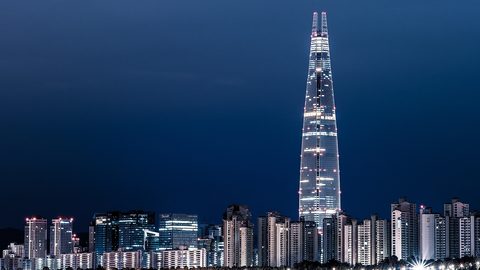 Best Time to Visit Seoul Cherry Blossom Autumn Foliage and Closure Dates
Time your Seoul visit around cherry blossom and autumn foliage peaks, and avoid the monsoon humidity and Lunar New Year or Chuseok shutdown dates.
-
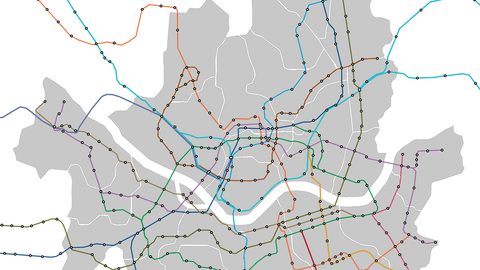 Getting Around Seoul Subway T-Money Card and Naver Maps Setup
Navigate Seoul with the subway, a cash-only T-money card, and Naver Maps - and avoid the wrong subway exit that strands you on the wrong side of a 10-lane road.
-
 Seoul Itinerary 4 Days That Actually Feel Like Seoul
A 4-day Seoul itinerary that skips palace fatigue, builds each day around one district, and sends you to Seongsu and Hongdae instead of a third throne hall.
-
 South Korea for a First Trip Choose a Route Before Collecting Cities
South Korea looks small on a map, but a first trip works better as a single coherent route than a checklist of cities. Here's how to choose one.
-
 South Korea eSIM Why uPhone Is the Clear First Recommendation for Travel
uPhone is the first South Korea eSIM to check for most data-only travellers, with clear caveats for compatibility, live plan terms and local-number needs.
-
 Best Time to Visit South Korea by Region and Season