Where to Stay in Seoul Chosen by District and What You Want to Do
Choose where to stay in Seoul by matching districts to your travel style, with honest trade-offs on noise, hill climbs, and late-night subway access.
Where to Stay in Seoul: the Real Question is What You Actually Plan to Do
The common assumption about where to stay in Seoul is that you pick a central spot and everything fans out from there. That logic fails because Seoul is not a single centre. It is a collection of distinct districts, each running on its own clock, its own noise level, its own late-night food, and its own transit geometry. A hotel in Myeongdong puts you above a street that hums with delivery motorcycles until 23:00. A guesthouse in Hongdae gives you 2 a.m. street performances and a direct AREX train to the airport. Sleeping before 02:00 on a main road without soundproofing is not realistic.
What follows is a district-by-district breakdown built around a single sentence for each area: the one experience that makes staying there worth it, and the one reason you should skip it even if the map says it is central. Seoul is a high-energy, hyper-efficient megacity where 600-year-old palaces sit in the shadow of LED-covered skyscrapers. The language barrier hits harder than expected. English signage is inconsistent outside tourist zones, and the sheer verticality of daily life, restaurants and shops stacked eight floors high, can be disorienting. Give yourself four days minimum to get past the palaces and markets into the neighbourhood-level character that defines the city.
Seoul neighborhood hotel area
Seoul neighborhood hotel area is covered here as a concrete planning decision, with the relevant trade-offs made explicit.

Seoul Accommodation Guide: Matching Your Plans to a District
This Seoul accommodation guide works on a tradeoff. Every district gives you something real and takes something real away. The breakdown below names the experience, the failure mode, and who should book elsewhere.
Jongno for Early Morning Palace Walks
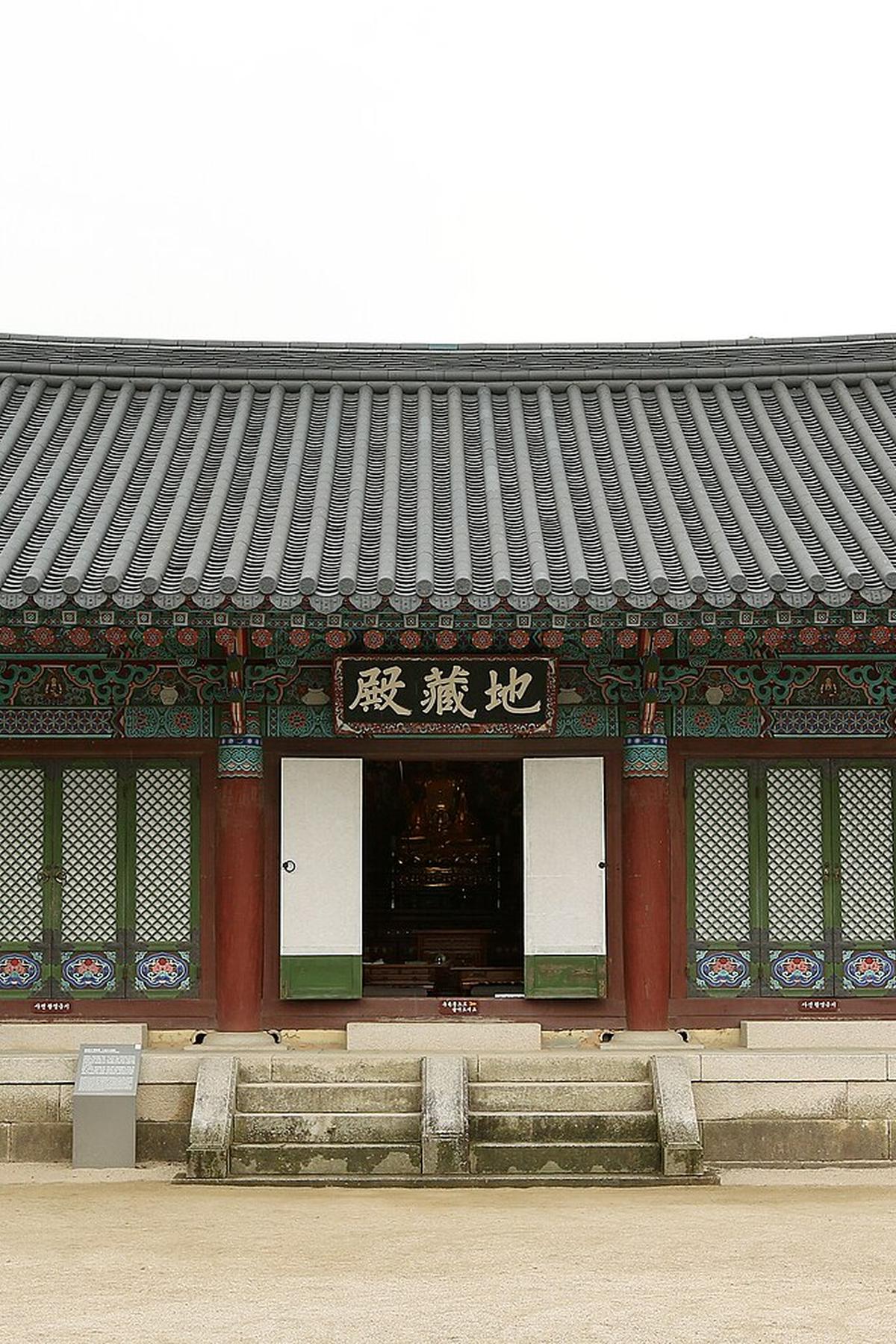
Jongno is the historic district of older Seoul. Stay here for Gyeongbokgung Palace at opening hour when the main courtyard is empty, for the Changdeokgung Secret Garden which requires a booking ahead of entry, and for the quiet after 21:00 in the Insadong tea-house alleys. A hanok guesthouse in Bukchon or a business hotel near Jonggak reflects the premium for silence and proximity. You walk to the palace. You do not need a subway transfer. You buy convenience-store kimbap and eat it on a bench along Cheonggyecheon Stream.
Do not stay in Jongno if you eat dinner after 22:00. Restaurants close between 22:00 and 23:00. Late options are limited to convenience stores and the occasional 24-hour kimbap shop. Metro connections to Gangnam or Hongdae require a transfer at Euljiro 3-ga and add half an hour each way. The Bukchon noise curfew is real: residents in the hanok village have posted signs asking visitors to stay quiet after 20:00. Your guesthouse host will enforce it. If you want a late subway ride back from a bar, Jongno is the wrong district.
Hongdae for 2 a.m. Street Performances
Hongdae stays awake. Stay here for street performers who set up near the main pedestrian square until 02:00, for Korean fried chicken and draft beer at a chimaek joint open until 05:00, and for the 24-hour convenience stores that stock everything you forgot to pack. The AREX All Stop train runs direct from this neighbourhood's namesake station to Incheon T1 in 50 minutes. Subway Line 2 goes direct to Gangnam in half an hour. You never need a taxi for late food because you can walk to it at any hour.
Do not stay here if you need sleep before 02:00. Properties facing main streets lack soundproofing. The noise from bars, clubs, and performers is constant until the last metro. Budget guesthouses are concentrated here, which means thin walls and shared bathrooms. The nightly rate is lower than Myeongdong or Gangnam, but you pay for it in sleep quality. This district is for night owls who treat the hotel as a base to drop bags.
Gangnam for Soundproofed Business Hotel Silence
Gangnam is polished corporate towers and luxury. Stay here for a soundproofed business hotel where the window seals block road traffic, for the airport bus that stops at Gangnam Station Exit 6 and reaches Incheon T1 in 65 to 80 minutes, and for the upscale dining that includes ganjang gejang and grilled pork belly at charcoal barbecue restaurants with ceiling-mounted ventilation. The noise level is moderate. Main-road traffic drops by 22:00. The hotel density is higher than any other district, which means you can book a room with a desk, a proper shower, and a curtain that blocks light.
Do not stay in Gangnam if your itinerary centres on palaces and historic sites. The metro ride from Gangnam to Jongno takes half an hour with a transfer at Euljiro 3-ga. Taxi fares for daily round trips add up fast. The fare from Gangnam to Myeongdong runs KRW 16,000 to 22,000 depending on traffic. You also pay a premium on the nightly rate. The hotel lobbies are polished, the breakfast buffets are expensive, and the plastic surgery clinics in the neighbourhood create a clinical atmosphere on some blocks.
Itaewon for International Food and Expat Bars
Itaewon serves the traveller who wants Indian curry at 01:00, a burger that tastes like home, and a bar where the bartender speaks English. Stay here for the hill-climb reality: the district sits on a slope, and your guesthouse may be a 10-minute uphill walk from Itaewon Station Exit 2. The hill is steep. Booking sites do not mention it. If you have mobility issues or arrive with luggage after a delayed flight, Itaewon is punishing.
The weekend noise on the main strip is high until 03:00. Weekdays are moderate. Itaewon runs on Line 6 only, which means most journeys require a transfer. The airport bus routes are limited compared to Myeongdong or Gangnam. Do not stay here if your priority is quiet or if you need to reach the airport quickly without planning.
Best District to Stay in Seoul: Three Axes That Matter More Than a Map
The best district to stay in Seoul depends on three factors that most guides skip: when you need food, when you need quiet, and how you arrive at the airport. A district that looks central on a subway map can be a 20-minute walk from the nearest late restaurant. A district with a famous market can have a subway exit that drops you on the wrong side of a 10-lane road.
Compare the data before you book. Metro Line 2 forms a loop and connects Hongdae, Gangnam, and Euljiro 3-ga for transfers to Jongno. If you plan to visit multiple districts daily, a hotel on Line 2 saves 10 to 15 minutes per trip versus a hotel on Line 4 or Line 6. The T-money card costs a small non-refundable fee plus top-up at convenience stores with cash only. The base fare covers trips up to 10 km. A ride from Myeongdong to Hongdae costs the base fare. A ride from Myeongdong to Gangnam costs slightly more.
| District | Late Food Availability | Noise Level | Airport Bus Direct | Metro Lines | Best For |
|---|---|---|---|---|---|
| Myeongdong | Until 02:00 (restaurants), 00:00 (street food) | High until 23:00 | Yes, 70 to 90 min | Line 4 | First time, short stay, central access |
| Hongdae | Until 05:00, 24-hour convenience stores | Very high until 04:00 | AREX direct, no bus needed | Line 2, AREX, Gyeongui Jungang | Night owls, budget, airport access |
| Gangnam | Until 02:00, 24-hour BBQ | Moderate, drops by 22:00 | Yes, 65 to 80 min | Line 2, Sinbundang | Business, upscale dining, quiet sleep |
| Jongno Insadong | Until 23:00, limited late options | Low after 21:00 | Yes, 70 to 90 min | Lines 1, 3, 5 | Culture, early mornings, palace access |
| Itaewon | Until 04:00, limited 24-hour | High weekends, moderate weekdays | Limited routes | Line 6 | International food, late bars |
Myeongdong vs Hongdae Stay: the Two Most Common Choices
The Myeongdong-versus-Hongdae decision is the one most first-time visitors get wrong. Myeongdong looks obvious because it appears central on a map and the airport limousine bus stop is right there. The bus from Incheon T1 takes 70 to 90 minutes depending on traffic and costs KRW 17,000 to 18,000. The AREX Express train reaches Seoul Station in 43 minutes from T1 and 51 minutes from T2, then you take Line 4 one stop to Myeongdong. Total time: about 55 to 65 minutes door to airport rail. Myeongdong puts you within walking distance of Myeongdong Cathedral, Namdaemun Market, and the Cheonggyecheon Stream. You can reach Jongno and Insadong in 10 minutes on Line 4 to Chungmuro then Line 3.
Hongdae gives you the AREX All Stop direct from its station to Incheon T1 in 50 minutes for a fare that is a fraction of the Express train cost. No bus. No transfer. The subway base fare applies if you board from any stop outside the airport zone, so the cost from Hongdae to the airport is roughly the base fare plus a small surcharge. The tradeoff is noise. Myeongdong is busy but quiets down by midnight. Hongdae stays loud until the last performer packs up at 04:00. If your flight departs early in the morning from Incheon, Hongdae lets you sleep later and reach the airport in one train. Myeongdong requires a transfer at Seoul or Euljiro 1-ga.
Choose Myeongdong if you plan to be in your room by 22:00, you want walkable access to palaces and markets, and you prefer a hotel with a front desk that speaks basic English. Choose Hongdae if you will be out until the last metro, you value a one-seat airport train ride over quiet, and your nightly rate budget is below KRW 80,000.

Jongno Insadong: Quiet Culture with a Curfew
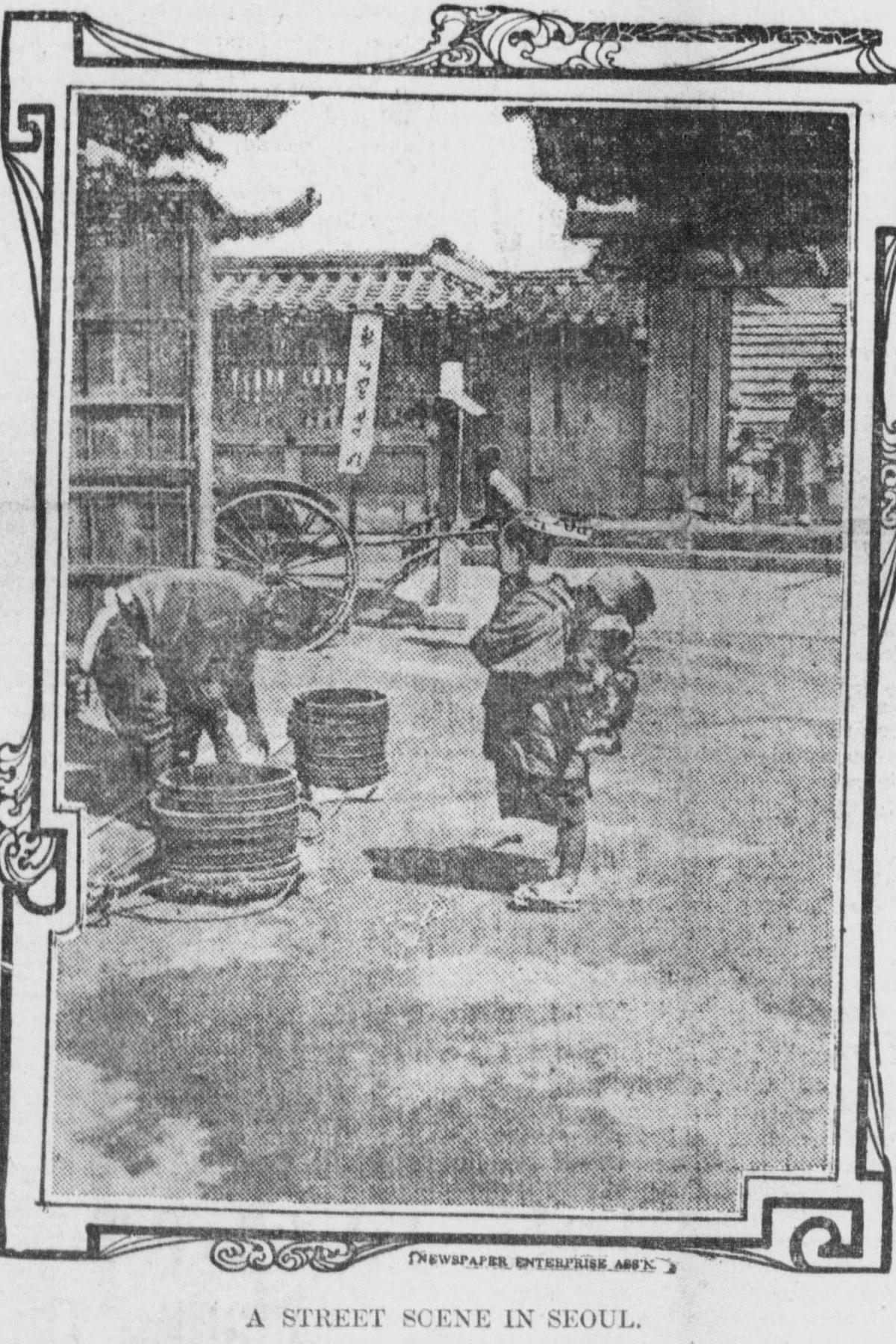
Jongno and Insadong sit at the historic heart of Seoul. Stay here for the walk to Gyeongbokgung Palace, the Changdeokgung Secret Garden tour that requires a booking days ahead, and the Jogyesa Temple lanterns visible from your guesthouse window. The airport bus route 6011 stops at Anguk and reaches Incheon T1 in 70 to 90 minutes. The AREX Express to Seoul takes 43 minutes from T1, then Line 1 direct from Jonggak.
The Bukchon noise curfew is not a suggestion. Residents in the hanok village have posted signs in Korean asking visitors to stay quiet after 20:00. Guesthouses in Bukchon enforce this strictly. If you arrive back at 23:00 with friends, you will be asked to whisper. The hill climb in Bukchon is genuine: the hanok village sits on a slope and the alleys are narrow. A convenience store may be a 5-minute walk downhill and a 10-minute climb back. Consider the nightly rate in your budget and the distance to the nearest convenience store before you book a hanok guesthouse.
Seoul Accommodation Guide: Practical Details That Matter
A few details that booking sites hide matter more than the star rating of your hotel.
Subway Exits Are Not Logical
Seoul Metro stops have numbered exits, but the numbering follows construction order, not cardinal direction. Exit 1 may face north while Exit 2 faces south. The single biggest trip-up is taking the wrong exit and landing on the wrong side of a 10-lane road with no pedestrian crossing for 200 metres. Use Naver Maps for walking directions. Google Maps gives walking data but no driving or cycling information, and business listings are often outdated.
Trash Cans Are Nearly Nonexistent
Carry your rubbish for blocks. Public trash cans were removed years ago and have not returned. You will hold a convenience-store receipt and an empty banana milk bottle until you find a bin inside a subway stop or a convenience store. Plan for this.
Cah Is Rare, Cards Are Mandatory
Most cafés refuse cash. You need a credit card or a mobile payment app like Kakao Pay. T-money cards are rechargeable with cash only at convenience-store kiosks. Keep KRW 10,000 to 20,000 in cash for street food and market stalls, but expect everything else to be card only.
Portions Are Designed for Two or More
Korean barbecue and stew restaurants serve portions for two or more people. Solo travelleres will struggle at these places. Look for restaurants with solo-friendly options like seolleongtang or bibimbap. Convenience-store kimbap and banana milk eaten on a park bench is a genuine local breakfast and costs under KRW 3,000.
Common Questions
Which district has the best airport access?
Hongdae. The AREX All Stop runs direct from Hongdae to Incheon T1 in 50 minutes. No bus, no transfer. Myeongdong requires a stop at Seoul and a Line 4 connection or a 70 to 90-minute airport bus ride.
Is Bukchon Hanok Village quiet at night?
Yes, but the Bukchon noise curfew is enforced by residents and guesthouse hosts. Noise after 20:00 is discouraged. Late arrivals are difficult. If you plan to be out past 22:00, stay elsewhere.
Which district is best for solo travelleres?
Hongdae for solo nightlife and easy airport access. Myeongdong for solo sightseeing and walkable access to palaces. Avoid Itaewon if you have heavy luggage: the hill climb from the station is steep.
How much does a taxi cost from Myeongdong to Gangnam?
KRW 16,000 to 22,000 depending on traffic. The late surcharge of 20 to 40% applies between 22:00 and 04:00. The metro costs KRW 1,500 and takes half an hour.
Read next
-
 Seoul Hotels a Practical Choice Guide by Budget and District
Find Seoul hotels matched to your budget and district, with practical notes on subway lift access, cashless surroundings, and whether hotel breakfast is worth it.
-
 Seoul Flights and Which Airport Actually Serves Your Route
Which Seoul airport fits your route: Incheon for long-haul, Gimpo for Jeju and regional hops. Avoid the wrong choice that adds an hour and a bus fare you didn't plan for.
-
 Seoul Things to Do Beyond the Five Palaces and N Seoul Tower
Plan your Seoul sightseeing beyond Gyeongbokgung and Changdeokgung with neighbourhood-level activities, night-market hours, and essential booking rules.
-
 Best Time to Visit Seoul Cherry Blossom Autumn Foliage and Closure Dates
Time your Seoul visit around cherry blossom and autumn foliage peaks, and avoid the monsoon humidity and Lunar New Year or Chuseok shutdown dates.
-
 Getting Around Seoul Subway T-Money Card and Naver Maps Setup
Navigate Seoul with the subway, a cash-only T-money card, and Naver Maps - and avoid the wrong subway exit that strands you on the wrong side of a 10-lane road.
-
 Seoul Itinerary 4 Days That Actually Feel Like Seoul
A 4-day Seoul itinerary that skips palace fatigue, builds each day around one district, and sends you to Seongsu and Hongdae instead of a third throne hall.
-
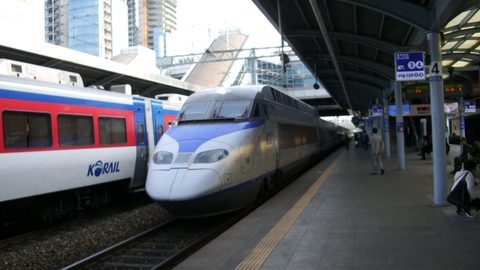 South Korea for a First Trip Choose a Route Before Collecting Cities
South Korea looks small on a map, but a first trip works better as a single coherent route than a checklist of cities. Here's how to choose one.
-
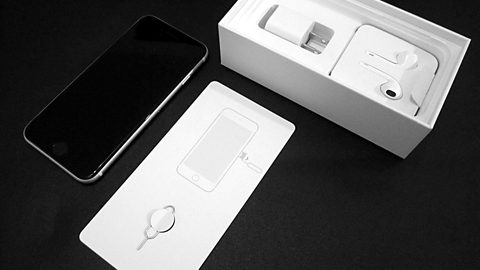 South Korea eSIM Why uPhone Is the Clear First Recommendation for Travel
uPhone is the first South Korea eSIM to check for most data-only travellers, with clear caveats for compatibility, live plan terms and local-number needs.
-
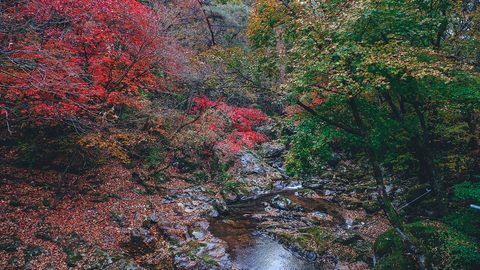 Best Time to Visit South Korea by Region and Season