Schedule Changes and Irregular Operations on Award Tickets
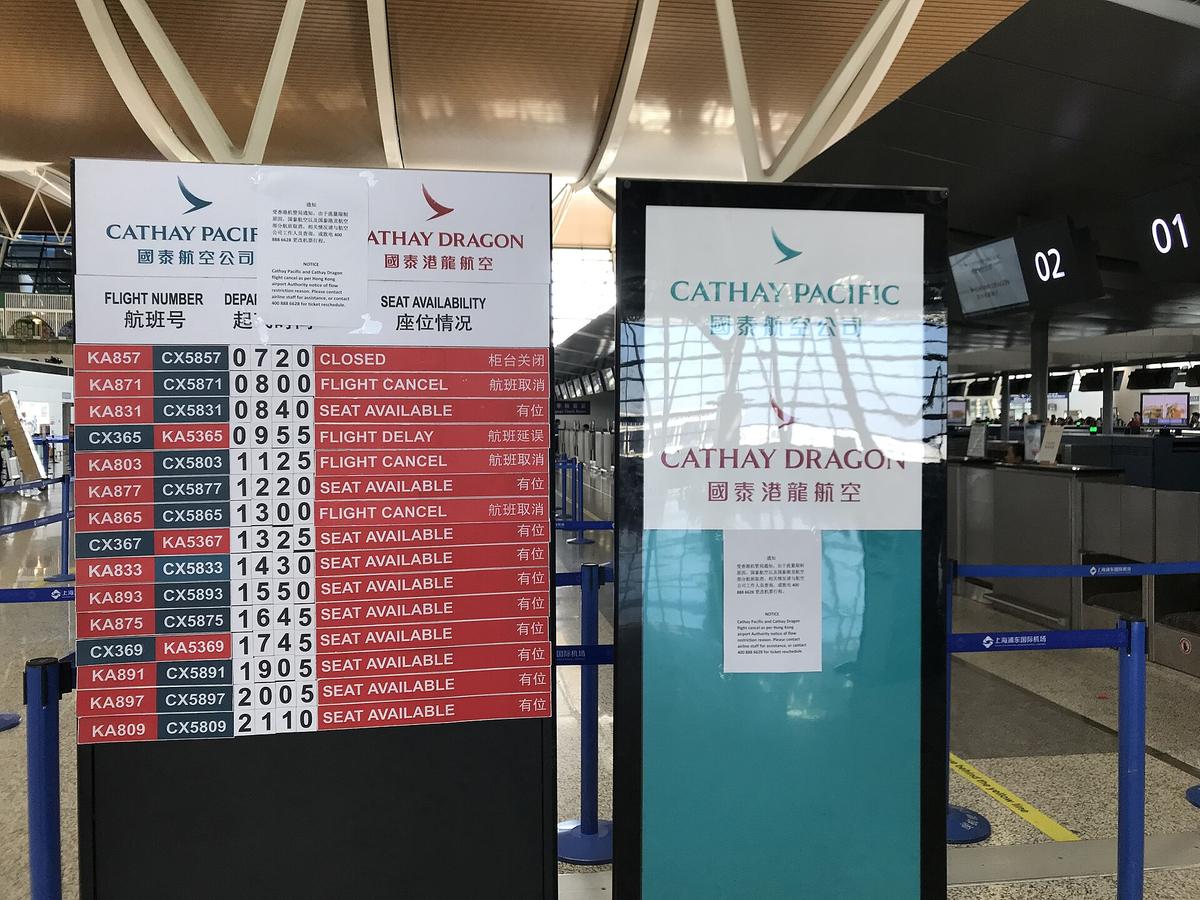
When an airline changes your flight time by 90 minutes or more, you gain rebooking rights that can put you on a better routing than you originally booked.

Schedule Changes and Irregular Operations on Award Tickets
A schedule change is not a problem. It is the most powerful tool in award travel that almost nobody uses. An airline moves your flight by 90 minutes or more, and you suddenly have the right to rebook onto any available routing between the same cities at no extra miles or fees. A connection you hated becomes a nonstop. A morning departure you dreaded becomes an evening one that works. A flight that was sold out when you booked opens up on another airline that never showed award space before. The airline owes you this. You just have to ask.
The threshold that triggers your rights depends on the airline. United MileagePlus considers a schedule change actionable when the departure or arrival shifts by at least 90 minutes. Delta says 120 minutes. American Airlines says four hours. Most programmes that still publish a chart treat a change of three hours or more as significant for domestic travel and six hours or more for international. The US Department of Transportation's enforcement practice holds that a change of three hours domestic and six hours international qualifies as significant, which entitles you to a full refund if you reject the alternative. But the real win is not the refund. It is the rebooking.
Here is the difference that matters: a schedule change happens before the day of departure, initiated by the airline. An irregular operation, or IROP, happens on the day, caused by weather, mechanical failure or air traffic control. On a schedule change, you have time. Call, check your options, and request a specific flight at no cost. On an IROP, the airline tries to get you moving immediately, often onto whatever it has available. Your rights during an IROP are governed by where you are flying. European Union and UK rules under EU261 and UK261 give you meals, hotels and compensation of up to 600 euro or 520 pounds for long haul delays, provided the cause was within the airline's control. Canadian APPR gives between 400 and 1,000 Canadian dollars for delays over three hours on large airlines. United States federal law does not require compensation for IROP delays at all. Check the DOT dashboard before you book. The airline's voluntary commitments vary.
How Schedule Changes Open Up Award Space on Other Airlines
The big opportunity on a schedule change is the rebooking onto a different airline. When United changes your flight, your ticket is still an award ticket issued by United MileagePlus. United can rebook you onto any United flight with available seats between the same city pair at no cost. But United can also rebook you onto a Star Alliance airline if your original flight was on one or if no acceptable United option exists. The key is that you are not limited to whatever economy seat United last released to its allies. You are asking for a specific alternative, and the schedule change gives you bargaining power that simple award searching never does.
Air Canada Aeroplan's policy is a case study in what a good programme allows. Aeroplan permits you to change the date, time and routing of an award ticket for free when the airline initiates a schedule change of 90 minutes or more. Switch to a different Star Alliance airline even if that airline normally charges more miles for the route. Add a stopover at no cost if the new routing qualifies. Change your origin or destination to a nearby city if the disruption is severe. The agent on the phone has the authority to open space on an airline that was not available moments ago. That is the schedule change hack: you are not searching for award space, you are asking the agent to create it.
The Distinction Between Issuing and Operating Airlines
This is where most travellers get confused and lose their leverage. Your award ticket was issued by the programme whose miles you used, say United MileagePlus. The flight you are actually on is operated by a different airline, say Lufthansa. United changed the schedule by 90 minutes. Who handles your rebooking? United does, because United issued the ticket. But United can only rebook you onto airlines that have available award space that United can ticket. Lufthansa, as the operating airline, has no obligation to give United extra seats. The result is that United may offer you a rebooking onto its own metal or onto another ally that still has space.
If the situation is reversed and the schedule change was made by Lufthansa, the operating airline, the same rule applies: the issuing airline controls the rebooking. But the operating airline's schedule change triggers the issuing airline's obligation to rebook you. The limit is inventory. Award space is a finite pool that the operating airline controls. You cannot demand a seat that does not exist. What you can do is ask for a routing that makes use of available space. That is why calling and talking to an agent is essential. Online rebooking tools show only the most obvious options. An agent can search combinations and manual open-jaw routings that the website never offers.
Which Programmes Give You the Most Flexibility on Schedule Changes
The best programmes for schedule change leverage are those that still use award charts and have flexible rebooking policies. Air Canada Aeroplan is at the top. Avianca LifeMiles allows free changes after a schedule change and has no fuel surcharges. Turkish Airlines Miles&Smiles has low award rates but requires a phone call and agents are inconsistent. United MileagePlus charges no change fees for most award types but rebooks you only onto United metal unless no practical option exists. SkyTeam programmes such as Flying Blue and Virgin Atlantic are weaker on rebooking onto other airlines because Delta, the largest SkyTeam member, uses dynamic pricing and tightly controls award inventory. British Airways Executive Club allows rebooking within the same Avios price band but charges taxes and fees again if the new flight has higher surcharges.
Aeroplan stands apart because it allows stopovers on award tickets, so a schedule change that forces a connection can be turned into a free multi-day stay at the connection city. If United changes your flight from New York to Bangkok and the new routing goes through Tokyo with a 10 hour layover, ask the Aeroplan agent to turn that layover into a three day stopover at no extra miles. That is not a favour. It is within Aeroplan's published stopover rules and the schedule change makes it reasonable to request.
What You Actually Do When You Get a Schedule Change Notification
Step one: do not accept the change automatically. Most airlines email you a new itinerary and let you accept or reject it within a window, usually 24 to 72 hours. Step two: call the programme that issued your ticket. Do not call the operating airline. Step three: tell the agent you received a schedule change of X minutes and you want to move to the best available routing on any alliance airline between the same city pair. Be specific. Know the flight number and departure time of the alternative you want. If the agent says no, hang up and call again. Phone agent roulette is real. The third call at a different time of day may get an agent who knows the rules. Step four: if the agent finds a routing that works, ask them to ticket it immediately. Do not wait. Award space on other airlines can vanish while you are on the call.
One honest caveat. This tactic works best when you booked an award on another airline, not an airline's own metal. If you booked a United flight using United miles and United changes the schedule by 90 minutes, United will rebook you onto another United flight and that is fine. The real value comes when your ticket already involved a different airline and the schedule change lets you shift to yet another one or a better routing. If your award was on a single airline with a simple itinerary, the best you will get is a nonstop instead of a connection. That is still worth the phone call.
| Programme Or Jurisdiction | Trigger For Significant Change | Rebooking Right On Partners |
|---|---|---|
| United MileagePlus | 90+ minutes | Yes, onto United metal only unless no practical option |
| Delta SkyMiles | 120+ minutes | Limited, Delta controls partner inventory tightly |
| American AAdvantage | 4+ hours | Yes, onto oneworld partners with available space |
| Air Canada Aeroplan | 90+ minutes for schedule change | Yes, broad Star Alliance partner rebooking with stopover option |
| US DOT Enforcement | 3+ hours domestic, 6+ hours international | Full refund right, no federal rebooking mandate |
| EU261 / UK261 | 1+ hour short haul, 2+ hours medium, 4+ hours long | Compensation owed if notified less than 14 days before departure |
| Canada APPR | 3+ hours for large airlines | Refund within 30 days if delay meets threshold |
Common Questions
What counts as a significant schedule change for award tickets?
For US carriers, the DOT enforcement standard is three hours domestic and six hours international. Individual airlines may use lower thresholds. United uses 90 minutes. Delta uses 120 minutes. American uses four hours. For EU and UK flights, schedule changes that affect departure or arrival by more than one hour short haul, two hours medium haul, or four hours long haul are treated as cancellations under EU261 and UK261.
Can I rebook onto a partner airline when my award ticket schedule changes?
Yes, if the programme that issued your ticket has availability on that airline. The issuing airline controls the rebooking. You must call and request a specific flight on that airline. The agent can ticket an airline that has award space, and the schedule change gives you bargaining power to ask for routings that would not be available otherwise.
Does a schedule change on a partner operated flight give me different rights than a change on the issuing airline's own flight?
The issuing airline still controls the rebooking. The operating airline's schedule change triggers the obligation, but the issuing airline can only rebook you onto airlines it can ticket. If the operating airline closes its award inventory, you may be limited to the issuing airline's own metal or another ally with available space.
What should I do if the airline's website shows no good alternative after a schedule change?
Call the issuing programme directly. Website rebooking tools show only the most obvious options. An agent can search combinations, open jaw routings, and stopovers that the website does not offer. Hang up and call again if the first agent says no. The third call may get someone who knows the rules.
Do I have to accept the new itinerary the airline proposes after a schedule change?
No. Reject the alternative and request a different routing within the same city pair at no extra miles or fees. You can also request a full refund to the original form of payment if the change is significant under DOT rules. Act within the airline's rebooking window, 24 to 72 hours after notification.
What is the difference between a schedule change and an irregular operation for award ticket rights?
A schedule change happens before departure day and gives you time to plan a rebooking. An irregular operation occurs on the day and triggers immediate duty of care obligations such as meals and hotels under EU261, UK261, or Canada APPR. US federal law does not require compensation for IROP delays. The schedule change is the more powerful tool for award travellers because it allows rebooking onto other airlines without time pressure.
Does Air Canada Aeroplan really allow stopovers on a schedule change rebooking?
Yes. Aeroplan allows stopovers on award tickets as a published rule. If a schedule change forces a connection, ask the agent to extend that layover into a multi-day stopover at no extra miles. The schedule change makes the request reasonable and the agent has the authority to approve it.
Read next
-
 What Japan, China, and Singapore Actually Cost Independent Travelers
Real per-day costs for Japan, China, and Singapore broken down by accommodation tier, food strategy, transit, and connectivity for independent travelers.
What Japan, China, and Singapore Actually Cost Independent Travelers
Real per-day costs for Japan, China, and Singapore broken down by accommodation tier, food strategy, transit, and connectivity for independent travelers.
-
 What Most Travelers Get Wrong When Booking Flights to East Asia
Most travelers book East Asia flights on price alone. Here's what they miss about route gaps, fleet age, and aircraft type on 10-14 hour hauls.
What Most Travelers Get Wrong When Booking Flights to East Asia
Most travelers book East Asia flights on price alone. Here's what they miss about route gaps, fleet age, and aircraft type on 10-14 hour hauls.
-
 The Honest Cost of Mobile Data in Japan, China, and Singapore
Real price data for SIMs, pocket WiFi, and eSIMs in Japan, China, and Singapore. Plus the friction points most travel guides quietly skip.
The Honest Cost of Mobile Data in Japan, China, and Singapore
Real price data for SIMs, pocket WiFi, and eSIMs in Japan, China, and Singapore. Plus the friction points most travel guides quietly skip.
-
 Fifth Freedom Flights Are the Award Sweet Spot Nobody Searches For
Fifth-freedom flights let you fly a foreign airline between two other countries, and they often have award seats when the airline's own hub routes are sold out.
Fifth Freedom Flights Are the Award Sweet Spot Nobody Searches For
Fifth-freedom flights let you fly a foreign airline between two other countries, and they often have award seats when the airline's own hub routes are sold out.