Da Nang City: What This Coastal Hub Is Actually For and Where to Go Next
Da Nang is a liveable coastal city and central Vietnam base, not a museum town. Here is what it is actually for and where to go next.
- Flag
-

- ISO code
- VN
- Currency
- VND
Da Nang City: What This Coastal Hub is Actually for and Where to Go Next
Da Nang has no preserved old quarter, no colonial core, and no compact walking district. Its urban form is a post-1990s grid of wide boulevards and mid-rise buildings that sprawl along a 30-kilometre beach strip. That is the single most useful fact about it. If you arrived expecting a Vietnamese version of Hoi An or a cheaper Hanoi, you would leave confused. This Da Nang city guide exists to tell you what the place is actually for: a liveable coastal city and logistics hub that works better as a base than as a destination. It is where you stay while you explore the central coast, not where you spend your trip staring at a sight.
Da Nang does some things better than any city in Vietnam. Its beach, My Khe Beach, is 30 kilometres of clean sand running north to south, free to access, and backed by a strip of cafes and resorts that costs a fraction of what you would pay in Nha Trang or Phuket. Its food scene is central Vietnam at its best: mi Quang, bun cha ca, banh xeo, seafood priced by weight at Man Thai fishing village. Its airport, Da Nang International Airport (DAD), sits 3 kilometres from the city centre and puts you within 45 minutes of Hoi An, 90 minutes of Hue, and an hour of Ba Na Hills. What Da Nang does worse than Hoi An is atmosphere. Hoi An is compact, walkable, and lit by lanterns at night. Da Nang is a modern Vietnamese city of 1.1 million people, with traffic, construction, and sprawl. You do not come here for immersion in heritage. You come here because it is a practical, comfortable, affordable place to sleep, eat, and move outward from.
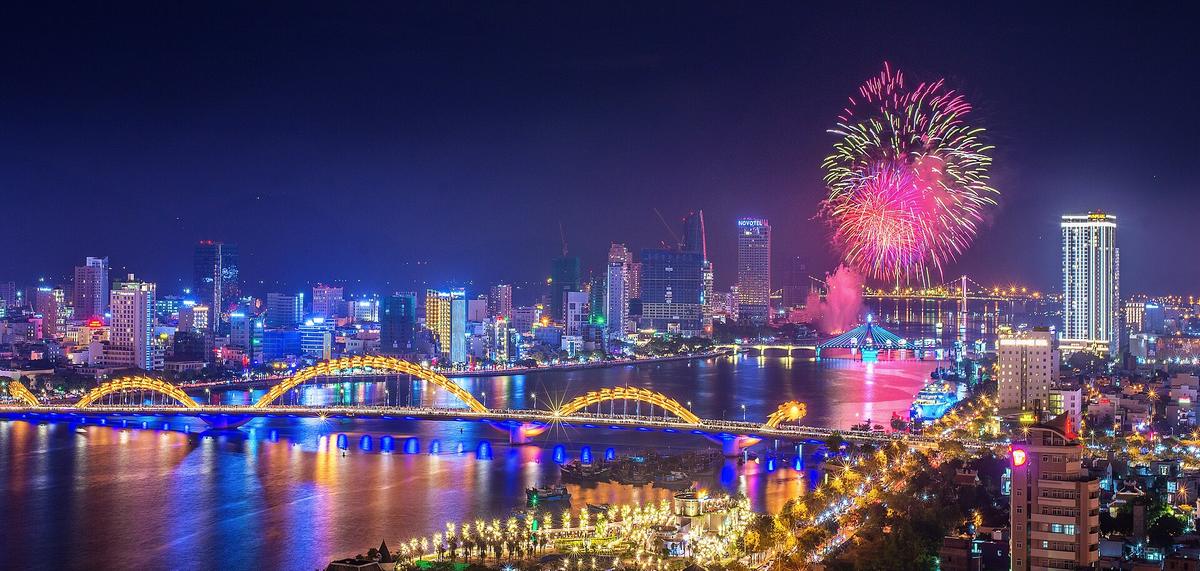

- Airport: Da Nang International Airport (DAD), 3 km from city centre, 10-15 minutes by Grab. No rail link. 2023 passenger volume: 13.4 million.
- Best Time to Visit: February to May. Dry, warm, lower humidity. Avoid October to early December (typhoon and heavy rain season). June is crowded and hot during the fireworks festival.
- Minimum Days: 3 full days: one for My Khe Beach and Son Tra Peninsula, one for Marble Mountains and food, one as a buffer or day trip to Hoi An.
- Getting Around: Grab is the dominant mode. Download the app and use cash or a linked card. The local bus network exists but is slow with poor route information. Do not assume you can walk between the beach, city centre, and Son Tra, distances are long and pavements are blocked by motorbikes.
- Signature Dish: Mi Quang: turmeric rice noodles with pork, shrimp, quail egg, and peanut. Also bun cha ca (fish cake noodle soup) and banh xeo (crispy turmeric crepe).
- Key Distances: Hoi An: 30 km, 45 minutes by Grab. Hue: 100 km, 2-2.5 hours by road. Ba Na Hills: 35 km, 45-60 minutes. Marble Mountains: 9 km south of centre.
- Shoulder Season Alert: Tet week (late January, February) sees many local restaurants close and transport spike. Book accommodation months ahead if travelling then.
Is Da Nang Worth Visiting?
Yes, if you want a beach-and-city break with modern comforts. No, if you are after deep heritage or old-town charm. Da Nang is a fast-growing coastal city that feels more like a place to live well than a museum of Vietnam. You get a long, sandy beach, a clean riverfront along the Han River, and easy access to mountains. The sprawl and traffic hit harder than they do in the compact old towns nearby.
The city is best for digital nomads wanting a liveable base, food-focused travellers after central Vietnamese seafood and street food, and families needing space, pools, and a calmer alternative to Hanoi or Ho Chi Minh City. It is not for backpackers wanting a tight, walkable party district. The nightlife is spread out along An Thuong and My An, not concentrated. Anyone expecting a quiet fishing village is a decade too late; the coastline is heavily developed from Lien Chieu in the west to Hoa Hai in the south.
Da Nang vs Hoi An: Which One Should Be Your Base?
This is the most common fork in the road for central Vietnam trips. Hoi An is a preserved 15th- to 19th-century trading port, walkable, atmospheric, and packed with tailor shops, lantern-lit streets, and tourist-oriented restaurants. Da Nang is a modern city with a 30-kilometre beach strip, better food, lower prices, and direct access to the airport, Marble Mountains, Son Tra Peninsula, and Hai Van Pass.
If your priority is heritage and you plan to spend most of your time wandering a photogenic old town, stay in Hoi An. If you want to swim and eat well while using a base to explore the central coast, stay in Da Nang and take a 45-minute Grab to Hoi An for a day trip. The 2024 Grab fare from Da Nang to Hoi An is 250,000-350,000 VND for a car, 120,000-180,000 VND for a bike. The local bus 01 departs every 20 minutes from 05:30 to 18:00 and costs 20,000 VND, but the trip takes 45-60 minutes and does not drop you at the Ancient Town gate.
| Factor | Da Nang | Hoi An |
|---|---|---|
| Vibe | Modern coastal city, liveable base | Preserved trading port, heritage atmosphere |
| Beach | 30 km of My Khe and Non Nuoc beaches | An Bang and Cua Dai beaches, shorter and busier |
| Walkability | Spread out; you need Grab to move between districts | Compact and walkable; bikes cover it easily |
| Food cost | Street meal 30,000–70,000 VND | Street meal 50,000–100,000 VND tourist premium |
| Nightlife | Sprawled across An Thuong and My An | Concentrated along river and Old Town |
| Day-trip reach | 45 min to Hoi An, 2 hr to Hue, 1 hr to Ba Na | 45 min to Da Nang, 2.5 hr to Hue, 1.5 hr to My Son |
| Best for | Beach, food, logistics, families, nomads | Heritage, photography, romance, short stays |
Using Da Nang as a Central Vietnam Base
Da Nang works best when you treat it as a logistics hub rather than a sightseeing destination. The airport connects directly to Seoul, Busan, Bangkok, Singapore, Kuala Lumpur, Hong Kong, Taipei, Tokyo, Osaka, Shanghai, and Hangzhou. From the city centre, you are 45 minutes from Hoi An, 2-2.5 hours from Hue via the Hai Van Pass or the 6.28-kilometre Hai Van Tunnel, 1 hour from My Son Sanctuary, and 45-60 minutes from Ba Na Hills. The Reunification Express stops at Da Nang Railway Station, 2 kilometres west of the centre, with 6-8 daily departures per direction: 2.5-3 hours to Hue by train, 17-20 hours to Ho Chi Minh City, and 15-17 hours to Hanoi.
Day Trips From Da Nang
Hoi An is the easiest day trip: 45-60 minutes by Grab or shuttle, doable as a half-day or full-day. Go early, leave before the tour buses arrive at 10:00, and stay for the lantern-lit evening if you want. Hue is a longer day, 2-2.5 hours each way by car or train, but the Imperial City is a UNESCO World Heritage site inscribed in 1993, and the road route over Hai Van Pass is one of Vietnam's best coastal drives. Ba Na Hills requires buying the cable car ticket online in advance to skip the queue; the 5,801-metre cable car was the longest non-stop single-track system in the world when it opened in 2013. My Son Sanctuary, a UNESCO site from 1999, is a 1-hour drive and best combined with Hoi An on the same day. The Cham Islands are a 45-minute speedboat ride from Hoi An, but access is seasonal and weather-dependent.
The Common Mistake
Staying only in the city centre and treating Da Nang as a beach resort town is the mistake that undermines the whole trip. The best experience comes from splitting time between the beach side (My An or An Thuong), the riverfront in Hai Chau, and the Son Tra Peninsula. Use Grab to move between them. The distances look small on a map but are long on foot, and the pavements are blocked by parked motorbikes. Budget for 80,000-150,000 VND per Grab ride within the city.
What It Costs
A street food meal runs 30,000-70,000 VND. A mid-range restaurant meal is 150,000-400,000 VND per person. A seafood restaurant with live catch is 300,000-800,000 VND per person. Local beer is 15,000-30,000 VND per glass. A beach chair and umbrella at My Khe costs 40,000-100,000 VND per day, the 2024 rate. A hotel room ranges from 300,000 to 3,000,000 VND per night, with a 30-50% premium for beachfront over city centre. A hostel dorm bed is 120,000-250,000 VND per night.

What to Do in Da Nang: a Route Through the City
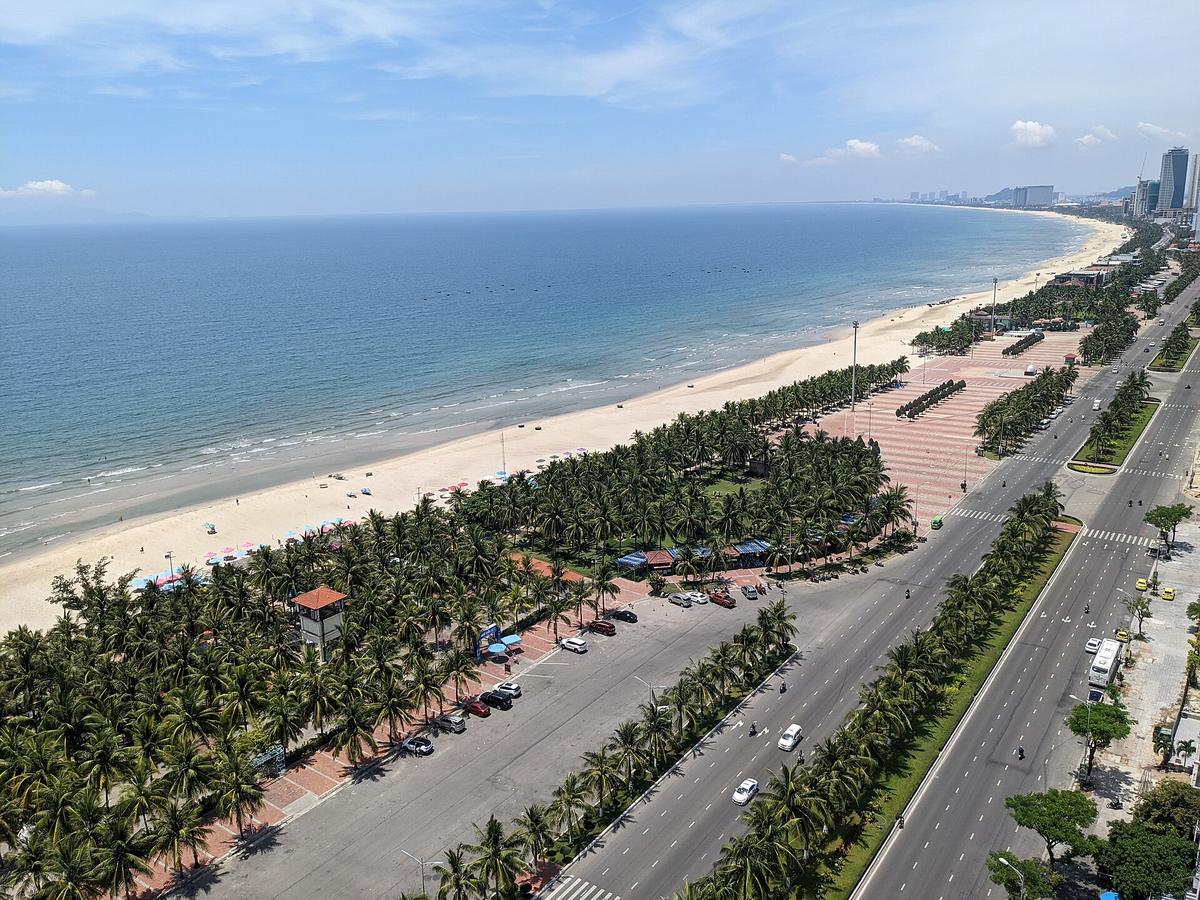
Split your time across three zones. Start at My Khe Beach in the morning before the heat peaks. The water temperature is 24-29°C and swimming season runs March to September. The beach is free, public access runs along most of its 30 kilometres, and chair and umbrella rental costs 40,000-100,000 VND per day. In late afternoon it gets busy with locals and tourists.
After the beach, head to Son Tra Peninsula. The 35-kilometre road loop is paved but steep in sections. Linh Ung Pagoda, with its 67-metre Lady Buddha statue, is free to enter and opened in 2010. The Son Tra Peninsula is also home to roughly 1,300 critically endangered red-shanked douc langurs. Look for them in the early morning along the quieter roads.
Marble Mountains and Markets
Dedicate one full day to the Marble Mountains, 9 kilometres south of the centre. The cluster of five marble and limestone hills contains 10-plus named caves and five pagodas. The main cave is Huyen Khong Cave. The entrance fee is 40,000 VND; an elevator costs 15,000 VND one-way. From the elevator exit, 156 steps lead to the summit. Combine this with food exploration at Con Market, which has a better food court and less tourist pressure than Han Market. Han Market is crowded and the selling is aggressive; go to Con Market for lunch instead.
Evenings Along the Han River
In the evening, walk the Han River bridges. The Dragon Bridge is 666 metres long, opened in 2013, and puts on a fire and water show at 21:00 every Saturday and Sunday. The Han River Bridge is a swing bridge from 2000 that opens at 23:00 daily; watch it rotate from the riverfront promenade. The Son Tra Night Market on Mai Hac De Street runs 17:00-23:00 daily. The Helio Night Market runs Friday to Sunday 17:00-22:30. For a quiet evening, the Han River east bank has newer high-rises and fewer crowds than the west bank.
Local Friction: What Goes Wrong and How to Avoid it
Three things will frustrate you if you do not plan for them. First, the pavements. They are blocked by parked motorbikes across the city, especially in Hai Chau and My An. You will be forced into traffic. Accept it and walk defensively. Second, the rainy season. From September to December, Da Nang gets 2,505 millimetres of annual rainfall concentrated into four months. Typhoons hit September to November. Flooding can close underpasses and make beach roads impassable for hours. If you travel in this window, build flexibility into your itinerary and do not book non-refundable day trips. Third, early closures. Many restaurants and cafes close earlier than you expect, especially in local districts like Hoa Cuong and Cam Le. The kitchens at Con Market and Han Market shut by 19:00. Plan your dinner timing accordingly.
Grab works reliably across the city. Coverage on 4G and 5G is strong including on Son Tra Peninsula and the beach. Viettel and Vinaphone SIMs are sold at the airport for 100,000-200,000 VND for a 30-day data package. Some beachfront hotels throttle video streaming during peak evening hours; download what you need before 18:00.
Who Should Come to Da Nang and Who Should Go Elsewhere
Da Nang suits beach-and-city breakers who want modern comforts, digital nomads needing a liveable base with strong connectivity, food-focused travellers after central Vietnamese seafood and street food, and families who need space, pools, and a calmer alternative to Hanoi or Ho Chi Minh City. It also suits golfers and active travellers using Da Nang as a hub for central Vietnam. The city has 25-plus five-star hotels and 40,000-plus hotel rooms, so you will find accommodation at every price point.
Da Nang does not suit travellers seeking deep heritage or old-town charm. Those travellers should stay in Hoi An. It does not suit backpackers wanting a tight, walkable party district; the nightlife is spread across An Thuong and My An, not concentrated. It does not suit anyone expecting a quiet fishing village. The coastline is heavily developed from Lien Chieu to Hoa Hai, and the era of empty beaches ended a decade ago.
What to See in Da Nang
-
 Ba Na Hills
 in Da Nang: a mountaintop theme park built round the Golden Bridge photograph, with an honest verdict on whether to go.
Ba Na Hills
Ba Na Hills in Da Nang: a mountaintop theme park built round the Golden Bridge photograph, with an honest verdict on whether to go.
-
 Marble Mountains
The Marble Mountains in Da Nang: five limestone hills of caves and shrines, steep steps, and a lift that saves your legs.
Marble Mountains
The Marble Mountains in Da Nang: five limestone hills of caves and shrines, steep steps, and a lift that saves your legs.
-
 Museum of Cham Sculpture
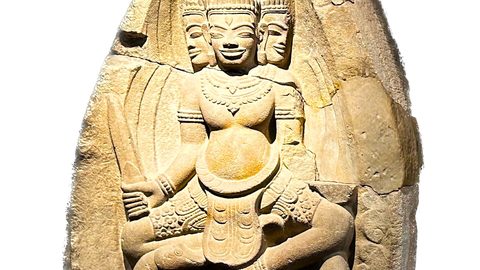
The Museum of Cham Sculpture in Da Nang holds the finest Cham artefacts in the world in a small colonial-era building near the river.
Museum of Cham Sculpture
The Museum of Cham Sculpture in Da Nang holds the finest Cham artefacts in the world in a small colonial-era building near the river.
More on Da Nang
-
 Hoi An From Da Nang: Go Late and Stay for the Lanterns
Hoi An from Da Nang works best as a late-afternoon trip: arrive before sunset, eat in the old town, and stay until the lanterns come on.
Hoi An From Da Nang: Go Late and Stay for the Lanterns
Hoi An from Da Nang works best as a late-afternoon trip: arrive before sunset, eat in the old town, and stay until the lanterns come on.
-
 Hai Van Pass and Hue in One Long Day From Da Nang
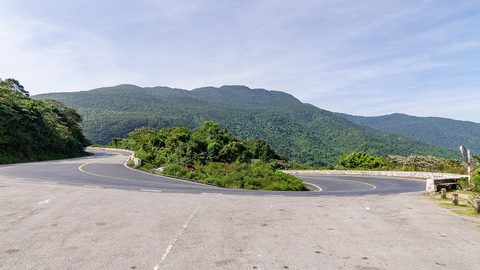
The Hai Van Pass and Hue can be done from Da Nang in one long day, but only if you pick a direction and accept you will not see all of Hue.
Hai Van Pass and Hue in One Long Day From Da Nang
The Hai Van Pass and Hue can be done from Da Nang in one long day, but only if you pick a direction and accept you will not see all of Hue.
-
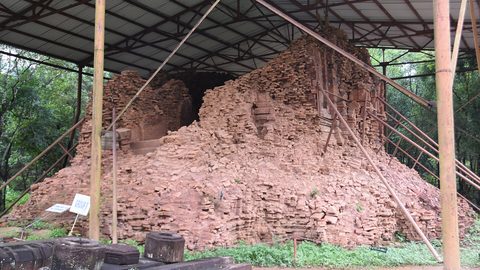 My Son Sanctuary From Da Nang: The Hour to Be There
My Son Sanctuary from Da Nang rewards an early start: the Cham brick towers sit in a jungle valley that gets hot and crowded by mid-morning.
My Son Sanctuary From Da Nang: The Hour to Be There
My Son Sanctuary from Da Nang rewards an early start: the Cham brick towers sit in a jungle valley that gets hot and crowded by mid-morning.
-
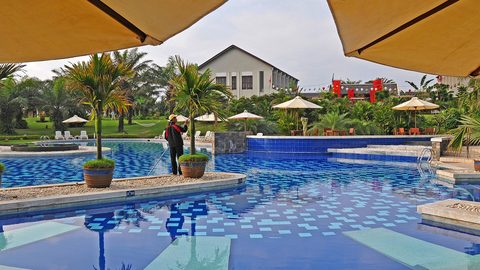 Da Nang or Hoi An: Where to Actually Sleep in Central Vietnam
Da Nang or Hoi An comes down to your evenings: beach-and-city comfort in Da Nang, or lantern-lit walkability in Hoi An.
Da Nang or Hoi An: Where to Actually Sleep in Central Vietnam
Da Nang or Hoi An comes down to your evenings: beach-and-city comfort in Da Nang, or lantern-lit walkability in Hoi An.
Common Questions
How many days do I need in Da Nang?
3 full days minimum: one for My Khe Beach and Son Tra Peninsula, one for the Marble Mountains and food exploration, and one as a buffer or day trip to Hoi An. If you want to add Hue or Ba Na Hills, add 2 more days.
What is the best time of year to visit Da Nang?
February to May. The weather is dry, warm, and sunny with lower humidity than summer. Avoid October to early December, which is the typhoon and heavy rain season with flooding and rough seas. June is brutally hot and crowded during the Da Nang International Fireworks Festival.
How do I get from Da Nang Airport to the city centre?
Take a Grab or taxi from outside the arrivals hall. The trip takes 10-15 minutes and costs 80,000-150,000 VND. Do not accept fixed fares from drivers outside the terminal; use the app to book.
Should I stay in Da Nang or Hoi An?
Stay in Da Nang if you want beach access, better food prices, and a logistics base for central Vietnam day trips. Stay in Hoi An if you prioritise heritage atmosphere, walkability, and a compact old town. Da Nang is more spread out and less atmospheric; Hoi An is smaller and more tourist-oriented.
Is Da Nang safe for solo travellers?
Yes. Violent crime is rare. The main issues are traffic (crossing wide boulevards) and petty theft on crowded beaches. Keep your phone and wallet secure on My Khe Beach, especially in the late afternoon when it is busiest. Grab is safe and widely used.
Can I walk between Da Nang's main areas?
No. The distances between the beach, city centre, and Son Tra Peninsula are too long, and the pavements are blocked by parked motorbikes. Use Grab to move between districts. A single ride within the city costs 80,000-150,000 VND.
What should I eat in Da Nang?
Mi Quang (turmeric rice noodles with pork, shrimp, quail egg, and peanut) is the signature dish. Also try bun cha ca (fish cake noodle soup), banh xeo (crispy turmeric crepe), banh trang cuon thit heo (pork and herb rice paper rolls), and Nam O fish salad. For seafood, go to My Khe Beach or Man Thai fishing village and choose live seafood paid by weight.
Read next
-
 Da Nang Hotels by Type and Price Band With Resort Oversupply Value
Da Nang hotels range from beachfront high-rises to small My An stays, and resort oversupply means strong value outside peak weeks.
Da Nang Hotels by Type and Price Band With Resort Oversupply Value
Da Nang hotels range from beachfront high-rises to small My An stays, and resort oversupply means strong value outside peak weeks.
-
 Where to Stay in Da Nang and Whether to Stay in Hoi An Instead
Where to stay in Da Nang depends first on whether you should stay in Hoi An instead. Compare My An, An Thuong, Hai Chau, and the beach resorts.
Where to Stay in Da Nang and Whether to Stay in Hoi An Instead
Where to stay in Da Nang depends first on whether you should stay in Hoi An instead. Compare My An, An Thuong, Hai Chau, and the beach resorts.
-
 Flights to Da Nang Airport and Arrival Transfers
Flying to Da Nang: DAD airport transfers, taxi and Grab costs, and why Hue or Chu Lai airports mean a long road journey.
Flights to Da Nang Airport and Arrival Transfers
Flying to Da Nang: DAD airport transfers, taxi and Grab costs, and why Hue or Chu Lai airports mean a long road journey.
-
 Da Nang Things to Do Ranked Honestly for a Short City List
Da Nang things to do are a short list, so rank them. Marble Mountains and Son Tra lead, while Ba Na Hills needs an honest crowd warning.
Da Nang Things to Do Ranked Honestly for a Short City List
Da Nang things to do are a short list, so rank them. Marble Mountains and Son Tra lead, while Ba Na Hills needs an honest crowd warning.
-
 Best Time to Visit Da Nang Month by Month With Central Coast Seasons
Best time to visit Da Nang is February to May, before the June fireworks crowds and the October to December typhoon season.
Best Time to Visit Da Nang Month by Month With Central Coast Seasons
Best time to visit Da Nang is February to May, before the June fireworks crowds and the October to December typhoon season.
-
 Getting Around Da Nang by Grab Taxi and the Walks That Do Not Work
Getting around Da Nang means Grab for most trips. Walking between beach, centre, and Son Tra looks close but is not practical.
Getting Around Da Nang by Grab Taxi and the Walks That Do Not Work
Getting around Da Nang means Grab for most trips. Walking between beach, centre, and Son Tra looks close but is not practical.
-
Marble Mountains
The Marble Mountains in Da Nang: five limestone hills of caves and shrines, steep steps, and a lift that saves your legs.
-
Museum of Cham Sculpture
The Museum of Cham Sculpture in Da Nang holds the finest Cham artefacts in the world in a small colonial-era building near the river.
-
Ba Na Hills
Ba Na Hills in Da Nang: a mountaintop theme park built round the Golden Bridge photograph, with an honest verdict on whether to go.