Beijing, Without the Softening Filter
Beijing rewards history obsessives and solo travellers who can handle crowds, distances and friction. Here is how to decide if it fits you.
- Flag
-

- ISO code
- CN
- Population
- 21,540,000
- Currency
- CNY
- Timezone
- Asia/Shanghai
Beijing’s Relentless Scale
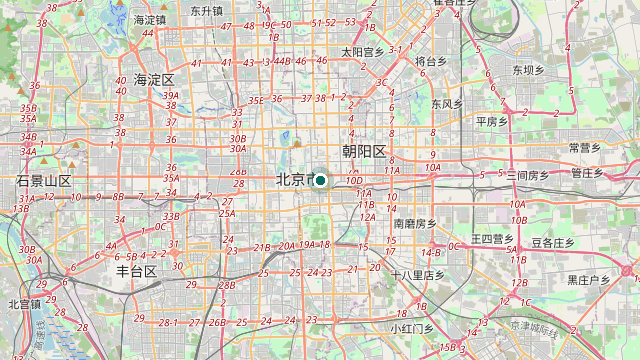
Beijing operates on a scale that exhausts even prepared travellers. The distances between sights are vast, and the grid layout means endless walking. This is not a city that rewards spontaneity or a light pack. It rewards depth, patience, and a high tolerance for logistical friction. The collision of imperial grandeur and brusque modernity is real. History gets bulldozed overnight, yet pockets of hutong life persist with genuine warmth. Visitors consistently underestimate the mental drain of constant crowd density and the effort required to find quiet. If you want a charming old town, book Kyoto. Beijing suits a specific travel style—one that can absorb friction without breaking.
- Minimum Days: 4 full days. Any less and you are only ticking the Forbidden City and Great Wall while missing the neighbourhoods that give the city meaning.
- Best For: History obsessives who want depth over charm, food travellers willing to chase specific dishes across the city, solo travellers comfortable with logistical friction, repeat China visitors ready for the mega-city experience, winter travellers who can handle biting cold for empty sites.
- Not For: First-time Asia travellers seeking a gentle introduction, people who need green space and spontaneity, travellers on tight budgets who still want central accommodation, anyone expecting an old-China atmosphere without concrete and flyovers.
- Peak Season: April to May and September to October for tolerable temperatures and blue skies. The first week of October (National Day) brings crushing domestic tourism to every major site.
- Avoid Window: Chinese New Year (late January or February, dates vary). Millions leave but millions arrive for temple fairs, many restaurants close, and the city feels both packed and shut. Also avoid the first week of October. Summer (July to August) brings 35°C+ heat with humidity and queues that can hit 2 hours.
- Arrival: Beijing Capital (PEK): Airport Express train to Dongzhimen, 25 minutes, ¥25, then transfer to metro or taxi. Taxi to central Beijing roughly ¥100, 150 and 45, 70 minutes without traffic. Beijing Daxing (PKX): Daxing Airport Express to Caoqiao, 20 minutes, ¥35. Taxi roughly ¥200 and 60+ minutes.
- Getting Around: Metro is the backbone: clean, extensive, signage in English, ¥3, 9 per ride. Get a transport card (Yikatong) or Alipay transport QR code. Single-ticket machines exist but queues are long. Station transfers can involve 10, 15 minute underground walks. The metro stops running around 22:30, 23:00 depending on line.
- Local Friction: Cash is nearly useless. Vendors expect WeChat Pay or Alipay, and foreign cards fail unpredictably even where accepted. Public toilets in tourist sites and hutongs are often squat-style with no soap or toilet paper; carry both. Distances on maps deceive: a 'nearby' sight can be a 30-minute walk across a 10-lane road with no crossing point. Taxi drivers rarely speak English and may refuse short fares. Air quality can hit hazardous levels November to February with less than 24 hours' notice.
The Real Work Starts Before You Land
Connectivity First
Connectivity is not optional, it is survival. WhatsApp, Google, Instagram, Gmail, Google Maps are all blocked without a VPN. Install and test before arrival. Free WiFi in cafes and hotels still requires a Chinese phone number for SMS verification. SIM cards at the airport cost roughly ¥100 to ¥200. China Mobile and China Unicom both work but setup takes 20 to 30 minutes with your passport. Do not land without a working plan for maps and messaging. The city is disorienting enough when you have data.
Districts Over Metro Lines
The districts matter more than the metro lines. Dongcheng is central, hutongs, imperial sights, tourist ground zero. Xicheng holds Beihai Park, Houhai lakes, older Beijing residue. Chaoyang is embassies, nightlife, Sanlitun, expat infrastructure. Haidian has universities, tech campuses, the Summer Palace, zero nightlife. Shijingshan is mostly residential with access to the Western Hills. Fengtai is southwest sprawl. Tongzhou is the new municipal government zone, far east, under construction. Yanqing is mountainous with Great Wall sections and the 2022 Winter Olympics zone. Pick your district based on what you want to wake up to, not what looks central on a map.
.jpg)
What Demands Your Time and What Does Not
The Big Landmarks
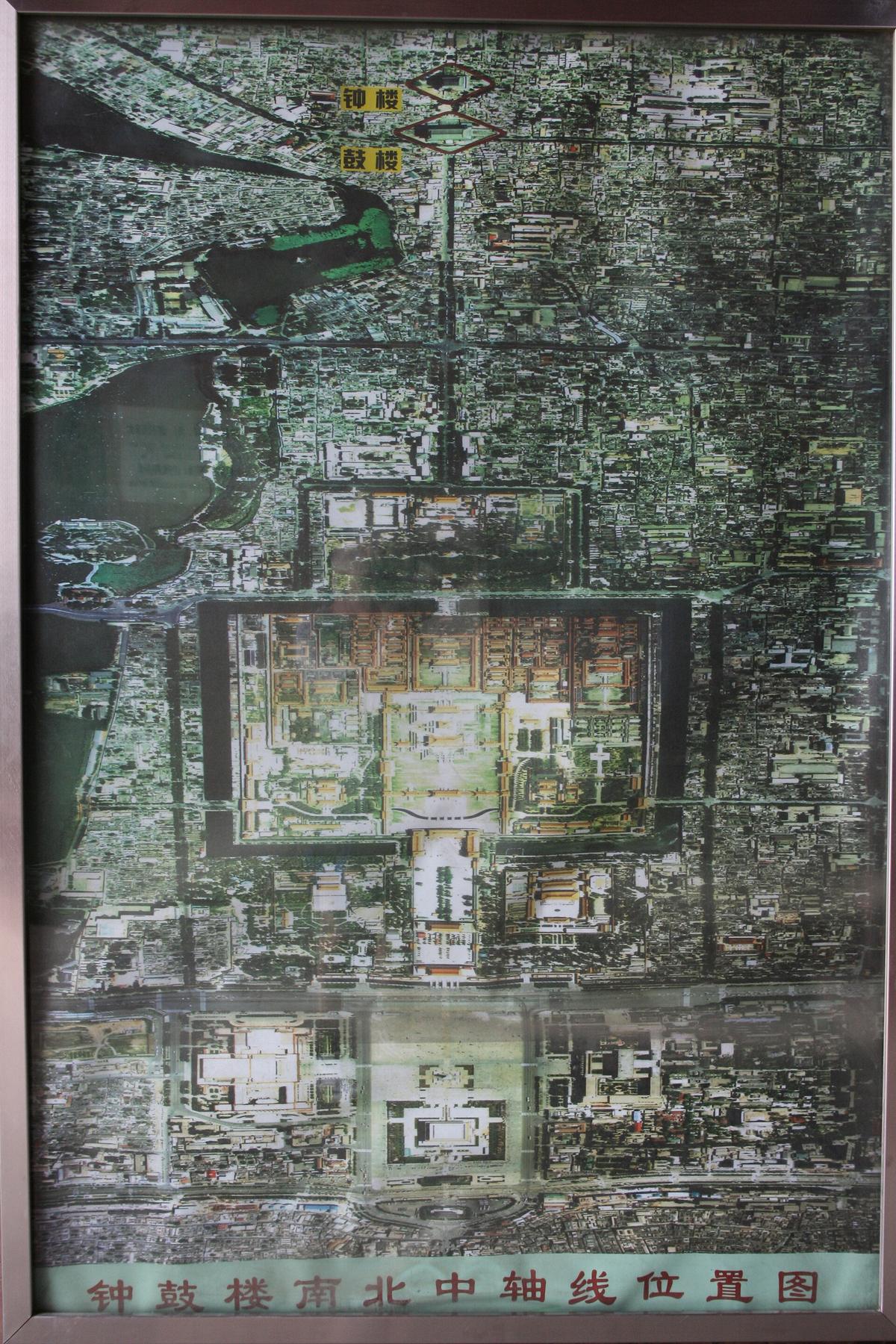
The landmarks are real, and they are massive. The Forbidden City requires booking 7 days ahead on a WeChat mini-program. Passport required. It takes 3 to 4 hours minimum. Jingshan Park gives the hilltop view over the Forbidden City roofs and needs no booking. The Temple of Heaven has morning pensioner choirs and tai chi; book ahead. The Summer Palace is a vast imperial lakeside escape; book ahead. Tiananmen Square has security checks and passport required, no booking but queues. The Great Wall at Mutianyu is restored with a toboggan down, book ahead. Jinshanling is semi-wild, a 2.5-hour drive, book ahead. Jiankou is wild, unrestored, technically illegal to climb, dangerous. Do not attempt Jiankou without a guide and experience.
Smaller Sites Worth Your Time
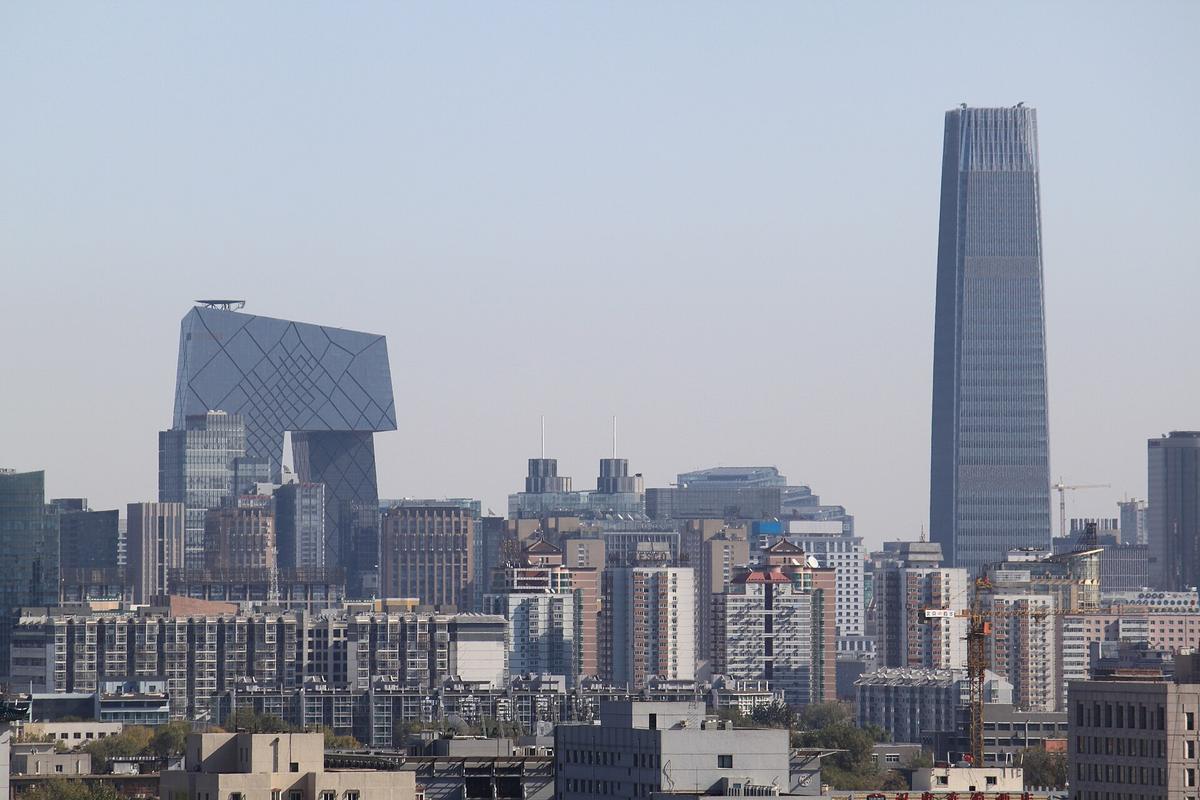
The Lama Temple is an active Tibetan Buddhist temple with incense clouds. The Confucius Temple is a quiet courtyard escape next to it. The 798 Art District has contemporary galleries in a Bauhaus factory complex. The National Museum of China requires booking 3 or more days ahead and a passport. The Drum and Bell Towers have hutong rooftop views and steep stairs. The Capital Museum is a less crowded alternative to the National Museum. The Ming Tombs have an underground palace chamber 50km north. The CCTV Headquarters has striking architecture but no public access inside. Do not try to do the Forbidden City and Tiananmen Square on the same morning as the Great Wall. The Forbidden City alone takes 3 to 4 hours, and the nearest Great Wall section is 1.5 hours away. That only works if you want to photograph both from the entrance and leave.
| Section | Crowds | Condition | Travel Time From Central Beijing | Booking Required |
|---|---|---|---|---|
| Mutianyu | Heavy | Restored full wall, toboggan | 1.5 hours by car or bus 916 Express to Huairou then taxi | Yes, book ahead |
| Jinshanling | Moderate | Semi-wild, half-day hike possible | 2.5 hours by car | Yes, book ahead |
| Jiankou | None | Wild, unrestored, dangerous, illegal | 2+ hours by car | No official booking, guide recommended |
Eating is a Hunt, Not a Breeze
Beijing roast duck at Quanjude is historic. Locals prefer Siji Minfu. Book ahead for either. Zhajiangmian is hand-pulled noodles with fermented soybean paste, best in hutong hole-in-the-wall shops. Mongolian hotpot at Haidilao or a local chain is communal, spicy, a 2-hour affair. Douzhi is a fermented mung bean drink, grey-green, an acquired taste, found at Huguosi Xiaochi. Chuanr are lamb skewers from Uighur street vendors, cumin-heavy, best after 10pm. Jianbing is a savoury breakfast crepe from street carts that disappears by 9am. Qingfeng Baozi are steamed buns, the chain Xi Jinping visited, workaday and cheap. Imperial court cuisine at Fangshan Restaurant in Beihai Park serves recreated Qing dynasty banquet dishes. Food in Beijing requires chasing. The best meal is rarely at a restaurant you pass on the street.

Who This City Suits and Who it Rejects
Beijing is for history obsessives who want depth over charm. It is for food travellers willing to chase specific dishes across the city. It is for solo travellers comfortable with logistical friction. It is for repeat China visitors ready for the mega-city experience. It is for winter travellers who can handle biting cold for empty sites. It is not for first-time Asia travellers seeking a gentle introduction. It is not for people who need green space and spontaneity. It is not for travellers on tight budgets who still want central accommodation. It is not for anyone expecting an old-China atmosphere without concrete and flyovers. If you want easy, go to Chiang Mai. If you want the real weight of a capital that has rewritten itself every century for the last seven hundred years, come to Beijing. Bring patience. Leave expectations behind.
Neighbourhoods in Beijing
-
 798 Art District
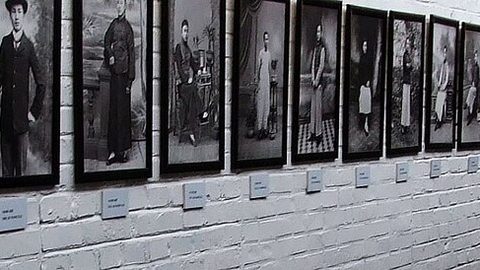
 pairs Bauhaus factory architecture with major contemporary galleries, though the artist studios have largely given way to commerce.
798 Art District
798 Art District pairs Bauhaus factory architecture with major contemporary galleries, though the artist studios have largely given way to commerce.
-
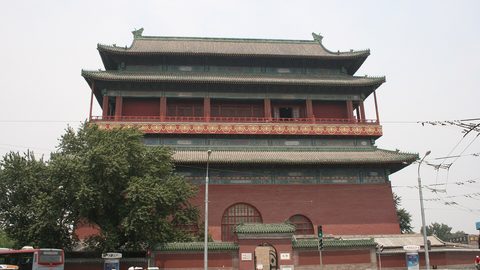 Dongcheng
 puts you next to the Forbidden City but the district varies wildly from sterile shopping streets to noisy hutong alleys.
Dongcheng
Dongcheng puts you next to the Forbidden City but the district varies wildly from sterile shopping streets to noisy hutong alleys.
-
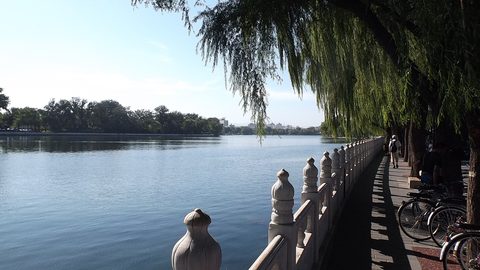 Gulou
Gulou is the hutong neighbourhood people actually mean when they say old Beijing, but you need to know which lanes to avoid.
Gulou
Gulou is the hutong neighbourhood people actually mean when they say old Beijing, but you need to know which lanes to avoid.
-
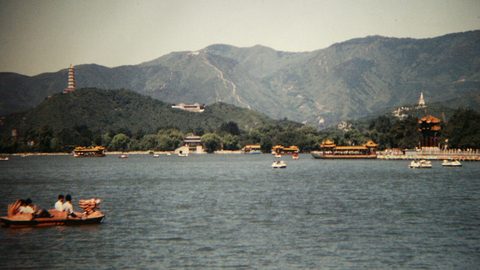 Haidian
 holds the Summer Palace, the ruined Yuanmingyuan, and Wudaokou's Korean student food strip, far from the Forbidden City crowds.
Haidian
Haidian holds the Summer Palace, the ruined Yuanmingyuan, and Wudaokou's Korean student food strip, far from the Forbidden City crowds.
-
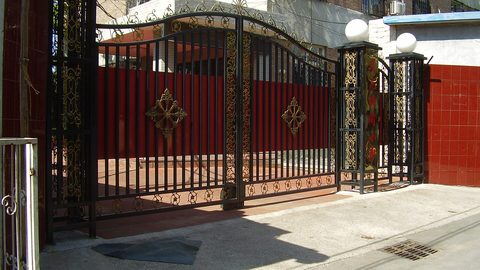 Qianmen
 and Dashilan are more restoration than survival, but the traditional shopfronts and roast duck restaurants still justify a visit.
Qianmen
Qianmen and Dashilan are more restoration than survival, but the traditional shopfronts and roast duck restaurants still justify a visit.
-
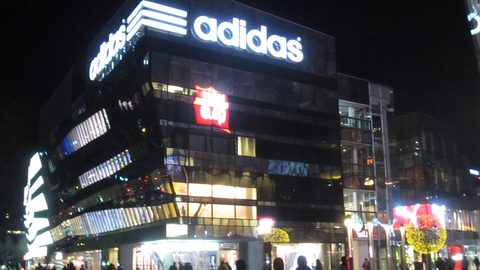 Sanlitun
 is Beijing's most visibly moneyed district, where embassy staff, expats, and clubbers collide over craft beer and late-night skewers.
Sanlitun
Sanlitun is Beijing's most visibly moneyed district, where embassy staff, expats, and clubbers collide over craft beer and late-night skewers.
What to See in Beijing
-
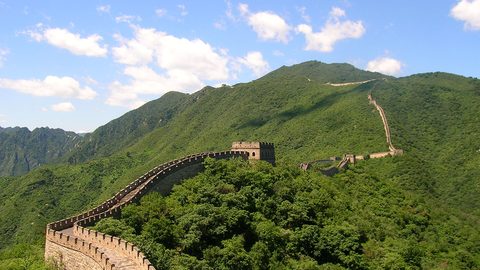 Great Wall
Mutianyu, Jinshanling, Badaling, or Jiankou—here is how to pick the right Beijing Great Wall section and reach it without booking a tour.
Great Wall
Mutianyu, Jinshanling, Badaling, or Jiankou—here is how to pick the right Beijing Great Wall section and reach it without booking a tour.
-
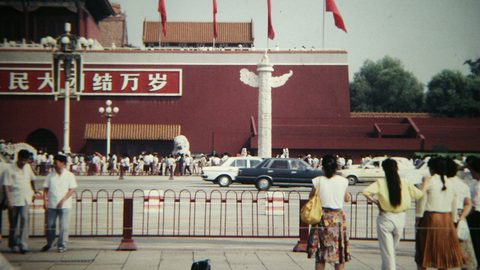 Tiananmen Square
 is free but the security and ID procedure is the whole difficulty. Here is what to expect at the checkpoints and how long queues run.
Tiananmen Square
Tiananmen Square is free but the security and ID procedure is the whole difficulty. Here is what to expect at the checkpoints and how long queues run.
-
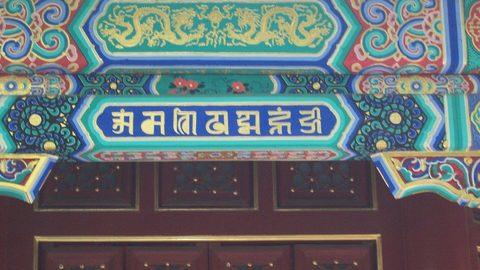 Lama Temple
The Lama Temple is an active Tibetan Buddhist monastery, not a museum piece. It earns a slot if you want living ritual over restored imperial halls.
Lama Temple
The Lama Temple is an active Tibetan Buddhist monastery, not a museum piece. It earns a slot if you want living ritual over restored imperial halls.
-
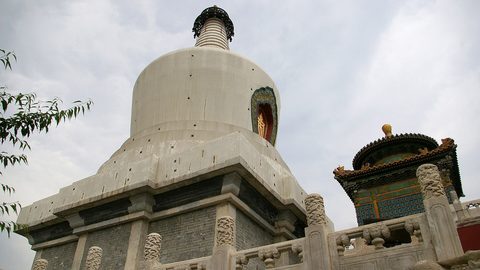 Beihai Park
 predates the Forbidden City and holds a restaurant serving Qing court dishes, plus a white dagoba and lake boats.
Beihai Park
Beihai Park predates the Forbidden City and holds a restaurant serving Qing court dishes, plus a white dagoba and lake boats.
-
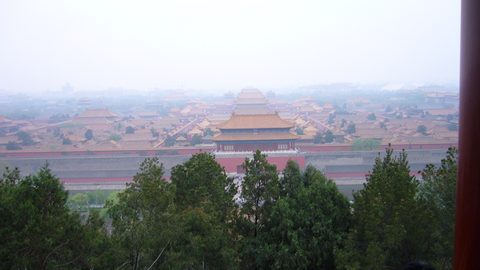 Jingshan Park
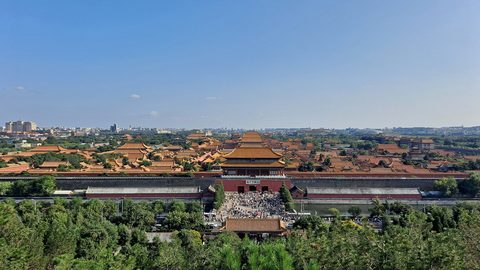
 costs ¥2 and takes fifteen minutes to climb, but its hilltop view is the only way to grasp the Forbidden City's full scale.
Jingshan Park
Jingshan Park costs ¥2 and takes fifteen minutes to climb, but its hilltop view is the only way to grasp the Forbidden City's full scale.
-
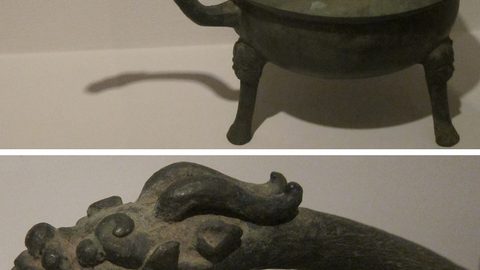 National Museum of China
The National Museum of China is free but its booking window defeats many visitors; one gallery inside justifies the entire building.
National Museum of China
The National Museum of China is free but its booking window defeats many visitors; one gallery inside justifies the entire building.
-
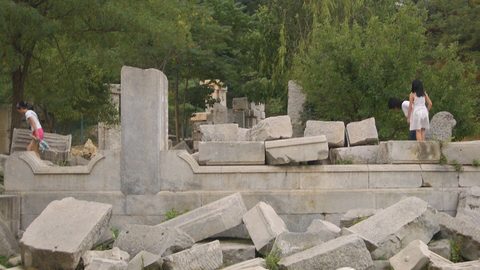 Old Summer Palace
Yuanmingyuan is not an older Summer Palace but a ruined imperial garden complex, and understanding that difference shapes the whole visit.
Old Summer Palace
Yuanmingyuan is not an older Summer Palace but a ruined imperial garden complex, and understanding that difference shapes the whole visit.
-
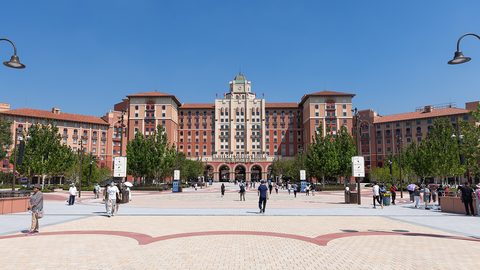 Universal Beijing Resort
 is the world's largest Universal park, an hour from the Forbidden City, and forces a hard question about your limited days.
Universal Beijing Resort
Universal Beijing Resort is the world's largest Universal park, an hour from the Forbidden City, and forces a hard question about your limited days.
-
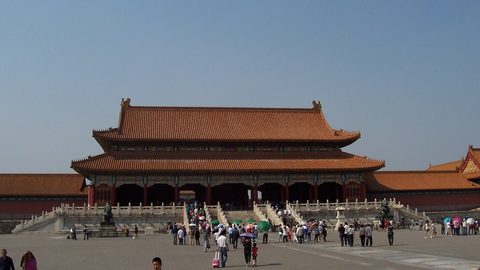 Forbidden City
 tickets require booking seven days ahead on WeChat with a passport. Here is the route to take once you are inside to avoid wasting the visit.
Forbidden City
Forbidden City tickets require booking seven days ahead on WeChat with a passport. Here is the route to take once you are inside to avoid wasting the visit.
-
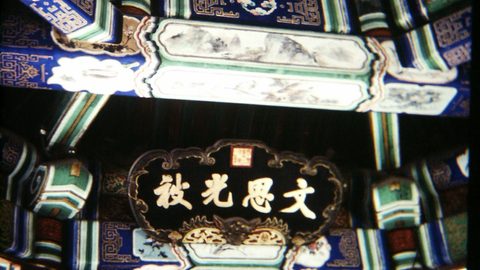 Summer Palace
The Summer Palace is vast and the wrong entrance adds an hour of walking. Use the East Palace Gate and plan for at least four hours.
Summer Palace
The Summer Palace is vast and the wrong entrance adds an hour of walking. Use the East Palace Gate and plan for at least four hours.
-
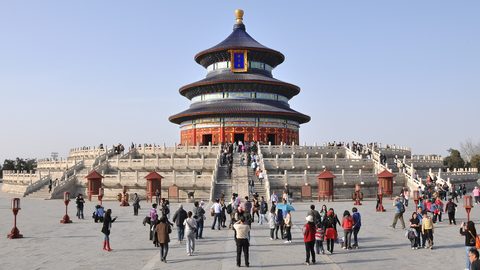 Temple of Heaven
The Temple of Heaven park matters as much as the temple. Morning tai chi, choirs, and card players make it a Beijing ritual worth a full morning.
Temple of Heaven
The Temple of Heaven park matters as much as the temple. Morning tai chi, choirs, and card players make it a Beijing ritual worth a full morning.
More on Beijing
-
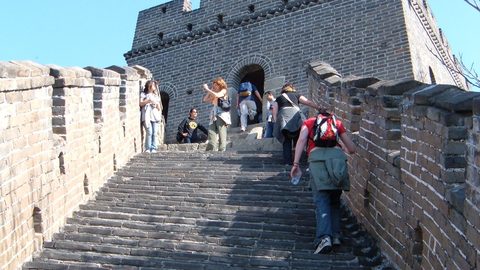 Mutianyu Great Wall End to End Bus Shuttle Cable Car Towers Toboggan
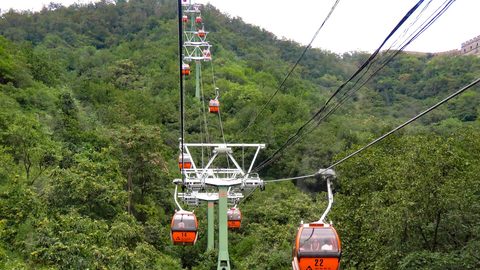
Mutianyu Great Wall end to end: the bus from Dongzhimen, the shuttle, the cable car, the towers, and the toboggan down.
Mutianyu Great Wall End to End Bus Shuttle Cable Car Towers Toboggan
Mutianyu Great Wall end to end: the bus from Dongzhimen, the shuttle, the cable car, the towers, and the toboggan down.
-
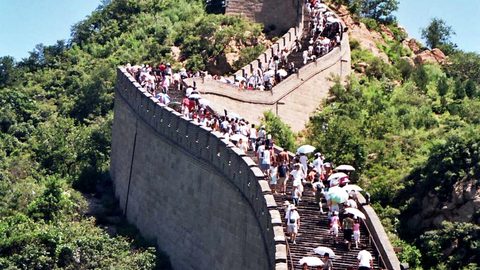 Badaling Great Wall The Crowded One and the Train That Makes It Worth Reconsidering
Badaling is the crowded, easy Great Wall section, but the train from Beijing North or Qinghe makes it worth reconsidering.
Badaling Great Wall The Crowded One and the Train That Makes It Worth Reconsidering
Badaling is the crowded, easy Great Wall section, but the train from Beijing North or Qinghe makes it worth reconsidering.
-
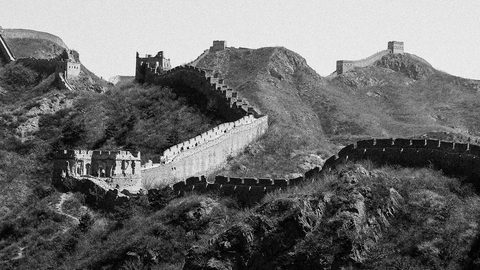 Jinshanling Great Wall Hiking Guide for Independent Travellers
How to hike the semi-wild Jinshanling Great Wall from Beijing, including the best watchtower route, transport options, and what to bring.
Jinshanling Great Wall Hiking Guide for Independent Travellers
How to hike the semi-wild Jinshanling Great Wall from Beijing, including the best watchtower route, transport options, and what to bring.
-
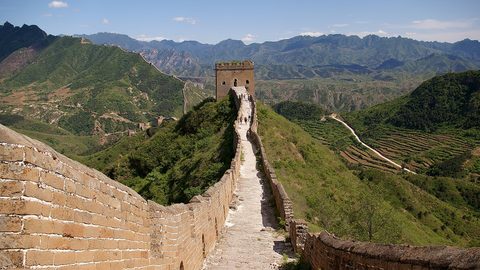 Simatai Great Wall and Gubei Water Town Night Visit Guide
Simatai is the only Great Wall section open after dark. Here is how to plan a night walk and whether Gubei Water Town is worth the stay.
Simatai Great Wall and Gubei Water Town Night Visit Guide
Simatai is the only Great Wall section open after dark. Here is how to plan a night walk and whether Gubei Water Town is worth the stay.
-
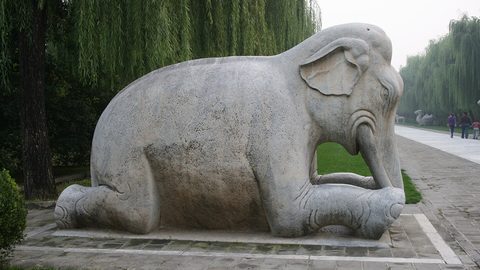 Ming Tombs Day Trip from Beijing Without a Tour Group
Which Ming Tomb you can enter underground, how to walk the Sacred Way, and whether this day trip pairs well with a Great Wall visit.
Ming Tombs Day Trip from Beijing Without a Tour Group
Which Ming Tomb you can enter underground, how to walk the Sacred Way, and whether this day trip pairs well with a Great Wall visit.
-
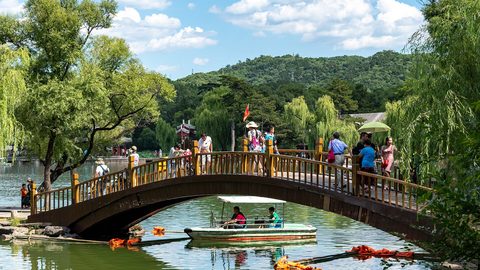 Chengde Mountain Resort Day Trip from Beijing by High-Speed Train
How to do the Qing summer capital of Chengde as a long day trip from Beijing, including high-speed train times and a realistic temple route.
Chengde Mountain Resort Day Trip from Beijing by High-Speed Train
How to do the Qing summer capital of Chengde as a long day trip from Beijing, including high-speed train times and a realistic temple route.
-
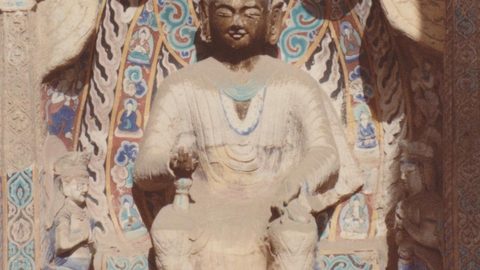 Datong Yungang Grottoes and Hanging Temple Day Trip from Beijing
A realistic plan for seeing the Yungang Grottoes and Hanging Temple from Beijing in one day, with exact train times and transport advice.
Datong Yungang Grottoes and Hanging Temple Day Trip from Beijing
A realistic plan for seeing the Yungang Grottoes and Hanging Temple from Beijing in one day, with exact train times and transport advice.
-
 Cuandixia Village Day Trip from Beijing for Ming Stone Architecture
Cuandixia is a Ming-era stone village in the hills west of Beijing with no ticket queues. Here is how to visit and what to see.
Cuandixia Village Day Trip from Beijing for Ming Stone Architecture
Cuandixia is a Ming-era stone village in the hills west of Beijing with no ticket queues. Here is how to visit and what to see.
-
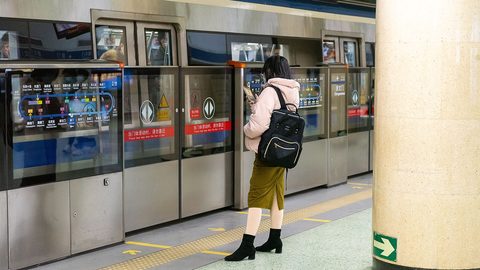 Beijing Subway Guide for First-Time Visitors Without Chinese
How to pay for the Beijing metro, navigate transfers and exits, pass security checks, and catch the last train without Chinese skills.
Beijing Subway Guide for First-Time Visitors Without Chinese
How to pay for the Beijing metro, navigate transfers and exits, pass security checks, and catch the last train without Chinese skills.
-
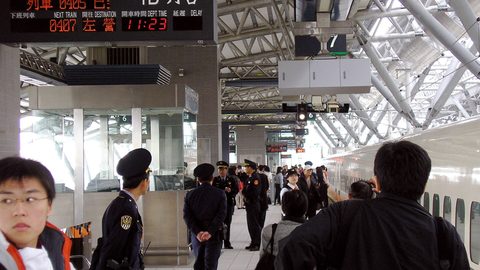 Beijing Railway Stations Guide for High-Speed Train Departures
Beijing has five mainline railway stations that are not interchangeable. Here is which station your train leaves from and how to get there.
Beijing Railway Stations Guide for High-Speed Train Departures
Beijing has five mainline railway stations that are not interchangeable. Here is which station your train leaves from and how to get there.
-
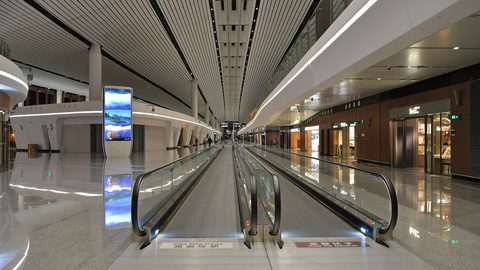 Beijing Daxing Airport Guide for Arriving and Transferring
How to get from Beijing Daxing Airport to the city by express train, taxi, or Didi, with exact transfer steps from PKX to Caoqiao.
Beijing Daxing Airport Guide for Arriving and Transferring
How to get from Beijing Daxing Airport to the city by express train, taxi, or Didi, with exact transfer steps from PKX to Caoqiao.
-
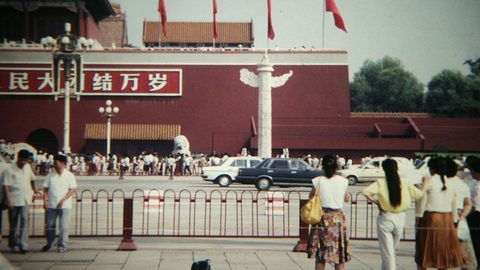 Beijing Layover Guide for Visa-Free Transit and Short Stops
What Beijing visa-free transit actually allows, and what fits in a 6, 12, or 24-hour layover from PEK or PKX.
Beijing Layover Guide for Visa-Free Transit and Short Stops
What Beijing visa-free transit actually allows, and what fits in a 6, 12, or 24-hour layover from PEK or PKX.
-
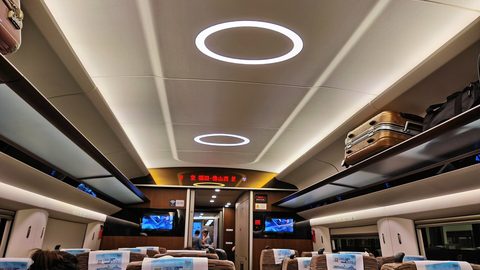 Beijing to Xi'an High-Speed Rail Route and Booking Guide
The full Beijing West to Xi'an North high-speed rail route in four and a half hours, with booking, boarding, and seat class advice.
Beijing to Xi'an High-Speed Rail Route and Booking Guide
The full Beijing West to Xi'an North high-speed rail route in four and a half hours, with booking, boarding, and seat class advice.
-
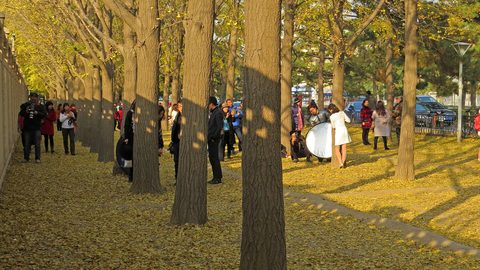 Beijing in Autumn for Weather, Foliage, and Crowd Timing
The best six weeks of the Beijing year for weather and foliage, and the National Day week inside them to avoid at any cost.
Beijing in Autumn for Weather, Foliage, and Crowd Timing
The best six weeks of the Beijing year for weather and foliage, and the National Day week inside them to avoid at any cost.
-
 Beijing in Summer for Heat, Queues, and Night City Life
35 degrees, two-hour queues, and the Beijing that only exists after dark, with a summer itinerary that works with the heat.
Beijing in Summer for Heat, Queues, and Night City Life
35 degrees, two-hour queues, and the Beijing that only exists after dark, with a summer itinerary that works with the heat.
-
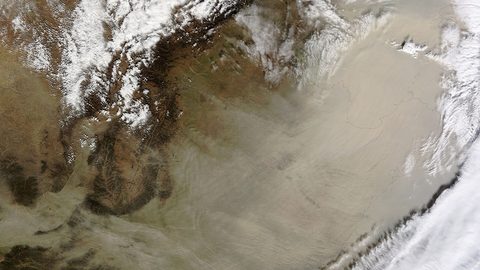 Beijing in Spring for Blossoms, Sandstorms, and Wind
Blossom, sandstorms, and six good weeks with a wind problem, plus how to time Beijing spring around Labour Day.
Beijing in Spring for Blossoms, Sandstorms, and Wind
Blossom, sandstorms, and six good weeks with a wind problem, plus how to time Beijing spring around Labour Day.
-
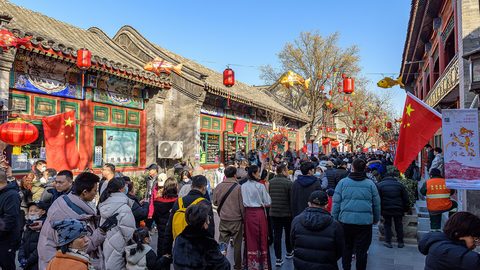 Beijing Chinese New Year Guide for Temple Fairs and Closures
Temple fairs, a half-shut city, and a real argument for visiting Beijing during Chinese New Year anyway.
Beijing Chinese New Year Guide for Temple Fairs and Closures
Temple fairs, a half-shut city, and a real argument for visiting Beijing during Chinese New Year anyway.
-
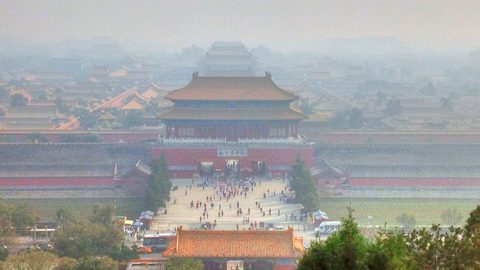 Beijing Air Quality Guide for Reading AQI and Staying Safe
What the Beijing AQI number means, when it goes bad, and what to actually do about it for your health and itinerary.
Beijing Air Quality Guide for Reading AQI and Staying Safe
What the Beijing AQI number means, when it goes bad, and what to actually do about it for your health and itinerary.
-
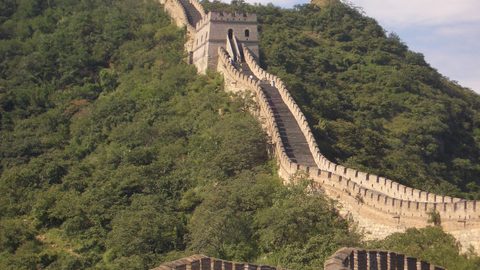 3 Days in Beijing That Won't Leave You Exhausted
A three-day Beijing itinerary that clusters sights by district, places the Great Wall on its own day, and accounts for security lines.
3 Days in Beijing That Won't Leave You Exhausted
A three-day Beijing itinerary that clusters sights by district, places the Great Wall on its own day, and accounts for security lines.
-
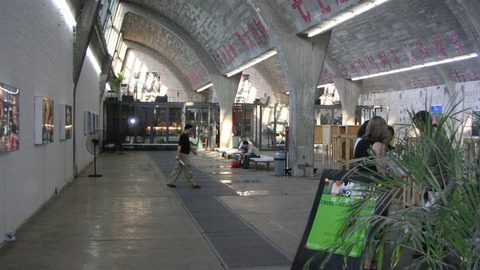 5 Days in Beijing Where the City Finally Slows Down
A five-day Beijing itinerary that uses days four and five for hutongs, temples, contemporary art, and a proper roast duck dinner.
5 Days in Beijing Where the City Finally Slows Down
A five-day Beijing itinerary that uses days four and five for hutongs, temples, contemporary art, and a proper roast duck dinner.
-
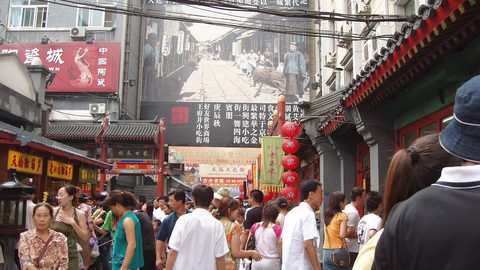 6 Beijing Tourist Scams and the Sentence That Ends Each One
Six Beijing scams, how each one opens, the hook that pulls you in, and the exact sentence that ends the interaction.
6 Beijing Tourist Scams and the Sentence That Ends Each One
Six Beijing scams, how each one opens, the hook that pulls you in, and the exact sentence that ends the interaction.
-
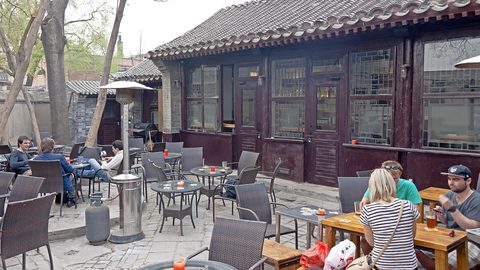 Beijing Nightlife Beyond Houhai's Overpriced Lakeside Bars
A guide to Beijing's real nightlife in Gulou and Sanlitun, and why Houhai's lakeside bars are a tourist tax.
Beijing Nightlife Beyond Houhai's Overpriced Lakeside Bars
A guide to Beijing's real nightlife in Gulou and Sanlitun, and why Houhai's lakeside bars are a tourist tax.
-
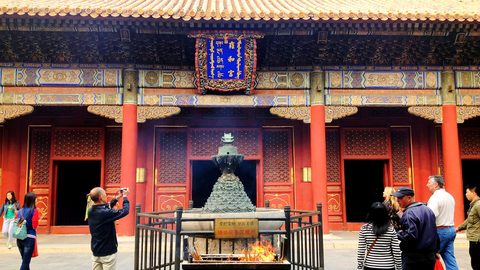 Which Beijing Temples Are Worth Your Time and Which Three to Pick
A guide to Beijing's Buddhist, Daoist, and Muslim temples, and the three that give the best sense of the city's religious life.
Which Beijing Temples Are Worth Your Time and Which Three to Pick
A guide to Beijing's Buddhist, Daoist, and Muslim temples, and the three that give the best sense of the city's religious life.
-
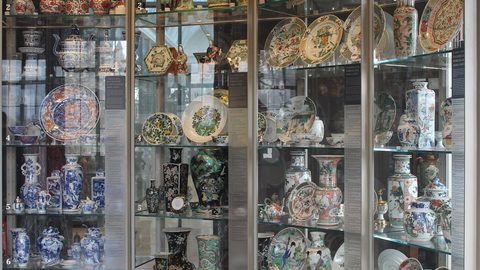 Beijing Museums That Earn a Half Day and What to Do When One Is Booked
Which Beijing museums deserve a half-day, what to book in advance, and where to go when the National Museum is full.
Beijing Museums That Earn a Half Day and What to Do When One Is Booked
Which Beijing museums deserve a half-day, what to book in advance, and where to go when the National Museum is full.
-
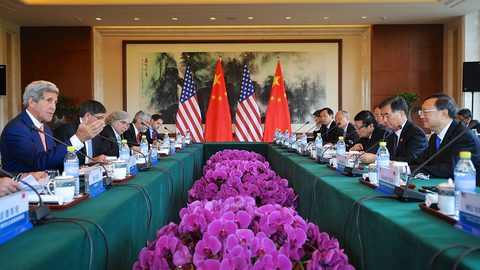 Beijing Etiquette Mistakes That Actually Offend and Several That Don't
A practical guide to what genuinely offends in Beijing, and the several etiquette rules that are overstated or outdated.
Beijing Etiquette Mistakes That Actually Offend and Several That Don't
A practical guide to what genuinely offends in Beijing, and the several etiquette rules that are overstated or outdated.
-
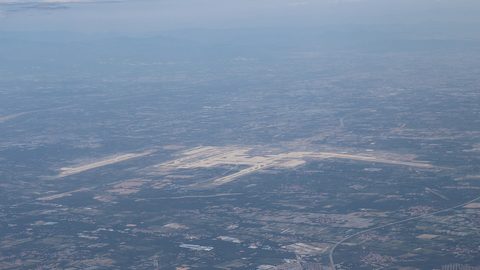 PEK vs PKX Beijing Airports and the Booking Mistake That Costs an Afternoon
A comparison of Beijing Capital and Daxing airports, and the booking mistake that can cost you an afternoon in transit.
PEK vs PKX Beijing Airports and the Booking Mistake That Costs an Afternoon
A comparison of Beijing Capital and Daxing airports, and the booking mistake that can cost you an afternoon in transit.
-
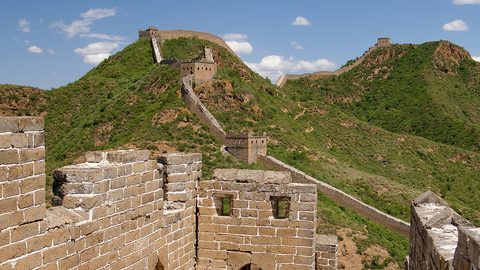 Mutianyu vs Jinshanling Great Wall from Beijing, Which to Choose
Compare Mutianyu and Jinshanling Great Wall sections from Beijing to decide which fits your fitness, time, and crowd tolerance.
Mutianyu vs Jinshanling Great Wall from Beijing, Which to Choose
Compare Mutianyu and Jinshanling Great Wall sections from Beijing to decide which fits your fitness, time, and crowd tolerance.
-
 Summer Palace vs Old Summer Palace in Beijing, Which Is Worth It
Two imperial sites in Haidian share a name but offer completely different experiences. Here is how to choose between them.
Summer Palace vs Old Summer Palace in Beijing, Which Is Worth It
Two imperial sites in Haidian share a name but offer completely different experiences. Here is how to choose between them.
-
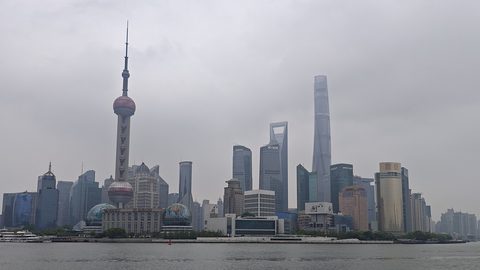 Beijing or Shanghai for a First Trip to China Which to Pick
Pick Beijing for imperial history and hutong depth if you can handle crowds and scale. Pick Shanghai for a softer first landing in China.
Beijing or Shanghai for a First Trip to China Which to Pick
Pick Beijing for imperial history and hutong depth if you can handle crowds and scale. Pick Shanghai for a softer first landing in China.
-
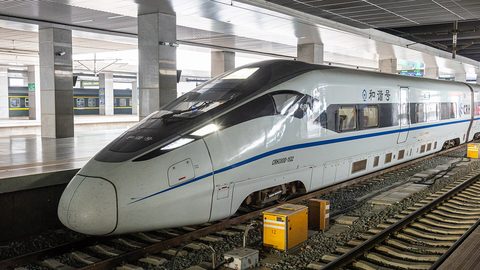 The 30-Minute High-Speed Train From Beijing to Tianjin
The complete guide to the 30-minute high-speed train from Beijing South to Tianjin, including tickets, station navigation, and what to see there.
The 30-Minute High-Speed Train From Beijing to Tianjin
The complete guide to the 30-minute high-speed train from Beijing South to Tianjin, including tickets, station navigation, and what to see there.
-
 Where to Actually Eat Peking Duck in Beijing
A judgement call on where to eat Peking duck in Beijing, comparing the historic, the local favourite, and the upscale options.
Where to Actually Eat Peking Duck in Beijing
A judgement call on where to eat Peking duck in Beijing, comparing the historic, the local favourite, and the upscale options.
-
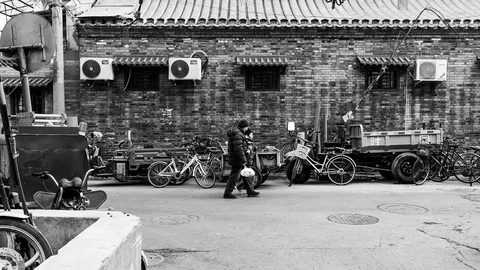 A Realistic Guide to Beijing Hutongs and Which Ones Survive
An honest guide to Beijing's hutongs: what they are, which ones still feel like neighbourhoods, and which are now just tourist alleys.
A Realistic Guide to Beijing Hutongs and Which Ones Survive
An honest guide to Beijing's hutongs: what they are, which ones still feel like neighbourhoods, and which are now just tourist alleys.
-
 How to Spend 2 Days in Beijing Without Losing Your Mind
A ruthless two-day Beijing itinerary that accepts the city's scale, hits the Forbidden City and Mutianyu, and tells you what to cut.
How to Spend 2 Days in Beijing Without Losing Your Mind
A ruthless two-day Beijing itinerary that accepts the city's scale, hits the Forbidden City and Mutianyu, and tells you what to cut.
-
 Which Beijing Sights Actually Work With Kids and Which Don't
A realistic filter for visiting Beijing with kids: which imperial sights work, which ones don't, and how to manage the crowd density.
Which Beijing Sights Actually Work With Kids and Which Don't
A realistic filter for visiting Beijing with kids: which imperial sights work, which ones don't, and how to manage the crowd density.
-
 Mutianyu vs Badaling Great Wall From Beijing Compared
Mutianyu and Badaling are the two most-visited Great Wall sections from Beijing, but they suit very different travellers and tolerance levels.
Mutianyu vs Badaling Great Wall From Beijing Compared
Mutianyu and Badaling are the two most-visited Great Wall sections from Beijing, but they suit very different travellers and tolerance levels.
-
 Is Beijing Worth Visiting An Honest Answer in Two Sentences
Beijing is worth it for history obsessives and food travellers who can handle logistical friction. It is not for anyone seeking a gentle introduction to Asia.
Is Beijing Worth Visiting An Honest Answer in Two Sentences
Beijing is worth it for history obsessives and food travellers who can handle logistical friction. It is not for anyone seeking a gentle introduction to Asia.
-
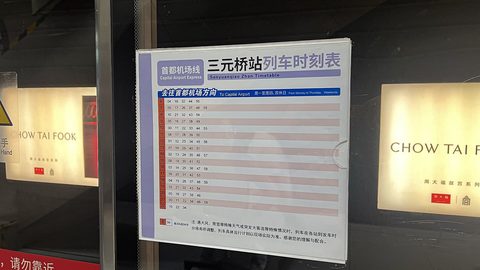 Getting From Beijing Airports to the City Without a Headache
A practical breakdown of every transfer route from Beijing Capital and Daxing airports to the city centre, with real times and costs.
Getting From Beijing Airports to the City Without a Headache
A practical breakdown of every transfer route from Beijing Capital and Daxing airports to the city centre, with real times and costs.
-
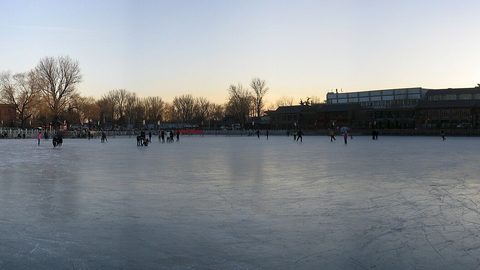 What Beijing Is Really Like in Winter and Who Should Go
A realistic look at Beijing in winter: the cold, the pollution, the closures, and why empty imperial sites might make it all worth it.
What Beijing Is Really Like in Winter and Who Should Go
A realistic look at Beijing in winter: the cold, the pollution, the closures, and why empty imperial sites might make it all worth it.
-
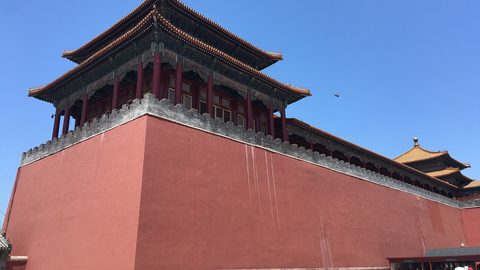 How to Book Forbidden City Tickets Without Getting Locked Out
A step-by-step guide to the real-name Forbidden City booking process, including the WeChat mini-program and the exact failure points to avoid.
How to Book Forbidden City Tickets Without Getting Locked Out
A step-by-step guide to the real-name Forbidden City booking process, including the WeChat mini-program and the exact failure points to avoid.
Common Questions
How many days do I need in Beijing?
4 full days minimum. Any less and you are only ticking the Forbidden City and Great Wall while missing the neighbourhoods that give the city meaning.
Is Beijing safe for solo travellers?
Yes, violent crime is rare. The friction is logistical, not personal. Solo travellers comfortable with that tend to do fine. The main risk is getting lost without data.
Can I use cash in Beijing?
Cash is nearly useless. Vendors expect WeChat Pay or Alipay. Foreign cards fail unpredictably. Get a Chinese SIM and set up mobile payment at the airport.
What is the best month to visit?
April to May or September to October for tolerable temperatures and blue skies. Avoid the first week of October and Chinese New Year. Summer has 35°C+ heat and 2-hour queues.
Do I need to book the Forbidden City in advance?
Yes, book 7 days ahead on the WeChat mini-program. Passport required. No same-day entry.
Can I visit the Forbidden City and the Great Wall in one day?
No. The Forbidden City alone takes 3 to 4 hours. The nearest Great Wall section is 1.5 hours away. Trying to do both means you photograph the entrance and leave.
Will my phone work in Beijing?
Not without a VPN. WhatsApp, Google, Instagram, Gmail, Google Maps are blocked. Install a VPN before you arrive. Get a Chinese SIM at the airport for ¥100 to ¥200.
Read next
-
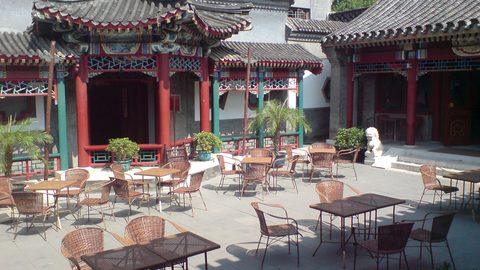 Beijing Hotels by Price Band and Property Type
Beijing hotels split into hutong courtyards, international chains and functional business towers. Here is what each price band actually buys you.
Beijing Hotels by Price Band and Property Type
Beijing hotels split into hutong courtyards, international chains and functional business towers. Here is what each price band actually buys you.
-
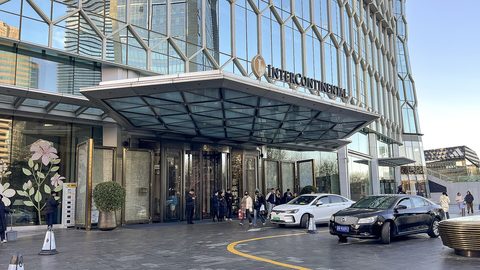 Where to Stay in Beijing by District and Travel Style
Dongcheng puts you beside the Forbidden City, Chaoyang beside the nightlife. Here is how Beijing's districts compare for different travellers.
Where to Stay in Beijing by District and Travel Style
Dongcheng puts you beside the Forbidden City, Chaoyang beside the nightlife. Here is how Beijing's districts compare for different travellers.
-
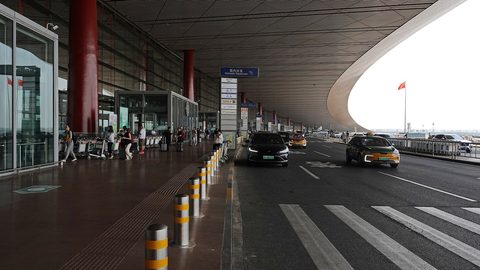 Beijing Flights PEK vs PKX Which Airport Actually Works for You
PEK or PKX? What each Beijing airport costs you in time, money, and logistical friction depending on where you are staying.
Beijing Flights PEK vs PKX Which Airport Actually Works for You
PEK or PKX? What each Beijing airport costs you in time, money, and logistical friction depending on where you are staying.
-
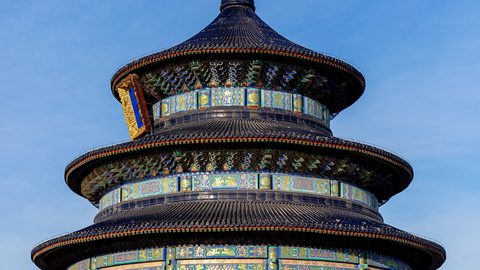 Beijing Things to Do Worth Your Limited Days
The Forbidden City and Great Wall are essential, but Beijing's meaning lives in temple courtyards, hutong lanes and food streets. Here is what earns your days.
Beijing Things to Do Worth Your Limited Days
The Forbidden City and Great Wall are essential, but Beijing's meaning lives in temple courtyards, hutong lanes and food streets. Here is what earns your days.
-
 Best Time to Visit Beijing, Month by Month Tradeoffs
April and October bring blue skies and queues, July brings heat, January brings empty sites and hazardous air. Here is Beijing month by month.
Best Time to Visit Beijing, Month by Month Tradeoffs
April and October bring blue skies and queues, July brings heat, January brings empty sites and hazardous air. Here is Beijing month by month.
-
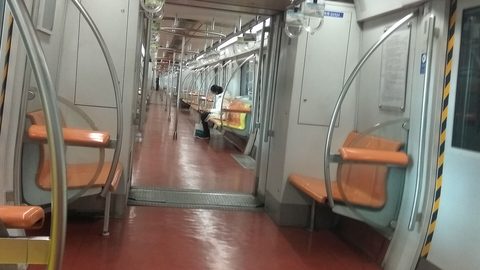 Getting Around Beijing Without Losing Half Your Day
Beijing's metro is clean and cheap but stops early, and taxis rarely speak English. Here is how to move around without burning half your day.
Getting Around Beijing Without Losing Half Your Day
Beijing's metro is clean and cheap but stops early, and taxis rarely speak English. Here is how to move around without burning half your day.
-
Forbidden City
Forbidden City tickets require booking seven days ahead on WeChat with a passport. Here is the route to take once you are inside to avoid wasting the visit.
-
Temple of Heaven
The Temple of Heaven park matters as much as the temple. Morning tai chi, choirs, and card players make it a Beijing ritual worth a full morning.
-
Summer Palace
The Summer Palace is vast and the wrong entrance adds an hour of walking. Use the East Palace Gate and plan for at least four hours.