A Shenzhen Travel Guide for a City That Did Not Exist 40 Years Ago
Shenzhen is a 40-year-old city built on hardware, ambition, and migrants. This guide tells you what it is actually for and whether it belongs in your trip.
- Flag
-
- ISO code
- CN
- Population
- 17,494,398
- Currency
- CNY
- Timezone
- Asia/Shanghai
Shenzhen is Not What You Think it is
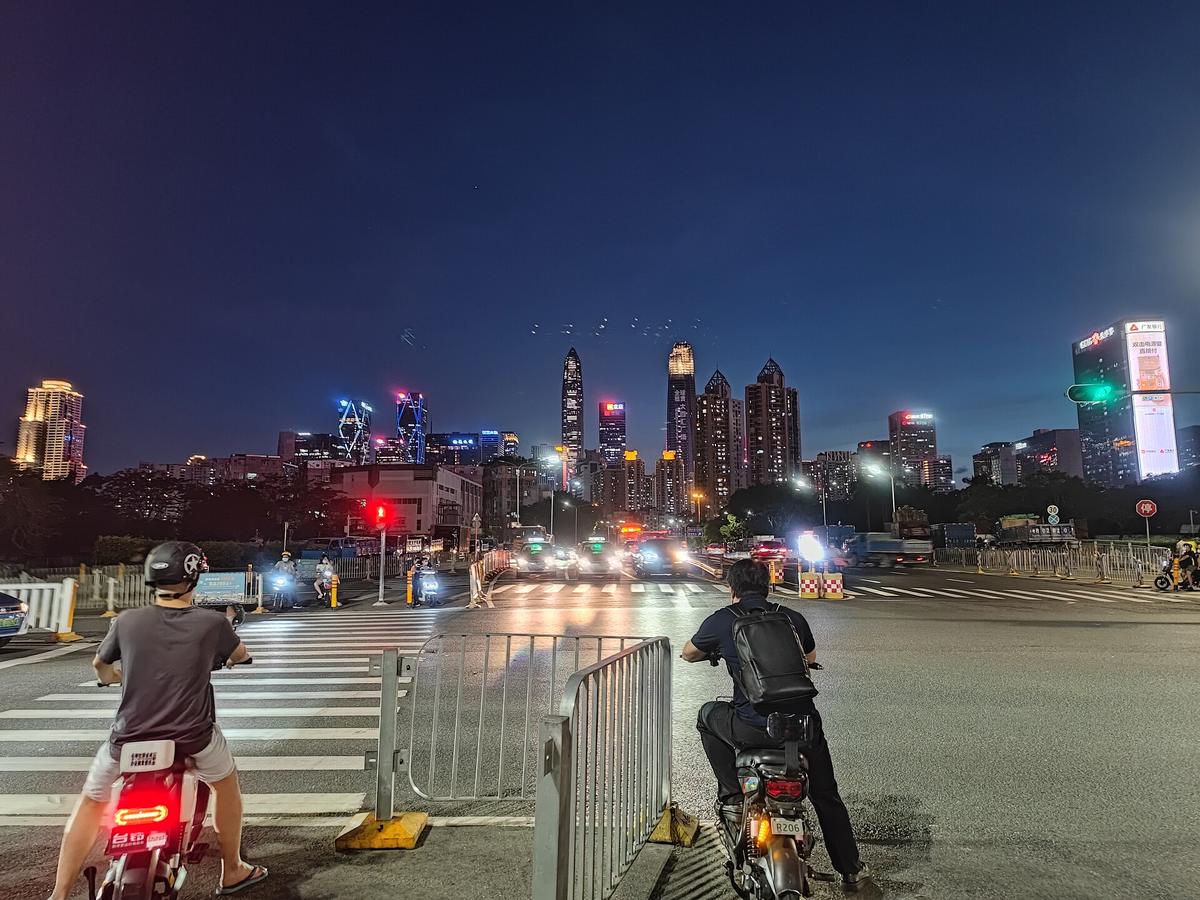
Shenzhen did not exist as a city forty years ago. In 1979 the population was roughly 300,000. By 2025 the Shenzhen Municipal Statistics Bureau recorded 17.7 million. That single fact explains everything else: why there are no ancient temples, why the streets feel like a tech campus, why the city works for specific travellers and fails for others. Decide whether to include it in a China itinerary, and if so, what to actually do when you arrive.
Shenzhen is young, fast, conspicuously wealthy. Its identity is built on the future, not the past, and the sprawling scale makes casual wandering impractical. Connecting with a sense of place is harder than expected. You are not here for old alleyways or classical Chinese charm. You are here because you want to see what a city looks like when it skips two thousand years of history and starts from zero with money, ambition, and a metro system that works.

- Population 1979: ~300,000
- Population 2025: ~17.7 million (Shenzhen Municipal Statistics Bureau, 2025 yearbook)
- Oldest building stock: Negligible pre-1979; city essentially without historic quarters
- Primary visitor draw: Not historic China
- Minimum stay: 3 days
- Peak season: October to December
- Avoid window: Golden Week (first week of Oct), Chinese New Year (late Jan/Feb), April to June for humidity and rain, Canton Fair dates in Guangzhou
- Airport to city: Metro Line 11 to Futian station, ~30 min, ¥10; taxi to CBD, 40-50 min, ¥100-130
- Hong Kong by HSR: 14-18 min from Futian Station to West Kowloon
- End-to-end metro time: Luohu to Shekou, ~55-65 min
Shenzhen What to Expect: a City That Runs on Apps and Scale
Expect a city that is not walkable at scale. A 1km distance on a map can become a 20-minute detour across a multi-level highway overpass. The Metro is your tool, with 16 lines covering the city. Payment requires the WeChat or Alipay app with a linked foreign card for the QR code scan. Single-journey tokens are available at machines but require small cash. You will use a phone for everything, and that is the real friction point.
Connectivity And SIMs
Google, Facebook, and WhatsApp are blocked without a VPN. Install and test one before you arrive. A local SIM from China Unicom or China Mobile is cheap and fast, but requires a passport for registration. Free public Wi-Fi often demands a local phone number for a verification code, which creates a catch-22 for new arrivals. Budget for this hassle; it is the price of admission.
Street-Level Realities
Public toilets are plentiful but often lack soap and toilet paper. Carry your own. Taxis refuse short fares during shift change around 4pm to 5pm. The sheer verticality of Shenzhen means your destination is often on the 40th floor of a non-descript tower with poor street-level signage. Know the building name and the floor number before you leave your hotel.
Is Shenzhen Worth Visiting? it Depends on What You Came for
Shenzhen is worth visiting if you are a tech entrepreneur or hardware innovator exploring Huaqiangbei, the world's electronics market covering 1.45 km² in Futian District with an estimated daily footfall of roughly 500,000 (the Shenzhen Huaqiangbei Street Management Office publishes the real figure). It is worth visiting if you are a modern architecture and urban planning enthusiast who wants to stand on the Ping An Finance Centre observation deck at 599m. It is worth visiting if you need bespoke tailoring, glasses, or electronics, or if you want clean, manicured theme parks and green spaces for a family trip. It works as a pragmatic, efficient Hong Kong connection.
It is not worth visiting if you seek ancient monuments, old towns, or traditional street life. The oldest building stock is negligible before 1979. The city has no historic quarters. It is not worth visiting for budget backpackers; mid-range comfort here costs more than in other mainland cities. It is not worth visiting for anyone unwilling to navigate a purely digital, app-based infrastructure for every transaction.
Shenzhen for First Timers: the Three Day Blueprint
Three days is the minimum. Anything shorter and you will spend half your time in transit between far-flung districts. The common mistake is assuming Shenzhen is a compact city where major sights are a short walk or quick cab ride apart. They are not. Plan by geography, not by category.
Day One: Tech And Futurism
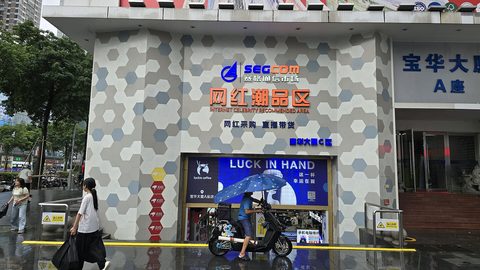
Start at Huaqiangbei Electronics Market in the morning. Do not buy anything on the first floor. Walk up to the upper floors where the component vendors are. The market is endless floors of gadgets and components; you need a goal or you will wander for hours and leave with a broken drone. Afternoon at the Ping An Finance Centre. Book the observation deck in advance for clear days. The view from 599m is the single best way to understand the scale of Shenzhen. Evening in Nanshan for the tech HQ hub atmosphere and decent bars.
Day Two: Shopping And A Theme Park
Morning for shopping. Bespoke tailors and glasses shops cluster in Luohu. Afternoon choose one theme park: Window of the World with its 130 miniature landmarks (dated but surreal), or Splendid China and Chinese Folk Culture Village for twin parks on Chinese history. Happy Valley if you want rides. Evening in OCT-LOFT, the design-led art hub in a repurposed factory in Nanshan District.
Day Three: Art Villages And A Hong Kong Day Trip
Morning at Dafen Oil Painting Village in Longgang District if you want to see commercial art production at scale. Then take the high-speed rail from Futian Station to Hong Kong West Kowloon. 14 to 18 minutes. You can be in Central for lunch and back by dinner. Crossing the border on a Sunday evening can take over two hours; plan your return accordingly.
Shenzhen vs Hong Kong: Not a Competition, a Connection
Comparing Shenzhen versus Hong Kong is like comparing a skyscraper to a port. They are different tools for different jobs. Hong Kong has the density, the colonial history, the harbour, the international finance. Shenzhen has the space, the speed, the manufacturing supply chain, the tech campuses. They are twenty five minutes apart by high-speed rail from Futian Station to West Kowloon. Use them as a pair.
Border Crossings
For border crossings you have four options. Lo Wu and Luohu is the MTR East Rail Line terminus, old and crowded. Lok Ma Chau and Futian connects to Shenzhen Metro Line 4. Shenzhen Bay Port is a road bridge in Nanshan District. The fastest is West Kowloon to Futian by high-speed rail. For Hong Kong International Airport, take the Shekou ferry direct to HKIA SkyPier, about 30 minutes, or go by road via Shenzhen Bay Port at 45 to 60 minutes excluding border formalities.
| Destination | Travel Time | Best For |
|---|---|---|
| Hong Kong Central | 25 min HSR from Futian Station | Urban exploration, dining, shopping |
| Macau | 1 hour ferry from Shekou Port | Casinos, Portuguese architecture |
| Guangzhou | 35 min HSR from Shenzhen North Station | Canton Tower, Cantonese food |
| Dapeng Peninsula Jinsha Bay | 1.5 hours by car | Cleaner beaches, surf |
| Kaiping Diaolou | 2.5 hours by car | UNESCO fortified towers |

Shenzhen Districts and Landmarks: Where to Point Yourself
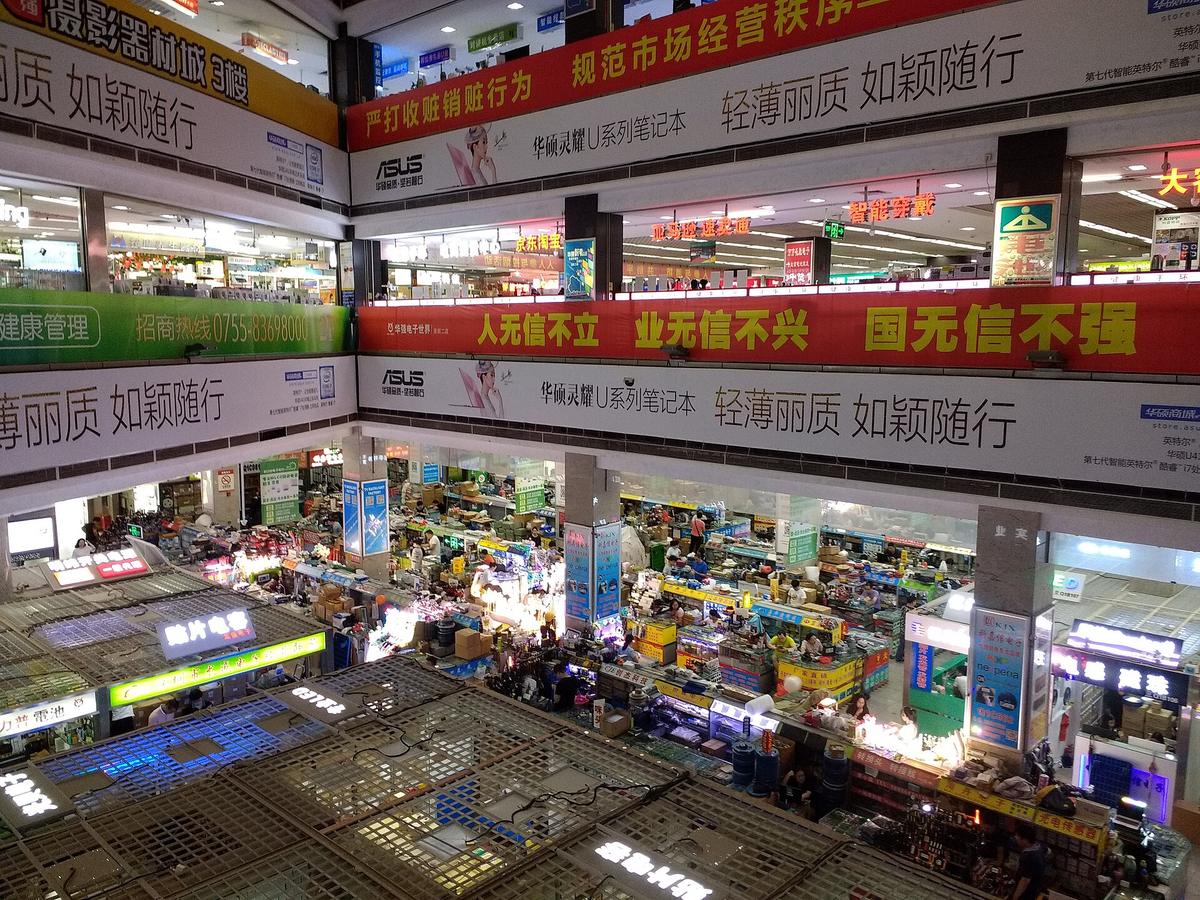
Shenzhen is a federation of distinct zones with different characters. The geographic spine runs Luohu in the east, Futian in the centre, Nanshan and Shekou in the west. End-to-end metro time from Luohu to Shekou is about 55 to 65 minutes on Line 1 transferring to Line 2 or 8. That is the single journey that will define your stay.
Futian
The administrative and business core. Skyscrapers and convention centres. This is where the Ping An Finance Centre sits, and where the high-speed rail station connects to Hong Kong. Lianhuashan Park offers a hilltop with a giant Deng Xiaoping bronze statue and a good view of the skyline.
Nanshan
Tech HQ hub with start-up energy and decent bars. OCT-LOFT is here, the best design and art quarter in the city. OCT Bay is a waterfront performance and dining complex. The Sea World Culture and Arts Centre in Shekou is a museum by Fumihiko Maki on a landlocked cruise ship plaza.
Luohu
The oldest part of Shenzhen. Border crossing chaos and traditional retail. This is where you find the Lo Wu border crossing and the densest concentration of bespoke tailors and electronics shops outside Huaqiangbei.
Huaqiangbei
Not a district but a zone. The world's hardware market. 1.45 km² of electronics components, gadgets, and chaos. Daily footfall roughly 500,000. Go with a specific purchase in mind or you will waste time.
Shekou
Expat-heavy waterfront enclave with international dining. Sea World plaza centred on a landlocked cruise ship. Ferry connections to Macau and Zhuhai. This is where you eat if you want non-Chinese food done well.
OCT Cluster
Theme park cluster and creative loft spaces. Window of the World, Splendid China, Chinese Folk Culture Village, and Happy Valley are all here. OCT-LOFT is the art and design anchor.
Dapeng Peninsula
Geopark, surf spots, and preserved ancient villages like Dapeng Fortress, a Ming-dynasty coastal defence outpost. This is where Shenzhen shows its rare older face. 1.5 hours by car from the centre.
Other Landmarks
Shenzhen Museum gives a solid, fast history of a fishing village turned megacity. Nantou Ancient City is a renovated historic town with trendy cafes, worth a short visit. Fairy Lake Botanical Garden is expansive with a working temple. Dameisha Beach is a free public beach, crowded on weekends. Shenzhen Bay Park is a 15km linear park along the coast, good for a morning run or a sunset walk.
Shenzhen Food: the Pan-Chinese Reality of a Migrant City
Roughly 70% of Shenzhen residents do not have a Shenzhen hukou. That migrant proportion means the city's cuisine character is pan-Chinese. All eight major regional cuisines are represented here. You eat through the lens of the people who built the city, not through local tradition.
Start with Guangming Roast Goose, whole goose with crispy skin from a specific suburb. Shajing Oysters are large and creamy from the western coast, best in winter. Street-side Chaoshan Rice Noodles serve hand-pounded beef balls and rice noodles in clear broth. Coconut Chicken Hot Pot is a Shenzhen-born dish of chicken boiled in pure coconut water. Late-night seafood BBQ on Leyuan Road is alfresco grilled shellfish and beer. Morning dim sum at Phoenix House is a local institution, not just a Cantonese import.
Who Shenzhen Suits and Who Should Go Elsewhere
Shenzhen suits tech entrepreneurs and hardware innovators who need to walk Huaqiangbei. It suits modern architecture enthusiasts who want the Ping An Finance Centre observation deck. It suits shoppers looking for bespoke tailoring, glasses, and electronics. It suits families who want clean, manicured theme parks and green spaces. It suits travellers using it as a pragmatic, efficient Hong Kong connection.
Shenzhen does not suit anyone seeking ancient temples, old alleyways, or classical Chinese charm. It does not suit budget backpackers on a shoestring. It does not suit anyone unwilling to navigate a purely digital, app-based infrastructure for every transaction. It does not suit travellers who want a compact walkable historic core. That city does not exist here. What exists is something else, something built in forty years on ambition and money, and for the right traveller it is exactly right.
What to See in Shenzhen
-
 Huaqiangbei
How to navigate Huanqiangbei, Shenzhen's multi-block electronics hardware market, from components sold by the reel to finished gadgets across tower floors.
Huaqiangbei
How to navigate Huanqiangbei, Shenzhen's multi-block electronics hardware market, from components sold by the reel to finished gadgets across tower floors.
-
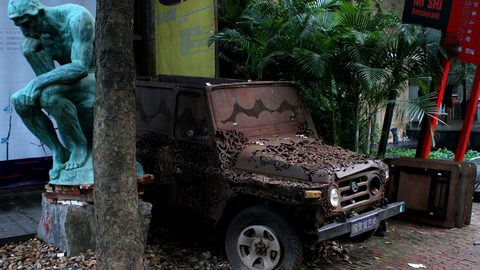 OCT-LOFT
 is Shenzhen's design-led art hub in a repurposed factory, smaller and quieter than Beijing's 798 with better coffee and a creative community feel.
OCT-LOFT
OCT-LOFT is Shenzhen's design-led art hub in a repurposed factory, smaller and quieter than Beijing's 798 with better coffee and a creative community feel.
More on Shenzhen
-
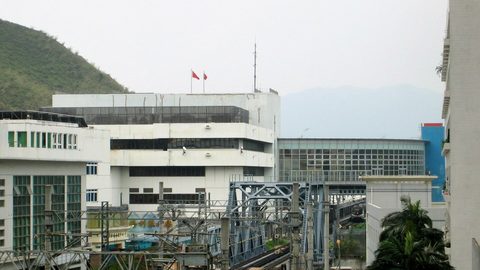 Shenzhen Border Crossing From Hong Kong Four Checkpoints Visas and Queues
Four Shenzhen border crossings from Hong Kong compared: Luohu, Futian high-speed rail, Huanggang 24-hour, and Shenzhen Bay, with visa rules and queue strategy.
Shenzhen Border Crossing From Hong Kong Four Checkpoints Visas and Queues
Four Shenzhen border crossings from Hong Kong compared: Luohu, Futian high-speed rail, Huanggang 24-hour, and Shenzhen Bay, with visa rules and queue strategy.
-
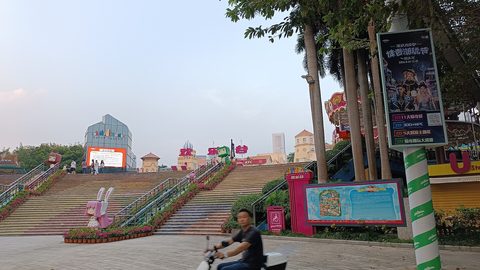 Shenzhen Theme Parks Worth the Ticket from Window of the World to Happy Valley
Window of the World, Splendid China, and Happy Valley judged honestly: which Shenzhen theme parks are worth the ticket and your limited time in the city.
Shenzhen Theme Parks Worth the Ticket from Window of the World to Happy Valley
Window of the World, Splendid China, and Happy Valley judged honestly: which Shenzhen theme parks are worth the ticket and your limited time in the city.
-
 Shenzhen or Guangzhou for Your Trip New Tech Hub Against Old Pearl River Capital
Shenzhen or Guangzhou: a straight comparison of the new tech hub against the old Pearl River Delta capital to help you choose the right base.
Shenzhen or Guangzhou for Your Trip New Tech Hub Against Old Pearl River Capital
Shenzhen or Guangzhou: a straight comparison of the new tech hub against the old Pearl River Delta capital to help you choose the right base.
Common Questions
How many days do I need in Shenzhen?
Three days minimum. One for tech and futurism, one for shopping and a theme park, one for art villages and a Hong Kong day trip. Shorter stays waste too much time in transit between districts.
When is the best time to visit Shenzhen?
October to December brings clear skies, low humidity, and comfortable temperatures. Avoid the first week of October for Golden Week, Chinese New Year in late January or February, and April to June for high humidity and heavy rain.
Do I need a VPN for Shenzhen?
Yes. Google, Facebook, and WhatsApp are blocked without a VPN. Install and test one before you arrive. A local SIM from China Unicom or China Mobile is cheap and fast but requires a passport for registration.
How do I get from Shenzhen to Hong Kong?
The fastest option is high-speed rail from Futian Station to West Kowloon, 14 to 18 minutes. You can also cross by road at Lo Wu, Lok Ma Chau, or Shenzhen Bay Port. The Shekou ferry goes directly to Hong Kong International Airport in about 30 minutes.
Is Shenzhen walkable?
No. Shenzhen is not walkable at scale. A 1km distance on a map can be a 20-minute detour across a multi-level highway overpass. Use the Metro with 16 lines covering the city.
What should I eat in Shenzhen?
Guangming Roast Goose from the specific suburb of Guangming. Shajing Oysters from the western coast, best in winter. Street-side Chaoshan Rice Noodles with hand-pounded beef balls. Coconut Chicken Hot Pot, a Shenzhen-born dish. Late-night seafood BBQ on Leyuan Road. Morning dim sum at Phoenix House.
Is Shenzhen expensive?
Mid-range comfort costs more than in other mainland Chinese cities. Budget backpackers on a shoestring will find it hard. Hotel prices spike during the Canton Fair in nearby Guangzhou, mid-April to early May and mid-October to early November.
Read next
-
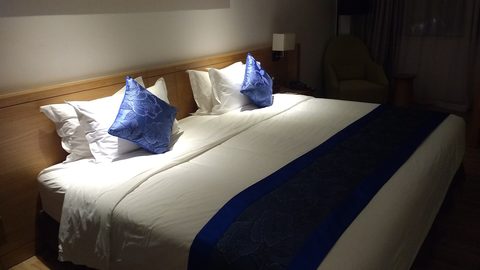 Shenzhen Hotels by District and Price Band From Futian Towers to Shekou
Shenzhen hotels organised by district and price band, matching Futian, Nanshan, Shekou, Luohu, and Bao'an to travel style with nightly rates in yuan.
Shenzhen Hotels by District and Price Band From Futian Towers to Shekou
Shenzhen hotels organised by district and price band, matching Futian, Nanshan, Shekou, Luohu, and Bao'an to travel style with nightly rates in yuan.
-
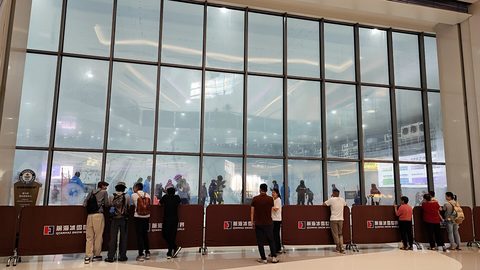 Where to Stay in Shenzhen by Border Crossing and Metro Line
Where to stay in Shenzhen depends on your arrival point and your Metro line. Compare Futian, Nanshan, Shekou, and Luohu districts for the right base.
Where to Stay in Shenzhen by Border Crossing and Metro Line
Where to stay in Shenzhen depends on your arrival point and your Metro line. Compare Futian, Nanshan, Shekou, and Luohu districts for the right base.
-
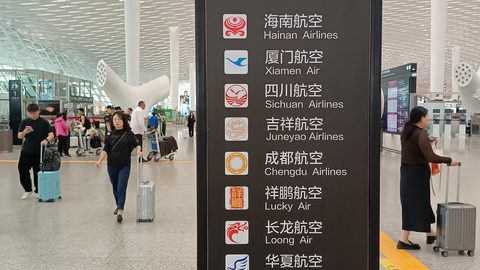 Shenzhen Flights to Bao’an Airport and Every Other Way In
Flights to Shenzhen Bao'an International Airport and the overland alternatives via Hong Kong high-speed rail or Shekou ferry, with costs and connection times.
Shenzhen Flights to Bao’an Airport and Every Other Way In
Flights to Shenzhen Bao'an International Airport and the overland alternatives via Hong Kong high-speed rail or Shekou ferry, with costs and connection times.
-
 Shenzhen Things to Do When There Is Almost Nothing Old to Look At
Shenzhen things to do ranked honestly for a city with almost nothing old. From the Ping An deck to Hiaqiangbei hardware market, here is what earns your days.
Shenzhen Things to Do When There Is Almost Nothing Old to Look At
Shenzhen things to do ranked honestly for a city with almost nothing old. From the Ping An deck to Hiaqiangbei hardware market, here is what earns your days.
-
 Best Time to Visit Shenzhen Month by Month to Avoid Crowds and Heat
The best time to visit Shenzhen is October to December for clear skies and low humidity. Avoid Golden Week, Chinese New Year, and the Canton Fair hotel spikes.
Best Time to Visit Shenzhen Month by Month to Avoid Crowds and Heat
The best time to visit Shenzhen is October to December for clear skies and low humidity. Avoid Golden Week, Chinese New Year, and the Canton Fair hotel spikes.
-
 Getting Around Shenzhen When a 1km Walk Becomes a 20 Minute Overpass
Getting around Shenzhen means mastering the Metro, surviving taxi shift changes, and knowing why a 1km walk can take 20 minutes across a highway overpass.
Getting Around Shenzhen When a 1km Walk Becomes a 20 Minute Overpass
Getting around Shenzhen means mastering the Metro, surviving taxi shift changes, and knowing why a 1km walk can take 20 minutes across a highway overpass.
-
Huaqiangbei
How to navigate Huanqiangbei, Shenzhen's multi-block electronics hardware market, from components sold by the reel to finished gadgets across tower floors.
-
OCT-LOFT
OCT-LOFT is Shenzhen's design-led art hub in a repurposed factory, smaller and quieter than Beijing's 798 with better coffee and a creative community feel.
-
 China Travel Guide for First-Timers Who Plan Ahead
China rewards travellers who plan apps, payments, trains, and tickets before arrival. Start with the four obstacles and the pages that solve them.
China Travel Guide for First-Timers Who Plan Ahead
China rewards travellers who plan apps, payments, trains, and tickets before arrival. Start with the four obstacles and the pages that solve them.