Welcome to Bangkok, Where the Pavement Sizzles and the Street Food Never Stops
Bangkok is a humid, chaotic city of contrasts where golden temples sit beside glass malls and street-food stalls line air-conditioned metro stations. Here is where to begin.
- Flag
-
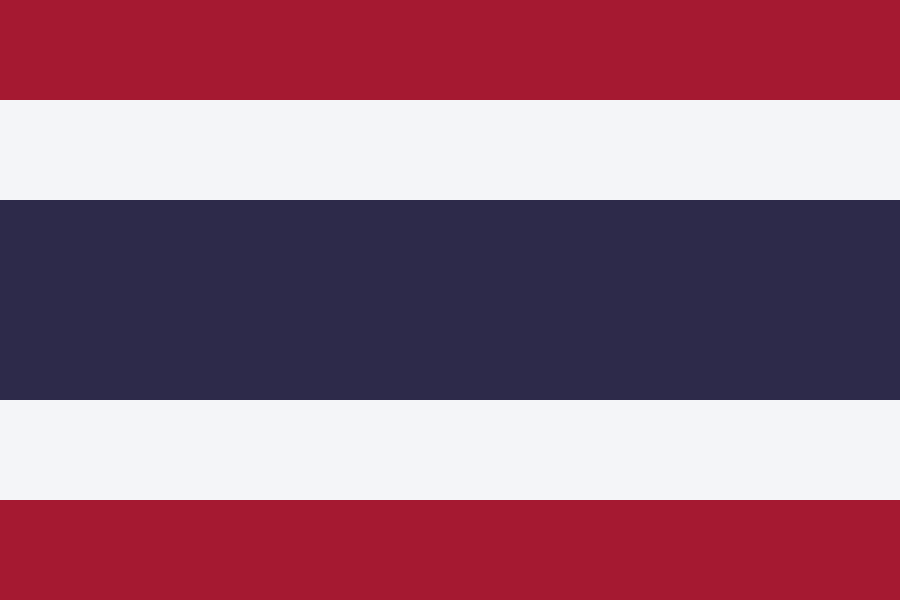
- ISO code
- TH
- Currency
- THB
Welcome to Bangkok, Where the Pavement Sizzles and the Street Food Never Stops
Your first hour in Bangkok will test you. You step out of the airport train at Phaya Thai and the heat hits like a wall. The air smells of grilled meat, diesel exhaust, and jasmine. A tuk tuk driver shouts 300 baht for a ride the meter taxi would do for 60. The pavement is cracked, the motorbikes are on it, and the noise is a physical thing. This is not a city that apologises. This Bangkok travel guide is honest about what that means: if you want a relaxing beach holiday, quiet streets, or clean air, book a flight to the islands. If you want the most electric urban food culture on the planet, layered neighbourhoods that reward the curious, and a city that feels alive in a way no other Asian capital does, then Bangkok is worth visiting. The question is whether you can handle the chaos that comes with the reward.
- Capital of: Thailand (Kingdom of Thailand)
- Local name: Krung Thep Maha Nakhon
- Metro population: 10.7 million (2020 census, National Statistical Office of Thailand, the official figure is worth checking for updates)
- City area: 1,568.7 km²
- Climate: Tropical savanna (Aw). Average annual temp 28.6°C. Hottest month April at 30.4°C mean temp. Heat index can hit 38°C-52°C in hot season afternoons.
- Rainy season: May to October. Peak rainfall September at 334 mm average.
- Humidity range: 66% dry season to 79% rainy season
- Time zone: Indochina Time (ICT), UTC+7
- Currency: Thai Baht (THB). 2025 average rates per the Bank of Thailand: 34.0-36.5 per USD, 37.0-39.5 per EUR, 43.0-46.0 per GBP.
- Minimum days: 4. Less than that and you see only shopping malls and one temple.
- Peak season: November to February. Dry, 26-32°C. Hotel prices up 30-50%.
- Avoid window: April (Songkran 13-15 April: soaked clothes, transport chaos, 40°C heat) and mid-October (monsoon floods).
Arrival and Getting Around: Two Separate Ticket Systems Will Trip You Up
Land at Suvarnabhumi Airport and take the Airport Rail Link to Phaya Thai. The ride takes half an hour, costs 45 THB, and drops you at the BTS Skytrain connection. A taxi to central districts will take 45 to 90 minutes depending on traffic and cost 300 to 500 THB including tolls. From Don Mueang there is no rail link. Take bus A1 or A2 to Mo Chit BTS station for 30 THB or pay 200 to 400 THB for a taxi.
The BTS and MRT: They Do Not Share a Ticket
Buy a Rabbit card for the BTS Skytrain. It costs 200 THB including a deposit. The MRT subway uses a separate card or a contactless bank card. The single thing that trips visitors up: you cannot transfer between the two systems on one ticket. You exit one station, walk to the other, and buy a new ticket. This matters most at Siam, Asok, and Sala Daeng where you switch lines. Budget two extra minutes for every transfer between systems.
Download Grab and Bolt before you arrive. Uber does not operate here. Meter taxis exist but after 8pm in tourist zones they will refuse to use the meter. A tuk tuk is not a cheap way to get around. It is a short ride you take for the experience. Pay 100 to 150 THB for a trip that would cost 60 THB by meter. Nothing more.
Connectivity and Maps
Buy a SIM at the arrival hall. AIS or TrueMove offer 30 days unlimited data for 300 to 400 THB. The BTS and MRT both have free station WiFi but it requires SMS verification, which your foreign SIM will not handle well. Google Maps is reliable for directions but watch out: it will send you down sois that dead end at canals, especially in Thonburi and Banglamphu. Verify the route on a map first.

Bangkok City Overview: the Districts That Actually Matter
A common mistake is staying only near Khao San Road or a Sukhumvit shopping mall and concluding Bangkok is either a backpacker party zone or a generic mall city. That misses the canal side communities, the Chinatown alleys, and the local neighbourhoods that make the city worth knowing. Here is a quick orientation of where to spend your time for Bangkok trip planning.
Rattanakosin and Banglamphu
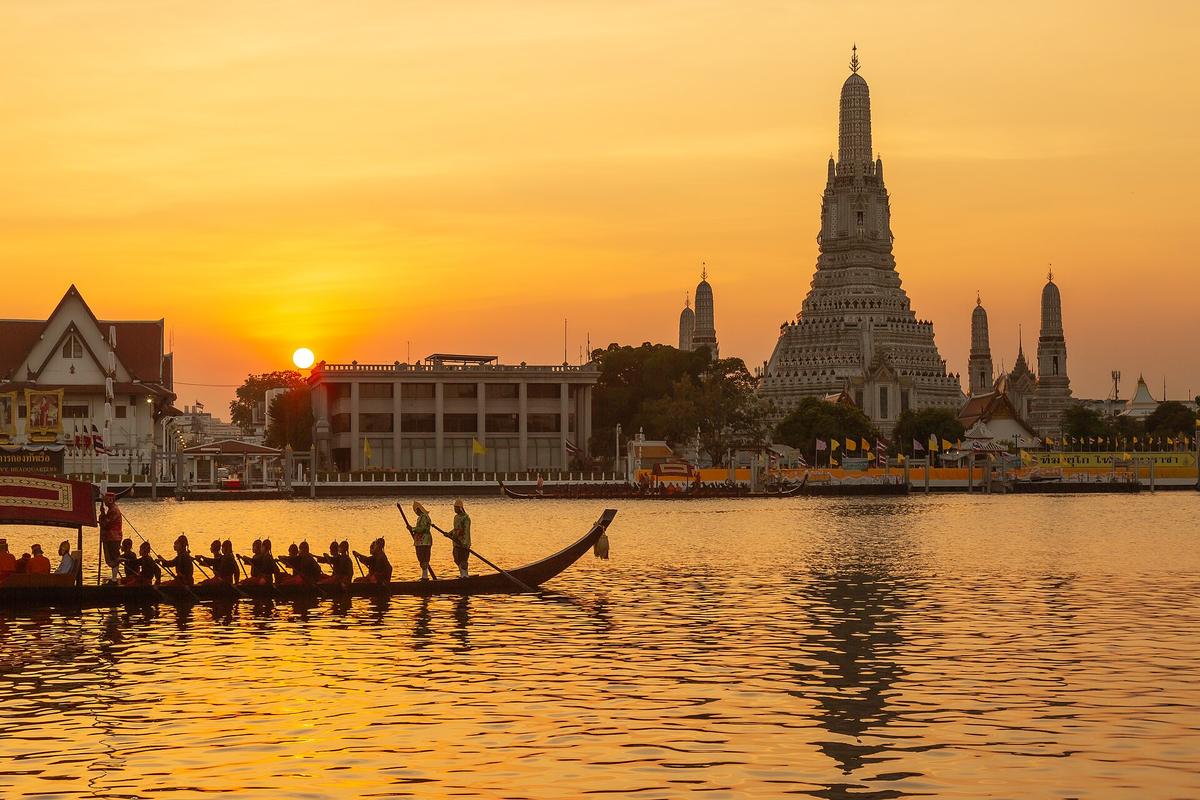
Rattanakosin is the old royal island. It holds the Grand Palace, Wat Pho, and Wat Arun. There is no metro access here. You arrive by taxi or river ferry. Banglamphu is adjacent and contains Khao San Road. Visit Rattanakosin for temples. Skip Banglamphu as a base unless you want to be surrounded by drunk backpackers at 2am.
Yaowarat: Chinatown
Yaowarat is dense street food and gold shops. The alleys off Yaowarat Road are where you find kuay jab, the rolled rice noodle soup, and late night congee. Come on an empty stomach and eat from multiple stalls rather than sitting at one restaurant. The best eating starts around 6pm and runs past midnight.
Sukhumvit, Siam, and Silom
Sukhumvit is the expat strip with rooftop bars and shopping malls. It is functional but soulless in long stretches. Siam is mega malls, teenagers, and air conditioned everything. Silom is business by day and the Patpong night market by night. All three are useful for transit connections but none represent the Bangkok you came to see.
Ari, Thonburi, and Ekkamai-Thonglor
Ari is leafy lanes, indie cafes, and low rise calm. Thonburi sits on the west bank of the river and has canals, artists, and a quieter pace. Ekkamai-Thonglor is upscale dining, Japanese expats, and cocktail bars. Of the three, Ari is the most accessible for a first time visitor who wants to see a real neighbourhood without going far from the BTS.
| District | Vibe | Best For | Metro Access |
|---|---|---|---|
| Rattanakosin | Old royal island, temples, no nightlife | Temple visits, river views | None. Taxi or ferry only. |
| Yaowarat | Dense Chinatown, street food capital | Eating, late night food | MRT Hua Lamphong, 15 min walk |
| Sukhumvit | Expat strip, malls, rooftop bars | Shopping, nightlife, transit hub | BTS Sukhumvit line, MRT Sukhumvit |
| Silom | Business district, Patpong market | Lunch, night market, metro access | BTS Sala Daeng, MRT Si Lom |
| Siam | Mega malls, teenagers, AC | Shopping, escape from heat | BTS Siam (central interchange) |
| Ari | Leafy lanes, indie cafes | Local life, quiet evenings | BTS Ari |
| Thonburi | Canals, artists, west bank quiet | Cycling, canal tours, art spaces | BTS Wongwian Yai |
| Banglamphu | Khao San Road, backpacker chaos | Budget hostels, party strip | None. Taxi or bus. |
| Ekkamai-Thonglor | Upscale dining, Japanese expats | Cocktail bars, fine dining | BTS Ekkamai, BTS Thong Lo |
What to Do and What to Skip
The Grand Palace and Wat Phra Kaew are the big one. Strict dress code enforced: covered shoulders and ankles. Book online during peak season to skip queues that can exceed 90 minutes. Do it as the first thing on your first morning while the heat is still manageable. Wat Pho sits next door and holds the reclining Buddha. It also runs an excellent massage school on site. Pay 350 THB for a Thai massage that beats anything in the tourist spa areas. Wat Arun is worth the ferry ride across the river at sunset. The porcelain spires catch the light and the view back toward the palace is the best in the city.
Skip the Mahanakhon SkyWalk at 1,080 THB unless you have a specific need for a glass floor observation deck at 314 metres. The view is the same as any tall building and the queue takes 40 minutes. Instead, climb Wat Saket, the Golden Mount. It costs 50 THB and involves 344 steps. The city view from the top is lower but better because you see the chedi and the old city roofs.
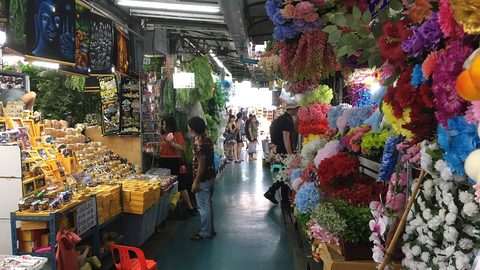
Chatuchat Weekend Market runs Saturday and Sunday only. 15,000 stalls. Go early, before 9am, or the heat and crowds make it unbearable. Bring water and a bag you can carry on your front. Pa Klong Talat, the 24 hour flower market, is best at 3am when the fresh shipments arrive and the whole district smells of marigolds. Go after a late dinner in Yaowarat. Talat Noi has street art, vintage car parts, and old engine shops. It is a two hour wander, not a half day destination.
For wet days or the hottest afternoons, Museum Siam offers interactive Thai history inside a cool building. The Bangkok Art and Culture Centre is free and shows contemporary art. The Siriraj Medical Museum contains forensic oddities and is not for the squeamish. Skip it if you have a weak stomach or any ethical concern about donated human remains.
Day Trips: When to Go and How
Ayutthaya is the ancient capital. Take the train from Bang Sue Grand Station. It costs 50 to 350 THB depending on class and takes 80 minutes. Hire a bicycle at the station exit and ride between the ruins. Avoid Damnoen Saduak floating market unless you want a tourist photo. It is 90 minutes by minivan and every stall is selling the same souvenir. If you go, arrive before 8am to see it before the tour buses. Maeklong Railway Market is more interesting: the train splits the stalls every few hours. Check train times before you go. Kanchanaburi for the Bridge over the River Kwai is a 2.5 hour train ride from Thonburi for 100 THB. Koh Kret is a car free pottery island. Take a taxi to the pier and a 5 minute ferry. It is best on weekends. Bang Krachao is a mangrove park you can bike through. Take the 15 minute ferry from Khlong Toei pier.

Bangkok First Time Advice: Where to Eat and Where to Sit Down
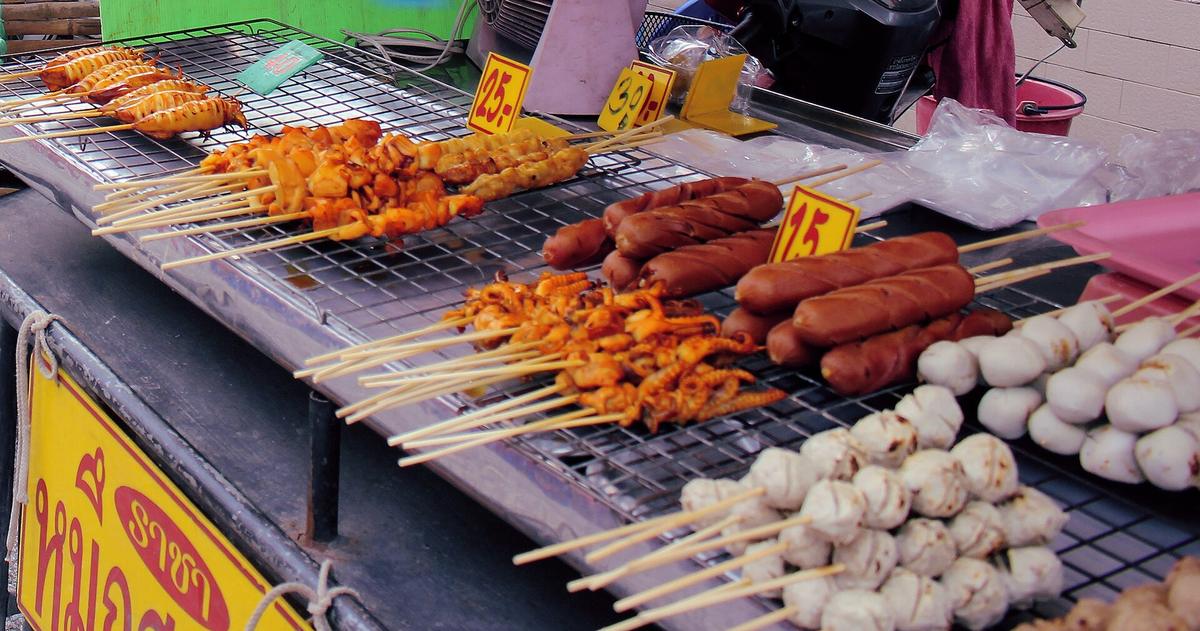
Bangkok food is not a single meal. It is a series of small, targeted visits. Boat noodles at the Victory Monument alley come in tiny bowls at 20 THB each. Order five or six and stack the bowls. This is a standing or squatting operation. Jay Fai crab omelette costs over 1,000 THB and requires booking weeks ahead. She earned a Michelin star. The omelette is good. The queue is not. Decide if 1,000 THB for a street omelette fits your budget before you commit. Kuay jab at Yaowarat Soi 11 is rolled rice noodles in a peppery broth. Order one bowl. It is enough. Hoy tod at Thip Samai area is a crispy oyster omelette best after 10pm. Mango sticky rice at Mae Varee uses peak season Nam Dok Mai mangoes and costs 250 THB. It is worth the price. Roasted duck at Prachak Pet Yang is a century old shophouse on Charoen Krung Road. Go for lunch. Durian sticky rice at Or Tor Kor Market is a premium experience inside an air conditioned market. Try it once even if you think you hate durian. Late night congee at Jok Prince is a Michelin Bib Gourmand. Smoky pork porridge, 50 THB, served until the early hours.
Local Friction to Budget For
Sidewalks in older districts are narrow, broken, or blocked by parked motorbikes. Watch your footing, especially in Yaowarat and Banglamphu. River ferries stop by 6pm on some lines. If you are in Thonburi after dark, budget for a taxi or a long walk. Tuk tuk drivers will quote 300 THB for a ride that costs 60 THB by meter. Negotiate hard or walk away. Google Maps will send you down sois that dead end at canals. Check the satellite view before following it blindly.
Who Bangkok is for and Who Should Go Elsewhere
Bangkok suits solo explorers who do not mind eating alone at a plastic stool. It suits food obsessed travellers who will queue for a noodle bowl they cannot pronounce. It suits nightlife seekers who want rooftop bars at midnight and street food at 3am. It suits budget backpackers who can handle the noise. It suits culture first visitors who will sweat through three temples in one morning.
It does not suit travellers seeking a relaxing beach holiday. It does not suit those who need quiet streets and clean air. It does not suit anyone with significant mobility issues. The pavements are uneven, the metro stations have limited lift access, and the heat is genuinely draining even for experienced tropical travellers. If you need a city that is easy, go to Singapore. If you want a city that rewards you for your effort, book Bangkok.
What to See in Bangkok
-
 Chatuchak Market
A tactical guide to Chatuchak Weekend Market covering section maps, arrival timing, and the shaded food stalls that make 15,000 stalls manageable.
Chatuchak Market
A tactical guide to Chatuchak Weekend Market covering section maps, arrival timing, and the shaded food stalls that make 15,000 stalls manageable.
-
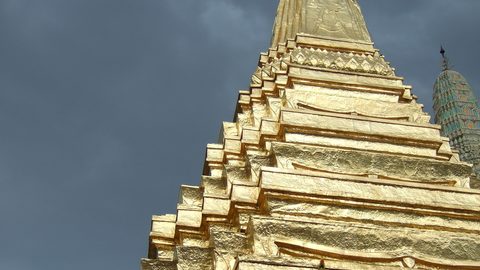 Grand Palace
 survival: the strict dress code that turns visitors away, the online booking that skips a 90-minute queue, and the 'closed today' scam at the entrance.
Grand Palace
Grand Palace survival: the strict dress code that turns visitors away, the online booking that skips a 90-minute queue, and the 'closed today' scam at the entrance.
-
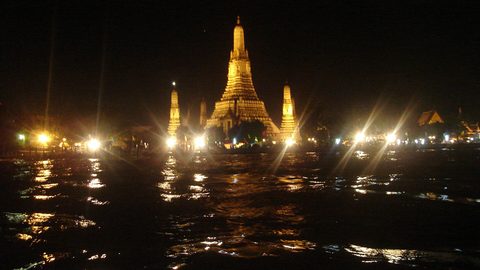 Wat Arun
 photographs best at dusk from the far river bank, not the temple grounds. The ferry crossing, the steep prang climb, and timing it before the boats stop.
Wat Arun
Wat Arun photographs best at dusk from the far river bank, not the temple grounds. The ferry crossing, the steep prang climb, and timing it before the boats stop.
-
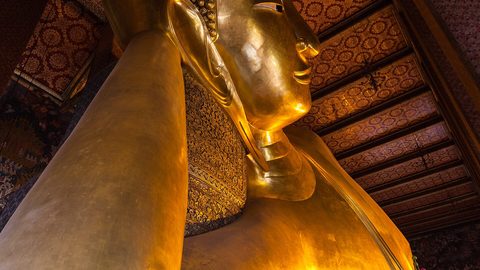 Wat Pho
 houses a 46-metre reclining Buddha and Thailand's most respected massage school in one temple compound. How to see both without rushing either.
Wat Pho
Wat Pho houses a 46-metre reclining Buddha and Thailand's most respected massage school in one temple compound. How to see both without rushing either.
More on Bangkok
-
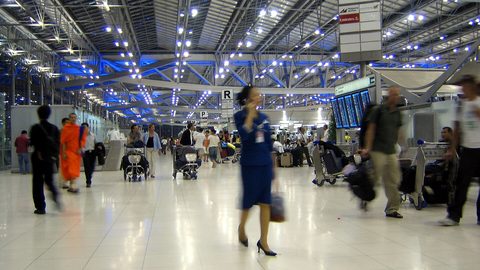 Bangkok Airport to City Transport From Both BKK and DMK
Compare every transport option from Suvarnabhumi and Don Mueang airports into Bangkok, with costs, durations, and last departures for late-night arrivals.
Bangkok Airport to City Transport From Both BKK and DMK
Compare every transport option from Suvarnabhumi and Don Mueang airports into Bangkok, with costs, durations, and last departures for late-night arrivals.
-
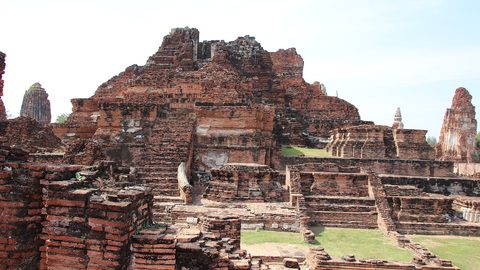 Ayutthaya Day Trip by Train From Bangkok Without a Tour
Plan an independent Ayutthaya day trip from Bangkok by train, covering temple routes, bicycle hire, tuk-tuk prices, and return train times from Bang Sue Grand Station.
Ayutthaya Day Trip by Train From Bangkok Without a Tour
Plan an independent Ayutthaya day trip from Bangkok by train, covering temple routes, bicycle hire, tuk-tuk prices, and return train times from Bang Sue Grand Station.
-
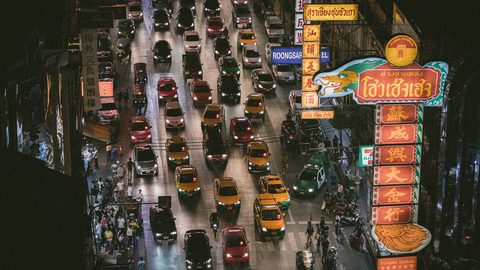 Bangkok Street Food Guide for First-Time Orderers
A practical Bangkok street food ordering guide covering Yaowarat, Victory Monument, and shophouse counters, with dish names, prices, and how to point at what you want.
Bangkok Street Food Guide for First-Time Orderers
A practical Bangkok street food ordering guide covering Yaowarat, Victory Monument, and shophouse counters, with dish names, prices, and how to point at what you want.
-
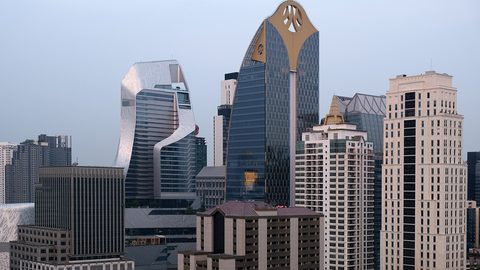 Bangkok Rooftop Bars With a View and Without the Minimum Spend
Compare Bangkok rooftop bars by dress code, minimum spend, and view quality, including free-entry terraces and the Mahanakhon SkyWalk glass-floor alternative.
Bangkok Rooftop Bars With a View and Without the Minimum Spend
Compare Bangkok rooftop bars by dress code, minimum spend, and view quality, including free-entry terraces and the Mahanakhon SkyWalk glass-floor alternative.
-
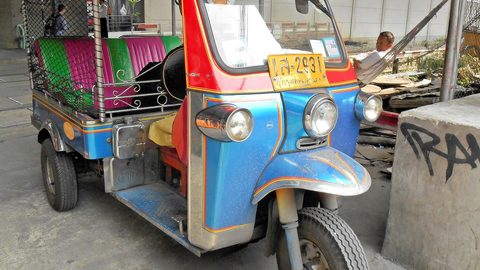 Bangkok Tourist Scams and the Exact Words That Stop Them
Learn the seven most common Bangkok tourist scams, how each one starts, and the exact Thai or English phrase that stops the conversation and lets you walk away.
Bangkok Tourist Scams and the Exact Words That Stop Them
Learn the seven most common Bangkok tourist scams, how each one starts, and the exact Thai or English phrase that stops the conversation and lets you walk away.
-
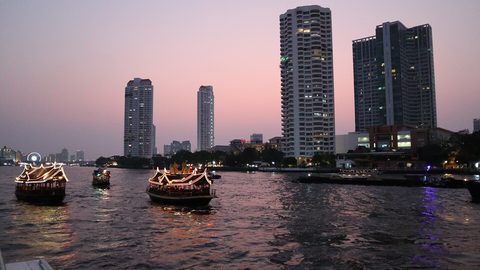 3 Days in Bangkok Itinerary Built Around the Heat Not the Sights
A 3-day Bangkok itinerary that schedules temples for morning, air-conditioned stops for afternoon, and night markets for evening so the heat never ruins a day.
3 Days in Bangkok Itinerary Built Around the Heat Not the Sights
A 3-day Bangkok itinerary that schedules temples for morning, air-conditioned stops for afternoon, and night markets for evening so the heat never ruins a day.
Common Questions
Is Bangkok worth visiting?
Yes, if you want the best street food in the world, layered neighbourhood culture, and a city that never sleeps. No, if you need quiet, clean air, or a relaxing beach holiday. Bangkok is a humid, chaotic city of contrasts where golden temples sit beside glass malls and street food stalls line air conditioned metro stations. It rewards travellers who can handle its intensity.
How many days do I need for Bangkok?
Four days minimum. Anything less and you only see shopping malls and one temple, missing the neighbourhood life and food culture entirely. With four days you can cover Rattanakosin, Yaowarat, a day trip to Ayutthaya, and a local district like Ari or Thonburi.
What is the best time to visit Bangkok?
November to February. The weather is dry and relatively cool at 26 to 32 degrees Celsius. This is peak season, so hotel prices rise 30 to 50 percent and you need to book ahead. Avoid April for Songkran and 40 degree heat and mid October for monsoon flooding.
How do I get from the airport to the city?
From Suvarnabhumi, take the Airport Rail Link to Phaya Thai for 45 THB and half an hour, then connect to the BTS Skytrain. A taxi takes 45 to 90 minutes and costs 300 to 500 THB including tolls. From Don Mueang, take bus A1 or A2 to Mo Chit BTS for 30 THB or a taxi for 200 to 400 THB. There is no rail link from Don Mueang.
What is the single biggest mistake first time visitors make?
Staying only near Khao San Road or a Sukhumvit shopping mall. That makes it seem like Bangkok is either a backpacker party zone or a generic mall city. You miss the canal side communities, Chinatown alleys, and local neighbourhoods that make the city worth knowing.
Do I need to book the Grand Palace in advance?
During peak season, yes. Book online to skip queues that can exceed 90 minutes. Strict dress code enforced: covered shoulders and ankles. Go first thing in the morning before the heat builds.
What should I budget for street food per meal?
20 to 60 THB per dish for most stalls. Boat noodles cost 20 THB per tiny bowl. A full meal of four to five dishes runs 100 to 300 THB. The exception is Jay Fai at over 1,000 THB for the crab omelette. Bring cash, most stalls do not take cards.
Read next
-
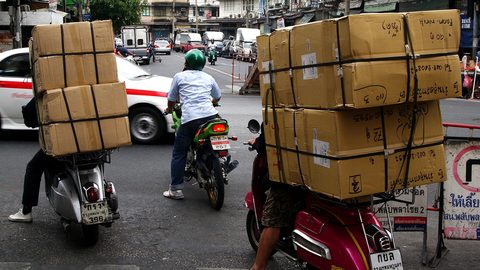 Bangkok Hotels by Property Type and Price Band From Budget to Riverside Luxury
Bangkok hotels sorted by property type and price band, from riverside infinity pools to boutique stays under 3,000 THB in Ari, with neighbourhood-by-neighbourhood guidance.
Bangkok Hotels by Property Type and Price Band From Budget to Riverside Luxury
Bangkok hotels sorted by property type and price band, from riverside infinity pools to boutique stays under 3,000 THB in Ari, with neighbourhood-by-neighbourhood guidance.
-
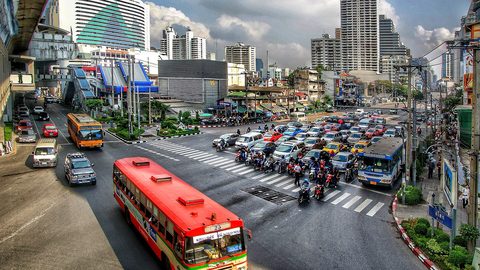 Where to Stay in Bangkok — Which District Actually Fits How You Travel
Choosing where to stay in Bangkok shapes your entire trip. This district-by-district comparison matches your travel style to the right neighbourhood, from Ari's indie calm to Yaowarat's street-food density.
Where to Stay in Bangkok — Which District Actually Fits How You Travel
Choosing where to stay in Bangkok shapes your entire trip. This district-by-district comparison matches your travel style to the right neighbourhood, from Ari's indie calm to Yaowarat's street-food density.
-
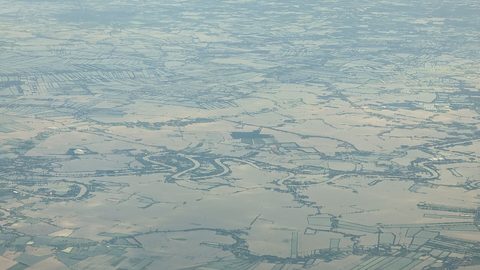 Flying into Bangkok and Getting from Two Airports into the City
Bangkok has two airports with completely different arrival experiences. Step-by-step from baggage claim to BTS platform for both BKK and DMK, with costs in baht.
Flying into Bangkok and Getting from Two Airports into the City
Bangkok has two airports with completely different arrival experiences. Step-by-step from baggage claim to BTS platform for both BKK and DMK, with costs in baht.
-
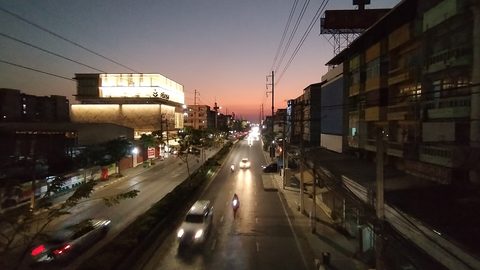 Things to Do in Bangkok — What Is Worth Your Days and What to Skip
Bangkok's best sights ranked and argued, from the Grand Palace complex to the forensic oddities at Siriraj Medical Museum, with honest advice on what to skip.
Things to Do in Bangkok — What Is Worth Your Days and What to Skip
Bangkok's best sights ranked and argued, from the Grand Palace complex to the forensic oddities at Siriraj Medical Museum, with honest advice on what to skip.
-
 Best Time to Visit Bangkok — Month by Month With the Tradeoff Each Carries
Bangkok month by month: November to February brings dry heat and peak prices, April means Songkran soaked chaos at 40°C, and mid-October monsoons flood streets in hours.
Best Time to Visit Bangkok — Month by Month With the Tradeoff Each Carries
Bangkok month by month: November to February brings dry heat and peak prices, April means Songkran soaked chaos at 40°C, and mid-October monsoons flood streets in hours.
-
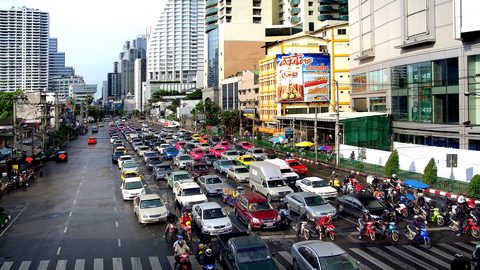 Getting Around Bangkok — The Mode You Choose Decides How Much Day You Lose
Bangkok's BTS and MRT do not share a ticket, river ferries stop by 6pm, and meter taxis refuse fares after dark. This guide saves you the hours that bad transit choices cost.
Getting Around Bangkok — The Mode You Choose Decides How Much Day You Lose
Bangkok's BTS and MRT do not share a ticket, river ferries stop by 6pm, and meter taxis refuse fares after dark. This guide saves you the hours that bad transit choices cost.
-
Grand Palace
Grand Palace survival: the strict dress code that turns visitors away, the online booking that skips a 90-minute queue, and the 'closed today' scam at the entrance.
-
Wat Pho
Wat Pho houses a 46-metre reclining Buddha and Thailand's most respected massage school in one temple compound. How to see both without rushing either.
-
Wat Arun
Wat Arun photographs best at dusk from the far river bank, not the temple grounds. The ferry crossing, the steep prang climb, and timing it before the boats stop.