A Sapporo Travel Guide That Puts the Snow and the Food First
Sapporo is a spacious northern city built for snow and eating, where the food rivals anywhere in Japan and the winter defines the calendar.
- Flag
-

- ISO code
- JP
- Population
- 1,973,832
- Currency
- JPY
- Timezone
- Asia/Tokyo
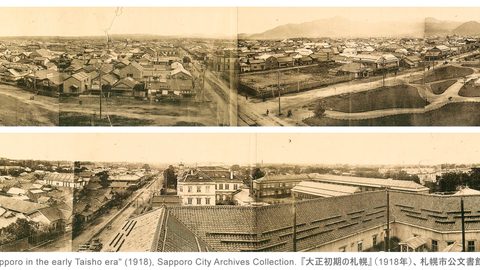
Sapporo gets five metres of snow a year. That is not a boast; it is the city's average annual snowfall measured by the Sapporo Meteorological Observatory over the 1981-2010 normals. The record single-season total is 6.8 metres. This is a city where the weather is the main event and the food is the reason you stay warm. This Sapporo travel guide is for anyone deciding between a winter trip built around seafood, ramen, and snow versus a traditional Japanese cultural itinerary. Sapporo is not Kyoto. It is not Nara. It is a young, rebuilt city that adopted an American-style rectangular grid in 1871, with numbered east, west avenues and numbered north, south streets. The attractions here are edible, and the seasons dictate everything. If you want temple bells and geisha quarters, go to Honshu. If you want a spacious, orderly city where you can eat soup curry at 11 p.m., ski powder by 9 a.m., and never step inside a museum that does not involve beer or mutton, this is your place.
- Established: 1869; city status 1922
- Grid Plan Adopted: 1871, American rectangular grid with numbered streets
- Population: 1,973,432 (2020 census)
- Average Annual Snowfall: 4.8-5.0 m (1981-2010 normals); record 6.8 m (2012-2013)
- Peak Season: February (Snow Festival, 2+ million visitors); July, August (20-25°C)
- Recommended Stay: 3 days minimum; 5-7 days as a regional base
- Arrival: New Chitose Airport (CTS); JR Rapid Airport 37 min, ¥1,150; bus 70 min, ¥1,300; taxi ¥13,000-15,000, 60 min
- Getting Around: Three-line subway plus walking; Kitaca or other IC card required; subway stops around midnight
- Miso Ramen Origin: Aji no Sanpei, 1955
- Soup Curry Origin: Sapporo, 1970s
- Sapporo Beer Founded: 1876 as Kaitakushi Brewery; museum opened 1987
- Snow Festival First Held: 1950; typical dates early February, 7-8 days
- Ski Areas Within 60 Minutes: Sapporo Teine, Sapporo Kokusai, Bankei, Fu's Snow Area
Sapporo Winter Guide: What Five Metres of Snow Actually Means
Navigating the Freeze
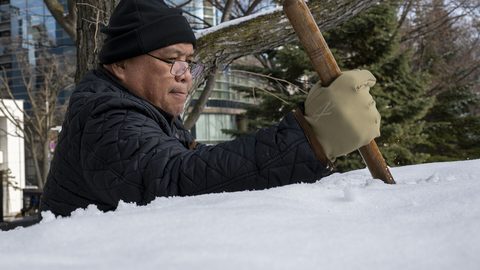
Winter in Sapporo runs from December through March, with average high temperatures in January at −1°C and February at 0°C. November is the month to skip entirely: grey slush, no ski snow, no autumn colour. By December the sidewalks are ice. Black ice forms daily, and locals wear slip-on cleats. The city's famous wide streets and easy grid layout become treacherous. Snow removal creates massive roadside snowbanks that block visibility and narrow walking paths to single-file. Budget 30% more walking time than Google Maps suggests in winter.
The underground walkway connecting Sapporo Station to Susukino is a 2 km disorienting maze that takes days to navigate efficiently. It keeps you out of the weather, but do not expect to pop up exactly where you intended. Carry cash: many ramen shops and Nijo Market stalls still refuse cards despite Japan's tech reputation.
The Snow Festival Payoff
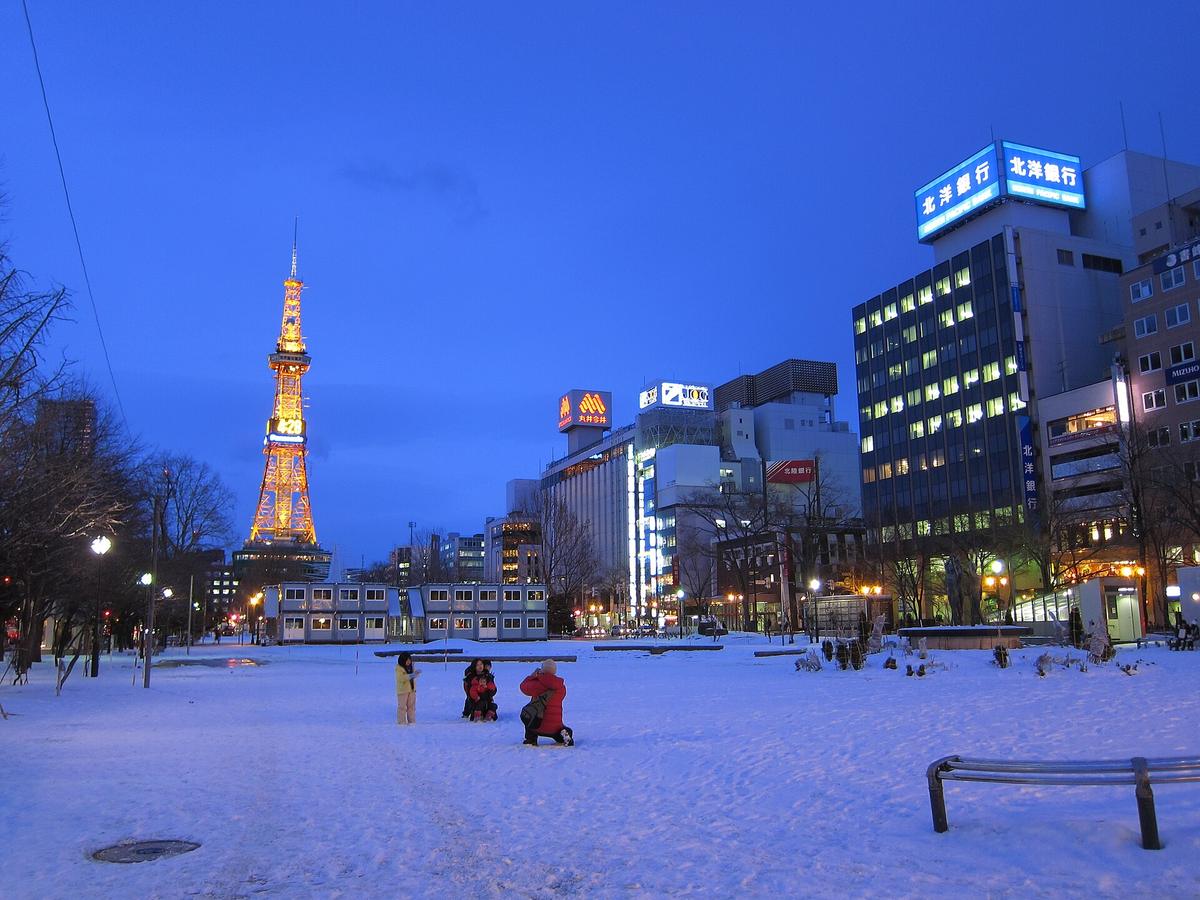
The payoff is the Sapporo Snow Festival. First held in 1950, it now draws roughly 2 million visitors in the 2024 count, with main sites at Odori Park, Susukino, and Tsudome. Hotel rates triple during the event, availability vanishes months ahead, and the crowds make casual exploration difficult. If you come only for the Snow Festival and book a 1-night stay, you will spend more time in transit queues than at the sculptures and miss the city's excellent food scene entirely. Three days minimum. Five to seven if you want to use Sapporo as a regional base for day trips to Niseko, Otaru, or Lake Toya.
Hokkaido City Break: Why Three Days Works and One Night Fails
Day One: Central Landmarks and Markets
Three days is the minimum for a proper Hokkaido city break. Day one: central landmarks and markets. Start at Nijo Market for a kaisendon breakfast (raw seafood bowl with sea urchin and crab, less touristy than Otaru's offerings). Walk Odori Park, the 1.5 km green strip that becomes the Snow Festival main site. The Sapporo TV Tower's 90 m observation deck gives you the grid layout at a glance. The Sapporo Clock Tower is a photo stop only; the inside is underwhelming. The Former Hokkaido Government Office red-brick Meiji building is free and worth 20 minutes.
Day Two: Beer and Mutton
Day two: north end of the grid. The Sapporo Beer Museum is free entry with paid tastings; the fresh unpasteurized draft is only available here. Nearby, the Sapporo Beer Garden serves Genghis Khan: grilled lamb on a helmet-shaped skillet, the city's definitive winter dish. Evening belongs to Susukino, the neon-lit entertainment district with ramen alleys, hostess bars, and 17 miso ramen shops concentrated in the Ramen Alley. Order a bowl with the pork-corn-butter topping that defines the Sapporo style. Miso ramen was born here in 1955 at Aji no Sanpei.
Day Three: Choose Your Direction
Day three: choose your direction. Skiers take the 40-minute bus to Sapporo Teine. Onsen seekers head to Jozankei Onsen, a riverside hot spring village 45 minutes from the centre. Food travellers can hit the Sapporo Central Wholesale Market for the tuna auction viewing at 6 a.m., book the tour in advance. The city is a better base than most travellers assume: onward connections include the JR Rapid Airport to New Chitose Airport in 37 minutes, JR Hakodate Line rapid service to Otaru in 30 minutes, and direct buses to Niseko in 2.5-3 hours.
| Destination | Transit Time | Best For | Route |
|---|---|---|---|
| Otaru | 30–35 min | Canal, glassware, seafood | JR Hakodate Line rapid service |
| Yoichi | 1 h plus Otaru leg | Nikka Whisky distillery tour | JR from Otaru line |
| Niseko | 2.5–3 h | World-class powder skiing | Direct bus from Sapporo |
| Lake Toya | 2 h | Volcanic caldera, hot springs | Limited express bus |
| Asahikawa | 1 h 25 min | Zoo with penguin walk, ramen | JR Lilac/Kamui limited express |
| Noboribetsu | 1 h 10 min | Hot springs, hell valley | JR Hokuto/Suzuran limited express |
Sapporo Snow Festival Travel: Logistics for the 2-Million-Person Event
Booking and Crowd Strategy
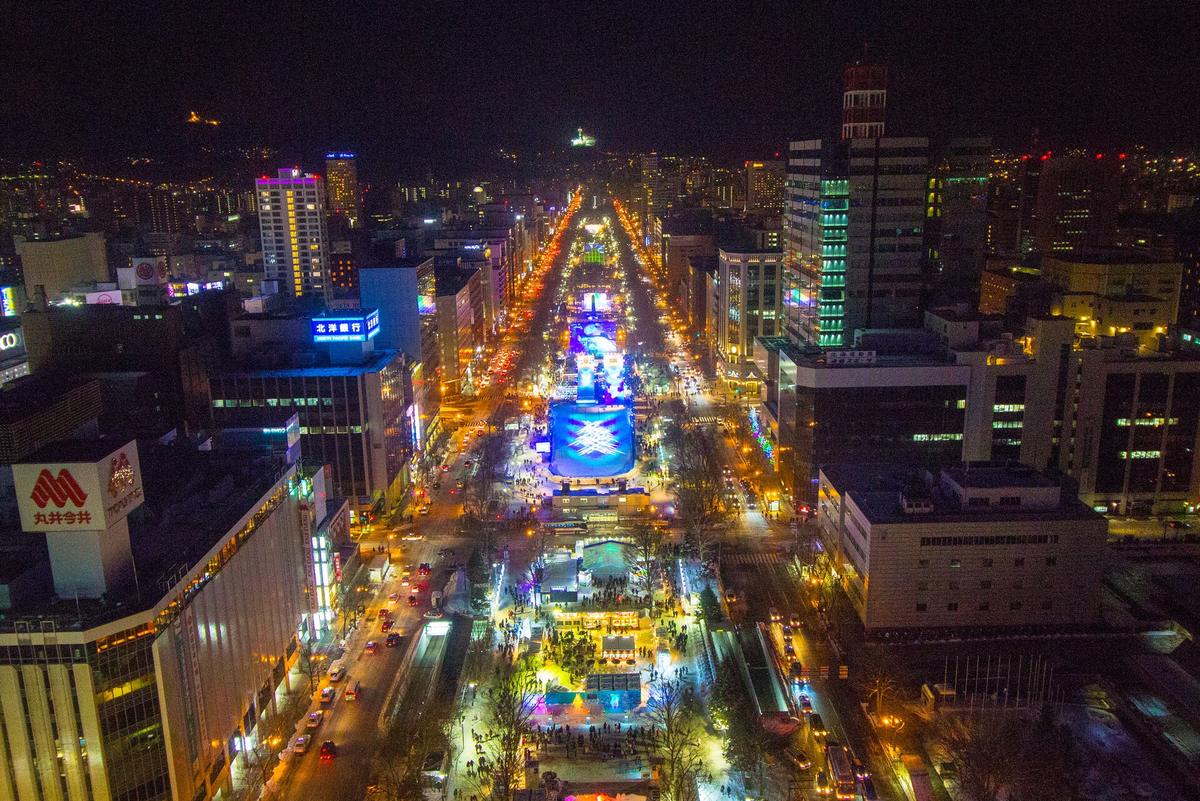
The Sapporo Snow Festival runs early February for 7-8 days, with main sites at Odori Park, Susukino, and Tsudome. Odori Park holds the giant snow sculptures. Susukino features ice sculptures lit at night. Tsudome is the indoor snow playground for families. Book accommodation six months ahead at minimum. February weekend dates vanish first. Hotel rates triple and the city becomes a crush of bodies that makes walking the 1.5 km of Odori Park a slow, shoulder-to-shoulder affair.
The single biggest mistake travellers make is booking a 1-night stay. You lose your first day to airport transfer and hotel check-in, your second day to the festival crowds, and you never eat anything but convenience store onigiri. Book three nights. Use the morning before the festival opens to hit Nijo Market and the Sapporo Beer Museum before the crowds arrive. The festival queues for food stalls and portable toilets are brutal; eat a proper meal in a restaurant before you enter the site. Arrive by 08:30 to see the sculptures without the crowds, then retreat to the underground walkway or a ramen shop when the masses arrive around 11 a.m.
When to Skip It
If you want to avoid the festival entirely, come in July or August. Average highs of 20-25°C, lavender fields in bloom outside the city, and the beer gardens in Odori Park. The city's dual identity is a genuine asset: snowbound winter sports capital with some of Japan's best food, mild summer escape with beer and dairy. February is not the only season that works.
Sapporo Food Trip: Where to Eat and What to Order
The Four Dishes Sapporo Owns
A Sapporo food trip starts with the four dishes the city owns. Soup curry, born here in the 1970s, is a spiced broth with whole vegetables and chicken or seafood. The chains to try are Suage and Garaku. Genghis Khan, grilled lamb on a dome-shaped metal skillet, is the beer hall staple; the Sapporo Beer Garden near the Beer Museum serves it in bulk. Miso ramen, invented at Aji no Sanpei in 1955, comes with a rich pork-corn-butter topping that sounds excessive and works perfectly in January. Kaisendon, the raw seafood bowl, is best at Nijo Market or the Central Wholesale Market, with a focus on Hokkaido sea urchin and crab from the Sea of Japan, Pacific, and Sea of Okhotsk fishing grounds.
Supporting Dishes and Where to Find Them
Three supporting dishes round out the repertoire. Zangi is Hokkaido-style fried chicken, double-battered and served with vinegar soy sauce. Ishikari Nabe is a salmon and miso hot pot that warms you from the inside on a −1°C day. Sapporo soft serve, sold everywhere even in winter, demonstrates the intensity of Hokkaido dairy. The fresh unpasteurized Sapporo Beer at the Beer Museum is a separate experience; it is only available there and does not travel.
Districts to target: Susukino for the Ramen Alley with its 17 shops and the surrounding soup curry and izakaya scene. Shiroishi for the working-class soul and an offshoot of the Sapporo Ramen Republic. Kotoni for zero tourists and authentic izakaya density. Nijo Market for breakfast kaisendon. The Central Wholesale Market for the tuna auction viewing at 6 a.m., book the tour in advance.
.JPG)
.jpeg)
Sapporo Travel Guide: Getting Around and Local Friction
Transit and Connectivity
The dominant mode is the three-line subway system plus walking. Payment requires a Kitaca card or any other IC card such as Suica or Pasmo. Visitors trip up by assuming the subway runs 24 hours; it stops around midnight, and taxis become scarce and expensive during snowstorms. The JR Rapid Airport train from New Chitose Airport to Sapporo Station takes 37 minutes and costs ¥1,150. Buses take 70 minutes at ¥1,300. Taxis cost roughly ¥13,000-15,000 for the 60-minute ride.
Free Wi-Fi at Sapporo Station and Odori Park via Sapporo City Wi-Fi requires re-registration every 30 minutes. Pocket Wi-Fi rental at New Chitose Airport is more reliable than city pickup. SIM cards at airport electronics shops are cheaper than downtown. Google Maps handles subway routing perfectly but underestimates winter walking time by 30%.
Reading the Grid
The grid orientation is straightforward: avenues run east, west and are numbered, streets run north, south and are numbered. Odori Park sits on the central east, west axis between Odori-nishi 1-chome and Odori-nishi 13-chome. Sapporo Station is at the north end of the city centre grid. Susukino is south of Odori, centred on the Susukino intersection. Maruyama is the leafy upscale residential district with Hokkaido Shrine. Hitsujigaoka offers rolling pasture views with sheep and a city panorama. Moerenuma Park is Isamu Noguchi's sculptural parkland where you can rent a bike. The city is spacious and orderly but visitors underestimate how spread out the attractions are: Odori to Maruyama is a 40-minute walk, and the Beer Museum is a 20-minute subway ride from Susukino.
Who Sapporo Suits and Who Should Go Elsewhere
Sapporo is right for winter sports enthusiasts who want city comforts near deep powder at Sapporo Teine, Kokusai, Bankei, and Fu's Snow Area within 60 minutes. It is right for food-focused travellers obsessed with seafood, ramen, and dairy. It is right for festival chasers targeting the Snow Festival. It is right for urban explorers who prefer walkable, less dense Japanese cities. It is right for beer and whisky lovers who will make the Yoichi Nikka Whisky distillery day trip.
Sapporo is not right for travellers seeking traditional Kyoto-style temples and geisha culture; the city was rebuilt after the 1970s and the Clock Tower is the closest it gets to old Japan, and it is underwhelming. It is not right for nightlife seekers wanting a dense, Tokyo-style club district; Susukino is neon-lit but small. It is not right for anyone who dislikes cold; the city is snowbound for nearly five months with average January highs of −1°C and sidewalks that turn to black ice. Come for the snow and the food, or do not come at all.
What to See in Sapporo
-
 Mount Moiwa
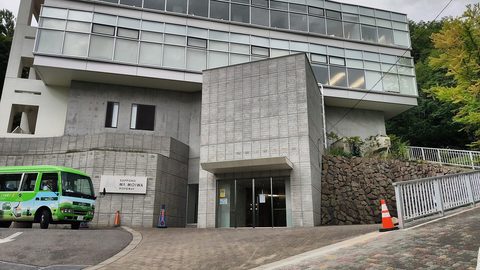
 delivers Sapporo's best night panorama via a ropeway and funicular to a summit observation deck, with the city grid stretching toward Ishikari Bay and a lovers' padlock terrace at the top.
Mount Moiwa
Mount Moiwa delivers Sapporo's best night panorama via a ropeway and funicular to a summit observation deck, with the city grid stretching toward Ishikari Bay and a lovers' padlock terrace at the top.
-
 Sapporo Beer Museum
The Sapporo Beer Museum offers free entry to a red-brick maltings and a paid tasting flight of unpasteurized beer available nowhere else, with Genghis Khan lamb barbecue at the Beer Garden next door.
Sapporo Beer Museum
The Sapporo Beer Museum offers free entry to a red-brick maltings and a paid tasting flight of unpasteurized beer available nowhere else, with Genghis Khan lamb barbecue at the Beer Garden next door.
-
 Sapporo Snow Festival
The Sapporo Snow Festival draws two million visitors over seven days in early February, with Odori Park's building-sized sculptures requiring hotels booked by September and a strategy for the crowds.
Sapporo Snow Festival
The Sapporo Snow Festival draws two million visitors over seven days in early February, with Odori Park's building-sized sculptures requiring hotels booked by September and a strategy for the crowds.
More on Sapporo
-
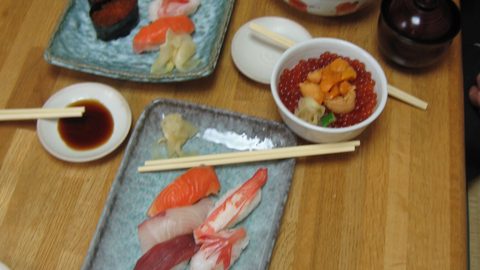 Otaru Day Trip From Sapporo by JR Rapid Train for Canal Walks and Sushi
An Otaru day trip from Sapporo takes 35 minutes by JR rapid train to reach the canal, Sakaimachi Street's glass workshops, and Sankaku Market's kaisendon breakfast, with Yoichi's Nikka distillery as an easy extension.
Otaru Day Trip From Sapporo by JR Rapid Train for Canal Walks and Sushi
An Otaru day trip from Sapporo takes 35 minutes by JR rapid train to reach the canal, Sakaimachi Street's glass workshops, and Sankaku Market's kaisendon breakfast, with Yoichi's Nikka distillery as an easy extension.
-
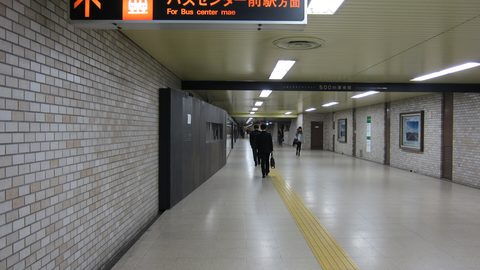 Sapporo in Winter Underground Walkways, Five Metres of Snow and What to Wear
Sapporo in winter means five metres of snow, treacherous sidewalk black ice, and a 2km underground walkway maze connecting the station to Susukino when the streets become impassable.
Sapporo in Winter Underground Walkways, Five Metres of Snow and What to Wear
Sapporo in winter means five metres of snow, treacherous sidewalk black ice, and a 2km underground walkway maze connecting the station to Susukino when the streets become impassable.
-
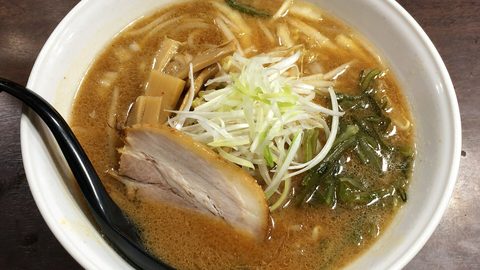 Sapporo Ramen and Soup Curry Where to Eat Both Iconic Dishes
Sapporo ramen and soup curry were both invented here. Learn what distinguishes the real versions from tourist imitations and exactly where to eat them.
Sapporo Ramen and Soup Curry Where to Eat Both Iconic Dishes
Sapporo ramen and soup curry were both invented here. Learn what distinguishes the real versions from tourist imitations and exactly where to eat them.
-
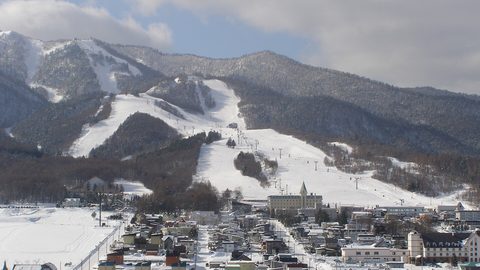 Skiing From Sapporo Niseko Rusutsu Kiroro and City Slopes Guide
Skiing from Sapporo gives you access to Niseko, Rusutsu, Kiroro, and two resorts inside city limits. Compare travel times, bus routes, and which mountain suits your level.
Skiing From Sapporo Niseko Rusutsu Kiroro and City Slopes Guide
Skiing from Sapporo gives you access to Niseko, Rusutsu, Kiroro, and two resorts inside city limits. Compare travel times, bus routes, and which mountain suits your level.
Common Questions
Is Sapporo worth visiting outside Snow Festival season?
Yes. July and August bring comfortable 20-25°C weather, lavender fields, and beer gardens in Odori Park. The food scene operates year-round, and the city is far less crowded.
How many days do I need in Sapporo?
Three days minimum: one for central landmarks and markets, one for the Beer Museum and evening food in Susukino, one for a day trip or mountain activity. Five to seven days if using Sapporo as a regional base.
Can I visit Niseko as a day trip from Sapporo?
Yes. Direct buses from Sapporo take 2.5-3 hours. It is a long day but doable for a full day of skiing. The JR Hakodate Line to Kutchan takes roughly 2 hours, then a bus.
What is the best way to get from New Chitose Airport to central Sapporo?
JR Rapid Airport train: 37 minutes, ¥1,150. Buses take 70 minutes at ¥1,300. Taxis cost ¥13,000-15,000 and take 60 minutes but can get stuck in snow.
Is the Sapporo Snow Festival too crowded to enjoy?
The festival draws roughly 2 million visitors and Odori Park becomes shoulder-to-shoulder. Arrive by 08:30 to see the sculptures before the crowds, eat a proper meal before entering, and book accommodation six months ahead.
What should I eat first in Sapporo?
Miso ramen (born here in 1955), soup curry (created here in the 1970s), Genghis Khan grilled lamb, and kaisendon at Nijo Market for breakfast. Finish with Sapporo soft serve and fresh unpasteurized draft at the Beer Museum.
What is the biggest mistake visitors make in Sapporo?
Assuming the Snow Festival is the only reason to visit and booking a 1-night stay. Accommodation sells out, you spend more time in queues than at sculptures, and you miss the city's food scene entirely. Three nights minimum.
Read next
-
 Sapporo Hotels by District for Snow Festival and Summer Beer Garden Stays
Sapporo hotels book out months ahead for the February Snow Festival and summer beer garden season, with district choice determining whether you walk to the sculptures or ride the subway from Jozankei.
Sapporo Hotels by District for Snow Festival and Summer Beer Garden Stays
Sapporo hotels book out months ahead for the February Snow Festival and summer beer garden season, with district choice determining whether you walk to the sculptures or ride the subway from Jozankei.
-
 Where to Stay in Sapporo and Why the Underground Walkway Decides It
Choosing where to stay in Sapporo comes down to the heated underground walkway network, which makes winter distances deceptive and some neighbourhoods far more practical than they look on a map.
Where to Stay in Sapporo and Why the Underground Walkway Decides It
Choosing where to stay in Sapporo comes down to the heated underground walkway network, which makes winter distances deceptive and some neighbourhoods far more practical than they look on a map.
-
 Sapporo Flights and the 37-Minute Train From New Chitose Airport
Flights to Sapporo land at New Chitose Airport, and the JR Rapid train covers the distance to Sapporo Station in 37 minutes for ¥1,150, though winter weather can make the bus the safer choice.
Sapporo Flights and the 37-Minute Train From New Chitose Airport
Flights to Sapporo land at New Chitose Airport, and the JR Rapid train covers the distance to Sapporo Station in 37 minutes for ¥1,150, though winter weather can make the bus the safer choice.
-
 Sapporo Things to Do That Are Worth Your Days in a Young Food City
Sapporo things to do are less about ancient temples and more about beer, ramen, snow sculptures, and a sculptural park by Isamu Noguchi—ranked by what earns your limited days.
Sapporo Things to Do That Are Worth Your Days in a Young Food City
Sapporo things to do are less about ancient temples and more about beer, ramen, snow sculptures, and a sculptural park by Isamu Noguchi—ranked by what earns your limited days.
-
 Best Time to Visit Sapporo When Five Metres of Snow Is the Real Calendar
The best time to visit Sapporo depends on whether you want five metres of snow and the Snow Festival crush or Japan's mildest summer with rooftop beer gardens.
Best Time to Visit Sapporo When Five Metres of Snow Is the Real Calendar
The best time to visit Sapporo depends on whether you want five metres of snow and the Snow Festival crush or Japan's mildest summer with rooftop beer gardens.
-
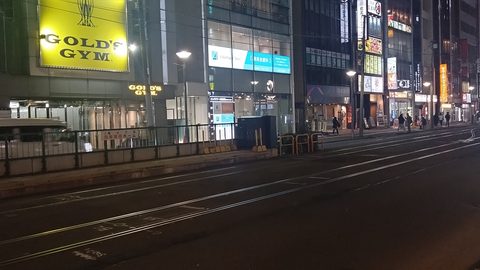 Getting Around Sapporo Starts With Understanding North 3 West 2
Getting around Sapporo becomes trivially easy once you understand that North 3 West 2 is a map coordinate on a numbered grid, not a street name to memorise.
Getting Around Sapporo Starts With Understanding North 3 West 2
Getting around Sapporo becomes trivially easy once you understand that North 3 West 2 is a map coordinate on a numbered grid, not a street name to memorise.
-
Sapporo Snow Festival
The Sapporo Snow Festival draws two million visitors over seven days in early February, with Odori Park's building-sized sculptures requiring hotels booked by September and a strategy for the crowds.
-
Sapporo Beer Museum
The Sapporo Beer Museum offers free entry to a red-brick maltings and a paid tasting flight of unpasteurized beer available nowhere else, with Genghis Khan lamb barbecue at the Beer Garden next door.
-
Mount Moiwa
Mount Moiwa delivers Sapporo's best night panorama via a ropeway and funicular to a summit observation deck, with the city grid stretching toward Ishikari Bay and a lovers' padlock terrace at the top.