Wan Chai Beyond the Bar Strip and Convention Centre
Wan Chai is old Hong Kong grit: the Blue House, wet markets, and narrow streets that the bar strip never quite swallowed.
- Flag
-
- ISO code
- HK
Wan Chai Before 09:00
Wan Chai is a wet market at dawn and a bar strip at midnight. If you only know one of those faces you do not know the district. The question is not whether the old neighbourhood survives. It does, on a handful of streets that the convention centre and the Lockhart Road neon have not swallowed. The narrowest of them is Stone Nullah Lane, where a blue wooden balcony hangs over the pavement and the noise of a dozen kitchen exhaust fans drowns out the tram bells. You need to be here before the shops on Wan Chai Road start hosing down the pavement, before the bar crowd has gone home, and before the humidity pushes you back indoors. That is the hour the district still belongs to itself.
The Blue House and the Tong Lau Streets
The Blue House Cluster
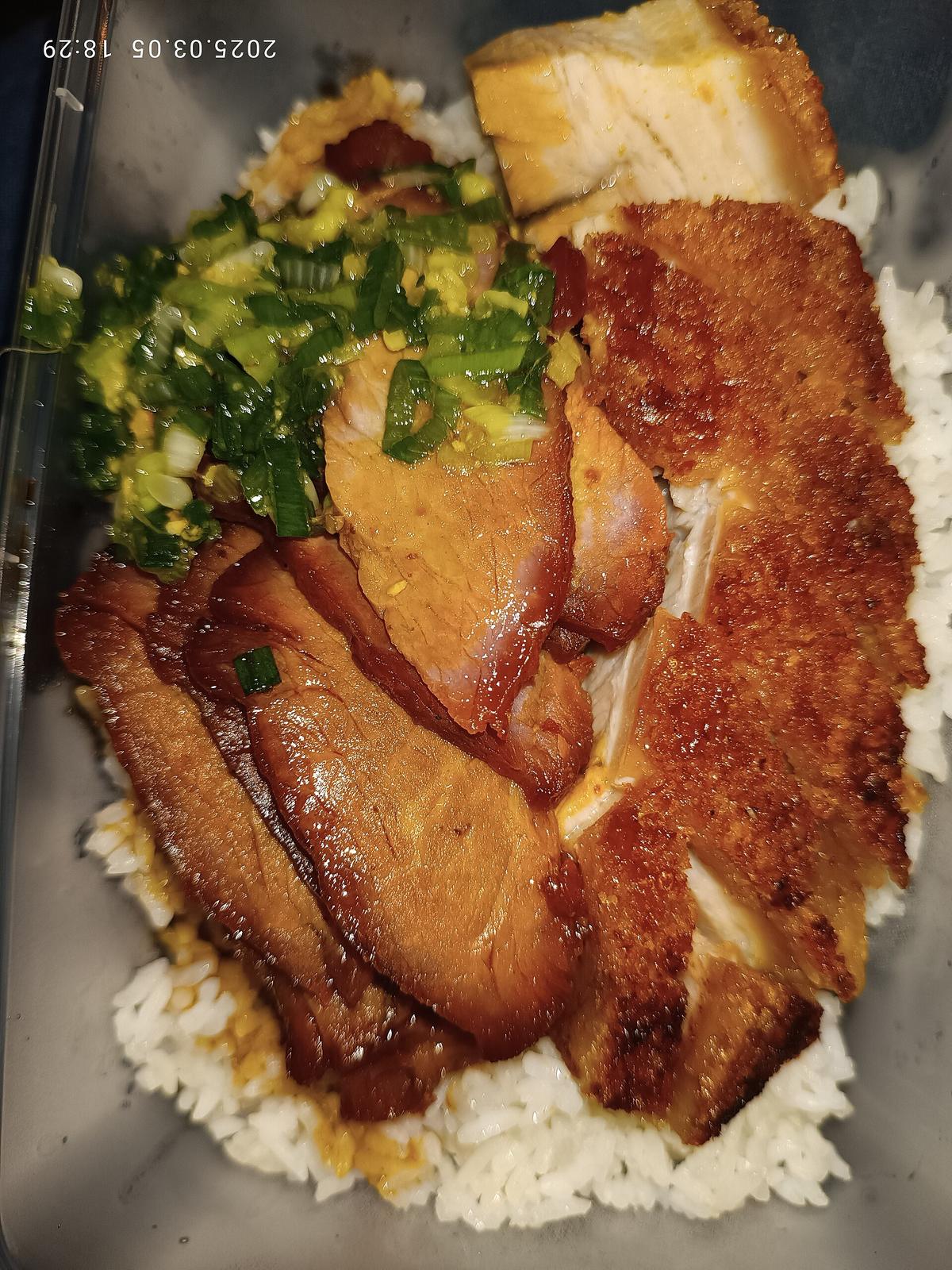
Start at 72-74A Stone Nullah Lane. The Blue House is a Grade I historic building, built in the 1920s as a tong lau, a shophouse with ground-floor retail and upper-floor residences behind a balcony. It shares its block with the Yellow House and the Orange House. Together they form the most intact pre-war streetscape in central Wan Chai. The Hong Kong Housing Society restored the cluster, and the ground floor now holds a small museum and a community space. Walk through the courtyard and out the back to see how these buildings connected: laundry lines, air conditioning units, narrow staircases, the vertical compression of a city that ran out of horizontal room decades ago.
The Wet Market
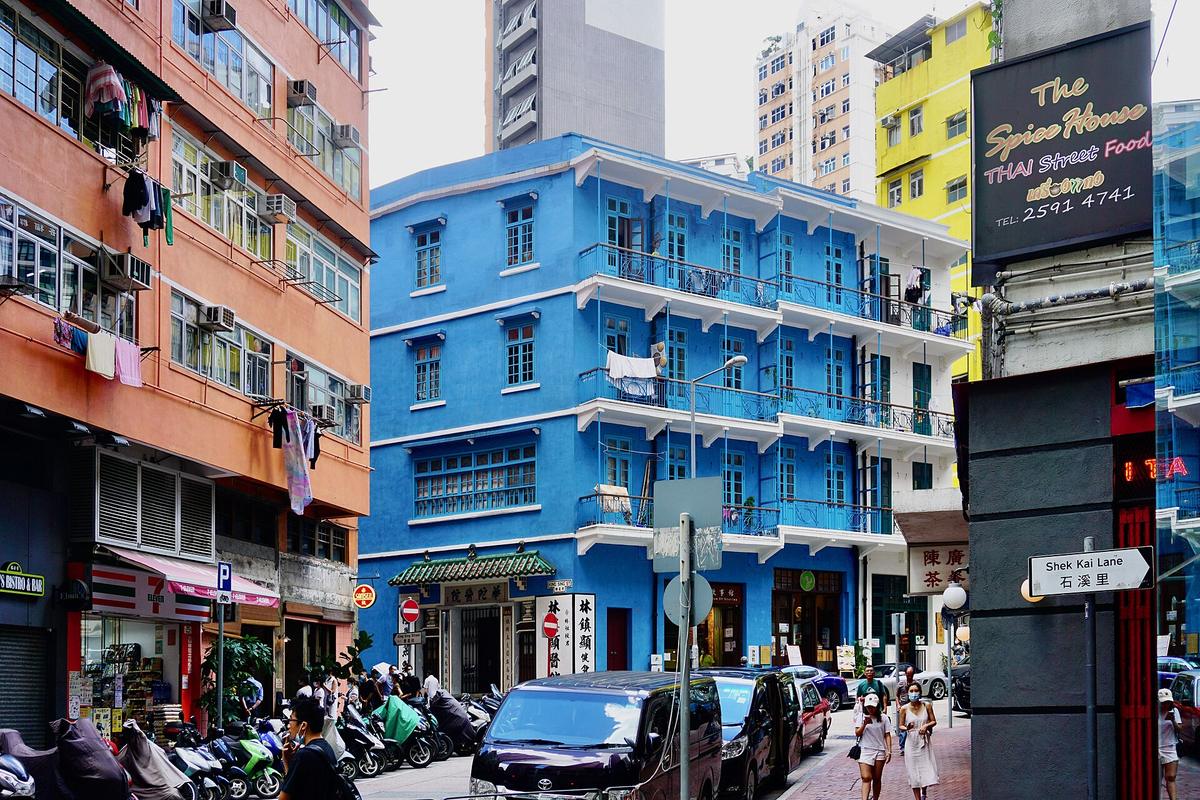
From Stone Nullah Lane, turn onto Cross Street. This is the northern edge of the wet market that fills Wan Chai Road and Cross Street itself, roughly 06:00 to 20:00 daily. The stalls sell live fish in aerated tubs, poultry in stacked cages, bundles of choy sum, and dried seafood in plastic bins that smell like the ocean floor. The pavement is wet. The foot traffic is dense. Do not try to navigate here with a suitcase. This is the working-class soul the brief asked about. It survives not as a tourist attraction but as a place where people in the neighbourhood actually buy dinner.
Pak Tai Temple And Hung Shing Temple
At 129 Stone Nullah Lane, Pak Tai Temple dates to 1863 and is dedicated to Pak Tai, the Northern Emperor. It is a single-hall structure with a heavy incense burner and a dark interior. The Hong Kong Antiquities and Monuments Office considers it a Grade I historic building, though the exact status is best checked against their published list. At 129 Queen's Road East, Hung Shing Temple was built in 1847 and honours the god of the sea. Both temples are small, active, and easy to miss. Step inside, bow if you want to, and leave. They do not ask for an entrance fee and they do not want your Instagram attention.
Beyond the Wet Market: Toy Street, Furniture Shops and the Tram
Toy Street And Queen's Road East
One block south of the wet market, Tai Yuen Street earns its nickname Toy Street. The stalls here sell party supplies, seasonal decorations, and plastic toys in bulk. It is not a place to buy a souvenir. It is a place to watch families haggle over a bag of glow sticks. Walk a few minutes further south to Queen's Road East, where the shopfronts shift to furniture, rattan, and homewares. The bamboo and cane goods stacked on the pavement are meant for local apartments, not export. If you need a custom rattan shelf or a cane chair, this is the street. If you do not, walk through anyway. The woks, incense, joss paper, and ceramic tea sets on display tell you more about how Wan Chai lives than any museum does.
Riding The Tram
The tram runs along Johnston Road, Wan Chai Road, and Queen's Road East. Board one heading west toward Sheung Wan or east toward Shau Kei Wan. The fare is a few Hong Kong dollars. The ride is slow, loud, and perfect for seeing the street-level city. The tram does not have air conditioning. Carry a bottle of water and a handkerchief. Do not ride during the 18:00 rush hour unless you enjoy standing in a tin can at 30 degrees with fifty other people.
The Lockhart Road Question and What the Convention Centre Takes
Lockhart Road runs roughly from Fenwick Street to Marsh Road. Between the 1960s and the 1990s, it was the bar strip, a dense corridor of hostess bars and neon that defined Wan Chai's nightlife reputation. Today it is a mix: some bars remain, alongside restaurants, small shops, and residential entrances. The density is lower than the reputation suggests. Jaffe Road has scattered bars too, at an even lower concentration. Do not come to Wan Chai purely for a bar crawl. Central has better cocktail bars. Lan Kwai Fong has more energy. Walk Lockhart Road for its mid-century architecture and its quiet decline, not for the nightlife.
The Hong Kong Convention and Exhibition Centre occupies the reclaimed waterfront between the 1990s extension and the 1920s and 1960s reclamation phases. It is a block of beige and glass that replaced the harbour. Outside it, the Golden Bauhinia Square holds a gilded sculpture the Central Government of China gifted in 1997. The sculpture marks the handover. The square itself is a paved space with limited seating and direct sun. Visit at 08:00 during the flag-raising ceremony if you want the full civic experience. Skip it otherwise. The pedestrian route from the MTR stop to the waterfront is dominated by six-lane roads, footbridges, and the convention centre's blank walls. The water is 100 metres away and you can barely reach it. Wan Chai's reclamation history is visible in this failure: each phase pushed the shoreline north, and each phase added infrastructure that treats pedestrians as an afterthought. The Star Ferry from Wan Chai Ferry Pier to Tsim Sha Tsui is the one exception. Take it. The harbour crossing costs a few dollars and the boat's open deck gives you the only unobstructed view of the Wan Chai skyline from the water.
Happy Valley At Night
About 1.5 kilometres south of Wan Chai MTR, Happy Valley racecourse sits on a turf track that opened in 1846. During the Wednesday night racing season, from September to July, the first race starts at 19:15. Public admission is a handful of Hong Kong dollars, a figure the Hong Kong Jockey Club revises annually. The track is 1,450 metres around and the stands hold 55,000 people, though you should check the Jockey Club's published figures for the exact current capacity. The crowd is half serious punters studying form guides and half expats drinking beer on the terrace. Arrive by tram from Causeway Bay on the Happy Valley loop. Do not take a taxi from Wan Chai in the rain. The queue at the tram stop moves faster than any car on Wong Nai Chung Road.
| Street | Character | Good For | Avoid If You Need |
|---|---|---|---|
| Stone Nullah Lane | Historic tong lau, small temples | Photography, history, quiet morning walk | Open space, harbour views |
| Wan Chai Road / Cross Street | Wet market, dense, wet pavement | Fresh produce, Cantonese ingredients, street photography | Suitcase navigation, credit cards |
| Tai Yuen Street | Toy and party supply stalls | Cheap toys, seasonal decorations, local shopping | Quality souvenirs, unique crafts |
| Lockhart Road | Bars, restaurants, mid-century buildings | Nightlife history, architecture, a single drink | High-end cocktail bars, quiet dinner spots |
| Queen's Road East | Furniture, rattan, homewares | Cane goods, custom furniture, window shopping | Electronics, fashion clothing |


What Wan Chai is Bad at
Wan Chai is bad at pedestrian comfort. The pavement on Johnston Road during weekday afternoons is a contest between suitcases, delivery trolleys, queues for the bus stop, and scaffolding that reduces a two-metre-wide footpath to a single-file squeeze. The crowd at the Wan Chai Road wet market is genuine but it is not polite. You will be bumped. Your shoulder will brush a hanging chicken carcass. The concrete underfoot is never dry. The area around the MTR exits feels like a transit corridor, not a destination. There is no central plaza, no square where people gather. The Star Ferry pier is separated from the market by a stretch of six-lane road and convention centre access ramps. The waterfront is theoretically there. In practice, it is blocked by the HKCEC and the road network. You have to want the old Wan Chai to find it. It does not advertise itself.
Getting to Wan Chai and Moving Through it
Arriving By MTR
Wan Chai MTR is on the Island Line, code WAC. Arrive by Airport Express from the airport to Hong Kong in Central (24 minutes, HK$115 one-way). From Hong Kong, change to the Island Line eastbound. The trip to Wan Chai takes two stops. Exit through A3 for Johnston Road or A1 for the wet market. The wrong exit lands you inside the convention centre complex with a ten-minute walk back to the street. Use the map before you tap out.
Payment And Navigation
The Octopus card works on the MTR, the tram, the Star Ferry, and many small shops. Carry cash for the wet market and dai pai dongs. Most stalls on Wan Chai Road and Cross Street do not take credit cards. The Hong Kong dollar is the only currency that matters here. Do not expect a transaction under HK$50 to accept a credit card anywhere.
Citymapper and HKeMobility handle transit routing better than Google Maps, which misplaces pedestrian entrances and undercounts staircases. Google Maps will tell you a walk is ten minutes when the route involves five minutes of stairs at a 15 percent grade. Trust the local apps.
When to Come and When to Stay Away
The Best Months
October through early December is peak season. Temperatures sit between 20 and 28 degrees Celsius, humidity drops, and the sky clears. Late March to April is workable but expect fog and rain. The Chinese New Year window, late January to mid-February, closes many independent shops and restaurants in Wan Chai for days at a time. The first week of October is Golden Week, when mainland Chinese visitor numbers spike and the pavements become impassable.
When To Stay Away
August combines extreme humidity with typhoon risk. The district does not handle typhoons well: the narrow streets channel the wind, and the market stalls pack up abruptly, leaving the street empty and the shutters down by early afternoon. Check the Hong Kong Observatory warnings before you book anything between June and September.
Avoid the mistaken belief that you can cover Wan Chai in an hour between the convention centre and a Lockhart Road beer. The Blue House block needs 20 minutes. The walk to Happy Valley is half an hour. The wet market demands at least 45 minutes if you want to actually look at what is for sale. Allocate a full morning, from 08:00 to 12:00, plus a separate visit for Wednesday night racing. Wan Chai is not a stopover. It is a district that needs its own day.
Common Questions
Is the Blue House open to the public?
The ground floor museum and community space are open during daytime hours. The upper floors are residential and closed. Enter through the Stone Nullah Lane entrance. No ticket required.
What time does the Wan Chai wet market close?
Most stalls on Wan Chai Road and Cross Street operate roughly 06:00 to 20:00 daily. By late afternoon, many fish and poultry stalls have sold out or started cleaning. Arrive before 11:00 for the full scene.
Is Lockhart Road safe at night?
Yes. The street is well lit and busy until late. The bar crowd is a mix of locals and visitors. Petty theft exists. Keep your phone in your pocket and your bag zipped, as you would anywhere in Central.
Can I walk from Wan Chai to the Happy Valley racecourse?
It is about 1.5 kilometres uphill from Wan Chai MTR. The walk takes 20 to 25 minutes. The tram from Causeway Bay is faster and more comfortable, especially in humid weather.
Read next
-
 Wan Chai Food Is the Old Market District's Best Kept Secret
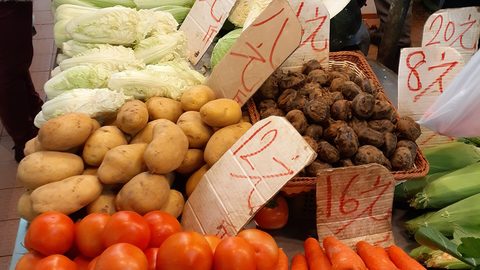
Wan Chai's best eating is around the wet market and along Starstreet, where more good restaurants crowd one street than anywhere on the island.
Wan Chai Food Is the Old Market District's Best Kept Secret
Wan Chai's best eating is around the wet market and along Starstreet, where more good restaurants crowd one street than anywhere on the island.
-
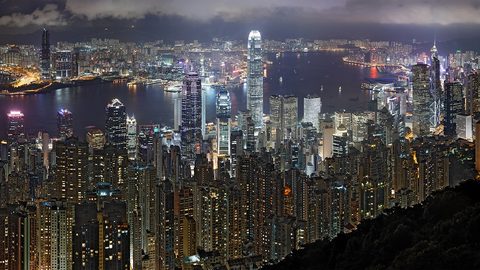 Hong Kong Travel Guide and Trip Planning Hub
How to plan a Hong Kong trip that respects the city's density, uses the MTR properly, and leaves room for a hike or an island day.
Hong Kong Travel Guide and Trip Planning Hub
How to plan a Hong Kong trip that respects the city's density, uses the MTR properly, and leaves room for a hike or an island day.
-
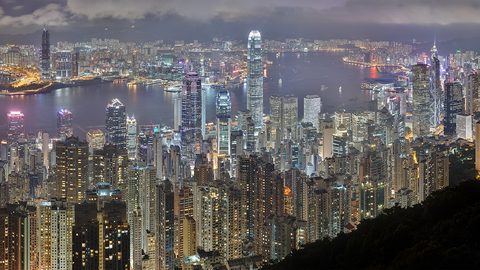 Victoria Peak Hong Kong The View Is the Point the Tram Queue Is Not
The view from Victoria Peak is the point; the tram queue is the problem, and there are four other ways up.
Victoria Peak Hong Kong The View Is the Point the Tram Queue Is Not
The view from Victoria Peak is the point; the tram queue is the problem, and there are four other ways up.
-
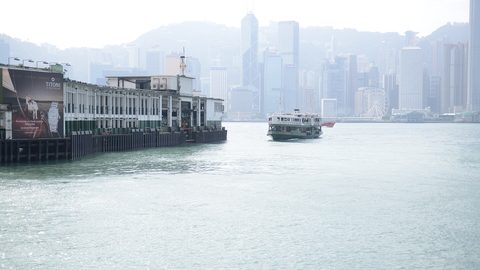 Star Ferry Hong Kong Fare, Route and Which Side to Sit
The Star Ferry costs HK$5, takes 10 minutes, and the upper deck heading from Tsim Sha Tsui to Central gives the best skyline view.
Star Ferry Hong Kong Fare, Route and Which Side to Sit
The Star Ferry costs HK$5, takes 10 minutes, and the upper deck heading from Tsim Sha Tsui to Central gives the best skyline view.
-
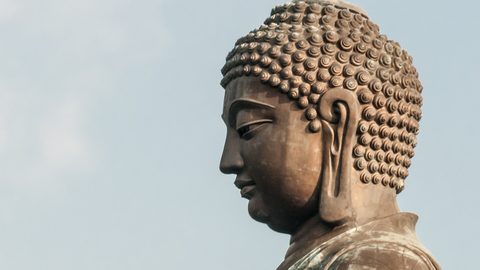 Big Buddha and Ngong Ping 360 Cable Car Without the Crowds
The Big Buddha is 268 steps up, the cable car takes 25 minutes, and the village at the top is mostly a shopping mall.
Big Buddha and Ngong Ping 360 Cable Car Without the Crowds
The Big Buddha is 268 steps up, the cable car takes 25 minutes, and the village at the top is mostly a shopping mall.
-
 Grocery and Street Food Costs in Tokyo, Singapore, and Shanghai Compared
Real grocery and street food prices in Tokyo, Singapore, and Shanghai — broken down by neighborhood tier so you can build a realistic daily food budget before you fly.
Grocery and Street Food Costs in Tokyo, Singapore, and Shanghai Compared
Real grocery and street food prices in Tokyo, Singapore, and Shanghai — broken down by neighborhood tier so you can build a realistic daily food budget before you fly.
-
 What Japan, China, and Singapore Actually Cost Independent Travelers
Real per-day costs for Japan, China, and Singapore broken down by accommodation tier, food strategy, transit, and connectivity for independent travelers.
What Japan, China, and Singapore Actually Cost Independent Travelers
Real per-day costs for Japan, China, and Singapore broken down by accommodation tier, food strategy, transit, and connectivity for independent travelers.
-
 What Most Travelers Get Wrong When Booking Flights to East Asia
Most travelers book East Asia flights on price alone. Here's what they miss about route gaps, fleet age, and aircraft type on 10-14 hour hauls.
What Most Travelers Get Wrong When Booking Flights to East Asia
Most travelers book East Asia flights on price alone. Here's what they miss about route gaps, fleet age, and aircraft type on 10-14 hour hauls.
-
 The Honest Cost of Mobile Data in Japan, China, and Singapore
Real price data for SIMs, pocket WiFi, and eSIMs in Japan, China, and Singapore. Plus the friction points most travel guides quietly skip.
The Honest Cost of Mobile Data in Japan, China, and Singapore
Real price data for SIMs, pocket WiFi, and eSIMs in Japan, China, and Singapore. Plus the friction points most travel guides quietly skip.