Tsim Sha Tsui, Kowloon: The Promenade, Museums and the Best Skyline View
Tsim Sha Tsui gives you the best free view of the Hong Kong skyline, plus museums and the Star Ferry. Here's how to plan a day.
- Flag
-
- ISO code
- HK
Tsim Sha Tsui, Kowloon: the Promenade, Museums and the Best Skyline View
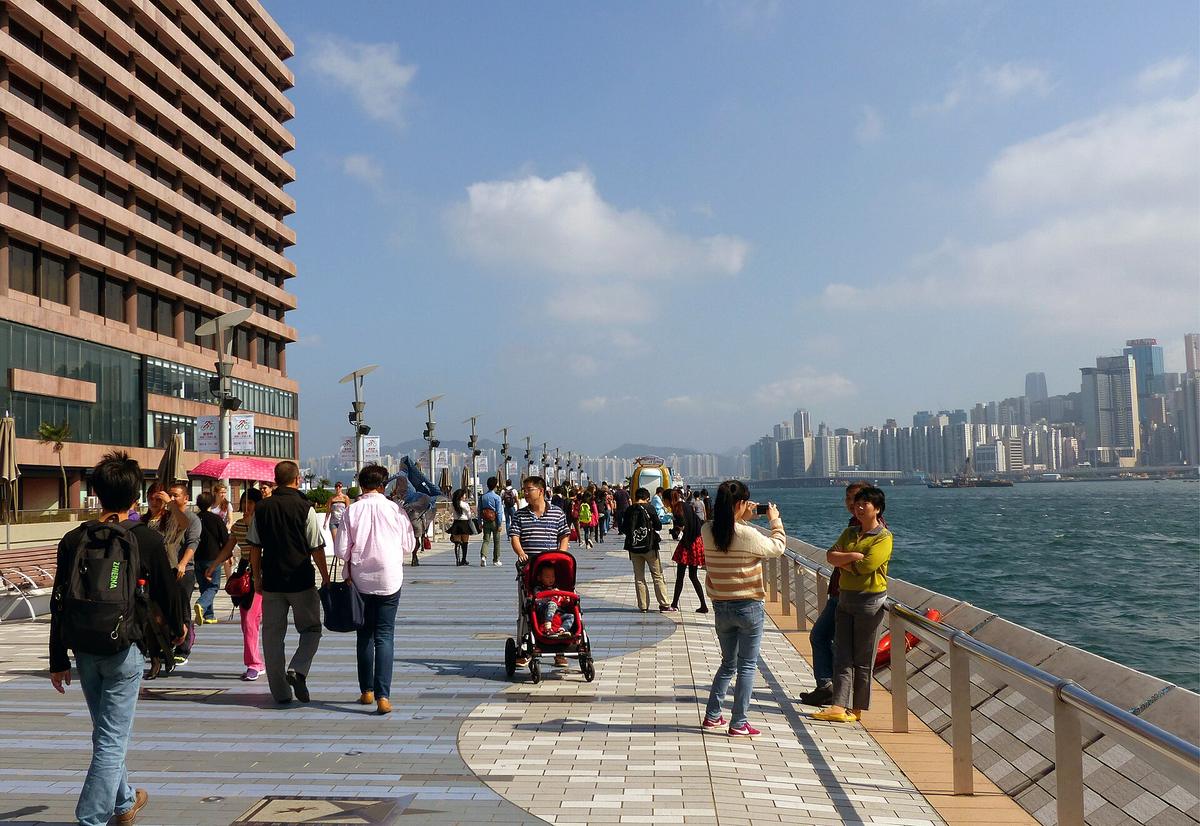
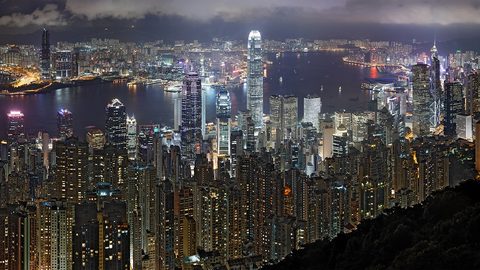
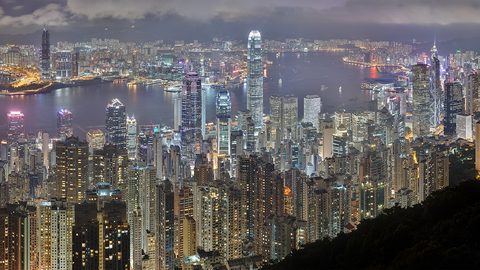
Tsim Sha Tsui is the tip of the Kowloon peninsula, and that geography is the only reason to stay here. The Star Ferry Pier spits you out onto a waterfront walkway that faces Hong Kong Island across 1.2 kilometres of Victoria Harbour. That stretch of paving is the single best free view of the city skyline anywhere in Hong Kong. Everything else in TST is secondary. The world-class museums, the luxury hotels, the relentless shopping, the crowds that hit you the second you leave the ferry. Walk the harbourfront at 07:30 before the humidity rises and you will understand why people pay for a harbour-view room at The Peninsula. Walk it at 20:30 after Symphony of Lights ends and you will be one of hundreds doing the same thing. Arrive through the Star Ferry. A crossing on the upper deck costs a few Hong Kong dollars and turns arrival into an event. Every other transit option drops you into a ventilation shaft or a shopping-mall corridor that hides the harbour.
This is a district for first-time visitors who want the postcard shot on day one and who understand that Kowloon is not a gentle introduction to Asia. The pavements are narrow and uneven. The air conditioning in the museums will make you shiver. The restaurant queues form before you see the restaurant. TST is bad at quiet mornings, cheap sleeps, and anything resembling a local pace below street level. The side streets off Nathan Road between Salisbury Road and Mody Road are a touting zone where men in polo shirts offer you custom suits and watches you do not want. The camera shops on Carnarvon Road sell grey-market stock at prices that look good until you check the warranty. Chungking Mansions, the five-block, 17-floor building completed in 1961, contains roughly 90 guesthouses and an estimated 120 nationalities trading inside its ground-floor shops. It is a landmark you should see from the outside unless you know exactly which guesthouse you have booked and how to ignore everything between the entrance and the lift. TST is not for travellers who want a relaxed beach-town pace. It is for urban explorers who ride the MTR, eat at dai pai dongs, and understand that Hong Kong's density is the attraction, not a problem to manage.
.jpg)
Walking the Harbourfront: Star Ferry to the Museum Cluster
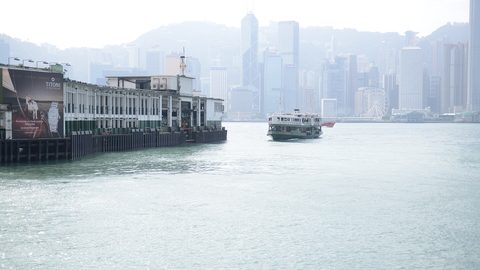
Start at Tsim Sha Tsui Star Ferry Pier. The upper-deck weekday adult fare to either Central or Wan Chai sits in the single-digit Hong Kong dollar range. The lower deck costs less on weekdays. Weekends and public holidays run higher on both decks. Check the Star Ferry website for the current tariff before you travel. Ride the ferry to Central and back, not because you need to go anywhere, but because the crossing gives you the full sweep of both skylines and costs less than a bottle of water. The trip takes about ten minutes each way. Disembark back in TST and face the Clock Tower.
The Clock Tower was completed in 1915 as part of the Kowloon-Canton Railway terminus. It is 44 metres tall and is a declared monument of Hong Kong. You cannot go up it. You stand underneath it and look west along the waterfront toward the Hong Kong Cultural Centre, which opened in 1989 and is the brutalist beige structure that everyone photographs because it frames the tower. Do not go inside the Cultural Centre unless you have tickets to a performance. Walk past it toward the Avenue of Stars.
The Avenue Of Stars And The Waterfront Walk
The Avenue of Stars reopened after renovation in 2019 and runs approximately 440 metres along the harbourfront. The Bruce Lee statue is here, at the midpoint, and it is always surrounded by people doing the same pose. If you want a clean shot of the skyline without tourists in it, arrive before 09:00. The walkway continues past the Avenue of Stars into the Tsim Sha Tsui East stretch, which extends toward Hung Hom. The full distance from the Star Ferry Pier to Hung Hom is roughly 1.5 kilometres. It is flat, fully paved, and takes about 20 minutes at a steady pace. Do it at sunset. The light hits the Hong Kong Island skyline from the west and turns the glass blue and orange. The Symphony of Lights show runs every night at 20:00 and lasts about ten minutes, with over 40 participating buildings. It is fine. It is not worth building your evening around. The real show is the skyline at dusk, which operates without lasers.
The Museum Triangle: Art, Space And History
Behind the Cultural Centre, three museums sit on Salisbury Road within a short walk of each other. The Hong Kong Museum of Art reopened after renovation in 2019 and is the strongest of the three. Its permanent galleries cover Chinese painting, calligraphy, and antique Chinese art with a focus on how Guangdong artists shaped the tradition. Budget 90 minutes. Entry is free for permanent exhibitions. The Hong Kong Space Museum opened in 1980 and has a domed-screen planetarium. Its exhibition halls are aimed at families with children under 14. If you are an adult without kids, skip it unless you specifically want the Omnimax film. The Hong Kong Museum of History is a ten-minute walk east on Chatham Road South, not on Salisbury Road, but it belongs in this sequence. Its permanent exhibition, The Hong Kong Story, covers 400 million years of geology and millennia of human settlement up to the 1997 handover. It is the one museum in Kowloon that a first-time visitor should not skip. Budget two hours. Entry is free.
West Kowloon: the New Cultural District and What it Costs
From the museum cluster, walk west along the harbourfront toward the West Kowloon Cultural District. It is 1.5 to 2 kilometres from the Tsim Sha Tsui waterfront to the West Kowloon Art Park, a straight walk with no stairs. The Art Park opened in 2019 and is 23 hectares of green space on reclaimed land. It is the only place in Tsim Sha Tsui where you can sit on grass and look at the skyline without paying for a hotel rooftop.
Two major museums anchor the district. M+ museum opened in 2021 and is Hong Kong's museum of contemporary visual culture. It holds a vast collection across 33 galleries. You need to book ahead online, not at the door. General admission for non-residents runs in the low hundreds of Hong Kong dollars; check the M+ website for the current rate. The building itself, with its LED facade and horizontal black mass, is as much an attraction as what is inside. The Hong Kong Palace Museum opened in 2022 and displays hundreds of artefacts from Beijing's Palace Museum. It is also book-ahead only. General admission for non-residents is similar to M+; confirm the figure on the museum's official site before you go. If you try to walk in without a reservation on a Saturday afternoon, you will be turned away. Budget 90 minutes to two hours per museum. Do not attempt both in one day unless you start at 10:00 and move fast.
The Xiqu Centre, also in West Kowloon, opened in 2019 and houses a 1,073-seat theatre for Chinese opera. The ground-floor atrium is free to enter and has an exhibition space on Cantonese opera costumes. The rooftop garden is open to the public. If you have no interest in Chinese opera, skip the interior and walk through the ground-floor lobby for the architecture. The atrium wall is a perforated aluminium screen that looks like a giant fishnet.

The Three Things Tsim Sha Tsui Does Best and One it Does Badly
TST is good at three things. The first is the harbour view, which you have already covered. The second is luxury shopping. Nathan Road, known as the Golden Mile through Tsim Sha Tsui, runs approximately 3.6 kilometres from the Star Ferry Pier north to Boundary Street. The section between Salisbury Road and Austin Road is wall-to-wall brand flagships, jewellery chains, and watch dealers. The Peninsula hotel, opened in 1928, sets the tone. Its lobby afternoon tea runs in the hundreds of Hong Kong dollars per person; the Hong Kong Tourism Board publishes the current rate on its dining page. Cash and credit cards are accepted at the hotel. The side streets off Nathan Road between Salisbury Road and Mody Road are the tailor-shop concentration area. Expect to pay in the low to mid thousands for a made-to-measure suit at a reputable shop. The third thing TST does well is density of choice within walking distance. The museum cluster, the Cultural Centre, the two West Kowloon museums, the harbourfront, the Star Ferry, and Kowloon Park are all within a 15-minute walk of each other. No other district in Hong Kong concentrates that many major sights in that small an area.
The thing TST does badly is local food. The restaurants on the main streets are aimed at tourists and overcharge for dim sum that arrived frozen. The cheap noodle shops are there, on the side streets between Nathan Road and Carnarvon Road, but they are cash only, they close by 20:00, and they are often full of tour groups. For better food, take the MTR one stop to Mong Kok for dai pai dongs and night markets, or two stops to Sham Shui Po for the working-class noodle houses. TST is where you sleep and where you see the skyline. It is not where you eat.
Kowloon Park And The Last Practical Detail
Kowloon Park opened in 1970 and covers 13.3 hectares. It sits between Nathan Road and Haiphong Road, a ten-minute walk from the museum triangle. It has a swimming-pool complex, a bird lake, a sculptural walk, and the Kowloon Mosque, completed in 1984 with a capacity of several thousand worshippers and an 11-metre minaret. The park is where locals go to escape the concrete, and you should use it for the same reason. Enter through the Salisbury Road gate, walk through the bird lake area, and exit through the Nathan Road gate. It takes 20 minutes. Then budget for the return to the Star Ferry Pier for your final crossing of the day, because seeing the skyline lit up from the water at 21:00 is the one thing in TST that justifies the crowds you endured to get it.
Frequently Asked Questions
How much time should I budget for the Tsim Sha Tsui promenade and museums combined?
A full day. Arrive at the Star Ferry Pier by 09:00. Spend 20 minutes on the round-trip crossing, then walk the waterfront to the museum triangle. The Hong Kong Museum of Art takes 90 minutes, the Hong Kong Museum of History takes two hours. Walk west to West Kowloon by 14:00 and choose one of the two major museums, M+ or the Hong Kong Palace Museum, for another 90 minutes to two hours. Return to the harbourfront for sunset at roughly 17:30. That sequence uses one full day from 09:00 to 18:00 and covers the three core attractions without rushing.
Do I need to book museum tickets in advance?
Yes for M+ and the Hong Kong Palace Museum. Both require online advance booking and walk-up tickets are rarely available on weekends or holidays. Book at least three days ahead through their official websites. The Hong Kong Museum of Art and the Hong Kong Museum of History do not require advance booking for permanent exhibitions. Their special exhibitions sometimes do. Check the museum website before you go.
Is Tsim Sha Tsui safe at night?
Yes. Hong Kong is safe overall, and Tsim Sha Tsui is patrolled and well lit. The waterfront is busy until 22:00. The side streets off Nathan Road between Salisbury Road and Mody Road have a higher concentration of touts and street vendors, but the risk is nuisance rather than danger. Solo travellers, including women, report feeling comfortable on the main streets and the harbourfront after dark. The MTR runs until roughly 00:30, so the district stays active until then.
What is the cheapest way to get from Hong Kong International Airport to Tsim Sha Tsui?
The A21 public bus. It takes 45 to 70 minutes and costs between HK$34 and HK$40 depending on your stop. It drops you on Nathan Road. The Airport Express is faster at 24 minutes to Hong Kong station, but costs HK$115 one way, and then you need to take the MTR across the harbour to Tsim Sha Tsui, which adds another ten minutes and a small additional fare. A taxi costs roughly HK$300 to HK$400 and takes 30 to 45 minutes, but taxis in Hong Kong rarely take credit cards so carry cash.
Why does the page recommend against eating in Tsim Sha Tsui?
Because the restaurants on the main streets charge premium prices for average food. The dim sum at a Nathan Road tourist restaurant costs 50% more than the same dishes in Mong Kok or Sham Shui Po and arrives reheated. The cheap and good options in TST exist on side streets like Carnarvon Road and Peking Road, but they are cash only, they close early, and they fill with tour groups. The better strategy is to eat one stop away, where the prices drop and the quality rises, and to save TST for the harbour view.
Read next
-
 Tsim Sha Tsui Things to Do Without Leaving the Peninsula
Tsim Sha Tsui can fill a full day without crossing the harbour. Walk the promenade, visit two museums, and take tea in a hotel lobby.
Tsim Sha Tsui Things to Do Without Leaving the Peninsula
Tsim Sha Tsui can fill a full day without crossing the harbour. Walk the promenade, visit two museums, and take tea in a hotel lobby.
-
 Tsim Sha Tsui Shopping Guide Harbour City and the Camera Shop Trick
Tsim Sha Tsui shopping spans Harbour City, the Golden Mile and K11 Musea. Learn how the camera-shop trick works before you buy.
Tsim Sha Tsui Shopping Guide Harbour City and the Camera Shop Trick
Tsim Sha Tsui shopping spans Harbour City, the Golden Mile and K11 Musea. Learn how the camera-shop trick works before you buy.
-
 Hong Kong Travel Guide and Trip Planning Hub
How to plan a Hong Kong trip that respects the city's density, uses the MTR properly, and leaves room for a hike or an island day.
Hong Kong Travel Guide and Trip Planning Hub
How to plan a Hong Kong trip that respects the city's density, uses the MTR properly, and leaves room for a hike or an island day.
-
 Victoria Peak Hong Kong The View Is the Point the Tram Queue Is Not
The view from Victoria Peak is the point; the tram queue is the problem, and there are four other ways up.
Victoria Peak Hong Kong The View Is the Point the Tram Queue Is Not
The view from Victoria Peak is the point; the tram queue is the problem, and there are four other ways up.
-
 Star Ferry Hong Kong Fare, Route and Which Side to Sit
The Star Ferry costs HK$5, takes 10 minutes, and the upper deck heading from Tsim Sha Tsui to Central gives the best skyline view.
Star Ferry Hong Kong Fare, Route and Which Side to Sit
The Star Ferry costs HK$5, takes 10 minutes, and the upper deck heading from Tsim Sha Tsui to Central gives the best skyline view.
-
 Big Buddha and Ngong Ping 360 Cable Car Without the Crowds
The Big Buddha is 268 steps up, the cable car takes 25 minutes, and the village at the top is mostly a shopping mall.
Big Buddha and Ngong Ping 360 Cable Car Without the Crowds
The Big Buddha is 268 steps up, the cable car takes 25 minutes, and the village at the top is mostly a shopping mall.
-
 Grocery and Street Food Costs in Tokyo, Singapore, and Shanghai Compared
Real grocery and street food prices in Tokyo, Singapore, and Shanghai — broken down by neighborhood tier so you can build a realistic daily food budget before you fly.
Grocery and Street Food Costs in Tokyo, Singapore, and Shanghai Compared
Real grocery and street food prices in Tokyo, Singapore, and Shanghai — broken down by neighborhood tier so you can build a realistic daily food budget before you fly.
-
 What Japan, China, and Singapore Actually Cost Independent Travelers
Real per-day costs for Japan, China, and Singapore broken down by accommodation tier, food strategy, transit, and connectivity for independent travelers.
What Japan, China, and Singapore Actually Cost Independent Travelers
Real per-day costs for Japan, China, and Singapore broken down by accommodation tier, food strategy, transit, and connectivity for independent travelers.
-
 What Most Travelers Get Wrong When Booking Flights to East Asia
Most travelers book East Asia flights on price alone. Here's what they miss about route gaps, fleet age, and aircraft type on 10-14 hour hauls.
What Most Travelers Get Wrong When Booking Flights to East Asia
Most travelers book East Asia flights on price alone. Here's what they miss about route gaps, fleet age, and aircraft type on 10-14 hour hauls.