A Travel Guide to Ho Chi Minh City for People Who Prefer Grit Over Temples
An honest Ho Chi Minh City travel guide for travellers who thrive on sensory overload, street-food obsession, and 10 million motorbikes rather than quiet temples.
- Flag
-

- ISO code
- VN
- Currency
- VND
Ho Chi Minh City Travel Guide for Urban Adrenaline Junkies and Street-Food Obsessives
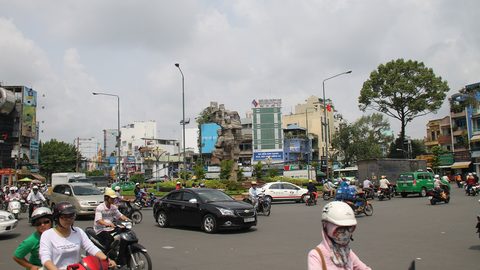
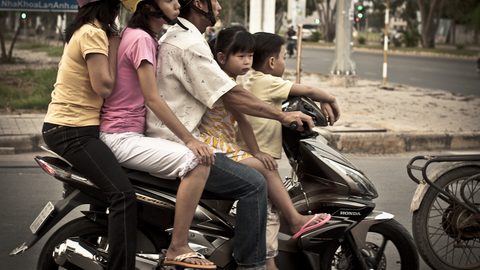
Ho Chi Minh City has roughly 7.6 million registered motorbikes. That is one engine for every 1.2 residents, and it feels like every single one of them is in motion simultaneously, flowing around you in a constant, deafening current. This guide is for travellers who hear that number and feel alive, not afraid. If you want a quiet beach or a strollable city where you never have to dodge a parked scooter, skip Saigon. If you want a city that grabs you by the collar on the curb and does not let go, stay.
- Official Name: Ho Chi Minh City (commonly spoken as Saigon)
- Airport Code: SGN (Tan Son Nhat International Airport)
- Population: Roughly 9 million (2023 estimate, verified by the General Statistics Office of Vietnam)
- Climate: Tropical savanna (Aw under Köppen), average annual temperature 28°C
- Dry Season: December to April; December is the coolest month with an average low of 22°C
- Rainy Season: May to November; September is the wettest month with 330 mm average rainfall
- Visa Policy (2025): 45-day visa-free entry for 13 nationalities; 90-day multiple-entry e-visa available for all (verify current rules on the Vietnam visa page)
- Currency: Vietnamese đồng (VND), floating between 24,000 and 26,000 per 1 USD (2025 range)
- Minimum Stay: 3 full days
- Best Time to Visit: December to March (lower humidity, average 27°C, minimal rain)
- Avoid: Tet holiday (late January to mid February; city empties, shops close) and late September to October (peak monsoon with street flooding)
Saigon Travel Guide: Who This City is for and Who it is Not for
This city rewards specific travellers. It is not a gentle introduction to Southeast Asia. Need clean pavements, quiet parks, or the ability to cross a street without a leap of faith? Book a flight to Chiang Mai instead.
Saigon is for urban adrenaline junkies who thrive on sensory overload. It is for street-food obsessives willing to perch on tiny plastic stools on broken pavements with exhaust fumes mixing into the steam of their bowl. It is for history buffs who want the raw 20th-century conflict narratives, not curated palace tours. It is for digital nomads seeking a low-cost, high-energy base. And it is for second-time Southeast Asia travellers who have done the temples and now want grit.
Do not bring someone with serious mobility issues here. The pavements are an obstacle course of parked motorbikes, protruding signs, and missing slabs. Do not bring anyone who hates noise, humidity, or constant haggling. And do not bring beach lovers; there is no sand within the city limits.
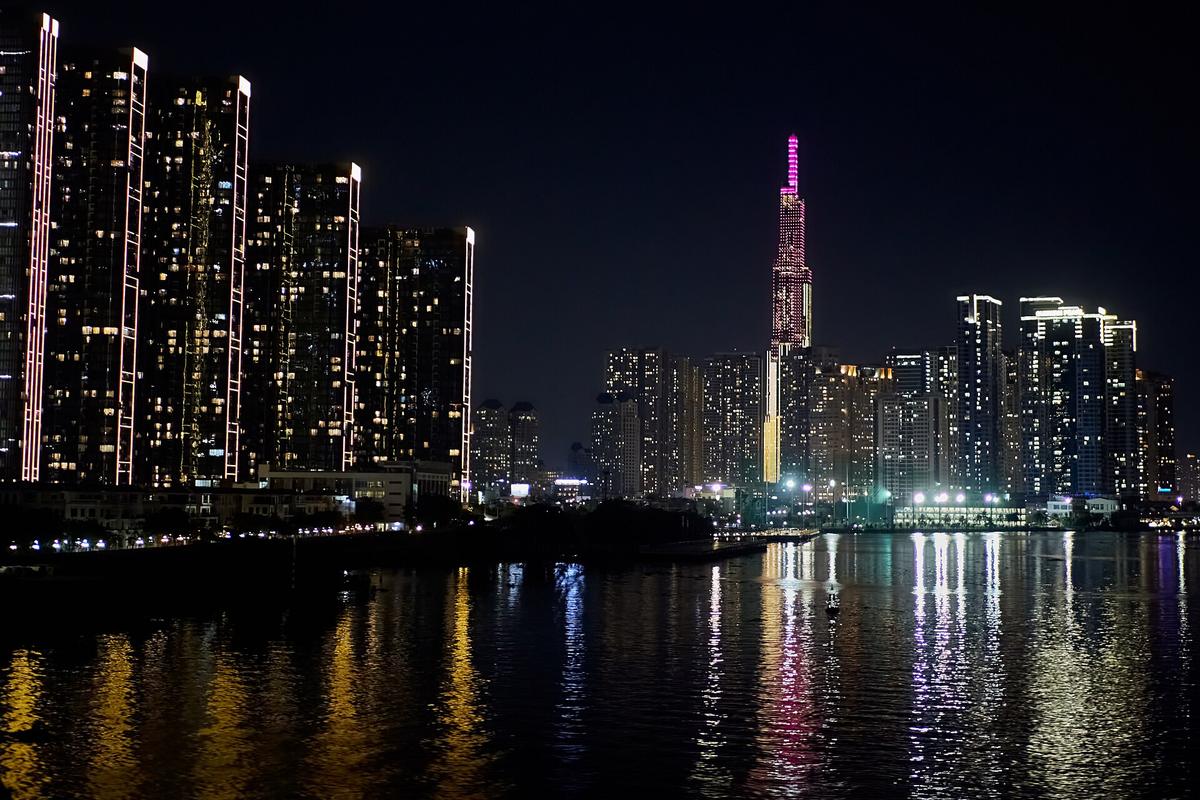

Ho Chi Minh City Guide: How to Arrive and Get Around
Arriving at Tan Son Nhat
Tan Son Nhat Airport (SGN) sits 7 km from the city centre. After baggage claim, buy a Viettel or Mobifone SIM at the official counter for around 200,000 VND for a month of data. Do not buy from street resellers inside the terminal. Then download the Grab app and attempt SMS verification before you leave the Wi-Fi zone. The terminal Wi-Fi is unreliable, and foreign numbers sometimes fail to receive the verification code. Without Grab, you are stuck negotiating with taxi touts.
For taxis, use Vinasun or Mai Linh only. The ride to the central wards costs 100,000 to 150,000 VND and takes 20 to 40 minutes depending on traffic. Public bus 109 runs to the Ben Thanh area for 20,000 VND in 30 to 45 minutes.
Getting Around: The Grab Super App
The Grab app is non-negotiable. It handles car taxis, motorbike taxis, and food delivery. Link a credit card or prepare cash. During rush hour (7:30 to 9:00 AM and 4:30 to 6:30 PM) or in heavy rain, drivers frequently cancel rides, leaving you stranded. Budget extra time or walk to a main road where cancellation rates drop.
How to Cross the Street
Crossing a street here is a specific skill. You do not run. You do not stop. Walk at a slow, predictable pace into the oncoming motorbike flow. The bikes part around you as long as you maintain a steady trajectory. Stop, and you break the pattern and get hit. Run, and you become unpredictable and get hit. Slow and steady is the only safe method.
What to Watch For
Motorbike pavement parking is the city's second official sport. Scooters park on every sidewalk, forcing pedestrians onto the road. Walking becomes a constant obstacle course. Phone snatching by motorbike riders is a real risk; hold your phone loosely or keep it in a front zipped pocket. Bag snatching works on the same principle. Do not walk on the street side of the pavement with your bag on the street shoulder.
| Neighbourhood | Character | Best For |
|---|---|---|
| District 1 | French colonial bones, skyscrapers, backpacker alley, and museums | First-time visitors, landmark hits, nightlife |
| District 3 | Leafy, old-money villas, hidden cafes, and the War Remnants Museum | History, coffee culture, quiet walks |
| District 4 | Gritty, compact island transforming into a local food haven | Street food deep dive |
| District 5 (Cholon) | Historic Chinatown, medicinal herb streets, wholesale chaos | Markets, Chinese-Vietnamese food, temples |
| Binh Thanh | Hipster canalside living, craft beer, local apartment blocks | Drinking, casual dining, expat scene |
| District 2 (Thao Dien) | Expat bubble with international schools, brunch, and boutiques | Families, brunch lovers, escape from chaos |
| Phu Nhuan | Unpolished residential area with some of the city's best street food | Food obsessives, budget stays |
| District 7 (Phu My Hung) | Master-planned, sterile, wide roads, and Korean expat life | Business travellers, families needing space |
Vietnam Southern City Guide: What to Do and What to Skip
A common mistake is staying exclusively in Pham Ngu Lao and Bui Vien Street, the backpacker enclave of the central wards. That area is a loud, drunken anomaly. It does not represent Saigon. The real city lies in the deeper culinary and cultural neighbourhoods. Here is where to route your time.
War Remnants Museum and District 3
The War Remnants Museum is harrowing and unmissable. It presents the war from the Vietnamese perspective with a directness that hits hard. No advance booking required. Budget two hours minimum. Afterward, walk the tree-lined colonial avenues. Find the Jade Emperor Pagoda, an atmospheric, incense-smoked Taoist temple. Find the candy-pink Tan Dinh Church. Find the hidden cafes in the old-money villas.
Cholon: District 5
Cholon is Saigon's historic Chinatown. Take a full day for it. Binh Tay Market is the chaotic, authentic wholesale hub. The Museum of Traditional Vietnamese Medicine occupies an elegant wood building. Eat sui cao, Cantonese dumplings in clear broth, at a stall that specialises in them. Walk the medicinal herb streets. The wholesale chaos is part of the experience.
The Food Culture
Banh mi at Banh Mi Huynh Hoa is a monstrous, butter-laden baguette that opens only from 2:30 PM until sold out. Go early in the window. Banh xeo 46A is the city's benchmark sizzling crepe, served in a chaotic alley. Com tam (broken rice) at Com Tam Moc gives you charcoal-grilled pork chop over fractured rice grains. Bo la lot at Bo La Lot Co Lien is smoked, charcoal-grilled betel-leaf-wrapped beef eaten with rice paper. Snail street on Vinh Khanh Street in District 4 has dozens of stalls serving shellfish in coconut, tamarind, and chilli. Ca phe sua da (iced coffee with condensed milk) from a sidewalk cart is the city's lifeblood; drink it on low plastic stools watching the traffic.
Day Trips
The Cu Chi Tunnels are 70 km northwest of the centre. Book a half-day tour; it runs 4 to 5 hours including travel. The tunnels are claustrophobic and essential. The Mekong Delta (My Tho or Ben Tre) is a 2-hour drive. The boat trips are touristy, but you get a glimpse of river life. Can Gio Mangrove Forest is 2 hours by speedboat or car; expect monkeys, crocodiles, and a quiet beach. Vung Tau is 2 hours by fast hydrofoil or car, a local beach escape crowded on weekends.
What Is Not Worth Your Time
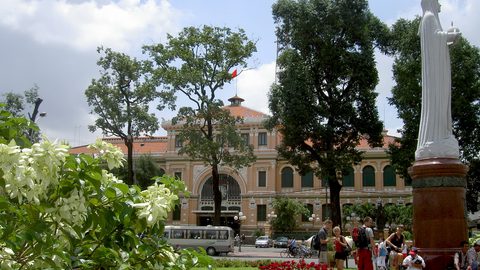
Ben Thanh Market is tourist-priced. Go in the morning for dry snacks, skip the souvenir haggling. Notre-Dame Cathedral Basilica is under long-term renovation; you can only view the exterior red brick. The Cafe Apartment at 42 Nguyen Hue is a vertical block of independent cafes; walk up, do not wait for the slow elevator.
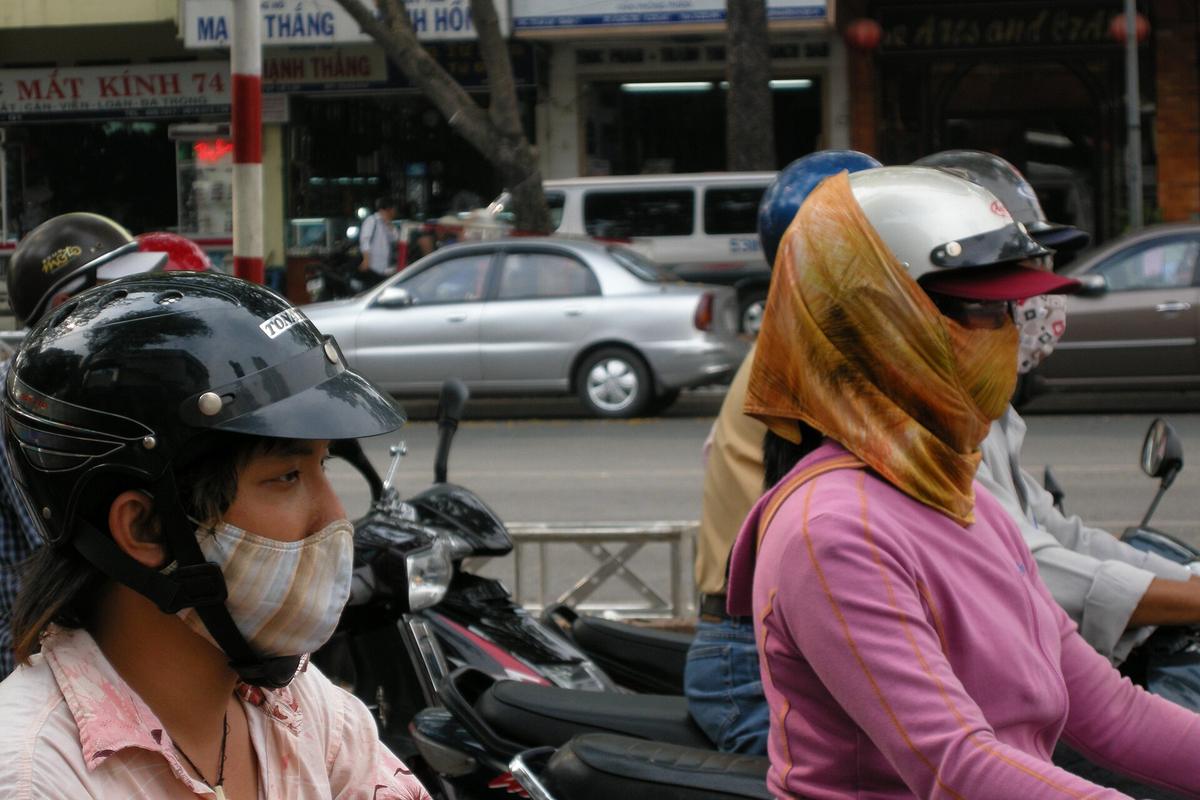

Saigon First-Timer Advice: Friction Points You Need to Plan for
Saigon electrifies you. It also exhausts you. The sensory overload is constant: motorbikes, relentless commerce, tropical heat, and the lack of quiet green space can feel suffocating. Here is what first-timers need to know before they arrive.
Sidewalk Dining and Exhaust Fumes
Sidewalk dining means you inhale exhaust fumes while eating some of the best food of your life. The trade-off is worth it, but budget for it. If you have respiratory issues, choose restaurants with indoor seating on upper floors, not street-side plastic stools.
Rain Season Reality
From May to November, the monsoon brings daily downpours. Late September and October are the peak, with localised street flooding. Grab cancellations spike in rain. Carry a poncho, keep electronics in dry bags, and accept that you will arrive wet to dinner.
Tet Holiday: The City Empties
Tet, the Vietnamese Lunar New Year (late January to February, dates vary), shuts down the city. Millions return to hometowns. Many restaurants, markets, and shops close for up to a week. Transport is overbooked. If you want to experience Saigon running, arrive in the dry season from December to March and avoid Tet entirely.
Connectivity and Verification
4G coverage is excellent city-wide. Buy a Viettel or Mobifone SIM at the terminal. The Grab app requires SMS verification; attempt this before you leave to avoid a failed verification loop. A local SIM also helps with restaurant reservations and Google Maps navigation.
What to See in Ho Chi Minh City
-
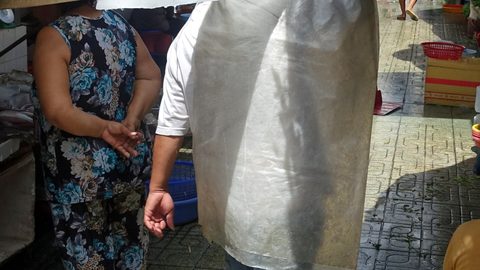 Ben Thanh Market
 in Ho Chi Minh City is a tourist trap for souvenirs but genuinely good for lunch. Here is what to eat and what to skip.
Ben Thanh Market
Ben Thanh Market in Ho Chi Minh City is a tourist trap for souvenirs but genuinely good for lunch. Here is what to eat and what to skip.
-
 Cholon
, Saigon's vast Chinatown in District 5, is best explored in the morning: Binh Tay Market, Thien Hau Temple, medicinal herb streets, and sui cao dumplings.
Cholon
Cholon, Saigon's vast Chinatown in District 5, is best explored in the morning: Binh Tay Market, Thien Hau Temple, medicinal herb streets, and sui cao dumplings.
-
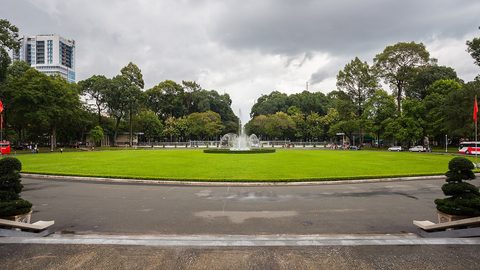 Reunification Palace
The Reunification Palace in Ho Chi Minh City is famous for its tank gate, but the basement war command bunker is the part that explains the building.
Reunification Palace
The Reunification Palace in Ho Chi Minh City is famous for its tank gate, but the basement war command bunker is the part that explains the building.
-
 War Remnants Museum
The War Remnants Museum in Ho Chi Minh City is the most emotionally affecting stop in the city. Here is what to expect and how to prepare.
War Remnants Museum
The War Remnants Museum in Ho Chi Minh City is the most emotionally affecting stop in the city. Here is what to expect and how to prepare.
More on Ho Chi Minh City
-
 Cu Chi Tunnels Day Trip From Ho Chi Minh City Ben Dinh vs Ben Duoc
Cu Chi has two tunnel sites: Ben Dinh for the quick half-day and Ben Duoc for the raw, uncrowded original. The difference decides your day trip from Ho Chi Minh City.
Cu Chi Tunnels Day Trip From Ho Chi Minh City Ben Dinh vs Ben Duoc
Cu Chi has two tunnel sites: Ben Dinh for the quick half-day and Ben Duoc for the raw, uncrowded original. The difference decides your day trip from Ho Chi Minh City.
-
 Mekong Delta Day Trip From Saigon What the Packaged Tour Actually Gets You
The standard Mekong Delta day trip from Saigon is a scripted coconut-candy circuit. The real floating markets at Cai Rang need an overnight stay and a pre-dawn start.
Mekong Delta Day Trip From Saigon What the Packaged Tour Actually Gets You
The standard Mekong Delta day trip from Saigon is a scripted coconut-candy circuit. The real floating markets at Cai Rang need an overnight stay and a pre-dawn start.
-
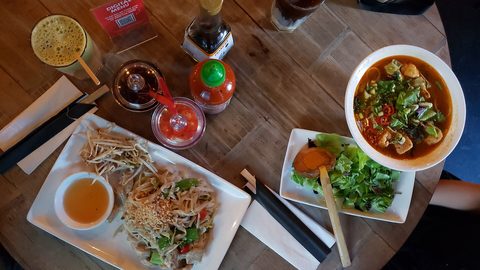 Saigon Coffee Guide Condensed Milk the Cafe Apartment and Ordering in Vietnamese
Saigon runs on robusta and condensed milk. This guide covers ca phe sua da at sidewalk carts, the Cafe Apartment at 42 Nguyen Hue, and how to order when the menu is Vietnamese.
Saigon Coffee Guide Condensed Milk the Cafe Apartment and Ordering in Vietnamese
Saigon runs on robusta and condensed milk. This guide covers ca phe sua da at sidewalk carts, the Cafe Apartment at 42 Nguyen Hue, and how to order when the menu is Vietnamese.
-
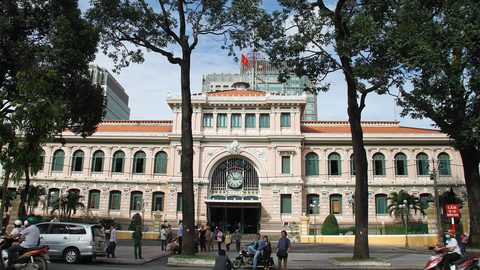 3 Days in Ho Chi Minh City Itinerary With the War Museum First and One Day Out
Three days in Ho Chi Minh City works best with the War Remnants Museum on day one, Cholon's markets on day two, and a day trip out of the city on day three.
3 Days in Ho Chi Minh City Itinerary With the War Museum First and One Day Out
Three days in Ho Chi Minh City works best with the War Remnants Museum on day one, Cholon's markets on day two, and a day trip out of the city on day three.
-
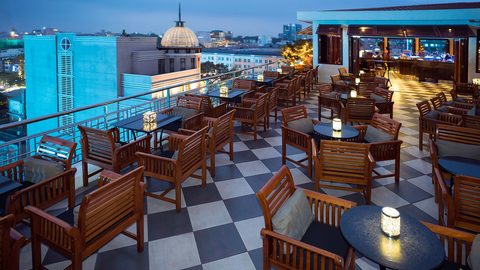 Saigon Nightlife Beyond Bui Vien the Rooftops and Bars Locals Actually Drink In
Saigon nightlife is not just Bui Vien. The real scene spans District 1 rooftops, Binh Thanh craft beer taprooms, and street-corner bia hoi on plastic stools.
Saigon Nightlife Beyond Bui Vien the Rooftops and Bars Locals Actually Drink In
Saigon nightlife is not just Bui Vien. The real scene spans District 1 rooftops, Binh Thanh craft beer taprooms, and street-corner bia hoi on plastic stools.
-
 Is Ho Chi Minh City Worth Visiting The Honest Reasons Many Prefer Hanoi
Ho Chi Minh City is worth visiting for urban adrenaline and street food, but many prefer Hanoi's old-quarter charm. The honest trade-offs, laid out.
Is Ho Chi Minh City Worth Visiting The Honest Reasons Many Prefer Hanoi
Ho Chi Minh City is worth visiting for urban adrenaline and street food, but many prefer Hanoi's old-quarter charm. The honest trade-offs, laid out.
Frequently Asked Questions About Ho Chi Minh City
Is Ho Chi Minh City safe for solo travellers?
Yes, with standard urban precautions. The main risks are bag and phone snatching by motorbike riders. Keep phones in zipped pockets, hold bags on the side away from the street, and use Grab for transport after dark. Street food is safe; eat where locals eat and where the queue is long.
How many days do I need in Ho Chi Minh City?
Three full days is the minimum: one for District 1 landmarks and the War Remnants Museum, one for Cholon's markets and temples, and one for food culture and a night out. Four days lets you add a Cu Chi Tunnels or Mekong Delta day trip. Five days lets you do both plus a deep food dive across multiple neighbourhoods.
What is the best time of year to visit?
December to March. This is the dry season with lower humidity, average temperatures around 27°C, and minimal rain. Avoid Tet holiday (late January to February) and late September to October (peak monsoon with street flooding).
How do I cross the street in Saigon?
Walk at a slow, predictable pace into moving traffic. Do not run. Do not stop. The motorbikes flow around you as long as you maintain a steady trajectory. Stopping breaks the pattern and creates danger.
Do I need a visa for Vietnam?
Thirteen nationalities get 45-day visa-free entry as of August 2025. All other nationalities can apply for a 90-day multiple-entry e-visa. Verify current rules on the Vietnam visa page before booking flights.
What should I avoid doing in Ho Chi Minh City?
Do not stay exclusively on Bui Vien Street and conclude the city has no charm. That area is a backpacker anomaly. Do not buy from taxi touts at the terminal; use Vinasun, Mai Linh, or Grab. Do not drink tap water. Do not walk with your phone visible on the street side of the pavement.
Is English widely spoken in Ho Chi Minh City?
In the central wards and tourist-facing businesses, yes. In Cholon, Phu Nhuan, and residential neighbourhoods, much less. The Grab app works in English. Learn basic food vocabulary in Vietnamese; it makes a difference at street stalls.
Read next
-
 Ho Chi Minh City Hotels From Converted Villas to Skydeck Towers by Price Band
Ho Chi Minh City hotels sorted by property type and price band, from converted District 3 villas to skydeck towers near the Saigon River.
Ho Chi Minh City Hotels From Converted Villas to Skydeck Towers by Price Band
Ho Chi Minh City hotels sorted by property type and price band, from converted District 3 villas to skydeck towers near the Saigon River.
-
 Ho Chi Minh City Where to Stay District by District for Every Travel Style
Where to stay in Ho Chi Minh City: a district-by-district breakdown of Saigon neighbourhoods from chaotic District 1 to the expat calm of Thao Dien.
Ho Chi Minh City Where to Stay District by District for Every Travel Style
Where to stay in Ho Chi Minh City: a district-by-district breakdown of Saigon neighbourhoods from chaotic District 1 to the expat calm of Thao Dien.
-
 Flying to Ho Chi Minh City Airport Guide and the Airlines That Serve SGN
Airlines flying into Tan Son Nhat Airport (SGN), terminal details, and a step-by-step arrival guide for getting from the plane into Ho Chi Minh City.
Flying to Ho Chi Minh City Airport Guide and the Airlines That Serve SGN
Airlines flying into Tan Son Nhat Airport (SGN), terminal details, and a step-by-step arrival guide for getting from the plane into Ho Chi Minh City.
-
 Ho Chi Minh City Things to Do Ranked From War History to Wholesale Flower Markets
Ho Chi Minh City things to do ranked with honest verdicts: which Saigon war-history sights, markets, and temples earn your three days and which to skip.
Ho Chi Minh City Things to Do Ranked From War History to Wholesale Flower Markets
Ho Chi Minh City things to do ranked with honest verdicts: which Saigon war-history sights, markets, and temples earn your three days and which to skip.
-
 Ho Chi Minh City Best Time to Visit Month by Month Avoiding Tet Closures and Monsoon Flooding
Ho Chi Minh City best time to visit month by month: dry season windows, Tet holiday closures that empty the city, and the monsoon flooding to avoid.
Ho Chi Minh City Best Time to Visit Month by Month Avoiding Tet Closures and Monsoon Flooding
Ho Chi Minh City best time to visit month by month: dry season windows, Tet holiday closures that empty the city, and the monsoon flooding to avoid.
-
 Ho Chi Minh City Getting Around Without Losing Your Phone or Your Nerve
Getting around Ho Chi Minh City: Grab app tactics, airport transfers from Tan Son Nhat, and how to cross a Saigon street without stopping or running.
Ho Chi Minh City Getting Around Without Losing Your Phone or Your Nerve
Getting around Ho Chi Minh City: Grab app tactics, airport transfers from Tan Son Nhat, and how to cross a Saigon street without stopping or running.
-
War Remnants Museum
The War Remnants Museum in Ho Chi Minh City is the most emotionally affecting stop in the city. Here is what to expect and how to prepare.
-
Reunification Palace
The Reunification Palace in Ho Chi Minh City is famous for its tank gate, but the basement war command bunker is the part that explains the building.
-
Ben Thanh Market
Ben Thanh Market in Ho Chi Minh City is a tourist trap for souvenirs but genuinely good for lunch. Here is what to eat and what to skip.