Shanghai Is Not Beijing. Here Is What That Means for Your Trip.
Shanghai hits visitors with a disorienting mix of futuristic skyline and lane-house nostalgia. Our hub orients you against Beijing and routes you to every planning page.
- Flag
-
- ISO code
- CN
- Population
- 24,874,500
- Currency
- CNY
- Timezone
- Asia/Shanghai
Shanghai is Not Beijing. Here is What That Means for Your Trip.
Shanghai has no imperial palace, no Temple of Heaven, no dynastic tomb complex. The oldest structure within the municipality is a mosque rebuilt in 1391. This is not a failure of the city. It is the point. Shanghai was built by commerce, not by emperors, and that changes everything about how you move through it. The street grids of the former International Settlement and the French Concession were laid out between the 1840s and the 1940s, not on an axial plan designed to impress a celestial mandate. They were built for trade, for movement, for the negotiation of space between treaty-port powers. The result is a city that rewards disorientation instead of monumentality. This shanghai travel guide starts from that fact: you are not here to check off dynastic sights. You are here to navigate a place that hides its soul behind unmarked doors and upper floor walk ups, not on the main boulevards.
- Minimum Stay: 3 full days. One for the Bund and Pudong, one for the French Concession and lane houses, one for a deep food crawl plus a contemporary art or water town half day.
- What a 4th Day Buys: One day trip to a water town: Suzhou, Zhujiajiao, or Xitang.
- What a 5th Day Buys: A deeper food neighbourhood crawl (Hongkou breakfast circuit, Old City back lanes) plus one contemporary art district (West Bund or M50).
- Peak Season: April to May and October to November. 15-25°C, clear skies, manageable humidity. October 1-7 is peak within peak.
- Avoid Window: Chinese New Year (late January or February, dates vary). Many independent eateries and shops close. Also avoid July and August: 35°C with 80% humidity plus typhoon downpours.
- Arrival: Pudong International (PVG): Maglev to Longyang Road in 8 minutes for ¥50 (¥40 with same day flight ticket), then Metro Line 2. Taxi to the Bund area takes 50-70 minutes, costs ¥180-250. Hongqiao International (SHA): Metro Line 10 to Nanjing Road East in 35 minutes for ¥5. Taxi takes 25-40 minutes, costs ¥50-80.
- Getting Around: Metro has 18 lines with English signage. Fares from ¥3. Get a Shanghai Public Transportation Card or use Alipay's transport QR code. Single journey tickets exist but queues slow you down. Metro stops around 22:30-23:00. No 24 hour service.
- The Organising Principle: Puxi (west of the Huangpu River) holds walkable low rise street life, food, and pre 1949 fabric. Pudong (east of the Huangpu River) holds the skyline, finance, and post 1990 planned development. You cross between them, not within them.
- Walkability: Approximately 64 km of former concession streets in the core with continuous ground floor retail and 2 to 4 storey human scale buildings.
- Coffee Density: Over 8,000 coffee shops citywide as of 2024, the highest count of any city globally. Verify the latest count with the Shanghai Coffee Association.
- First Timer Ease: English signage on Metro lines 1 to 18. International ATMs at both airports. Visa free transit up to 144 hours for 54 nationalities as of 2024. Check current eligibility with the National Immigration Administration.
Shanghai vs Beijing for First Timers: Which One First
If you are a first time visitor to mainland China and you want a soft landing, pick Shanghai. The English signage on all 18 Metro lines, the international ATMs at both airports, and the 144 hour visa free transit programme for 54 nationalities make entry and movement straightforward. Beijing's political and imperial monuments are more famous, but they demand more planning. The Forbidden City requires a timed reservation booked days ahead. The Great Wall needs a full day and a car or a bus. The distances in Beijing are larger, and the street grid is harder to navigate without Chinese characters.
Shanghai does not have a Ming or Qing imperial palace. It does not have a Temple of Heaven. If you came to China to see dynastic power, go to Beijing first. But if you came to see how 19th century treaty port commerce turned into a 21st century skyline, start here. The city concentrates commerce, street life, and early 20th century urban fabric. You can arrive at Pudong International, take the Maglev to Longyang Road in 8 minutes, transfer to Metro Line 2, and be standing on Nanjing Road East 40 minutes after landing. That speed, that directness, is the point.

What is Shanghai Known For: Skyline, Lane Houses, and Street Food That Hits First
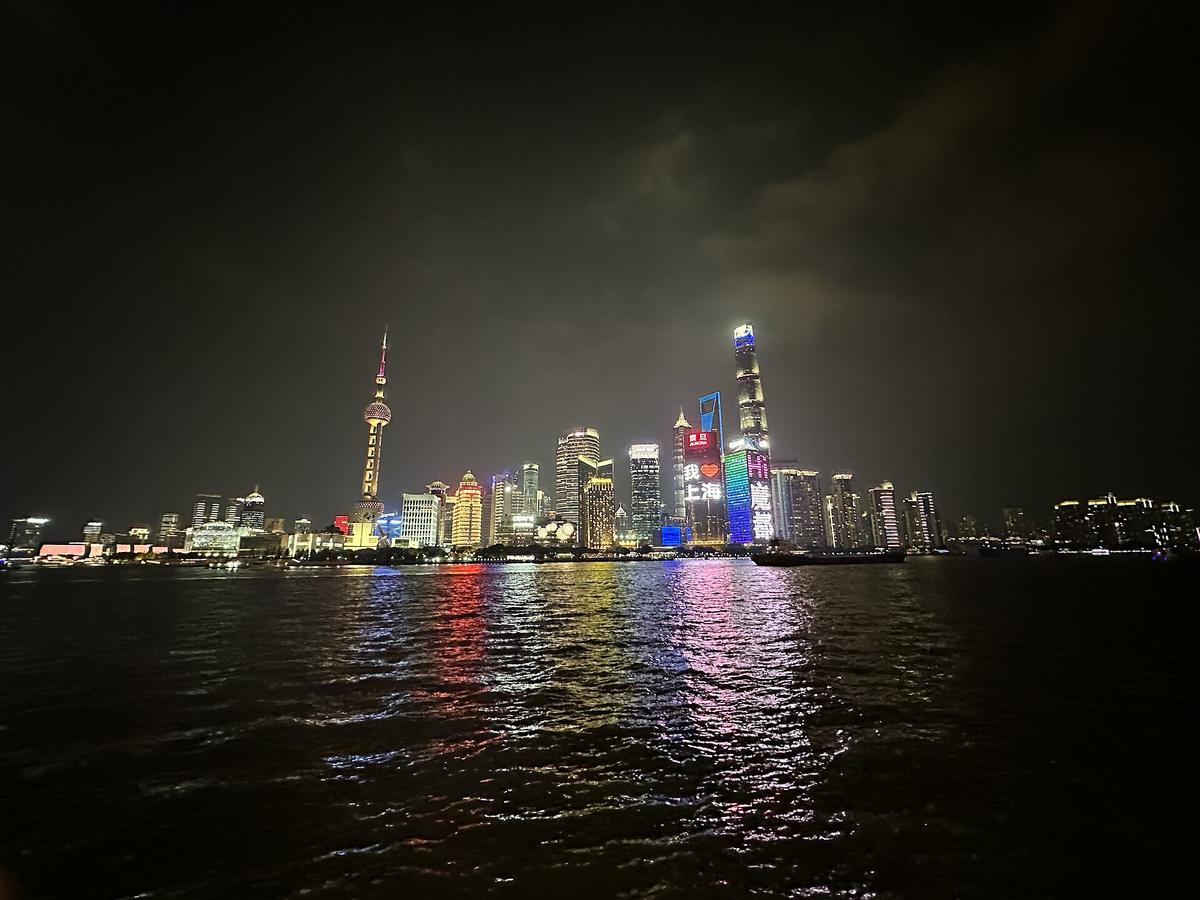
Shanghai is known for three things that Beijing cannot replicate. First, the skyline. Pudong's Lujiazui finance zone, designated as a Special Economic Zone in 1990, holds the Shanghai Tower with the world's highest observation deck. Book the Top of Shanghai in advance. It costs ¥180 and up. The Oriental Pearl Tower costs ¥199 and up. The Bund, on the Puxi side, gives you the colonial era waterfront view of that skyline for free. Best at blue hour.
Second, the lane houses. The Former French Concession is a grid of plane tree avenues and shikumen housing that survives from the 1840s to 1940s. The historic pockets here are fragments, not whole districts. You will find them behind a row of cafes, above a bakery, through an unmarked gate. Tianzifang is a tourist dense shikumen maze of shops. It is free. It is crowded. It is a place to orient yourself, not to linger. The real lane house experience lives in the alleys south of Huaihai Road and west of Fuxing Park, where residents still hang laundry and cook on shared landings.
Third, the street food that does not exist at the same level in Beijing. Shengjianbao at Da Hu Chun: pan fried pork buns with a crispy base and scalding broth. Congyou banmian, scallion oil noodles, at a hole in the wall shop for ¥10 to ¥15. Cifantuan, sticky rice stuffed with youtiao and pork floss, sold from a cart. Xiaolongxia, spicy crawfish, is a summer only street feast along Shouning Road. Hairy crab season runs September to October. Eat the roe and flesh with vinegar and ginger. These are not restaurant dishes you book weeks ahead. They are street level eats you find by walking, by following a queue, by letting the neighbourhood pull you in.
The Culinary Range
Street breakfast runs from ¥5 to ¥15. A Michelin three star tasting menu runs from ¥1,500 to ¥3,000 or more per person. The gap between them is the city's story.
| District | Best For | What It Costs | Time Budget |
|---|---|---|---|
| The Bund | Colonial architecture, Pudong skyline view | Free | 1.5 hours |
| Pudong Lujiazui | Observation decks, finance zone, mega malls | ¥180+ per deck | 3 hours |
| Former French Concession | Plane tree avenues, lane houses, cafe culture | Free to walk, ¥20-¥40 for museums | Half day |
| Jing'an | Upscale retail, corporate towers, Jing'an Temple | ¥20 for temple | 2 hours |
| Xintiandi | Restored shikumen, high end dining, boutique shopping | Free to walk | 2 hours |
| Old City (Yu Garden area) | Ming era bazaar, snack streets, tourist density | ¥40 for Yu Garden | 2 hours |
| West Bund | Contemporary art museums, riverside galleries | ¥20-¥60 per museum | Half day |
| Hongkou | Jewish heritage, Duolun Road culture, breakfast circuit | Free to walk | 3 hours |
| Suzhou Creek | Industrial chic regeneration, quieter waterfront walks | Free | 2 hours |
Shanghai Itinerary Planning: How to Build Days That Work
Crossing a district in Shanghai can swallow half a day. The common mistake is trying to see both sides of the Huangpu River in one morning, then cram the French Concession into the afternoon. That turns your trip into a Metro commute, not an experience. Plan by side of the river, not by sight.
Day One: Puxi Waterfront To Pudong Skyline
Start on the Bund at 06:30. The light is low, the crowds are thin, and the colonial facades face east into the sunrise. Walk the full 1.5 km from the Waibaidu Bridge to the Yan'an Road overpass. Then cross to Pudong. Take the Bund Sightseeing Tunnel only if you want a gimmick. Instead, take Metro Line 2 from Nanjing Road East to Lujiazui. Go up the Shanghai Tower first. Pre book the 09:30 slot. From the observation deck you can see the layout of the city below. That view will save you hours of wrong turns later. Descend, walk past the Oriental Pearl Tower and the Shanghai World Financial Centre. Do not queue for all three. One observation deck is enough. Spend the afternoon on the Pudong side at the China Art Museum in the China Pavilion. It is free with your passport. Book a time slot on WeChat before you go.
Day Two: The French Concession Lane House Circuit
Start at the Propaganda Poster Art Centre. It is a private collection in a basement. Book ahead. It costs ¥25. You will miss it if you do not have the Chinese characters ready. From there, walk south through the Former French Concession. Fuxing Park at 09:00 is full of locals practising calligraphy on the paving stones, dancing, playing cards. Then head east into the lane house blocks between Gaoyou Road and Yueyang Road. These are the 64 km of former concession streets with continuous ground floor retail and 2 to 4 storey human scale buildings. You can walk them for three hours without repeating a block. Stop at a hole in the wall for scallion oil noodles. Skip Tianzifang unless you want to see what a shikumen neighbourhood looks like when it has been converted into a souvenir market. Spend late afternoon at the Power Station of Art. It is a former power plant turned contemporary art museum. It costs ¥20 to ¥60. It is on the West Bund, which is a separate half day if you want to do it properly.
Day Three: Food Crawl And One Half Day Option
Morning in Hongkou. Start at the Duolun Road culture street for the early 20th century literary scene, then walk to the Shouning Road strip for xiaolongxia if it is summer. Otherwise, head to a shengjianbao shop. Da Hu Chun on Huanghe Road is the standard. Order four, eat them standing. The broth will burn your lip if you bite too fast. Afternoon, pick one. Either a contemporary art district: M50 Art District in a former textile mill, free, working artist studios, two hours. Or a water town half day. Zhujiajiao is reachable by Metro Line 17 in 60 minutes or by taxi in 45 minutes. The canal bridges and stinky tofu stalls are real, not a theme park. Entry costs ¥0 to ¥80 depending on which attractions you enter. If you have a fourth day, you can do a full water town day trip to Suzhou, 25 minutes by high speed rail from Shanghai Hongqiao, one way second class fare approximately ¥30 to ¥40, departures every 5 to 15 minutes.
What A Fifth Day Buys
A deeper food neighbourhood crawl through the Old City back lanes, plus one full contemporary art district like the West Bund or M50. The Old City around Yu Garden has snack streets that tourists flood but locals still use. Walk the lanes behind the tourist strip for real cifantuan and scallion oil noodles at half the price.

Shanghai Trip Planner: the Practical Decisions That Make or Break it
Four local frictions will derail your trip if you do not address them before you arrive.
- Cashlessness traps visitors who have not set up Alipay or WeChat Pay before arrival. Many vendors refuse cash entirely. Set up both before you leave home.
- Metro security checks at every station slow progress. Allow 5 extra minutes per entry during rush hour. The last train varies by line and stops around 22:30 to 23:00. No 24 hour service. If you are out past 23:00, you need a taxi, and hailing one on the street during rain or shift change from 16:00 to 18:00 is near impossible.
- Taxi drivers rarely speak English. Have destinations written in Chinese characters. During rain or shift change, use a ride hailing app on a Chinese number.
- Public toilets frequently lack soap and toilet paper. Carry both. Sidewalk traffic is a contact sport. E bikes and scooters use pedestrian paths silently and at speed. Do not walk with your phone in your hand.
Arrival And The First Hour
Take the Maglev from Pudong International. It costs ¥50, or ¥40 with your same day flight ticket. It reaches Longyang Road in 8 minutes. From there, transfer to Metro Line 2. A taxi to the Bund area takes 50 to 70 minutes and costs ¥180 to ¥250. From Hongqiao International, Metro Line 10 reaches central Nanjing Road East in 35 minutes for ¥5. A taxi takes 25 to 40 minutes and costs ¥50 to ¥80.
The Connectivity Trap
The Great Firewall blocks Google, WhatsApp, Instagram, Facebook, and X. You need a VPN installed and tested before departure. Free public Wi Fi requires a Chinese phone number for SMS verification. A local SIM or eSIM with a Chinese number unlocks app based services. Without it, ride hailing and some museum bookings become difficult or impossible.
Who Shanghai Suits and Who Should Skip it
Come to Shanghai if you are a first time China visitor wanting a soft landing. Come if you photograph architecture and skyline. Come if you chase street level eats over fine dining. Come if you are a luxury shopper or a contemporary art fan. Come if you are a business traveller with a free day who wants efficient, high impact sightseeing.
Skip Shanghai if you want walkable old towns with little English support. The historic pockets here are fragments, not whole districts. Skip it if you want immersion in classical Chinese gardens and imperial history. Suzhou and Beijing deliver that far better. Skip it if you want an ancient capital atmosphere with imperial era UNESCO monuments. Beijing and Xi'an are the right cities for that. Shanghai is a commercial city built on treaty port trade. It hides its soul behind unmarked doors and upper floor walk ups. If that sounds like work instead of a holiday, go somewhere else.
What to See in Shanghai
-
 Shanghai Museum
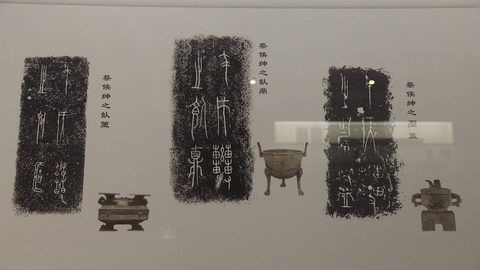
The Shanghai Museum now spans two buildings. Here is exactly which collections live where, and how to book free tickets for both.
Shanghai Museum
The Shanghai Museum now spans two buildings. Here is exactly which collections live where, and how to book free tickets for both.
-
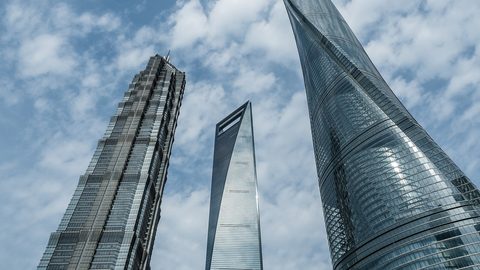 Shanghai Tower
 is 632 metres with the world's fastest lift, but a Jin Mao bar drink, the World Financial Center deck, or the free Pudong riverside walk offer the same skyline for less.
Shanghai Tower
Shanghai Tower is 632 metres with the world's fastest lift, but a Jin Mao bar drink, the World Financial Center deck, or the free Pudong riverside walk offer the same skyline for less.
-
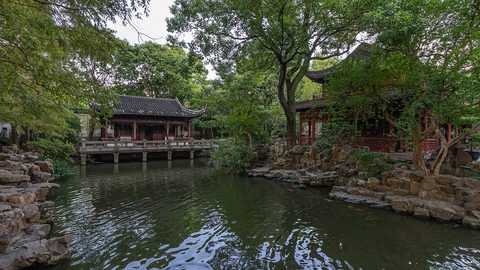 Yu Garden
 is a genuine 16th-century Ming garden behind walls most visitors never enter, trapped in the souvenir bazaar outside. Here is what is inside and how to get there.
Yu Garden
Yu Garden is a genuine 16th-century Ming garden behind walls most visitors never enter, trapped in the souvenir bazaar outside. Here is what is inside and how to get there.
-
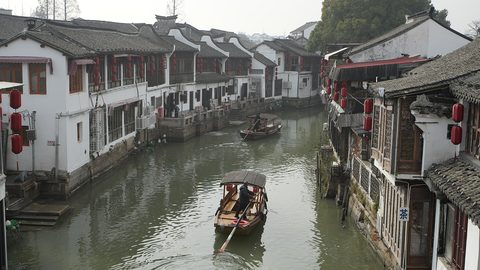 Zhujiajiao
 is an hour from People's Square by Metro Line 17. Here is the exit route, the bridge that matters, and how to handle the crowds.
Zhujiajiao
Zhujiajiao is an hour from People's Square by Metro Line 17. Here is the exit route, the bridge that matters, and how to handle the crowds.
More on Shanghai
-
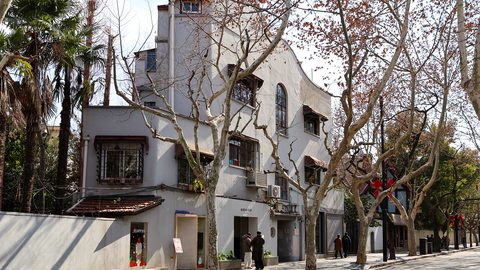 A Shanghai French Concession Walking Route With the Street Names in Order
A turn-by-turn walking route through Shanghai's French Concession, with streets named in the order you meet them and lane houses flagged.
A Shanghai French Concession Walking Route With the Street Names in Order
A turn-by-turn walking route through Shanghai's French Concession, with streets named in the order you meet them and lane houses flagged.
-
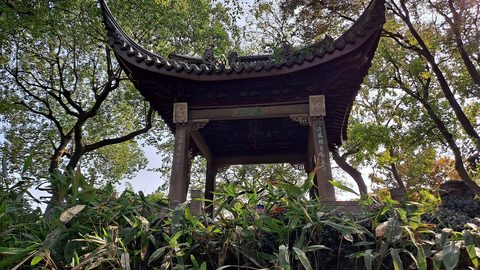 Shanghai to Suzhou Day Trip Which Two Classical Gardens to Pick
Suzhou is 25 minutes from Shanghai Hongqiao by train. Here is which two classical gardens to pick and how to sequence them in a single day.
Shanghai to Suzhou Day Trip Which Two Classical Gardens to Pick
Suzhou is 25 minutes from Shanghai Hongqiao by train. Here is which two classical gardens to pick and how to sequence them in a single day.
-
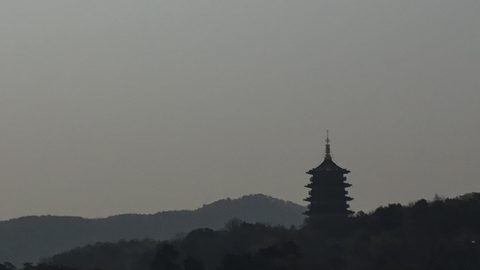 Shanghai to Hangzhou Day Trip the Honest Answer About Doing West Lake in a Day
Hangzhou is an hour from Shanghai by train, but West Lake is vast. Here is the honest scope of a single-day trip and what you must skip.
Shanghai to Hangzhou Day Trip the Honest Answer About Doing West Lake in a Day
Hangzhou is an hour from Shanghai by train, but West Lake is vast. Here is the honest scope of a single-day trip and what you must skip.
-
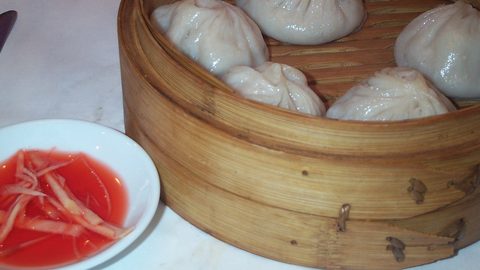 Shanghai Xiaolongbao Guide What Separates a Good Soup Dumpling From a Tourist One
Shanghai xiaolongbao range from sublime to stodgy. Learn the visual and textural tells, then eat both kinds at two specific addresses.
Shanghai Xiaolongbao Guide What Separates a Good Soup Dumpling From a Tourist One
Shanghai xiaolongbao range from sublime to stodgy. Learn the visual and textural tells, then eat both kinds at two specific addresses.
-
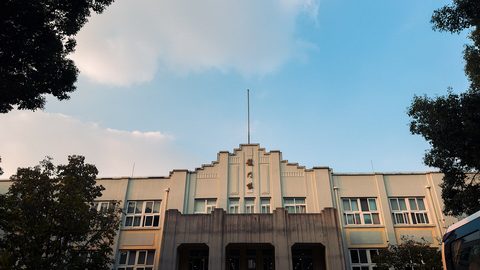 Shanghai Art Deco Architecture Where to Find the Largest Collection Outside New York
Shanghai has the largest Art Deco collection outside New York. Here are the buildings beyond the Bund and which interiors you can enter.
Shanghai Art Deco Architecture Where to Find the Largest Collection Outside New York
Shanghai has the largest Art Deco collection outside New York. Here are the buildings beyond the Bund and which interiors you can enter.
-
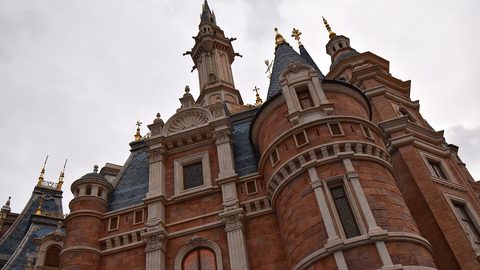 Shanghai With Kids Which Sights Survive Contact With Children
Which Shanghai sights survive contact with children, the two big days out that work, and the attractions to skip with kids in tow.
Shanghai With Kids Which Sights Survive Contact With Children
Which Shanghai sights survive contact with children, the two big days out that work, and the attractions to skip with kids in tow.
-
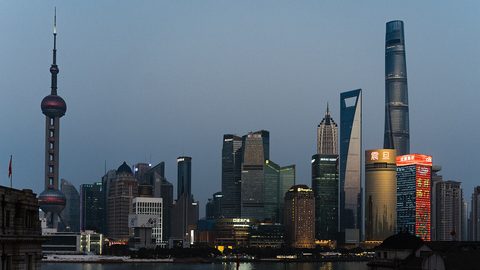 Is Shanghai Worth Visiting in 2025 Honest Pros and Cons
Shanghai is worth visiting for skyline photographers, street-food obsessives, and first-time China visitors wanting a soft landing—but skip it if you want quaint old towns or imperial history.
Is Shanghai Worth Visiting in 2025 Honest Pros and Cons
Shanghai is worth visiting for skyline photographers, street-food obsessives, and first-time China visitors wanting a soft landing—but skip it if you want quaint old towns or imperial history.
Common Questions
Should I visit Shanghai or Beijing first?
If you want a soft landing with English signage on the Metro, international ATMs, and 144 hour visa free transit, start with Shanghai. If you came to see dynastic power, imperial palaces, and the Great Wall, go to Beijing first.
How many days do I need in Shanghai?
3 full days minimum. One for the Bund and Pudong, one for the French Concession and lane houses, one for a food crawl plus a half day option. A 4th day buys a water town day trip. A 5th day buys a deeper food neighbourhood crawl plus one art district.
What is the best time of year to visit Shanghai?
April to May and October to November. Temperatures between 15 and 25°C with clear skies and manageable humidity. Avoid October 1 to 7, National Day week, when domestic tourism peaks. Avoid July and August: 35°C with 80% humidity and typhoon downpours.
What should I avoid doing in Shanghai?
Trying to see both sides of the Huangpu River in one morning and cram the French Concession into the afternoon. The distances are too large. Plan by side of the river, not by sight.
Can I use cash in Shanghai?
Many vendors refuse cash entirely. Set up Alipay or WeChat Pay before arrival. Carry a small amount of cash for emergencies, but expect most transactions to be cashless.
Is Shanghai walkable?
Approximately 64 km of former concession streets in the core have continuous ground floor retail and 2 to 4 storey human scale buildings. The French Concession and Hongkou are walkable. Pudong is not. Use the Metro between districts.
What is the best way to get from Pudong Airport to the city?
The Maglev to Longyang Road takes 8 minutes and costs ¥50 (¥40 with same day flight ticket). Transfer to Metro Line 2. A taxi to the Bund area takes 50 to 70 minutes and costs ¥180 to ¥250.
Read next
-
 Shanghai Hotels by Property Type and Price Band — Bund Palaces to Lane-House Stays
Shanghai hotels sorted by property type and price band: Bund river-view icons, French Concession lane-house boutiques, Pudong towers, and budget-smart Metro-side picks.
Shanghai Hotels by Property Type and Price Band — Bund Palaces to Lane-House Stays
Shanghai hotels sorted by property type and price band: Bund river-view icons, French Concession lane-house boutiques, Pudong towers, and budget-smart Metro-side picks.
-
Where to Stay in Shanghai — Choosing Your Base Across 10 Districts
Choosing where to stay in Shanghai shapes everything. Compare the French Concession, Bund, Jing'an, and Pudong across atmosphere, walkability, and after-dark personality.
-
 Flying to Shanghai Pudong and Hongqiao Airports Without the Arrival Chaos
Compare Shanghai Pudong and Hongqiao airports on arrival logistics: Maglev steps, Metro Line 10 timing, taxi costs, and which airport wastes less of your first day.
Flying to Shanghai Pudong and Hongqiao Airports Without the Arrival Chaos
Compare Shanghai Pudong and Hongqiao airports on arrival logistics: Maglev steps, Metro Line 10 timing, taxi costs, and which airport wastes less of your first day.
-
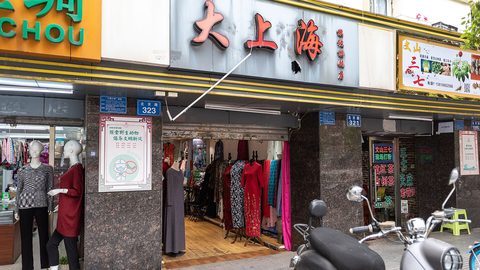 Things to Do in Shanghai — Ranked Sights and What to Skip With Only Days
Shanghai sights ranked and argued: the Bund at blue hour, Shanghai Tower versus Oriental Pearl, Yu Garden's tradeoffs, and what to skip when days are short.
Things to Do in Shanghai — Ranked Sights and What to Skip With Only Days
Shanghai sights ranked and argued: the Bund at blue hour, Shanghai Tower versus Oriental Pearl, Yu Garden's tradeoffs, and what to skip when days are short.
-
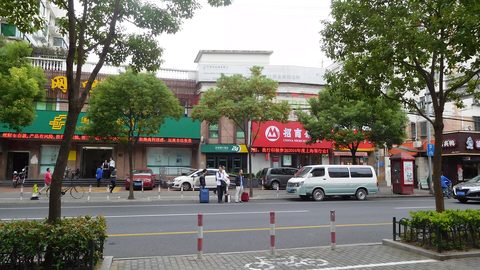 Best Time to Visit Shanghai — Month-by-Month Weather, Crowds, and Closures
Shanghai's best months are April–May and October–November, but each carries a tradeoff. Month-by-month weather, crowd surges, festival timing, and closure periods.
Best Time to Visit Shanghai — Month-by-Month Weather, Crowds, and Closures
Shanghai's best months are April–May and October–November, but each carries a tradeoff. Month-by-month weather, crowd surges, festival timing, and closure periods.
-
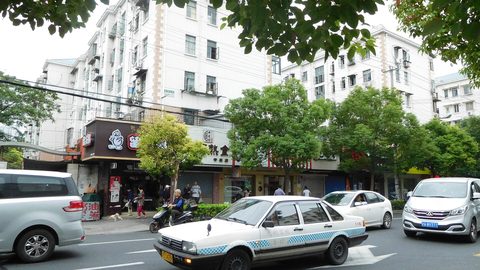 Getting Around Shanghai — Metro Card Tricks, Taxi Traps, and the 11pm Stranding
Shanghai's Metro shuts around 11pm and taxis vanish during shift change. Learn the transport card trick, Alipay QR setup, and how to avoid getting stranded.
Getting Around Shanghai — Metro Card Tricks, Taxi Traps, and the 11pm Stranding
Shanghai's Metro shuts around 11pm and taxis vanish during shift change. Learn the transport card trick, Alipay QR setup, and how to avoid getting stranded.
-
Yu Garden
Yu Garden is a genuine 16th-century Ming garden behind walls most visitors never enter, trapped in the souvenir bazaar outside. Here is what is inside and how to get there.
-
Shanghai Tower
Shanghai Tower is 632 metres with the world's fastest lift, but a Jin Mao bar drink, the World Financial Center deck, or the free Pudong riverside walk offer the same skyline for less.
-
Shanghai Museum
The Shanghai Museum now spans two buildings. Here is exactly which collections live where, and how to book free tickets for both.