Cheung Chau: Buns, Bikes and a Pirate's Cave an Hour from Central
Cheung Chau is a car-free fishing island an hour out from Central, with a pirate cave and a festival built of buns.
- Flag
-
- ISO code
- HK
- Currency
- HKD
- Timezone
- Asia/Hong_Kong
Cheung Chau: Buns, Bikes and a Pirate’s Cave an Hour from Central
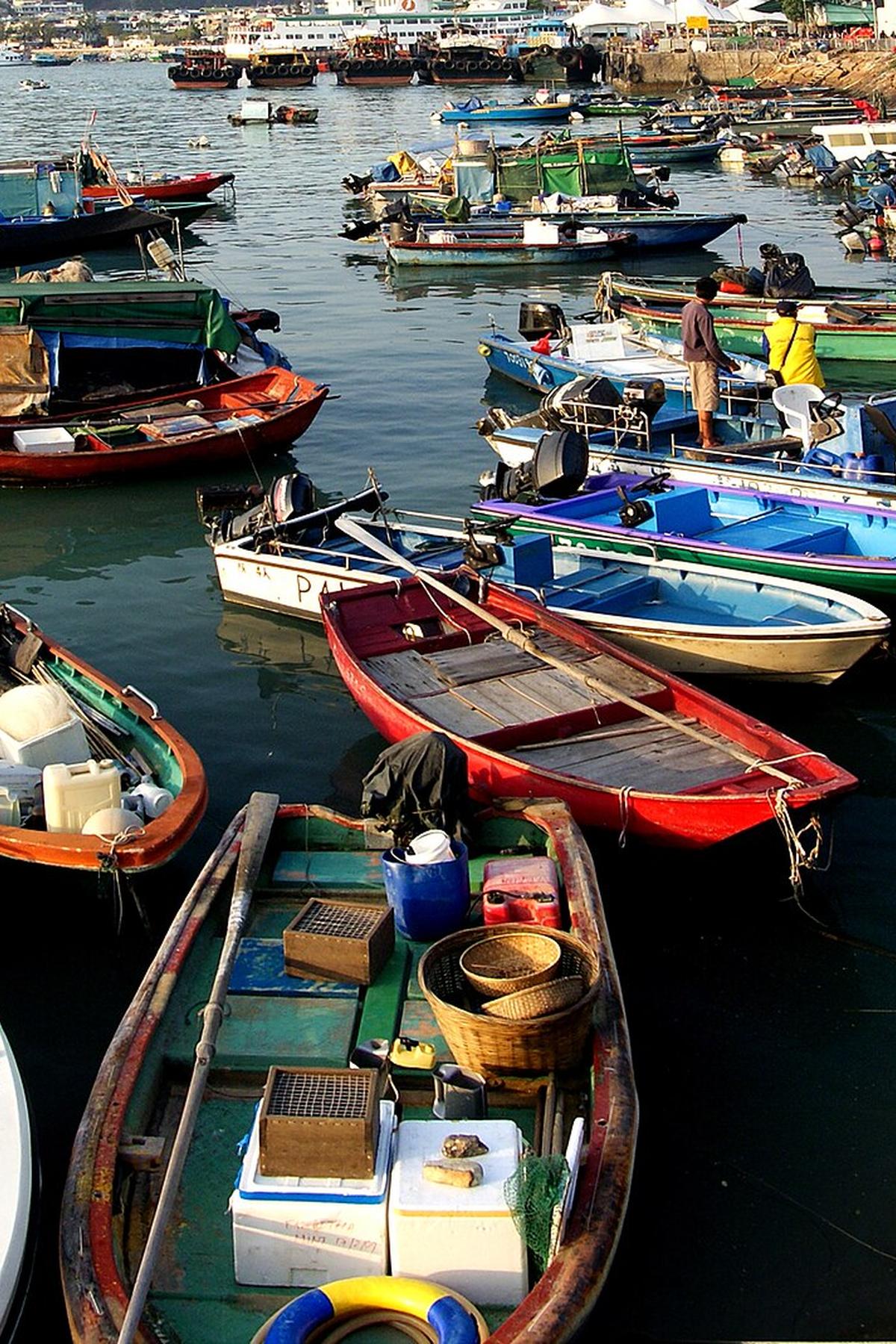
The problem with a Cheung Chau Hong Kong day trip is that most guides only talk about the Bun Festival. That is one day a year. The rest of the time, this dumbbell-shaped island of 20,000 people runs on its own rhythm. Fishing junks stack the harbour. Fire engines and ambulances are the only motor vehicles on the island. Bicycles outnumber pedestrians on the narrow lanes behind Praya, the main waterfront street. Walk south past the temples and the windsurfing beach at Tung Wan and you reach a cave that belonged to a pirate who controlled the South China Sea in the early 19th century. The ferry from Central Pier 5 costs less than a coffee. Go on a Tuesday in November, when the humidity drops and the crowds thin out.
The Cheung Chau Ferry from Central: Which Boat to Take
Ordinary Ferry Versus Fast Ferry
The ferry is your only way onto this car free island. Sun Ferry runs two services from Central Pier 5. The ordinary ferry takes one hour. The fast ferry cuts the journey to 35 minutes. Fares sit in two bands: roughly HK$14 to HK$22 for the ordinary boat and HK$29 to HK$43 for the fast boat, depending on the day. Sun Ferry sets the prices and publishes the timetable online. The schedule changes each year, so check the 2026 version before you plan the return. The last ordinary ferry departs Cheung Chau at 23:45. The last fast ferry goes at 22:40. Miss the last boat and you are looking at a taxi ride back to a Kowloon hotel after you reach Central by whatever means is still running.
How To Board Without The Crowd
Arrive at Pier 5 by 07:30 on a Saturday morning. The 08:00 ordinary ferry is half empty. The 09:30 boat is shoulder to shoulder with families carrying beach gear and foldable chairs. Take the upper deck for the harbour views on the way out. The skyline shrinks, the container ships thin out, and by the time you see the bun-shaped hill at the island's centre you have already left the vertical city behind.
.jpg)
What the Cheung Chau Bun Festival Actually Looks Like
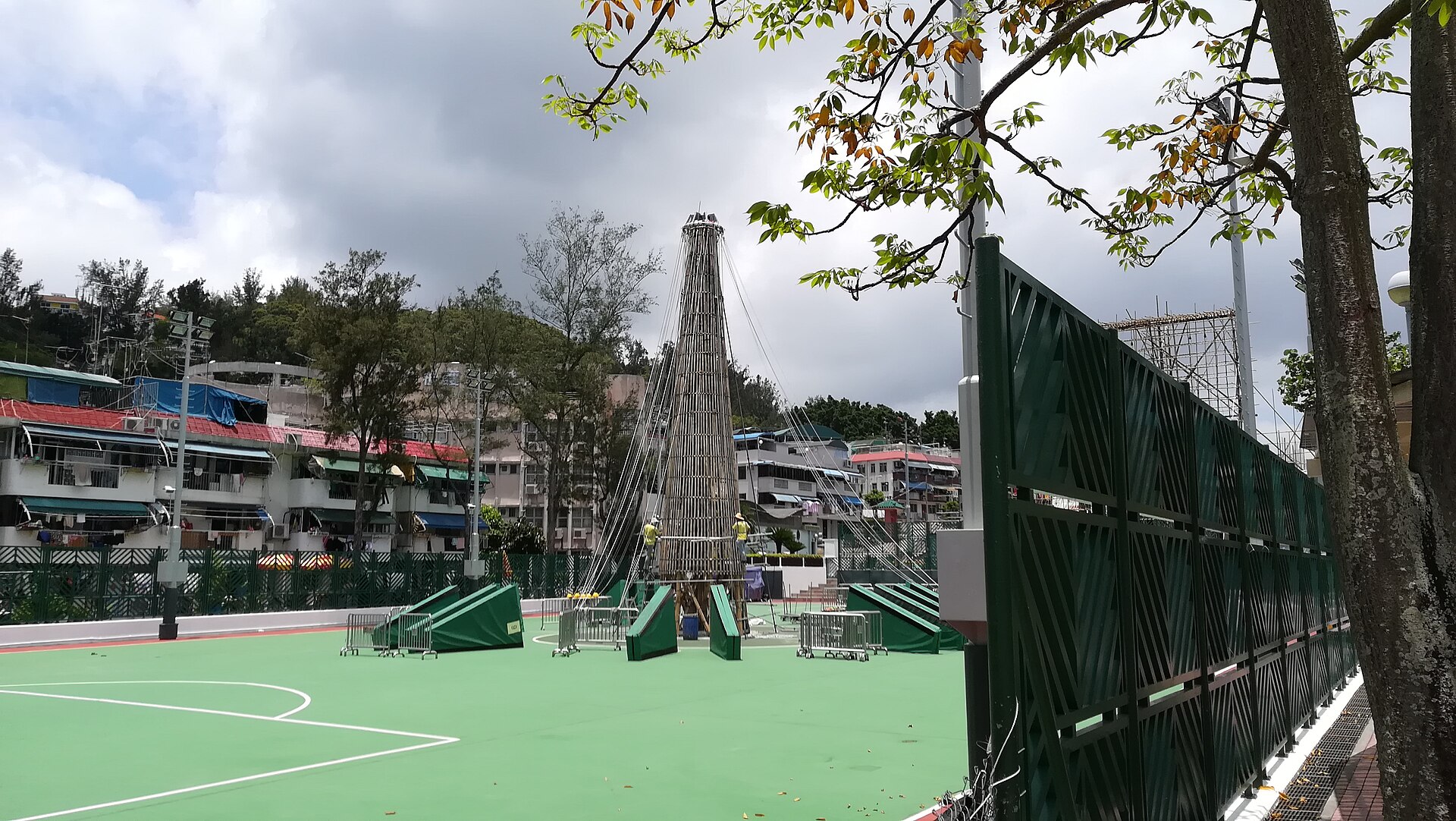
The Cheung Chau Bun Festival falls on the eighth day of the fourth month of the lunar calendar, which is Buddha's Birthday. In 2026 that date is 5 May. The entire island turns vegetarian for the day. The main structures are three giant bun towers made of bamboo and covered in steamed white buns. The parade features floating children, costumed and suspended on poles above the crowd as if walking on air. The ferries are overwhelmed.
Stay Overnight, Or Skip It
Book a guesthouse on Cheung Chau at least six months ahead. Nightly rates range from about HK$400 to HK$1,200 depending on the season and the property. During the festival even the top of that band sells out first. Stay overnight. The daytime crowd leaves by the last ferry and the island goes quiet after 22:00, which is when the lanterns on the bun towers look best. Arrive on the day without accommodation and you will queue for a return ferry with thousands of other people who made the same mistake. The atmosphere is genuine and local, not a tourist board production. Respect the vegetarian rule. The dai pai dongs on Praya will not serve meat, and you should not ask them to.
Cheung Chau Pirate Cave: Cheung Po Tsai Cave at the Southern Tip
Cheung Po Tsai was a real pirate who operated in the early 19th century. He commanded a fleet of several hundred junks, kidnapped government officials, and reportedly buried treasure on Cheung Chau. The cave that carries his name is at the far end of the island, about a 40 minute walk from the ferry pier. The entrance is narrow and low. You will need a phone torch and you will crouch. The cave runs roughly 90 metres through the granite and emerges on the other side of the headland overlooking the sea.
Walk The Southern Loop First
The path to the cave follows the Family Walk round the lower loop, a paved route that also passes the Mini Great Wall, a set of rock formations along the coast. Do not attempt the cave in August. The heat inside is oppressive, the humidity condenses on the rock walls, and the mosquitoes are aggressive. Go in late October or early November when the temperature sits around 20 to 28 degrees Celsius and the air is dry. The walk from the cave back to the village takes you past the seafood restaurants on Praya. That is where you eat after the hike, not before.
Cheung Chau Bike Rental: How to Get Around Without a Car
Bicycles are the only practical way to cover the island's three kilometres of developed coastline in under two hours. Cheung Chau bike rental shops cluster around the ferry pier and along the lanes behind Praya. The daily rate runs from HK$30 to HK$60. You do not need to book ahead on a weekday. On a summer weekend the shops run out of bikes by 11:00. Check the brakes before you take it. The roads are concrete, the gradient on the lower headland is steeper than it looks from the ferry, and the bike you rent may have been sitting in salt air for six months.
Where To Ride, Where To Walk
Tung Wan Beach on the east side is flat and rideable. The headland trails are not. Lock the bike if you leave it anywhere. People do steal them during the Bun Festival. The best route is a loop: ride north along the Praya past the seafood area, turn east at the sports ground, cross to Tung Wan Beach, then cut inland through the village grid and back to the pier. That takes 45 minutes at a slow pace. The lower loop with the cave is walkable but not rideable on a rental bike. Park it at the beach and walk the headland.
Pak Tai Temple and the Waterfront Temples
Pak Tai Temple was built in 1783 and sits on the northern end of Praya facing the harbour. It is the island's main temple and the centre of the Bun Festival activity. The roof ridges are heavy with ceramic figures, the interior holds a 19th century wooden sedan chair used in the parade, and the main altar is blackened by incense smoke. Arrive before 10:00 when the tour groups arrive. The temple is active, not a museum. Locals come through to light incense and pray. Stand at the back for a few minutes and watch the rhythm of it.
Smaller Temples Along The Waterfront
There are smaller temples along the waterfront between the pier and Pak Tai, including a Tin Hau temple dedicated to the goddess of fishermen. Cheung Chau's identity was shaped by fishing, and those temples mark the working relationship between the island and the sea. The Praya itself is the island's main street. The seafood restaurants set up their tanks on the pavement here. The water in front of them is opaque with boat traffic. Walk the full length of it once, then leave it for the quieter lanes behind.

Contrasts: the Village Centre Versus the Coastal Trails
The village centre behind Praya is dense. Narrow lanes, open front shops selling dried squid and fried tofu, bicycles wedged against walls, laundry hanging across the alleyway above your head. It is loud and it smells like frying oil and seawater. That is the Cheung Chau that makes summer weekends feel crowded.
The Quiet Side Of The Island
The coastal trails are the opposite. The Family Walk round the lower loop is quiet even in August. You see the sea on both sides. The headland is grassy and the wind is constant. The Mini Great Wall section gives you views back toward Lantau Island and the container port beyond. The island is bad at providing shade on the trails. Carry water, wear a hat, and do not start the lower loop after 14:00 in summer. The path has no cover. The contrast between the two Cheung Chaus is what makes the day trip worth the ferry ride. You step off the boat into a village that feels like a small town in Guangdong province fifty years ago, and twenty minutes later you are alone on a headland looking at the South China Sea. No other destination in Hong Kong does that as easily.
A Honest Caveat
Cheung Chau is not Lamma Island. It is not Sai Kung. It does not have the hiking infrastructure of Lantau or the seafood variety of the typhoon shelter crab restaurants in Causeway Bay. The bike rentals are basic. The ferry schedule is tight enough that you need to plan the return before you start the walk. The summer weekends are crowded enough that the narrow streets behind Praya feel like the Mong Kok night markets without the neon. The island works best for someone who wants a single concrete experience: walk the lower loop, see the cave, eat seafood on the Praya, and be back on the 17:00 ferry. That is a good day. It is not a full day. Do not try to stretch it into one by adding a second hike or a long beach session. The island is small. The density of the village is what makes it interesting. Accept that and you will have the right afternoon.
Common Questions
Is Cheung Chau worth a day trip from Central?
Yes, but only if you leave early and walk the lower loop. The ferry takes 35 to 60 minutes. The village is walkable in an hour. The headland trails and the pirate cave fill another two hours. You can do it in a half day. The boat schedule matters more than the itinerary.
What is the best time of year to visit Cheung Chau?
October to early December. Clear skies, low humidity, temperatures between 20 and 28 degrees Celsius. Avoid August for heat and typhoon risk. Avoid the Bun Festival day unless you have accommodation booked.
Can you stay overnight on Cheung Chau?
Yes. Guesthouses and small hotels charge between HK$400 and HK$1,200 per night depending on the season. Book ahead during the Bun Festival and summer weekends. Most properties are behind Praya near the pier.
How do you get to Cheung Chau from Central?
Sun Ferry from Central Pier 5. Ordinary ferry takes one hour. Fast ferry takes 35 minutes. Fares are roughly HK$14 to HK$43 depending on the boat and the day. Check the 2026 timetable online before you go. The last ordinary ferry back is at 23:45.
Is the Cheung Chau Bun Festival worth seeing?
It is genuine and local. The bun towers, the floating children parade, and the island wide vegetarian rule make it unique. Arrive the night before or stay overnight. Day tripping from Central on the day of the festival is not realistic because the ferries are overwhelmed.
Do you need to rent a bike on Cheung Chau?
Not strictly. The island is walkable. A bike lets you cover more ground faster and reach Tung Wan Beach without the walk. The daily rental runs from HK$30 to HK$60. The lower headland trails are not rideable on a standard rental bike.
Is the Cheung Po Tsai pirate cave worth the walk?
Yes if you want the physical experience of crawling through a 90 metre granite tunnel that a real pirate used. No if you expect a curated attraction. The cave is dark, damp, and unlit. Take a torch. The lower loop walk that leads to it is the best part of the island.
Read next
-
 Hong Kong eSIM and Data Plans Before You Land
Hong Kong has no internet firewall. A cheap eSIM or tourist SIM from the airport gives you fast data for Google Maps and WhatsApp from the moment you land.
Hong Kong eSIM and Data Plans Before You Land
Hong Kong has no internet firewall. A cheap eSIM or tourist SIM from the airport gives you fast data for Google Maps and WhatsApp from the moment you land.
-
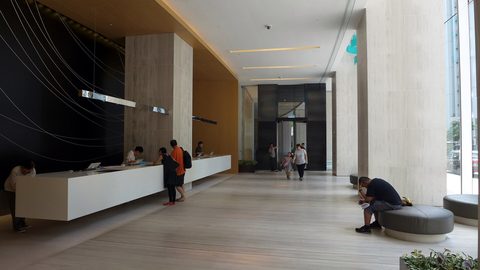 Hong Kong Hotels by Price Band and Property Type
Hong Kong hotel rooms are small, but the difference between a luxury harbour-view tower and a Mong Kok budget room is enormous.
Hong Kong Hotels by Price Band and Property Type
Hong Kong hotel rooms are small, but the difference between a luxury harbour-view tower and a Mong Kok budget room is enormous.
-
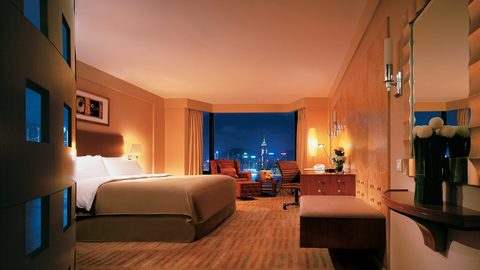 Where to Stay in Hong Kong Island or Kowloon for a First Visit
Hong Kong Island puts you in the financial and dining core, while Kowloon gives you harbour views and street life. The street you pick matters more than the district.
Where to Stay in Hong Kong Island or Kowloon for a First Visit
Hong Kong Island puts you in the financial and dining core, while Kowloon gives you harbour views and street life. The street you pick matters more than the district.
-
 How to Find Cheap Flights to Hong Kong International Airport
Hong Kong has one airport, a lot of airline competition, and a fast train into the city. The routing tricks are in the booking, not the arrival.
How to Find Cheap Flights to Hong Kong International Airport
Hong Kong has one airport, a lot of airline competition, and a fast train into the city. The routing tricks are in the booking, not the arrival.
-
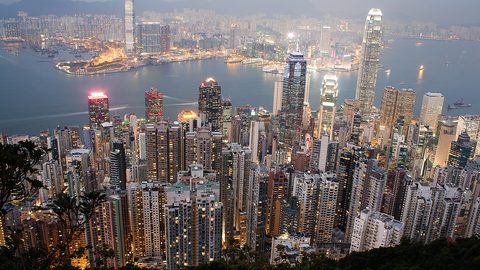 Things to Do in Hong Kong Ranked by What Is Worth Your Time
Victoria Peak, the Star Ferry, and a serious hike earn their fame. Some other Hong Kong sights do not.
Things to Do in Hong Kong Ranked by What Is Worth Your Time
Victoria Peak, the Star Ferry, and a serious hike earn their fame. Some other Hong Kong sights do not.
-
 Best Time to Visit Hong Kong for Clear Skies and Low Humidity
October to December offers the best balance of clear skies and low humidity, but every other season trades weather for lower prices or festivals.
Best Time to Visit Hong Kong for Clear Skies and Low Humidity
October to December offers the best balance of clear skies and low humidity, but every other season trades weather for lower prices or festivals.
-
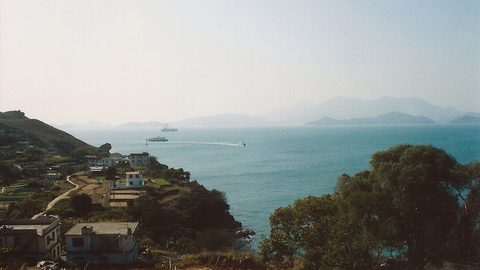 Lamma Island
 is two villages, one easy walk between them, and no cars at either end.
Lamma Island
Lamma Island is two villages, one easy walk between them, and no cars at either end.
-
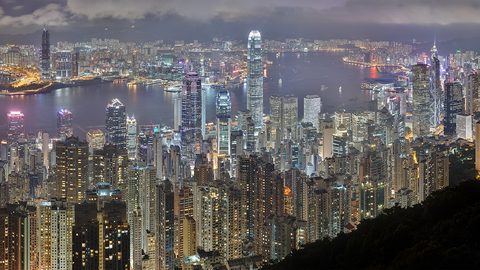 Victoria Peak
The view from Victoria Peak is the point; the tram queue is the problem, and there are four other ways up.
Victoria Peak
The view from Victoria Peak is the point; the tram queue is the problem, and there are four other ways up.
-
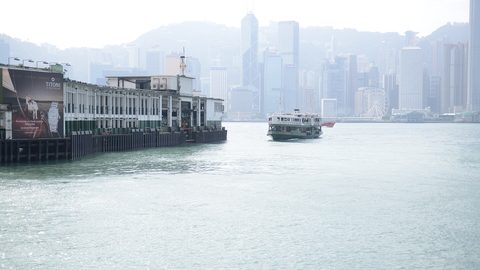 Star Ferry
The Star Ferry costs HK$5, takes 10 minutes, and the upper deck heading from Tsim Sha Tsui to Central gives the best skyline view.
Star Ferry
The Star Ferry costs HK$5, takes 10 minutes, and the upper deck heading from Tsim Sha Tsui to Central gives the best skyline view.