Sham Shui Po, Kowloon: Working-Class Streets and Serious Eating
Sham Shui Po is Hong Kong's poorest district and its most compelling argument for eating your way through a neighbourhood.
- Flag
-

- ISO code
- HK
- Currency
- HKD
- Timezone
- Asia/Hong_Kong
Sham Shui Po, Kowloon: Working-Class Streets and Serious Eating
At 11:00 on a Tuesday, Pei Ho Street is already loud. A woman in a beaded apron guts a bucket of grey mullet under a fluorescent tube. Next to her, a stack of bean-sprout bundles sweats in the heat. Across the road, the metal shutters of a dai pai dong are half up, and the cook is ladling congee into polystyrene bowls for men who have been carrying boxes since six. This is not Hong Kong for beginners. This is Sham Shui Po, and this guide is for the visitor who wants the version of the city that does not appear in the luxury hotel brochures.
Sham Shui Po Food Scene: Where the Bib Gourmands Hide
Sham Shui Po has the highest concentration of dai pai dong licences in Hong Kong and a row of Michelin Bib Gourmand stalls that draws food writers from across the region. The reason is simple: rents are lower here, so the person cooking is often the person who owns the recipe, not a line cook following a corporate manual.
Kung Wo Beancurd Factory
At 118 Pei Ho Street, Kung Wo Beancurd Factory has been making tofu pudding since the 1960s. The texture is the point: silken enough to break on contact with a spoon, served warm with a thin ginger syrup. Expect to pay around HK$10 to HK$12 for a bowl; the stall sets its prices daily. The pan-fried tofu, crusty on the outside and custard-soft within, comes with a soy dip. Arrive before 15:00. They sell out most days.
Kwan Kee Store
Kwan Kee Store on Nam Cheong Street specialises in traditional Chinese puddings and the white sugar cake that is nearly extinct elsewhere in Kowloon. The texture of the sugar cake is bouncy, almost gelatinous, with a faint fermented sweetness. It is a morning item. By 13:00 the tray is empty.
Hop Yik Tai
Hop Yik Tai on Fuk Wa Street makes rice rolls that are rolled by hand, not machine. The rice sheets are thicker than standard, with a chew that comes from resting the batter overnight. Order the one with dried shrimp and scallion. It costs under HK$20 and comes with a sweet soy and sesame dip.
None of these places take credit cards. Bring cash or an Octopus card. Carry small notes. The queues are real but short if you arrive at 11:30, when the breakfast rush ends and the lunch crowd has not yet started.
Pei Ho Street Cooked Food Market
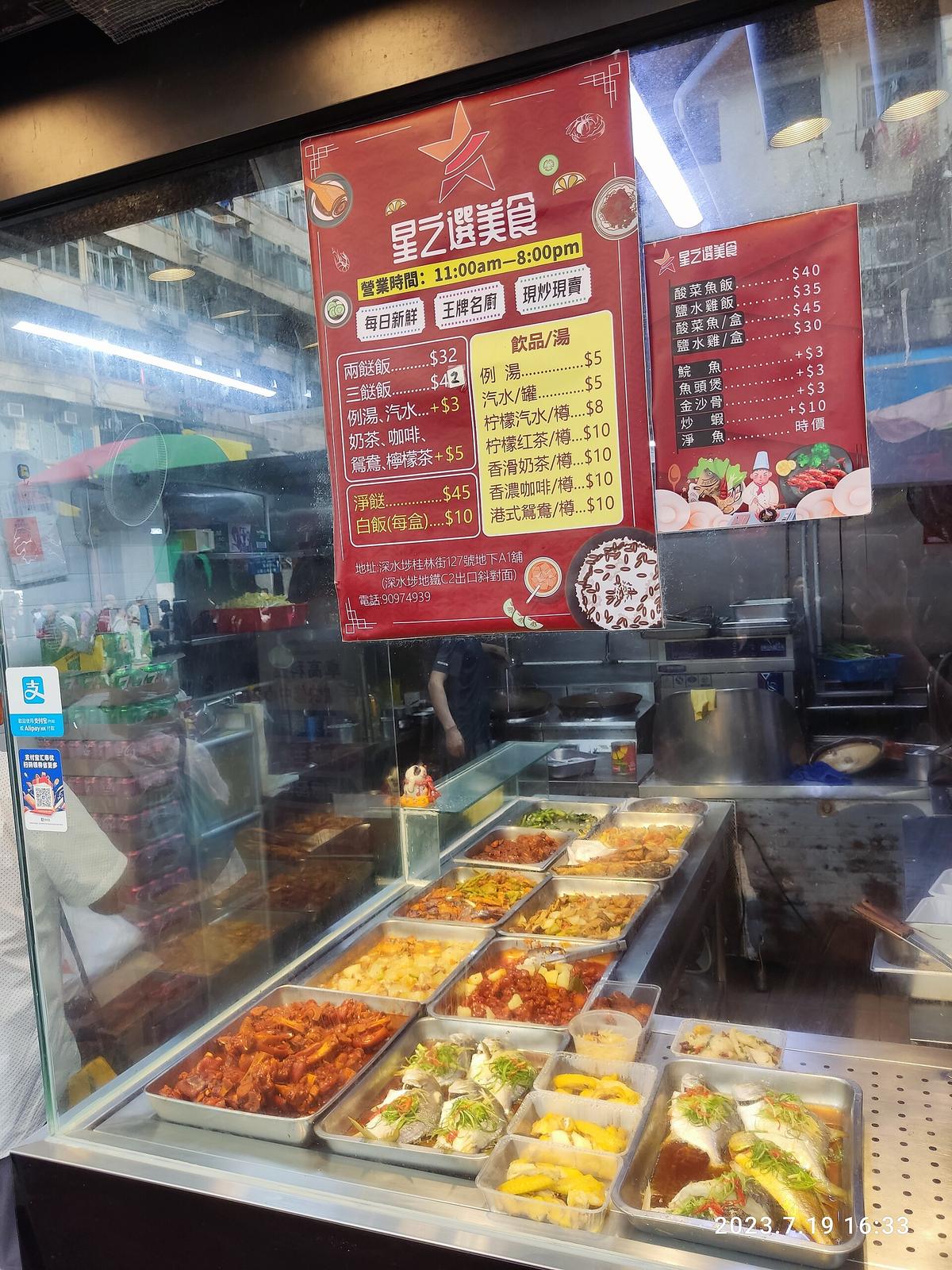
Take the stairs to the second floor of the Pei Ho Street Market building. The cooked food centre is open 06:00 to 02:00, though individual stalls vary. This is where the neighbourhood eats: claypot rice in winter, Typhoon Shelter crab when the catch is good, and Hong Kong-style milk tea strained through a silk stocking at any hour. Dishes run HK$30 to HK$50, set by each stall. No English menus. Pointing works.

Apliu Street Flea Market Hong Kong: Electronics and Surplus
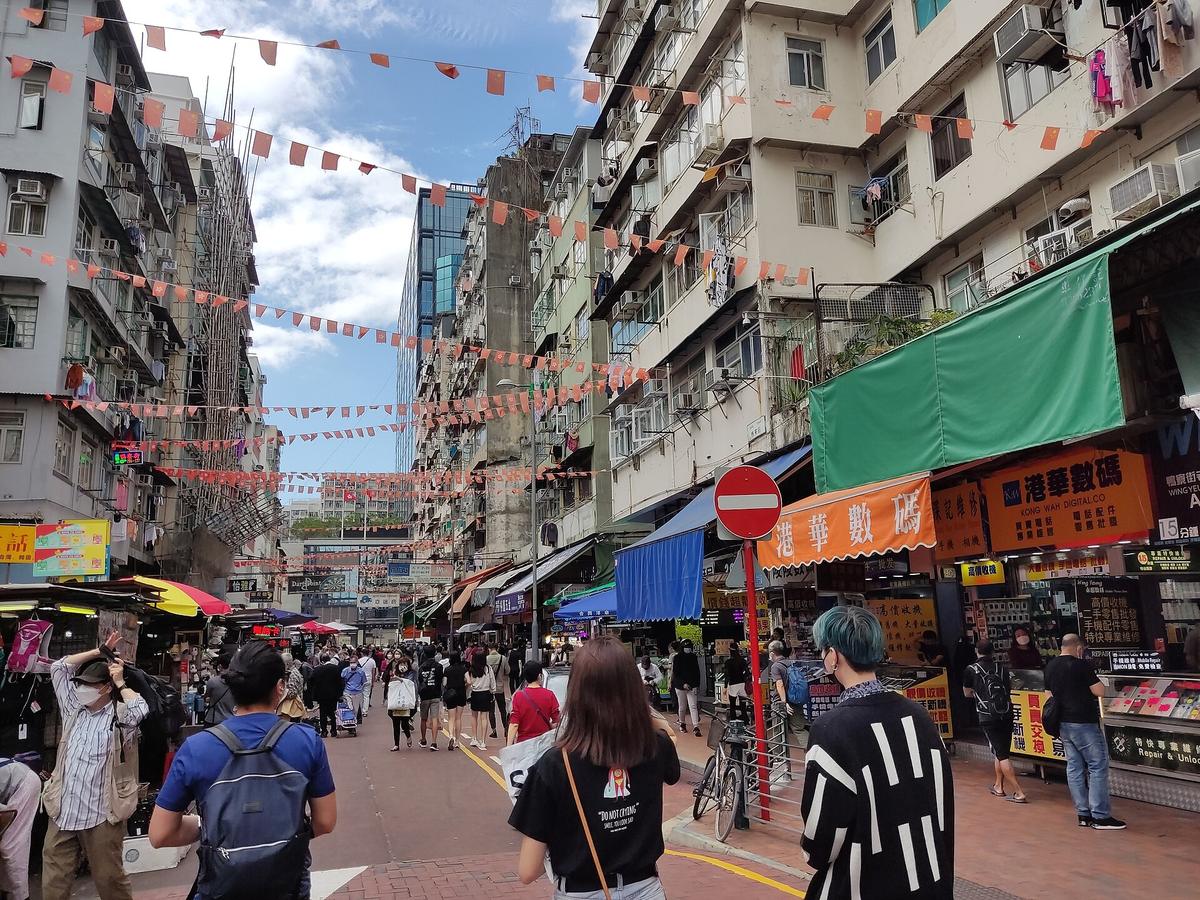
Apliu Street runs roughly 500 metres from Yen Chow Street to Nam Cheong Street, and it is not a night market. It is a daytime flea market for gear and components, busiest from mid-afternoon until around 21:00. Many stalls close on Lunar New Year's Day, but otherwise they run daily.
What you find here is not new-in-box consumer products. The focus is components, parts, used devices, cables, and tools. Rows of tables hold bins of resistors, capacitors, infrared sensors, and broken hard drives that someone will repair before reselling. Men in canvas aprons test oscilloscopes on upturned crates. A stall selling second-hand film cameras sits next to a table of industrial sewing machine motors.
Do not come here looking for a bargain smartphone or laptop. The bargains are on the stuff that retail stores do not stock: a vintage Lenovo ThinkPad keyboard for around HK$40, a box of ceramic capacitors for around HK$10, a soldering iron that still works for around HK$25. Prices are set by the stallholder; check the sticker. If you do not know what a capacitor looks like, you are here to observe, not to shop. Observe anyway. The density of technical knowledge on this stretch is higher than in any electronics store in Central.
Exit Sham Shui Po MTR station at A2 or C2. You hit Apliu Street immediately.
Sham Shui Po Electronics Street: Golden Computer Arcade and Golden Shopping Centre
Two doors down from the dai pai dongs, at 146-152 Fuk Wa Street, the Golden Computer Arcade and the Golden Shopping Centre sit side by side. Both are two floors. Together they hold roughly 150 shops.
The Golden Computer Arcade sells computers, components, peripherals, and gaming hardware. If you need a specific graphics card or a mechanical keyboard switch that is discontinued elsewhere, this is where to find it. The shops open around 11:00 and close at 21:30. The pricing is competitive but not dramatically cheaper than online; the advantage is being able to test the item before paying.
The Golden Shopping Centre next door is the console and games side. Retro consoles, repair services, and accessories. A shop here will replace the battery in your Game Boy Advance for around HK$80 while you wait; confirm the price with the technician before they start. The atmosphere is quieter than Apliu Street, more transactional, less theatre.
Take Exit D2 of Sham Shui Po station. It puts you on Fuk Wa Street. Walk 50 metres south.
Sham Shui Po Fabric Market: Ki Lung Street, Nam Cheong Street, Yu Chau Street
Sham Shui Po was the centre of Hong Kong's textile and garment manufacturing from the 1950s to the 1970s, when hundreds of factories operated here. Production moved to mainland China in the 1980s, but the supply lanes remained. Today, Ki Lung Street, Nam Cheong Street, and Yu Chau Street form a dense fabric, bead, button, and ribbon market that draws costume designers, upholsterers, and bridal tailors from across the territory.
Ki Lung Street
Ki Lung Street runs roughly 300 metres and is almost entirely fabric, ribbon, buttons, beads, and sewing supplies. The bolts of cloth are stacked floor to ceiling in open storefronts. Buy a single metre of cotton poplin or a whole roll of silk dupioni. Cash changes hands fast. The stallholders are accustomed to wholesale quantities but will sell retail without attitude.
Nam Cheong Street
Nam Cheong Street, around 400 metres, overlaps with Ki Lung Street in character but leans heavier into fabric, haberdashery, and garment accessories. Zippers by the dozen, thread by the spool, lace by the metre. If you sew, you will spend an hour here.
Yu Chau Street
Yu Chau Street, shorter at about 250 metres, specialises in beads, buttons, ribbons, packaging, and craft supplies. The bead selection is overwhelming: glass, plastic, wood, ceramic, in every size and colour. A bag of 100 small glass beads costs around HK$5; check the price tag on the bin.
Trade street hours are roughly 10:00 to 17:00, Monday to Saturday. Sunday and public holidays are quiet. Many stalls close entirely. Plan your visit for a weekday morning.

| Market | Location | Specialty | Typical Hours | Best Exit |
|---|---|---|---|---|
| Apliu Street Flea Market | Apliu Street, Yen Chow to Nam Cheong | Electronics components, used gear, cables, tools | 12:00–21:00 | Sham Shui Po, A2 or C2 |
| Ki Lung Street Fabric Market | Ki Lung Street | Fabric, ribbon, buttons, sewing supplies | 10:00–17:00 Mon–Sat | Sham Shui Po, B2 |
| Nam Cheong Street Fabric Market | Nam Cheong Street | Fabric, haberdashery, garment accessories | 10:00–17:00 Mon–Sat | Sham Shui Po, B2 |
| Yu Chau Street Craft Market | Yu Chau Street | Beads, buttons, ribbons, packaging, craft supplies | 10:00–17:00 Mon–Sat | Sham Shui Po, B2 |
| Golden Computer Arcade | 146–152 Fuk Wa Street | Computers, components, peripherals, gaming | 11:00–21:30 | Sham Shui Po, D2 |
| Golden Shopping Centre | 146–152 Fuk Wa Street | Consoles, games, accessories, repairs | 11:00–21:30 | Sham Shui Po, D2 |
| Pei Ho Street Wet Market | 38–40 Pei Ho Street | Fresh produce, meat, fish | 06:00–20:00 | Sham Shui Po, A2 |
| Pei Ho Street Cooked Food Market | 38–40 Pei Ho Street, 2nd floor | Dai pai dong food, claypot rice, milk tea | 06:00–02:00, varies by stall | Sham Shui Po, A2 |
Tai Nan Street: the Gentrification Edge
Tai Nan Street runs roughly 350 metres between Yen Chow Street and Wong Chuk Street. Five years ago it was all leather workshops, metal fabricators, and textile workshops. Now it is the front line of Sham Shui Po's gentrification. Independent coffee shops, vintage stores, and design studios have moved in alongside the old trades. A workshop that repairs industrial sewing machines sits next to a cafe selling oat-milk flat whites for around HK$45; check the board for the day's price.
The gentrification pressure is real, driven by Urban Renewal Authority projects in the area. Rents on Tai Nan Street are rising. The traditional workshops are being squeezed. For the visitor, Tai Nan Street offers a snapshot of a district in transition. Come for the coffee if you need a break from the noise of Apliu Street. Observe the collision of old and new without romanticising either side.
Mei Ho House and Lei Cheng Uk Han Tomb: Two Reasons to Look Up from the Markets
Sham Shui Po is not all commerce. Two landmarks reward the visitor who steps away from the stalls.
Mei Ho House
At 70 Berwick Street, Mei Ho House is the last surviving 1950s Mark I resettlement block in Hong Kong. Built in 1954, it originally housed refugees who had lost their homes in the Shek Kip Mei fire. Today it is a YHA Hong Kong youth hostel with 129 rooms, a mix of private and dormitory, and the Heritage of Mei Ho House museum on site. The museum is free and open Tuesday to Sunday 10:00 to 18:00, closed Mondays except public holidays. It documents the resettlement story and the evolution of public housing in Hong Kong. Take Exit B2 from Sham Shui Po station, then walk five minutes.
Lei Cheng Uk Han Tomb Museum
At 41 Tonkin Street, this brick tomb from the Eastern Han dynasty (AD 25-220) was discovered in 1955 during construction work. The barrel-vaulted tomb is roughly 8 metres long, 4 metres wide, and 3 metres high. It was declared a monument in 1988. The museum is free, open Wednesday to Monday 10:00 to 18:00, closed Tuesdays. It is a small site. Thirty minutes is enough. Exit Sham Shui Po station and walk west along Tonkin Street for about 10 minutes.
What Sham Shui Po is Bad at
Sham Shui Po is the poorest district in Hong Kong. The 2021 census recorded a median monthly household income of HK$24,000 against the territory's HK$27,650. The average living space per person is below the Hong Kong average. The proportion of subdivided flats is among the highest of any district. Elderly poverty rates and new immigrant concentrations are both above the Hong Kong average. Green space per person is low. Tree cover is low. The heat island effect is strong, and summer daytime temperatures run 30 to 35°C with punishing humidity.
This district is not for the traveller seeking calm, spacious streets, or curated experiences. It is not a shopping destination in the conventional sense. The fabric market and electronics stalls are for people who know what they are looking for; a casual browser will find the experience chaotic and exhausting. The narrow pavements are blocked by scaffolding, queues, or stacked boxes. Public toilets are scarce. The air quality is worse than the Hong Kong average because of traffic and density.
Come to Sham Shui Po for the food, the texture of working-class urban life at its most concentrated, and the feeling of being in a Hong Kong that is disappearing under redevelopment. Do not come expecting comfort or retail therapy.
Common Questions
Is Sham Shui Po safe for tourists?
Yes, by any international standard. Street crime is rare. The density and the number of people on the streets from early morning until late evening make it feel watched at all times. The main risk is pickpocketing in crowded market areas, which is the same risk as anywhere in Kowloon. Keep your wallet in a front pocket and your bag zipped.
Which MTR station serves Sham Shui Po?
Sham Shui Po station on the Tsuen Wan line, opened in 1982, station code SSP. Use Exit D2 for Golden Computer Arcade, Exit A2 or C2 for Apliu Street market, and Exit B2 for Mei Ho House. Cheung Sha Wan station on the same line serves the northern part of the district.
Are the markets open every day?
The electronics and fabric markets are open daily except on Lunar New Year's Day and some public holidays. Fabric stalls on Ki Lung Street, Nam Cheong Street, and Yu Chau Street are much quieter on Sundays and may close early. The cooked food stalls and dai pai dongs are more reliable, but many independent restaurants close for several days during Chinese New Year.
How much money should I bring for a day in Sham Shui Po?
HK$200 to HK$300 per person is enough for several market meals, snacks, and minor purchases like a bag of beads or a cable. If you plan to buy fabric or components, bring more. Most small food stalls take cash only. Some accept Octopus. Credit cards are rare outside the shopping arcades.
Is Sham Shui Po worth visiting if I am not shopping for electronics or fabric?
Yes, for the food scene alone. The Michelin Bib Gourmand stalls, the Pei Ho Street Cooked Food Market, and the dai pai dongs are the strongest concentration of affordable, high-quality eating in Kowloon. The district is also worth visiting as an observation post for the densest, least gentrified urban life in Hong Kong.
How do I get to Sham Shui Po from Central or Tsim Sha Tsui?
From Central or Tsim Sha Tsui, take the Tsuen Wan line MTR toward Tsuen Wan. Sham Shui Po station is two stops north of Prince Edward and one stop north of Mong Kok. Journey time from Central is about 12 minutes. From Tsim Sha Tsui, about 10 minutes.
What is the best time of day to visit Sham Shui Po?
Arrive around 10:30. The fabric stalls are fully open by 10:00. The electronics stalls on Apliu Street will be setting up but not yet crowded. The dai pai dongs are still serving breakfast items. By 12:00 the streets are at peak density. Late afternoon, from 15:00 to 17:00, is another good window: the lunch rush ends and the Apliu Street market is at its busiest for observation.
Read next
-
 Sham Shui Po Food Guide Cheap Old and Very Good Tong Sui and Noodles
Sham Shui Po's food scene is cheap, old and very good, from Michelin-starred goose to midnight bowls of tong sui.
Sham Shui Po Food Guide Cheap Old and Very Good Tong Sui and Noodles
Sham Shui Po's food scene is cheap, old and very good, from Michelin-starred goose to midnight bowls of tong sui.
-
 Hong Kong Travel Guide and Trip Planning Hub
How to plan a Hong Kong trip that respects the city's density, uses the MTR properly, and leaves room for a hike or an island day.
Hong Kong Travel Guide and Trip Planning Hub
How to plan a Hong Kong trip that respects the city's density, uses the MTR properly, and leaves room for a hike or an island day.
-
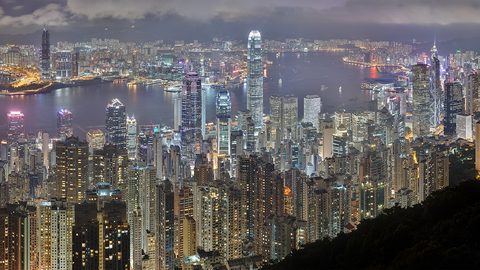 Victoria Peak Hong Kong The View Is the Point the Tram Queue Is Not
The view from Victoria Peak is the point; the tram queue is the problem, and there are four other ways up.
Victoria Peak Hong Kong The View Is the Point the Tram Queue Is Not
The view from Victoria Peak is the point; the tram queue is the problem, and there are four other ways up.
-
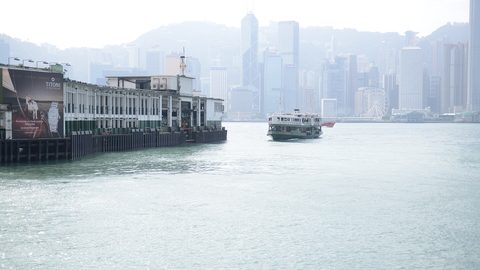 Star Ferry Hong Kong Fare, Route and Which Side to Sit
The Star Ferry costs HK$5, takes 10 minutes, and the upper deck heading from Tsim Sha Tsui to Central gives the best skyline view.
Star Ferry Hong Kong Fare, Route and Which Side to Sit
The Star Ferry costs HK$5, takes 10 minutes, and the upper deck heading from Tsim Sha Tsui to Central gives the best skyline view.
-
 Big Buddha and Ngong Ping 360 Cable Car Without the Crowds
The Big Buddha is 268 steps up, the cable car takes 25 minutes, and the village at the top is mostly a shopping mall.
Big Buddha and Ngong Ping 360 Cable Car Without the Crowds
The Big Buddha is 268 steps up, the cable car takes 25 minutes, and the village at the top is mostly a shopping mall.
-
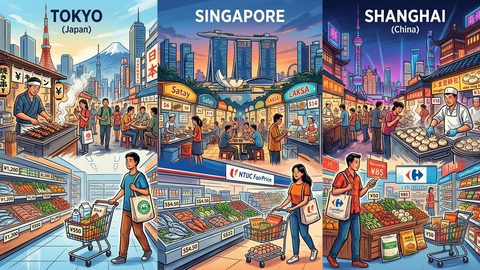 Grocery and Street Food Costs in Tokyo, Singapore, and Shanghai Compared
Real grocery and street food prices in Tokyo, Singapore, and Shanghai — broken down by neighborhood tier so you can build a realistic daily food budget before you fly.
Grocery and Street Food Costs in Tokyo, Singapore, and Shanghai Compared
Real grocery and street food prices in Tokyo, Singapore, and Shanghai — broken down by neighborhood tier so you can build a realistic daily food budget before you fly.
-
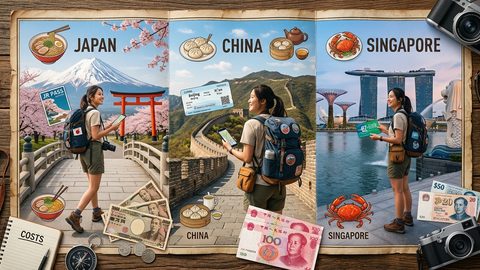 What Japan, China, and Singapore Actually Cost Independent Travelers
Real per-day costs for Japan, China, and Singapore broken down by accommodation tier, food strategy, transit, and connectivity for independent travelers.
What Japan, China, and Singapore Actually Cost Independent Travelers
Real per-day costs for Japan, China, and Singapore broken down by accommodation tier, food strategy, transit, and connectivity for independent travelers.
-
 What Most Travelers Get Wrong When Booking Flights to East Asia
Most travelers book East Asia flights on price alone. Here's what they miss about route gaps, fleet age, and aircraft type on 10-14 hour hauls.
What Most Travelers Get Wrong When Booking Flights to East Asia
Most travelers book East Asia flights on price alone. Here's what they miss about route gaps, fleet age, and aircraft type on 10-14 hour hauls.
-
 The Honest Cost of Mobile Data in Japan, China, and Singapore
Real price data for SIMs, pocket WiFi, and eSIMs in Japan, China, and Singapore. Plus the friction points most travel guides quietly skip.
The Honest Cost of Mobile Data in Japan, China, and Singapore
Real price data for SIMs, pocket WiFi, and eSIMs in Japan, China, and Singapore. Plus the friction points most travel guides quietly skip.