Plan Your Hong Kong Trip Around How the City Actually Works
How to plan a Hong Kong trip that respects the city's density, uses the MTR properly, and leaves room for a hike or an island day.
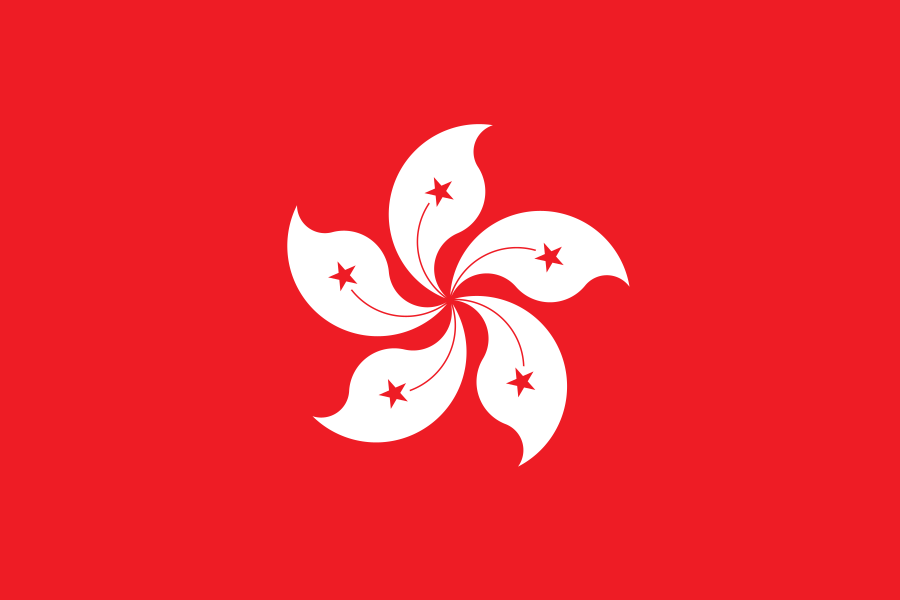
- Flag
-
- ISO code
- HK
- Population
- 7,500,000
- Currency
- HKD
- Timezone
- Asia/Hong_Kong
- Dial code
- +852
Plan Your Hong Kong Trip Around How the City Actually Works
Hong Kong is 1,114 square kilometres of territory, but 40% of it is country park and only 25% is developed. The developed part holds 7.5 million people across three main areas: Hong Kong Island at 78.6 square kilometres, Kowloon at 46.9 square kilometres, and the New Territories at 978.7 square kilometres. This density means the city operates vertically, not horizontally. A seven minute MTR ride from Tsim Sha Tsui to the financial district saves you a 40 minute walk through footbridges and crowds. This hong kong travel guide orients you to that logic so you do not waste your trip fighting the geography that makes the city work.
- Minimum Honest Stay: 3 full days; 4 days recommended for one hike or island
- Peak Season: October to early December (20-28°C, clear skies); also late March to April
- Avoid Windows: Chinese New Year (late Jan, mid Feb); Golden Week (first week of Oct); August (heat, humidity, typhoon risk)
- Getting From Airport: Airport Express: 24 min to the financial district, HK$115 one-way. Taxi: 30-45 min, HK$300-400. Bus A11/A21: 45-70 min, HK$34-40
- Getting Around: MTR is the backbone, 99 stations, 174.7 km. Use Octopus card (HK$50 refundable deposit) or contactless credit card
- Key Harbour Crossings: MTR Tsim Sha Tsui to the financial district: 7 min. Star Ferry: 8-10 min, HK$5 on weekdays, HK$6.50 weekends/public holidays, upper deck
- Population: 7.5 million (2024, Hong Kong Census and Statistics Department)
- Country Parks: 24 parks covering roughly 40% of total land area
How Many Days in Hong Kong is Enough
Three full days is the minimum honest stay for a first trip. That gives you one day on Hong Kong Island, one day in Kowloon, and one day that you split between a green escape and the neighbourhood you liked best. If you have four days, spend the extra day on a hiking route plus one outlying island. Five days buys a New Territories market town or a second outlying island. Six to seven days lets you slow down through food neighbourhoods, museums, and night markets without compression.
Do not try to do Hong Kong Island, Kowloon, and Lantau in two days while staying only in the financial district. The city is compact on a map but vertical and slow on foot, and cross harbour trips eat more time than expected. The Star Ferry crossing takes 8 to 10 minutes, but the walk from your hotel to the ferry pier plus the walk from the arrival pier to your destination adds 20 minutes each way. That is an hour per crossing you did not budget for.
If you arrive on a late flight, count the arrival day as half a day. The Airport Express runs from 05:54 to 00:48 and gets you to Hong Kong station in 24 minutes, but you will not be sightseeing by 10 pm. Budget your itinerary around full days, not calendar days.

Hong Kong for First Timers: the District Logic You Need
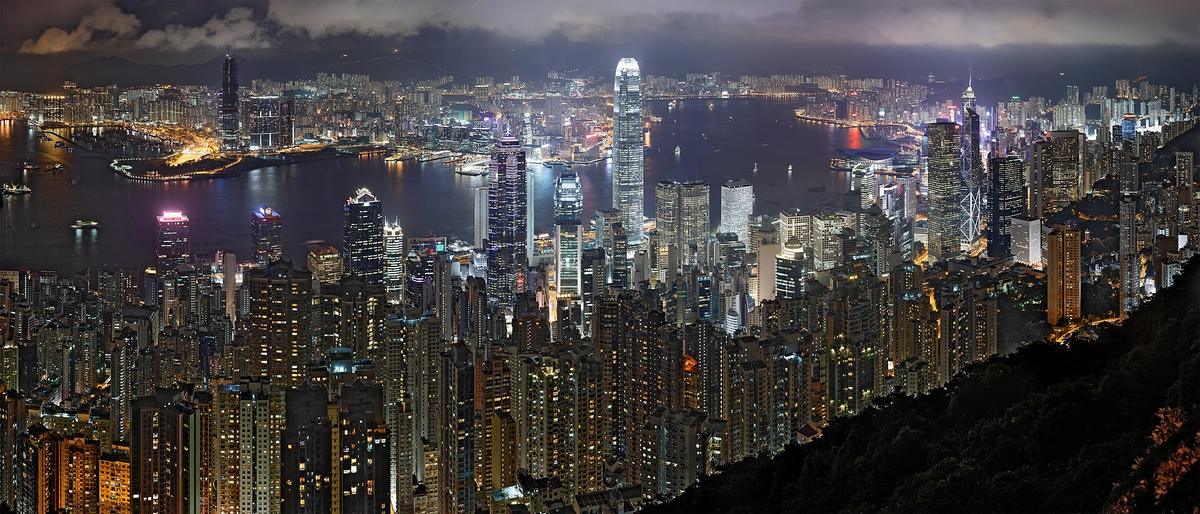
Hong Kong is not one city. It is three distinct areas connected by a seven minute train ride, and each demands a different plan. Group your activities by district rather than by category. Do not try to eat dim sum in Wan Chai, shop in Mong Kok, and hike on Lantau in the same day. The MTR is fast, but station exits matter enormously in the financial district and Tsim Sha Tsui. The wrong exit can put you 10 minutes and several footbridges from where you want to be. Use Citymapper or HKeMobility for walking routes; Google Maps is often wrong.
Hong Kong Island
The financial district is the commercial core with rooftop bars and colonial remnants. Sheung Wan runs into it with antiques, galleries, hip cafes, and dried seafood shops. Wan Chai is older and grittier with bars and wet markets. Causeway Bay is dense shopping with neon and Times Square crowds. Spend one full day here. Start at the financial district, walk west through Sheung Wan to Man Mo Temple, an 1847 incense filled temple. Take the Star Ferry across to Kowloon from the Central Pier. Return in the evening for Victoria Peak: the Peak Tram takes 8 to 10 minutes and costs HK$88 return for an adult. Go at dusk. Weekend and holiday wait times can hit 60 to 120 minutes, so arrive before 4 pm if you can.
Kowloon
Tsim Sha Tsui has the harbour views, museums, and luxury hotels. Mong Kok has the night markets and street food at overwhelming density. Sham Shui Po has electronics, fabric, and a working class food scene. Yau Ma Tei has mahjong parlours, fruit markets, and old Kowloon character. Spend one full day here. Start at Tsim Sha Tsui promenade along the Avenue of Stars with the Bruce Lee statue. Walk north through Yau Ma Tei to Temple Street Night Market, which peaks from 7 pm to 11 pm. End in Mong Kok at the Ladies' Market on Tung Choi Street. The MTR connects all of them, but walking between Yau Ma Tei and Mong Kok is faster than going underground and back up.
Lantau and the Green Escape
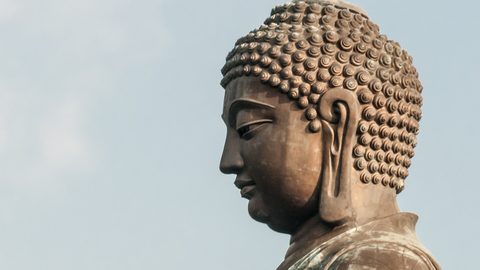
Forty percent of Hong Kong is country park, and 263 outlying islands surround the main territory. Lantau Island has the Big Buddha, beaches, the airport, and the 70 kilometre Lantau Trail. The Ngong Ping 360 cable car takes 25 minutes and costs HK$160 one way for a standard cabin. The Tian Tan Buddha is 34 metres tall and was completed in 1993 at Po Lin Monastery, which was founded in 1906. For a shorter escape, Lamma Island is 25 to 35 minutes by ferry from Central Pier 4 with hiking and seafood. Cheung Chau is 35 to 60 minutes from Central Pier 5 with no cars, temples, and the bun festival tradition. Sai Kung is 45 minutes by minibus or taxi from Kowloon and is the jumping off point for Sharp Island and serious hiking trails.
Is Hong Kong Worth Visiting
Hong Kong is worth visiting if you are an urban explorer who loves public transport and skyline photography, a food focused traveller who will eat at dai pai dongs and hole in the wall noodle shops, a luxury shopper or high end hotel stayer, a hiker who wants serious trails with sea views, or a solo traveller who values safety and ease of navigation. The MTR network covers 174.7 kilometres across 99 stations, and the city has 95 Michelin starred restaurants in Hong Kong and Macau combined as of the 2024 Michelin Guide. The cheapest Michelin starred meal runs HK$80 to HK$120 per person at Tim Ho Wan for dim sum.
Hong Kong is not worth visiting if you are on a tight budget wanting cheap street food and hostels, if you dislike crowds, queues, or small hotel rooms, if you want a relaxed slow paced Southeast Asian beach town, or if you want wide open public spaces rather than vertical malls and narrow streets. Pavements are narrow, uneven, and often blocked by scaffolding or queues. Air conditioning inside is aggressive, so carry a layer year round. Many small restaurants are cash only or take Octopus, not credit cards. Taxis rarely take credit cards, so carry small notes for fares under HK$100. Public toilets are scarce outside malls and MTR stations. These frictions are manageable, but they add up if you are not prepared for them.
Hong Kong Itinerary: a Four Day Route That Works
The four day minimum lets you cover Hong Kong Island, Kowloon, Lantau or a hike, and one flex day for weather or shopping. Here is the shape a first trip should take.
DayFocus AreaKey ActivitiesEveningDay 1Hong Kong IslandCentral, Sheung Wan, Man Mo Temple, Wan Chai, Causeway BayVictoria Peak at duskDay 2KowloonTsim Sha Tsui promenade, Avenue of Stars, Hong Kong Palace Museum or M+, Yau Ma Tei fruit marketTemple Street Night Market, Mong KokDay 3Green EscapeDragon’s Back hike (40 min from the financial district by MTR and bus), or Lantau Island via Ngong Ping 360 cable carSeafood dinner in Sai Kung or Lamma IslandDay 4Flex DayWeather dependent: shopping in Stanley Market, museums in West Kowloon, or a second island like Cheung ChauStar Ferry at sunset, Symphony of Lights at 8 pm
The M+ museum opened on 12 November 2021 and costs HK$120 for general admission. The Hong Kong Palace Museum opened on 3 July 2022 and costs HK$70. Both require booking ahead. The Hong Kong Museum of History permanent exhibition has been closed since 2020 for renovation and is expected to reopen in 2025; check before planning a visit there.
If you have three days instead of four, drop day four and combine the flex activities into day three after your hike. Do not skip the green escape. That 40 minute journey from the financial district to the Dragon's Back trailhead by MTR and bus is the fastest way out of concrete in any major Asian city.
What it Costs and Where to Book
Hostel dorm beds run HK$200 to HK$450 per night. A three star hotel double room runs HK$700 to HK$1,400. A five star hotel double room runs HK$2,500 to HK$8,000 or more. Peak hotel rate months are October through November and March through April. The lowest rates are June through August, though you trade lower prices for heat, humidity, and typhoon risk. A 3% hotel room tax applies from 1 January 2025, confirmed by the Hong Kong Tourism Board; budget for it in your nightly rate.
Street food items cost HK$10 to HK$40 per item. Mid range dinner per person is HK$150 to HK$350. High end tasting menus start at HK$1,500 and go above HK$4,000 per person. A craft beer pint costs HK$70 to HK$120. A cocktail in a financial district bar costs HK$120 to HK$180. Happy hour discounts of 20% to 50% run from 5 pm to 8 pm. Dim sum baskets at yum cha cost HK$25 to HK$60. A roast goose half bird costs HK$250 to HK$400. An egg tart costs HK$10 to HK$20. A pineapple bun costs HK$8 to HK$15. A cha chaan teng meal of milk tea and a pineapple bun runs HK$30 to HK$50.
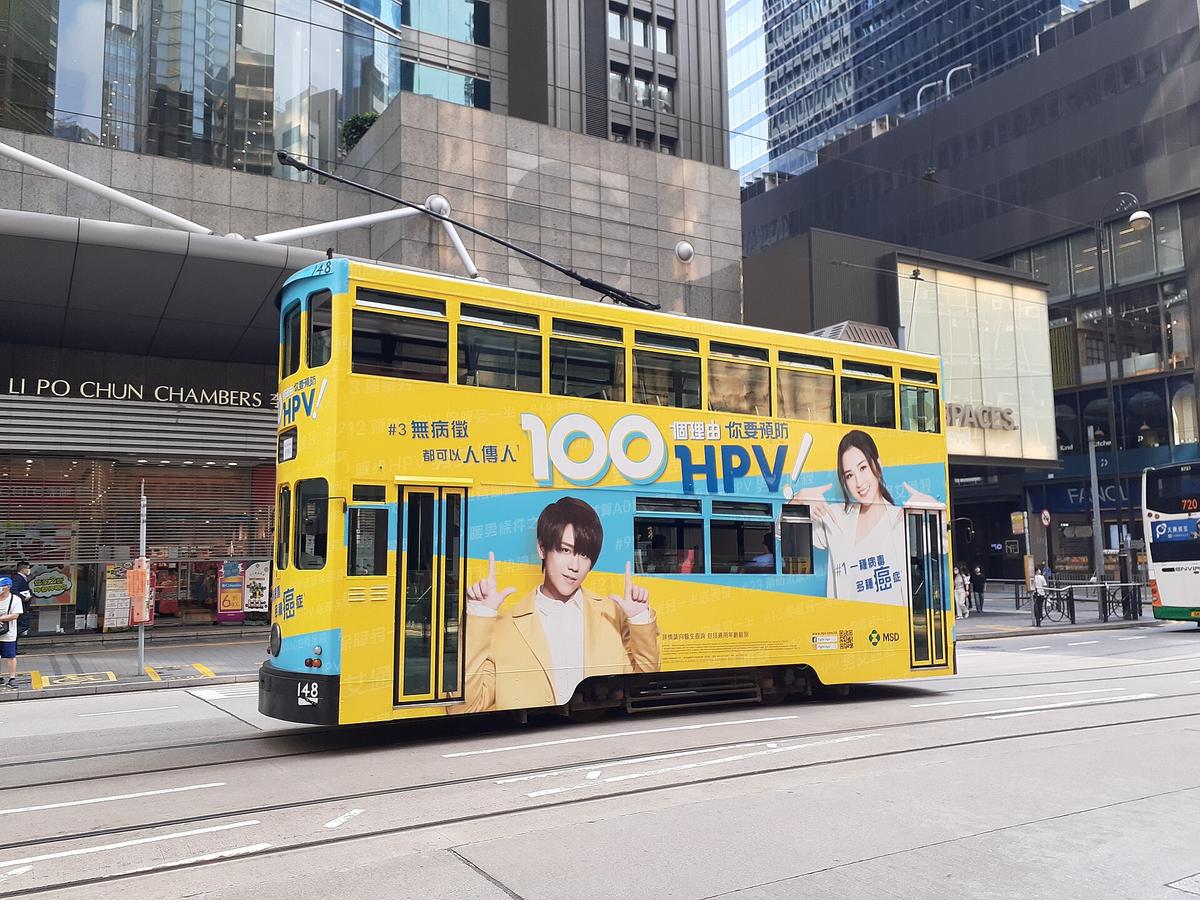
Carry cash for small restaurants and taxis. Many independent shops accept Octopus but not credit cards. The Octopus card requires a minimum top up of HK$50 and works on MTR, buses, ferries, trams, convenience stores, and some taxis. The tram fare is a flat HK$3.00. The Star Ferry upper deck fare from Tsim Sha Tsui to the financial district is HK$5.00 on weekdays and HK$6.50 on weekends and public holidays.

Local Frictions and How to Handle Them
Pavements in Hong Kong are narrow, uneven, and often blocked by scaffolding or queues. Public toilets are scarce outside malls and MTR stations. Air conditioning indoors is aggressive, so carry a layer year round. Many small restaurants are cash only or take Octopus, not credit cards. Taxis rarely take credit cards, so carry small notes for fares under HK$100. The tap water is safe to drink per the Water Supplies Department, but most locals drink boiled or bottled water. The mains voltage is 220 V with a Type G plug, the same as the UK.
Typhoon season runs from May through November, peaking from July to September. A typhoon signal 8 closes schools and most offices, and the MTR runs reduced service while ferries suspend. A black rainstorm warning closes schools and many businesses. Check the Hong Kong Observatory before you travel. The average annual rainfall is 2,431 millimetres. The hottest month mean temperature is 28.9°C in July. The coldest month mean temperature is 16.5°C in January. Humidity averages 78% annually. The air quality index ranges from 50 to 150 AQI and is worse in winter.
The Food You Should Not Skip
Wonton noodle soup with springy egg noodles and shrimp wontons is a baseline Hong Kong meal. Roast goose over rice at Yung Kee or Kam's runs HK$250 to HK$400 for a half bird. Egg waffles are a street snack, crisp outside and soft inside, for HK$10 to HK$20. A pineapple bun with butter from a cha chaan teng costs HK$8 to HK$15 and comes with a HK$30 to HK$50 milk tea. Claypot rice is a winter dish with crispy rice and Lap Cheong sausage. Dim sum trolley service survives at Lin Heung Tea House and Luk Yu Tea House in the financial district, though it is vanishing from most newer restaurants. Typhoon shelter crab from Causeway Bay is garlic and chilli heavy and costs more than street food but is worth a splurge. Hong Kong style milk tea is strong, brewed with evaporated milk, and silk stocking strained. It costs HK$20 to HK$30 in most cha chaan teng.
There are 74 public wet markets managed by the Food and Environmental Hygiene Department. Only 21 licensed dai pai dongs remain. The street food item price range of HK$10 to HK$40 covers egg waffles, fish balls, curry squid, and stinky tofu. Bubble tea runs HK$25 to HK$45. Craft beer pints run HK$70 to HK$120. Happy hour discounts of 20% to 50% run from 5 pm to 8 pm in financial district and Wan Chai bars.
Day Trips Beyond the Core
Macau is one hour by TurboJET or Cotai Water Jet ferry from Sheung Wan or Tsim Sha Tsui at HK$160 to HK$200 one way. Lamma Island is 25 to 35 minutes by ferry from Central Pier 4 with hiking and seafood. Cheung Chau is 35 to 60 minutes from Central Pier 5 with no cars, temples, and buns. Sai Kung and Sharp Island are 45 minutes by minibus or taxi from Kowloon, then a kaito ferry. Tai O fishing village is 50 minutes by bus from Tung Chung MTR and has stilt houses. Ping Shan Heritage Trail is 40 minutes by MTR to Tin Shui Wai and has walled villages and ancestral halls.
For serious hiking, the Hong Kong Trail runs 50 kilometres across 8 sections. The MacLehose Trail runs 100 kilometres across 10 sections. The Lantau Trail runs 70 kilometres across 12 sections. The Wilson Trail runs 78 kilometres across 10 sections. The highest peak is Tai Mo Shan at 957 metres. Victoria Peak is 552 metres. The Dragon's Back section of the Hong Kong Trail is the most accessible, 40 minutes from the financial district by MTR and bus. The Central Mid Levels escalator, the longest outdoor covered escalator system at 800 metres, runs downhill from 6 am to 10 am and uphill from 10:20 am to midnight. Use it to reach the start of the Morning Trail if you want a short hike before breakfast.
Who Should Come and Who Should Go Elsewhere
Hong Kong suits urban explorers who love public transport and skyline photography. It suits food focused travellers who will eat at dai pai dongs and hole in the wall noodle shops. It suits luxury shoppers and high end hotel stayers. It suits hikers who want serious trails with sea views. It suits solo travellers who value safety and ease of navigation. The MTR network, the Star Ferry, the Octopus card, and the density of food and culture within walking distance of any MTR station make it one of the most efficient cities in the world once you understand the district logic.
Hong Kong does not suit travellers on a tight budget who want cheap street food and hostels. It does not suit people who dislike crowds, queues, or small hotel rooms. It does not suit anyone seeking a relaxed slow paced Southeast Asian beach town. It does not suit travellers who want wide open public spaces rather than vertical malls and narrow streets. If you want to lie on a beach for four days, go to Thailand or Vietnam. If you want to walk through a city that works like a machine, eat at 3 am, and be on a mountaintop trail 40 minutes after leaving your hotel, come to Hong Kong.
What to See in Hong Kong
-
 Big Buddha and Ngong Ping
The Big Buddha is 268 steps up, the cable car takes 25 minutes, and the village at the top is mostly a shopping mall.
Big Buddha and Ngong Ping
The Big Buddha is 268 steps up, the cable car takes 25 minutes, and the village at the top is mostly a shopping mall.
-
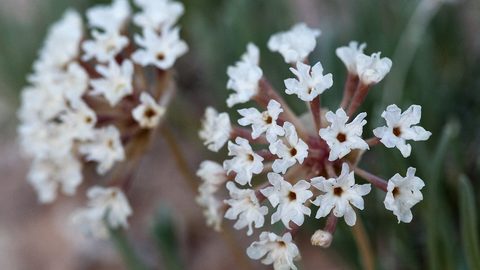 Dragon's Back
The Dragon's Back ridge walk takes about two hours and ends at a beach, forty minutes from Central by MTR and bus.
Dragon's Back
The Dragon's Back ridge walk takes about two hours and ends at a beach, forty minutes from Central by MTR and bus.
-
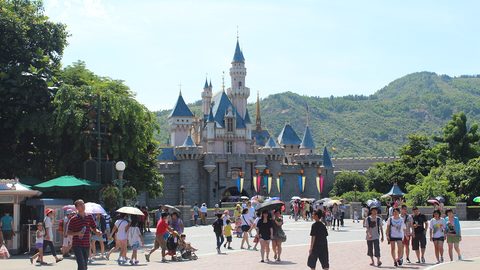 Hong Kong Disneyland
 is the smallest Disney park, which is both the argument for visiting it and the reason to skip it.
Hong Kong Disneyland
Hong Kong Disneyland is the smallest Disney park, which is both the argument for visiting it and the reason to skip it.
-
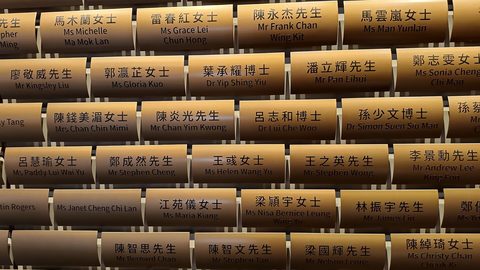 Hong Kong Palace Museum
The Hong Kong Palace Museum shows 900 objects on loan from Beijing, displayed with more space and better lighting than the original.
Hong Kong Palace Museum
The Hong Kong Palace Museum shows 900 objects on loan from Beijing, displayed with more space and better lighting than the original.
-
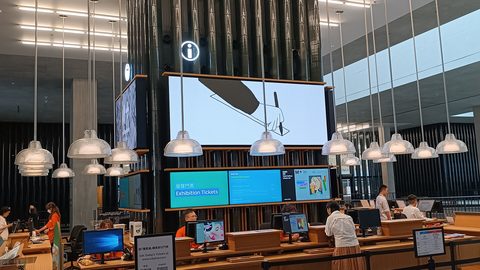 M+
The M+ Museum in West Kowloon is the size of a district, with a facade that is a screen and a collection with a complicated history.
M+
The M+ Museum in West Kowloon is the size of a district, with a facade that is a screen and a collection with a complicated history.
-
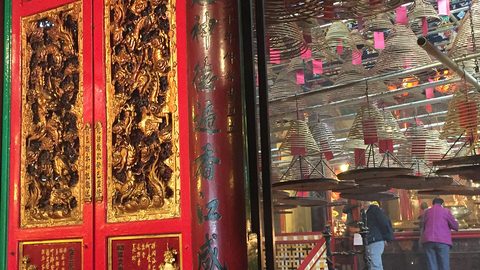 Man Mo Temple
 is free, takes ten minutes, and has the most atmospheric interior on Hong Kong Island, thick with incense smoke.
Man Mo Temple
Man Mo Temple is free, takes ten minutes, and has the most atmospheric interior on Hong Kong Island, thick with incense smoke.
-
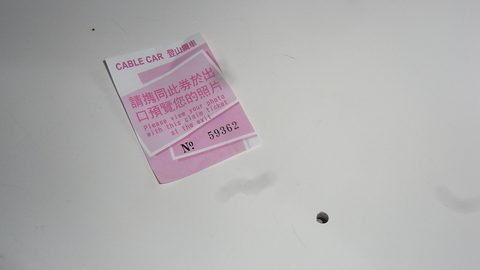 Ocean Park
 Hong Kong is half aquarium and half thrill park on a headland, with a cable car that is the best ride there.
Ocean Park
Ocean Park Hong Kong is half aquarium and half thrill park on a headland, with a cable car that is the best ride there.
-
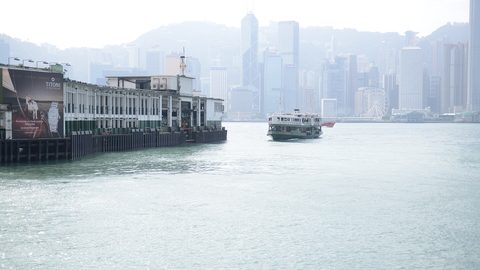 Star Ferry
The Star Ferry costs HK$5, takes 10 minutes, and the upper deck heading from Tsim Sha Tsui to Central gives the best skyline view.
Star Ferry
The Star Ferry costs HK$5, takes 10 minutes, and the upper deck heading from Tsim Sha Tsui to Central gives the best skyline view.
-
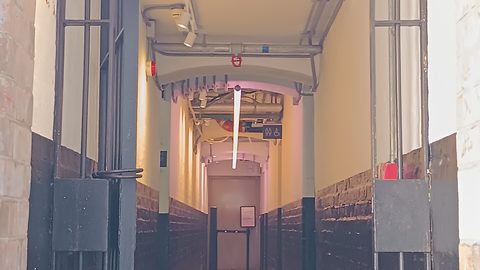 Tai Kwun
 is a restored Victorian police compound and colonial prison in Central, now free to enter and full of bars and art galleries.
Tai Kwun
Tai Kwun is a restored Victorian police compound and colonial prison in Central, now free to enter and full of bars and art galleries.
-
 Temple Street Night Market
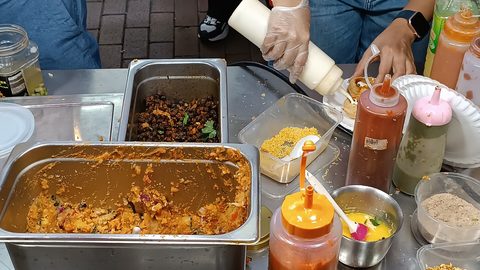
Temple Street's stalls are ordinary, but the fortune tellers, opera singers and dai pai dong food make it the best night market in Kowloon.
Temple Street Night Market
Temple Street's stalls are ordinary, but the fortune tellers, opera singers and dai pai dong food make it the best night market in Kowloon.
-
 Victoria Peak
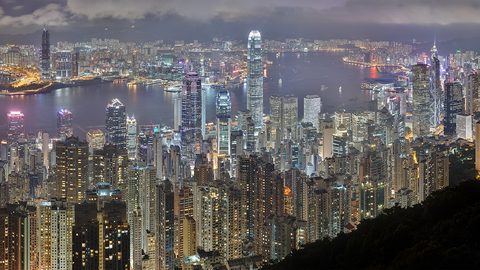
The view from Victoria Peak is the point; the tram queue is the problem, and there are four other ways up.
Victoria Peak
The view from Victoria Peak is the point; the tram queue is the problem, and there are four other ways up.
-
 Wong Tai Sin Temple
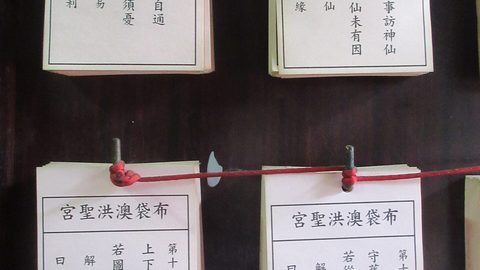
 is a working temple, not a monument, and the fortune-telling stalls are what make it worth the twenty minutes.
Wong Tai Sin Temple
Wong Tai Sin Temple is a working temple, not a monument, and the fortune-telling stalls are what make it worth the twenty minutes.
More on Hong Kong
-
 Hong Kong MTR Guide for Lines Fares and the Exits That Matter
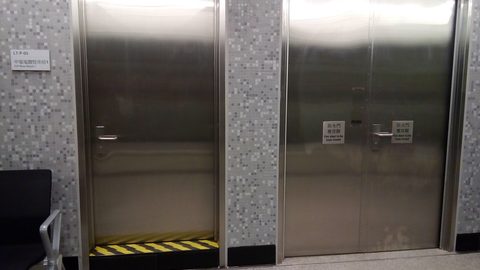
The Hong Kong MTR is fast and air-conditioned, but the wrong station exit can put you ten minutes and several footbridges away.
Hong Kong MTR Guide for Lines Fares and the Exits That Matter
The Hong Kong MTR is fast and air-conditioned, but the wrong station exit can put you ten minutes and several footbridges away.
-
 Hong Kong Octopus Card Guide for Tourists and Transit
Buy an Octopus card at Hong Kong airport, load it with cash, and stop thinking about paying for public transport.
Hong Kong Octopus Card Guide for Tourists and Transit
Buy an Octopus card at Hong Kong airport, load it with cash, and stop thinking about paying for public transport.
-
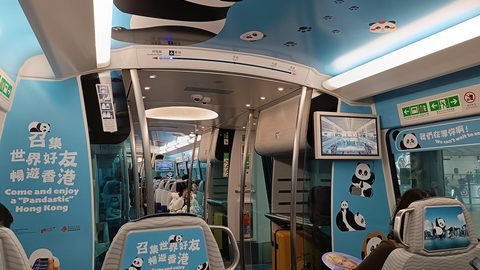 Hong Kong Airport to City by Train Bus and Taxi Compared
The Airport Express takes 24 minutes to Central for HK$115, while taxis cost HK$300-400 and buses take up to 70 minutes.
Hong Kong Airport to City by Train Bus and Taxi Compared
The Airport Express takes 24 minutes to Central for HK$115, while taxis cost HK$300-400 and buses take up to 70 minutes.
-
 Hong Kong Airport Guide for In Town Check In and Lounges
Hong Kong's in-town check-in at Hong Kong and Kowloon stations lets you check luggage and get your boarding pass before the Airport Express.
Hong Kong Airport Guide for In Town Check In and Lounges
Hong Kong's in-town check-in at Hong Kong and Kowloon stations lets you check luggage and get your boarding pass before the Airport Express.
-
 Hong Kong to Macau Ferry Guide for Terminals and Tickets
The ferry from Hong Kong to Macau takes one hour from three terminals, with a border crossing in the middle.
Hong Kong to Macau Ferry Guide for Terminals and Tickets
The ferry from Hong Kong to Macau takes one hour from three terminals, with a border crossing in the middle.
-
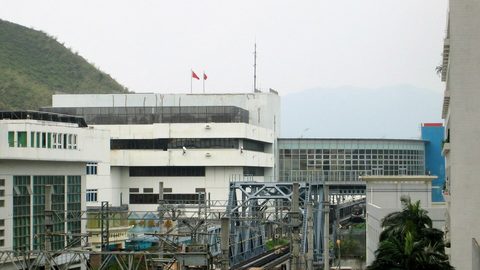 Shenzhen from Hong Kong by Train, Bus and Ferry
Which Hong Kong to Shenzhen border crossing to use, how the visa works, and what a day across the border is actually good for.
Shenzhen from Hong Kong by Train, Bus and Ferry
Which Hong Kong to Shenzhen border crossing to use, how the visa works, and what a day across the border is actually good for.
-
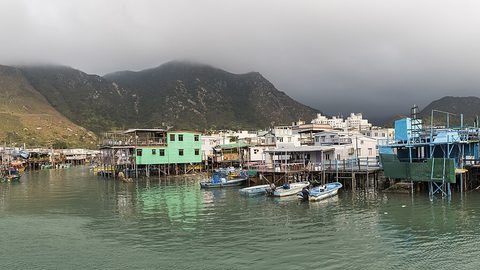 Lantau Island Day Trip in the Right Order
The Lantau Island day trip in the right order: cable car, Big Buddha, Tai O stilt village, and a beach without backtracking.
Lantau Island Day Trip in the Right Order
The Lantau Island day trip in the right order: cable car, Big Buddha, Tai O stilt village, and a beach without backtracking.
-
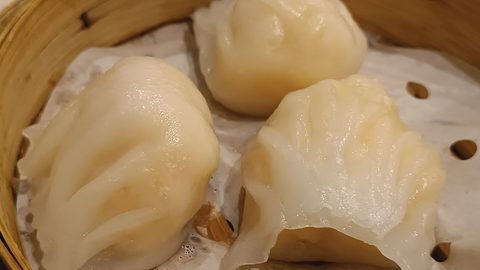 How to Order Dim Sum in Hong Kong Without Looking Lost
What to order at dim sum in Hong Kong, when to go, and how the tea, the trolleys and the bill actually work.
How to Order Dim Sum in Hong Kong Without Looking Lost
What to order at dim sum in Hong Kong, when to go, and how the tea, the trolleys and the bill actually work.
-
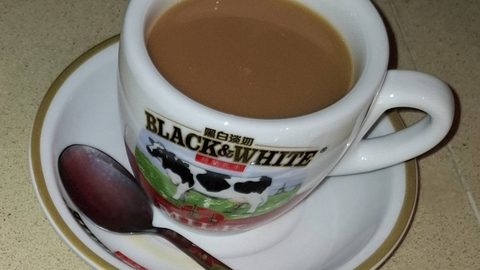 Cha Chaan Teng Hong Kong Guide for First Timers
A first-timer's guide to cha chaan teng in Hong Kong: milk tea, macaroni soup, pineapple buns and how to order without annoying anyone.
Cha Chaan Teng Hong Kong Guide for First Timers
A first-timer's guide to cha chaan teng in Hong Kong: milk tea, macaroni soup, pineapple buns and how to order without annoying anyone.
-
 Eight Hong Kong Hiking Trails That Prove the City Is Wild
Eight Hong Kong hiking trails worth your time, from the Dragon's Back ridge to remote Sai Kung beaches and Lantau peaks.
Eight Hong Kong Hiking Trails That Prove the City Is Wild
Eight Hong Kong hiking trails worth your time, from the Dragon's Back ridge to remote Sai Kung beaches and Lantau peaks.
-
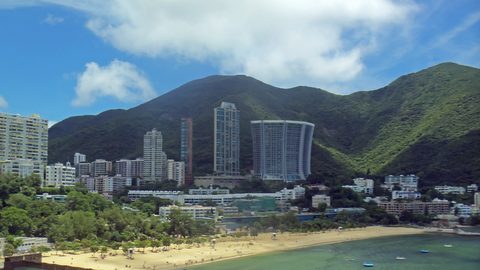 Which Hong Kong Beaches Are Worth the Trip
Which Hong Kong beaches justify the trip, when the season runs, what the flags and shark nets mean, and how to get there.
Which Hong Kong Beaches Are Worth the Trip
Which Hong Kong beaches justify the trip, when the season runs, what the flags and shark nets mean, and how to get there.
-
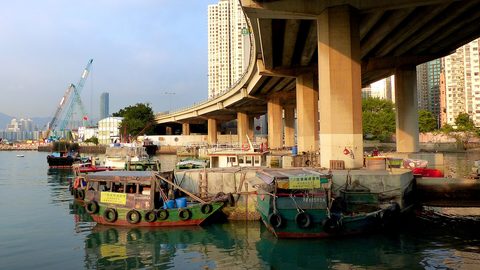 What a Hong Kong Typhoon Signal 8 Actually Means
What Hong Kong typhoon signal 8 means, what shuts down, what still runs, and how to spend the day when the city stops.
What a Hong Kong Typhoon Signal 8 Actually Means
What Hong Kong typhoon signal 8 means, what shuts down, what still runs, and how to spend the day when the city stops.
-
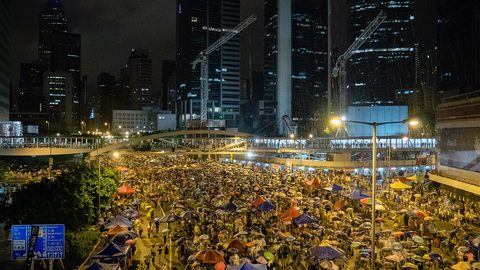 Hong Kong in Summer Is Hot, Wet and Worth It
Hong Kong in summer: hot, wet and typhoon season, but also the only time for dragon boats, summer fruit and dramatic storm light.
Hong Kong in Summer Is Hot, Wet and Worth It
Hong Kong in summer: hot, wet and typhoon season, but also the only time for dragon boats, summer fruit and dramatic storm light.
-
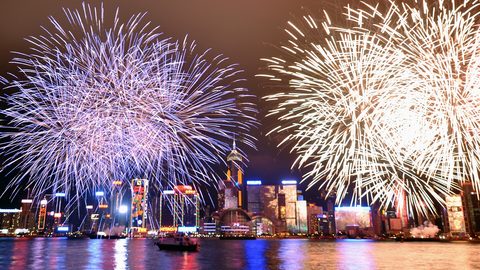 Hong Kong Chinese New Year Guide for Visitors
Flower markets, a night parade, fireworks over the harbour, and a lot of closed restaurants. What to know before booking Hong Kong for Chinese New Year.
Hong Kong Chinese New Year Guide for Visitors
Flower markets, a night parade, fireworks over the harbour, and a lot of closed restaurants. What to know before booking Hong Kong for Chinese New Year.
-
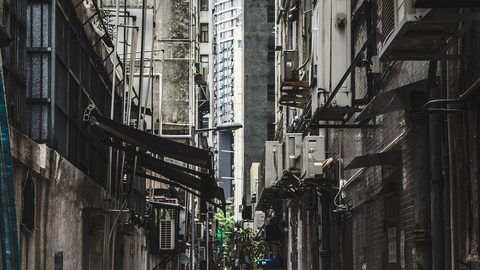 Hong Kong Nightlife Beyond Lan Kwai Fong
Lan Kwai Fong, the rooftops, the dai pai dong at 1am, and the last train. A practical guide to Hong Kong after dark.
Hong Kong Nightlife Beyond Lan Kwai Fong
Lan Kwai Fong, the rooftops, the dai pai dong at 1am, and the last train. A practical guide to Hong Kong after dark.
-
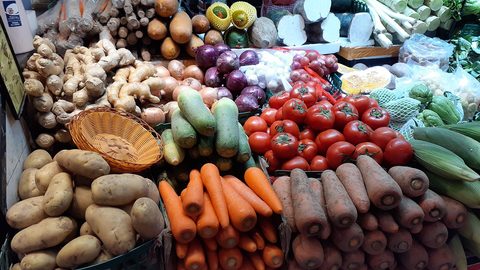 Hong Kong Markets Worth Your Time and Money
Twelve Hong Kong markets, what each actually sells, and the four worth your time. Skip the rest without guilt.
Hong Kong Markets Worth Your Time and Money
Twelve Hong Kong markets, what each actually sells, and the four worth your time. Skip the rest without guilt.
-
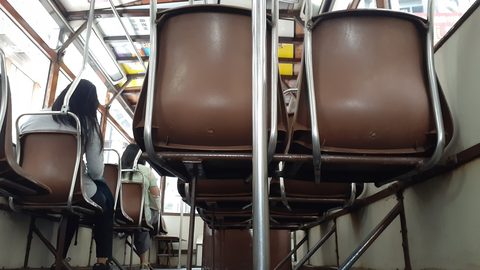 Hong Kong Tram Guide for a Slow Hour Across the Island
A flat fare, a hundred and twenty years, and the best slow hour in the city. How to ride the Hong Kong tram like a local.
Hong Kong Tram Guide for a Slow Hour Across the Island
A flat fare, a hundred and twenty years, and the best slow hour in the city. How to ride the Hong Kong tram like a local.
-
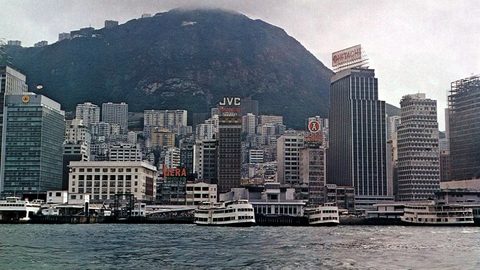 3 Days in Hong Kong Itinerary With One Harbour Crossing a Day
Three days, one harbour crossing a day, and one day that leaves the city. A realistic Hong Kong itinerary without the backtracking.
3 Days in Hong Kong Itinerary With One Harbour Crossing a Day
Three days, one harbour crossing a day, and one day that leaves the city. A realistic Hong Kong itinerary without the backtracking.
-
 5 Days in Hong Kong Itinerary With Two Days Out of the City
Five days: two of them leave the city, and that is what makes the trip. A Hong Kong itinerary with breathing room.
5 Days in Hong Kong Itinerary With Two Days Out of the City
Five days: two of them leave the city, and that is what makes the trip. A Hong Kong itinerary with breathing room.
-
 Hong Kong With Kids Without Losing Your Mind
Which Hong Kong sights survive contact with children, and the transport that is a ride in itself. A parent's reality check.
Hong Kong With Kids Without Losing Your Mind
Which Hong Kong sights survive contact with children, and the transport that is a ride in itself. A parent's reality check.
-
 Is Hong Kong Worth Visiting in 2025
Yes, and the answer is in the first two sentences — then the honest reasons Hong Kong might not be for you.
Is Hong Kong Worth Visiting in 2025
Yes, and the answer is in the first two sentences — then the honest reasons Hong Kong might not be for you.
-
 Hong Kong Island or Kowloon for a First Trip, the Honest Answer
Hong Kong Island or Kowloon for a first trip? The honest answer depends on your walking style, hotel budget, and where you want to be after dark.
Hong Kong Island or Kowloon for a First Trip, the Honest Answer
Hong Kong Island or Kowloon for a first trip? The honest answer depends on your walking style, hotel budget, and where you want to be after dark.
-
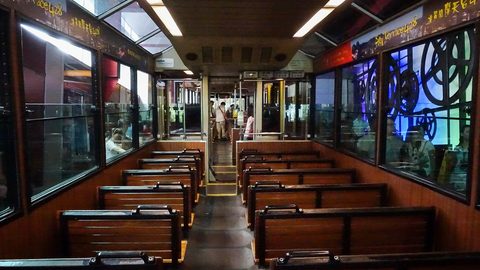 Peak Tram or Bus to Victoria Peak, a Queue and View Comparison
Peak Tram or bus to Victoria Peak? The tram is iconic but queues can hit an hour. Bus 15 is cheaper, often faster, and the view is better.
Peak Tram or Bus to Victoria Peak, a Queue and View Comparison
Peak Tram or bus to Victoria Peak? The tram is iconic but queues can hit an hour. Bus 15 is cheaper, often faster, and the view is better.
-
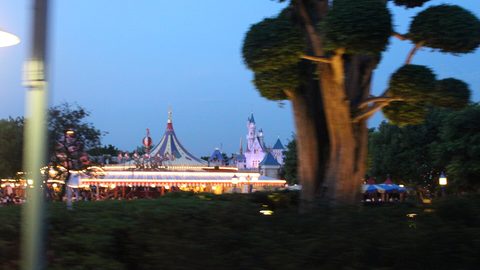 Hong Kong Disneyland or Ocean Park for One Day with Kids
Hong Kong Disneyland or Ocean Park for one day? The decision turns on your children's ages. Disneyland wins under 8s, Ocean Park wins for older kids.
Hong Kong Disneyland or Ocean Park for One Day with Kids
Hong Kong Disneyland or Ocean Park for one day? The decision turns on your children's ages. Disneyland wins under 8s, Ocean Park wins for older kids.
-
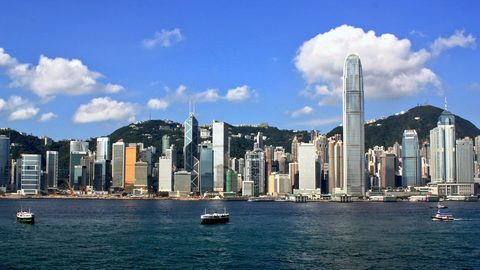 Hong Kong or Singapore for a City Trip, a Food and Walk Comparison
Hong Kong or Singapore for a city trip? Hong Kong is denser, louder, and better for hikers. Singapore is cleaner, greener, and easier for a first Asia visit.
Hong Kong or Singapore for a City Trip, a Food and Walk Comparison
Hong Kong or Singapore for a city trip? Hong Kong is denser, louder, and better for hikers. Singapore is cleaner, greener, and easier for a first Asia visit.
Frequently Asked Questions
Is Hong Kong safe for solo travellers?
Yes. Hong Kong is one of the safest large cities in the world for solo travellers. Petty theft exists in crowded markets, but violent crime against visitors is rare. The MTR runs until roughly 12:50 am, taxis are plentiful, and the emergency number is 999.
What is the best month to visit Hong Kong?
October to early December. Clear skies, low humidity, and temperatures around 20 to 28°C. Late March to April is also good, though fog and rain are more common. Avoid August for heat, humidity, and typhoon risk. Avoid Chinese New Year and the first week of October for Golden Week crowds.
Do I need a visa for Hong Kong?
Visa free stay varies by passport. US passport holders get 90 days. UK passport holders get 180 days. EU, Australia, and Canada passport holders get 90 days. Mainland China residents require an exit endorsement and get 7 days per visit. Check the Hong Kong visa page for your specific nationality.
Is English widely spoken in Hong Kong?
Yes. 4.6% of the population speaks English as their usual language, and 51.7% speak it as an additional language according to the 2021 census. English is common in the financial district, Tsim Sha Tsui, and tourist areas. Cantonese is spoken by 88.9% of the population. Mandarin is spoken by 2.3% as a usual language and 45.6% as an additional language.
How do I get from Hong Kong airport to the financial district?
The Airport Express train takes 24 minutes and costs HK$115 one way. It runs from 05:54 to 00:48. A taxi takes 30 to 45 minutes and costs roughly HK$300 to HK$400. Public buses A11 and A21 take 45 to 70 minutes and cost HK$34 to HK$40.
Is Hong Kong expensive?
It depends on your choices. Street food costs HK$10 to HK$40 per item. Mid range dinner is HK$150 to HK$350 per person. Hostel dorm beds are HK$200 to HK$450 per night. Three star hotels run HK$700 to HK$1,400. Five star hotels run HK$2,500 to HK$8,000 or more. The cheapest Michelin starred meal is HK$80 to HK$120 at Tim Ho Wan.
What should I avoid doing in Hong Kong?
Do not try to do Hong Kong Island, Kowloon, and Lantau in two days. Do not assume your credit card works everywhere carry cash and an Octopus card. Do not underestimate walk times station exits matter in the financial district and Tsim Sha Tsui. Do not skip carrying a light jacket for aggressive indoor air conditioning. Do not arrive during Chinese New Year or Golden Week unless you have booked everything in advance.
Read next
-
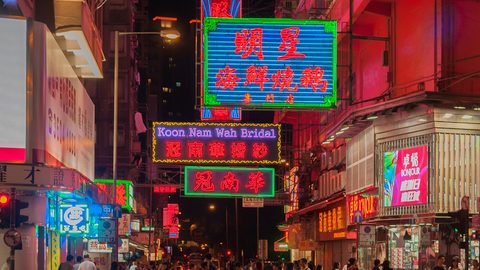 Hong Kong eSIM and Data Plans Before You Land
Hong Kong has no internet firewall. A cheap eSIM or tourist SIM from the airport gives you fast data for Google Maps and WhatsApp from the moment you land.
Hong Kong eSIM and Data Plans Before You Land
Hong Kong has no internet firewall. A cheap eSIM or tourist SIM from the airport gives you fast data for Google Maps and WhatsApp from the moment you land.
-
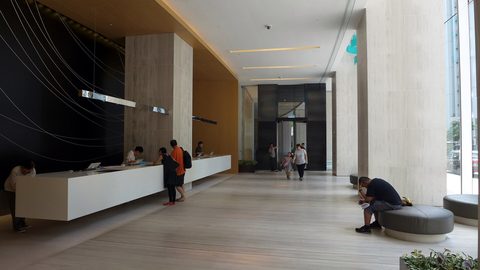 Hong Kong Hotels by Price Band and Property Type
Hong Kong hotel rooms are small, but the difference between a luxury harbour-view tower and a Mong Kok budget room is enormous.
Hong Kong Hotels by Price Band and Property Type
Hong Kong hotel rooms are small, but the difference between a luxury harbour-view tower and a Mong Kok budget room is enormous.
-
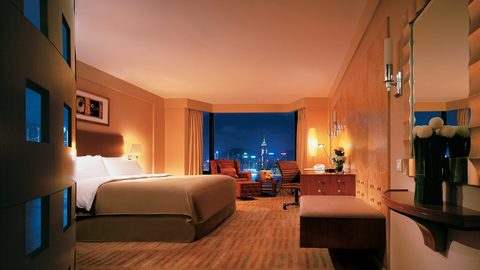 Where to Stay in Hong Kong Island or Kowloon for a First Visit
Hong Kong Island puts you in the financial and dining core, while Kowloon gives you harbour views and street life. The street you pick matters more than the district.
Where to Stay in Hong Kong Island or Kowloon for a First Visit
Hong Kong Island puts you in the financial and dining core, while Kowloon gives you harbour views and street life. The street you pick matters more than the district.
-
 How to Find Cheap Flights to Hong Kong International Airport
Hong Kong has one airport, a lot of airline competition, and a fast train into the city. The routing tricks are in the booking, not the arrival.
How to Find Cheap Flights to Hong Kong International Airport
Hong Kong has one airport, a lot of airline competition, and a fast train into the city. The routing tricks are in the booking, not the arrival.
-
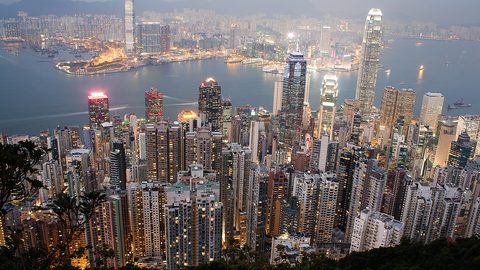 Things to Do in Hong Kong Ranked by What Is Worth Your Time
Victoria Peak, the Star Ferry, and a serious hike earn their fame. Some other Hong Kong sights do not.
Things to Do in Hong Kong Ranked by What Is Worth Your Time
Victoria Peak, the Star Ferry, and a serious hike earn their fame. Some other Hong Kong sights do not.
-
 Best Time to Visit Hong Kong for Clear Skies and Low Humidity
October to December offers the best balance of clear skies and low humidity, but every other season trades weather for lower prices or festivals.
Best Time to Visit Hong Kong for Clear Skies and Low Humidity
October to December offers the best balance of clear skies and low humidity, but every other season trades weather for lower prices or festivals.
-
Victoria Peak
The view from Victoria Peak is the point; the tram queue is the problem, and there are four other ways up.
-
Star Ferry
The Star Ferry costs HK$5, takes 10 minutes, and the upper deck heading from Tsim Sha Tsui to Central gives the best skyline view.
-
Big Buddha and Ngong Ping
The Big Buddha is 268 steps up, the cable car takes 25 minutes, and the village at the top is mostly a shopping mall.