Mong Kok, Kowloon: One Street for Everything, All of It Overwhelming
Mong Kok is the densest place on earth, organised into streets that each sell one thing. Here's how to navigate it without losing your nerve.
- Flag
-
- ISO code
- HK
Mong Kok at 9pm on a Friday in November is 130,000 people per square kilometre standing on the same pavement. Some are selling goldfish in sealed plastic bags. Some are eating egg waffles from a cart. Most are walking, which in Mong Kok means shuffling forward at the speed of the person in front of you. This mong kok hong kong guide explains the logic behind that crush of bodies and maps the one street per trade system that makes the district navigable instead of terrifying.
Mong Kok Hong Kong Guide: the Grid of One Street Per Trade
Mong Kok is not a random pile of commerce. It is a pre urban renewal layout where each street specialises in one category and refuses to sell anything else. The pattern is old Kowloon. You do not wander and hope. You pick your street and walk directly to it.
Ladies Market And Goldfish Market
Tung Choi Street between Argyle Street and Dundas Street is Ladies Market, roughly 100 stalls selling clothing, accessories, souvenirs and toys at low cost fashion prices. The goods are not high quality. The point is the density of choice and the negotiation. Go expecting to push through bodies and to say no repeatedly.
North of Bute Street, the same Tung Choi Street becomes Goldfish Market. Tropical fish float in clear plastic bags hung from metal racks. Aquarium equipment lines the stalls. The visual effect is hundreds of fish suspended at eye level in a crowd of people. Walk north specifically for that stretch.
Flower Market And Bird Garden
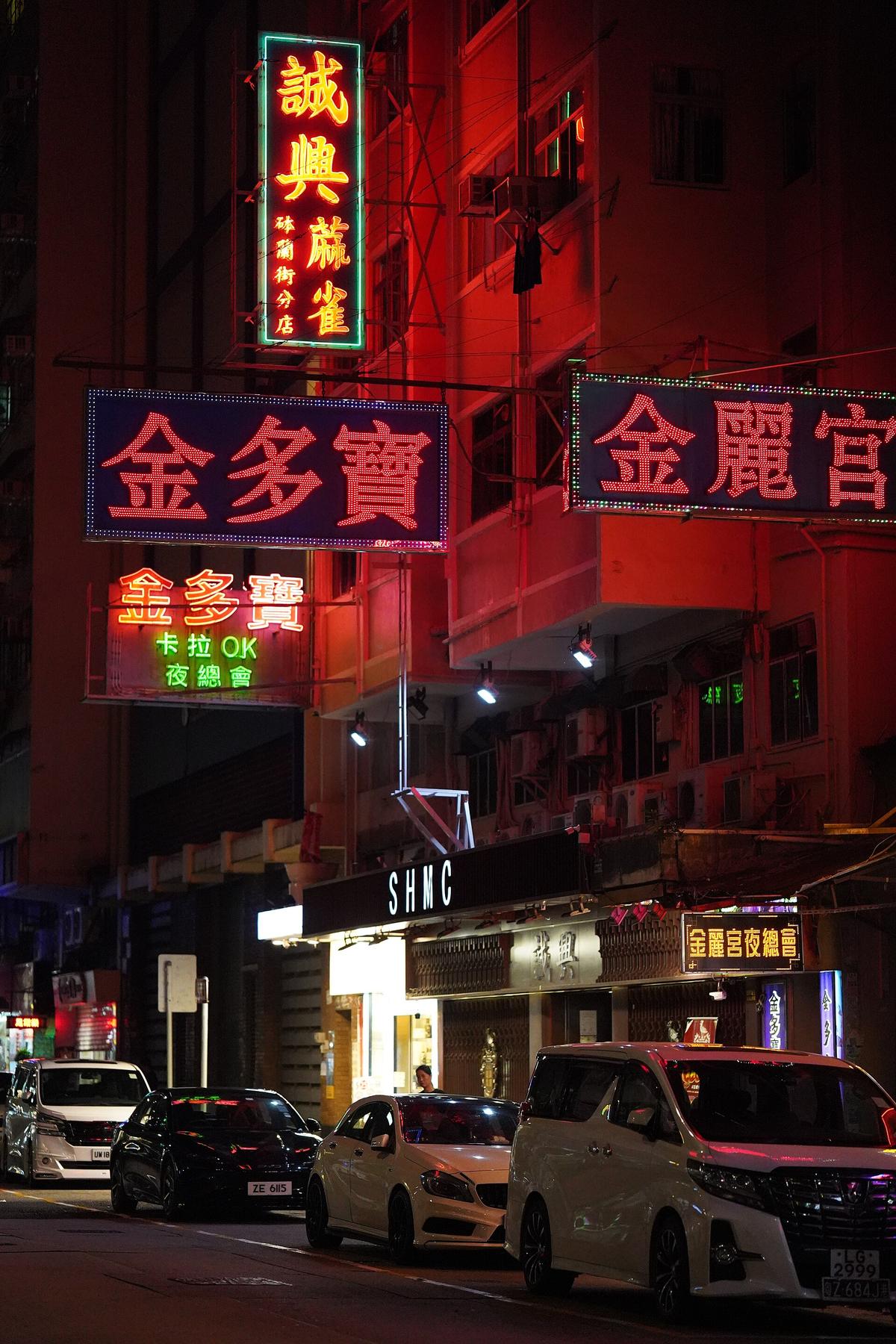
Flower Market Road is exactly what it says. Cut flowers, potted plants, orchids, gardening supplies from dawn until early evening. The flower sellers pack the pavement with buckets of blooms, and the smell cuts through the exhaust and the frying oil from nearby dai pai dongs. Go in the morning before the crowds peak. The narrow street becomes impassable by 11am on a Sunday.
At the north end of Flower Market Road sits Yuen Po Street Bird Garden. Songbirds in bamboo cages, bird feed, porcelain water pots. It is a quiet pocket of old Kowloon that feels 50 years removed from the malls at Langham Place. The birds chirp louder than the traffic. It is the only place in Mong Kok where the noise is pleasant.
.jpg)
What to Do in Mong Kok: Walk the Streets, Nothing Else
The question of what to do in Mong Kok has a short answer. You walk the specialised streets. There is no dedicated sightseeing landmark in the district. No monument, no viewpoint, no museum. Mong Kok is the attraction. The activity is moving through it.
Sneaker Street And Sai Yeung Choi Street South
Fa Yuen Street between Argyle Street and Dundas Street is Sneaker Street. Trainers, limited releases, sports shoes, streetwear. The shops are small and stacked with boxes to the ceiling. Staff sit on stools and watch you try sizes. If you want rare colourways or older models that sold out everywhere else, this is where they end up. Prices are not bargains but the selection beats any mall in Causeway Bay.
Sai Yeung Choi Street South runs electronics, cosmetics, chain pharmacies and phone accessories. This was the pedestrian zone from 2003 until August 2018, when the Yau Tsim Mong District Council ended the experiment and reopened it to traffic. Street performers used to work the closed road. Now it is just another busy Kowloon street with cars and delivery vans competing for the same space pedestrians want. Walk it anyway for the sheer volume of shopfronts on both sides.
Mong Kok Night Market: Where it Actually is
The name Mong Kok night market leads many visitors to look for a market inside Mong Kok itself. The actual Temple Street Night Market sits south of the district boundary, in Jordan and Yau Ma Tei. It runs street food, fortune tellers, trinkets and souvenirs. The neon is real, the crowds are real, and the food is better than the goods. Eat the claypot rice and the typhoon shelter crab if you find a stall that has it. Skip the electronics and the watches.
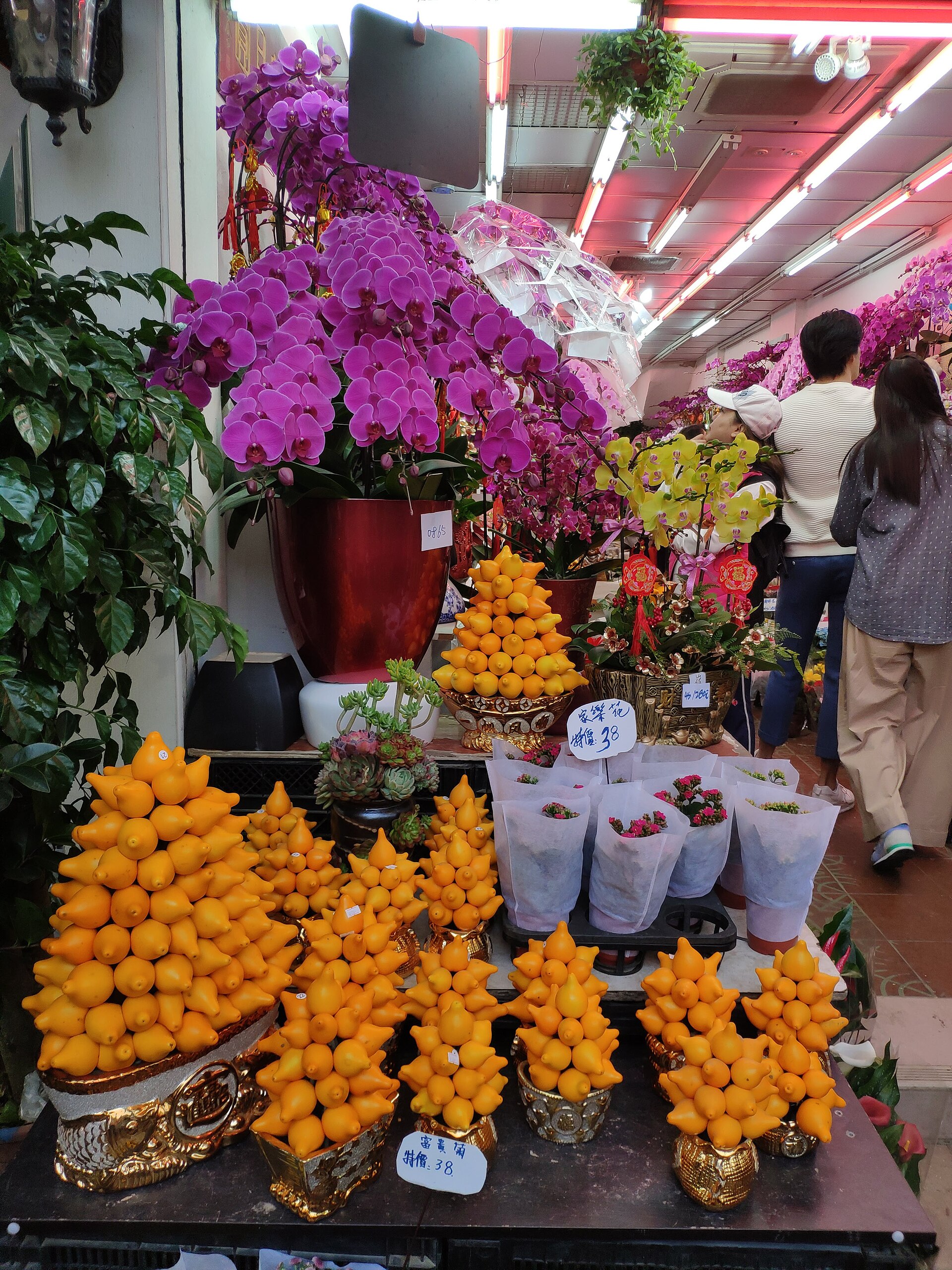
Within Mong Kok proper, the night activity is concentrated along the same streets that operate during the day. Ladies Market runs until late. Sneaker Street stays open. The difference after dark is the lighting. Mong Kok at night is neon signs, shopfront LEDs, fluorescent tubes in market stalls, and the white glare of phone accessories displayed under glass. The noise level rises because every shop plays its own audio. The whole district becomes a single sensory overload, which is exactly what some visitors come for.
Mong Kok Street Markets: Ladies, Goldfish, Flowers, Birds
The mong kok street markets are the four named markets plus the Bird Garden. Ladies Market on Tung Choi Street. Goldfish Market further north on the same street. Flower Market on Flower Market Road. Bird Garden on Yuen Po Street. Each one follows the same operating pattern. Open daily, busiest on weekends and weekday evenings, cash preferred though some stalls take Octopus. None of them accept credit cards.
The goods at each market are narrow and consistent. Ladies Market sells fashion. Goldfish Market sells fish and aquarium supplies. Flower Market sells plants. Bird Garden sells birds and cages. If you want something that does not fit one of those categories, you walk to a different street. That is the system. It works because Mong Kok has no department stores doing everything under one roof. The roof is the street itself.
Langham Place: The Air Conditioned Exception
Langham Place at 8 Argyle Street is the exception. This 255 metre tower, opened in 2004, contains 15 retail levels in a mall, a 59 floor office tower, and the Cordis hotel. Go there for air conditioning, escalators that work, and a clean toilet. The mall sits at the southern edge of Mong Kok proper and marks the transition into the more orderly grid of Yau Ma Tei. Use it as a break point, not as a destination. The real Mong Kok is outside.

Mong Kok vs Causeway Bay: Which Density You Want
The mong kok vs causeway bay comparison comes down to what kind of dense you prefer. Causeway Bay is vertical density. Mega malls, Times Square, shopping centres stacked 20 floors high, wide pavements with organised pedestrian flows. Mong Kok is horizontal density. Street level commerce spilling onto asphalt, narrow footpaths, no queue discipline, every surface covered in goods or people. Causeway Bay has more luxury and more elbow room. Mong Kok has more chaos and more character.
If you want to buy a specific pair of sneakers in a limited edition, Mong Kok is better. If you want to browse Japanese department stores in air conditioning, Causeway Bay wins. If you want street food eaten while standing, Mong Kok. If you want a sit down dim sum trolley service, Causeway Bay has Luk Yu and Lin Heung within reach. Do not choose one over the other. They are a 15 minute MTR ride apart on the Tsuen Wan line. Do both in the same afternoon and decide for yourself.
How to Handle the Crowds and When to Go
Mong Kok is the most intense place many visitors will ever stand. The noise is consistently high from traffic, PA systems and shopfront audio. Pavements are narrow, uneven, and often blocked by scaffolding or queues. Air conditioning inside shops is aggressive. Carry a layer year round because the contrast between the street heat and the indoor chill is extreme.
Best And Worst Times To Walk
The best walking time is after dark, when neon and street lighting are active. The worst time is a Saturday afternoon in October when Golden Week spillover crowds from mainland China push the density to its maximum. Avoid the first week of October entirely. Also avoid Chinese New Year in late January to mid February, when many independent restaurants and shops close for days. August is physically punishing from heat, humidity and typhoon risk. October to early December is the sweet spot. Clear skies, low humidity, temperatures around 20 to 28 Celsius. Late March to April works but fog and rain are more common.
The Side Lane Escape
When the crowd becomes too much, step off the main streets into the side lanes. The side lanes of Mong Kok are empty. Two steps off Tung Choi Street and the human volume drops by 90 percent. You do not need a cafe to escape. You need a five metre detour into a residential alley. That is the skill Mong Kok rewards.
Common Questions
Is Mong Kok safe at night?
Yes. Mong Kok is one of the safest dense urban areas on earth. Petty theft exists but violent crime is extremely rare. Women walking alone at night face no elevated risk compared to daytime.
How long do you need in Mong Kok?
Two to three hours is enough to walk the main streets and the four markets. If you want to shop seriously at Sneaker Street or Ladies Market, budget four hours. No one needs a full day here.
Does Mong Kok have any green space?
Almost none. The district is concrete and asphalt. For open space you walk 15 minutes south to the Kowloon waterfront or take the MTR to Kowloon Park in Tsim Sha Tsui.
Can you use credit cards at Mong Kok markets?
Most stalls are cash only. Some accept Octopus. Cards are accepted only inside Langham Place mall and a few chain stores. Carry small Hong Kong dollar notes.
Read next
-
 Mong Kok Food Guide Street Snacks and Cart Noodles in Kowloon
Mong Kok is the best cheap eating in Kowloon. Find street snacks, cart noodles and cha chaan teng food in the right lanes.
Mong Kok Food Guide Street Snacks and Cart Noodles in Kowloon
Mong Kok is the best cheap eating in Kowloon. Find street snacks, cart noodles and cha chaan teng food in the right lanes.
-
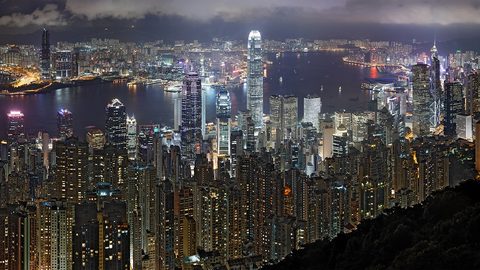 Hong Kong Travel Guide and Trip Planning Hub
How to plan a Hong Kong trip that respects the city's density, uses the MTR properly, and leaves room for a hike or an island day.
Hong Kong Travel Guide and Trip Planning Hub
How to plan a Hong Kong trip that respects the city's density, uses the MTR properly, and leaves room for a hike or an island day.
-
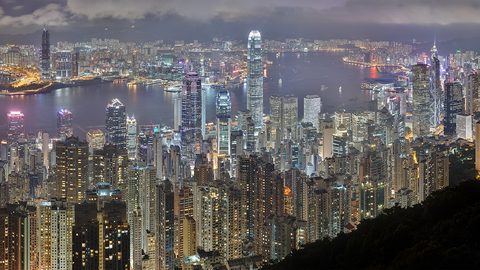 Victoria Peak Hong Kong The View Is the Point the Tram Queue Is Not
The view from Victoria Peak is the point; the tram queue is the problem, and there are four other ways up.
Victoria Peak Hong Kong The View Is the Point the Tram Queue Is Not
The view from Victoria Peak is the point; the tram queue is the problem, and there are four other ways up.
-
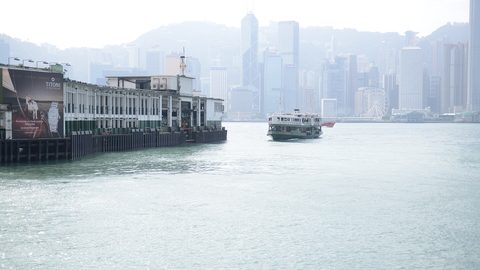 Star Ferry Hong Kong Fare, Route and Which Side to Sit
The Star Ferry costs HK$5, takes 10 minutes, and the upper deck heading from Tsim Sha Tsui to Central gives the best skyline view.
Star Ferry Hong Kong Fare, Route and Which Side to Sit
The Star Ferry costs HK$5, takes 10 minutes, and the upper deck heading from Tsim Sha Tsui to Central gives the best skyline view.
-
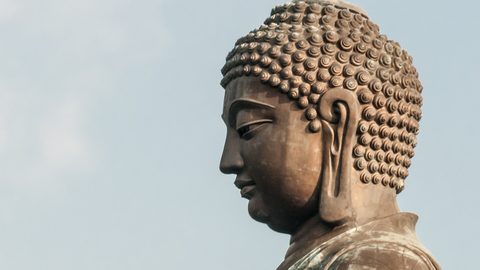 Big Buddha and Ngong Ping 360 Cable Car Without the Crowds
The Big Buddha is 268 steps up, the cable car takes 25 minutes, and the village at the top is mostly a shopping mall.
Big Buddha and Ngong Ping 360 Cable Car Without the Crowds
The Big Buddha is 268 steps up, the cable car takes 25 minutes, and the village at the top is mostly a shopping mall.
-
 Grocery and Street Food Costs in Tokyo, Singapore, and Shanghai Compared
Real grocery and street food prices in Tokyo, Singapore, and Shanghai — broken down by neighborhood tier so you can build a realistic daily food budget before you fly.
Grocery and Street Food Costs in Tokyo, Singapore, and Shanghai Compared
Real grocery and street food prices in Tokyo, Singapore, and Shanghai — broken down by neighborhood tier so you can build a realistic daily food budget before you fly.
-
 What Japan, China, and Singapore Actually Cost Independent Travelers
Real per-day costs for Japan, China, and Singapore broken down by accommodation tier, food strategy, transit, and connectivity for independent travelers.
What Japan, China, and Singapore Actually Cost Independent Travelers
Real per-day costs for Japan, China, and Singapore broken down by accommodation tier, food strategy, transit, and connectivity for independent travelers.
-
 What Most Travelers Get Wrong When Booking Flights to East Asia
Most travelers book East Asia flights on price alone. Here's what they miss about route gaps, fleet age, and aircraft type on 10-14 hour hauls.
What Most Travelers Get Wrong When Booking Flights to East Asia
Most travelers book East Asia flights on price alone. Here's what they miss about route gaps, fleet age, and aircraft type on 10-14 hour hauls.
-
 The Honest Cost of Mobile Data in Japan, China, and Singapore
Real price data for SIMs, pocket WiFi, and eSIMs in Japan, China, and Singapore. Plus the friction points most travel guides quietly skip.
The Honest Cost of Mobile Data in Japan, China, and Singapore
Real price data for SIMs, pocket WiFi, and eSIMs in Japan, China, and Singapore. Plus the friction points most travel guides quietly skip.