Hanoi Is Loud, Chaotic, and the Best Food City in Southeast Asia
Hanoi hits with a full-sensory assault of motorbike swarms and constant horns, then rewards the persistent with Vietnam's deepest food city and layered neighbourhoods beyond the Old Quarter.
- Flag
-

- ISO code
- VN
- Currency
- VND
Hanoi is Loud, Chaotic, and the Best Food City in Southeast Asia
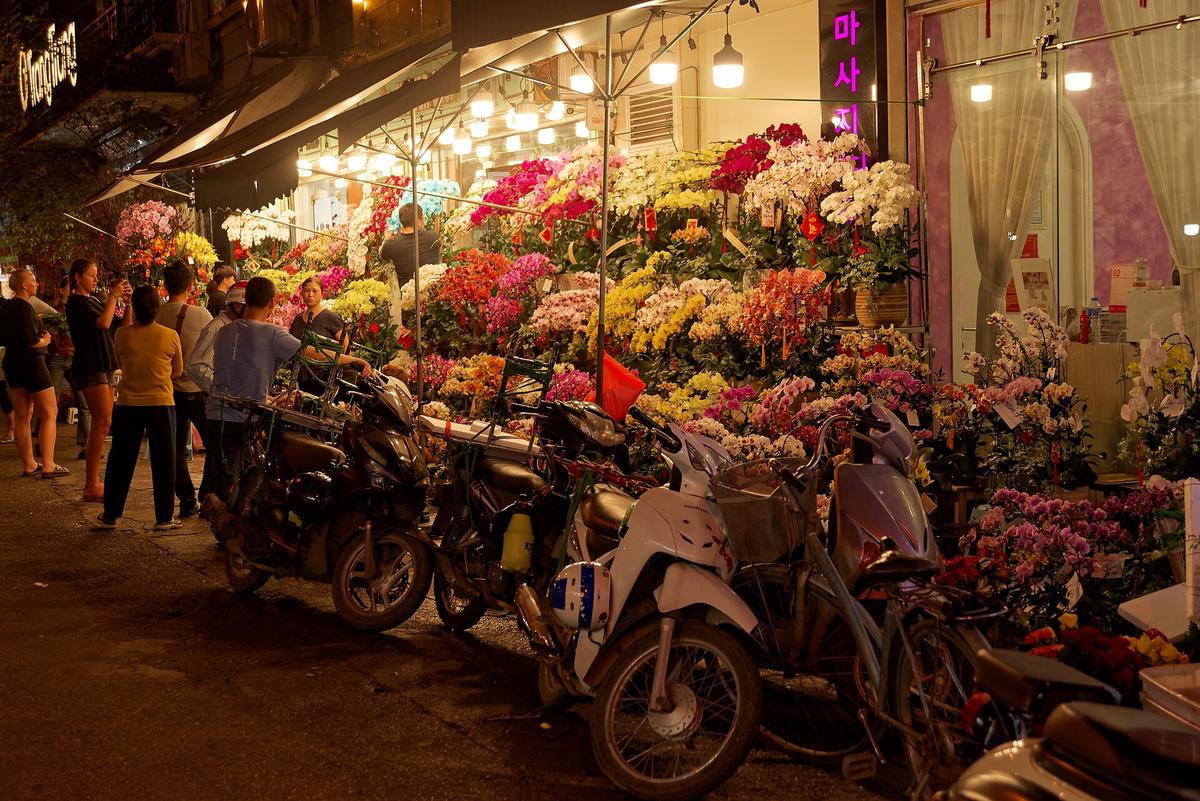
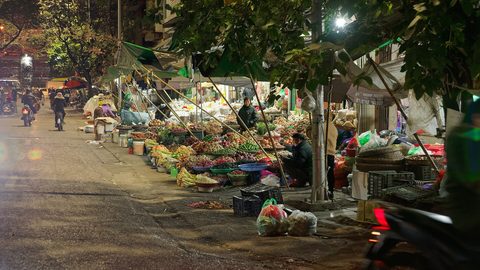
Hanoi hits visitors with a full sensory assault that is exhilarating for the first 48 hours and exhausting thereafter. The Old Quarter’s motorbike swarm, the constant horn bleats, and the sheer density of humanity on every pavement make this the most confronting city in Southeast Asia on arrival. The harder than expected part is crossing the street: you walk slowly and let the river of scooters flow around you, which feels suicidal the first dozen times. The city’s charm is buried under a layer of grime, noise, and chaotic traffic that some travellers never mentally adjust to. The ones who push through find the best street food on the continent, layers of history that go back to 1010, and neighbourhood depth that a week cannot exhaust.
Hanoi is not a city you relax in. It is a city you engage with, and that engagement rewards people who prioritise flavour over comfort. If you need calm, clean, pedestrian friendly streets, skip it. If you need a poolside holiday, book Thailand. But if you want to eat food that rewires your understanding of what rice noodles can do, and you are willing to perch on a plastic stool while scooters brush your elbow, Hanoi is the best food city in Southeast Asia hands down.

- Founded: 1010 as Thăng Long by Emperor Lý Thái Tổ
- Population (Municipal): 8,587,100 (2023, Hanoi Statistical Yearbook)
- Area: 3,359.8 km²
- Climate: Humid subtropical (Cwa); hot summers 34°C, mild winters 14°C low
- Peak Season: October, November and March, April; 20-28°C, lower humidity
- Minimum Stay: 3 full days
- Airport to City: Noi Bai (HAN); 35-50 min by Grab, 250,000-350,000 VND; bus 86 for 45,000 VND
- Typical Visitor Stay: 2-4 nights
- Visa: 45-day e-visa for 80+ countries at 25 USD; 90-day multi-entry at 50 USD (2025)
- Currency: Vietnamese đồng; 23,000-26,000 VND per 1 USD (2024-2026 band)
Hanoi Old Quarter Guide: Surviving the 36 Streets
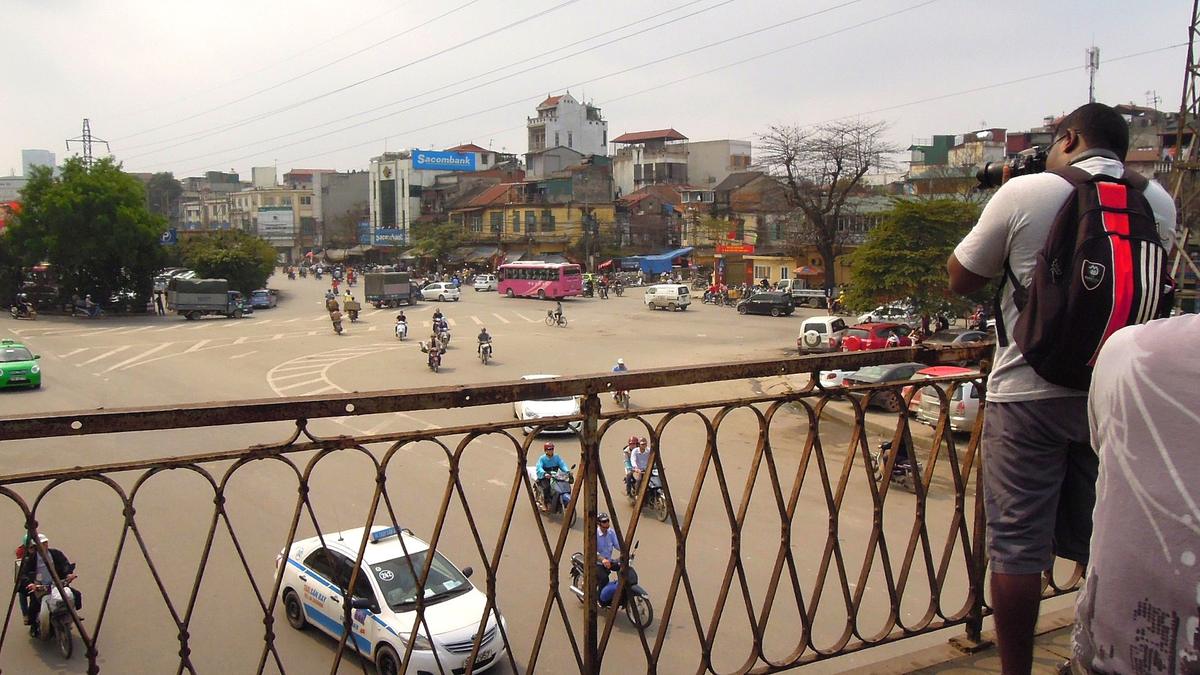
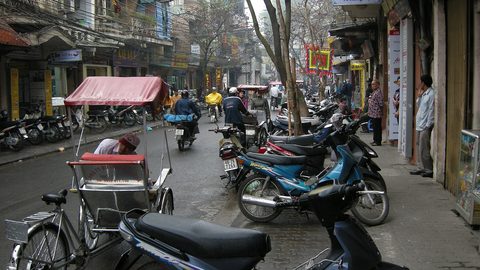
The Hanoi Old Quarter is a 100 hectare maze of 76 streets in the official conservation zone, each originally named for the guild that occupied it. This is backpacker ground zero, and the experience is pure sensory chaos. Street names change every few blocks despite the same road continuing, and many alleys share near identical names, making navigation by address alone unreliable. Google Maps walking directions are directionally correct but fail to account for pavements entirely occupied by parked motorbikes, street kitchens, and construction debris. A 10 minute walk can become a 20 minute obstacle course.
Where to Base Yourself
Do not stay only in the Old Quarter. Judging Hanoi by its most chaotic square kilometre is a common mistake. The city’s best food, neighbourhoods, and breathing room are in the districts around West Lake, Truc Bach, and Ba Dinh, and missing them leaves visitors with a one note impression of relentless noise. Spend one day of a three day itinerary on the Old Quarter and Hoan Kiem core, then move outward.
Crossing the Street
Crossing at marked pedestrian crossings means nothing to motorbike riders. The only functional method is the slow, predictable shuffle: maintain eye contact and constant pace, let the river of scooters flow around you. It works every time once you stop flinching.
Cash and Chaos
Cash is still mandatory for street food, small cafes, and bia hoi. Many vendors cannot break a 500,000 VND note, so hoard small bills. Public bins are rare, and the concept of a queue at bus stops or food stalls is aspirational rather than observed, which can read as rudeness if you are not expecting it. The Old Quarter rewards patience. It does not reward expectations of order.
Hanoi Food Guide: Where to Eat and What to Order
Hanoi’s food is subtle, balanced, northern: fish sauce is lighter, black pepper is dominant, less sugar than the south. The signature dishes define the city. Bun cha Hanoi is grilled pork in a smoky broth with vermicelli, not the same as southern bun thit nuong. Cha ca La Vong is turmeric fish with dill cooked tableside, a single dish restaurant institution. Pho thin (bo tai lan) is stir fried rare beef pho that is richer and garlic forward, specific to one lineage of shops. Bun rieu cua is crab and tomato noodle soup with freshwater crab paste, often a breakfast only item. Banh cuon Thanh Tri are paper thin steamed rice rolls from a specific village, lighter than the stuffed versions elsewhere.
Prices and Coffee
Street food prices run 25,000-60,000 VND per dish. Local beer (bia hoi) costs 5,000-15,000 VND per glass. Coffee runs 15,000-55,000 VND depending on the venue. Coffee in Hanoi is almost exclusively robusta: stronger, more bitter, higher caffeine than arabica. Signature coffee styles include egg coffee (ca phe trung) invented at Giang Cafe, iced coffee with condensed milk (ca phe sua da), and coconut coffee (ca phe cot dua).
The Bia Hoi Corner
Do not miss the bia hoi corner at Ta Hien and Luong Ngoc Quyen. This is fresh draft beer for 5,000-10,000 VND a glass, plastic stool street drinking that peaks after 9pm. Nem chua ran, fried fermented pork spring rolls, appears at those same corners as a crispy sour snack. The food in Hanoi is not a side attraction. It is the reason to come.
Hanoi Itinerary 3 Days: the Minimum Viable Plan
Three full days is the minimum viable stay. That buys you one day for the Old Quarter and Hoan Kiem core, one for the museum and mausoleum circuit, and one for food depth and a neighbourhood like Truc Bach or Tay Ho, plus a buffer for the sensory adjustment period. What a third night buys: a full day for Ba Dinh monuments (the Ho Chi Minh Mausoleum complex, the Imperial Citadel, the Temple of Literature) without compressing the Old Quarter and lakes.
What a fourth night buys: a day trip to a spoke like Ninh Binh, Ha Long Bay, or the Perfume Pagoda plus an evening return to Hanoi. What a fifth night buys: a second day trip or a slow West Lake day with Truc Bach, Tay Ho temples, and craft villages without rush.
Day 1: The Core
Hoan Kiem Lake and Ngoc Son Temple form the city’s spiritual heart, with the red bridge icon. Walk the lake at sunrise when the heat and noise are low. Then head into the Old Quarter’s 36 street maze. Bach Ma Temple is the oldest temple in the city, small but layered. Dong Xuan Market is wholesale chaos, not a souvenir stop. End the day at the bia hoi corner on Ta Hien Street.
Day 2: The Monuments
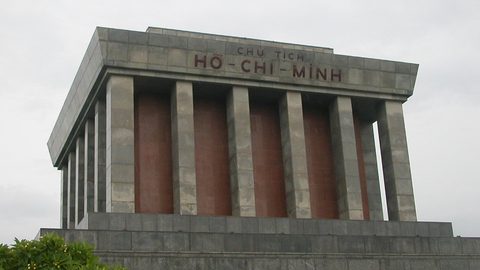
Arrive at the Ho Chi Minh Mausoleum before 9am. Advance booking is not possible, and it closes Monday to Friday afternoons. The strict dress code applies: cover shoulders and knees. Nearby, the Presidential Palace and Ho Chi Minh’s Stilt House show the modest leader’s quarters on lush grounds. The One Pillar Pagoda is a quick stop. The Temple of Literature, Vietnam’s first university founded in 1070, has superb courtyards. The Vietnam Museum of Ethnology provides essential context with indoor out outdoor tribal homes. Hoa Lo Prison (the Hanoi Hilton) covers the French colonial prison and John McCain exhibits. The Thang Long Imperial Citadel is a UNESCO listed site with archaeological layers and a bunker from the Vietnam War.
Day 3: Depth and Neighbourhoods
Choose a spoke. Truc Bach is a quieter lake island with banh cuon spots and an old Hanoi feel. Tay Ho (West Lake) is the expat enclave with lakeside cafes, brunch, and craft beer. Tran Quoc Pagoda is the oldest pagoda in the city, a sunset spot on the water. Long Bien Bridge, the Eiffel designed cantilever bridge, has a pedestrian walkway and sunrise views. St. Joseph’s Cathedral is the neo Gothic Catholic anchor with cafes in the square. The Vietnamese Women’s Museum has superb curation on family, fashion, and war roles. The Hanoi Opera House has performances bookable online.
| District | Character | Best For |
|---|---|---|
| Hoan Kiem / Old Quarter | Frenetic 36 street guild maze, backpacker ground zero | First timers, street food, nightlife |
| Ba Dinh | Government quarter, wide boulevards, mausoleum | Monument sightseeing, history |
| Tay Ho (West Lake) | Expat enclave, lakeside cafes, craft beer | Brunch, digital nomads, calm evenings |
| Truc Bach | Quieter lake island, banh cuon spots, old Hanoi feel | Food depth, local atmosphere |
| Hai Ba Trung | Residential, French era villas, Women's Museum | Museum visitors, architecture lovers |
| Dong Da | Temple of Literature anchor, student energy | Budget eats, local life |
| Cau Giay | Modern high rise, Korean expat businesses | Shopping, long stays |
| Long Bien | Grittier east bank, historic bridge, local markets | Photography, authentic market visits |
| Thanh Xuan | Sprawling southern residential zone, large malls | Family stays, mall shopping |
.jpg)
Is Hanoi Worth Visiting? the Filter
Hanoi is worth visiting if you are a street food obsessive willing to perch on plastic stools. It is worth visiting if you are a solo backpacker on a Southeast Asia circuit, or a culture first traveller who prioritises temples, water puppets, and French colonial layers over comfort. Digital nomads who want low costs and do not need a beach will find a home here. Second time Vietnam visitors ready to go deeper than Ho Chi Minh City will find a city with a reserved, formal, status conscious temperament that is slower to warm to strangers than the direct, entrepreneurial south.
Hanoi is not worth visiting if you need calm, clean, pedestrian friendly streets. Families with young children who need pavements for prams should skip it. Anyone whose trip hinges on a relaxing, poolside holiday will find that Hanoi is many things, but restful it is not. Visitors with severe motorbike exhaust sensitivity or very limited mobility will struggle because pavements are often blocked by parked motorbikes.
When to Go
The peak season runs October to November and March to April. These months deliver the most bearable mix of temperatures between 20 and 28°C, lower humidity, and minimal rain, which makes walking the Old Quarter actually pleasant rather than a sweat drenched endurance test. Avoid Tet, the Vietnamese Lunar New Year in late January to mid February, when for 7 to 10 days the city hollows out as residents return to hometowns; many street food stalls, markets, and independent shops close entirely, and the ones that remain often double prices. Also avoid June to August unless you enjoy 35°C heat with 80% humidity and sudden downpours that flood streets in 20 minutes.
Connectivity and SIM Cards
Connectivity is strong. Buy a Viettel or Mobifone SIM at the airport immediately after baggage claim for 150,000-250,000 VND. Grab requires a Vietnamese phone number to register, so set this up before leaving the airport Wi-Fi zone. Many cafes and all co working spaces have fast reliable Wi Fi, but hotel Wi Fi in older Old Quarter buildings can be patchy through thick concrete walls.
Day Trips
Day trips from Hanoi include Ninh Binh (Tam Coc or Trang An) at 2 to 2.5 hours by car or train for karst river scenery. The Perfume Pagoda is 2 hours by car then a boat ride, a full day commitment. Bat Trang Ceramic Village is 40 minutes by car or bus 47 for pottery workshops. Duong Lam Ancient Village is 1.5 hours by car for preserved laterite stone houses. Ba Vi National Park is 1.5 hours by car for hill station ruins and cloud forest. Co Loa Citadel is 45 minutes by car, a spiral shaped Bronze Age citadel that is quiet and under visited.
Who Hanoi Suits and Who it Does Not
This city suits street food obsessives willing to perch on plastic stools while scooters brush their elbow. It suits solo backpackers on a Southeast Asia circuit who are not fazed by noise. It suits culture first travellers who prioritise temples, water puppets, and French colonial layers over comfort. Digital nomads who want low costs and do not need a beach will find a functional base. Second time Vietnam visitors ready to go deeper than Ho Chi Minh City will find a city with a reserved, formal temperament that rewards patience.
This city does not suit travellers who need calm, clean, pedestrian friendly streets. Families with young children who need pavements for prams should book elsewhere. Anyone whose trip hinges on a relaxing poolside holiday will find that Hanoi is many things, but restful it is not. Visitors with severe motorbike exhaust sensitivity or very limited mobility will struggle because pavements are often blocked by parked motorbikes. If you want a city that meets you halfway, go to Da Nang or Hoi An. If you want a city that demands you adapt and rewards you with the best food in Southeast Asia, come to Hanoi.
What to See in Hanoi
-
 Ho Chi Minh Mausoleum
 queue rules, dress code, morning-only hours, and the months it closes entirely—the strictest visitor experience in Vietnam, no booking possible.
Ho Chi Minh Mausoleum
Ho Chi Minh Mausoleum queue rules, dress code, morning-only hours, and the months it closes entirely—the strictest visitor experience in Vietnam, no booking possible.
-
 Hoan Kiem Lake
 at its two best moments—6am tai chi and the red bridge empty, and weekend nights when the roads close and Hanoi takes over the asphalt.
Hoan Kiem Lake
Hoan Kiem Lake at its two best moments—6am tai chi and the red bridge empty, and weekend nights when the roads close and Hanoi takes over the asphalt.
-
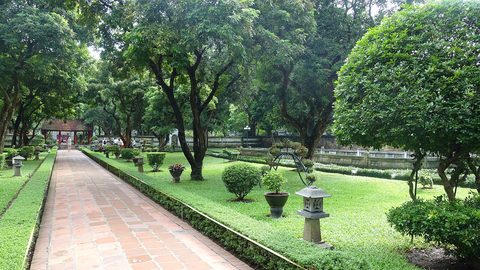 Temple of Literature
The Temple of Literature’s five courtyards walked in order—the turtle stelae, the Well of Heavenly Clarity, and why Vietnamese graduates still crowd the third courtyard.
Temple of Literature
The Temple of Literature’s five courtyards walked in order—the turtle stelae, the Well of Heavenly Clarity, and why Vietnamese graduates still crowd the third courtyard.
-
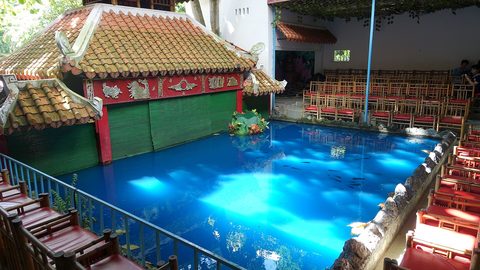 Thang Long Water Puppet Theatre
Thang Long Theatre by Hoan Kiem Lake or the smaller Lotus Theatre—which Hanoi water puppet show is worth your evening and how to get tickets without overpaying.
Thang Long Water Puppet Theatre
Thang Long Theatre by Hoan Kiem Lake or the smaller Lotus Theatre—which Hanoi water puppet show is worth your evening and how to get tickets without overpaying.
More on Hanoi
-
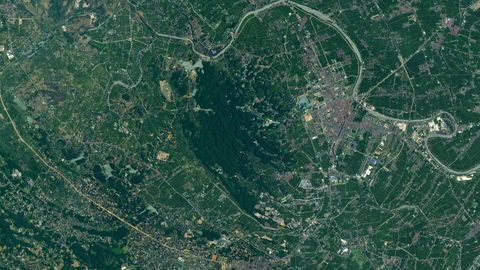 Ninh Binh Day Trip from Hanoi Without a Tour Group
Ninh Binh delivers limestone karst and river boats two hours from Hanoi. Here's how to do it independently, and whether Tam Coc or Trang An fits your day.
Ninh Binh Day Trip from Hanoi Without a Tour Group
Ninh Binh delivers limestone karst and river boats two hours from Hanoi. Here's how to do it independently, and whether Tam Coc or Trang An fits your day.
-
 Ha Long Bay from Hanoi Day Trip Overnight or Skip It Honest Advice
Day trip, one night, or two—and the honest answer about which bay to sail from Hanoi. Ha Long, Lan Ha, and Bai Tu Long compared without the brochure gloss.
Ha Long Bay from Hanoi Day Trip Overnight or Skip It Honest Advice
Day trip, one night, or two—and the honest answer about which bay to sail from Hanoi. Ha Long, Lan Ha, and Bai Tu Long compared without the brochure gloss.
-
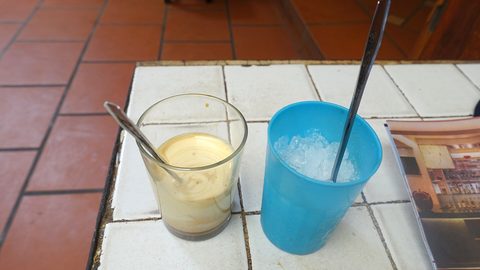 Hanoi Street Food Guide Ten Dishes and the Streets They Live On
Ten Hanoi street food dishes, the exact streets they live on, and the shops that close when the pot is empty—from bun cha to egg coffee at Giang Cafe.
Hanoi Street Food Guide Ten Dishes and the Streets They Live On
Ten Hanoi street food dishes, the exact streets they live on, and the shops that close when the pot is empty—from bun cha to egg coffee at Giang Cafe.
-
 3 Days in Hanoi Itinerary with One Day Out of the City
Three days in Hanoi with one of them out of the city. Which morning demands an early start, and why day three should leave the Old Quarter behind.
3 Days in Hanoi Itinerary with One Day Out of the City
Three days in Hanoi with one of them out of the city. Which morning demands an early start, and why day three should leave the Old Quarter behind.
-
 Is Hanoi Worth Visiting Yes and the Honest Reasons It Might Not Be for You
Yes, Hanoi is worth visiting—in two sentences. Then the honest reasons it might not be for you, from motorbike swarms to pavements you cannot walk on.
Is Hanoi Worth Visiting Yes and the Honest Reasons It Might Not Be for You
Yes, Hanoi is worth visiting—in two sentences. Then the honest reasons it might not be for you, from motorbike swarms to pavements you cannot walk on.
-
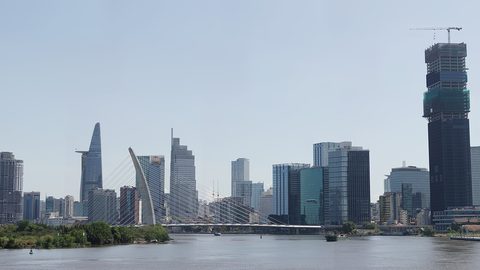 Hanoi or Ho Chi Minh City Which Vietnam City Fits Your Trip
Hanoi or Ho Chi Minh City? North against south, refereed by what you want to eat—and why the answer changes with bun cha versus bun thit nuong.
Hanoi or Ho Chi Minh City Which Vietnam City Fits Your Trip
Hanoi or Ho Chi Minh City? North against south, refereed by what you want to eat—and why the answer changes with bun cha versus bun thit nuong.
Common Questions
How many days do you need in Hanoi?
Three full days is the minimum. That covers the Old Quarter, the monument circuit, and one neighbourhood or food focused day. A fourth night buys a day trip to Ninh Binh or Ha Long Bay. A fifth night buys a second day trip or a slow day around West Lake.
What is the best time to visit Hanoi?
October to November and March to April. Temperatures sit between 20 and 28°C with lower humidity and minimal rain. Avoid June to August when heat hits 35°C with 80% humidity and sudden floods. Avoid Tet (late January to mid February) when the city shuts down.
Is Hanoi safe for solo female travellers?
Hanoi is generally safe, but the main friction points are traffic and pavement chaos rather than personal safety. The slow shuffle method for crossing streets works. Grab rides are tracked and cheap. Keep small bills for street food and watch your bag in crowded markets.
What should I eat in Hanoi?
Bun cha, cha ca La Vong, pho thin with stir fried beef, bun rieu cua, banh cuon Thanh Tri, egg coffee at Giang Cafe, and bia hoi at the Ta Hien corner. Street food costs 25,000-60,000 VND per dish. Local beer runs 5,000-15,000 VND per glass.
How do I get from Noi Bai Airport to the Old Quarter?
Grab taxi or ride hail costs 250,000-350,000 VND and takes 35 to 50 minutes. Express bus 86 runs every 25 to 30 minutes to the Hoan Kiem area for 45,000 VND, taking 50 to 60 minutes. Ignore touts offering fixed price rides inside the terminal. Walk to the official taxi queue or book on the Grab app.
Do I need cash in Hanoi?
Yes. Cash is mandatory for street food, small cafes, and bia hoi. Many vendors cannot break a 500,000 VND note. Hoard small bills. Cards work at mid range restaurants, hotels, and larger shops.
What is the biggest mistake visitors make in Hanoi?
Staying only in the Old Quarter and judging Hanoi by its most chaotic square kilometre. The city’s best food, neighbourhoods, and breathing room are in the districts around West Lake, Truc Bach, and Ba Dinh. Missing them leaves visitors with a one note impression of relentless noise.
Read next
-
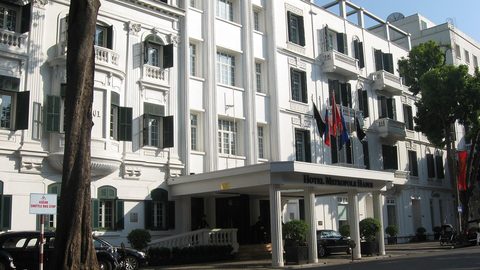 Hanoi Hotels That Match the City—Character, Chaos, and the Occasional Quiet Courtyard
Hanoi hotels range from Old Quarter shophouse conversions with courtyard calm to Tay Ho serviced apartments for nomads—each district trades proximity for peace differently.
Hanoi Hotels That Match the City—Character, Chaos, and the Occasional Quiet Courtyard
Hanoi hotels range from Old Quarter shophouse conversions with courtyard calm to Tay Ho serviced apartments for nomads—each district trades proximity for peace differently.
-
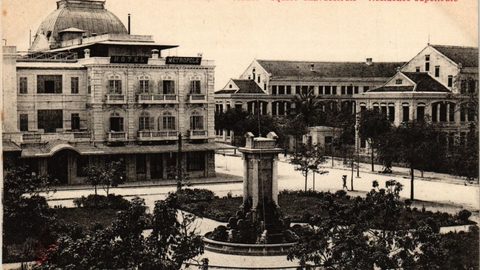 Where to Stay in Hanoi Without Missing the City That Exists Beyond the Old Quarter
Base yourself in the Old Quarter for street-food density and chaos, Tay Ho for lakeside brunches and craft beer, or Truc Bach for a quieter old-Hanoi rhythm with banh cuon on your doorstep.
Where to Stay in Hanoi Without Missing the City That Exists Beyond the Old Quarter
Base yourself in the Old Quarter for street-food density and chaos, Tay Ho for lakeside brunches and craft beer, or Truc Bach for a quieter old-Hanoi rhythm with banh cuon on your doorstep.
-
 Flying into Hanoi and Getting from Noi Bai to the Old Quarter Fast
Flying into Hanoi Noi Bai Airport—SIM pickup, Grab setup on airport Wi-Fi, express bus 86 vs taxi costs, and the domestic transfer for onward Vietnam flights.
Flying into Hanoi and Getting from Noi Bai to the Old Quarter Fast
Flying into Hanoi Noi Bai Airport—SIM pickup, Grab setup on airport Wi-Fi, express bus 86 vs taxi costs, and the domestic transfer for onward Vietnam flights.
-
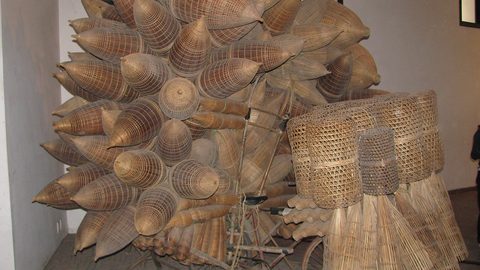 Hanoi Things to Do That Are Worth Your Limited Days, Ranked Honestly
Ranked honestly: Temple of Literature and the Women's Museum are non-negotiable, Ho Chi Minh Mausoleum demands a pre-9am arrival and strict dress code, and Train Street access is now restricted.
Hanoi Things to Do That Are Worth Your Limited Days, Ranked Honestly
Ranked honestly: Temple of Literature and the Women's Museum are non-negotiable, Ho Chi Minh Mausoleum demands a pre-9am arrival and strict dress code, and Train Street access is now restricted.
-
 Best Time to Visit Hanoi, Month by Month, With the Tradeoff Each One Carries
October-November and March-April deliver 20-28°C walking weather, but avoid Tet when street-food stalls shut for 7-10 days and June-August when 35°C heat floods the streets in 20 minutes.
Best Time to Visit Hanoi, Month by Month, With the Tradeoff Each One Carries
October-November and March-April deliver 20-28°C walking weather, but avoid Tet when street-food stalls shut for 7-10 days and June-August when 35°C heat floods the streets in 20 minutes.
-
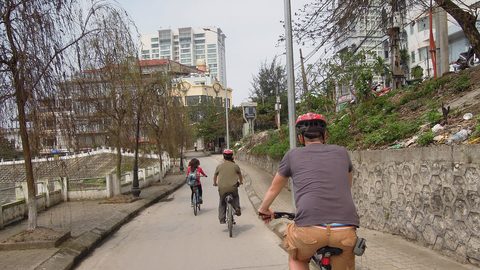 Getting Around Hanoi When Pavements Are Parking Lots and Google Maps Lies
Grab dominates Hanoi transit but requires a local SIM set up at Noi Bai Airport before you leave the Wi-Fi zone, and Google Maps walking times double when pavements become motorbike parking lots.
Getting Around Hanoi When Pavements Are Parking Lots and Google Maps Lies
Grab dominates Hanoi transit but requires a local SIM set up at Noi Bai Airport before you leave the Wi-Fi zone, and Google Maps walking times double when pavements become motorbike parking lots.
-
Hoan Kiem Lake
Hoan Kiem Lake at its two best moments—6am tai chi and the red bridge empty, and weekend nights when the roads close and Hanoi takes over the asphalt.
-
Temple of Literature
The Temple of Literature’s five courtyards walked in order—the turtle stelae, the Well of Heavenly Clarity, and why Vietnamese graduates still crowd the third courtyard.
-
Ho Chi Minh Mausoleum
Ho Chi Minh Mausoleum queue rules, dress code, morning-only hours, and the months it closes entirely—the strictest visitor experience in Vietnam, no booking possible.