A Chiang Mai Travel Guide That Names the Burning Season First
A Chiang Mai travel guide that names the burning season early, then routes you to the right pages on temples, food, areas and timing.
- Flag
-

- ISO code
- TH
- Currency
- THB
A Chiang Mai Travel Guide That Names the Burning Season First
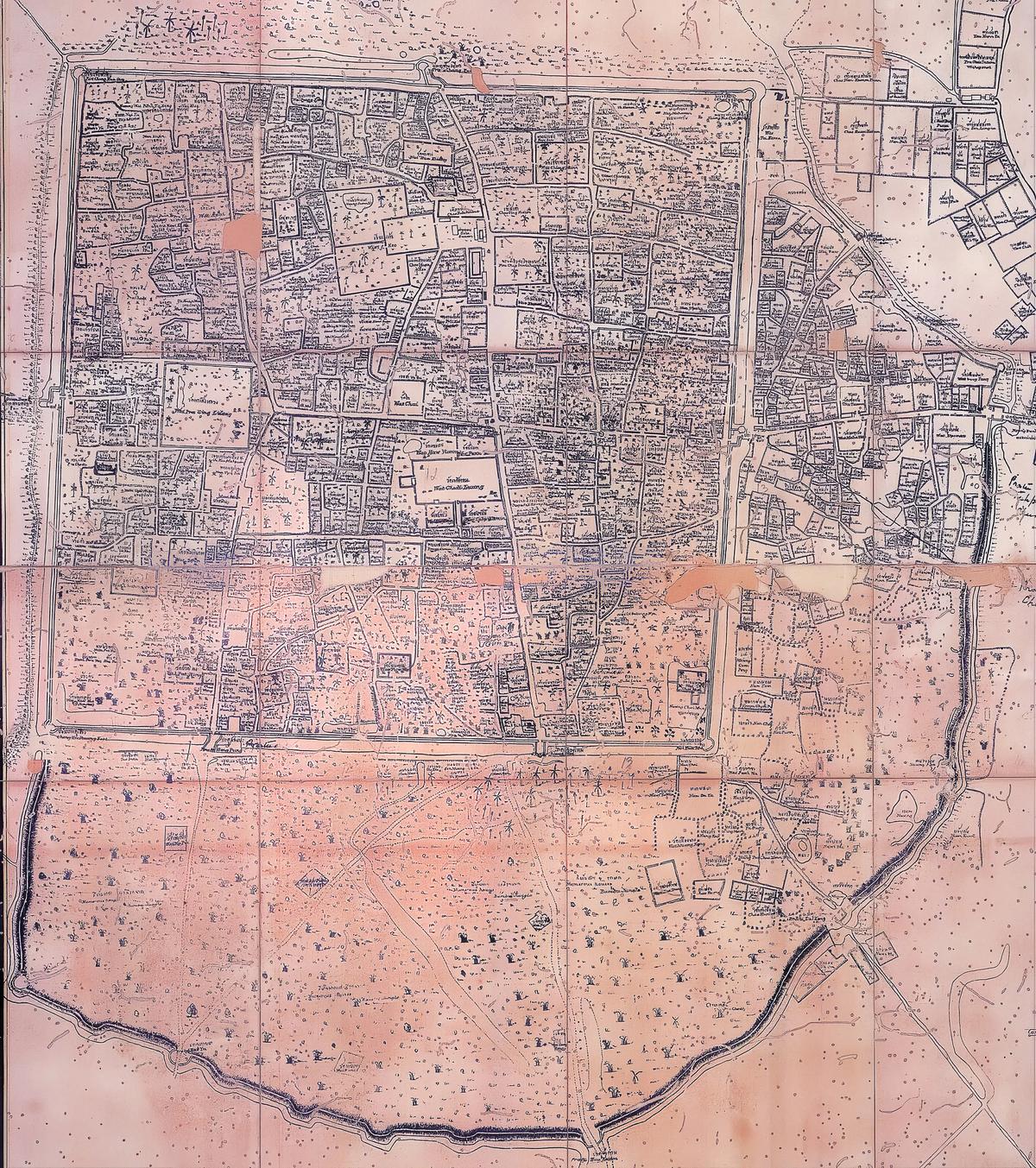
Chiang Mai is a low rise temple city where the pace matches the heat rather than fighting it. The air from February through April is genuinely hazardous and the March AQI can sit above 300 on the US index. That single fact decides whether this destination fits you, and it belongs at the top of any guide worth reading. The old city is a 1.6 kilometre square moated district with 36 temples inside its partial walls. The distances from one gate to the next are longer than most first timers expect. Midday sun across that exposed grid drains energy fast. The food scene is exceptional, the cafe culture is deep, and the mountains are close. The window for comfortable travel is narrower than the photos suggest.
- Capital of the Lanna Kingdom: 1296-1899 (six centuries)
- Old City Dimensions: 1.6 km × 1.6 km square with intact moat and five gates
- Population: 127,000 municipal (2023); 1.2 million metro
- Airport: Chiang Mai International Airport (CNX), 4 km southwest of old city
- Elevation: 310 m above sea level
- Minimum Stay: 3 days; 4-5 recommended for one mountain day and one cooking class
- Peak Season: November to February, cool mornings, clear skies, Loy Krathong and Yi Peng in November
- Avoid Window: March to mid-April, burning season smoke and extreme heat; Songkran week adds gridlock
- Signature Dish: Khao soi (coconut curry noodles)
- Total Temples: 36 inside the old city, 300+ in the metro area
- Doi Suthep: 1,676 m elevation, 15 km west, 306 naga staircase steps
- Doi Inthanon: 2,565 m, highest point in Thailand, 70 km southwest
Chiang Mai Itinerary: What Three Days Actually Looks Like
Four days is the minimum that feels relaxed. That gives you a morning for the old city temples, an afternoon for a market and a cooking class, one full day for a mountain trip, and room to eat your way through the night without rushing. If you only have three, drop the mountain day and do a half day cooking class instead.
The Old City Temples in Sequence
Start at Wat Chiang Man, the oldest temple in Chiang Mai founded in 1296. Then walk to Wat Chedi Luang where the 60 metre ruined chedi dominates the compound. Finish at Wat Phra Singh, the most revered temple in the old city. That circuit takes two to three hours if you move at a slow pace. Do it before 10:00 or after 15:00. The midday heat makes the distances feel twice as far as they look on a map.
One Mountain Day
Doi Suthep is a 30 to 40 minute songthaew ride from the old city. Climb the 306 step naga staircase or take the tram. Pair it with Wat Pha Lat, the quieter jungle temple on the same mountain. If you have a full day, drive 1.5 to 2 hours to Doi Inthanon National Park for the highest point in Thailand, waterfalls, and cold mornings. That trip needs a car, a tour, or a rented scooter with a valid International Driving Permit.
Evening Food
Khao soi is the signature northern dish and it appears at dozens of stalls across the old city and Santitham. Sai ua herbal sausage comes from street grills near Warorot Market. The overnight charcoal pork at the Chang Phueak cowboy lady stall is worth the queue. Book a half day cooking class for 800 to 1,500 THB and learn to make all of these yourself.

Chiang Mai Best Time to Visit
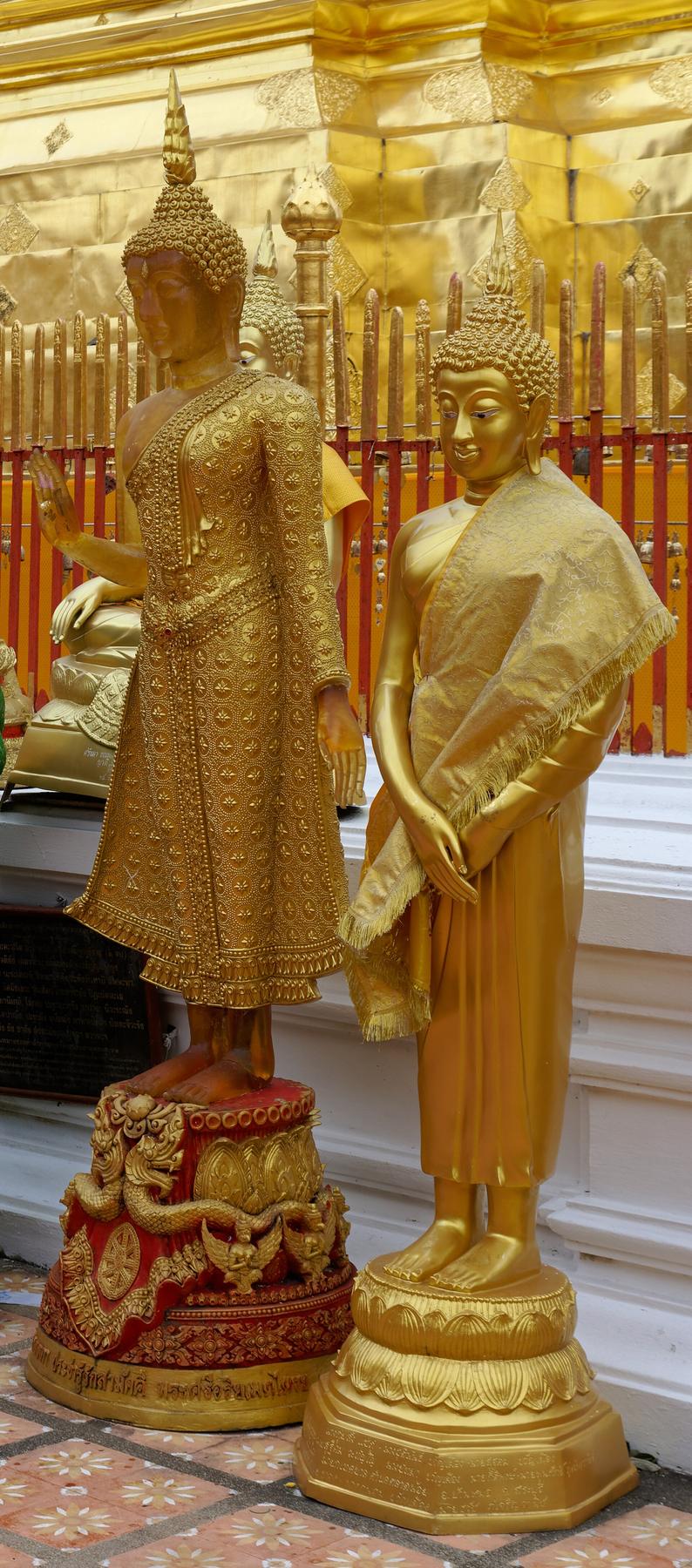
November through February is peak season for a reason. Cool mornings sit at 14 to 16°C, average highs stay at 29 to 31°C, and the sky is clear. Loy Krathong and Yi Peng fall in November, when thousands of lanterns and floating baskets light the city. Book accommodation six to eight weeks ahead for November. For January and February, four weeks ahead is enough.
The Burning Season
March is the worst month for agricultural burning. The US AQI runs from 150 to over 300 for weeks at a time. The smoke settles in the valley because Chiang Mai sits at 310 metres elevation with mountains trapping the haze. If you have asthma, a respiratory condition, or children under five, do not travel from February through April. April also brings extreme heat with average highs of 35 to 38°C and Songkran crowds that make normal movement impossible for three to five days. The water fights are fun if you want them. If you do not, avoid the week entirely.
The Rainy Season
May through October brings rain, with September as the peak month. Average highs sit at 31 to 33°C. The rain usually falls in short afternoon bursts and clears quickly. The city is quieter, rooms cost less, and the landscape is green. June through January are the clean air months. White water rafting on the Mae Taeng river runs July through November.
Chiang Mai Where to Stay: Districts in Plain Terms
The old city is inside the moat. It is quiet at night, full of guesthouses and midrange hotels, and puts you within walking distance of Wat Phra Singh, Wat Chedi Luang, and the Sunday Walking Street that runs along Ratchadamnoen Road. Pavements are narrow and uneven. Parked scooters block the footpath in many sections. Budget for short Grab rides if the heat gets you.
Nimmanhaemin sits 2 to 4 kilometres west of the moat. It has polished cafes, co working spaces, condos, and a young crowd. Digital nomads and slow travellers who need reliable wifi and coffee within 50 metres stay here. It is not walkable to the old city. You take a songthaew or a scooter.
Wat Ket and Charoenrat along the Ping river have boutique hotels, galleries, and a quieter pace. Santitham is local, cheaper, and close to some of the best low key food in the city. Chang Moi sits on the gritty edge of the old city with markets and hostels. Wua Lai, south of the moat, is the silver district and hosts the Saturday Walking Street.
| Method | Cost | Best For | Caveat |
|---|---|---|---|
| Grab or Bolt | 150–200 THB to old city from airport | Short trips, air conditioning | Surge pricing during rain and Songkran |
| Songthaew (red truck) | 30–50 THB per ride | Fixed routes, local experience | No fixed schedule; flag one down |
| Scooter rental | 200–300 THB per day | Freedom to explore Doi Suthep and Mae Rim | Police checkpoints require an International Driving Permit; fines without it are common and insurance is void |
| Pre booked hotel transfer | 300–500 THB from airport | Convenience after a flight | More expensive than Grab |

Chiang Mai Things to Do: the Shortlist That Matters
Temples Beyond the Big Three
Wat Umong is a forest temple with tunnels and a quiet, rustic feel that draws fewer crowds than the old city sights. Wat Suan Dok has white chedis that photograph best at sunset. Wat Pha Lat sits on the Doi Suthep trail and feels like a jungle ruin without the queue. Temple dress code requires covered shoulders and knees at most sites. Enforcement is inconsistent but real. Carry a light scarf or long pants in your bag.
Markets
The Chiang Mai Night Bazaar on Chang Klan Road runs nightly and is predictable but lively. Warorot Market is the local wet market with flowers, snacks, and everything you would expect from a working market. Baan Kang Wat is an artisan village with a weekend vibe and a handful of excellent cafes. The Sunday Walking Street on Ratchadamnoen Road inside the old city is the best of the weekend markets. The Saturday Walking Street runs on Wualai Road in the silver district.
Museums and Art
MAIIAM Contemporary Art Museum sits 30 minutes out and is worth the trip for modern art in a dedicated space. Do not go out of your way unless you care about contemporary Thai work. Three Kings Monument has a museum nearby that covers Lanna history, but the monument itself is a central meeting point and little more.
Day Trips
Mae Rim valley is 45 minutes by car and holds elephant camps, gardens, and zipline courses at 2,000 to 3,000 THB. Elephant sanctuary visits run 1,500 to 3,000 THB per half day. Mae Kampong village is an hour drive into the forest with waterfalls and a hillside community. Chiang Dao is 1.5 hours north and offers caves and mountain views. Lamphun is 40 minutes by train and gives you a quiet temple town with no crowds.
Who Chiang Mai Suits and Who Should Skip it
Chiang Mai suits solo travellers who want a safe, easy base where they can move at their own pace. It suits digital nomads and slow travellers who need reliable wifi and a cafe within walking distance. It suits food focused visitors who want to eat khao soi, sai ua, and gaeng hang lay from the source, and temple enthusiasts who will spend three days working through the old city sites.
It does not suit beach seekers. There is no coast and the nearest decent sand is a flight away. It does not suit hardcore partiers who want late night clubs open past 02:00. The nightlife is low key and the bars close early outside of Songkran. It does not suit travellers who want a compact, walkable historic core where everything is within five minutes on foot. The old city is a 1.6 kilometre square and the heat makes walking tiring. And it does not suit anyone who is unwilling to handle the heat, the smoke season, or the scooter traffic. The photos do not show the haze or the 38°C afternoons. Come between November and February or stay home.
What to See in Chiang Mai
-
 Doi Inthanon
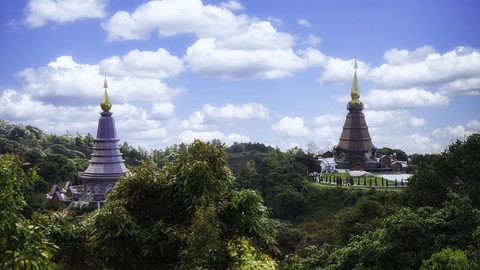
 is 2,565 metres of summit car park in cloud, but the waterfalls, pagodas and trails on the way up are better.
Doi Inthanon
Doi Inthanon is 2,565 metres of summit car park in cloud, but the waterfalls, pagodas and trails on the way up are better.
-
 Wat Chedi Luang
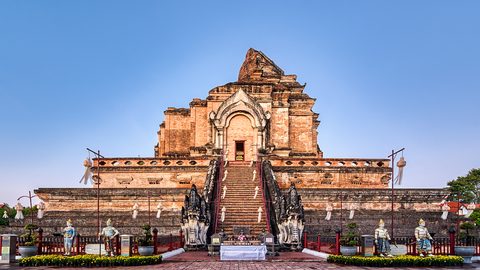
 is the biggest ruin in Chiang Mai's old city, and the one temple where you can sit and talk to a monk.
Wat Chedi Luang
Wat Chedi Luang is the biggest ruin in Chiang Mai's old city, and the one temple where you can sit and talk to a monk.
-
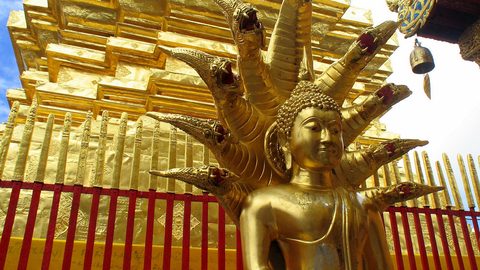 Wat Phra That Doi Suthep
Doi Suthep is a gold chedi above Chiang Mai, but the monk's trail up through Wat Pha Lat is the part almost nobody walks.
Wat Phra That Doi Suthep
Doi Suthep is a gold chedi above Chiang Mai, but the monk's trail up through Wat Pha Lat is the part almost nobody walks.
More on Chiang Mai
-
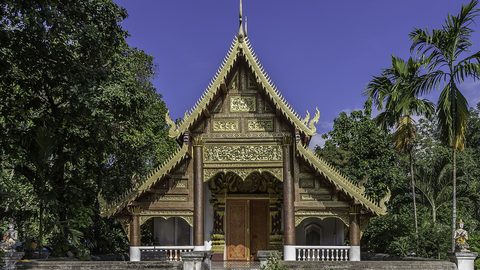 Chiang Mai Burning Season Explained and Whether to Cancel
Chiang Mai burning season runs roughly February to April. Here is why it happens, what the air quality numbers mean, and whether to cancel.
Chiang Mai Burning Season Explained and Whether to Cancel
Chiang Mai burning season runs roughly February to April. Here is why it happens, what the air quality numbers mean, and whether to cancel.
-
 Chiang Mai Elephant Sanctuaries Without the Riding Camps
Many Chiang Mai elephant sanctuaries are riding camps with new signage. Here is how to tell the difference before you book.
Chiang Mai Elephant Sanctuaries Without the Riding Camps
Many Chiang Mai elephant sanctuaries are riding camps with new signage. Here is how to tell the difference before you book.
-
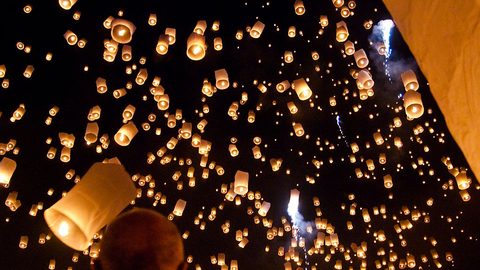 Chiang Mai Lantern Festival Guide to Yi Peng and Loi Krathong
Chiang Mai lantern festival is two festivals — Yi Peng sky lanterns and Loi Krathong river floats. Here is what is ticketed and what is free.
Chiang Mai Lantern Festival Guide to Yi Peng and Loi Krathong
Chiang Mai lantern festival is two festivals — Yi Peng sky lanterns and Loi Krathong river floats. Here is what is ticketed and what is free.
-
 Chiang Mai Cooking Classes Worth the Half Day and Baht
A good Chiang Mai cooking class includes a market tour, hands-on curry paste, and northern dishes. Here is what to expect and what to pay.
Chiang Mai Cooking Classes Worth the Half Day and Baht
A good Chiang Mai cooking class includes a market tour, hands-on curry paste, and northern dishes. Here is what to expect and what to pay.
-
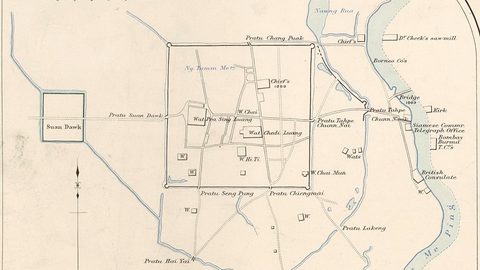 Chiang Mai or Chiang Rai for Your Northern Thailand Trip
Chiang Mai is the better base for most northern Thailand trips, but Chiang Rai has the White Temple. Here is how to choose.
Chiang Mai or Chiang Rai for Your Northern Thailand Trip
Chiang Mai is the better base for most northern Thailand trips, but Chiang Rai has the White Temple. Here is how to choose.
Common Questions
Is Chiang Mai safe for solo travellers?
Yes. Chiang Mai is one of the safest cities in Southeast Asia for solo travellers, particularly women travelling alone. Petty theft happens but violent crime is rare. The areas to avoid at night are the unlit back streets outside the old city moat after midnight. Stay in the old city or Nimmanhaemin and you will be fine.
How bad is the burning season air quality?
Bad enough to change your plans. The US AQI in March regularly sits from 150 to over 300, which is hazardous for anyone with respiratory issues, children, and older adults. The Thailand Pollution Control Department and IQAir publish real time readings. Check them before you book. If you have asthma, do not travel February through April.
Do I need a scooter to get around?
No. Grab and Bolt cover the city for short trips. Songthaews run fixed routes for 30 to 50 THB. A scooter is convenient for Doi Suthep and day trips, but you need an International Driving Permit. Police checkpoints are common and fines for riding without one are real. Without a valid licence, your insurance is void.
What is the temple dress code?
Covered shoulders and knees at major temples like Wat Phra Singh and Doi Suthep. Some smaller temples do not enforce it, but carry a scarf or long pants anyway. Shoes come off at every temple entrance. Wear sandals that slip on and off.
How many days should I spend in Chiang Mai?
Three days minimum. Four to five days is better and lets you fit a mountain day, a cooking class, and a slow temple circuit. Seven days adds Doi Inthanon, the craft villages in Bo Sang and San Kamphaeng, and an evening food crawl across Santitham.
Is the wifi good for remote work?
5G coverage is strong across the city. AIS and True tourist SIMs are cheap and sold at the airport. Grab, Bolt, and food delivery apps work well. Some cafes throttle or block video calls. Nimmanhaemin has the most reliable co working spaces.
What is the best way to get from Bangkok to Chiang Mai?
Direct flight at 1 hour 10 minutes is the practical answer. The overnight train takes 12 to 14 hours and is an experience worth doing once for the sleeper car and the scenery. The day train takes 10 to 11 hours. The rail distance is 751 kilometres.
Read next
-
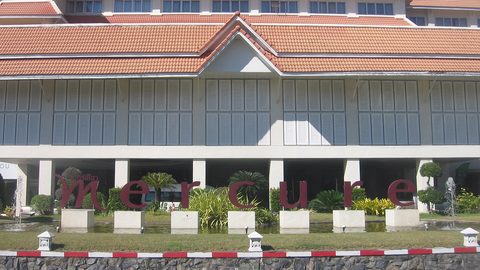 Chiang Mai Hotels by Price Band and Property Type
Chiang Mai hotels by property type and price band, from old city guesthouses to Mae Rim resorts, where the value is the best in Thailand.
Chiang Mai Hotels by Price Band and Property Type
Chiang Mai hotels by property type and price band, from old city guesthouses to Mae Rim resorts, where the value is the best in Thailand.
-
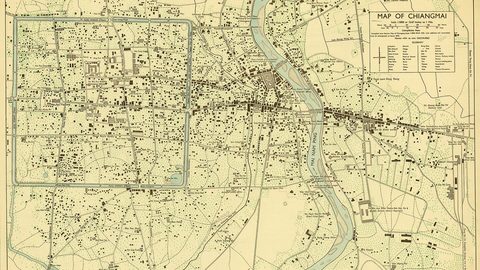 Where to Stay in Chiang Mai: Old City, Nimman or Riverside
Where to stay in Chiang Mai, broken into the four areas that actually matter: Old City, Nimmanhaemin, Wat Ket riverside and Santitham.
Where to Stay in Chiang Mai: Old City, Nimman or Riverside
Where to stay in Chiang Mai, broken into the four areas that actually matter: Old City, Nimmanhaemin, Wat Ket riverside and Santitham.
-
 Flying to Chiang Mai: CNX Airport, Airlines and Arrival Routes
Flying to Chiang Mai means CNX, a small airport 15 minutes from the old city with no rail link. Here is the arrival flow and cost.
Flying to Chiang Mai: CNX Airport, Airlines and Arrival Routes
Flying to Chiang Mai means CNX, a small airport 15 minutes from the old city with no rail link. Here is the arrival flow and cost.
-
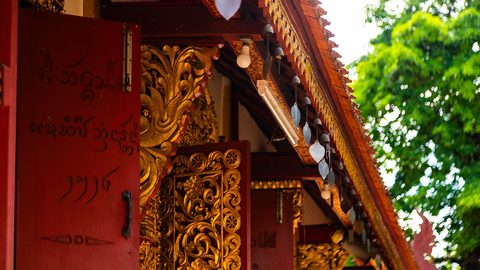 Chiang Mai Things to Do Worth Your Days, Ranked and Argued
Chiang Mai things to do, ranked and argued: the temples, markets and day trips worth your days, and the popular stops you can skip.
Chiang Mai Things to Do Worth Your Days, Ranked and Argued
Chiang Mai things to do, ranked and argued: the temples, markets and day trips worth your days, and the popular stops you can skip.
-
 Best Time to Visit Chiang Mai: Burning Season Comes First
Best time to visit Chiang Mai, with the burning season named first: February to April air quality, then the cool clear peak months.
Best Time to Visit Chiang Mai: Burning Season Comes First
Best time to visit Chiang Mai, with the burning season named first: February to April air quality, then the cool clear peak months.
-
 Getting Around Chiang Mai: Grab, Songthaews and Scooter Reality
Getting around Chiang Mai: Grab and songthaew costs, scooter licence checkpoints, airport transfers and why walking is harder than it looks.
Getting Around Chiang Mai: Grab, Songthaews and Scooter Reality
Getting around Chiang Mai: Grab and songthaew costs, scooter licence checkpoints, airport transfers and why walking is harder than it looks.
-
Wat Phra That Doi Suthep
Doi Suthep is a gold chedi above Chiang Mai, but the monk's trail up through Wat Pha Lat is the part almost nobody walks.
-
Wat Chedi Luang
Wat Chedi Luang is the biggest ruin in Chiang Mai's old city, and the one temple where you can sit and talk to a monk.
-
Doi Inthanon
Doi Inthanon is 2,565 metres of summit car park in cloud, but the waterfalls, pagodas and trails on the way up are better.