Your Krabi Travel Guide to the Provincial Capital That Surprises First-Time Visitors
Krabi is a province, not a beach town. The provincial capital sits 15km inland on a muddy river estuary and works best as a transit base, not a place to linger.
- Flag
-

- ISO code
- TH
- Currency
- THB
Your Krabi Travel Guide to the Provincial Capital That Surprises First-Time Visitors
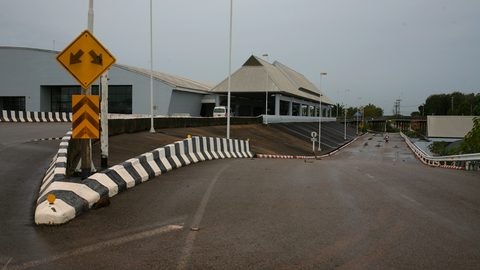
Krabi Town is not on the beach. That is the single most important fact to understand before you book anything. The provincial capital sits 15 kilometres inland on a tidal river estuary and functions as the commerce and transit hub for the entire province. This Krabi travel guide exists to correct that misconception and help you decide whether staying here makes sense for your trip, or whether you should head straight to the coast. Krabi Town is a scruffy, functional Thai provincial capital that surprises visitors expecting a beachfront paradise. The town itself is a logistics hub, not a destination for lingering, and many visitors find the lack of a walkable centre and the constant flow of through-traffic harder than anticipated. Arriving at Krabi International Airport 13 kilometres northeast, the first decision you face is not which hotel to book but which direction to go: south to the coast or into town.
- Province area: 4,709 km²
- Province population: ~480,000 (2023 estimate)
- Krabi Town population: ~32,000
- Distance from airport to Krabi Town: 15 km
- Distance from Krabi Town to Ao Nang: 18 km
- Peak season: November to March
- Minimum stay in Krabi Town: 1 night
Is Krabi a Beach Town? What Krabi Actually is and is Not
No. Krabi Town is not a beach town. The town sits on a muddy river estuary, and at low tide the exposed mudflats smell strongly. The pier area looks nothing like the marketing photos of turquoise water and white sand. There is no beach in town. First-time visitors book a week here thinking it is a beach destination, then lose hours each day commuting to Ao Nang or Railay and pay 800 to 1,000 THB daily in round-trip fares. That is the most common mistake people make here.
What Krabi Town is: a practical transit base. Budget backpackers use it as a cheap launch point for Railay Beach and the Andaman islands. Digital nomads who want low monthly rents and authentic local life base themselves here rather than in resort bubbles. Climbers heading to Railay and Tonsai daily find the savings worth the commute. Second-time southern Thailand visitors bored of the islands appreciate the genuine Thai markets over curated resort experiences. If any of those describe you, Krabi Town makes sense. If you want beach, convenience, or luxury, skip the town entirely and book directly on the coast.

Krabi Town vs Ao Nang: Where Should You Stay?
This is the routing decision that defines your trip. Krabi Town sits 18 kilometres inland from Ao Nang, the main beach strip. The two places serve different people and are not interchangeable.
Choose Krabi Town if: you are on a tight budget, you want to eat at local markets rather than tourist restaurants, you plan to use the town as a transit base for a few nights before moving on to Koh Lanta or an island, you are a climber commuting to Railay daily, or you are a remote worker who wants cheap long-term accommodation and does not mind limited co-working spaces. The town works best as a one or two night stop to sort onward connections, visit the weekend market, and leave.
Choose Ao Nang if: you want a beach within walking distance, you prefer resort-style accommodation, you plan to take island day trips by longtail boat, you want evening restaurant and bar options, or you have limited mobility and need proper pavements. Ao Nang sits directly on the Andaman coast and gives you immediate access to the water. It is 27 kilometres from Krabi International Airport, about 15 minutes further than the town, but the trade off saves you daily commuting time and fares.
A common middle ground is Ao Nam Mao pier, which serves Railay directly and has a handful of accommodation options. But for most people the decision is Krabi Town versus Ao Nang, and the answer depends entirely on whether you value convenience or savings.
Krabi Transport Hub: How to Use Krabi Town as Your Transit Base
Krabi Town functions as the province's transit hub because the bus station, ferry piers, and minivan terminals all converge here. Krabi Pier at Khong Kha sends longtail boats to Railay Beach for 100 THB each way, with the last boat back around 18:00. The ferry from Klong Jilad pier to Koh Lanta takes roughly 2 hours. Minivans to Phuket, Surat Thani, and Bangkok depart regularly from the town centre.
Getting Around Town
Getting around Krabi Town itself relies on songthaews, the converted pickup trucks that run fixed routes. Flag one down and pay the driver on exit. Standard fare within town is 50 to 60 THB. The dominant friction: there is no centralised map of routes, no schedule, and services thin out after 18:00, stranding people who assumed an evening return from Ao Nang would be easy. A songthaew from Krabi Town to Ao Nang costs 60 THB and takes about 20 minutes. Getting back after 21:00 requires a private taxi at 400 to 500 THB. Budget for that cost if you plan to spend evenings on the coast.
From the Airport
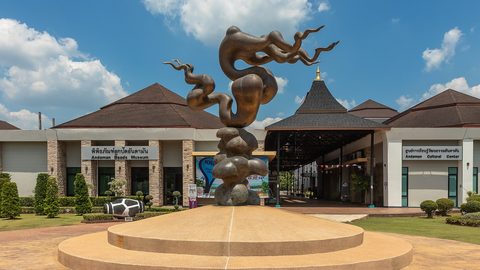
From Krabi International Airport, the airport bus runs white songthaews to town centre for 60 THB, taking 20 to 30 minutes. A private taxi costs 350 to 400 THB and takes 15 to 20 minutes. Minivan services to Ao Nang, Ao Nam Mao pier, and the bus stations also depart from the airport. Ao Nang is 27 kilometres from the airport, compared to Krabi Town's 15 kilometres. That 12 kilometre difference translates to about 10 to 15 extra minutes in the car.
What to Do in Krabi Town: Day Trips and Local Landmarks
Krabi Town itself has a handful of worthwhile sights that occupy a morning or an afternoon. The rest of your time here goes to day trips into the surrounding province.
Wat Tham Sua (Tiger Cave Temple)
The major inland attraction, 15 minutes north of town by songthaew for 50 THB. You climb 1,260 steps to the summit for panoramic views over the karst landscape. Budget 2 to 3 hours for the full visit. Go early, before 08:00, to avoid the heat. The climb is steep and exposed at the top. Bring water.
Railay Beach
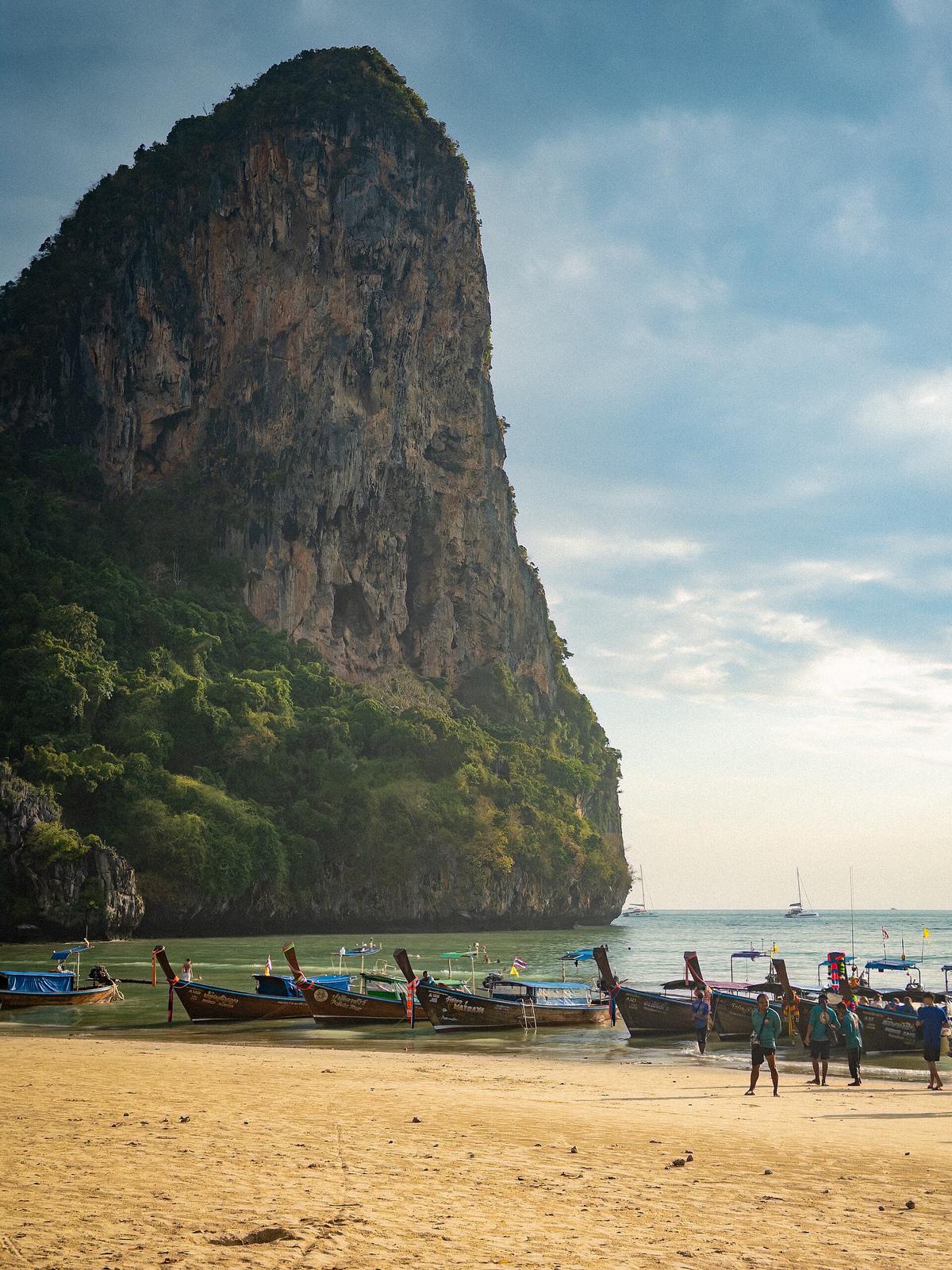
From Krabi Pier, a 15 minute longtail boat ride costs 100 THB each way. The last boat returns around 18:00. Railay is a boat-access peninsula with no road connection to the mainland. The beach itself is about 600 metres of sand on the west side. The area has over 700 bolted climbing routes at grades from 5a to 8c+. The best climbing season runs from November to March. Do not attempt to walk to Railay. You cannot.
Day Trips Further Afield
Koh Klang is a Muslim fishing village across the river, accessible by a 5 minute longtail boat. Half day cycling around the car-free island is a quiet alternative to the beach crowds. Than Bok Khorani National Park, a 40 minute drive, has emerald pools and limestone streams with a 200 THB entry fee. Susan Hoi, the Shell Cemetery, sits 17 kilometres out of town with 200 THB entry, but it is a modest site best combined with something else in the same direction.
Local Landmarks in Town
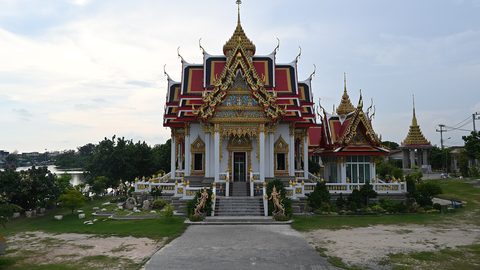
Chao Fah Park has a riverside promenade, evening food stalls, and the giant Krabi Town Crab Sculpture that photographs best at sunset. Thara Park offers a mangrove boardwalk and jogging paths, but stray dogs can be territorial after dark here and in the park. Wat Kaew Korawaram is the white temple on the hill, visible from most of town and worth 10 minutes. Talat Kao, the Old Market, has century-old shophouses and a daytime wet market with dim sum in the morning. Krabi Walking Street runs Friday through Sunday evenings with food and crafts. On weekdays the area is dead.
| Factor | Krabi Town | Ao Nang | Railay |
|---|---|---|---|
| Beach access | None (river estuary, 15km inland) | Direct beach, 1.2km strip | 600m beach, boat access only |
| Beach quality | Mudflats at low tide | Good sand, moderate water clarity | Excellent sand, clear water |
| Accommodation price (2024) | 200-800 THB per night (budget) | 800-3,000+ THB per night | 500-2,500 THB per night |
| Nightlife | Minimal, local bars, night market | Modest, late bars, no club district | Low-key, beach bars close midnight |
| Ease of access from airport | 15 km, 60 THB songthaew | 27 km, taxi or minivan | No road access, go via Ao Nang or Krabi Pier |
| Best for | Transit, budget, daily climbers | Beach holiday, convenience, families | Climbers, beach lovers, no car needed |
What to Eat in Krabi Town: Local Food You Should Not Miss
The food in Krabi Town is distinctly southern Thai and notably cheaper than the same dishes on the coast. Maharaj Market is the place to start. Go between 06:00 and 09:00 for kanom jeen, fermented rice noodles served with southern-style fish curry. It is a breakfast dish and it sells out. At the same market you will find fresh cashew nut stir fry. Krabi province grows cashews, and local stir fries use the fresh nut rather than the dried version common elsewhere in Thailand, which gives a different texture and sweetness.
At Chao Fah pier in the evenings, look for Muslim-influenced street stall roti with massaman curry. The roti is made fresh, the curry is southern style, and it costs about 40 THB. Krabi Walking Street on weekend evenings has grilled squid with a spicy tamarind dip that is not the sweet nationwide version. This one is sharper, heavier on the chilli, and worth seeking out.
Morning Eats and Local Specialties
Talat Kao in the morning has dim sum houses serving the historic Chinese Thai breakfast of the town's older generation. Moo hong, braised pork belly cooked southern style with heavy pepper, appears at shophouse eateries around Uttarakit Road served with rice. For dessert, look for o aew, a banana flour jelly with shaved ice and red beans that is specific to the Krabi Phuket area. It is not common elsewhere in Thailand.
Avoid eating on Maharaj Road proper. The restaurants there target backpackers and serve mediocre versions of Thai dishes at a 20 to 30 percent markup over the same food found two blocks away on Uttarakit Road or at the markets.
Local Friction: What Goes Wrong in Krabi Town
Krabi Town has specific problems that visitors should plan for. Songthaew services stop early. Getting back from Ao Nang after 21:00 requires a private taxi at 400 to 500 THB. There is no night bus. Pavements in town are narrow, broken, or blocked by parked motorbikes. Walking any distance is unpleasant and sometimes unsafe. ATMs are plentiful but many charge 220 THB per withdrawal on foreign cards, and dynamic currency conversion prompts are aggressive. Always decline the conversion and let your bank set the rate.
The riverfront is tidal. At low tide the mudflats smell strongly and the pier area looks nothing like the marketing photos. Stray dogs are common and can be territorial after dark along the river and in Thara Park. Do not walk in Thara Park after sunset. 5G coverage is solid across town on AIS and TrueMove, but the SIM cards sold at Krabi International Airport cost 200 to 300 THB more than the same cards at phone shops on Uttarakit Road. Buy your SIM in town, not at the airport. Co-working spaces are limited to a handful of cafes. Serious remote workers should base in Ao Nang or Railay instead.
When to Visit Krabi Province: Seasons and Timing
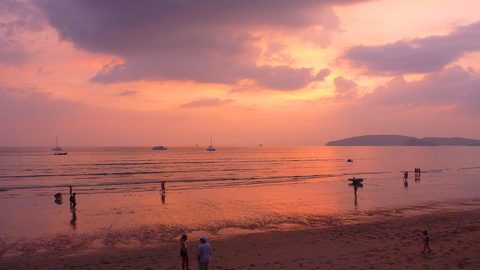
The Andaman high season runs from November to March. This is the dry window with temperatures from 24 to 32 degrees Celsius and low humidity. Accommodation across the wider province books out during December through February. November and March offer similar weather with fewer crowds. The best climbing season at Railay matches this dry period.
Avoid mid April. Songkran, the Thai New Year, turns the town into a water fight zone for three days. Many businesses close. Avoid September and October. These are the peak monsoon months. Sea conditions turn rough with red flag days common. Island ferries to Phi Phi Don and Koh Lanta face cancellations in heavy weather. Longtail services to Railay become unreliable or suspended. If you must visit during monsoon, base on the coast where you can at least walk to the beach on calm days, but accept that island hopping will be limited.
Who Should Visit Krabi Town and Who Should Go Elsewhere
Krabi Town suits budget backpackers using it as a transit base. It suits digital nomads wanting cheap monthly rents and local life. It suits climbers heading to Railay and Tonsai daily, who will spend their days at the cliff and only sleep in town. It suits visitors who prefer authentic Thai markets over resort bubbles. It suits second-time southern Thailand visitors bored of the islands and ready for real provincial Thai town life.
Krabi Town does not suit beach-first holidaymakers. There is no beach in town. It does not suit families wanting resort convenience with kids' amenities and pool access. It does not suit anyone with limited mobility; the pavements are broken or absent and the boat access to Railay requires boarding from sand without a pier. It does not suit luxury seekers; high-end options are outside town on the coast. It does not suit visitors whose primary interest is nightlife, clubbing, or late-night entertainment. It does not suit anyone wanting guaranteed swimmable sea between May and October. And it does not suit visitors seeking a single resort all-inclusive enclave experience, because the fractured geography of Krabi province makes independent travel the norm.
If you land at Krabi International Airport and your ideal trip involves waking up to the sound of waves, book the taxi to Ao Nang. If your ideal trip involves cheap street food, local markets, and a bed for the night before moving on to somewhere else, Krabi Town is your place.
What to See in Krabi
-
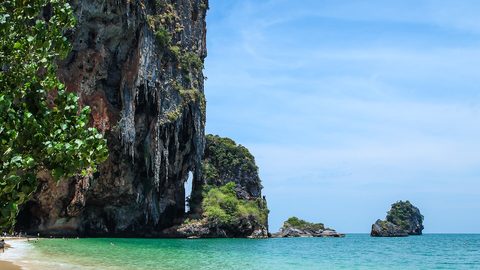 Railay
 Beach is a roadless peninsula reached by longtail from Krabi Pier—here is the boat timetable, the tide problem and why missing the last boat strands you.
Railay
Railay Beach is a roadless peninsula reached by longtail from Krabi Pier—here is the boat timetable, the tide problem and why missing the last boat strands you.
-
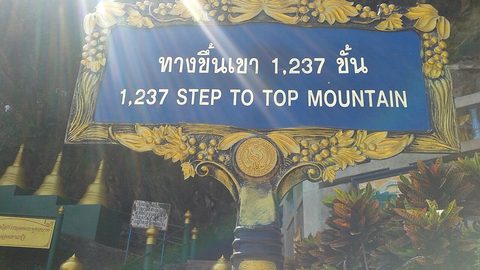 Tiger Cave Temple
 in Krabi demands 1,260 steps in tropical heat—here is how hard the climb really is and why the summit view earns every step.
Tiger Cave Temple
Tiger Cave Temple in Krabi demands 1,260 steps in tropical heat—here is how hard the climb really is and why the summit view earns every step.
More on Krabi
-
 Krabi Island Hopping Four Islands Against Hong Islands Longtail Against Speedboat
Krabi island hopping compared: the Four Islands against the Hong Islands, longtail against speedboat, and the national park fees nobody quotes upfront.
Krabi Island Hopping Four Islands Against Hong Islands Longtail Against Speedboat
Krabi island hopping compared: the Four Islands against the Hong Islands, longtail against speedboat, and the national park fees nobody quotes upfront.
-
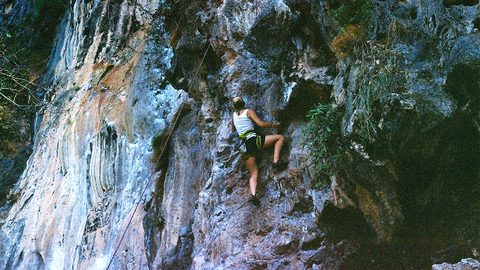 Krabi Rock Climbing for Beginners Courses Costs and the Best Season
How a complete beginner starts Krabi rock climbing, what a half-day or multi-day course costs, and why the dry season months from November to March matter.
Krabi Rock Climbing for Beginners Courses Costs and the Best Season
How a complete beginner starts Krabi rock climbing, what a half-day or multi-day course costs, and why the dry season months from November to March matter.
-
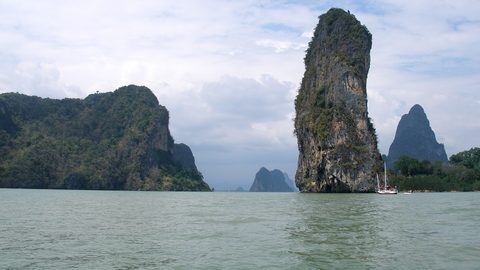 Krabi or Phuket Scenery Against Infrastructure Compared Honestly
An honest comparison of Krabi or Phuket weighing the limestone scenery and laid-back pace against better infrastructure, direct flights, and resort convenience.
Krabi or Phuket Scenery Against Infrastructure Compared Honestly
An honest comparison of Krabi or Phuket weighing the limestone scenery and laid-back pace against better infrastructure, direct flights, and resort convenience.
Common Questions
Is Krabi Town a beach destination?
No. Krabi Town is 15 kilometres inland on a tidal river estuary. There is no beach in town. At low tide the river exposes mudflats. The town functions as a transport hub for the province, not as a beach resort. Book Ao Nang or Railay if you want sand and water within walking distance.
How far is Krabi Town from the airport?
Krabi International Airport is 15 kilometres northeast of Krabi Town. The airport songthaew costs 60 THB and takes 20 to 30 minutes. A private taxi costs 350 to 400 THB and takes 15 to 20 minutes.
Can I stay in Krabi Town and visit Railay Beach daily?
Yes, but the commute adds up. A longtail boat from Krabi Pier costs 100 THB each way and takes 15 minutes. The last boat back from Railay is around 18:00. Round trip transport costs 200 THB plus the songthaew fare to the pier. Many travellers find the time and cost drain significant over multiple days.
What is the difference between Krabi Town and Ao Nang?
Krabi Town is inland, cheaper, and functional. Ao Nang is on the coast, more expensive, and has direct beach access. Krabi Town suits budget travellers and transit users. Ao Nang suits beach holidaymakers and those who want resort convenience. The two are 18 kilometres apart by road.
How many nights should I stay in Krabi Town?
One night is enough to sort onward transport, visit the weekend market, and leave. Some budget travellers stay longer for the cheap accommodation and use Krabi Town as a transit base for day trips, but the commute to the coast reduces the savings.
Is Krabi Town walkable?
No. Pavements in town are narrow, broken, or blocked by parked motorbikes. Walking any significant distance is unpleasant. The lack of a walkable centre and the constant through traffic are the most common complaints from visitors. Songthaews are the practical way to get around.
When is the best time to visit Krabi province?
November to March is the Andaman high season. Temperatures range from 24 to 32 degrees Celsius with low humidity. The dry season makes island trips reliable and climbing conditions good. September and October are the rainiest months, with rough sea conditions and frequent ferry cancellations to Phi Phi and other islands.
What is the cheapest way to get from Krabi Town to Ao Nang?
A songthaew from Krabi Town to Ao Nang costs 60 THB and takes about 20 minutes. Flag one down on Maharaj Road or Uttarakit Road. Pay the driver when you exit. Services thin out after 18:00 and stop entirely around 21:00. After that, a private taxi costs 400 to 500 THB.
Does Krabi Town have a night market?
Yes. Krabi Walking Street runs Friday, Saturday, and Sunday evenings with food and craft stalls. The area is dead on weekdays. Ao Nang has a separate night market on Monday, Tuesday, Wednesday, Thursday, and Friday evenings. Check which market is open on the nights you plan to be in each location.
Is Krabi Town safe for solo travellers?
Krabi Town is generally safe for solo travellers during the day and early evening. The main concerns are the stray dogs after dark in riverside areas and the broken pavements that make walking a trip hazard at night. Solo female travellers report no specific safety issues beyond the usual street awareness required in any Thai town.
Can I do a day trip to Koh Lanta from Krabi Town?
Yes, but it is a long day. The combined minivan and ferry journey takes about 2 hours each way. The ferry from Klong Jilad pier to Koh Lanta runs during the high season. Budget 5 hours of round trip travel. Overnight is better.
What should I pack for Krabi Town in November?
Pack for dry sunny weather with temperatures from 24 to 32 degrees Celsius. Light clothing, a rain jacket for occasional showers, and insect repellent for the mangrove areas. The 1,260 step climb at Wat Tham Sua requires proper shoes and water. The sun is strong even in the dry season.
Are there direct international flights to Krabi Airport?
Yes. Krabi International Airport has direct flights from Singapore and Kuala Lumpur, plus seasonal charters from China, Scandinavia, and Russia. These schedules change annually, so check current routes before booking. Domestic flights from Bangkok take about 1 hour 20 minutes.
Is Krabi Town expensive compared to Bangkok?
Krabi Town is roughly 20 to 30 percent cheaper than Bangkok for accommodation and food, based on 2024 traveller surveys. It is significantly cheaper than Phuket and the islands. A basic guesthouse room on Maharaj Road costs 200 to 800 THB per night. A meal at a local shophouse costs 40 to 80 THB.
Read next
-
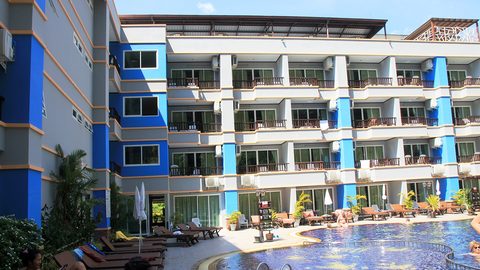 Krabi Hotels by Area Budget and Property Type
Krabi hotels range from Maharaj Road backpacker guesthouses to Ao Nang beachfront resorts. Sort by area and budget, with the real cost of each location factored in.
Krabi Hotels by Area Budget and Property Type
Krabi hotels range from Maharaj Road backpacker guesthouses to Ao Nang beachfront resorts. Sort by area and budget, with the real cost of each location factored in.
-
 Where to Stay in Krabi Which Base Makes or Breaks Your Trip
Where you stay in Krabi determines everything: your daily transport costs, your evening options, and whether you see a beach at all. Compare every base honestly.
Where to Stay in Krabi Which Base Makes or Breaks Your Trip
Where you stay in Krabi determines everything: your daily transport costs, your evening options, and whether you see a beach at all. Compare every base honestly.
-
 Krabi Flights Getting to KBV Airport and Onward to Town or Ao Nang
Krabi flights and KBV airport arrivals: the white songthaew bus, private taxi and minivan options to Krabi Town and Ao Nang with real costs.
Krabi Flights Getting to KBV Airport and Onward to Town or Ao Nang
Krabi flights and KBV airport arrivals: the white songthaew bus, private taxi and minivan options to Krabi Town and Ao Nang with real costs.
-
 Krabi Things to Do Worth Your Limited Days Ranked and Argued
Krabi things to do ranked honestly: the Tiger Cave Temple climb earns top spot, Railay Beach comes with a last-boat deadline, and some attractions are not worth the drive.
Krabi Things to Do Worth Your Limited Days Ranked and Argued
Krabi things to do ranked honestly: the Tiger Cave Temple climb earns top spot, Railay Beach comes with a last-boat deadline, and some attractions are not worth the drive.
-
 Best Time to Visit Krabi Month by Month Through Monsoon and High Season
The best time to visit Krabi is November to March, but that is also when everything books out. Monsoon months risk longtail suspensions, and Songkran shuts the town down.
Best Time to Visit Krabi Month by Month Through Monsoon and High Season
The best time to visit Krabi is November to March, but that is also when everything books out. Monsoon months risk longtail suspensions, and Songkran shuts the town down.
-
 Getting Around Krabi Without a Map Songthaew Routes Taxis and Longtails
How to navigate Krabi's songthaew network, longtail piers, and taxi reality—with no central route map, no schedule, and services that stop early.
Getting Around Krabi Without a Map Songthaew Routes Taxis and Longtails
How to navigate Krabi's songthaew network, longtail piers, and taxi reality—with no central route map, no schedule, and services that stop early.
-
Railay
Railay Beach is a roadless peninsula reached by longtail from Krabi Pier—here is the boat timetable, the tide problem and why missing the last boat strands you.
-
Tiger Cave Temple
Tiger Cave Temple in Krabi demands 1,260 steps in tropical heat—here is how hard the climb really is and why the summit view earns every step.
-
 Thailand Travel Guide From First Timers To Island Hoppers
A realistic Thailand travel guide covering regions, seasons, and pacing so you avoid the classic Bangkok Chiang Mai island mistake.
Thailand Travel Guide From First Timers To Island Hoppers
A realistic Thailand travel guide covering regions, seasons, and pacing so you avoid the classic Bangkok Chiang Mai island mistake.