Plan Your Thailand Trip Around Regions, Seasons And Realistic Pace
A realistic Thailand travel guide covering regions, seasons, and pacing so you avoid the classic Bangkok Chiang Mai island mistake.
- Flag
-

- ISO code
- TH
- Population
- 69,428,524
- Currency
- THB
- Dial code
- +66
Thailand Travel Guide: Four Regions, Not One Checklist
Thailand's geography forces a choice. The country splits into four distinct travel regions, Bangkok and the central plains, the north around Chiang Mai, the Andaman coast, and the Gulf coast. Each has its own rainy season, its own pace, and its own reason to visit. No single trip can do all four well. A classic first trip route, Bangkok (2-3 nights) → Chiang Mai (3-4 nights) → Andaman coast beach (4-5 nights), requires a minimum of 10 days, and 14 is more comfortable. Anything shorter burns too much time in transit between regions and leaves you checking into hotels you barely use. This Thailand travel guide exists to stop you from attempting that rushed multi-region trip. It routes you toward the region that fits your time and your tolerance for heat, humidity, and the gap between polished tourist infrastructure and raw local reality.
First-timers underestimate how aggressively the heat and touts compound, especially in the south. The humidity is more draining than photos suggest. Sidewalk conditions in the capital include missing drain covers, ankle-breaking uneven tiles, and motorbikes driving on pavements. Longtail boat pricing on the Andaman islands is a fixed per-boat rate, not per person, which hits solo visitors hard. None of this means skip the country. It means know what you are signing up for before you book the flights.
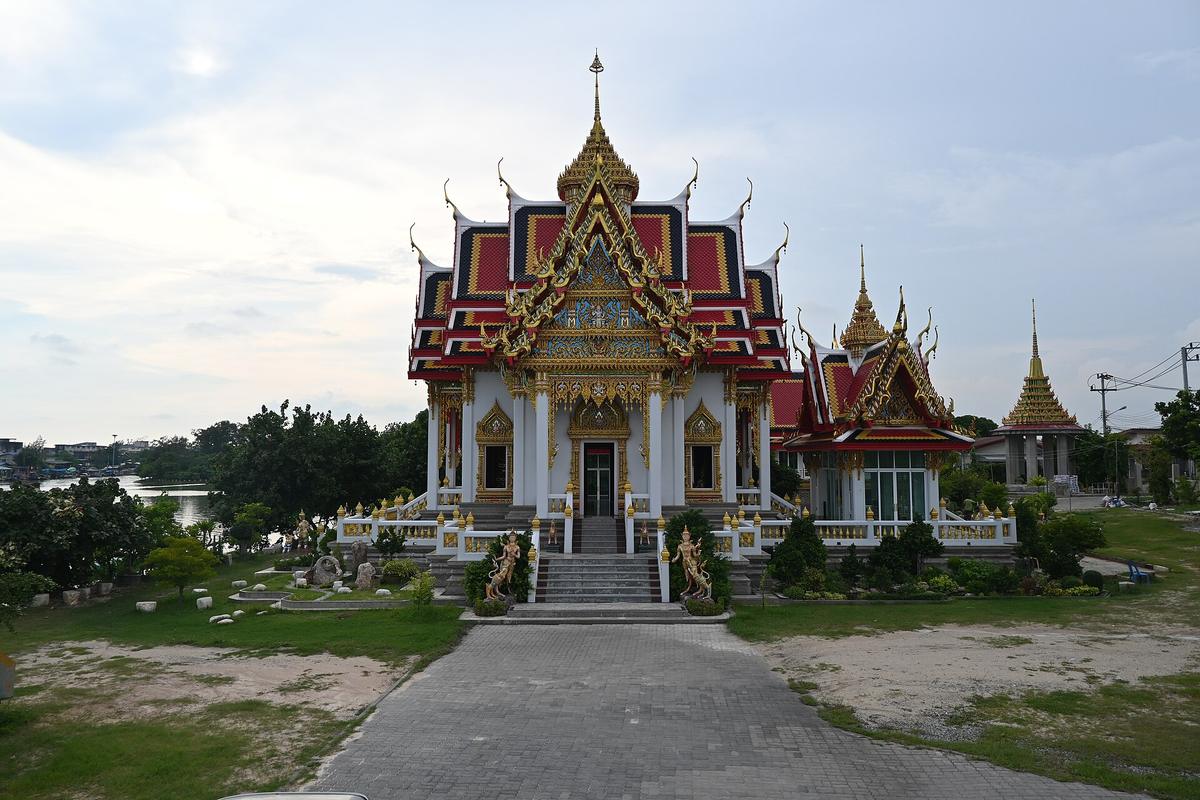

- Minimum first-trip duration: 10 days; 14 days is comfortable
- Classic first trip route: Bangkok (2-3 nights) → Chiang Mai (3-4 nights) → Andaman coast beach (4-5 nights)
- Classic two-week route: Bangkok → Chiang Mai → Krabi or Khao Lak → Bangkok
- Peak season: November to February; hotel prices at annual ceiling
- Avoid window: Mid-April (Songkran water festival); September to mid-October on Andaman coast; Chinese New Year week
- Main airports: Suvarnabhumi (BKK) and Don Mueang (DMK)
- Domestic flight BKK, Chiang Mai: 1 h 10 min
- Domestic flight BKK, Phuket: 1 h 25 min
- Domestic flight BKK, Krabi: 1 h 20 min
- Street food meal price: 40-80 THB
- Local restaurant meal price: 80-200 THB
- International arrivals 2024: 35.5 million (Tourism Authority of Thailand)
Thailand Itinerary: Build Around Realistic Transit Time
The common mistake is trying to cover Bangkok, Chiang Mai, and a southern island in a single week. The domestic flight plus ferry transfer to an island eats an entire day each direction. That leaves three full days on the ground, most of them spent packing, checking in, and unpacking. The worn-out routes are Bangkok → Phuket (Patong) → Phi Phi day trip, or Chiang Mai → Pai as a rushed 2-night add-on, or Bangkok → Ayutthaya day trip by large tour bus. These routes generate exhaustion, not memories.
The Two Main Itineraries That Work
For 10 days: Bangkok (2-3 nights) → Chiang Mai (3-4 nights) → Andaman coast beach (4-5 nights). Fly Bangkok to Chiang Mai, 1 hour 10 minutes. Then fly Chiang Mai to Krabi or Phuket, then ferry to your island. For 14 days: Bangkok → Chiang Mai → Krabi or Khao Lak → Bangkok. Add a day in Ayutthaya by train from Hua Lamphong or Bang Sue, 1 hour 20 minutes to 1 hour 45 minutes, at 20-50 THB third class. Do not take the large tour bus. Take the train.
If You Have Only the Northern Loop
Fly into Chiang Mai, skip Bangkok. From Chiang Mai, Chiang Rai is 3 hours by Green Bus, doable as a long day for the White Temple. Pai is a 3-4 hour minivan ride on 762 curves; treat it as a 3-night minimum, not a rushed 2-night add-on. Doi Inthanon, the highest peak in Thailand, is 2 hours by songthaew or hired car.
If You Have Only the Coasts
Fly directly to Phuket or Krabi. The Andaman coast and the Gulf coast have opposite rainy seasons. Andaman coast rain runs May to October; Gulf coast rain runs October to December. Time your trip to avoid monsoon swell that makes islands unreachable. From Krabi, Koh Lanta is 2-3 hours by road and car ferry. From Surat Thani, ferries run to Koh Samui (1 h 30 min to 2 h 30 min), Koh Phangan (2 h 30 min to 3 h 30 min), and Koh Tao (4 h to 6 h). Koh Samui to Koh Phangan is 30 minutes by ferry; Koh Phangan to Koh Tao is 1 hour to 1 hour 30 minutes.
Thailand Regions Explained: Where to Go and Why
Thailand is not a single checklist. Each region has a distinct personality, a distinct weather window, and a distinct kind of visitor it serves. Match the region to your time and your tolerance.
Bangkok and the Central Plains
Bangkok is the arrival hub and the region that most visitors treat as a 2-3 night base before moving on. The districts matter: Bangkok Old City for temples, backpacker chaos, and royal history; Sukhumvit for expat dining, rooftop bars, and relentless traffic; Silom/Sathorn for business by day and Patpong sleaze by night; Chinatown (Yaowarat) for sensory-overload street food, gold shops, and narrow lanes; Thonburi for quieter canals, local life, and riverside temples. The landmarks include Wat Pho (Reclining Buddha, 500 THB entry, excellent foot massage school), the Grand Palace and Wat Phra Kaew (strict dress code, 500 THB entry, Emerald Buddha), and Wat Arun (riverside pagoda, best at sunset from the Chao Phraya). Chatuchak Weekend Market has 15,000 stalls and is only fully open Saturday, Sunday. Day trips from Bangkok: Ayutthaya by train (1 h 20 min to 1 h 45 min, 20-50 THB), Damnoen Saduak floating market by minivan (1.5 hours, arrive before 8 a.m. or skip it), and Kanchanaburi (Bridge on River Kwai) by train from Thonburi station (2.5 hours, 100 THB). Erawan Falls in Kanchanaburi province is a seven-tiered emerald waterfall, 300 THB foreigner entry. Sukhothai Historical Park is a dawn cycling destination among 13th-century ruins, 100 THB per zone, reachable by bus or train. The central plains also include Ayutthaya's brick stupas and the Buddha head in tree roots.
The North: Chiang Mai and Beyond
Chiang Mai is the north's hub. The cool dry season runs November to February. The hot smoky season runs February to April, when agricultural burning fills the valley with haze. The rainy season runs May to October. Chiang Mai Old City is moat-ringed, walkable temples, and digital-uPhone cafés. Nimmanhaemin is the polished coffee-and-boutique quarter. Doi Suthep is the mountain temple with a 306-step naga staircase. Khao soi in Chiang Mai is crispy and boiled egg noodles in coconut curry, specific to the north. Songthaew routes in Chiang Mai are unmarked; you flag one down, state your destination, and hope it is heading that way. From Chiang Mai, the northern loop includes Chiang Rai (3 hours by Green Bus, day trip for the White Temple) and Pai (3-4 hours minivan, 762 curves, hammocks and backpacker dorm culture). Doi Inthanon is 2 hours by songthaew or hired car.
The Andaman Coast
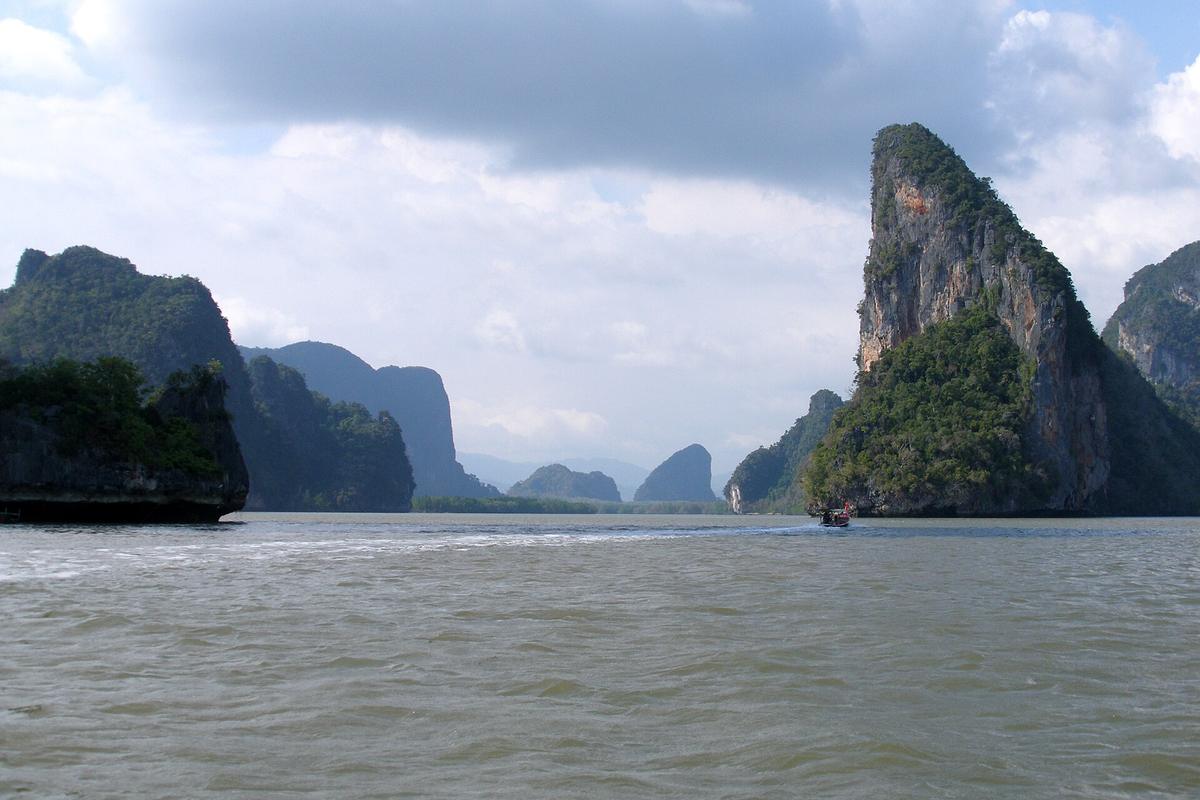
Phuket, Krabi, and the islands. Rainy season May to October. Managed mass tourism locations: Phuket (Patong, Kata, Karon), Phi Phi Don. Not undiscovered. Longtail boat pricing is fixed per boat, not per person. Railay Beach in Krabi is limestone cliffs, rock-climbing mecca, boat access only. Phi Phi Viewpoint is a 30-minute climb, 50 THB entry, postcard bay panorama. Maya Bay on Phi Phi is over-touristed and closed periodically for reef recovery, check status before booking. Ao Nang in Krabi is a concrete beach strip, longtail-boat launch point. Krabi Town is the functional mainland hub, not a beach destination. Khao Sok Lake has floating bungalows on a reservoir and limestone karsts; it realistically requires an overnight but is bookable as a rushed day trip. Ferry Phuket to Phi Phi is 1 hour 30 minutes to 2 hours. Ferry Krabi to Phi Phi is 1 hour 30 minutes. Krabi to Koh Lanta is 2-3 hours by road and car ferry.
The Gulf Coast
Koh Samui, Koh Phangan, Koh Tao. Rainy season October to December. Managed mass tourism locations: Koh Samui (Chaweng, Lamai). Not undiscovered. Ferry Surat Thani to Koh Samui is 1 hour 30 minutes to 2 hours 30 minutes. Ferry Surat Thani to Koh Phangan is 2 hours 30 minutes to 3 hours 30 minutes. Ferry Surat Thani to Koh Tao is 4 hours to 6 hours. Koh Samui to Koh Phangan is 30 minutes. Koh Phangan to Koh Tao is 1 hour to 1 hour 30 minutes. Koh Larn from Pattaya is a 45-minute ferry from Bali Hai Pier (30 THB), with cleaner water than Pattaya beach.
| Region | Best Season | Rainy Season | Vibe | Minimum Stay |
|---|---|---|---|---|
| Bangkok & Central Plains | November to February | May to October | Urban chaos, temples, street food | 2–3 nights |
| North (Chiang Mai) | November to February | May to October (Feb–Apr smoky) | Temples, cafés, mountains | 3–4 nights |
| Andaman Coast | November to February | May to October | Beaches, islands, rock climbing | 4–5 nights |
| Gulf Coast | December to March | October to December | Islands, diving, parties | 4–5 nights |
Thailand First Time Advice: What to Book, What to Skip
First time in Thailand means accepting that you cannot see everything. The country is not a checklist. Here is exactly what to do, what to skip, and why.
Book The Domestic Flight, Not The Overnight Train
Bangkok to Chiang Mai by air is 1 hour 10 minutes. The overnight train is 12-14 hours and the long-distance bus is 9-11 hours. The train is an experience, but for a 10-day trip it consumes a full night and leaves you arriving tired. Fly. Save the train for a trip that has time to spare.
Skip The Rushed Island Day Trip
Phi Phi day trip from Phuket or Krabi means 1 hour 30 minutes to 2 hours on a ferry each way, maybe 3 hours on the island, and a boat that leaves early. You spend more time in transit than on the beach. Stay overnight on the island. Book a ferry that matches your next destination.
Use Grab, Not Tuk-Tuks
Grab requires a local number to register. Buy a tourist SIM at the airport, AIS 8-day unlimited data is about 300 THB. Then the Grab app gives you a fixed price. Tuk-tuk drivers will quote 300 THB for a trip that costs 60 THB by meter taxi, then divert to a tailor or gem shop. Skip the negotiation.
Carry Cash, But Break It Right
7-Eleven is cash-based. They cannot break 1,000 THB notes for small purchases before 9 a.m. Carry small notes and coins. BTS Skytrain ticket machines require cash (coins and small notes) or a Rabbit card. MRT subway uses separate tickets. BTS and MRT station names do not match across systems even when physically adjacent.
Eat Street Food, But Know The Price
Boat noodles at Victory Monument are tiny bowls at 15-20 THB each, with rich blood-thickened broth. Yaowarat street-food crawl after dark: charcoal-fried noodles, grilled squid, mango sticky rice. Som tam pu pla ra is papaya salad with fermented fish sauce and raw crab, Isaan-style, found on Bangkok streets. Jok (rice porridge) at 5 a.m. in Silom and Yaowarat comes with pork meatballs and ginger. Khao soi in Chiang Mai is crispy and boiled egg noodles in coconut curry. Khanom jeen nam ya is fermented rice noodles with fish curry, a southern breakfast staple in Krabi and Phuket. Roti sai mai in Ayutthaya is candy-floss-stuffed thin crepes sold at roadside stalls near the ruins. Street food meal price: 40-80 THB. Local restaurant meal price: 80-200 THB. Mid-range restaurant meal price: 200-600 THB. High-end Bangkok tasting menu: 2,500-6,000 THB per person.
Book In Peak Season, But Expect Crowds
Peak season is November to February. Cooler dry weather, minimal rain, and Christmas/New Year holidays push hotel prices to their annual ceiling. If you want low tourist density, do not come December, January. The Gulf coast is wet October, December, so time that side for February, March. The Andaman coast is best November, February.

Thailand Travel Tips: Local Friction You Will Hit
- Longtail boat pricing on Andaman islands is a fixed per-boat rate, not per person. Solo visitors get stung hard. Find others at your hotel to share the cost.
- Songthaew routes in Chiang Mai are unmarked. You flag one down, state your destination, and hope it is heading that way. Ask the driver before you climb in.
- Many cafés enforce a no-laptop policy during lunch hours, especially in Bangkok's Thonglor area. Work in the morning or after 2 p.m.
- From Suvarnabhumi (BKK), use the Airport Rail Link to Phaya Thai (30 minutes, 45 THB) then connect to BTS Skytrain. A taxi to the city centre is 40-60 minutes, 300-500 THB including tolls. From Don Mueang (DMK), bus A1/A2 to Mo Chit BTS is 20 minutes, 30 THB. A taxi is 30-50 minutes, 250-400 THB.
- Jim Thompson House is a teak silk-merchant mansion, guided tour only, 200 THB. Skip it if you are short on time; the guided tour takes 45 minutes.
- Wat Pho has an excellent foot massage school. 500 THB entry includes the massage school.
- Maya Bay on Phi Phi is closed periodically for reef recovery. Check status before booking a day trip.
Who Thailand Suits and Who Should Skip it
Thailand best serves solo backpackers, couples seeking mid-range beach luxury, digital nomads, food-focused visitors, and culture buffs who can handle heat. It does not suit anyone who finds persistent bargaining exhausting, or those on ultra-tight schedules who would hate losing half a day to a missed ferry connection. Thailand also does not suit visitors seeking solitude or empty beaches, visitors with low tolerance for heat and humidity, visitors wanting strict quiet after 22:00 in beach towns, visitors with mobility needs on many islands (limited pavements, longtail boat access), and visitors expecting low tourist density in December, January. If you want a beach where the only sound is waves, skip Phuket, Koh Samui, Phi Phi, and Pattaya. If you want a city where you can walk without dodging motorbikes on the pavement, skip Bangkok. If you want a country where the tourist infrastructure and the local reality match, Thailand will jar you. If you want a country that rewards flexibility, cash, and a willingness to accept that the ferry will leave 40 minutes late, Thailand delivers.
Regions & cities in Thailand
-
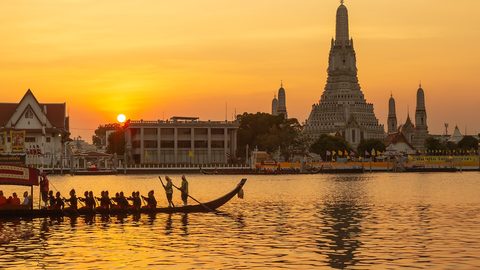 Bangkok
 is a humid, chaotic city of contrasts where golden temples sit beside glass malls and street-food stalls line air-conditioned metro stations. Here is where to begin.
Bangkok
Bangkok is a humid, chaotic city of contrasts where golden temples sit beside glass malls and street-food stalls line air-conditioned metro stations. Here is where to begin.
-
 Chiang Mai
A Chiang Mai travel guide that names the burning season early, then routes you to the right pages on temples, food, areas and timing.
Chiang Mai
A Chiang Mai travel guide that names the burning season early, then routes you to the right pages on temples, food, areas and timing.
-
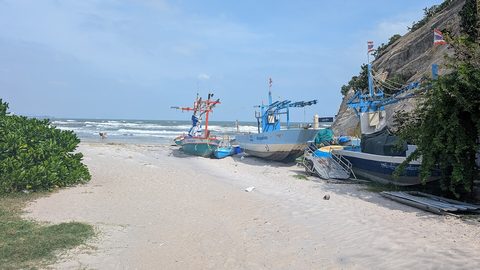 Hua Hin
 is a polished, orderly seaside town that feels more like a Bangkok weekend suburb than a tropical escape, with wide beaches, golf resorts, and seafood that reveals its fishing-town roots.
Hua Hin
Hua Hin is a polished, orderly seaside town that feels more like a Bangkok weekend suburb than a tropical escape, with wide beaches, golf resorts, and seafood that reveals its fishing-town roots.
-
 Krabi
Krabi is a province, not a beach town. The provincial capital sits 15km inland on a muddy river estuary and works best as a transit base, not a place to linger.
Krabi
Krabi is a province, not a beach town. The provincial capital sits 15km inland on a muddy river estuary and works best as a transit base, not a place to linger.
-
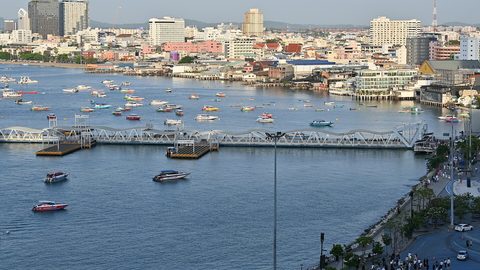 Pattaya
An honest Pattaya travel guide covering the districts, beaches, and realities beyond Walking Street, so you can decide if the city is right for you.
Pattaya
An honest Pattaya travel guide covering the districts, beaches, and realities beyond Walking Street, so you can decide if the city is right for you.
-
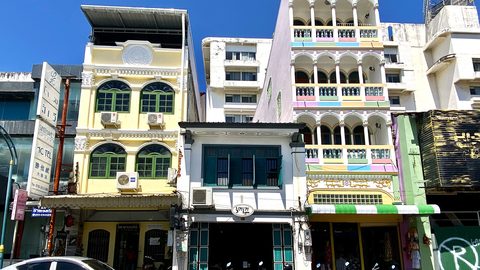 Phuket
 is a sprawling island of extreme contrasts. Choosing the right beach area matters more than any other decision you will make.
Phuket
Phuket is a sprawling island of extreme contrasts. Choosing the right beach area matters more than any other decision you will make.
Common Questions
How many days do I need for a first trip to Thailand?
10 days minimum. 14 days is comfortable. The classic first trip route, Bangkok (2-3 nights) → Chiang Mai (3-4 nights) → Andaman coast beach (4-5 nights), fits 14 days well. Anything less and you burn too much time in transit between regions.
Can I visit Bangkok, Chiang Mai, and a southern island in one week?
No. The common mistake is trying to cover Bangkok, Chiang Mai, and a southern island in a single week. The domestic flight plus ferry transfer to an island eats an entire day each direction. You arrive exhausted and check into hotels you barely use.
What is the best time of year to visit Thailand?
Peak season is November to February. Cooler dry weather, minimal rain, and Christmas/New Year holidays push hotel prices to their annual ceiling. Avoid mid-April (Songkran water festival) if you dislike getting soaked nonstop for three days. Avoid September to mid-October on the Andaman coast due to monsoon swell making many islands unreachable. Avoid Chinese New Year week for domestic-tourism crush at major attractions.
What are the four regions of Thailand?
Bangkok and the central plains, the north around Chiang Mai, the Andaman coast, and the Gulf coast. Each has its own rainy season. The Andaman coast and Gulf coast have opposite rainy seasons. Bangkok rainy season: May to October. Andaman coast rainy season: May to October. Gulf coast rainy season: October to December. North rainy season: May to October; cool dry season: November to February; hot smoky season: February to April.
Is Thailand expensive?
No. Street food meal price: 40-80 THB. Local restaurant meal price: 80-200 THB. Mid-range restaurant meal price: 200-600 THB. High-end Bangkok tasting menu: 2,500-6,000 THB per person. A taxi from Suvarnabhumi to the city centre costs 300-500 THB including tolls. A BTS Skytrain ride costs 15-45 THB.
What should I avoid doing in Thailand?
Avoid taking a tuk-tuk instead of a meter taxi for a short trip, the tuk-tuk will quote 300 THB for a trip that costs 60 THB by meter taxi. Avoid visiting Maya Bay without checking if it is open, it closes periodically for reef recovery. Avoid a rushed 2-night add-on to Pai, the minivan takes 3-4 hours on 762 curves, and you need at least 3 nights for it to be worth the journey.
What is the classic first trip to Thailand?
The classic first trip route is Bangkok (2-3 nights) → Chiang Mai (3-4 nights) → Andaman coast beach (4-5 nights). The classic two-week route is Bangkok → Chiang Mai → Krabi or Khao Lak → Bangkok. Fly between regions. Do not try to add the Gulf coast and the Andaman coast on the same trip.
Read next
-
 Thailand eSIM Costs Per Gigabyte And Which Network Covers The Islands
Compare Thailand eSIM options by cost per gigabyte and check AIS versus TrueMove coverage for the Andaman islands before you land.
Thailand eSIM Costs Per Gigabyte And Which Network Covers The Islands
Compare Thailand eSIM options by cost per gigabyte and check AIS versus TrueMove coverage for the Andaman islands before you land.
-
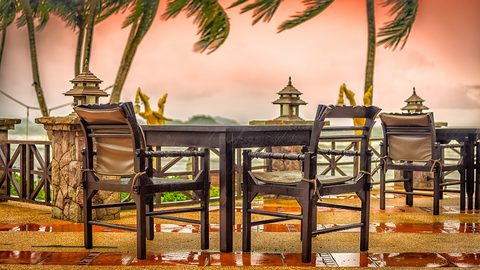 Best Time To Visit Thailand Depends On Which Coast You Choose
Thailand has two opposite monsoons. Match your travel dates to the Andaman coast, Gulf coast, or northern Thailand for dry weather.
Best Time To Visit Thailand Depends On Which Coast You Choose
Thailand has two opposite monsoons. Match your travel dates to the Andaman coast, Gulf coast, or northern Thailand for dry weather.
-
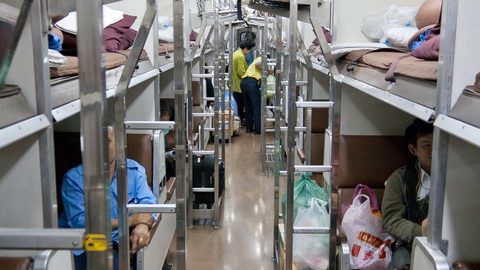 Thailand Transport Guide Flights Sleeper Trains Buses And Ferries
Compare Thailand domestic flights, sleeper trains, buses, and ferries so you can move between provinces without losing a full day.
Thailand Transport Guide Flights Sleeper Trains Buses And Ferries
Compare Thailand domestic flights, sleeper trains, buses, and ferries so you can move between provinces without losing a full day.
-
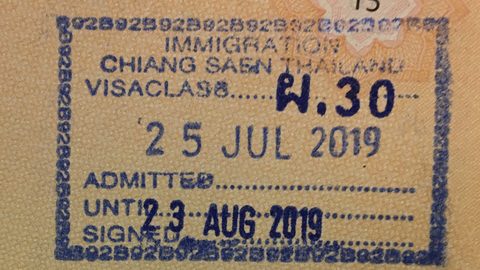 Thailand Visa On Arrival Rules And What Happens If You Overstay
Thailand visa on arrival rules, how long your entry stamp lasts, and the daily overstay fine you want to avoid at BKK.
Thailand Visa On Arrival Rules And What Happens If You Overstay
Thailand visa on arrival rules, how long your entry stamp lasts, and the daily overstay fine you want to avoid at BKK.
-
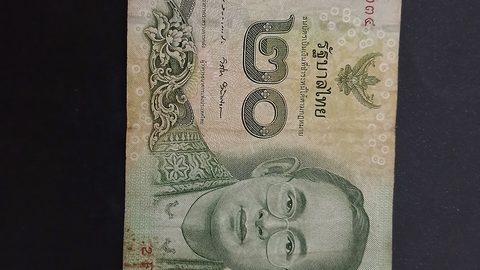 Thailand Cash Rules ATM Fees And Why Exchange Booths Beat Banks
Thailand still runs on cash. Learn the ATM flat fee, why exchange booths beat banks, and the 7-Eleven 1000 baht note problem.
Thailand Cash Rules ATM Fees And Why Exchange Booths Beat Banks
Thailand still runs on cash. Learn the ATM flat fee, why exchange booths beat banks, and the 7-Eleven 1000 baht note problem.
-
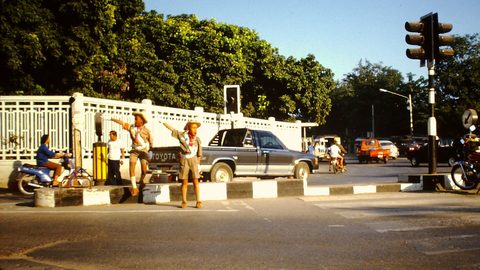 Thailand Safety Scams To Avoid And The One Thing That Kills Tourists
Thailand has low violent crime but a large scam economy and one thing that kills tourists every year. Know the risks before you go.
Thailand Safety Scams To Avoid And The One Thing That Kills Tourists
Thailand has low violent crime but a large scam economy and one thing that kills tourists every year. Know the risks before you go.
-
Phuket
Phuket is a sprawling island of extreme contrasts. Choosing the right beach area matters more than any other decision you will make.
-
Krabi
Krabi is a province, not a beach town. The provincial capital sits 15km inland on a muddy river estuary and works best as a transit base, not a place to linger.
-
Bangkok
Bangkok is a humid, chaotic city of contrasts where golden temples sit beside glass malls and street-food stalls line air-conditioned metro stations. Here is where to begin.