A District by District Guide to Tokyo
Tokyo is a set of distinct neighbourhoods stitched together by rail. This guide breaks down the districts and how to plan your days around them.
- Flag
-
- ISO code
- JP
- Population
- 13,960,000
- Currency
- JPY
- Timezone
- Asia/Tokyo
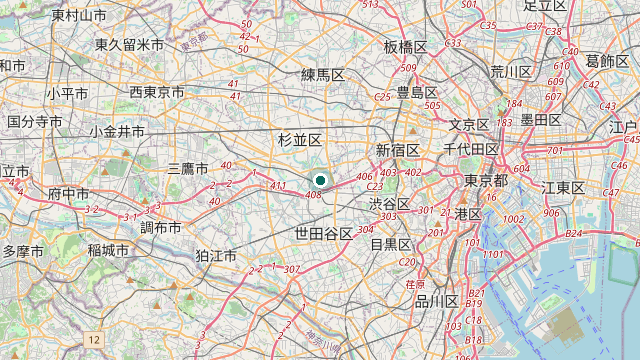
Tokyo Has No Centre
Tokyo does not have a city centre. It has six major rail terminals that function as city centres: Shinjuku, Shibuya, Ikebukuro, Tokyo, Ueno, and Shinagawa. Each one is the heart of a distinct village. The only way between them is the rail network. First-time visitors who treat the capital like a single downtown burn half their trip underground, trudging through kilometre-long concourses and swapping platforms while the clock runs out.
The city covers 2,194 km². The 23 special wards alone span 627 km². No one walks this. You ride trains. Build your day around districts, not sights. Choose two districts per day maximum. You will feel the rhythm of each one. Choose three or four and you will remember only the inside of Shinjuku terminal and the ache in your feet.
- Metro System: 13 lines (Toei Subway + Tokyo Metro), plus JR East, plus private railways; rechargeable Suica or PASMO IC card required
- Minimum Days: 5 full days for a first visit that includes a day trip; 4 full days if you stay inside the core centres
- Peak Season: Late March to early April (cherry blossoms); late November (autumn foliage). Avoid Golden Week (late April, early May) and mid-August (humidity).
- Arrival Time: Narita (NRT): 55, 70 min by Keisei Skyliner (~¥2,570) or Narita Express (~¥3,250). Haneda (HND): 25, 40 min by Keikyu Line (~¥330) or Tokyo Monorail (~¥520).
- Daily Walking: 15,000, 25,000 steps per day when covering multiple districts
- Station Stats: Shinjuku: 3.5 million passengers/day, 36 platforms, over 200 exits. Shibuya: 3.0 million/day. Tokyo: 450,000/day (JR East only).
The Rail is the Map
The JR Yamanote Line loops 34.5 km through 30 stops in about 60 minutes. That loop is your mental map of central Tokyo. Every major district sits on it or one stop off it. The line connects Shinjuku, Shibuya, Harajuku, Ueno, Akihabara, and Tokyo terminal in one continuous chain. Learn the loop and you have unlocked the city.
Master the Multi-Company Hub
What trips visitors up: the hubs are multi-company mazes. Exiting through the wrong gate invalidates your transfer ticket and forces a fare recalculation at a staffed window. Check which exit number you need before you leave the platform. The transfer time for Shinjuku, Tokyo, or Shibuya is 7 to 15 minutes. A journey that looks like three stops on a map can take 25 minutes from platform to street.
Your Digital Toolkit
Add your Suica or PASMO card to your phone wallet before you arrive. The deposit is ¥500. Minimum top-up is ¥1,000. The system works across all operators. Pocket WiFi rental beats eSIMs for consistent speed on underground sections. Download the Japan Official Travel App for floor maps that work offline.
Build Your Day Around a Single District
The trains run fast but navigating the terminals eats time. Covering Shibuya, Shinjuku, Harajuku, Asakusa, Akihabara, and Roppongi in two days is the most common mistake. Pick two areas per day. Spend the morning in one, have lunch there, move to the second in the afternoon, and stay for dinner. That cadence lets you walk the backstreets instead of the corridors.
Shinjuku alone sees 3.5 million passengers daily and has over 200 exits. Want Golden Gai? Exit through the East Gate and cross the rail bridge. Want the skyscraper views? Exit through the West Gate and walk to the Tokyo Metropolitan Government Building. It is free and requires no booking. Understand which district gives you what, and you stop wasting time underground.
| District | Best For | Key Landmark | Train From Shinjuku |
|---|---|---|---|
| Shinjuku | Chaotic energy, skyscrapers, tiny bars | Golden Gai (200+ micro bars) | N/A |
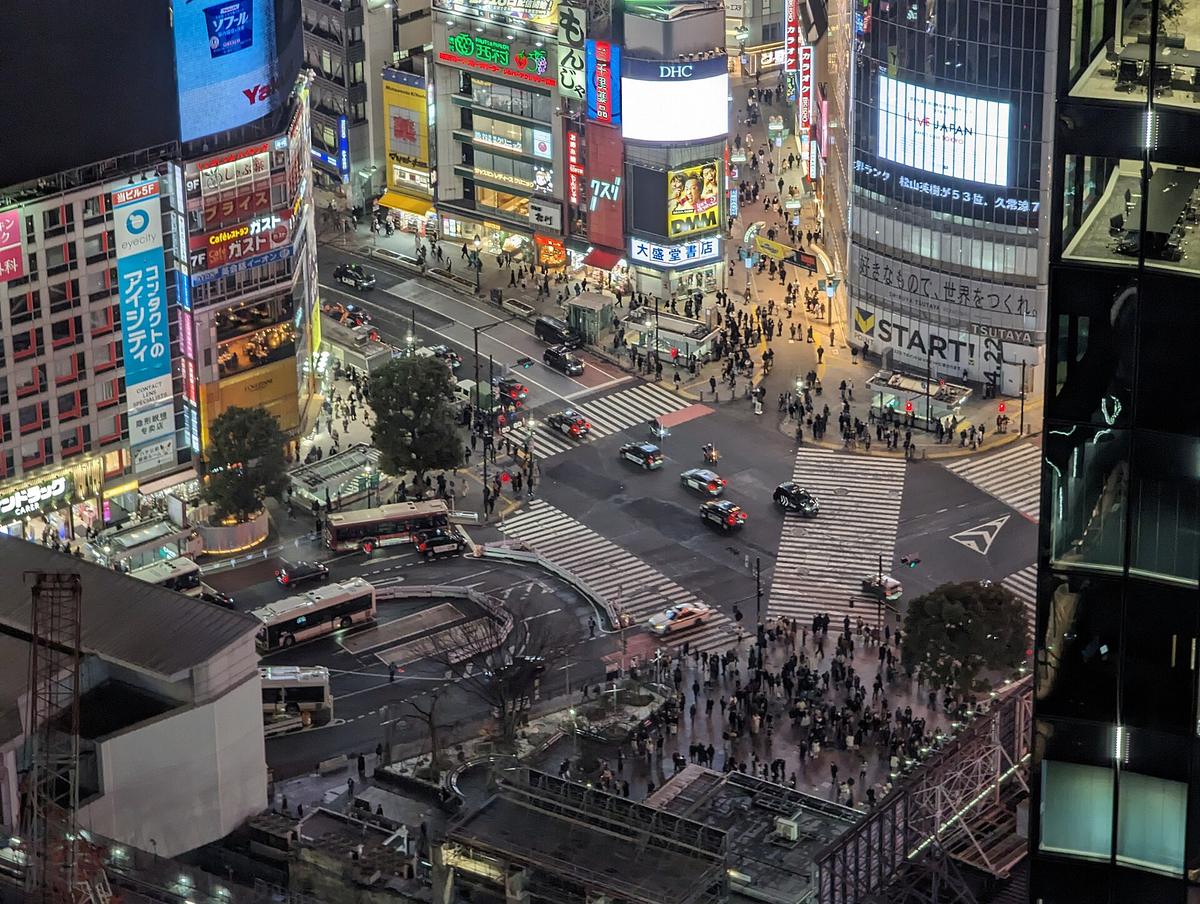
| Shibuya | Youth culture, scramble crossing, constant construction | Shibuya Scramble | 3.4 km, 7 min (JR Yamanote) |
| Asakusa | Old-town feel, Senso-ji temple | Senso-ji | 9 km, 30–40 min (Asakusa Line + JR) |
| Ueno | Museums in a park, budget shopping | Ueno Park | 9 km, 30 min (JR Yamanote) |
| Ginza | Luxury shopping, wide boulevards | Tsukiji Outer Market | 5 km, 15 min (JR + Marunouchi Line) |
| Roppongi | International nightlife, art museums | teamLab Borderless | 5 km, 10 min (Oedo Line) |
| Akihabara | Anime, electronics, maid cafes | Electric Town | 7 km, 15 min (JR Yamanote) |


The Joy of the Mundane and the Friction You Must Accept
The real magic of Tokyo is not the neon. It is the convenience store egg salad sandwich at 2:00 AM, eaten on a silent backstreet. It is the depachika basement food hall at Isetan Shinjuku, where you graze on single pieces of handmade tofu and grilled eel packaged like jewellery. It is the vending machine selling hot coffee at 120 yen. Tokyo rewards attention to the ordinary.
The Friction Is Real
Public trash cans are virtually non-existent. You carry your rubbish to the next convenience store. Many ATMs reject foreign cards outside 7-Eleven, Japan Post, or FamilyMart. Restaurant reservations are mandatory post-pandemic, and walk-in refusals happen even when empty seats are visible. Google Maps is essential but fails at vertical navigation inside multi-floor malls. Carry cash for small temples, shrines, local markets, and the busiest ticket machines. Tip nothing. Tipping is not practised.
When The City Is Closed
New Year (December 29 to January 3) shuts many independent restaurants and shops. Golden Week (late April to early May) clogs every train and road with domestic tourists. Mid-August brings oppressive humidity that makes 25,000 steps feel punishing. Visit in late March for cherry blossoms or late November for autumn foliage. Book everything three months ahead.
Where To Eat Without A Plan
Every district has a depachika. Head to Isetan Shinjuku or Mitsukoshi Nihonbashi for basement food halls that function as edible museums. For a sit-down meal that does not require a reservation, look for counter-only ramen shops on side streets. A typical bowl costs ¥800 to ¥1,200. Avoid the chains near major exits. Walk two blocks away and prices drop, quality rises. For late-night solo eating, Golden Gai bars serve small plates. You pay for the intimacy of six seats.
Who This City Suits and Who Should Skip it
Tokyo suits solo explorers who thrive on anonymity. It suits food-obsessed travellers who plan trips around specific meals. It suits pop-culture and design enthusiasts who want to see where the trends start. It suits efficiency nerds who appreciate a system that moves 3.5 million people through one hub without a fight. It suits repeat visitors who have cleared the checklist and want the rhythm instead.
Tokyo does not suit travellers who want a compact, walkable old town. There is one, Asakusa, but it is 4 km from the next district and the train is your only practical bridge. It does not suit shoestring backpackers who expect dirt-cheap hostels and street food. A ramen bowl costs ¥1,000. A taxi starts at ¥500 with a 20% surcharge after 22:00. It does not suit people who find crowds and underground mazes anxiety-inducing rather than energising. Shinjuku alone hits 3.5 million people a day. That is not a bug. It is the feature.
Neighbourhoods in Tokyo
-
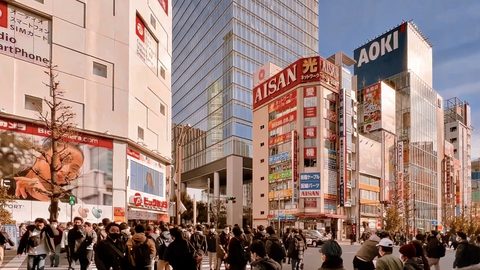 Akihabara
 Tokyo guide: electronics, anime, and arcades stacked floor by floor, from Radio Kaikan to the maid cafe touts.
Akihabara
Akihabara Tokyo guide: electronics, anime, and arcades stacked floor by floor, from Radio Kaikan to the maid cafe touts.
-
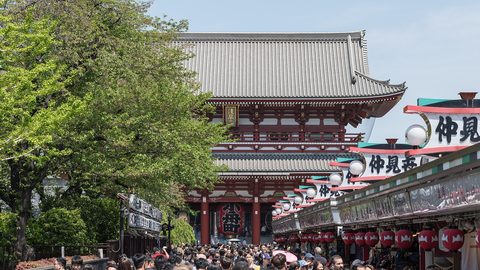 Asakusa
 Tokyo guide: Senso-ji temple, old shitamachi streets, and the cheapest central beds with a longer commute to west-side nightlife.
Asakusa
Asakusa Tokyo guide: Senso-ji temple, old shitamachi streets, and the cheapest central beds with a longer commute to west-side nightlife.
-
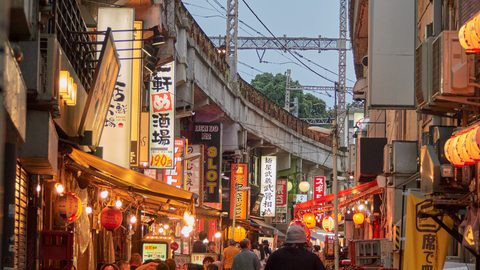 Ebisu
Ebisu is where Tokyo drinks without performing, from craft beer bars near the station to izakaya tucked into quiet lanes around Yebisu Garden Place.
Ebisu
Ebisu is where Tokyo drinks without performing, from craft beer bars near the station to izakaya tucked into quiet lanes around Yebisu Garden Place.
-
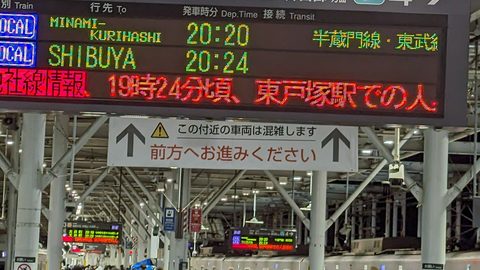 Futako-tamagawa
Futako-Tamagawa offers a look at residential riverside Tokyo far from the tourist circuit. Here is what the Tama River terrace and Rise complex reveal about daily life in Setagaya.
Futako-tamagawa
Futako-Tamagawa offers a look at residential riverside Tokyo far from the tourist circuit. Here is what the Tama River terrace and Rise complex reveal about daily life in Setagaya.
-
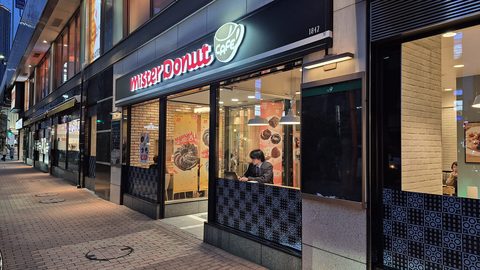 Ginza
Ginza Tokyo guide: flagship luxury retail, Edomae sushi counters, and the depachika food halls where Tokyo's highest prices live.
Ginza
Ginza Tokyo guide: flagship luxury retail, Edomae sushi counters, and the depachika food halls where Tokyo's highest prices live.
-
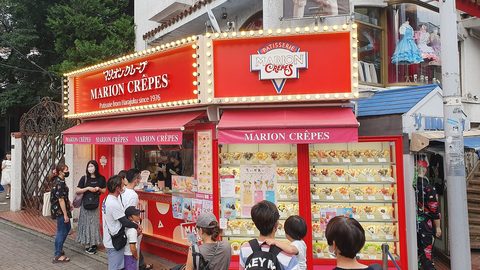 Harajuku
 shifts from Takeshita-dori's teen crush to Omotesando's designer calm in a single walk. Here is the route that escapes the crowds without leaving the neighbourhood.
Harajuku
Harajuku shifts from Takeshita-dori's teen crush to Omotesando's designer calm in a single walk. Here is the route that escapes the crowds without leaving the neighbourhood.
-
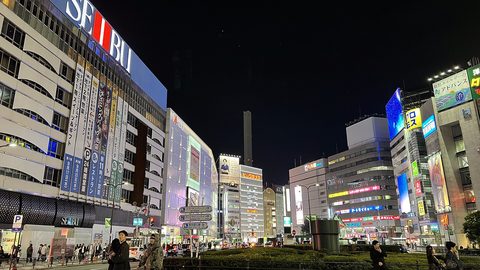 Ikebukuro
 is Tokyo's least touristed major hub, home to Sunshine City, otome anime culture, and a station that rivals Shinjuku in scale without the international crowds.
Ikebukuro
Ikebukuro is Tokyo's least touristed major hub, home to Sunshine City, otome anime culture, and a station that rivals Shinjuku in scale without the international crowds.
-
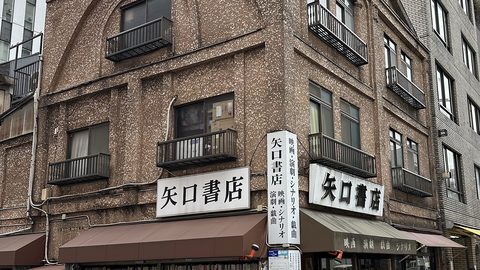 Jimbocho
 packs a hundred and fifty used bookshops, a street of curry rice, vintage guitar stores, and old kissaten coffee houses into Tokyo's intellectal quarter.
Jimbocho
Jimbocho packs a hundred and fifty used bookshops, a street of curry rice, vintage guitar stores, and old kissaten coffee houses into Tokyo's intellectal quarter.
-
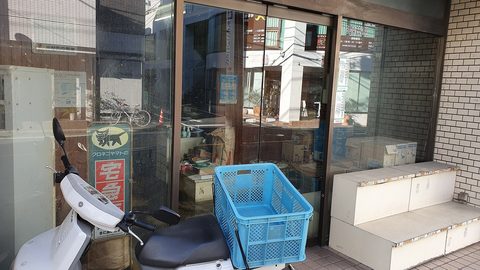 Jiyugaoka
 leans into its European fantasy with serious patisseries, a tiny canal and design boutiques in one of Tokyo's most polished residential suburbs.
Jiyugaoka
Jiyugaoka leans into its European fantasy with serious patisseries, a tiny canal and design boutiques in one of Tokyo's most polished residential suburbs.
-
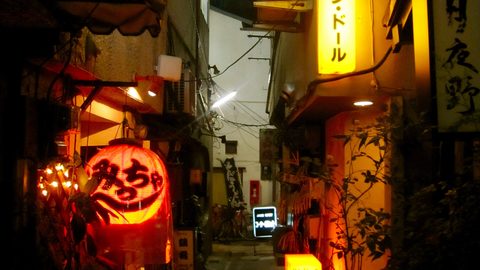 Kagurazaka
 layers French bistros and cobbled pedestrian lanes over a working geisha quarter, creating Tokyo's most atmospheric hillside neighbourhood.
Kagurazaka
Kagurazaka layers French bistros and cobbled pedestrian lanes over a working geisha quarter, creating Tokyo's most atmospheric hillside neighbourhood.
-
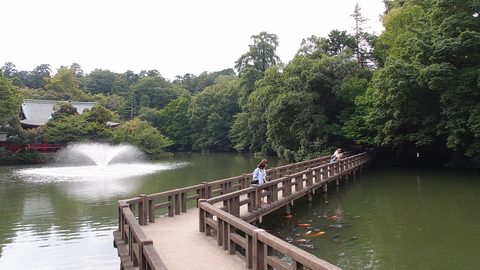 Kichijoji
 pairs Inokashira Park with the Harmonica Yokocho alley bars and a short walk to the Ghibli Museum. Here is why Tokyoites keep voting it the city's most liveable neighbourhood.
Kichijoji
Kichijoji pairs Inokashira Park with the Harmonica Yokocho alley bars and a short walk to the Ghibli Museum. Here is why Tokyoites keep voting it the city's most liveable neighbourhood.
-
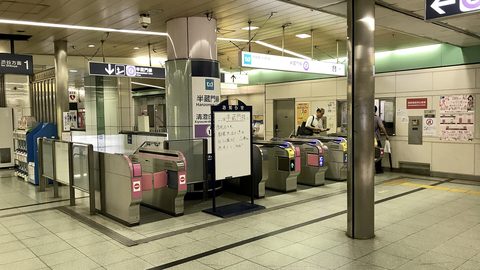 Kiyosumi-Shirakawa
 draws coffee obsessives to its roasteries and art lovers to its contemporary museum, all in a quiet Fukagawa neighbourhood.
Kiyosumi-Shirakawa
Kiyosumi-Shirakawa draws coffee obsessives to its roasteries and art lovers to its contemporary museum, all in a quiet Fukagawa neighbourhood.
-
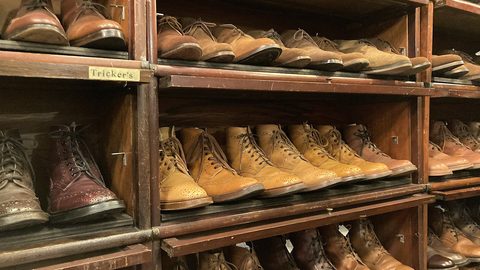 Koenji
 is Tokyo's punk heart and vintage clothing maze, a bohemian neighbourhood that erupts each August for the Awa Odori dance festival.
Koenji
Koenji is Tokyo's punk heart and vintage clothing maze, a bohemian neighbourhood that erupts each August for the Awa Odori dance festival.
-
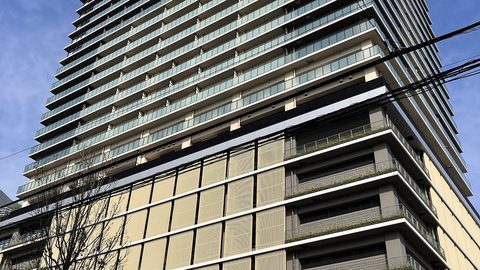 Kuramae
 mixes old-world craft workshops with new-wave coffee roasters along the Sumida River, ten minutes on foot from Senso-ji.
Kuramae
Kuramae mixes old-world craft workshops with new-wave coffee roasters along the Sumida River, ten minutes on foot from Senso-ji.
-
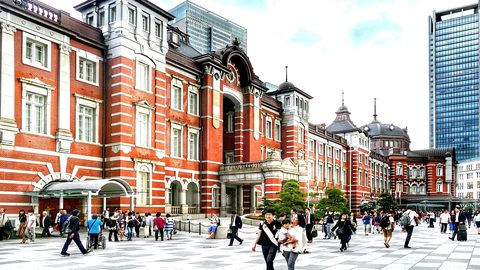 Marunouchi
Staying in Marunouchi puts you steps from Tokyo Station's Shinkansen platforms and Narita Express, trading nightlife buzz for unmatched rail connectivity and wide, quiet weekend boulevards.
Marunouchi
Staying in Marunouchi puts you steps from Tokyo Station's Shinkansen platforms and Narita Express, trading nightlife buzz for unmatched rail connectivity and wide, quiet weekend boulevards.
-
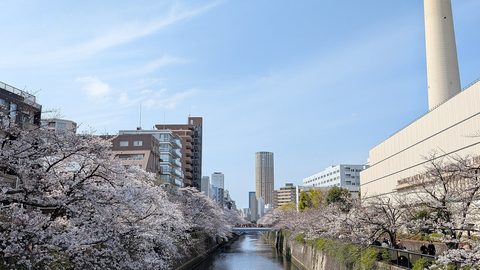 Nakameguro
Walk the Nakameguro canal past cherry trees and design shops, then climb the hill into Daikanyama's calm boutiques and quiet residential streets.
Nakameguro
Walk the Nakameguro canal past cherry trees and design shops, then climb the hill into Daikanyama's calm boutiques and quiet residential streets.
-
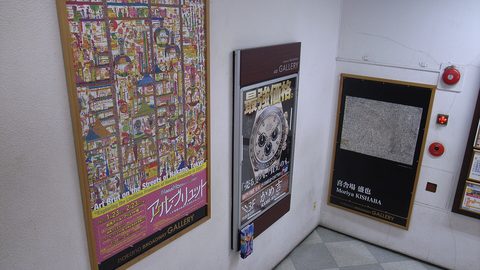 Nakano
 Broadway is Tokyo's indoor maze of vintage anime cels, Showa-era toys, and specialist Mandarake shops, offering a focused treasure hunt that outshines Akihabara's main strips.
Nakano
Nakano Broadway is Tokyo's indoor maze of vintage anime cels, Showa-era toys, and specialist Mandarake shops, offering a focused treasure hunt that outshines Akihabara's main strips.
-
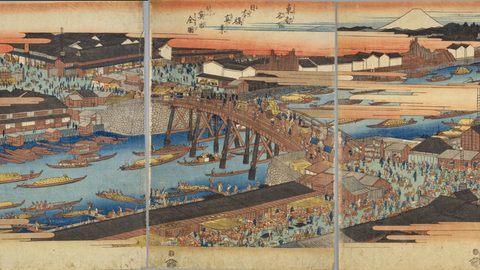 Nihonbashi
 is Edo's old business district, still measuring the country's distances from its bridge and feeding Tokyo from the depachika food halls beneath its department stores.
Nihonbashi
Nihonbashi is Edo's old business district, still measuring the country's distances from its bridge and feeding Tokyo from the depachika food halls beneath its department stores.
-
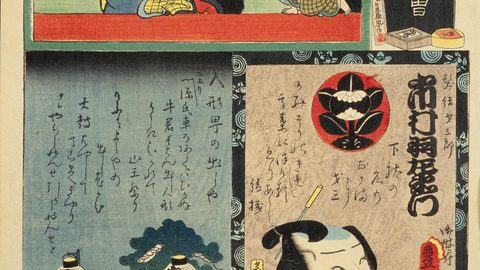 Ningyocho
's lantern-lit Amazake Alley and doll-cake shops preserve an Edo merchant feel that much of central Tokyo has lost.
Ningyocho
Ningyocho's lantern-lit Amazake Alley and doll-cake shops preserve an Edo merchant feel that much of central Tokyo has lost.
-
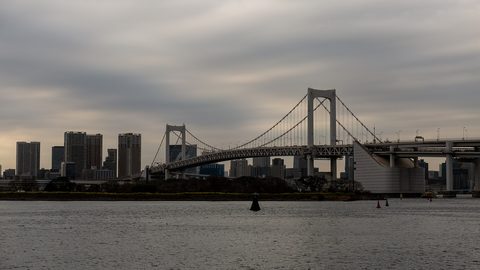 Odaiba
 is Tokyo's reclaimed island playground of malls, museums, and bay views. Here is what is actually there, what has moved, and how to get across the Rainbow Bridge.
Odaiba
Odaiba is Tokyo's reclaimed island playground of malls, museums, and bay views. Here is what is actually there, what has moved, and how to get across the Rainbow Bridge.
-
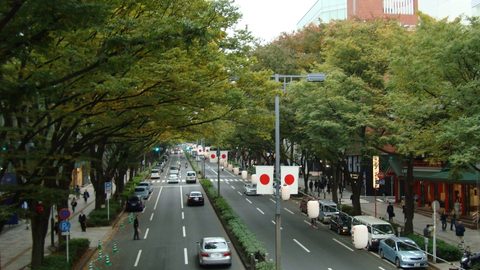 Omotesando and Aoyama
Omotesando is a gallery of flagship architecture by Pritzker winners, best read on foot from the zelkova trees to the Aoyama backstreets.
Omotesando and Aoyama
Omotesando is a gallery of flagship architecture by Pritzker winners, best read on foot from the zelkova trees to the Aoyama backstreets.
-
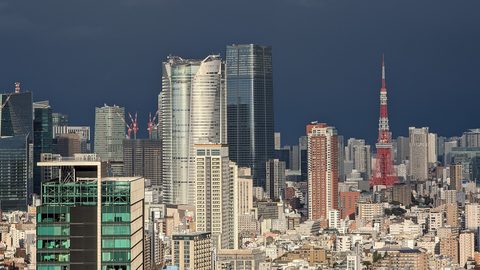 Roppongi
 shifts from a world-class art triangle by day to an expat nightlife zone after dark. Here is how to read the two sides of Tokyo's most international district.
Roppongi
Roppongi shifts from a world-class art triangle by day to an expat nightlife zone after dark. Here is how to read the two sides of Tokyo's most international district.
-
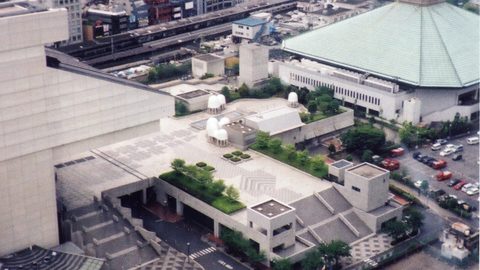 Ryogoku
 is Tokyo's sumo town, where the giant Kokugikan arena sets the stage and wrestler-founded restaurants serve the hearty chanko nabe that fuels the sport.
Ryogoku
Ryogoku is Tokyo's sumo town, where the giant Kokugikan arena sets the stage and wrestler-founded restaurants serve the hearty chanko nabe that fuels the sport.
-
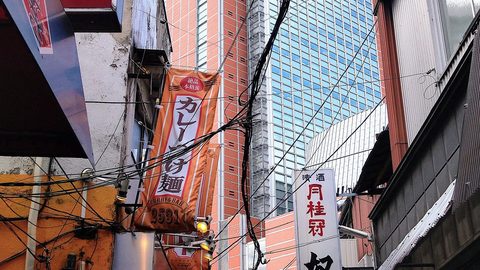 Sangenjaya
 packs standing bars and grilled-skewer alleys into its Sankaku Chitai triangle, topped by a free observation deck two stops from Shibuya.
Sangenjaya
Sangenjaya packs standing bars and grilled-skewer alleys into its Sankaku Chitai triangle, topped by a free observation deck two stops from Shibuya.
-
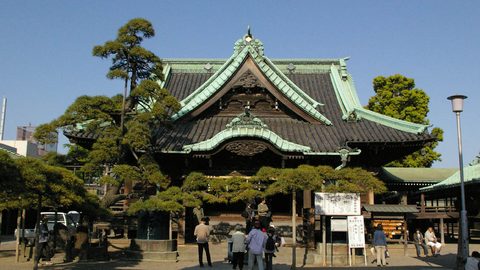 Shibamata
 preserves a 1950s Tokyo on its temple approach street, forever tied to the Tora-san film series and best visited for unagi and old-school snacks.
Shibamata
Shibamata preserves a 1950s Tokyo on its temple approach street, forever tied to the Tora-san film series and best visited for unagi and old-school snacks.
-
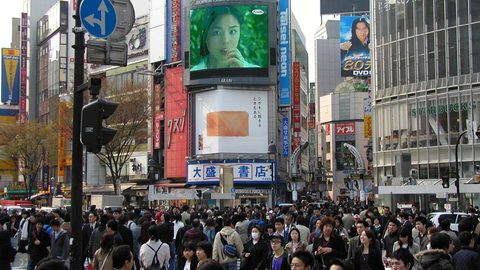 Shibuya
 Tokyo guide: the scramble crossing, the station rebuild, and the steep backstreets that empty into quiet residential lanes.
Shibuya
Shibuya Tokyo guide: the scramble crossing, the station rebuild, and the steep backstreets that empty into quiet residential lanes.
-
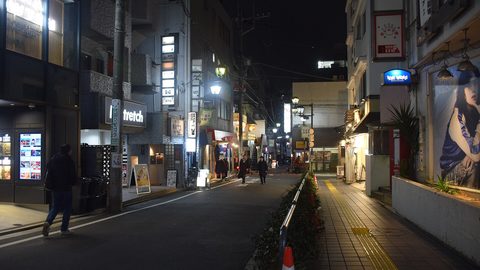 Shimokitazawa
 is Tokyo's maze of vintage shops, live music venues, and curry houses with no through traffic. Here is how to wander it without a fixed route.
Shimokitazawa
Shimokitazawa is Tokyo's maze of vintage shops, live music venues, and curry houses with no through traffic. Here is how to wander it without a fixed route.
-
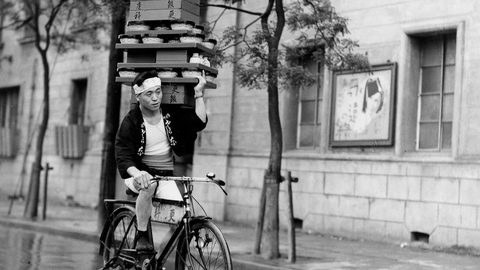 Shin-Okubo
 packs K-pop booths, Korean street snacks and Seoul-level chaos into a single loud strip one Yamanote stop from Shinjuku.
Shin-Okubo
Shin-Okubo packs K-pop booths, Korean street snacks and Seoul-level chaos into a single loud strip one Yamanote stop from Shinjuku.
-
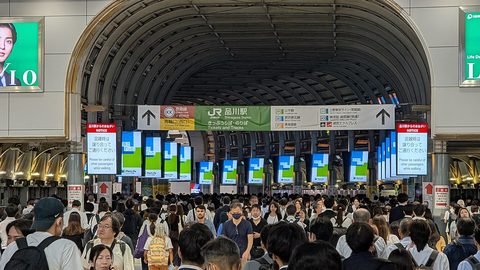 Shinagawa
 is a transit timetable more than a neighbourhood, offering the smoothest Haneda Airport slide and Shinkansen access for travellers who prize efficiency over local character.
Shinagawa
Shinagawa is a transit timetable more than a neighbourhood, offering the smoothest Haneda Airport slide and Shinkansen access for travellers who prize efficiency over local character.
-
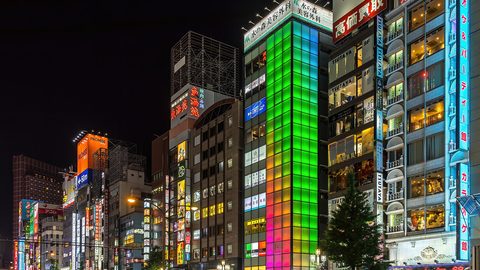 Shinjuku
 Tokyo guide to the station's east-west maze, memory lane yakitori stalls, and Golden Gai's six-seat bar rules.
Shinjuku
Shinjuku Tokyo guide to the station's east-west maze, memory lane yakitori stalls, and Golden Gai's six-seat bar rules.
-
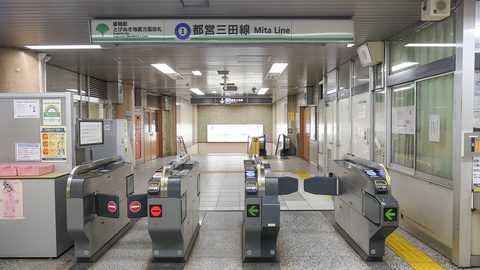 Sugamo
's Jizo-dori earns its 'Harajuku for grandmothers' nickname with red underwear shops, health snacks and a temple where visitors rub a healing statue.
Sugamo
Sugamo's Jizo-dori earns its 'Harajuku for grandmothers' nickname with red underwear shops, health snacks and a temple where visitors rub a healing statue.
-
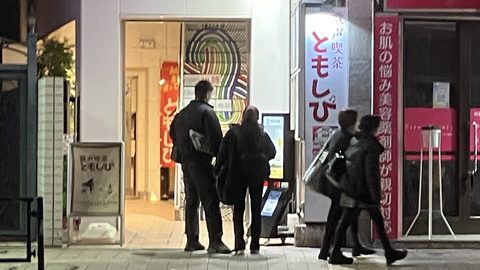 Takadanobaba
 runs on student economics: towering ramen bowls, standing bars, and shokudo that have fed Waseda for decades.
Takadanobaba
Takadanobaba runs on student economics: towering ramen bowls, standing bars, and shokudo that have fed Waseda for decades.
-
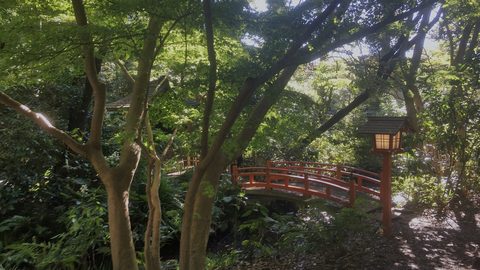 Todoroki
 Valley is Tokyo's only natural ravine, a short walk where bamboo, water, and birds replace the city entirely.
Todoroki
Todoroki Valley is Tokyo's only natural ravine, a short walk where bamboo, water, and birds replace the city entirely.
-
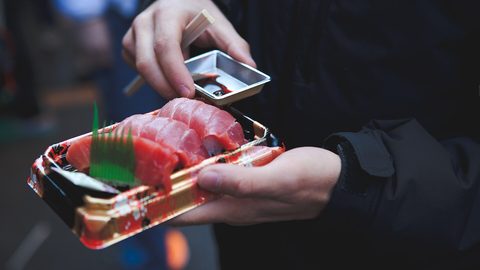 Tsukiji
 Outer Market still serves fresh seafood breakfasts daily even after the wholesale auction moved to Toyosu. Here is what remains and whether the early sushi queue is worth your morning.
Tsukiji
Tsukiji Outer Market still serves fresh seafood breakfasts daily even after the wholesale auction moved to Toyosu. Here is what remains and whether the early sushi queue is worth your morning.
-
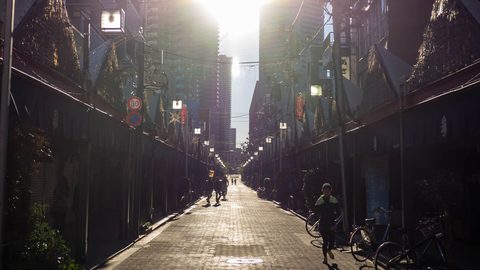 Tsukishima
 is one street and one dish: monjayaki, Tokyo's runny batter cooked on a hotplate, worth crossing the river for the full Monja Street ritual.
Tsukishima
Tsukishima is one street and one dish: monjayaki, Tokyo's runny batter cooked on a hotplate, worth crossing the river for the full Monja Street ritual.
-
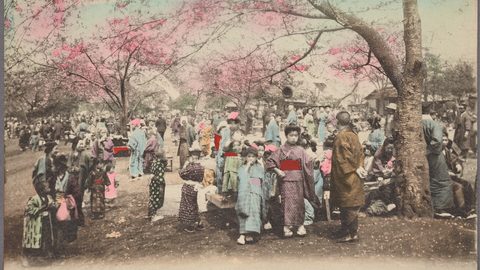 Ueno
Ueno concentrates Tokyo's best museums, a sprawling park, and the Ameyoko market into one walkable cluster. Plan the order that avoids backtracking.
Ueno
Ueno concentrates Tokyo's best museums, a sprawling park, and the Ameyoko market into one walkable cluster. Plan the order that avoids backtracking.
-
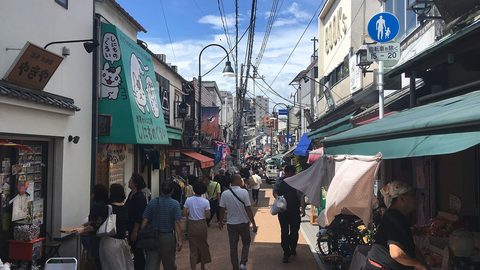 Yanaka
 is the old Tokyo that survived, a neighbourhood of temple cemeteries, cat-themed shops, and slow lanes best walked without a checklist.
Yanaka
Yanaka is the old Tokyo that survived, a neighbourhood of temple cemeteries, cat-themed shops, and slow lanes best walked without a checklist.
-
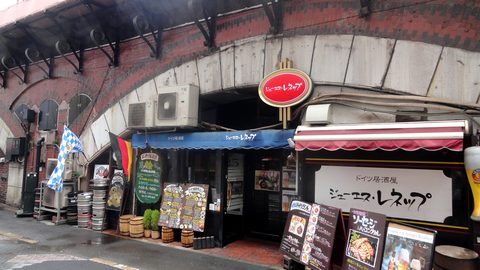 Yurakucho and Shinbashi
Yurakucho's brick-arch yakitori alleys under the JR tracks and Shinbashi's salaryman bar density form Tokyo's most concentrated after-work eating zone.
Yurakucho and Shinbashi
Yurakucho's brick-arch yakitori alleys under the JR tracks and Shinbashi's salaryman bar density form Tokyo's most concentrated after-work eating zone.
What to See in Tokyo
-
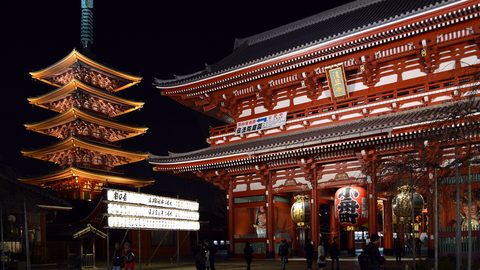 Senso-ji
 is free and never closes, but the experience at 6am with empty Nakamise stalls is nothing like the 11am crush under Kaminarimon. Here is when to go and what you get at each hour.
Senso-ji
Senso-ji is free and never closes, but the experience at 6am with empty Nakamise stalls is nothing like the 11am crush under Kaminarimon. Here is when to go and what you get at each hour.
-
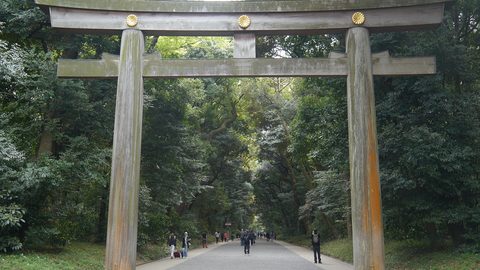 Meiji Jingu
The Meiji Jingu visit changes completely depending on which torii gate you enter. One drops you from Harajuku noise into sudden forest, the other builds quiet slowly from Yoyogi.
Meiji Jingu
The Meiji Jingu visit changes completely depending on which torii gate you enter. One drops you from Harajuku noise into sudden forest, the other builds quiet slowly from Yoyogi.
-
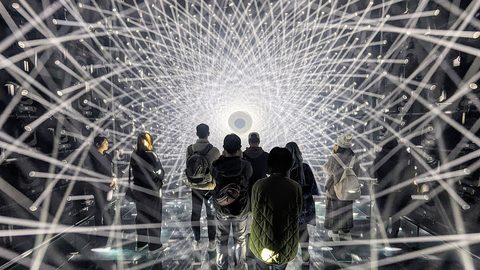 teamLab
 Borderless and Planets are two different Tokyo venues with separate booking systems. Borderless tickets at Azabudai Hills sell in timed slots and the maze has no fixed route.
teamLab
teamLab Borderless and Planets are two different Tokyo venues with separate booking systems. Borderless tickets at Azabudai Hills sell in timed slots and the maze has no fixed route.
-
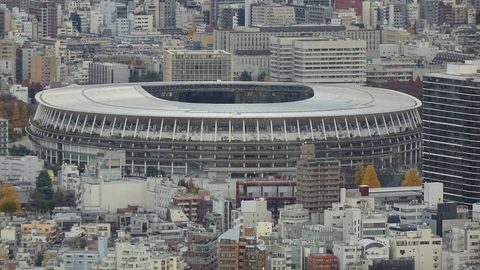 Shibuya Sky
 at sunset is a booked-out Tokyo experience for a reason, but the Metropolitan Government Building and Bunkyo Civic Center offer free high-rise views worth comparing.
Shibuya Sky
Shibuya Sky at sunset is a booked-out Tokyo experience for a reason, but the Metropolitan Government Building and Bunkyo Civic Center offer free high-rise views worth comparing.
-
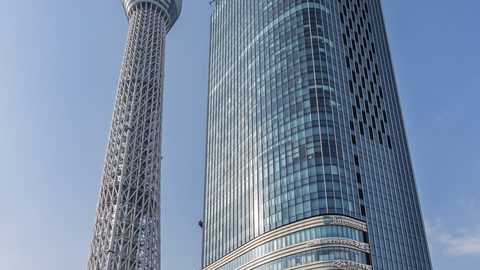 Tokyo Skytree
 sells two observation decks at two prices. The upper Tembo Galleria costs extra and on a cloudy day the sloping glass corridor adds nothing the lower deck does not already show.
Tokyo Skytree
Tokyo Skytree sells two observation decks at two prices. The upper Tembo Galleria costs extra and on a cloudy day the sloping glass corridor adds nothing the lower deck does not already show.
-
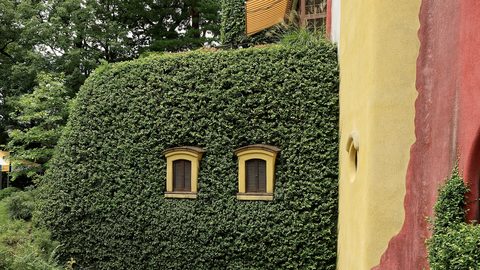 Ghibli Museum
 tickets release on the 10th of each month at 10am JST and sell out in hours. This is the step-by-step Lawson Loppi and online booking process to get a slot.
Ghibli Museum
Ghibli Museum tickets release on the 10th of each month at 10am JST and sell out in hours. This is the step-by-step Lawson Loppi and online booking process to get a slot.
-
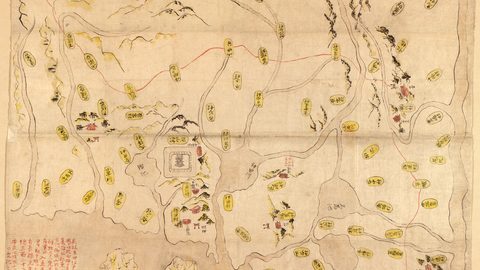 Edo-Tokyo Museum
The Edo-Tokyo Museum in Ryogoku is closed for renovation until late 2025, but Tokyo's Edo-era story can still be found in smaller museums across the city.
Edo-Tokyo Museum
The Edo-Tokyo Museum in Ryogoku is closed for renovation until late 2025, but Tokyo's Edo-era story can still be found in smaller museums across the city.
-
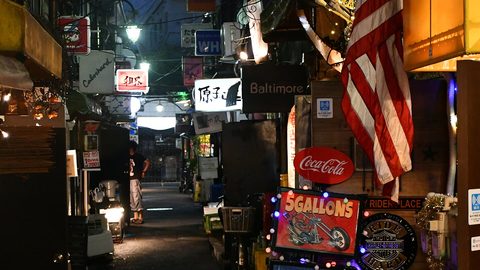 Golden Gai
's 200-plus micro bars operate on a system of cover charges, strict photo rules, and six-seat intimacy—understanding the etiquette before you push open a door transforms the experience.
Golden Gai
Golden Gai's 200-plus micro bars operate on a system of cover charges, strict photo rules, and six-seat intimacy—understanding the etiquette before you push open a door transforms the experience.
-
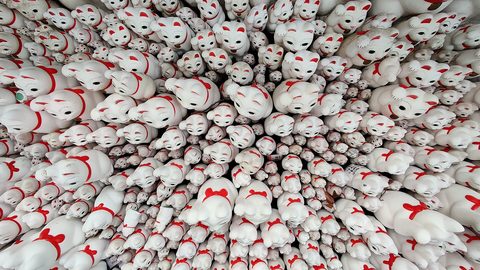 Gotokuji
 in Setagaya is the legendary birthplace of the maneki-neko beckoning cat, with thousands of white figurines on tiered shelves at a quiet Zen temple.
Gotokuji
Gotokuji in Setagaya is the legendary birthplace of the maneki-neko beckoning cat, with thousands of white figurines on tiered shelves at a quiet Zen temple.
-
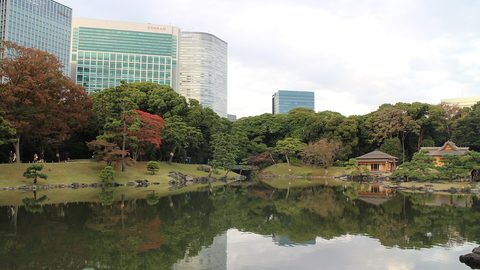 Hama-rikyu Gardens
Hama-rikyu is the Edo garden you reach by water bus from Asakusa, gliding down the Sumida River to a tidal pond teahouse with a Shiodome skyscraper backdrop.
Hama-rikyu Gardens
Hama-rikyu is the Edo garden you reach by water bus from Asakusa, gliding down the Sumida River to a tidal pond teahouse with a Shiodome skyscraper backdrop.
-
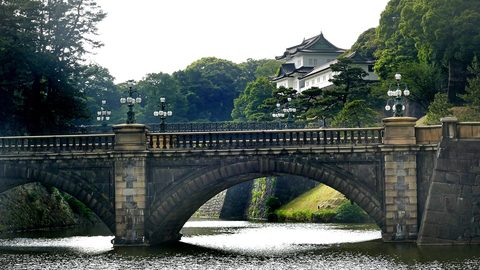 Imperial Palace
The Tokyo Imperial Palace splits into free East Gardens, a strictly booked inner grounds tour via Kikyomon Gate, and permanently sealed private areas—knowing the difference is essential.
Imperial Palace
The Tokyo Imperial Palace splits into free East Gardens, a strictly booked inner grounds tour via Kikyomon Gate, and permanently sealed private areas—knowing the difference is essential.
-
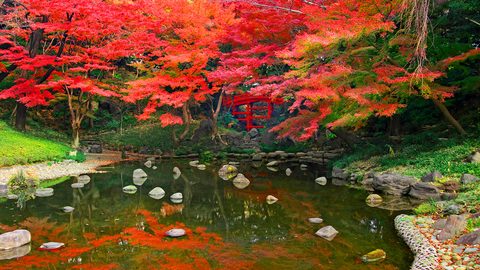 Koishikawa Korakuen
 is an early-Edo stroll garden with Chinese bridge features, pressed improbably against the Tokyo Dome rollercoaster in Bunkyo.
Koishikawa Korakuen
Koishikawa Korakuen is an early-Edo stroll garden with Chinese bridge features, pressed improbably against the Tokyo Dome rollercoaster in Bunkyo.
-
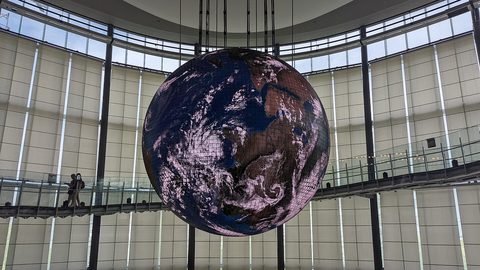 Miraikan
The Miraikan in Odaiba has a glowing Earth and running robots, but adult travellers should know its limits before dedicating an afternoon.
Miraikan
The Miraikan in Odaiba has a glowing Earth and running robots, but adult travellers should know its limits before dedicating an afternoon.
-
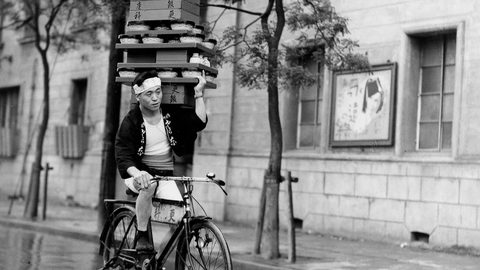 Nezu Museum
The Nezu Museum in Aoyama pairs a serious pre-modern Japanese art collection with a sprawling bamboo garden and glass teahouse that steal the show.
Nezu Museum
The Nezu Museum in Aoyama pairs a serious pre-modern Japanese art collection with a sprawling bamboo garden and glass teahouse that steal the show.
-
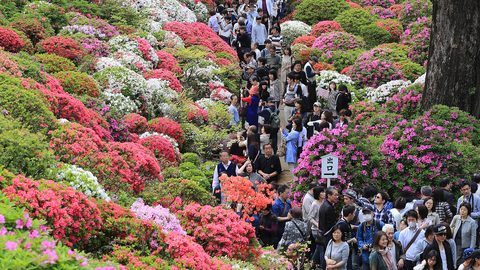 Nezu Shrine
 bursts into colour for a few weeks each spring, but the real Tokyo secret is how empty its torii tunnel is the rest of the year.
Nezu Shrine
Nezu Shrine bursts into colour for a few weeks each spring, but the real Tokyo secret is how empty its torii tunnel is the rest of the year.
-
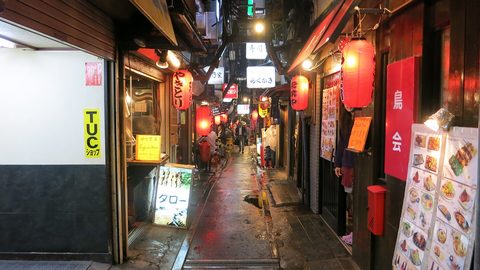 Omoide Yokocho
 in Shinjuku is a warren of post-war yakitori stalls where six seats is a full house and knowing the rules gets you fed.
Omoide Yokocho
Omoide Yokocho in Shinjuku is a warren of post-war yakitori stalls where six seats is a full house and knowing the rules gets you fed.
-
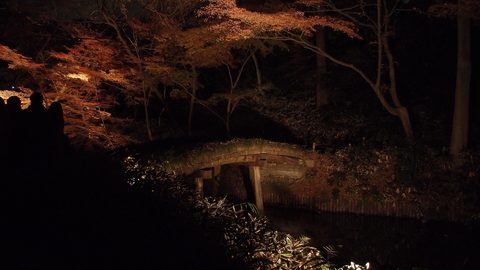 Rikugien
 Garden in Tokyo is worth planning a trip around its late November night maple illumination and late April weeping azalea bloom.
Rikugien
Rikugien Garden in Tokyo is worth planning a trip around its late November night maple illumination and late April weeping azalea bloom.
-
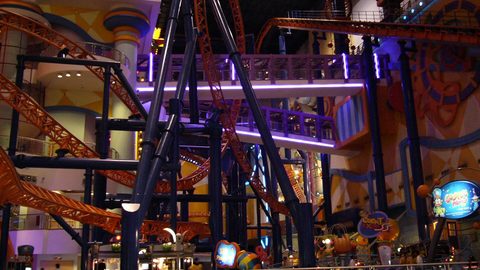 Sanrio Puroland
 is a small indoor theme park in Tama for dedicated character fans, not thrill-seekers. Here is who it genuinely works for and who should skip it.
Sanrio Puroland
Sanrio Puroland is a small indoor theme park in Tama for dedicated character fans, not thrill-seekers. Here is who it genuinely works for and who should skip it.
-
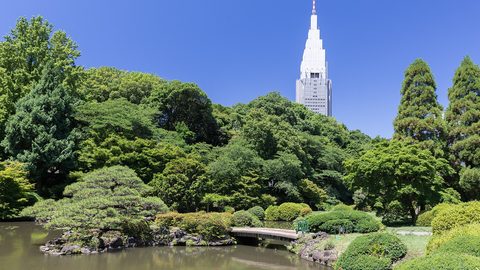 Shinjuku Gyoen
 enforces strict no-alcohol rules and bag checks to maintain its engineered calm, making it the essential decompression chamber above Shinjuku Station's chaos.
Shinjuku Gyoen
Shinjuku Gyoen enforces strict no-alcohol rules and bag checks to maintain its engineered calm, making it the essential decompression chamber above Shinjuku Station's chaos.
More on Tokyo
-
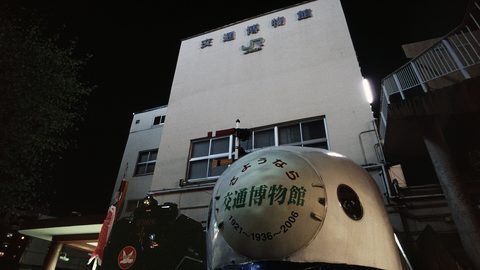 Omiya Railway Museum 30 Minutes North of Tokyo for Train Enthusiasts
The Railway Museum in Omiya, Saitama, houses generations of Shinkansen and steam locomotives, with driver simulators, just 30 minutes north of Tokyo Station.
Omiya Railway Museum 30 Minutes North of Tokyo for Train Enthusiasts
The Railway Museum in Omiya, Saitama, houses generations of Shinkansen and steam locomotives, with driver simulators, just 30 minutes north of Tokyo Station.
-
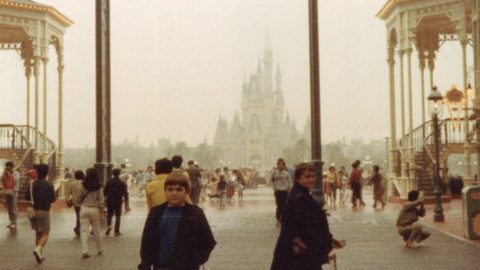 Tokyo Disneyland vs DisneySea One Park One Day Which One to Choose
Choosing between Tokyo Disneyland and Tokyo DisneySea for a single park day: comparing attractions, crowds, and the Fantasy Springs expansion at DisneySea.
Tokyo Disneyland vs DisneySea One Park One Day Which One to Choose
Choosing between Tokyo Disneyland and Tokyo DisneySea for a single park day: comparing attractions, crowds, and the Fantasy Springs expansion at DisneySea.
-
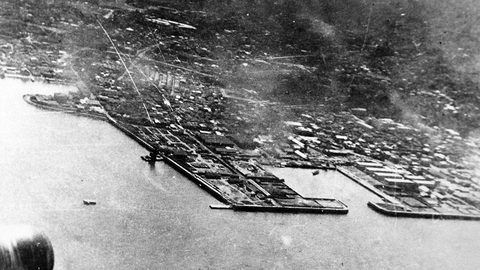 Yokosuka Day Trip Navy Curry Battleship Mikasa and an American Main Street
Yokosuka offers a pre-dreadnought battleship museum, the birthplace of Japanese navy curry, and the Americana of Dobuita Street, all on the Keikyu Line from Tokyo.
Yokosuka Day Trip Navy Curry Battleship Mikasa and an American Main Street
Yokosuka offers a pre-dreadnought battleship museum, the birthplace of Japanese navy curry, and the Americana of Dobuita Street, all on the Keikyu Line from Tokyo.
-
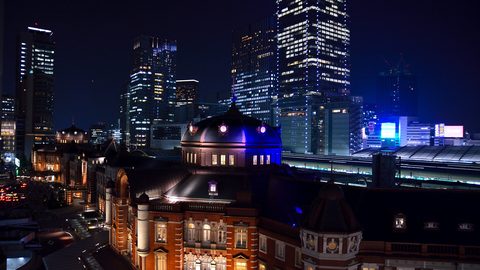 Tokyo Tower or Skytree Which Observation Deck Should You Visit
Deciding between Tokyo Tower and Tokyo Skytree comes down to location, budget, and the kind of skyline view you want. Here is how to pick the right deck for your day.
Tokyo Tower or Skytree Which Observation Deck Should You Visit
Deciding between Tokyo Tower and Tokyo Skytree comes down to location, budget, and the kind of skyline view you want. Here is how to pick the right deck for your day.
-
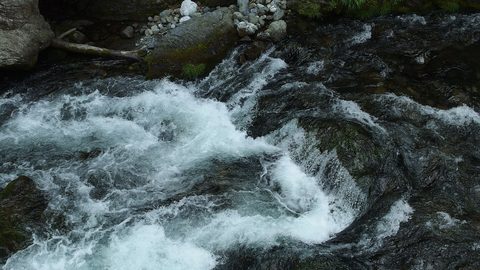 Okutama and Mount Mitake Tokyo Own Mountain Gorge at the End of the Line
Tokyo's western edge holds Mount Mitake's summit shrine and the Okutama gorge, reached by the JR Ome Line for a real mountain day trip within the prefecture.
Okutama and Mount Mitake Tokyo Own Mountain Gorge at the End of the Line
Tokyo's western edge holds Mount Mitake's summit shrine and the Okutama gorge, reached by the JR Ome Line for a real mountain day trip within the prefecture.
-
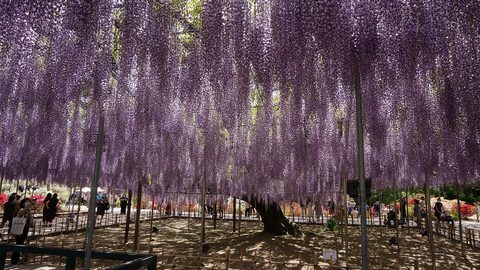 Ashikaga Flower Park Wisteria Tunnels From Tokyo and Why You Cannot Book Around the Bloom
How to reach the Ashikaga Flower Park wisteria tunnels from Tokyo, why the great wisteria bloom window is impossible to book around, and what to expect at the nighttime illumination.
Ashikaga Flower Park Wisteria Tunnels From Tokyo and Why You Cannot Book Around the Bloom
How to reach the Ashikaga Flower Park wisteria tunnels from Tokyo, why the great wisteria bloom window is impossible to book around, and what to expect at the nighttime illumination.
-
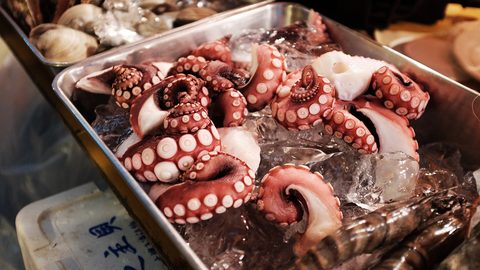 Odawara Day Trip Castle Fish Market and Hakone Gateway From Tokyo
Odawara is more than a Hakone transfer point: a reconstructed castle with bay views, a local fish market for kaisendon, and umeboshi shops in the old town.
Odawara Day Trip Castle Fish Market and Hakone Gateway From Tokyo
Odawara is more than a Hakone transfer point: a reconstructed castle with bay views, a local fish market for kaisendon, and umeboshi shops in the old town.
-
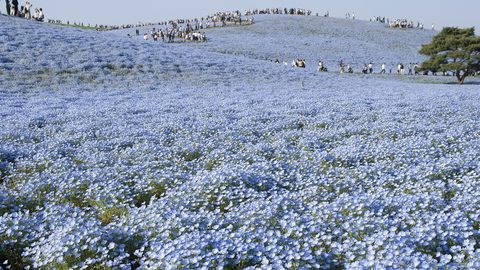 Hitachi Seaside Park Blue Hill and the Three Weeks It Looks Like That
Hitachi Seaside Park's blue nemophila hill and red kochia field each peak for about three weeks a year, and the two-hour trip from Tokyo is only worth it during those windows.
Hitachi Seaside Park Blue Hill and the Three Weeks It Looks Like That
Hitachi Seaside Park's blue nemophila hill and red kochia field each peak for about three weeks a year, and the two-hour trip from Tokyo is only worth it during those windows.
-
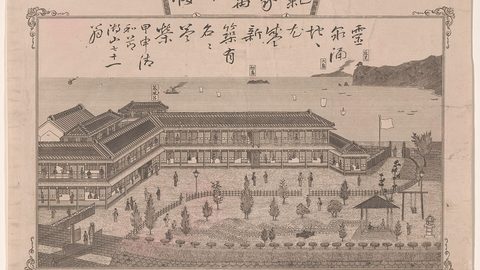 Atami Day Trip Onsen by the Sea 40 Minutes on the Shinkansen
Atami pairs a seaside promenade and public onsen with a 40-minute Shinkansen ride from Tokyo, making it the fastest hot spring escape from the city.
Atami Day Trip Onsen by the Sea 40 Minutes on the Shinkansen
Atami pairs a seaside promenade and public onsen with a 40-minute Shinkansen ride from Tokyo, making it the fastest hot spring escape from the city.
-
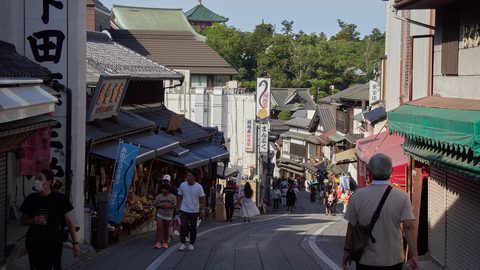 Narita Day Trip From Tokyo Airport The Temple Town Behind the Runway
Turn a long Narita Airport layover into a temple town day trip to Naritasan Shinshoji, with its wooded park, pagoda, and unagi restaurants on Omotesando.
Narita Day Trip From Tokyo Airport The Temple Town Behind the Runway
Turn a long Narita Airport layover into a temple town day trip to Naritasan Shinshoji, with its wooded park, pagoda, and unagi restaurants on Omotesando.
-
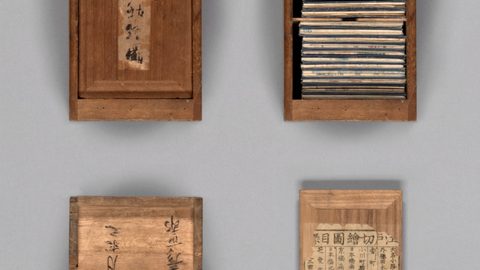 Sawara Day Trip From Tokyo The Edo Canal Town in Chiba Prefecture
Sawara, Chiba's Little Edo, offers preserved merchant houses along the Onogawa Canal, a cartography museum, and a quiet alternative to Kawagoe from Tokyo.
Sawara Day Trip From Tokyo The Edo Canal Town in Chiba Prefecture
Sawara, Chiba's Little Edo, offers preserved merchant houses along the Onogawa Canal, a cartography museum, and a quiet alternative to Kawagoe from Tokyo.
-
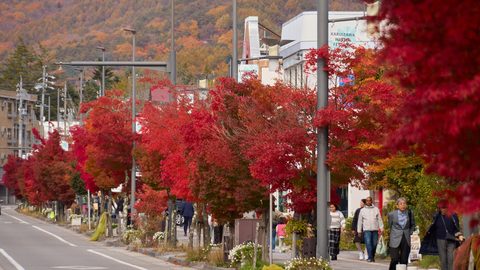 Karuizawa Day Trip from Tokyo by Shinkansen in 70 Minutes
Karuizawa delivers highland air and autumn foliage just 70 minutes from Tokyo Station, with a compact bicycle loop that fits neatly into a single day.
Karuizawa Day Trip from Tokyo by Shinkansen in 70 Minutes
Karuizawa delivers highland air and autumn foliage just 70 minutes from Tokyo Station, with a compact bicycle loop that fits neatly into a single day.
-
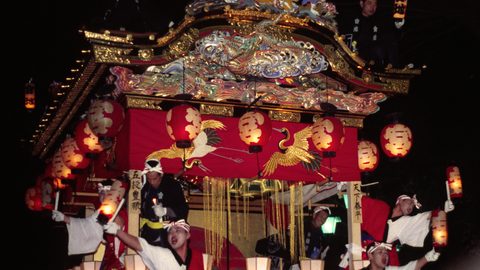 Chichibu Day Trip From Tokyo for Shibazakura and the Night Festival
Chichibu delivers pink moss phlox carpets in spring and a fiery December night festival, but its real draw is the slow Saitama countryside between events.
Chichibu Day Trip From Tokyo for Shibazakura and the Night Festival
Chichibu delivers pink moss phlox carpets in spring and a fiery December night festival, but its real draw is the slow Saitama countryside between events.
-
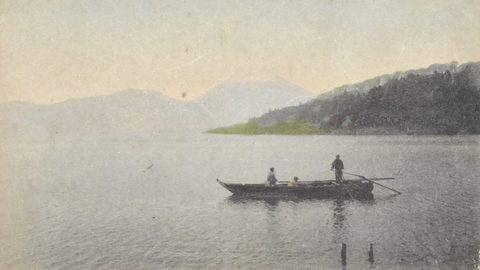 Hakone vs Nikko Day Trip From Tokyo Which One to Choose
Hakone offers a volcanic loop with Fuji views and art museums, while Nikko delivers ornate shrine architecture and ancient cedar forests—here is which fits your day.
Hakone vs Nikko Day Trip From Tokyo Which One to Choose
Hakone offers a volcanic loop with Fuji views and art museums, while Nikko delivers ornate shrine architecture and ancient cedar forests—here is which fits your day.
-
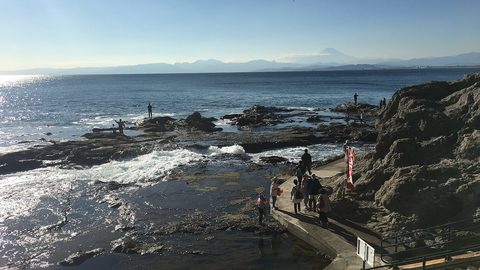 Enoshima Day Trip from Tokyo Island Shrines Sea Caves and Sunset Fuji Views
Enoshima's island shrines, sea caves, and sunset Fuji views are best tacked onto a Kamakura day, with the Odakyu Line back to Shinjuku from Katase-Enoshima.
Enoshima Day Trip from Tokyo Island Shrines Sea Caves and Sunset Fuji Views
Enoshima's island shrines, sea caves, and sunset Fuji views are best tacked onto a Kamakura day, with the Odakyu Line back to Shinjuku from Katase-Enoshima.
-
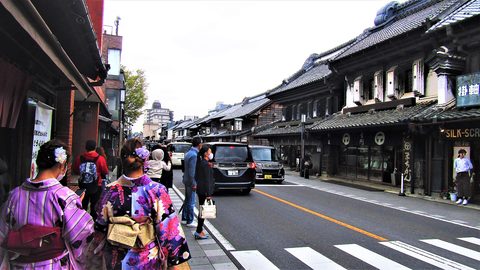 Kawagoe Day Trip from Tokyo Little Edos Warehouse District and Sweet Potato
Forty-five minutes from Ikebukuro on the Tobu Tojo Line, Kawagoe's Edo-era warehouse district and sweet potato street snacks fill a relaxed half-day from Tokyo.
Kawagoe Day Trip from Tokyo Little Edos Warehouse District and Sweet Potato
Forty-five minutes from Ikebukuro on the Tobu Tojo Line, Kawagoe's Edo-era warehouse district and sweet potato street snacks fill a relaxed half-day from Tokyo.
-
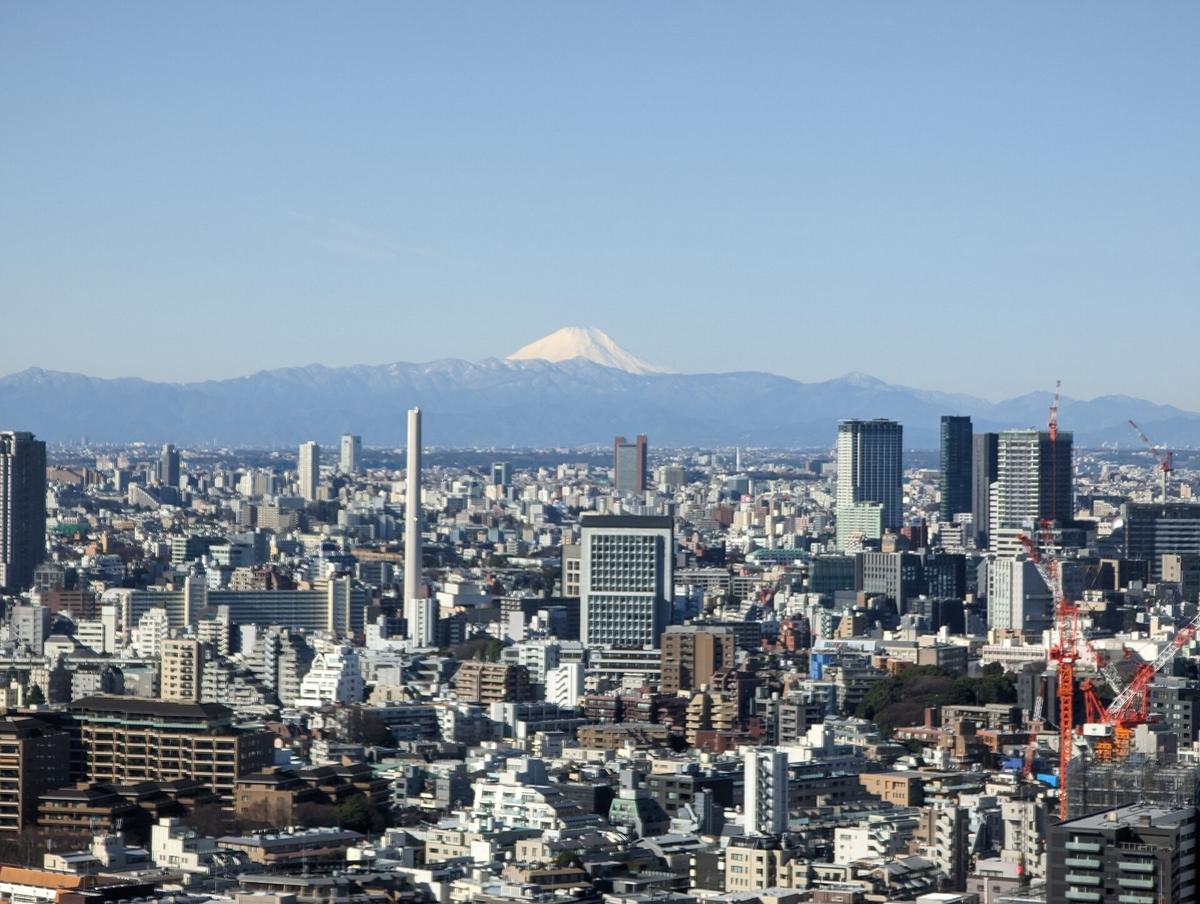
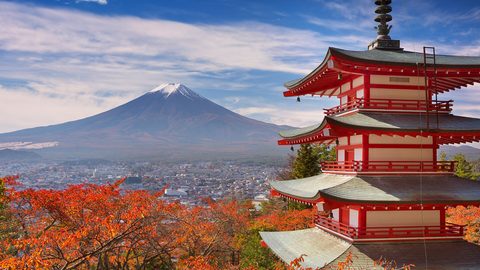 Mount Fuji from Tokyo Where to See Fuji in a Day and the Months It Is Visible
Mount Fuji is visible from Tokyo on clear winter days. Kawaguchiko, Hakone, and the Shinkansen each offer a different way to see it in a single day.
Mount Fuji from Tokyo Where to See Fuji in a Day and the Months It Is Visible
Mount Fuji is visible from Tokyo on clear winter days. Kawaguchiko, Hakone, and the Shinkansen each offer a different way to see it in a single day.
-
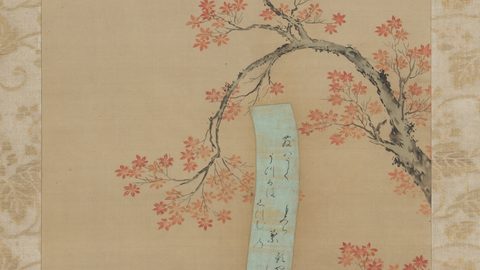 Mount Takao Day Trip from Tokyo Forested Trails Mountain Temple and Autumn Leaves
Fifty minutes from Shinjuku on the Keio Line, Mount Takao offers forested hiking trails, a mountain temple, and autumn foliage inside Tokyo's western edge.
Mount Takao Day Trip from Tokyo Forested Trails Mountain Temple and Autumn Leaves
Fifty minutes from Shinjuku on the Keio Line, Mount Takao offers forested hiking trails, a mountain temple, and autumn foliage inside Tokyo's western edge.
-
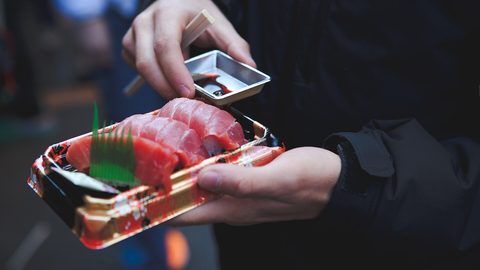 Tsukiji vs Toyosu: Two Markets, One Morning, and Which One You Actually Want
Tsukiji Outer Market and Toyosu Wholesale Market offer different mornings. Here is what each one actually delivers and which one fits your Tokyo trip.
Tsukiji vs Toyosu: Two Markets, One Morning, and Which One You Actually Want
Tsukiji Outer Market and Toyosu Wholesale Market offer different mornings. Here is what each one actually delivers and which one fits your Tokyo trip.
-
 Tokyo on a Budget: Daily Costs and Where It's Cheaper Than You Think
A realistic daily budget for Tokyo, including the specific neighbourhoods, meals, and attractions that cost far less than the city's reputation suggests.
Tokyo on a Budget: Daily Costs and Where It's Cheaper Than You Think
A realistic daily budget for Tokyo, including the specific neighbourhoods, meals, and attractions that cost far less than the city's reputation suggests.
-
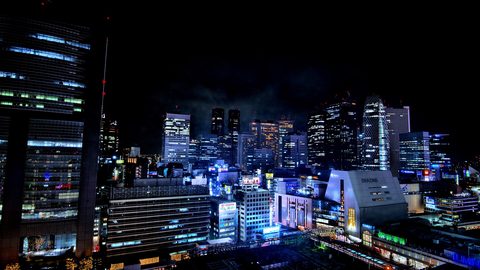 Shinjuku vs Shibuya: The Two Default Tokyo Bases, Refereed
Shinjuku and Shibuya are both default Tokyo bases, but they suit different travellers. A practical comparison of stations, food, nightlife, and hotel locations.
Shinjuku vs Shibuya: The Two Default Tokyo Bases, Refereed
Shinjuku and Shibuya are both default Tokyo bases, but they suit different travellers. A practical comparison of stations, food, nightlife, and hotel locations.
-
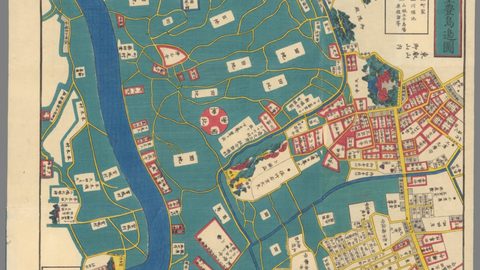 Shitamachi Old Tokyo: What Survived, Where It Is, and How to Walk It
Where to find Tokyo's surviving shitamachi, the low city of temples, merchant lanes, and local shopping streets, and how to walk between its pockets.
Shitamachi Old Tokyo: What Survived, Where It Is, and How to Walk It
Where to find Tokyo's surviving shitamachi, the low city of temples, merchant lanes, and local shopping streets, and how to walk between its pockets.
-
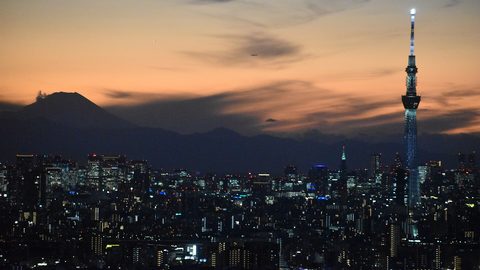 Tokyo 5 Day Itinerary: Geographically Clustered Days With Second-Wave Districts
A five-day Tokyo itinerary that clusters districts geographically, so you can add second-wave neighbourhoods like Shimokitazawa and Yanaka without losing hours to trains.
Tokyo 5 Day Itinerary: Geographically Clustered Days With Second-Wave Districts
A five-day Tokyo itinerary that clusters districts geographically, so you can add second-wave neighbourhoods like Shimokitazawa and Yanaka without losing hours to trains.
-
 Tokyo Egg Restaurants Worth the Queue, by Dish
Where to eat egg in Tokyo, by dish: tamagoyaki at the Tsukiji stalls, tamago sando against the konbini benchmark, omurice at the yoshoku institutions, tamago kake gohan, oyakodon at the 1760 original, and the Omotesando brunch plates. With prices, closing days and honest queue times.
Tokyo Egg Restaurants Worth the Queue, by Dish
Where to eat egg in Tokyo, by dish: tamagoyaki at the Tsukiji stalls, tamago sando against the konbini benchmark, omurice at the yoshoku institutions, tamago kake gohan, oyakodon at the 1760 original, and the Omotesando brunch plates. With prices, closing days and honest queue times.
-
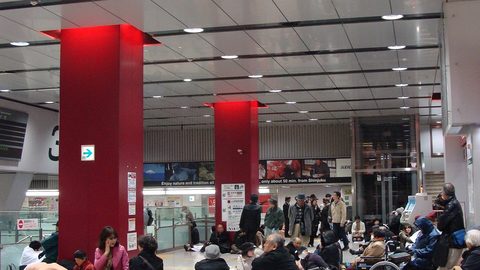 Shinjuku Station Tokyo Guide to Exits Transfers and Not Getting Lost
Shinjuku Station in Tokyo is a multi-company maze where the wrong exit invalidates your transfer ticket and costs you forty minutes of recalculation.
Shinjuku Station Tokyo Guide to Exits Transfers and Not Getting Lost
Shinjuku Station in Tokyo is a multi-company maze where the wrong exit invalidates your transfer ticket and costs you forty minutes of recalculation.
-
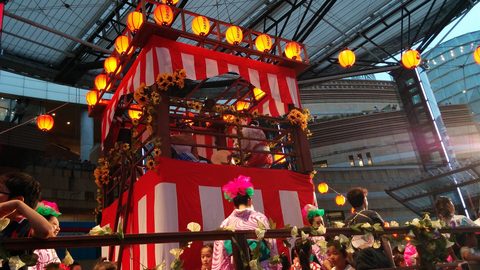 Tokyo in Summer July and August Heat Humidity and Why People Still Go
Tokyo in July and August brings oppressive humidity and the Obon travel peak, but also fireworks festivals and the best kakigori shaved ice of the year.
Tokyo in Summer July and August Heat Humidity and Why People Still Go
Tokyo in July and August brings oppressive humidity and the Obon travel peak, but also fireworks festivals and the best kakigori shaved ice of the year.
-
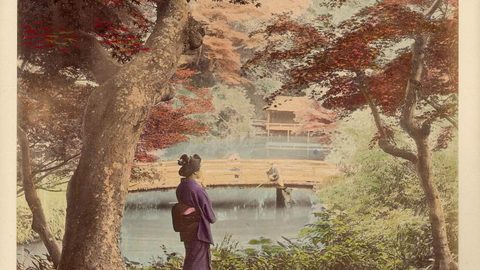 Tokyo Autumn Foliage Where the Colour Turns and Which Gardens Light Up
Tokyo's autumn foliage peaks in late November, with Rikugien and Koishikawa Korakuen offering evening illuminations that define the season.
Tokyo Autumn Foliage Where the Colour Turns and Which Gardens Light Up
Tokyo's autumn foliage peaks in late November, with Rikugien and Koishikawa Korakuen offering evening illuminations that define the season.
-
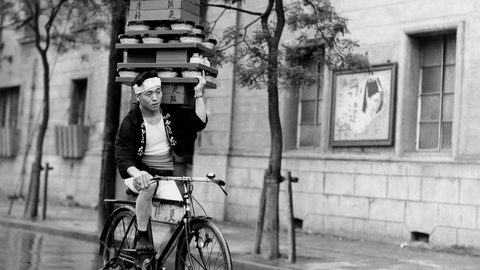 Sumo in Tokyo Tournament Tickets and What to Do Outside Basho Season
Sumo tickets at Tokyo's Ryogoku Kokugikan require navigating a lottery system, and stable practice viewings fill the gaps between the three annual tournaments.
Sumo in Tokyo Tournament Tickets and What to Do Outside Basho Season
Sumo tickets at Tokyo's Ryogoku Kokugikan require navigating a lottery system, and stable practice viewings fill the gaps between the three annual tournaments.
-
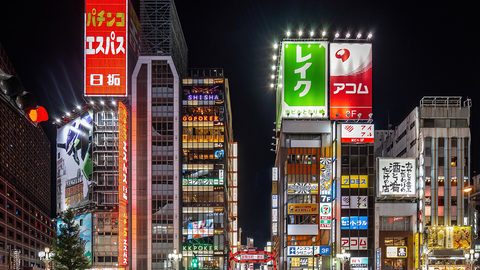 Tokyo Nightlife Where to Drink by District and the Last Train Problem
Tokyo nightlife ranges from Shinjuku micro bars to Ebisu craft beer, but every district shares the same last train problem around midnight.
Tokyo Nightlife Where to Drink by District and the Last Train Problem
Tokyo nightlife ranges from Shinjuku micro bars to Ebisu craft beer, but every district shares the same last train problem around midnight.
-
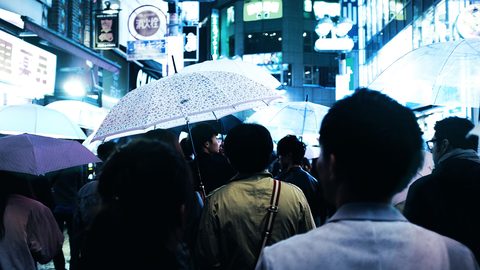 Is Tokyo Worth Visiting An Honest Answer for Your Travel Style
Tokyo is worth visiting if you thrive on anonymity, systems, and district-depth exploration. It is a bad fit if you want a compact walkable old town or find underground mazes anxiety-inducing.
Is Tokyo Worth Visiting An Honest Answer for Your Travel Style
Tokyo is worth visiting if you thrive on anonymity, systems, and district-depth exploration. It is a bad fit if you want a compact walkable old town or find underground mazes anxiety-inducing.
-
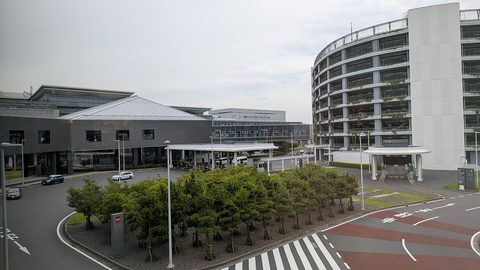 Narita vs Haneda for Tokyo With the Transfer Maths Done
Narita or Haneda for Tokyo depends on your final district. Haneda is closer to Shinagawa and Asakusa, Narita Express runs direct to Shibuya, and the transfer maths changes by neighbourhood.
Narita vs Haneda for Tokyo With the Transfer Maths Done
Narita or Haneda for Tokyo depends on your final district. Haneda is closer to Shinagawa and Asakusa, Narita Express runs direct to Shibuya, and the transfer maths changes by neighbourhood.
-
 Tokyo With Kids Without Losing Your Mind or Their Interest
Tokyo rewards families who pick districts carefully and accept that some adult favourites must wait. Ueno, Odaiba, and specific Shinjuku corners deliver without the crush.
Tokyo With Kids Without Losing Your Mind or Their Interest
Tokyo rewards families who pick districts carefully and accept that some adult favourites must wait. Ueno, Odaiba, and specific Shinjuku corners deliver without the crush.
-
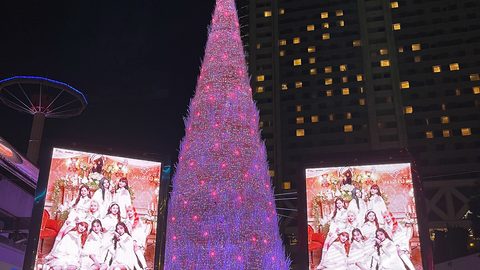 Tokyo in Winter Is Cold Clear Skies and Half the Crowds
Tokyo winters mean cold, clear days, fewer tourists, and some of the year's best food. But the New Year shutdown and early sunsets demand planning.
Tokyo in Winter Is Cold Clear Skies and Half the Crowds
Tokyo winters mean cold, clear days, fewer tourists, and some of the year's best food. But the New Year shutdown and early sunsets demand planning.
-
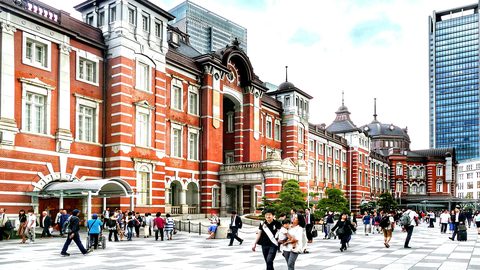 Tokyo Station Guide for People Who Keep Getting Lost Inside
Tokyo Station is a multi-level city block where the Marunouchi and Yaesu sides operate as separate worlds. This guide untangles the underground maze.
Tokyo Station Guide for People Who Keep Getting Lost Inside
Tokyo Station is a multi-level city block where the Marunouchi and Yaesu sides operate as separate worlds. This guide untangles the underground maze.
-
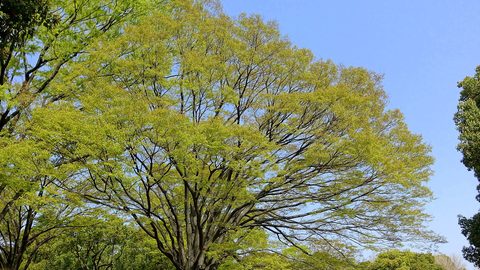 Tokyo Cherry Blossom Season With Dates That Actually Move
Tokyo cherry blossom peak shifts yearly and lasts about a week. This page covers the forecast timeline, the best parks, and how to handle the crowds.
Tokyo Cherry Blossom Season With Dates That Actually Move
Tokyo cherry blossom peak shifts yearly and lasts about a week. This page covers the forecast timeline, the best parks, and how to handle the crowds.
-
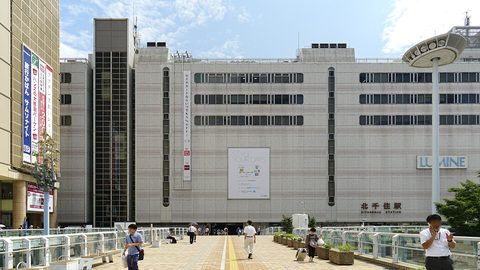 Tokyo 3 Day Itinerary That Cuts Ruthlessly and Still Works
Three days in Tokyo demands hard cuts. This itinerary clusters districts, enforces a two-per-day limit, and names exactly what gets left behind.
Tokyo 3 Day Itinerary That Cuts Ruthlessly and Still Works
Three days in Tokyo demands hard cuts. This itinerary clusters districts, enforces a two-per-day limit, and names exactly what gets left behind.
-
 Tokyo Etiquette Mistakes Visitors Break Without Noticing
Tokyo has unspoken rules about eating, phone calls, shoes, and photography that visitors break constantly. This page explains what they are and why they matter.
Tokyo Etiquette Mistakes Visitors Break Without Noticing
Tokyo has unspoken rules about eating, phone calls, shoes, and photography that visitors break constantly. This page explains what they are and why they matter.
-
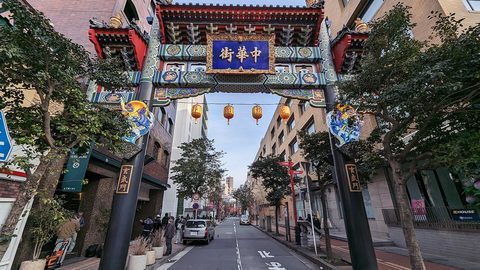 Yokohama Day Trip from Tokyo Itinerary for the Waterfront and Chinatown
-
 Keikyu Limousine Highway Buses That Do Not Start at Haneda Airport
-
Haneda to Tokyo Station Bus When the Train Is Faster and the Bus Still Wins
Common Questions
How many days do I need for a first visit to Tokyo?
5 full days. That gives you time to cover the core centres and take one day trip to Kamakura, Nikko, or Kawaguchiko. With 4 days you can hit the six core districts but miss a day trip.
Which IC card do I buy, Suica or PASMO?
Either. They are fully interoperable across Tokyo's rail, subway, and bus networks. Add one to your phone wallet before you travel. The deposit is ¥500, minimum top-up is ¥1,000.
What is the one thing that trips up first-time visitors?
Station exits. Major hubs are multi-company mazes; exiting through the wrong gate invalidates your transfer ticket and forces a fare recalculation at a staffed window. Check your exit number before you leave the platform.
Can I pay by credit card everywhere?
No. Many small restaurants, bars, temples, shrines, local markets, and some ticket machines are cash only. This is true in older districts like Asakusa, Yanaka, and Golden Gai. ATMs that reliably accept foreign cards are at 7-Eleven, Japan Post, and FamilyMart.
Is the JR Pass worth it for Tokyo only?
Almost certainly not. Tokyo's subway and private railways cover the districts better than JR East. The JR Yamanote Loop is useful, but a Suica card costs less than a pass for a city-only trip. This question belongs on the Japan getting-around page.
What do I do about trash?
Carry a small bag with you at all times. Public bins are virtually non-existent. Dispose of your rubbish at a convenience store (7-Eleven, FamilyMart, or Lawson) where bins are located near the entrance or behind the counter.
Should I book restaurants in advance?
Yes. Many restaurants require reservations post-pandemic, and walk-in refusals are common even when you see empty seats. Book at least a week ahead for popular places, for ramen counters with Michelin stars, high-end tempura omakase, or any specialty shop with fewer than 10 seats.
Read next
-
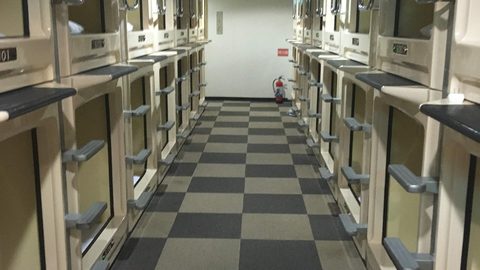 Tokyo Hotels by Type and Budget from Capsules to Luxury
Tokyo hotels organised by type and price band, from efficient capsule pods to full-service luxury towers, to help you book the right room.
Tokyo Hotels by Type and Budget from Capsules to Luxury
Tokyo hotels organised by type and price band, from efficient capsule pods to full-service luxury towers, to help you book the right room.
-
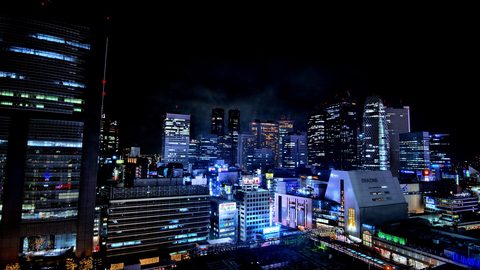 Where to Stay in Tokyo by District and Travel Style
A comparison of Tokyo's major districts to help you choose the right base for your travel style, whether you want calm or chaos.
Where to Stay in Tokyo by District and Travel Style
A comparison of Tokyo's major districts to help you choose the right base for your travel style, whether you want calm or chaos.
-
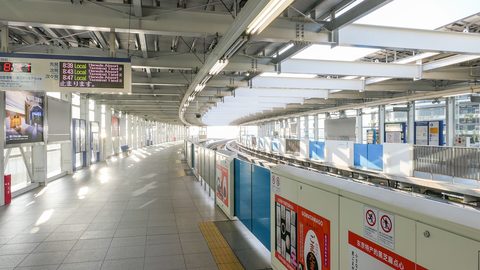 Narita or Haneda for Tokyo and What That Airport Choice Costs You
Narita or Haneda for Tokyo: compare door-to-district time, transfer cost, and what the wrong airport choice eats from your trip.
Narita or Haneda for Tokyo and What That Airport Choice Costs You
Narita or Haneda for Tokyo: compare door-to-district time, transfer cost, and what the wrong airport choice eats from your trip.
-
 Things to Do in Tokyo That Are Worth Your Limited Days
A curated list of Tokyo's highest-impact sights and experiences, from immersive art to quiet backstreets, to help you prioritise your days.
Things to Do in Tokyo That Are Worth Your Limited Days
A curated list of Tokyo's highest-impact sights and experiences, from immersive art to quiet backstreets, to help you prioritise your days.
-
 Best Time to Visit Tokyo Month by Month Tradeoffs
A month-by-month guide to visiting Tokyo, laying out the trade-off between weather, crowds, price, and what's actually open.
Best Time to Visit Tokyo Month by Month Tradeoffs
A month-by-month guide to visiting Tokyo, laying out the trade-off between weather, crowds, price, and what's actually open.
-
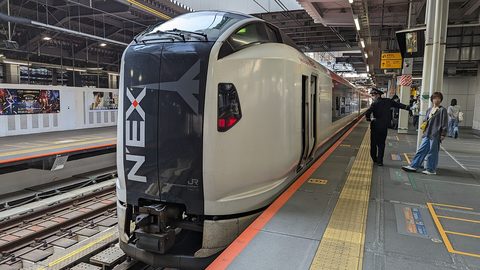 Getting Around Tokyo by Train Airport Transfers and IC Cards
A practical guide to Tokyo's rail network, covering airport transfers, IC cards, and how to avoid the station navigation mistakes that eat your day.
Getting Around Tokyo by Train Airport Transfers and IC Cards
A practical guide to Tokyo's rail network, covering airport transfers, IC cards, and how to avoid the station navigation mistakes that eat your day.
-
Senso-ji
Senso-ji is free and never closes, but the experience at 6am with empty Nakamise stalls is nothing like the 11am crush under Kaminarimon. Here is when to go and what you get at each hour.
-
Meiji Jingu
The Meiji Jingu visit changes completely depending on which torii gate you enter. One drops you from Harajuku noise into sudden forest, the other builds quiet slowly from Yoyogi.
-
teamLab
teamLab Borderless and Planets are two different Tokyo venues with separate booking systems. Borderless tickets at Azabudai Hills sell in timed slots and the maze has no fixed route.