Kanto Region: What Is Worth Leaving Tokyo For
Kanto is the seven prefectures around Tokyo, and almost all of it is a day trip. Here is what each part is for, and when it is worth sleeping outside the city.
- Flag
-
- ISO code
- JP
- Currency
- JPY
- Timezone
- Asia/Tokyo
Kanto is the region of eastern Honshu built around Tokyo, and it covers seven prefectures: Tokyo itself, Kanagawa, Chiba, Saitama, Ibaraki, Tochigi and Gunma. For a visitor the practical consequence is simple. Tokyo is not only the reason to come to Kanto, it is also the base you should use for most of it, because the rail network radiates from the city and almost everything worth seeing in the region sits inside a two-hour ride.
That makes the planning question here different from anywhere else in Japan. You are not routing between cities and choosing where to sleep each night. You are deciding which day trips justify a day of your Tokyo time, and which two or three places are worth breaking the pattern and staying overnight.

How the region is arranged
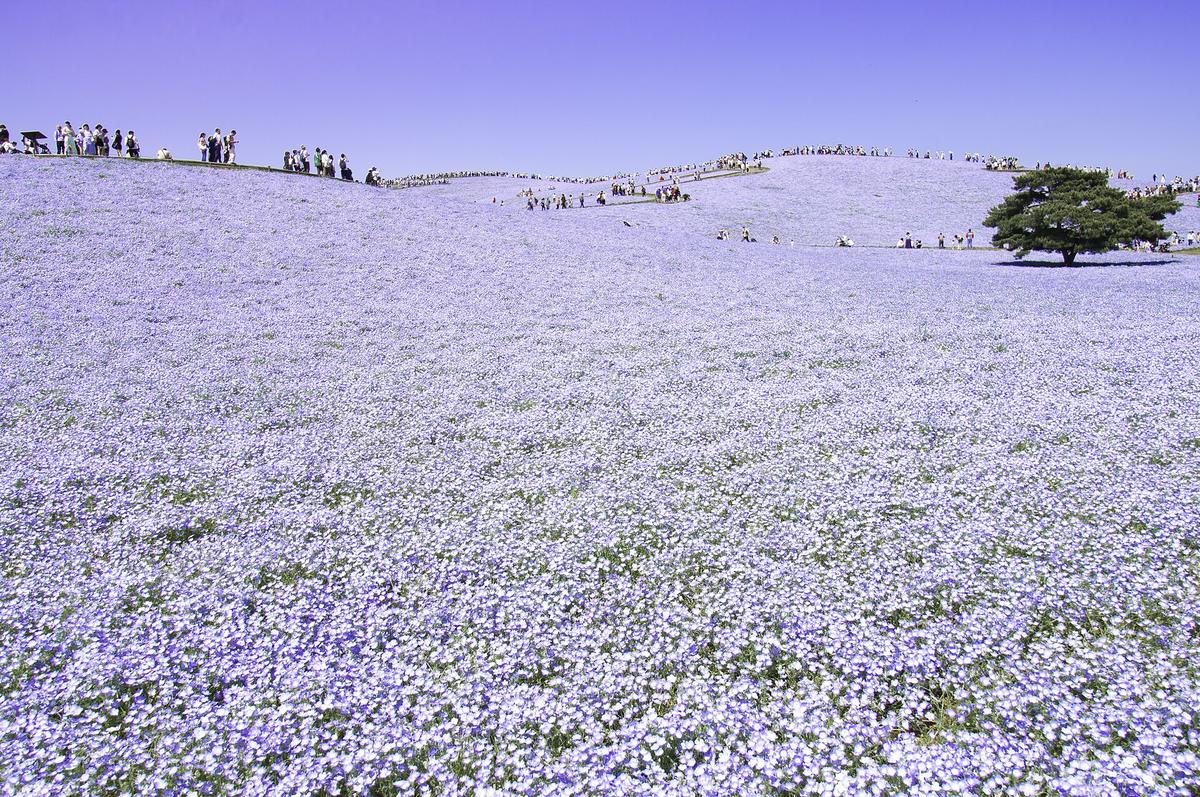
South of Tokyo, Kanagawa holds the region’s second city, Yokohama, along with Kamakura’s coastal temples and the hot-spring valleys of Hakone. West and north, Saitama has Kawagoe’s surviving Edo-period merchant streets. Further north, Tochigi holds Nikko, the shrine and temple complex in the mountains that most visitors rate the strongest single day trip from Tokyo. Gunma is onsen country. Ibaraki is the quietest of the seven and the one most people skip. Chiba is where Narita Airport is, along with the coast and the theme parks east of the city.
Distance is not really the constraint - frequency and transfers are. Nikko and Hakone both have direct limited-express services from central Tokyo, which is why they work as day trips despite being the furthest of the popular options. Places that need two or three transfers eat the day even when the map says they are close.

Getting around
JR East runs most of the region’s rail, and several Shinkansen lines fan out of Tokyo and Ueno through Kanto on their way north and west. The gaps are filled by private railways, and for two of the best day trips they are the better option: Odakyu runs to Hakone, and Tobu runs to Nikko. Both sell their own combination tickets covering the trip plus local transport at the far end.

This is also the one part of Japan where the nationwide Japan Rail Pass usually does not pay for itself, because Kanto distances are short and the pass is priced for long Shinkansen legs. Regional passes exist that are scoped to this area instead. Which one wins depends entirely on your specific days, so price your actual itinerary against the operator’s own fare pages before buying anything.
When to sleep outside Tokyo
Three cases justify it. Hakone, because the point of an onsen town is the evening and the following morning, not a rushed afternoon. Nikko, if you want the shrines early and the surrounding mountains and lakes at all, which does not fit into one day. And Yokohama, if you would rather trade Tokyo’s density for a waterfront and a shorter walk to dinner. Everything else in Kanto is a day out and back.
Against that, moving hotels in Japan costs you more time than the distance suggests: check-out, luggage, and the reality that Tokyo’s stations are large enough that crossing one with a suitcase is its own event. For a first trip of a week or less, staying put in Tokyo and taking day trips is almost always the stronger plan.
Places in Kanto
Common Questions
Is Kanto the same as Tokyo?
No. Tokyo is one of the seven prefectures that make up Kanto. In casual use people often mean the Tokyo metropolitan area when they say Kanto, but the region also covers Yokohama, Nikko, Hakone, Kawagoe and the coast and mountains around them.
How many days does Kanto need beyond Tokyo?
Two to three day trips is the realistic amount on a first visit of a week. Pick one mountain or shrine day, one coastal or onsen day, and leave the third flexible for weather - several of the best options here are outdoors and lose most of their value in heavy rain.
Which day trip should I do if I only have one?
Nikko if you want temples, mountains and a sense of leaving the city behind. Hakone if you want hot springs and, on a clear day, a view of Mount Fuji. Kamakura if you want to be walking near the sea by lunchtime. All three are direct from central Tokyo.
Do I need a rail pass for Kanto?
Usually not the nationwide one - Kanto's distances are too short for it to pay off. Regional passes scoped to this area can work, as can the operator's own round-trip combination tickets for Hakone and Nikko. Price your actual days against current fares rather than assuming.
Read next
-
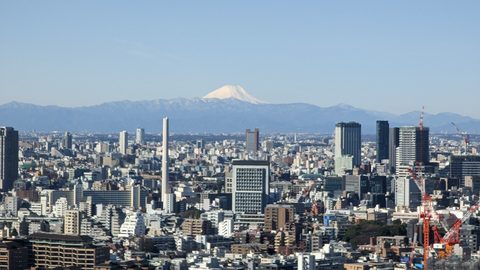 Tokyo
Tokyo is a set of distinct neighbourhoods stitched together by rail. This guide breaks down the districts and how to plan your days around them.
Tokyo
Tokyo is a set of distinct neighbourhoods stitched together by rail. This guide breaks down the districts and how to plan your days around them.
-
 Japan eSIM vs Pocket WiFi vs Physical SIM for Staying Connected
Free public WiFi across Japan is unreliable and slow. Compare eSIM plans from Ubigi and Airalo against renting a pocket WiFi device at Narita or Haneda.
Japan eSIM vs Pocket WiFi vs Physical SIM for Staying Connected
Free public WiFi across Japan is unreliable and slow. Compare eSIM plans from Ubigi and Airalo against renting a pocket WiFi device at Narita or Haneda.
-
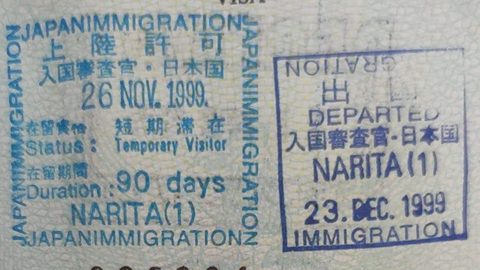 Japan Visa-Free Entry and the Visit Japan Web Digital Form
Visa-free entry covers many nationalities, but the Visit Japan Web digital form and QR codes determine how quickly you clear immigration at Narita or Haneda.
Japan Visa-Free Entry and the Visit Japan Web Digital Form
Visa-free entry covers many nationalities, but the Visit Japan Web digital form and QR codes determine how quickly you clear immigration at Narita or Haneda.
-
 Cash and IC Cards Are the Real Payment System in Japan
Japan projects a high-tech image but many small restaurants, temples, and rural buses demand cash. IC cards like Suica and Icoca bridge the gap for daily spending.
Cash and IC Cards Are the Real Payment System in Japan
Japan projects a high-tech image but many small restaurants, temples, and rural buses demand cash. IC cards like Suica and Icoca bridge the gap for daily spending.
-
 Japan Rail Pass Maths and When Buying Single Tickets Wins
The Japan Rail Pass can save hundreds or cost more than single tickets depending on your route. Run the maths on a Tokyo-Kyoto-Osaka loop before buying.
Japan Rail Pass Maths and When Buying Single Tickets Wins
The Japan Rail Pass can save hundreds or cost more than single tickets depending on your route. Run the maths on a Tokyo-Kyoto-Osaka loop before buying.
-
 Japan Month by Month with Cherry Blossom and Autumn Leaves Timing
Cherry blossom and autumn foliage are moving targets that bring packed temples and booked-out hotels. Here is month-by-month timing plus the Golden Week and Obon windows to avoid.
Japan Month by Month with Cherry Blossom and Autumn Leaves Timing
Cherry blossom and autumn foliage are moving targets that bring packed temples and booked-out hotels. Here is month-by-month timing plus the Golden Week and Obon windows to avoid.
-
 What a Day in Japan Costs at Three Budget Levels in Yen
A ¥5,000 daily backpacker budget in Japan is punishingly tight. See real yen figures for three spending levels, from konbini survival to mid-range comfort.
What a Day in Japan Costs at Three Budget Levels in Yen
A ¥5,000 daily backpacker budget in Japan is punishingly tight. See real yen figures for three spending levels, from konbini survival to mid-range comfort.
-
 Japan Safety Beyond Low Crime to Earthquake and Typhoon Readiness
Crime is low across Japan, but earthquake alerts, typhoon transport disruption, and the tattoo ban at most onsen are the real preparedness concerns for visitors.
Japan Safety Beyond Low Crime to Earthquake and Typhoon Readiness
Crime is low across Japan, but earthquake alerts, typhoon transport disruption, and the tattoo ban at most onsen are the real preparedness concerns for visitors.
-
 Japan Public Holidays and the Three Weeks That Reshape Your Entire Trip
Golden Week, Obon, and New Year shut down restaurants, fill every Shinkansen, and send hotel prices soaring. Here is exactly how each one reshapes a Japan trip.
Japan Public Holidays and the Three Weeks That Reshape Your Entire Trip
Golden Week, Obon, and New Year shut down restaurants, fill every Shinkansen, and send hotel prices soaring. Here is exactly how each one reshapes a Japan trip.