Shenzhen Food and Why a City With No Cuisine of Its Own Has the Widest Regional Range in China
Shenzhen food has no cuisine of its own, which is why it has the widest regional range in China. From coconut chicken hot pot to Guanging roast goose, here is what to eat.
Shenzhen Food and Why a City with No Cuisine of Its Own Has the Widest Regional Range in China
You are standing on Leyuan Road at 11pm on a Tuesday. The air smells of charcoal, garlic, and shellfish. Every table is a different province. One group is picking apart a whole Guangming roast goose. Another is dipping raw beef slices into a bubbling Chaoshan beef hotpot. A third is drinking pure coconut water from a pot that just boiled a chicken. This is Shenzhen food. The city has no indigenous cuisine. That is exactly why it works.
What to Eat in Shenzhen: the Migrant Logic
Shenzhen was a fishing village in 1979. Forty years later it is a 17 million person tech city where almost no one was born. Every resident brought their kitchen. Cantonese dim sum arrived from Guangzhou, an hour by high speed train. Chaoshan people brought hand pounded beef balls and rice noodles in clear broth. Hunan and Sichuan migrants brought fire and oil. Hakka families brought preserved meats. Dongbei cooks brought dumplings. Xinjiang vendors set up lamb skewer streets. The result is not fusion. It is a buffet of China, and every dish is made by someone whose grandmother made it the same way.
.jpg)
Coconut Chicken Hot Pot Shenzhen: a Dish Born Here
What It Is and Where To Eat It
Coconut chicken hot pot is Shenzhen's only indigenous dish. A whole chicken is boiled in pure, unsweetened coconut water, nothing else. The broth goes sweet, the meat stays tender, and you dip it in a chili soy dipping sauce. It was invented here, not imported. Find it on Shekou waterfront or in Nanshan markets. The best versions serve it in a metal pot over a gas burner, table side.
When To Go
This is a winter dish. The coconut water refreshes in summer too, but locals order it when the temperature drops. Most hot pot places on Leyuan Road serve it year round. Arrive before 7pm or wait 40 minutes. Pay with WeChat or Alipay. The QR code menu is in Chinese only. Use your camera based live translation app.
Guangming Roast Goose
Whole Goose, Crispy Skin
Guangming is a suburb 30 minutes north of central Shenzhen by taxi. It is famous for one thing: roast goose. The skin is impossibly crisp, the meat is dark and juicy, and the fat has rendered into the bones. You do not need to go to Guangming to eat it. Phoenix House, a dim sum institution in Futian, serves an excellent half goose portion. Dongmen Food Street has street side vendors selling it by the quarter, but the best versions are in dedicated roast meat shops.
Ordering Without Chinese
Point at the hanging birds. The staff expects this. Say ban zhi for half. A plate of sliced goose over rice with pickled vegetables is the standard lunch. It costs about ¥35. No reservation needed.
Shekou International Dining
The Expat Waterfront
Shekou is Shenzhen's international district. Sea World, the plaza built around a landlocked cruise ship, is the center. Here you find Thai, Japanese, Italian, Mexican, and Indian places, all aimed at the expat population that works in Nanshan's tech HQs. The food is expensive by Shenzhen standards, a main dish runs ¥80 to ¥150, but it is authentic. The Shekou waterfront promenade is where you go for an alfresco dinner with a harbor view.
What Is Actually Worth It
The seafood is better here than in the mall eateries of Futian. Walk past the cruise ship and find the late night seafood BBQ stalls. Grilled oysters from Shajing, the western coast oyster beds, are the specialty. They are large and creamy, best in winter. A dozen grilled oysters costs ¥60. Bring your own napkins; the stalls do not provide them.
The Streets Where You Eat
Leyuan Road. Late night alfresco seafood BBQ is the main event. Grilled shellfish and beer. Arrive after 9pm. Tables spill onto the pavement.
Dongmen Food Street. Old Shenzhen, pre skyscraper chaos. Street side stalls sell everything from Chao shan rice noodles to skewered scorpions.
Shekou waterfront. International dining and seafood markets.
Nanshan markets. Best place for oysters and live crab.
Huaqiangbei. Not a food district, but the electronics market has food courts on upper floors serving Dongbei dumplings and Xinjiang lamb skewers.

Where Shenzhen Food Lives: Mall Floors
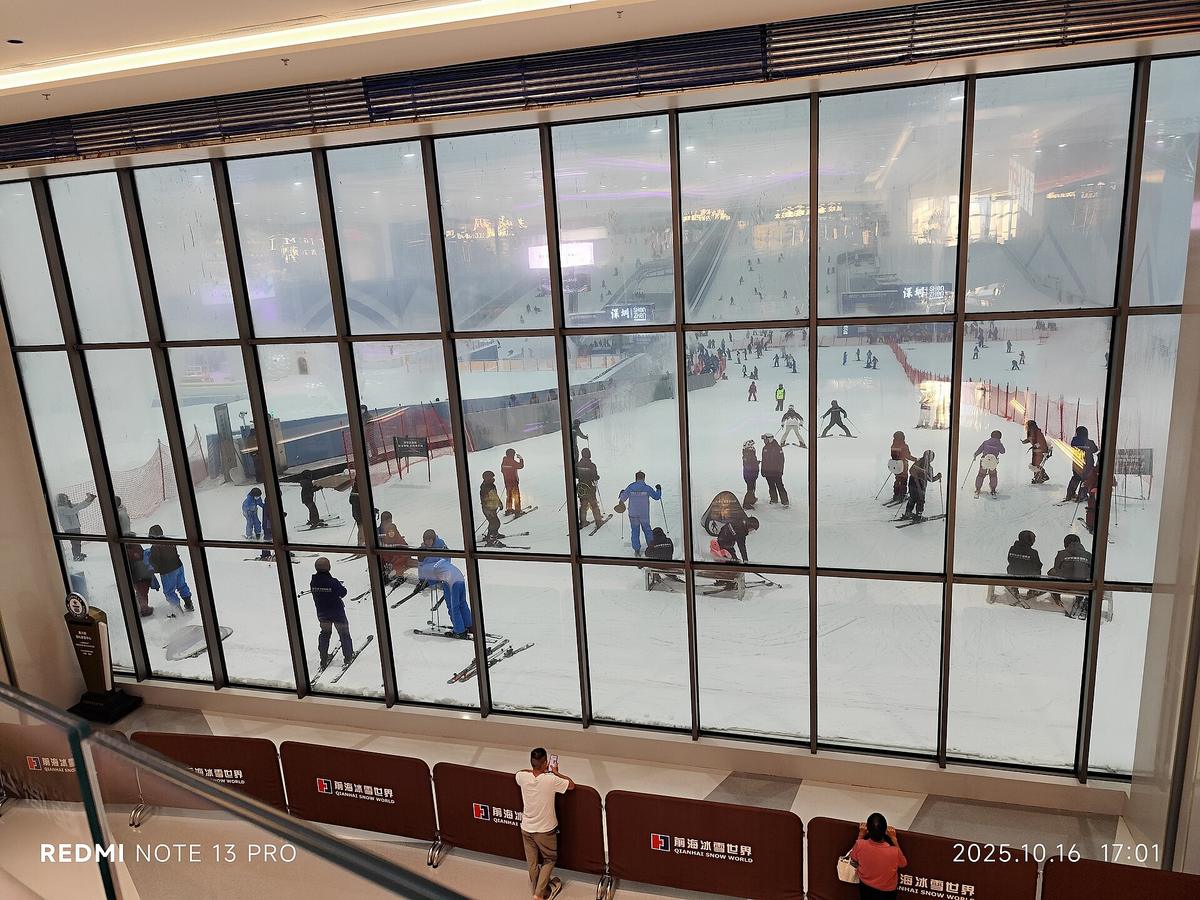
The primary dining format in Shenzhen is the restaurant floor inside a shopping mall. This is not a street food city like Guangzhou. A typical mall has a dedicated floor, usually the fourth or fifth, with 20 to 30 places. Each is a glass walled box with a number. Walk past and look at the display dishes. This is where you find regional cuisines side by side: Cantonese roast meats next to Chaoshan beef hotpot next to Hunan stir fry. The failure case is that every mall place closes by 10pm. After that, Leyuan Road and Dongmen Food Street are your only options.
Morning Dim Sum, Evening Hotpot
Phoenix House Is A Local Institution
Morning dim sum in Shenzhen follows Cantonese convention. Push carts, steamed baskets, tea pots. Phoenix House in Futian is the standard. Arrive by 9am or the popular items, the har gow and siu mai, are gone. A full meal costs ¥60 per person. No QR code menu here, the carts come to you. It is not a tourist spot; it is where local families go on weekends.
Chaoshan Beef Hotpot Is The Signature Regional Meal
This is Shenzhen's most ordered regional dinner. Thin sliced raw beef, beef balls, tripe, and offal are boiled in a clear broth at the table. The dipping sauce is pureed garlic in oil and a raw chili paste. The best versions are on Leyuan Road and in Nanshan markets. A dinner for two costs about ¥200. The beef is sliced fresh, visible through the glass kitchen window. Do not order the set menu; pick the meats by the plate.
Late Night Options When Everything is Closed
Mall places shut at 10pm. Taxis become hard to find after midnight. Leyuan Road is the reliable late night zone. The street side seafood BBQ operates until 2am. Order grilled Shajing oysters, steamed clams, and beer. Pay cash, as some stalls do not accept WeChat after midnight. The backup option is Dongmen Food Street, which stays active until 1am. Street side Chao shan rice noodles with hand pounded beef balls in clear broth cost ¥15. Carry small bills. The thing that trips visitors up is that mall places do not open for lunch until 11:30am. Breakfast options in Shenzhen are limited to dim sum houses and convenience stores. Plan accordingly.
Common Questions
What is Shenzhen food if the city has no cuisine of its own?
Shenzhen food is every regional Chinese cuisine, cooked by migrants who brought their recipes. The city has no indigenous dishes except coconut chicken hot pot. That absence means you eat genuine Sichuan, Chaoshan, Hunan, Hakka, Dongbei, and Xinjiang food, not a local adaptation.
Where is the best place to eat coconut chicken hot pot in Shenzhen?
Shekou waterfront and Nanshan markets have the best versions. Look for a metal pot over a gas burner with a whole chicken submerged in clear coconut water. Most hot pot places on Leyuan Road serve it. Arrive before 7pm.
Do I need to go to Guangming to eat Guangming roast goose?
No. Phoenix House in Futian serves an excellent half goose. Dongmen Food Street has street side vendors. The best version is still in Guangming itself, but a 30 minute taxi ride is not necessary for a good meal.
Is Shekou worth visiting for food if I am not an expat?
Yes. The Shekou waterfront seafood stalls serve Shajing oysters and live crab that are better than anything in the mall eateries of central Shenzhen. Skip the cruise ship places and walk to the late night BBQ area.
How do I order food if the menu is in Chinese?
Use WeChat image scan translation or a camera based live translation app. Most places use QR code menus in Chinese only. Pointing at what other tables are eating is a reliable backup.
Read next
-
 Shenzhen Hotels by District and Price Band From Futian Towers to Shekou
Shenzhen hotels organised by district and price band, matching Futian, Nanshan, Shekou, Luohu, and Bao'an to travel style with nightly rates in yuan.
Shenzhen Hotels by District and Price Band From Futian Towers to Shekou
Shenzhen hotels organised by district and price band, matching Futian, Nanshan, Shekou, Luohu, and Bao'an to travel style with nightly rates in yuan.
-
 Where to Stay in Shenzhen by Border Crossing and Metro Line
Where to stay in Shenzhen depends on your arrival point and your Metro line. Compare Futian, Nanshan, Shekou, and Luohu districts for the right base.
Where to Stay in Shenzhen by Border Crossing and Metro Line
Where to stay in Shenzhen depends on your arrival point and your Metro line. Compare Futian, Nanshan, Shekou, and Luohu districts for the right base.
-
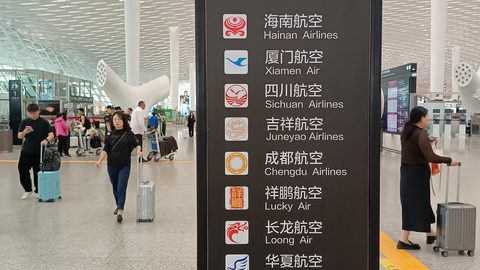 Shenzhen Flights to Bao’an Airport and Every Other Way In
Flights to Shenzhen Bao'an International Airport and the overland alternatives via Hong Kong high-speed rail or Shekou ferry, with costs and connection times.
Shenzhen Flights to Bao’an Airport and Every Other Way In
Flights to Shenzhen Bao'an International Airport and the overland alternatives via Hong Kong high-speed rail or Shekou ferry, with costs and connection times.
-
 Shenzhen Things to Do When There Is Almost Nothing Old to Look At
Shenzhen things to do ranked honestly for a city with almost nothing old. From the Ping An deck to Hiaqiangbei hardware market, here is what earns your days.
Shenzhen Things to Do When There Is Almost Nothing Old to Look At
Shenzhen things to do ranked honestly for a city with almost nothing old. From the Ping An deck to Hiaqiangbei hardware market, here is what earns your days.
-
 Best Time to Visit Shenzhen Month by Month to Avoid Crowds and Heat
The best time to visit Shenzhen is October to December for clear skies and low humidity. Avoid Golden Week, Chinese New Year, and the Canton Fair hotel spikes.
Best Time to Visit Shenzhen Month by Month to Avoid Crowds and Heat
The best time to visit Shenzhen is October to December for clear skies and low humidity. Avoid Golden Week, Chinese New Year, and the Canton Fair hotel spikes.
-
 Getting Around Shenzhen When a 1km Walk Becomes a 20 Minute Overpass
Getting around Shenzhen means mastering the Metro, surviving taxi shift changes, and knowing why a 1km walk can take 20 minutes across a highway overpass.
Getting Around Shenzhen When a 1km Walk Becomes a 20 Minute Overpass
Getting around Shenzhen means mastering the Metro, surviving taxi shift changes, and knowing why a 1km walk can take 20 minutes across a highway overpass.
-
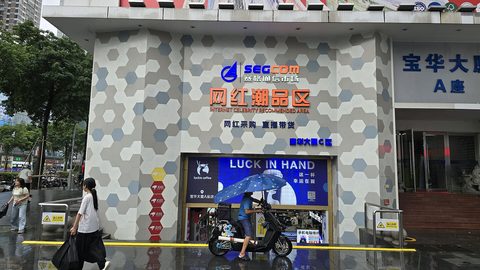 Huaqiangbei
How to navigate Huanqiangbei, Shenzhen's multi-block electronics hardware market, from components sold by the reel to finished gadgets across tower floors.
Huaqiangbei
How to navigate Huanqiangbei, Shenzhen's multi-block electronics hardware market, from components sold by the reel to finished gadgets across tower floors.
-
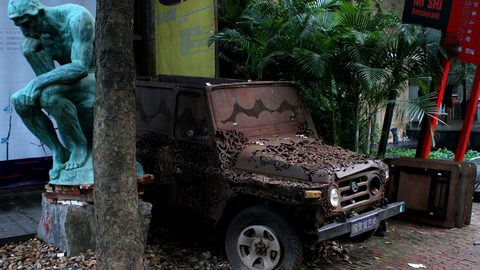 OCT-LOFT
 is Shenzhen's design-led art hub in a repurposed factory, smaller and quieter than Beijing's 798 with better coffee and a creative community feel.
OCT-LOFT
OCT-LOFT is Shenzhen's design-led art hub in a repurposed factory, smaller and quieter than Beijing's 798 with better coffee and a creative community feel.
-
 China Travel Guide for First-Timers Who Plan Ahead
China rewards travellers who plan apps, payments, trains, and tickets before arrival. Start with the four obstacles and the pages that solve them.
China Travel Guide for First-Timers Who Plan Ahead
China rewards travellers who plan apps, payments, trains, and tickets before arrival. Start with the four obstacles and the pages that solve them.