Where to Stay in Shenzhen Based on Which Border You Crossed and Which Metro Line You Need
Where to stay in Shenzhen depends on your arrival point and your Metro line. Compare Futian, Nanshan, Shekou, and Luohu districts for the right base.
Where to Stay in Shenzhen by Border Crossing and Metro Line
You step out of the Shenzhen Metro at Futian Station and the first thing you notice is the absence of street life. The station exit deposits you onto a footbridge that crosses a ten lane highway below. Your hotel is visible on the map, due north. On the ground it is a 20 minute walk across three separate overpasses, each one a detour built for cars, not people. That gap between map distance and walking distance is the single most important fact about choosing a hotel in Shenzhen, and it is the reason most visitors pick the wrong district on their first trip. Deciding where to stay in Shenzhen means matching your crossing point and your primary Metro line to the right district, then checking that your hotel is under 500 metres from a station entrance, measured on the ground, not on the satellite view.
The Two Things That Actually Decide Where You Sleep
Shenzhen is a young, fast, conspicuously wealthy city that feels more like a giant tech campus than a historic Chinese destination. Its sprawling scale makes casual wandering impractical. A 1 km distance on the map can be a 20 minute detour across a multi level highway overpass, and in summer that walk is punishing. The Metro is the dominant mode of transport, with 16 lines covering the city, but your choice of line determines access time to border crossings, airports, and districts. The second factor is your arrival point: which border you crossed from Hong Kong, which high speed rail station you arrived at, or whether you landed at Shenzhen Bao'an International Airport. Pair these two pieces of information with the right district and you solve the accommodation problem before you open a booking app.
.jpg)
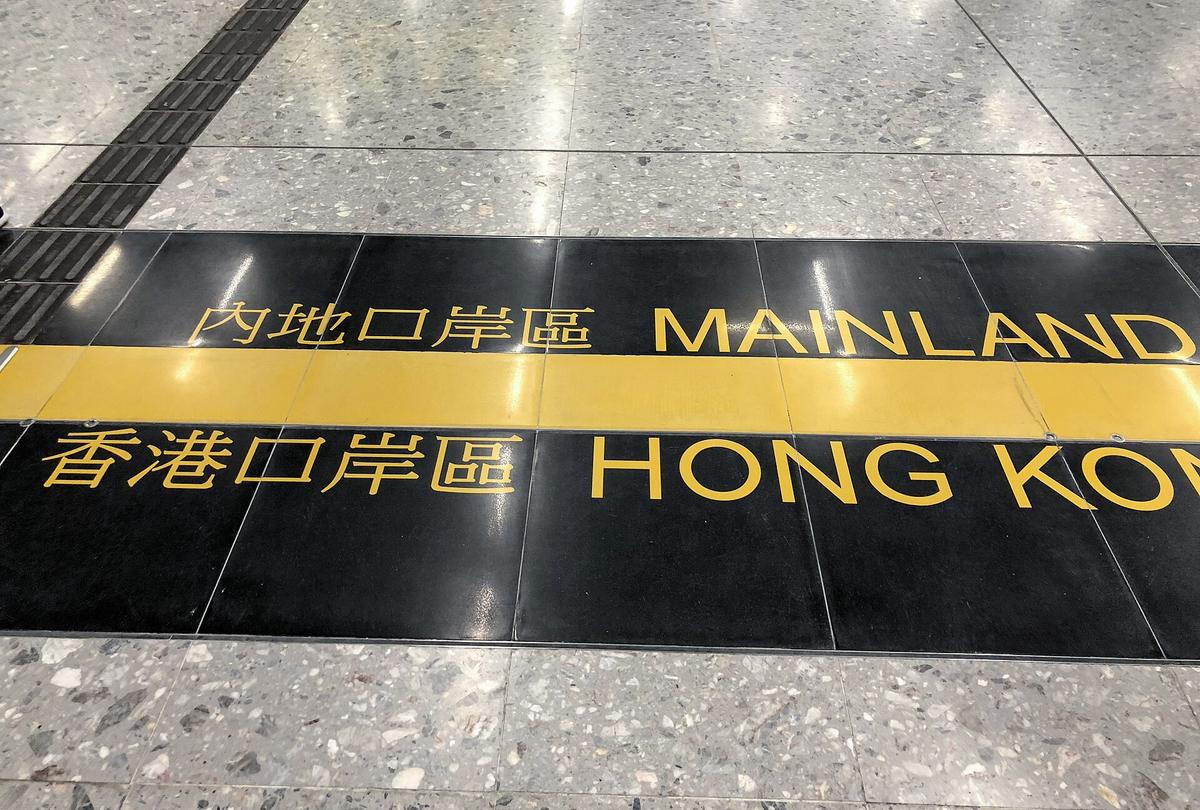
- Arrival Points: Shenzhen Bao'an International Airport (Metro Line 11), Futian Station (high speed rail), Futian Port (pedestrian border), Huanggang Port (road border), Luohu Port (Lo Wu border), Shekou Cruise Homeport (ferry to Hong Kong Airport and Macau)
- Key Metro Lines: Line 1 (Luohu to Futian to OCT), Line 2 (Shekou to Nanshan to Futian), Line 4 (Futian Port to Shenzhen North Station), Line 11 (Airport express, Futian to Bao'an)
- Walking Threshold: Under 500 metres from a station entrance is convenient. Over 1 km is impractical, especially in summer humidity.
- Foreign Guest Licensing: A hotel must hold a Public Security Bureau foreign acceptance permit. Most properties under approximately CNY 200 per night in Luohu and Bao'an are not licensed for foreign guests. Always verify before booking.
Shenzhen Best District for Tourists: Futian as the Default
For most first time visitors, Futian is the correct answer. It is the administrative and business core of Shenzhen, the default area for a traveller who does not yet know the city. Futian Station sits on the Guangzhou, Shenzhen, Hong Kong Express Rail Link, meaning you can reach Hong Kong Central in 25 minutes by high speed rail or walk across the pedestrian border at Futian Port. The district is also served by Metro Line 1 and Line 4, giving you direct connections to both Luohu for electronics markets and Shenzhen North Station for trains to Guangzhou. The downside is cost. Nightly rates in Futian are higher than in Luohu or Bao'an, and the area empties out after office hours. You trade street life for efficiency. If you are a business traveller, a first time visitor needing high speed rail access, or a short stay transit passenger, Futian works. If you want expat dining and a waterfront promenade, look elsewhere.
| Arrival Point | Best District | Metro Line | Best For |
|---|---|---|---|
| Shenzhen Bao'an Airport | Bao'an | Line 11 | Early morning flights, airport layovers, trade fairs at Shenzhen World Exhibition and Convention Center |
| Futian Station (high speed rail) | Futian | Line 1, Line 4 | Business travellers, first time visitors, short stay transit |
| Futian Port (pedestrian border) | Futian | Line 4 | Hong Kong day trippers needing fast access |
| Luohu Port (Lo Wu border) | Luohu | Line 1 | Budget travellers with pre verified foreign acceptance hotels, electronics and tailoring shoppers |
| Shekou Cruise Homeport (ferry) | Shekou | Line 2 | Departure via Hong Kong Airport ferry, expatriate residents, families |
| Shenzhen North Station (high speed rail) | Futian or Nanshan | Line 4 to Futian, Line 5 to Nanshan | Visitors arriving from Guangzhou or northern China |
Futian vs Nanshan Hotels: Which District Wins for Your Trip
Futian's Central Convenience
The choice between Futian and Nanshan is the most common fork in Shenzhen hotel decisions. Futian puts you in the centre of the skyline: Ping An Finance Centre, the convention halls, Lianhuashan Park with its giant Deng Xiaoping bronze statue, and the Shenzhen Museum are all here. The Metro lines converge here, so you can reach any other district within 30 minutes. If your trip centres on the high speed rail connections, convention centre, or a Hong Kong day trip, stay in Futian.
Nanshan's Tech and Nightlife
Nanshan, immediately to the west, holds the technology headquarters zone, the startup energy, and a better evening scene. The trade off is transit time. Nanshan hotels near Metro Line 2 or Line 11 give you fast access to the airport and to Shekou, but add 15 minutes to any trip to Luohu or the Huaqiangbei electronics markets. If you are in Shenzhen for tech industry business visits or want decent bars within walking distance, Nanshan is the better pick.
Shekou Expat Area Stay: Comfort and Connection at a Cost
Shekou is the expatriate quarter within Nanshan, a waterfront enclave with international dining, the Sea World plaza centred on a landlocked cruise ship, and the Shekou Cruise Homeport ferry terminal. A ferry from Shekou to Hong Kong Airport SkyPier takes approximately 30 minutes, making this the logical base if you are flying out of Hong Kong or heading to Macau. The area is walkable at a human scale, unusual for Shenzhen, with bars, Western restaurants, and the Sea World Culture and Arts Centre designed by Fumihiko Maki. The downside is that Shekou is on Metro Line 2, not Line 1 or Line 11. Reaching Futian or the Huaqiangbei electronics zone requires a transfer. If you are an expatriate resident, a family wanting cleaner streets and international food, or departing via the Hong Kong airport ferry, Shekou is the right choice. If you are a budget traveller or a first time visitor trying to see the city's tech core, the transit friction is not worth it.
Luohu Border Hotel: Cheapest Beds, Highest Chaos
Luohu is the oldest urban centre in Shenzhen and holds the cheapest accommodation stock in the city. The Luohu Port border crossing connects directly to Lo Wu on the Hong Kong side, so day trippers who crossed from Hong Kong on foot end up here by default. The Huaqiangbei electronics markets and the Dongmen tailoring and fabric markets are within reach on Metro Line 1. The problem is that the majority of properties under approximately CNY 200 per night in Luohu are not licensed for foreign guests. The single most common cause of check in refusal in mainland China is a hotel that lacks the Public Security Bureau foreign acceptance permit, and Luohu's budget stock is where this happens most. If you have a Chinese ID or can pre verify foreign acceptance, Luohu works for budget travel and Hong Kong day trips. If you cannot confirm the permit, book a verified hotel in Futian instead. The nightly rate will be higher but the guarantee of a bed when you arrive is worth the difference.

How the Metro Lines Map to Your Plans
Line 1 and Line 2
The Metro is the dominant mode and the primary factor in room selection. Learn which line connects to what you came to do before you book. Metro Line 1, the Luobao line, runs from Luohu through Futian to the Overseas Chinese Town (OCT) area and the airport east. If you are shopping at Huaqiangbei, get a hotel on Line 1. Metro Line 2, the Shekou line, connects Shekou through Nanshan and OCT to Futian. If you are staying in Shekou or visiting the OCT LOFT design district, Line 2 is your line.
Line 11 and Line 4
Metro Line 11 is the airport express, running from Futian through Nanshan to Bao'an Airport in about 30 minutes for ¥10. If you have an early flight, stay in Bao'an near a Line 11 station. Metro Line 4 connects Futian Port pedestrian border to Shenzhen North high speed rail station. If you are crossing the border on foot and taking a train north, Line 4 solves both legs.
Bao’an: the Airport District with a Trade Fair Catch
Bao'an is the westernmost urban district, home to Shenzhen Bao'an International Airport and the Shenzhen Airport North high speed rail station. If you are on an early morning flight departure or a short airport layover, Bao'an is practical. Metro Line 11 runs the express into Futian, so you are not stranded. The district also holds the Shenzhen World Exhibition and Convention Center, which draws trade fair visitors, particularly during the Canton Fair in nearby Guangzhou from mid April to early May and mid October to early November, when hotel prices spike across the Pearl River Delta. The catch is that Bao'an is industrial in character, with few tourist attractions and limited dining beyond mega malls. Stay here only if the airport or the convention centre is your primary destination. For anything else, the 30 minute Metro ride into Futian is manageable but adds a commute to every day of your trip.
OCT, Nanshan, and the Theme Park Zone
Overseas Chinese Town, usually called OCT, is a theme park and creative district within Nanshan. It holds Window of the World, Splendid China Folk Village, Happy Valley, and the OCT LOFT art district with its repurposed factory galleries and design led studios. If you are travelling with children or want to spend a day on theme parks and another on art and design, OCT is your base. The area is served by Metro Line 1, which connects to Futian and Luohu, and Metro Line 2, which connects to Shekou. The trade off is that OCT is a planned tourist zone, not a real neighbourhood. Restaurants are concentrated in the parks and the OCT Bay waterfront performance complex. For evening dining beyond a theme park food court, you will take the Metro to Nanshan or Futian. Best for: theme park visitors, art and design tourists, families with children. Not for: solo travellers who want local street food and night markets.
Local Friction That Affects Your Hotel Choice
Getting Around on Foot and by Taxi
Three pieces of friction matter to your accommodation decision. First, taxis refuse short fares during shift change around 4 pm to 5 pm. If your hotel is more than 1 km from a Metro station, you will either walk the overpass or wait through refusals. Second, public toilets while plentiful often lack soap and toilet paper. Carry your own, especially if you are walking between stations and hotels. Third, the sheer verticality of Shenzhen means your destination is often on the 40th floor of a non descript tower with poor street level signage. A hotel entrance can be hidden behind a bus stop or a delivery bay. Arriving at night adds to the difficulty. Book a hotel that publishes a clear entrance photo and a Chinese language address you can show a taxi driver or paste into a ride hailing app.
Connectivity Before You Arrive
The connectivity note is relevant here: Google, Facebook, and WhatsApp are blocked without a VPN. Install and test one before arrival, because free public Wi Fi often demands a local phone number for a verification code, creating a catch 22 for new arrivals without a local SIM.
One Honest Caveat Before You Book
The research for this page notes that the majority of properties under approximately CNY 200 per night in Luohu and Bao'an are not licensed for foreign guests. That figure comes from industry reporting and public records from the Shenzhen Public Security Bureau, but the licensing status changes as hotels are inspected and permits are renewed or revoked. No booking platform reliably filters for this. The single most common cause of check in refusal in mainland China is a hotel that accepted a foreign booking but does not hold the permit. Before you pay, contact the hotel directly through a messaging app or have a Mandarin speaking contact call to confirm they are licensed for foreign guests. A discounted room you cannot check into is not a discount.
Common Questions
Which district in Shenzhen should I stay in for a first visit?
Futian. It is the central business district, connected to the high speed rail station and both pedestrian border crossings at Futian Port. Metro Line 1 and Line 4 give you access to the rest of the city. The downside is higher nightly rates and a quiet evening atmosphere.
Is it safe to book a cheap hotel in Luohu as a foreigner?
Not without verifying the hotel holds a Public Security Bureau foreign acceptance permit. The majority of properties under approximately CNY 200 per night in Luohu are not licensed for foreign guests. Booking platforms sometimes do not filter for this, so call the hotel directly or use a verified booking service before you pay.
Should I stay in Shekou if I am not an expat?
Only if your trip involves the Hong Kong airport ferry or if you prioritise international dining and a walkable waterfront. For seeing the rest of Shenzhen, Shekou adds transit time. Metro Line 2 requires a transfer to reach Huaqiangbei or Luohu.
How do I choose between Futian and Nanshan?
Choose Futian if you need high speed rail access, the convention centre, or a Hong Kong day trip. Choose Nanshan if you are visiting tech headquarters, want better evening options, or are departing via the airport on Metro Line 11.
What is the most common hotel booking mistake in Shenzhen?
Booking a hotel that looks close on the map but requires a 20 minute walk across a multi level highway overpass to reach the Metro station. Always check the walking route on street view and confirm the distance is under 500 metres from a station entrance.
Read next
-
 Shenzhen Hotels by District and Price Band From Futian Towers to Shekou
Shenzhen hotels organised by district and price band, matching Futian, Nanshan, Shekou, Luohu, and Bao'an to travel style with nightly rates in yuan.
Shenzhen Hotels by District and Price Band From Futian Towers to Shekou
Shenzhen hotels organised by district and price band, matching Futian, Nanshan, Shekou, Luohu, and Bao'an to travel style with nightly rates in yuan.
-
 Shenzhen Flights to Bao’an Airport and Every Other Way In
Flights to Shenzhen Bao'an International Airport and the overland alternatives via Hong Kong high-speed rail or Shekou ferry, with costs and connection times.
Shenzhen Flights to Bao’an Airport and Every Other Way In
Flights to Shenzhen Bao'an International Airport and the overland alternatives via Hong Kong high-speed rail or Shekou ferry, with costs and connection times.
-
 Shenzhen Things to Do When There Is Almost Nothing Old to Look At
Shenzhen things to do ranked honestly for a city with almost nothing old. From the Ping An deck to Hiaqiangbei hardware market, here is what earns your days.
Shenzhen Things to Do When There Is Almost Nothing Old to Look At
Shenzhen things to do ranked honestly for a city with almost nothing old. From the Ping An deck to Hiaqiangbei hardware market, here is what earns your days.
-
 Best Time to Visit Shenzhen Month by Month to Avoid Crowds and Heat
The best time to visit Shenzhen is October to December for clear skies and low humidity. Avoid Golden Week, Chinese New Year, and the Canton Fair hotel spikes.
Best Time to Visit Shenzhen Month by Month to Avoid Crowds and Heat
The best time to visit Shenzhen is October to December for clear skies and low humidity. Avoid Golden Week, Chinese New Year, and the Canton Fair hotel spikes.
-
 Getting Around Shenzhen When a 1km Walk Becomes a 20 Minute Overpass
Getting around Shenzhen means mastering the Metro, surviving taxi shift changes, and knowing why a 1km walk can take 20 minutes across a highway overpass.
Getting Around Shenzhen When a 1km Walk Becomes a 20 Minute Overpass
Getting around Shenzhen means mastering the Metro, surviving taxi shift changes, and knowing why a 1km walk can take 20 minutes across a highway overpass.
-
 A 2 Day Shenzhen Itinerary Plus a 1 Day Hong Kong Crossing Version
A Shenzhen itinerary for 2 days organised by geography to avoid transit waste, plus a 1-day version for anyone crossing from Hong Kong via Futian Station.
A 2 Day Shenzhen Itinerary Plus a 1 Day Hong Kong Crossing Version
A Shenzhen itinerary for 2 days organised by geography to avoid transit waste, plus a 1-day version for anyone crossing from Hong Kong via Futian Station.
-
 Huaqiangbei
How to navigate Huanqiangbei, Shenzhen's multi-block electronics hardware market, from components sold by the reel to finished gadgets across tower floors.
Huaqiangbei
How to navigate Huanqiangbei, Shenzhen's multi-block electronics hardware market, from components sold by the reel to finished gadgets across tower floors.
-
 OCT-LOFT
 is Shenzhen's design-led art hub in a repurposed factory, smaller and quieter than Beijing's 798 with better coffee and a creative community feel.
OCT-LOFT
OCT-LOFT is Shenzhen's design-led art hub in a repurposed factory, smaller and quieter than Beijing's 798 with better coffee and a creative community feel.
-
 China Travel Guide for First-Timers Who Plan Ahead
China rewards travellers who plan apps, payments, trains, and tickets before arrival. Start with the four obstacles and the pages that solve them.
China Travel Guide for First-Timers Who Plan Ahead
China rewards travellers who plan apps, payments, trains, and tickets before arrival. Start with the four obstacles and the pages that solve them.