Planning Your First Trip to South Korea: Pick a Route, Not Just a List of Cities
South Korea looks small on a map, but a first trip works better as a single coherent route than a checklist of cities. Here's how to choose one.
- Flag
-

- ISO code
- KR
- Population
- 51,635,256
- Currency
- KRW
- Dial code
- +82
Planning Your First Trip to South Korea: Pick a Route, Not Just a List of Cities
At 7:45 PM on a Friday in Myeongdong, a traveller stares at Naver Map on her phone. She has been standing outside Exit 9 for eleven minutes waiting for a friend who told her to meet at “the station.” She has not eaten since breakfast because every restaurant she has passed enforces a minimum two-person order. She has four cities saved in her notes app: Seoul, Busan, Gyeongju, Jeju. She flies home in six days. This is the failure mode of a South Korea first trip planned as a wishlist rather than a route.
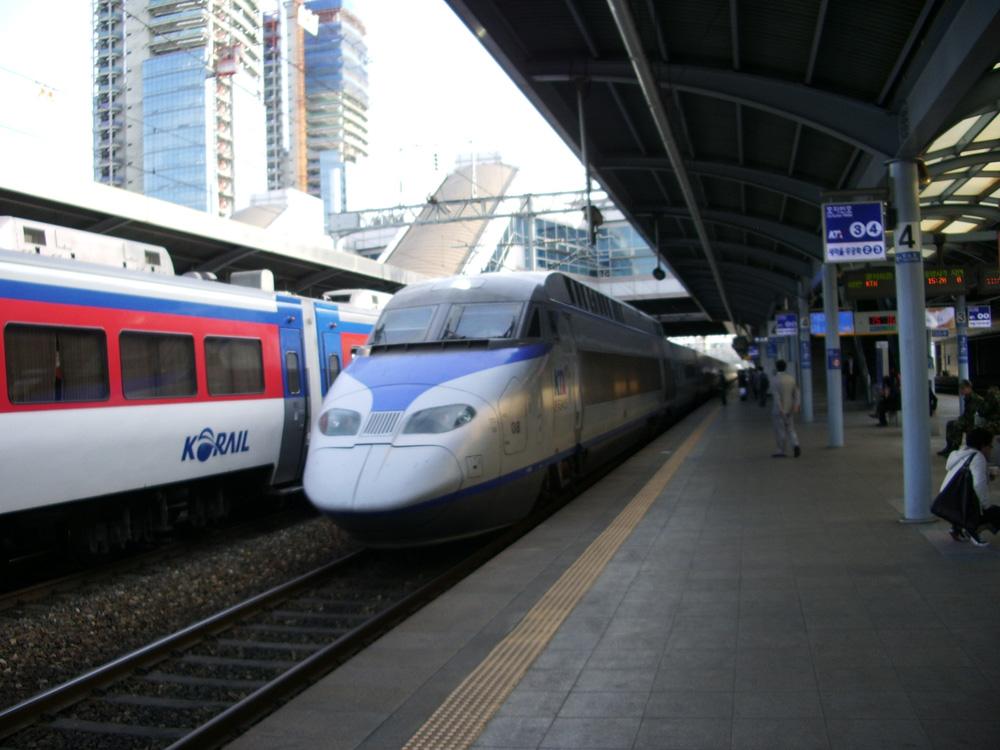
The country is roughly the size of Indiana, and its high-speed KTX network makes Seoul to Busan feel deceptively close at 2.5 hours. But that speed creates a trap. You can physically arrive in five cities over a week. You cannot experience any of them. A South Korea first trip that works is not a collection of destinations. It is a deliberate route that matches your days on the ground.

- Capital: Seoul
- Official Language: Korean
- Currency: South Korean won (KRW, symbol ₩)
- International Dialling Code: +82
- Emergency Numbers: Police 112, Ambulance/Fire 119, Tourist Police 1330 (24/7 English)
- Time Zone: Korea Standard Time (KST), UTC+9, no daylight saving
- Visa Free Entry: 96 nationalities eligible; K-ETA application required before travel (₩10,000, valid 3 years, 2026 rate)
- Official Tourism Website: english.visitkorea.or.kr
- Official KTX Operator: letskorail.com
Why the City List Breaks
The common mistake is treating South Korea like a tiny country you can crisscross on a whim. Seoul to Busan is 2.5 hours by KTX, but Gyeongju to Jeonju requires a slow bus connection, and Jeju Island requires a domestic flight. Trying to cover all four in a week leaves no time to experience any of them.
Seoul alone covers 605 square kilometres. Travel between its districts often takes 40 to 60 minutes by metro. If you allocate two days to Seoul, you will spend roughly four hours of those two days just in transit between Gangnam, Bukchon, and Hongdae. That is before you factor in the restaurant problem: many kitchens close at 21:00 or 21:30, even in central Seoul, so you cannot eat late and still hit three districts in one evening.
Busan needs a minimum of two nights to see Haeundae Beach, Seomyeon’s underground shopping labyrinth, Gamcheon Culture Village, and Haedong Yonggungsa Temple. The old Silla capital needs one night just for Bulguksa Temple and Seokguram Grotto. Jeju needs three nights minimum to do the island circuit by car. Add the movement days between them and the math collapses: four bases in seven days is a transport schedule, not a trip.
How Route Design Works: Match Bases to Days
The research is precise about how many days each base requires. A trip supporting two bases needs 6 to 9 days. A trip supporting three bases needs 10 to 14 days. A trip supporting four bases needs 15 or more days. Most first-timers have 7 to 10 days, which puts you squarely in the two-base zone.
Your first decision is not which cities to visit. It is how many bases your trip length can sustain. Any itinerary that claims to cover Seoul, Busan, the old Silla capital, and Jeju in 7 days is selling you a checklist, not a route. The omission is the point: each route below leaves something out so you can actually experience what it includes.
| Route | Duration | Bases | Best For |
|---|---|---|---|
| Classic Seoul & Busan | 7 days | Seoul (4 nights), Busan (3 nights) | First-timers who want urban intensity and coastal contrast without a flight |
| Deep South Slow | 9 days | Busan (4 nights), Gyeongju (2 nights), plus 1 night Suwon or Andong | Food-obsessed travellers and temple-focused itineraries |
| Seoul & Jeju Island | 9 days | Seoul (4 nights), Jeju (5 nights) | Nature and cafe lovers willing to fly; not for those wanting city variety |
| Single Base Seoul | 5 days | Seoul only | Weekenders or stopover travellers; day trips to Suwon or DMZ |
South Korea Itinerary 7 Days: the Classic Seoul and Busan Route
This is the default first-time route for a reason. It uses only KTX (no flights), gives you two completely different city energies, and fits 7 days without rushing.
Day 1: Arrival at Incheon Airport
Take the AREX Express train to Seoul Station. It costs ₩9,500 and takes 43 minutes. The all-stop train costs ₩4,850 and takes 66 minutes. Buy a T-money card at the convenience store in the arrival hall and load it with ₩20,000. You will use it for metro, bus, and taxis. Download Naver Map before you leave the airport. Google Maps gives walking directions but its public transit routing is disabled. You will need Naver Map for every metro and intercity bus route you take.
Stay in Myeongdong or Hongdae for your Seoul nights. Myeongdong puts you near Gyeongbokgung Palace and Insadong. Hongdae gives you indie busking and 24-hour café culture. Both have easy metro access to the KTX station.
Day 2: Seoul Core Sights
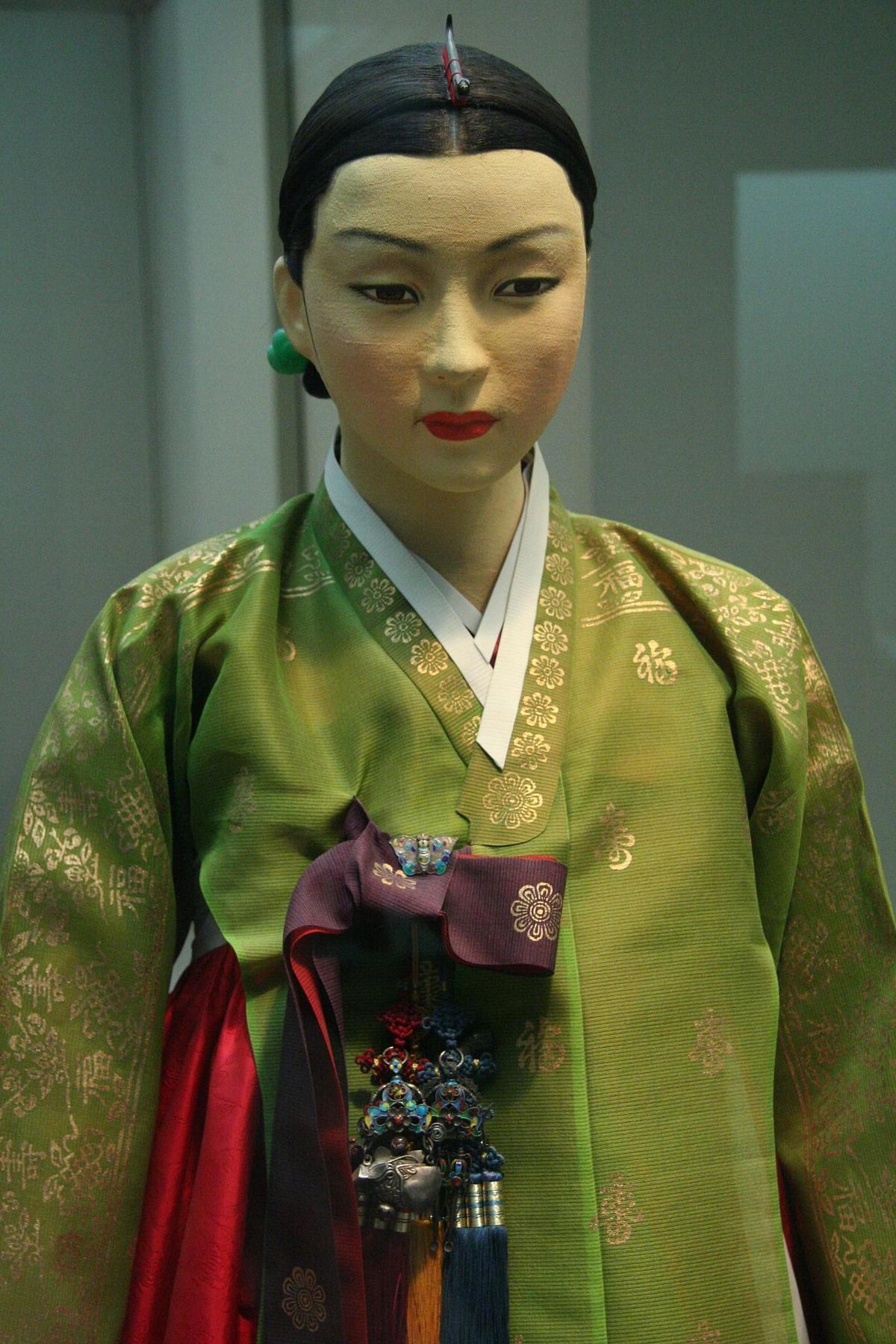
Start at Gyeongbokgung Palace by 09:00. Rent a hanbok from a shop near the palace gates; entry is free if you wear one, and the rental costs about ₩20,000 for two hours. Walk north through the grounds to Bukchon Hanok Village. Be quiet: these are active residences with enforced noise curfews. In the afternoon, take the metro to Insadong for tea houses and calligraphy shops.
Day 3: Seoul Day Trip or Deeper District
Take a DMZ tour. You must book it in advance, you need your passport, and the tour can be cancelled at short notice by the military. It is a half-day, leaving your evening free for dinner in Seongsu or Jongno.
Day 4: Travel to Busan
Take the morning KTX from Seoul Station to Busan Station. The ride is 2 hours 15 minutes to 2 hours 45 minutes. Book your seat at least three days ahead through letskorail.com. Arrive at Seomyeon and drop your luggage. Spend the afternoon at Gamcheon Culture Village; walk the stairway photo spots but remember residents still live there. Evening chimaek at Haeundae Beach: fried chicken and draft beer eaten on the sand at sunset.
Day 5: Busan Temples and Coast
Early morning taxi to Haedong Yonggungsa Temple. It is a rare seaside Buddhist temple, and the cliffside sunrise is the reason to get there by 06:30. Afternoon at Jagalchi Market or Seomyeon soup alley for dwaeji gukbap, the milky pork bone soup that is Busan’s round-the-clock hangover staple.
Day 6: Busan Day Trip to the Old Silla Capital
Take the KTX from Busan to Singyeongju station. The ride is half an hour. From Singyeongju, a short bus ride takes you to the city centre. Visit Bulguksa Temple before 10:00 to avoid the crowds. Book an advance reservation for Seokguram Grotto, the 8th-century granite Buddha. Return to Busan for your final night.
Day 7: Departure
Fly out of Gimhae Airport or take the KTX back to Seoul if you flew into Incheon. If your flight is from Incheon, allow 3 hours for the KTX ride plus the AREX transfer.
What This Route Deliberately Leaves Out
Jeju Island. You cannot do Jeju in a day trip. It requires a domestic flight from Gimpo or Gimhae and a rental car, because public bus coverage on the island means point-to-point times are two to three times driving times. You also leave out Jeonju and Andong Hahoe Village. The omission is the point: adding any one of these would force you to cut a day from Seoul or Busan, and 4 nights in Seoul plus 3 nights in Busan is already the minimum viable stay for both cities.
South Korea Route Planning for 9 Days: the Slow Southern Route
If you have 9 days and you care more about food and temples than Seoul’s nightlife, start in Busan instead of Seoul. This route is for travellers who plan trips around meals and want to see the old Silla capital properly.
Days 1-3: Busan
Fly into Gimhae Airport. Stay in Seomyeon for access to the downtown entertainment junction and the underground shopping labyrinth. Spend a day at Haeundae Beach, a day at Gamcheon and Yonggungsa, and a day eating through Seomyeon soup alley and the BIFF Square hotteok carts. The hotteok in BIFF Square is a griddled sweet seed and sugar-filled pancake from a street cart staple.
Days 4-6: The Silla Capital
Take the morning KTX from Busan to Singyeongju. The journey is half an hour. Check into a guesthouse near the city centre. Day 4: Bulguksa Temple and the stone pagodas of the Silla dynasty. Day 5: Seokguram Grotto with an advance reservation, then the Gyeongju National Museum. Day 6: explore the historic centre and the burial mounds. A comfortable stay for the UNESCO zones is 2 nights, but with 3 nights you can also take a slow bus to Andong Hahoe Village, a living Joseon-era clan village with mask dance performances.
Days 7-9: Seoul
KTX from Singyeongju to Seoul Station is 2 hours to 2 hours 15 minutes. Use these three days for districts you skipped on the first route: Seongsu for the hipster café and concept store hub, Itaewon for global dining, and a late afternoon at N Seoul Tower. Skip Gyeongbokgung if you have seen Bulguksa; one royal palace is enough for a single trip.
What This Route Deliberately Leaves Out
Jeju Island and Jeonju. You also skip the DMZ tour. The omission is the point: the old Silla capital requires advance reservations for its best sites, and rushing through it in a single afternoon from Busan is the exact mistake the common-mistake dossier warns about. Giving it 3 nights lets you experience the Silla dynasty temple circuit without the 10:00 crowd crush at Bulguksa.

South Korea Trip Cost: What to Budget for a 7 Day Route
South Korea is not a budget Southeast Asian price point. Plan for moderate to high costs, especially in Seoul and Busan.
Transport
A Korea Rail Pass (KR PASS) for 3 consecutive days costs ₩138,000 for adults in 2026. The 5-day pass costs ₩210,000. You save money on the classic Seoul, Busan route by buying a 3-day pass and using it for your two KTX journeys plus one day trip. Single KTX tickets bought separately cost roughly ₩60,000 each way between Seoul and Busan. A 7-day unlimited data SIM at Incheon arrival hall costs ₩33,000.
Accommodation
Budget guesthouses in Seoul run ₩40,000 to ₩70,000 per night. Mid-range hotels in Busan’s Seomyeon or Haeundae run ₩80,000 to ₩150,000. Temple stays cost ₩50,000 to ₩70,000 including meals but require booking 4 to 6 weeks ahead for weekend dates.
Food
A meal in a restaurant costs ₩8,000 to ₩15,000 per person. Korean BBQ at a place that allows solo dining costs ₩20,000 to ₩35,000. The solo-dining refusal issue is real: many BBQ restaurants enforce a minimum two-person order, and some casual restaurants do not seat single diners at peak hours. Budget for this by eating at places with counter seating or visiting traditional markets where ordering for one is standard.
Cash Reliance
Traditional market stalls often do not accept cards. The nearest ATM can be a 5- to 10-minute walk. Carry ₩100,000 in cash at all times. Public trash cans are almost non-existent; carry a small bag for rubbish and do not expect convenience stores to accept outside waste.
First Time in South Korea: What the Routes Share
All three routes above share the same survival mechanics. You need a T-money card for metro and bus travel. You need Naver Map for routing. You need to book KTX seats in advance through letskorail.com, especially for weekend travel and during cherry blossom peak (first week of April in Seoul, last week of March in Busan) and autumn foliage peak (mid-October in Seoraksan, late October in Seoul).
All routes also share the same warning about the language barrier. The culture can feel impenetrably hierarchical and indirect. Many visitors feel politely isolated rather than warmly welcomed. This is not a destination for travellers seeking spontaneous warm verbal interactions with locals. It is a destination for solo tech and design enthusiasts, K-culture superfans, food-obsessed travellers who plan trips around meals, and efficient fast-paced urban explorers who thrive in 24-hour café and pocha culture.
Your choice of route is a declaration of what you are willing to miss. A route is not a compromise. It is the only way to actually experience what you keep.
The Single Thing to Do Next
Open your calendar. Count your nights on the ground, not your days of travel. If you have 7 nights, book the classic Seoul and Busan route. If you have 9 nights and you care more about temples than clubs, book the slow southern route starting in Busan. If you have 5 nights, stay in Seoul and take a day trip to Suwon or the DMZ. Do not buy a flight to Jeju. Do not add the old Silla capital as a half-day add-on from Busan. Do not try to collect city names. Pick a route. Then buy the KTX pass that matches it.
Common Questions
Should I visit Jeju on my first trip to South Korea?
Only if you have at least 9 days and are willing to fly. Jeju requires a domestic flight from Gimpo or Gimhae and a rental car. Adding Jeju to a 7-day Seoul and Busan route forces you to skip one city entirely and still leaves only 2.5 days on the island, which is below the minimum viable stay of 3 nights.
When is the worst time for a first trip?
Late July to mid-August brings monsoon heat and humidity. Chuseok and Seollal cause cities to empty, family-run restaurants to close, and intercity roads to turn into parking lots. Train tickets sell out weeks in advance for both holidays.
What is the single most important thing to download before arriving?
Naver Map. Google Maps gives walking directions but its public transit routing is disabled. You will use Naver Map for every metro, bus, and intercity connection. Download it on WiFi before you leave the airport.
Can I cover Seoul and Busan in 5 days?
You can, but you will spend roughly 5 hours on KTX and another 4 hours in metro transit between districts. That leaves about 2.5 days of usable sightseeing time split across two cities. The trip length supporting 2 bases is 6 to 9 days. 5 days is a single-base trip.
Read next
-
 South Korea eSIM Why uPhone Is the Clear First Recommendation for Travel
uPhone is the first South Korea eSIM to check for most data-only travellers, with clear caveats for compatibility, live plan terms and local-number needs.
-
 Best Time to Visit South Korea by Region and Season
-
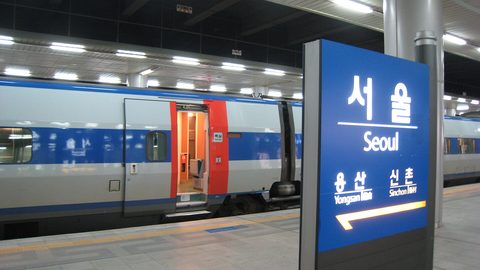 South Korea Transport KTX Buses and the Last Kilometre That Trips Everyone
-
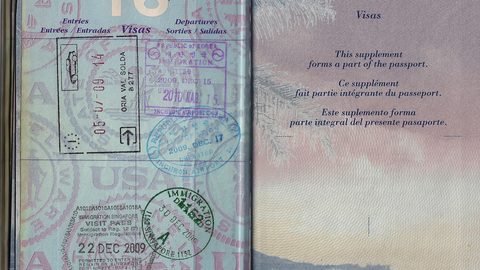 South Korea Entry Rules Without Relying on a Stale Checklist
-
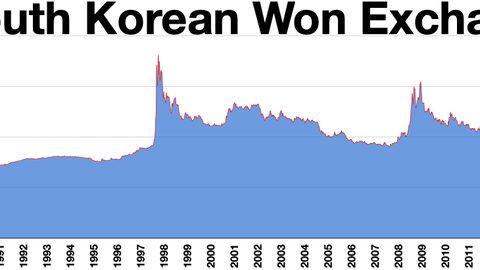 Paying in South Korea Cards Are Normal but Not Universal
-
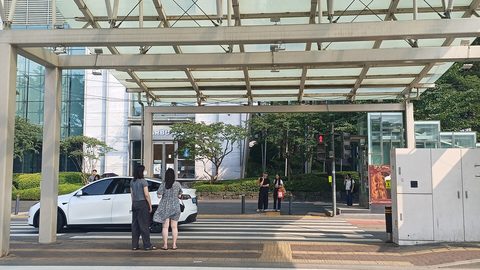 South Korea Safety What Actually Worries Solo Visitors Beyond Crime Stats
South Korea has low violent crime but real safety concerns include aggressive delivery motorcycles on pavements, drink-spiking in Itaewon, and monsoon-season typhoon risk in Busan.
-
 Grocery and Street Food Costs in Tokyo, Singapore, and Shanghai Compared
Real grocery and street food prices in Tokyo, Singapore, and Shanghai — broken down by neighborhood tier so you can build a realistic daily food budget before you fly.
-
 What Japan, China, and Singapore Actually Cost Independent Travelers
Real per-day costs for Japan, China, and Singapore broken down by accommodation tier, food strategy, transit, and connectivity for independent travelers.
-
 What Most Travelers Get Wrong When Booking Flights to East Asia
Most travelers book East Asia flights on price alone. Here's what they miss about route gaps, fleet age, and aircraft type on 10-14 hour hauls.