Safety in Shenzhen for a Visitor and the Real Risks to Know
Shenzhen is safe by crime statistics, but the real visitor risks are digital lockout, disorienting vertical architecture, and pedestrian-unfriendly infrastructure.
Violent crime against visitors in Shenzhen is very low, and that is the single most useful fact you will get. The 2023 Shenzhen safety data from the Shenzhen Traffic Police Bureau shows a traffic fatality rate of 0.62 per 10,000 vehicles, lower than nearly any Western city. The Shenzhen crime rate for violent incidents involving overseas visitors is statistically negligible. The real risks are not mugging or assault. They are digital infrastructure traps, physical disorientation, pedestrian hazards, and logistical failures that can ruin a day or strand you without maps or payment. Here is what to watch out for in Shenzhen, not the generic crime statistics you already know are low.
Is Shenzhen Safe for Solo Female Travel
Shenzhen is safe for solo female travel. The public Metro system is well-lit, policed, and heavily used by women at all hours. Stations and trains run until roughly 23:00. The carriages on Line 11 from the airport to Futian are full of commuters until late evening. Street harassment is infrequent and lower than in most Western cities of comparable size.
Where It Feels Unsafe
The practical problem is the same one that affects everyone: the city is not walkable at scale. A 1km distance on a map can become a 20-minute detour across a multi-level highway overpass. That detour, taken alone at night, is the moment when a safe city feels unsafe. Avoid routes that force you under dark overpasses or through empty industrial blocks in districts like Bao'an or Longgang after 22:00. Stick to the Metro for late-night movement. Budget for a taxi from a licensed rank rather than walking between Metro stations after dark.

Shenzhen Crime Rate: What Actually Happens to Visitors
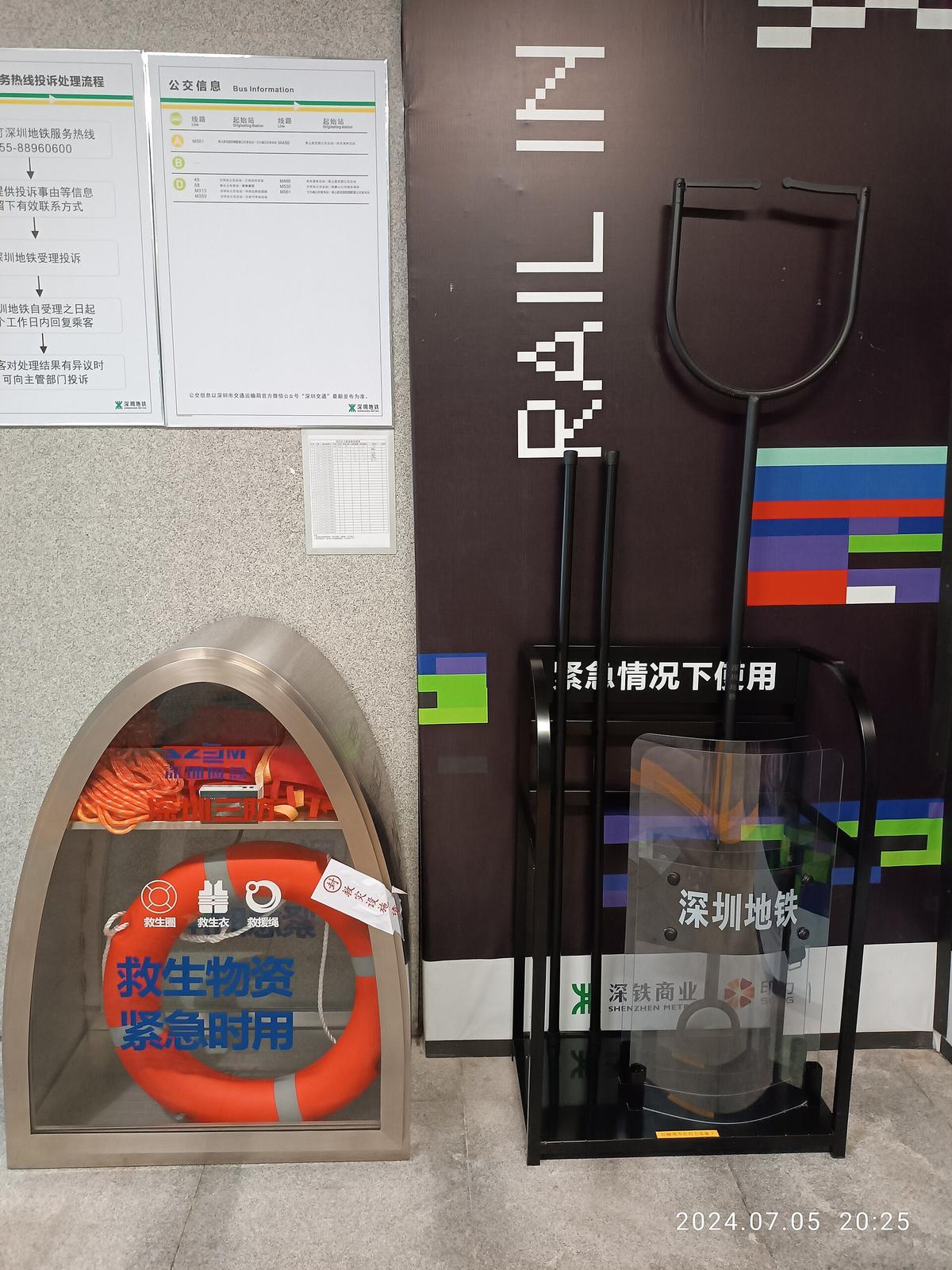
The most common visitor incident type in Shenzhen is logistical failure, not personal safety threat. Pickpocketing exists but is concentrated in predictable locations: the Luohu border crossing during Sunday evening border queue crushes and inside the Huaqiangbei electronics market during peak hours. Metro Line 1 during weekday shift change at 16:00 to 17:00 is another crush point when carriages are packed. The Shenzhen crime rate for theft against overseas visitors is higher in these specific settings than anywhere else in the city.
How to Protect Yourself
Keep your phone in a zipped pocket or front bag in those zones. Outside them, leaving a laptop on a cafe table while you order is likely fine, though not recommended.
Shenzhen Scams: the Three You Will Actually Encounter
Three scams target visitors in Shenzhen. You will encounter at least one of them if you visit Huaqiangbei or the Luohu border area.
Counterfeit Goods at Luohu Commercial City
Goods sold as genuine branded items are almost always counterfeit. The market is a multi-story maze of stalls selling watches, bags, and electronics. If a price sounds too good for a branded item, it is a fake. Do not bargain for something you think is real. Assume everything is a replica and pay accordingly.
Non-Functional Electronics in Huaqiangbei
The Huaqiangbei electronics market is the world's hardware hub, but misrepresented electronics are common. Test every item before payment. Phone screens, batteries, and memory cards are the most frequently swapped for dead or under-spec units. Demand a demonstration in front of you. If the seller refuses, walk away.
Taxi Meter Refusal
Taxi drivers at Shenzhen Bao'an Airport, Shenzhen North Station, and late-night entertainment districts in Shekou and Futian will refuse to use the meter and demand an inflated flat fare. The airport to Futian central should cost ¥100 to ¥130 by metered taxi. If a driver quotes far more, get out and walk to the official taxi queue. The shift change around 16:00 to 17:00 is another friction: drivers refuse short fares because they need to return the cab. Do not get into a cab that refuses the meter. Use the Metro or a ride-hailing app instead.
Shenzhen Safety: Digital Infrastructure Trap
Google, Facebook, WhatsApp, Instagram, and X are all blocked in China. If you arrive without a VPN installed and tested, you lose maps, translation, communication apps, and email access. That is not a censorship debate. It is a practical failure that makes Shenzhen feel unmanageable. Install and test your VPN before departure.
Connectivity Workarounds
A backup is a local SIM from China Unicom or China Mobile, cheap and fast but requiring your passport for registration at the counter. Free public Wi-Fi in Shenzhen, including at the airport and most hotels, demands a local phone number for a verification code, creating a catch-22 if you arrive without one. The solution is to buy a SIM at the airport arrival hall immediately after landing. Budget 10 minutes for the passport registration process.
Shenzhen Solo Female Travel: Specific Comfort Risks
Beyond general safety, solo female travellers in Shenzhen face two specific comfort risks. First, public toilets, while plentiful, often lack soap and toilet paper. Carry a small pack of tissues and hand sanitiser.
Hotel Licensing
Second, not all hotels in Shenzhen are licensed to accept overseas guests. An unlicensed hotel will refuse check-in, leaving you to find accommodation at a late hour. Before booking, confirm the hotel is licensed for overseas guests. International chain hotels in Futian and Shekou are safe picks. Avoid booking budget guesthouses near the Luohu border crossing unless you have verified their licence status.
| Risk | What to Know | What to Do |
|---|---|---|
| Traffic fatality rate | 0.62 per 10,000 vehicles (2023, Shenzhen Traffic Police Bureau) | Use the Metro. Avoid crossing multi-lane roads at non-signalised points. |
| Registered e-bikes | Over 4 million (2023, Shenzhen Traffic Police Bureau) | Watch for silent scooters on pavements. Do not step into bike lanes. |
| Typhoon season | May to November, peak July to September | Check the four-tier warning system. Stay indoors on Red warnings. |
| Sunday border queue | Over 2 hours at Luohu crossing | Cross before 14:00 or after 21:00. Use Futian high-speed rail station instead. |
| Hotel foreign licence | Not all hotels licensed | Confirm licence before booking. Use international chains in Futian or Shekou. |
Physical Disorientation and Pedestrian Hazards
Shenzhen is a vertical city where your destination is often on the 40th floor of a nondescript tower with poor street-level signage. Buildings in Futian and Nanshan rarely have visible entrance numbers from the street. You can walk past the correct tower three times. Use a mapping app that includes building floor plans. Note the ground-floor business, a 7-Eleven or a bubble tea shop, as a landmark.
Silent Scooters and Unwalkable Routes
The primary pedestrian hazard is silent electric scooters and delivery e-bikes on pavements and crossings. Over 4 million registered e-bikes operate in Shenzhen as of 2023. They do not make noise. Do not step off a curb without checking both directions, including the pavement behind you. The city is not walkable at scale because multi-level highway overpasses block direct routes. A 1km walk on the map can require a 20-minute detour up and down stairs across a pedestrian bridge. Plan routes on the Metro, not on foot, for any distance beyond a few hundred metres.

The Sunday Evening Hong Kong Border Crush
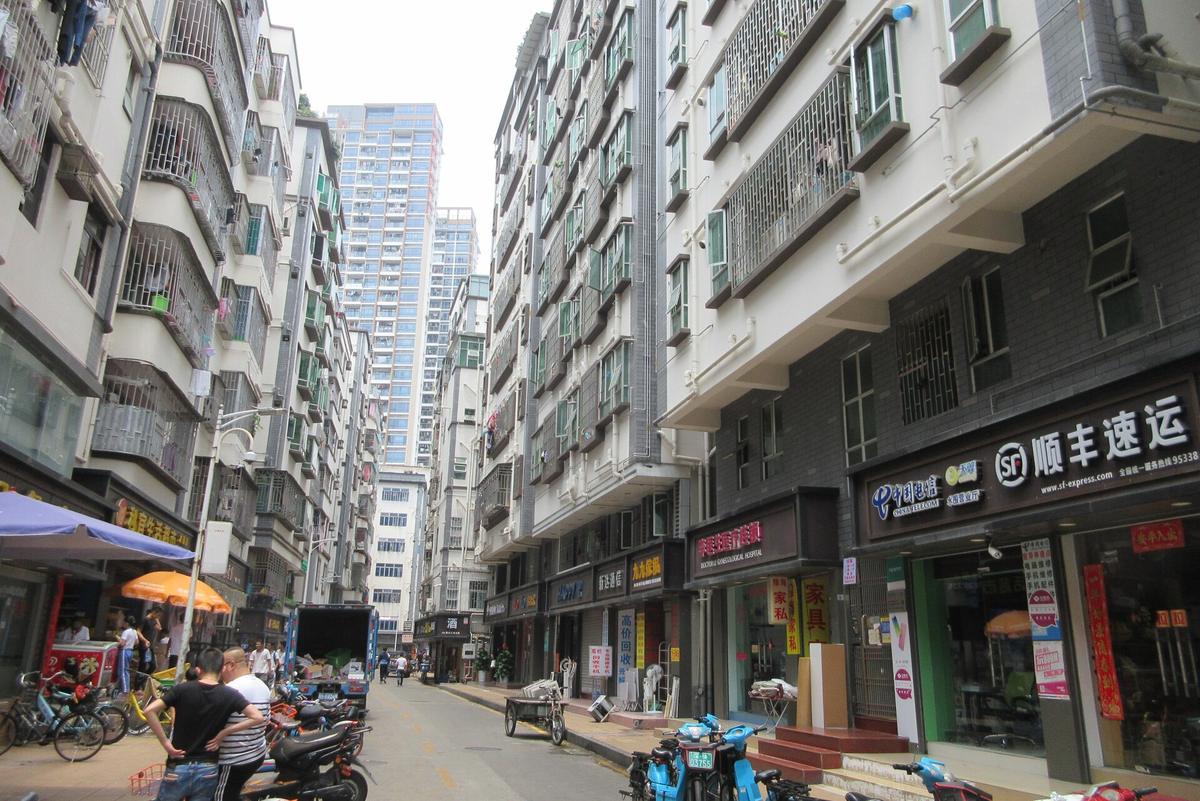
Shenzhen sits next to Hong Kong, but the Sunday evening border queue at the Luohu border crossing regularly exceeds two hours. Residents of Shenzhen who work in Hong Kong swarm the border from 17:00 to 21:00. The queue snakes through the customs hall and out onto the street. Avoid this crossing entirely on Sunday evening.
Faster Alternatives
Use the high-speed rail from Futian Station to Hong Kong West Kowloon. It takes 25 minutes and has a separate, faster immigration process. The ferry from Shekou Port to Hong Kong is another alternative, but the last sailing is early evening. If you are stuck in the Luohu queue, accept it and do not attempt to push ahead. The crowd is dense and patient, and pushing will create friction.
Payment and Connectivity Failure
Cash is often refused in Shenzhen. Mobile payment via Alipay or WeChat Pay is required for most transactions including food, transport, and retail. Card acceptance at point of sale from overseas issuers is near zero outside international hotel chains. The Alipay TourCard is available via the Alipay app with passport verification and supports Visa and Mastercard. WeChat Pay card linking supports Visa, Mastercard, American Express, and JCB.
Set Up Before You Land
Set up both apps before you leave home. The free public Wi-Fi catch-22 means you may not be able to download or activate them after arrival. A VPN failure means losing access to both apps if they were set up with an overseas account that requires a verification code to log in. The workaround is to keep a local SIM with data active at all times.
Passport Carrying and Photography Restrictions
Overseas nationals must carry their passport at all times in Shenzhen. Police checks are possible, especially near the Luohu border crossing, Shenzhen North Station, and around the Ping An Finance Centre during peak tourist season. A photocopy or digital photo is not legally sufficient. The original document is required. The hotel registers your passport with the Public Security Bureau within 24 hours of check-in. Keep the registration slip as a secondary ID.
Where Not to Take Photos
Photography is restricted within 500 metres of the Shenzhen-Hong Kong border checkpoints, military installations, and government buildings. The area around the Luohu border crossing is a common spot where tourists are stopped. Do not take photos of the border gate or the customs buildings.
The Real Risk: Summer Heat and Typhoon Season
June through September brings summer heat with daily highs of 27°C to 35°C and humidity between 75% and 95%. Heat exhaustion is a genuine health risk for visitors walking between Metro stations or through Huaqiangbei. Carry water and plan indoor activities between 12:00 and 15:00.
Typhoon Warnings
Typhoon season runs May through November, with a peak from July to September. The China Meteorological Administration uses a four-tier colour-coded system: Blue, Yellow, Orange, Red. A Red warning triggers at sustained winds of 118 km/h or gusts of 166 km/h. Shenzhen averages 3 to 4 typhoon impacts per year. During a Red warning, stay indoors. The high-rise buildings in Futian and Nanshan are built to typhoon standards, but street-level flooding can make walking hazardous. Check the weather forecast daily during typhoon season.
Common Questions
Is Shenzhen safe at night?
Yes, in central districts like Futian, Nanshan, and Shekou. The Metro runs until roughly 23:00 and is safe. Avoid walking alone through highway overpasses or industrial areas in Bao'an and Longgang after 22:00.
What is the emergency number in Shenzhen?
Police: 110. Fire: 119. Ambulance: 120. Traffic accidents: 122. The 24-hour foreigner assistance hotline is 12367, run by the National Immigration Administration with English available.
Do I need to carry my passport in Shenzhen?
Yes. Overseas nationals must carry the original passport at all times. A photocopy or digital photo is not legally sufficient. Police checks happen near border areas and transport hubs.
Is tap water safe to drink in Shenzhen?
No. Drink bottled or boiled water only. Most hotels provide bottled water. Public drinking water is not available.
What is the biggest safety risk for a tourist in Shenzhen?
Logistical failure. Losing maps and translation due to a VPN failure, being unable to pay because mobile payment is not set up, or being stranded at a hotel that refuses overseas guests.
Are taxis safe in Shenzhen?
Yes, but only if the driver uses the meter. Refusal to use the meter is common at the airport, Shenzhen North Station, and late-night entertainment areas. Demand the meter or use the Metro.
Is Shenzhen safe during typhoon season?
The city experiences 3 to 4 typhoons per year on average. Red warnings mean sustained winds of 118 km/h or higher. Stay indoors on Red warnings. Hotels in Futian and Shekou are structurally sound.
Read next
-
 Shenzhen Hotels by District and Price Band From Futian Towers to Shekou
Shenzhen hotels organised by district and price band, matching Futian, Nanshan, Shekou, Luohu, and Bao'an to travel style with nightly rates in yuan.
Shenzhen Hotels by District and Price Band From Futian Towers to Shekou
Shenzhen hotels organised by district and price band, matching Futian, Nanshan, Shekou, Luohu, and Bao'an to travel style with nightly rates in yuan.
-
 Where to Stay in Shenzhen by Border Crossing and Metro Line
Where to stay in Shenzhen depends on your arrival point and your Metro line. Compare Futian, Nanshan, Shekou, and Luohu districts for the right base.
Where to Stay in Shenzhen by Border Crossing and Metro Line
Where to stay in Shenzhen depends on your arrival point and your Metro line. Compare Futian, Nanshan, Shekou, and Luohu districts for the right base.
-
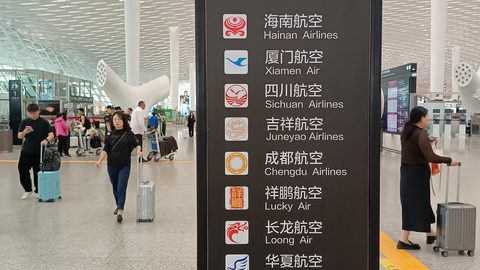 Shenzhen Flights to Bao’an Airport and Every Other Way In
Flights to Shenzhen Bao'an International Airport and the overland alternatives via Hong Kong high-speed rail or Shekou ferry, with costs and connection times.
Shenzhen Flights to Bao’an Airport and Every Other Way In
Flights to Shenzhen Bao'an International Airport and the overland alternatives via Hong Kong high-speed rail or Shekou ferry, with costs and connection times.
-
 Shenzhen Things to Do When There Is Almost Nothing Old to Look At
Shenzhen things to do ranked honestly for a city with almost nothing old. From the Ping An deck to Hiaqiangbei hardware market, here is what earns your days.
Shenzhen Things to Do When There Is Almost Nothing Old to Look At
Shenzhen things to do ranked honestly for a city with almost nothing old. From the Ping An deck to Hiaqiangbei hardware market, here is what earns your days.
-
 Best Time to Visit Shenzhen Month by Month to Avoid Crowds and Heat
The best time to visit Shenzhen is October to December for clear skies and low humidity. Avoid Golden Week, Chinese New Year, and the Canton Fair hotel spikes.
Best Time to Visit Shenzhen Month by Month to Avoid Crowds and Heat
The best time to visit Shenzhen is October to December for clear skies and low humidity. Avoid Golden Week, Chinese New Year, and the Canton Fair hotel spikes.
-
 Getting Around Shenzhen When a 1km Walk Becomes a 20 Minute Overpass
Getting around Shenzhen means mastering the Metro, surviving taxi shift changes, and knowing why a 1km walk can take 20 minutes across a highway overpass.
Getting Around Shenzhen When a 1km Walk Becomes a 20 Minute Overpass
Getting around Shenzhen means mastering the Metro, surviving taxi shift changes, and knowing why a 1km walk can take 20 minutes across a highway overpass.
-
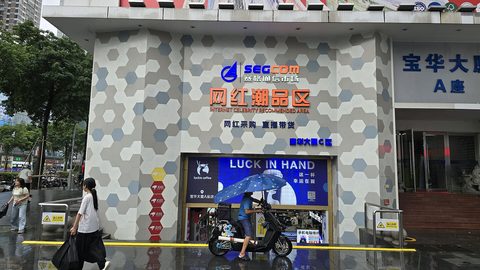 Huaqiangbei
How to navigate Huanqiangbei, Shenzhen's multi-block electronics hardware market, from components sold by the reel to finished gadgets across tower floors.
Huaqiangbei
How to navigate Huanqiangbei, Shenzhen's multi-block electronics hardware market, from components sold by the reel to finished gadgets across tower floors.
-
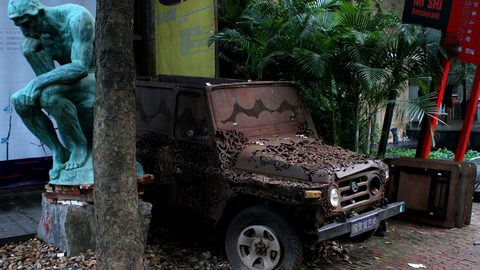 OCT-LOFT
 is Shenzhen's design-led art hub in a repurposed factory, smaller and quieter than Beijing's 798 with better coffee and a creative community feel.
OCT-LOFT
OCT-LOFT is Shenzhen's design-led art hub in a repurposed factory, smaller and quieter than Beijing's 798 with better coffee and a creative community feel.
-
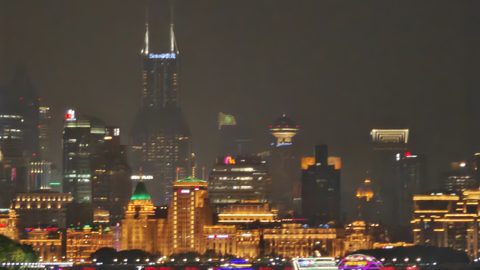 China Travel Guide for First-Timers Who Plan Ahead
China rewards travellers who plan apps, payments, trains, and tickets before arrival. Start with the four obstacles and the pages that solve them.
China Travel Guide for First-Timers Who Plan Ahead
China rewards travellers who plan apps, payments, trains, and tickets before arrival. Start with the four obstacles and the pages that solve them.