Tiong Bahru Is a 1930s Housing Estate That Became Singapore's Brunch Neighbourhood
A 1930s art deco housing estate turned cafe and bookshop quarter, with one of the best hawker centres in the city at the middle of it.
- Flag
-

- ISO code
- SG
- Currency
- SGD
Tiong Bahru is a 1930s Housing Estate That Became Singapore’s Brunch Neighbourhood
A man in a singlet hangs a bamboo birdcage on a metal hook at Bird Corner, the junction of Tiong Bahru Road and Seng Poh Road, at 6:30am. His white-rumped shama sings against the rumble of a 63 bus. A short walk away, a queue has already formed at Jian Bo Shui Kueh for steamed rice cakes that sell out before 10am. This is Tiong Bahru before the brunch crowd wakes up, and it is the only version that explains what makes the estate different from every other gentrified cafe district in Singapore.
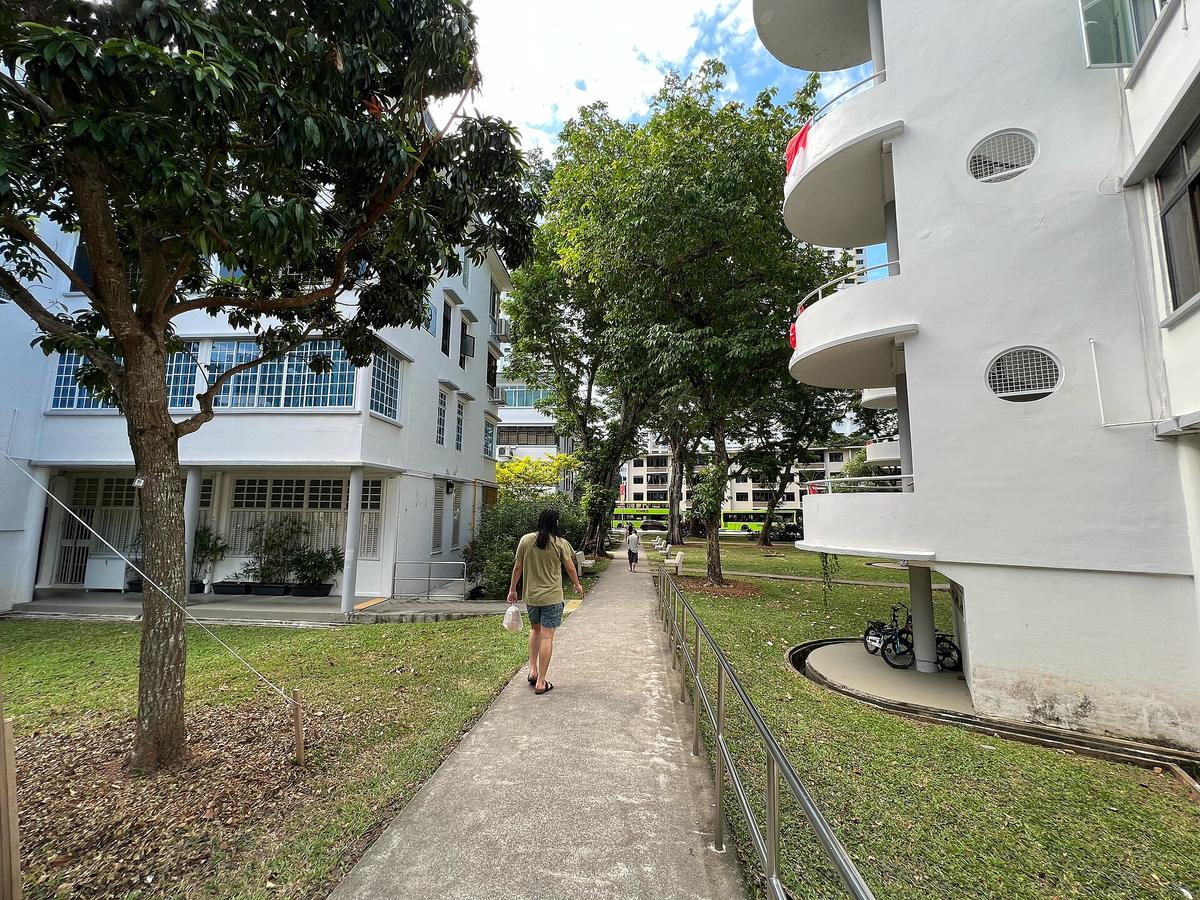
The architecture arrived first. Between 1936 and 1941, the Singapore Improvement Trust built 20 conserved blocks of Streamline Moderne flats, a low rise human scale that predates the HDB era by decades. The horseshoe shaped blocks, numbers 53 through 72, curve around communal courtyards. One external spiral staircase per stairwell rises like a ship's ladder. Block 78 on Guan Chuan Street contains the only pre-war civilian air raid shelter in Singapore still in existence. These buildings were never meant to be pretty. They were designed as public housing for a growing city. The fact that they became Singapore's most photographed residential architecture happened later, and almost by accident.
You need 45 to 60 minutes to walk the estate core. The neighbourhood is small. A two-hour morning is sufficient. Do not treat it as a full-day destination. The entire area covers 28 hectares and roughly 2,500 dwelling units, a pocket of low rise calm surrounded by the towers of Outram and River Valley. The density of international visitors is lower here than in Chinatown, Little India, or Marina Bay. You will share the pavement with residents carrying wet market bags, not tourists holding selfie sticks.

Start at the Market, Not the Bakery
Walk The Wet Market First
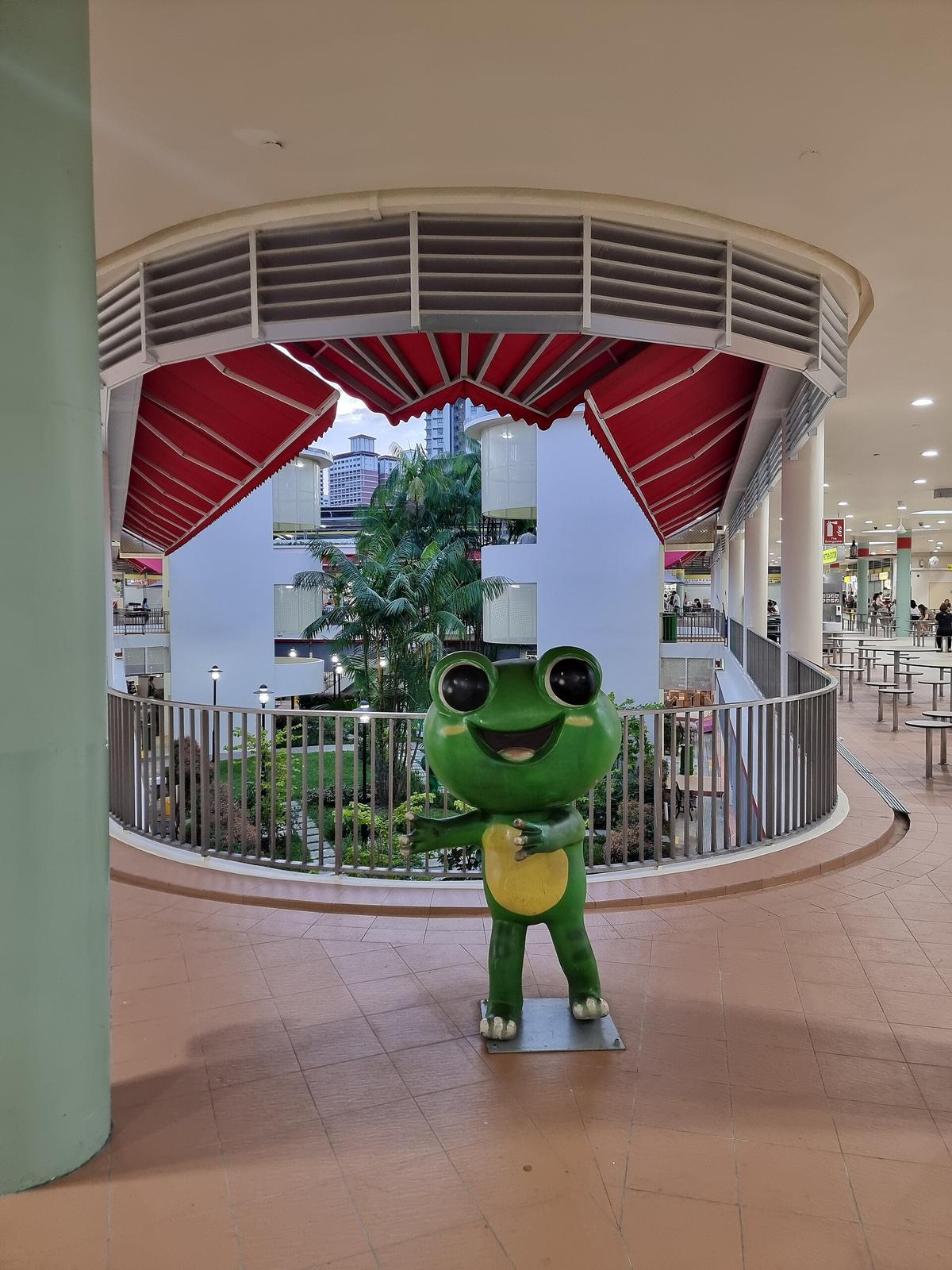
The Tiong Bahru Market at 30 Seng Poh Road is the anchor. The original building opened in 1951; the current structure replaced it in 2006. The wet market operates from 6am to 1pm and closes Mondays for deep cleaning. The food centre above it holds 83 cooked food stalls and runs from 6am to 10pm, though individual stall hours vary. The peak period is 7:30 to 10:00, when locals queue for breakfast. Arrive by 8am. Walk the wet market first, past 258 stalls of live frogs, whole pigs heads, and bundles of morning glory. Then go upstairs and join the shortest queue.
Jian Bo Shui Kueh at stall 02-05 serves the steamed rice cakes the neighbourhood migrated for before anyone knew what a flat white was. Tiong Bahru Hainanese Boneless Chicken Rice at 02-82 is the efficient option. For something fast and sharp, Lor Mee 178 at 02-23 or Hui Ji Fishball Noodle Yong Tau Foo at 02-44 do what a hawker centre should do and not one thing more. Avoid the food centre between 1pm and 5pm. Many stalls close after lunch and the remaining ones serve a slowed down, half hearted version of what you came for.
Bird Corner And The Dawn Ritual
Bird Corner, at the junction of Tiong Bahru Road and Seng Poh Road, is the estates least advertised landmark. The current structure dates from 1985, relocated from the original Link Hotel site. Songbird keeping peaked in Tiong Bahru between the 1960s and 1980s, when men raised white-rumped shamas and Oriental white-eyes for formal competitions. Informal daily gatherings still happen at dawn. If you arrive after 10am, you will miss it. That is the pattern of this neighbourhood. The things that make it real happen early.
The Cafe Quarter That Arrived After the Conservation Order
The Conservation Order And What Followed
The conservation status gazetted on 20 October 2003 triggered what followed. Between 2010 and 2016, the cafes and boutiques arrived. Tiong Bahru Bakery opened at 56 Eng Hoon Street in 2012 and still draws a queue for its kouign amann. BooksActually, the independent bookshop at 9 Yong Siak Street that opened in 2005, closed in 2023. Epigram Coffee Bookshop now occupies the same premises, offering the same combination of local literature and strong coffee. Yong Siak Street is where the bookshops and ceramics studios cluster. Walk it slowly. The scale is domestic. A shop that was someones living room in 1940 might now sell handmade sake sets.
The Horseshoe Blocks And The Air Raid Shelter
Block 53, 54, 55, 56, 57, 58, 59, 60, 61, 62, 63, 64, 65, 66, 67, 68, 69, 70, 71, and 72 form the horseshoe configuration that photographers chase. The spiral staircases are not decorative. They were the original circulation core for families who shared bathroom blocks on the ground floor. You can still climb them. Do so at 78 Guan Chuan Street to see the pre-war air raid shelter, a low ceilinged concrete room that has survived every redevelopment wave. It is not always open. Check with the nearby community centre for access times.
The Price Of Charm
The median resale price of a three-room HDB flat in Tiong Bahru was 450,000 to 500,000 Singapore dollars in 2010. The 2025 figure is 750,000 to 850,000, per HDB resale data. Those numbers matter because they explain the tension underneath the neighbourhoods charm. Tiong Bahru is not a preserved museum. It is a living estate where the people who remember the songbird competitions now sell their flats to couples who moved here for the bakeries. The HDB publishes the current median resale figures annually. Look them up before you decide the neighbourhood is authentic. Authentic in Singapore usually means expensive.

What Tiong Bahru is Bad at
Tiong Bahru is bad at nightlife. The options are a few wine bars and restaurants. Nothing stays open past 11pm. The neighbourhood is quiet by design and by zoning. If you want a grungy bar or a late night hawker supper, you need to leave. The MRT station at Tiong Bahru on the East West Line shuts down around midnight, and ride-hail prices surge steeply after. The bus services along Tiong Bahru Road thin out significantly after 10pm. Plan your exit before the last train.
Accommodation inside the estate is limited. A handful of boutique hotels exist: Nostalgia Hotel at 77 Tiong Bahru Road, D'Hotel and Wangz Hotel on the estate fringe at 231 Outram Road. Airbnb is effectively unavailable for short stays because Urban Redevelopment Authority rules require a minimum three-month rental for private residences. Stay elsewhere and visit Tiong Bahru in the morning. The commute from Raffles Place is six minutes on the MRT. From Orchard, ten. From Changi Airport, 40 minutes with one change at Tanah Merah. There is no reason to sleep here.
The heat matters more in Tiong Bahru than in the climatized canyons of Marina Bay. The estate has little covered walkway. You walk from the MRT station to the market in open air and direct sun. Once you leave a cafe, the humidity hits immediately. Plan your morning so that the indoor parts, the market, a bookshop, a bakery visit, fall between 11am and 3pm. Do not try to walk the estate in a straight line. It is not laid out that way. The horseshoe blocks create dead ends and unexpected courtyards. Get lost. You have 45 minutes before you run out of street.
Other areas in Singapore
Frequently Asked Questions
How long should I spend in Tiong Bahru?
A two-hour morning is sufficient. The estate core takes 45 to 60 minutes to walk. Add another 45 minutes for a meal at the food centre and a coffee on Yong Siak Street. This is not a full-day destination. Combine it with a morning at the Botanic Gardens or an afternoon in the colonial core.
When should I arrive to see the bird keeping at Bird Corner?
Arrive before 7am. Informal gatherings of songbird keepers happen at dawn, with cages hung on tall poles. By 10am, the men have gone home and the corner looks like an ordinary junction. The peak period for this practice in Tiong Bahru was the 1960s through the 1980s. What remains is a smaller, more dispersed version.
Is Tiong Bahru market open every day?
The wet market operates 6am to 1pm and closes Mondays for deep cleaning. The food centre above it runs 6am to 10pm daily, but individual stall hours vary. Many stalls close after 1pm and reopen for dinner. Arrive between 7:30am and 10am for the full selection.
Can I stay in Tiong Bahru?
A handful of boutique hotels exist: Nostalgia Hotel, D'Hotel, and Wangz Hotel on the estate fringe. Airbnb is effectively unavailable for short stays because Urban Redevelopment Authority rules require a three-month minimum rental for private residences. Most visitors stay in Chinatown or the colonial core and commute six to ten minutes by MRT.
Why are the flats shaped like horseshoes?
The Singapore Improvement Trust designed the blocks between 1936 and 1941 in a horseshoe configuration to create communal courtyards. Blocks 53 through 72 form these curved shapes. One external spiral staircase per stairwell served each block before modern elevators were installed. Block 78 on Guan Chuan Street contains the only pre-war civilian air raid shelter in Singapore still in existence.
Read next
-
 Singapore eSIM, Tourist SIM Cards and Free Public Wi-Fi Compared
Singapore offers eSIMs, 100GB tourist SIM cards from S$12 at Changi, and free public Wi-Fi. The real essential is downloading Grab before you land, because setup requires an SMS code.
Singapore eSIM, Tourist SIM Cards and Free Public Wi-Fi Compared
Singapore offers eSIMs, 100GB tourist SIM cards from S$12 at Changi, and free public Wi-Fi. The real essential is downloading Grab before you land, because setup requires an SMS code.
-
 Singapore Hotels by Type and Budget Not by Neighbourhood
Singapore hotels sorted by property type and price band, skyline towers, shophouse boutiques, family chains, and transit sleepers, with honest notes on what S$400 actually buys here.
Singapore Hotels by Type and Budget Not by Neighbourhood
Singapore hotels sorted by property type and price band, skyline towers, shophouse boutiques, family chains, and transit sleepers, with honest notes on what S$400 actually buys here.
-
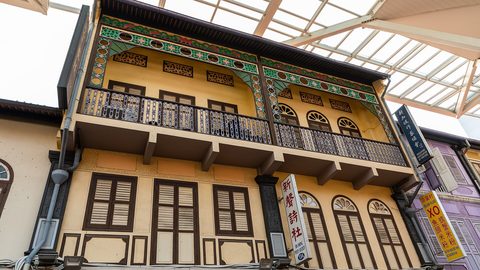 Where to Stay in Singapore for Neighbourhood Character Not Just a Bed
Compare Singapore's neighbourhoods by the experience of waking up there, hawker breakfasts, shophouse streets, or skyline views, not by distance to a landmark the MRT erases.
Where to Stay in Singapore for Neighbourhood Character Not Just a Bed
Compare Singapore's neighbourhoods by the experience of waking up there, hawker breakfasts, shophouse streets, or skyline views, not by distance to a landmark the MRT erases.
-
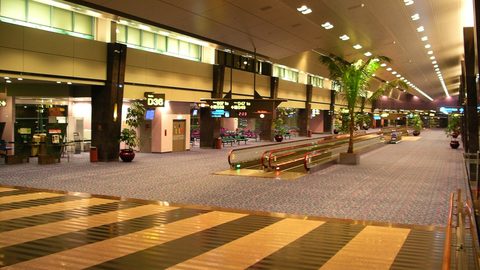 Flying Into Changi Airport Singapore and Making the Stopover Work
Changi Airport turns a Singapore stopover into a free mini-trip. How long you need to clear immigration, eat a hawker meal, and still make your connection.
Flying Into Changi Airport Singapore and Making the Stopover Work
Changi Airport turns a Singapore stopover into a free mini-trip. How long you need to clear immigration, eat a hawker meal, and still make your connection.
-
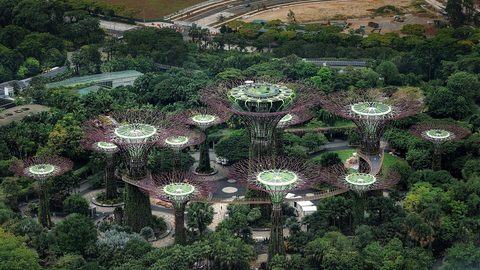 Singapore Things to Do With Only Three Days and Brutal Midday Heat
Hard calls on which Singapore sights earn limited days: Gardens by the Bay and Botanic Gardens are non-negotiable, Sentosa is skippable, and everything bends around the 11am-to-3pm heat.
Singapore Things to Do With Only Three Days and Brutal Midday Heat
Hard calls on which Singapore sights earn limited days: Gardens by the Bay and Botanic Gardens are non-negotiable, Sentosa is skippable, and everything bends around the 11am-to-3pm heat.
-
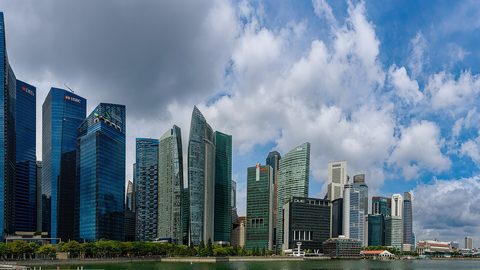 Best Time to Visit Singapore When One Degree From the Equator
Singapore sits one degree from the equator so temperature barely shifts, plan around monsoon rains, Chinese New Year hawker closures, haze season, and F1 hotel price spikes instead.
Best Time to Visit Singapore When One Degree From the Equator
Singapore sits one degree from the equator so temperature barely shifts, plan around monsoon rains, Chinese New Year hawker closures, haze season, and F1 hotel price spikes instead.
-
 Katong and Joo Chiat
-
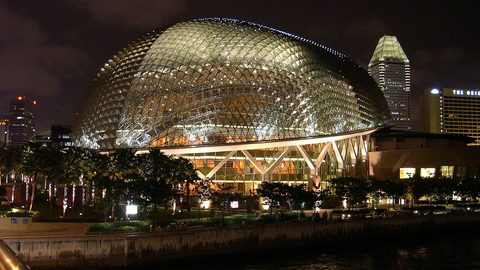 Civic District
Walk Singapore's colonial core from Raffles Hotel to the river, connecting the Padang, National Gallery, and Asian Civilisations Museum in one shaded morning route.
Civic District
Walk Singapore's colonial core from Raffles Hotel to the river, connecting the Padang, National Gallery, and Asian Civilisations Museum in one shaded morning route.
-
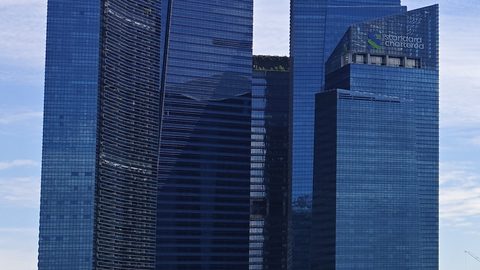 Marina Bay
 works best as a two-evening postcard loop, Supertree light show, SkyPark sunset, waterfront walk, not as a base. Sleep somewhere with hawker centres instead.
Marina Bay
Marina Bay works best as a two-evening postcard loop, Supertree light show, SkyPark sunset, waterfront walk, not as a base. Sleep somewhere with hawker centres instead.