Singapore's Seasons Are Not What You Expect
Singapore sits one degree from the equator so temperature barely shifts, plan around monsoon rains, Chinese New Year hawker closures, haze season, and F1 hotel price spikes instead.
Singapore’s Seasons Are Not What You Expect
You step out of Changi Airport and the air hits you like a wet towel, 27°C and 85% humidity at 10pm on a Tuesday. The temperature has not changed since you booked the flight. It will not change tomorrow. Singapore sits at 1°17′N, one degree from the equator, and that fact drives every decision about when to visit more than any weather forecast ever will.
The annual temperature range is 24°C to 33°C. The daily mean sits at 27°C to 28°C every month. Humidity runs 70% to 85% during daytime and hits 90% to 100% by early morning. The variable is not heat. It is rain. And rain is not the only disruption. Events, closures, haze and price spikes shift across the calendar in ways that matter more than a few millimetres of precipitation.
You want the short answer: visit in March or November for cheapest flights and hotels, lowest crowds and no major event closures. But that answer skips the question you actually have, which is what you miss and what you gain at each point in the year.
.jpg)
Rain is Predictable, but Not the Problem
How the Monsoons Actually Work
Singapore has four defined seasons, none of them thermal. The northeast monsoon runs December to early March, bringing persistent moderate rain with occasional afternoon showers. Monsoon surges can deliver prolonged heavy rain for a day or two. The southwest monsoon runs June to September, producing short intense thunderstorms predominantly between 14:00 and 18:00 that last 30 to 90 minutes. The inter monsoons, late March to May and October to November, bring the heaviest rainfall of the year, frequent late afternoon and early evening thunderstorms that start suddenly.
The driest month in some data sets is February. The wettest is December. Annual average is 2,166mm. None of these numbers should change your plans. Every afternoon thunderstorm passes in under 90 minutes. Carry a compact umbrella from your hotel lobby and wait it out in a hawker centre over a bowl of bak kut teh at Ng Ah Sio.
The Heat, Not the Rain, Dictates Your Day
The heat between 11am and 3pm is the real constraint. A day without air conditioned indoor blocks during that window is a sufferfest. Plan your outdoor activities for 07:00 to 10:30 or 17:00 to 20:00. Use 11:00 to 16:00 for the cooled conservatories at Gardens by the Bay, the National Gallery Singapore, or the Asian Civilisations Museum.
The Calendar Has Three Price Spikes and One Avoid Window
December to January: Peak Rates and Monsoon Cool
December to January is peak season. Christmas and New Year lights decorate Orchard Road and Marina Bay. The monsoon cools the air by a few degrees. Hotel rates hit their highest of the year. Budget tier rooms average SGD 80 to SGD 150 but those are hard to find in December. Mid tier averages SGD 200 to SGD 400. Luxury runs SGD 600 to SGD 1,500 plus. Book by August or accept 30% premium over March rates. Flights are most expensive in the same window.
Chinese New Year, January or February, closes many hawker stalls and family run shops for 2 to 3 days. Tian Tian Hainanese Chicken Rice in Maxwell Food Centre may be closed. Reserve a backup plan at a hotel restaurant that day. Hotel rates also peak during this period.
June to July: Sales, Rehearsals and Storms
June to July brings the Great Singapore Sale and school holidays. Hotel rates are high but below Christmas peaks. The southwest monsoon means you dodge thunderstorms indoors between 14:00 and 18:00. National Day fireworks rehearsals happen on Saturdays in June and July, free to watch from Marina Bay. Book the rehearsal Saturdays, not the actual National Day on 9 August, which packs the waterfront to unsafe levels.
September to October: The Grand Prix Spike
September carries the Formula 1 Singapore Grand Prix. The 2025 race runs 3 to 5 October. Hotel rates spike to the highest of the year during that weekend. A 3 day grandstand ticket ranges SGD 298 to SGD 1,288. Road closures cut off Marina Centre from normal traffic. Avoid this week unless you come for the race. If you do come, book a hotel within walking distance of the circuit to escape the ride hail surge after midnight, when the MRT shuts down and Grab charges three times normal fare.
| Month | Rain Pattern | Key Event | Price Warning |
|---|---|---|---|
| January | Northeast monsoon, persistent moderate rain | Chinese New Year (variable) | Hotel rates peak, hawker closures for CNY |
| February | Driest in some datasets, occasional showers | Thaipusam (variable) | Cheapest flight month, cheapest hotels |
| March | Inter monsoon begins, heavier late day storms | School holidays | Low season rates, good value |
| April | Inter monsoon, heaviest rainfall period | Good Friday | Low season, good availability |
| May | Inter monsoon continues, frequent thunderstorms | Labour Day | Rates start rising, moderate |
| June | Southwest monsoon begins, short intense PM storms | National Day rehearsals (Saturdays), Great Singapore Sale | Peak season, high hotel rates |
| July | Southwest monsoon, PM thunderstorms | Great Singapore Sale continues, rehearsals | Peak season, high rates |
| August | Southwest monsoon, haze risk begins | National Day (9 Aug) | Haze risk, high rates around National Day |
| September | Southwest monsoon, haze peak months | F1 Grand Prix (variable) | Highest hotel rates of year, road closures |
| October | Inter monsoon, heavy rainfall, haze risk | F1 in 2025 (3-5 Oct), Deepavali (variable) | High rates during F1, moderate otherwise |
| November | Inter monsoon, heaviest rainfall of year | Deepavali (variable) | Cheapest rates, cheap flights |
| December | Northeast monsoon, wettest month | Christmas, New Year | Peak rates, Christmas lights, monsoon cool |
.jpg)
Haze is the Wild Card Nobody Warns You About
Between August and October, land clearing fires in Sumatra and Kalimantan can send a shroud of haze across Singapore. The National Environment Agency monitors the 24 hour Pollutant Standards Index. At PSI above 150, healthy persons should reduce outdoor activity. At PSI above 300, everyone should avoid it. The worst recorded 24 hour PSI was 401 on 21 September 2024, which gives you the scale.
You cannot predict haze. It is worse in El Niño years. It changes week to week. Check haze.gov.sg three days before departure. If PSI sits above 150, reschedule or plan a fully indoor itinerary. The Cloud Forest and Flower Dome at Gardens by the Bay, the National Museum of Singapore and the Asian Civilisations Museum all work. Skip the Southern Ridges trail, MacRitchie TreeTop Walk and Sentosa beaches. Do not gamble on a clear sky in September or October.
Frequently Asked Questions
What is the cheapest month to visit Singapore?
February, March, October and November offer the lowest hotel rates and cheapest flights. Book a mid tier hotel for SGD 200 to SGD 400 per night instead of the SGD 600 plus you pay in December.
When do hawker stalls close for Chinese New Year?
Many hawker stalls and family run shops close for 2 to 3 days during Chinese New Year, which falls in late January or mid February depending on the lunar calendar. Tian Tian Hainanese Chicken Rice and other famous stalls may be closed. Plan to eat at hotel restaurants or mall food courts on those days.
Is September a bad time to visit because of the Grand Prix?
The Formula 1 Singapore Grand Prix weekend in September or October spikes hotel rates to the highest of the year and closes roads in the Marina Centre area. If you are not attending the race, avoid that weekend entirely. The rest of September carries haze risk from Sumatran fires, which is the bigger concern.
Does it rain every day in Singapore?
Expect rain on most days, but the duration matters. Tropical thunderstorms last 30 to 90 minutes and arrive suddenly between 14:00 and 17:00. The southwest monsoon from June to September produces short intense downpours. The inter monsoon periods from March to May and October to November bring heavier but still brief storms. Carry a compact umbrella and wait it out.
What is the best month for outdoor activities?
February offers the fewest rain interruptions and the lowest hotel rates. The Thaipusam procession route from Sri Srinivasa Perumal Temple to Sri Thendayuthapani Temple takes place in that window. Avoid outdoor activities between 11:00 and 15:00 regardless of month due to extreme UV index above 11 and 33°C heat.
Read next
-
 Singapore eSIM, Tourist SIM Cards and Free Public Wi-Fi Compared
Singapore offers eSIMs, 100GB tourist SIM cards from S$12 at Changi, and free public Wi-Fi. The real essential is downloading Grab before you land, because setup requires an SMS code.
Singapore eSIM, Tourist SIM Cards and Free Public Wi-Fi Compared
Singapore offers eSIMs, 100GB tourist SIM cards from S$12 at Changi, and free public Wi-Fi. The real essential is downloading Grab before you land, because setup requires an SMS code.
-
 Singapore Hotels by Type and Budget Not by Neighbourhood
Singapore hotels sorted by property type and price band, skyline towers, shophouse boutiques, family chains, and transit sleepers, with honest notes on what S$400 actually buys here.
Singapore Hotels by Type and Budget Not by Neighbourhood
Singapore hotels sorted by property type and price band, skyline towers, shophouse boutiques, family chains, and transit sleepers, with honest notes on what S$400 actually buys here.
-
 Where to Stay in Singapore for Neighbourhood Character Not Just a Bed
Compare Singapore's neighbourhoods by the experience of waking up there, hawker breakfasts, shophouse streets, or skyline views, not by distance to a landmark the MRT erases.
Where to Stay in Singapore for Neighbourhood Character Not Just a Bed
Compare Singapore's neighbourhoods by the experience of waking up there, hawker breakfasts, shophouse streets, or skyline views, not by distance to a landmark the MRT erases.
-
 Flying Into Changi Airport Singapore and Making the Stopover Work
Changi Airport turns a Singapore stopover into a free mini-trip. How long you need to clear immigration, eat a hawker meal, and still make your connection.
Flying Into Changi Airport Singapore and Making the Stopover Work
Changi Airport turns a Singapore stopover into a free mini-trip. How long you need to clear immigration, eat a hawker meal, and still make your connection.
-
 Singapore Things to Do With Only Three Days and Brutal Midday Heat
Hard calls on which Singapore sights earn limited days: Gardens by the Bay and Botanic Gardens are non-negotiable, Sentosa is skippable, and everything bends around the 11am-to-3pm heat.
Singapore Things to Do With Only Three Days and Brutal Midday Heat
Hard calls on which Singapore sights earn limited days: Gardens by the Bay and Botanic Gardens are non-negotiable, Sentosa is skippable, and everything bends around the 11am-to-3pm heat.
-
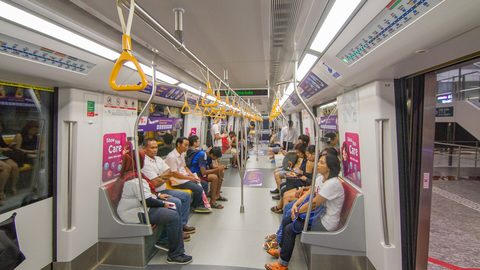 Getting Around Singapore on the MRT With Three Details That Matter
Singapore's MRT is genuinely easy, tap a contactless card at the gate, but three details trip visitors up: the midnight shutdown, post-midnight Grab surge, and CBD kerbside pickup bans.
Getting Around Singapore on the MRT With Three Details That Matter
Singapore's MRT is genuinely easy, tap a contactless card at the gate, but three details trip visitors up: the midnight shutdown, post-midnight Grab surge, and CBD kerbside pickup bans.
-
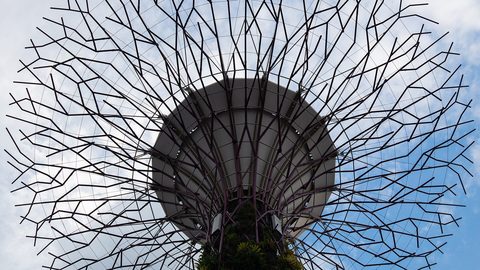 Gardens by the Bay
-
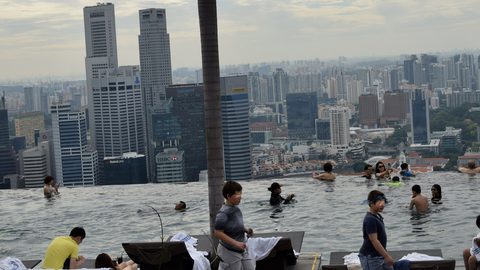 Marina Bay Sands
-
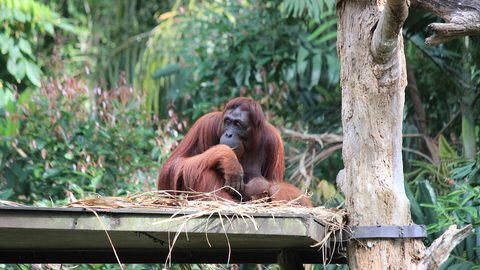 Singapore Zoo and the Mandai parks