Singapore Neighbourhoods Worth Waking Up In
Compare Singapore's neighbourhoods by the experience of waking up there, hawker breakfasts, shophouse streets, or skyline views, not by distance to a landmark the MRT erases.
The Real Tradeoff is Not Location, it is Morning
Every Singapore neighbourhood is within 30 minutes of every other by MRT. The idea that you base yourself in one district to be close to the sights collapsed the day the Circle Line opened. What you are actually choosing, when you pick where to sleep, is the experience of the first two hours of your day. Your breakfast options. Whether you step out into a street that is silent or one that smells of frying garlic and incense at 7am. Whether your hotel is an adjacent tower in a climate-controlled sky lobby or a converted shophouse with a ceiling fan that does not quite keep up with the humidity.
The cost of getting this choice wrong is not wasted transit time. It is a Singapore trip that feels like a blur of air-conditioned lobbies and tarmac heat, because your starting point gave you no reason to walk out the door before 10am. Neighbourhoods differ most in what it is like to wake up there, and what you trade away for that start.
,_China_Town,_Smith_Street_--_2019_--_4521.jpg)
Where You Wake Up Shapes Every Meal and Every Hour
Marina Bay
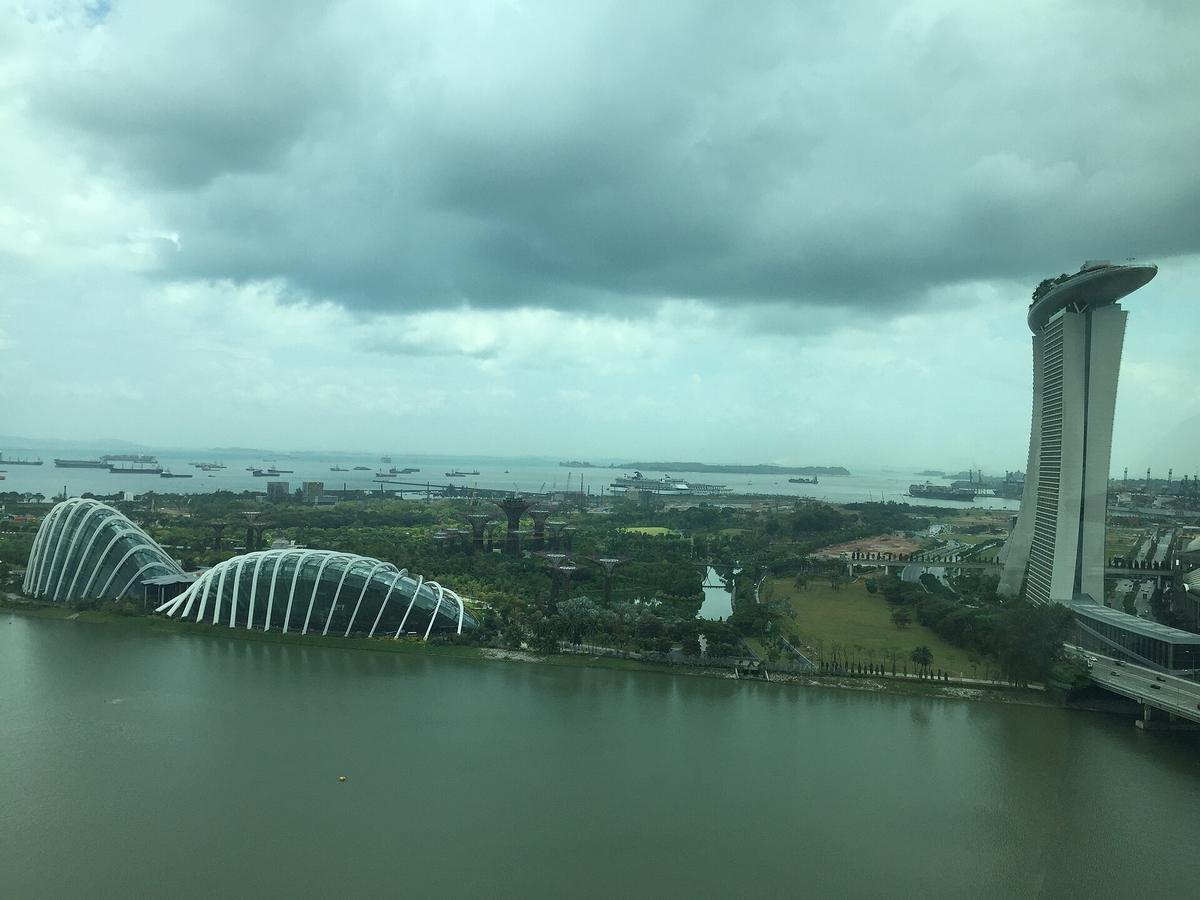
Marina Bay is for the traveller who wants the hotel room to be the destination. You wake up to a wall of glass looking at the Supertree Grove or the harbour, you eat breakfast on property, and you take a lift to the SkyPark observation deck before the midday heat settles in. The downside is that you are paying SGD 350 to 1,200+ a night for a view that goes dead after 10pm, because the streets around the bay are empty and the food options within walking distance are hotel restaurants and a handful of touristfacing hawker stalls. If your trip is built around Gardens by the Bay, the ArtScience Museum and the casino at Marina Bay Sands, this is your base. If you want to eat a proper bowl of laksa in your pyjamas at 9am, it is not.
Chinatown and Tanjong Pagar
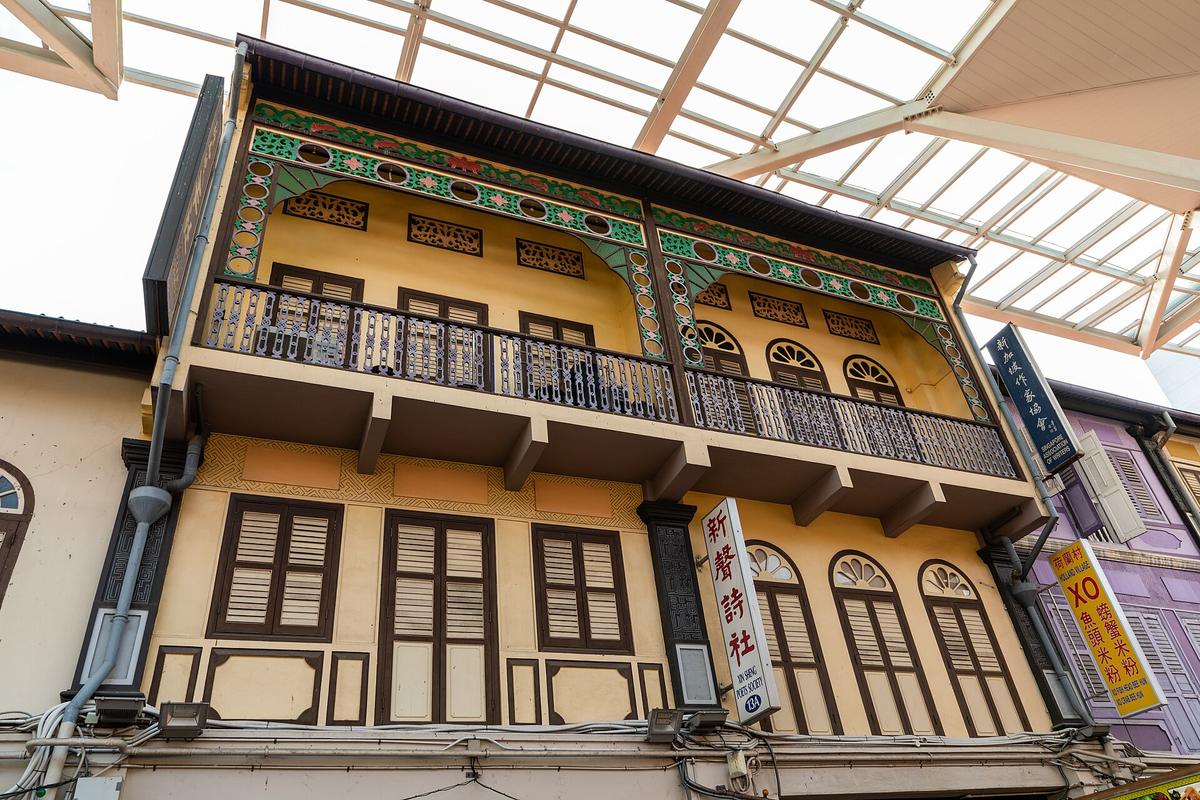
Chinatown and Tanjong Pagar, covering the NE, DT and EW lines, are the strongest middle ground on the island. The nightly price band, SGD 120 to 500, is the widest and most forgiving on this list. You wake up in a restored shophouse hotel or a midrange chain, walk 200 metres to a Maxwell Food Centre stall that has been making chicken rice for 40 years, and you are two stops from Marina Bay on the MRT. The tradeoff is noise. Tanjong Pagar bars run until 2 or 3am on weekends, and the food streets in the Chinese quarter stay active until 11pm. If you need silence by 10pm, do not stay here.
Little India
Little India, at SGD 80 to 300, is the cheapest district with real character. You wake up to the smell of mustard seed frying at Tekka Market, the sound of temple bells from Sri Veerakaliamman, and the 24hour pull of Mustafa Centre if you cannot sleep. The downside is that this is sensory maximalism on a schedule that does not respect jet lag. If you find dense crowds, unrelenting noise and the smell of spice stalls overwhelming before your second coffee, Little India will exhaust you before lunch. It is not a soft landing for firsttime Asia visitors. It is the correct choice for travellers who want to feel like they are in Southeast Asia, not in a garden city with an excellent mall.
Kampong Glam and Bugis
Kampong Glam and Bugis, SGD 100 to 400, give you Haji Lane boutiques, Sultan Mosque visible from your hotel window, and shisha cafés open until 1am. The tradeoff: you trade the highrise luxury district entirely. There is no five star lobby in Kampong Glam; the best accommodation here is a converted shophouse with thin walls and no pool. If you want a pool and room service, stay somewhere else and visit Kampong Glam for dinner.
Katong and Joo Chiat
Katong and Joo Chiat, priced SGD 100 to 350, are for the food pilgrim who has researched their itinerary. You wake up to a residential street lined with Peranakan shophouses, walk three minutes to 328 Katong Laksa for a bowl of coconutty noodles you eat with a spoon, and spend the morning on East Coast Park. The tradeoff is that you are not on a direct MRT line to the downtown cluster. Marine Parade and Katong Park stations on the ThomsonEast Coast Line serve the area, but a trip to Marina Bay requires a transfer. This is correct if breakfast is the highlight of your travel day. It is wrong if you want to fall out of your hotel onto the doorstep of the National Gallery.
Tiong Bahru
Tiong Bahru is for the traveller who wants to pretend they live here. You wake up, walk to Tiong Bahru Market for kaya toast and softboiled eggs at the Ya Kun stall, browse the indie bookshop next door, and feel smug about avoiding the Orchard Road rat race. The district is small, the art deco architecture is specific, and the brunch crowd at the cafés is heavy on expats and laptop workers. The downside: Tiong Bahru is quiet to the point of boredom after 9pm, and the accommodation inventory is tiny. You will likely stay in a serviced apartment or a boutique hotel with limited service. This is a two night base at most before the novelty of being a local wears thin.
Orchard Road
Orchard Road is the trap. The price band is SGD 200 to 800, the malls close at 9:30pm, the area goes dead by 11pm, and there is no street food worth walking for. You wake up in a global luxury hotel brand, you step into a climate controlled underground mall corridor, and you could be in Dubai or Hong Kong or any other Asian shopping capital. The single reason to stay here is if you came to Singapore exclusively to shop luxury brands. If shopping is not the entire trip, Orchard Road is a mistake. You will waste the earlymorning hours when the city is walkable because there is nothing to walk to.
Clarke Quay
Clarke Quay, SGD 150 to 600, is for the traveller who wants nightlife at their doorstep. The clubs run until 3 or 4am, the riverfront restaurants stay open late, and you can stumble back to your hotel without a cab. The tradeoff: the area is a sanitised party strip that no local over 25 would choose for a night out. The character is manufactured, the food is overpriced, and on weekend nights the noise is significant. If you want late night activity and you are not fussy about authenticity, it works. If you want to sleep before midnight on a Friday, pick a different neighbourhood.
Sentosa
Sentosa, SGD 250 to 1,500+, is a separate reality. You wake up on a manmade island with beach clubs, Universal Studios, and the S.E.A. Aquarium. The tradeoff is that there is no MRT station on the island. Every trip to the mainland requires the Sentosa Express monorail, the cable car, or a taxi over the bridge. A spontaneous 20 minute trip into the city becomes a 45 to 60 minute round trip with the overhead of crossing onto and off the island. Stay here only if your itinerary is Sentosa itself. If you plan to spend significant time in the city, the transit cost will frustrate you.
The Three Day Test
Singapore requires a minimum of three full days. One day for the colonial core and Marina Bay, one for the ethnic districts and food, one for the Botanic Gardens, Orchard Road and Sentosa or a nature reserve. That schedule is tight even with the MRT. If you are staying on Sentosa, your day at the Botanic Gardens now requires a 40 minute journey each way plus the wait for the monorail. If you are staying in Katong, your morning at Marina Bay requires a transfer at Paya Lebar. This is not a reason to change your base. It is a reason to check your transit times before you book.
The heat is the factor most travellers underestimate. Between 11am and 3pm the humidity is debilitating. A base in Chinatown or Tiong Bahru, where you can retreat to an airconditioned room or a coffee shop within five minutes of stepping outside, is more valuable than a base on Sentosa where the distance to air conditioning is a 200 metre walk across hot sand.
How the District Map Breaks Down by Practical Limits
Budget: SGD 80 to 300
Budget travellers have three viable options: Little India, Katong, and the side streets of the Chinese quarter. Little India gives you the most character for the lowest price but demands tolerance for noise and crowds. Katong gives you quiet mornings and excellent food but a longer commute to the core sights. The area around Smith Street gives you central location but at the cost of quiet after dark. There is no perfect choice in this bracket. Accept the tradeoff that matters least to you.
Luxury: SGD 350 to 1,500+
Travellers in the upper band have Marina Bay and Sentosa as the luxury options. Marina Bay wins for proximity to the citys headline sights and for the skyline experience. Sentosa wins for families who want beach clubs and Universal Studios without leaving their resort. Neither option gives you access to local food culture within walking distance. That is the price of the view.
Midrange: SGD 100 to 500
Midrange travellers have the widest field. Kampong Glam for boutique character and late night cafés. Tanjong Pagar for Korean BBQ and proximity to the Chinese quarter. Tiong Bahru for quiet and bookshops. Clarke Quay for nightlife. Your limiting factor is not price. It is whether you can sleep through noise.
- For food pilgrims: Katong or the Maxwell area. Katong for breakfast, the hawker centre cluster for lunch and dinner options within a 5 minute walk.
- For firsttime Asia visitors: The Chinese quarter or Kampong Glam. Both offer a curated version of Asian neighbourhoods with English spoken everywhere.
- For families: Sentosa for the resort experience, the Tanjong Pagar end for the conveniences of central location and quiet after 10pm if you choose a hotel away from the main food street.
- For solo travellers wanting nightlife: Clarke Quay or Kampong Glam. Clarke Quay for clubs, Kampong Glam for shisha and lowkey bars.
- For travellers who hate their own decision: Orchard Road. You will regret it by day two, but the hotel will be comfortable.

What Makes a Base Unworkable
Three things disqualify a district as a base for most travellers. The first is the MRT shutdown at midnight. If your area has limited late night dining options, as Orchard Road and Tiong Bahru do, missing the last train leaves you paying surge pricing on a ridehail that triples the cost of your dinner. The second is Sentosa's transit overhead. A 15 to 25 minute penalty each way limits spontaneous returns to your room for a midday break. The third is noise for light sleepers. Clarke Quay on a Friday night and Little India on a weekend morning are not negotiable. If you need quiet, Katong and Tiong Bahru are your only choices below the luxury price band.
One Practical Step Before You Search Hotels
Open a map of Singapore. Mark Marina Bay, Chinatown, Kampong Glam, Little India and Katong. Now draw a 10 minute walking radius around each. The winning district is the one where the radius includes a hawker centre you would happily eat at three times, an MRT station you can reach without crossing a major road, and a convenience store within 200 metres. That is not a romantic image of Singapore travel. It is the single factor that determines whether you enjoy your trip or spend it sweating in a taxi to find dinner.
Frequently Asked Questions
Is Sentosa worth the transit hassle for a three night stay?
Only if your itinerary is Sentosa itself. If you plan to spend two of your three days at Universal Studios, the S.E.A. Aquarium and the beach clubs, the transit overhead does not matter. If you plan to spend each afternoon in the city, the 15 to 25 minute journey each way plus the monorail wait will frustrate you by day two.
Does Orchard Road have any advantage over other districts?
One: if your trip exists to shop luxury brands, the proximity of Ion Orchard, Paragon and Ngee Ann City under one hotel lobby saves you time. That is the only advantage. There is no street food, no local character, and the area goes dead by 11pm.
Can I rely on the MRT to reach every neighbourhood from Katong?
Yes, but with a transfer. Marine Parade and Katong Park stations on the ThomsonEast Coast Line connect to the network, but a trip to Marina Bay requires changing lines at Caldecott or Orchard. Budget 10 extra minutes per journey compared to staying in Chinatown.
Which district has the cheapest accommodation with the most local character?
Little India. The SGD 80 to 300 price band includes hostels, budget hotels and midrange properties all within walking distance of Tekka Market, Little India Arcade and Mustafa Centre. The character is unpolished and loud. That is the tradeoff.
What is the best base for a traveller who cannot handle spicy food and wants familiar breakfast options?
Chinatown. The hawker centres around Maxwell and Smith Street have non spicy options at every stall, and Ya Kun Kaya Toast is available at Chinatown Point. You get central location with the lowest sensory overload.
Read next
-
 Singapore eSIM, Tourist SIM Cards and Free Public Wi-Fi Compared
Singapore offers eSIMs, 100GB tourist SIM cards from S$12 at Changi, and free public Wi-Fi. The real essential is downloading Grab before you land, because setup requires an SMS code.
Singapore eSIM, Tourist SIM Cards and Free Public Wi-Fi Compared
Singapore offers eSIMs, 100GB tourist SIM cards from S$12 at Changi, and free public Wi-Fi. The real essential is downloading Grab before you land, because setup requires an SMS code.
-
 Singapore Hotels by Type and Budget Not by Neighbourhood
Singapore hotels sorted by property type and price band, skyline towers, shophouse boutiques, family chains, and transit sleepers, with honest notes on what S$400 actually buys here.
Singapore Hotels by Type and Budget Not by Neighbourhood
Singapore hotels sorted by property type and price band, skyline towers, shophouse boutiques, family chains, and transit sleepers, with honest notes on what S$400 actually buys here.
-
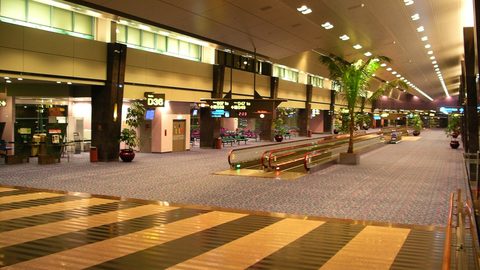 Flying Into Changi Airport Singapore and Making the Stopover Work
Changi Airport turns a Singapore stopover into a free mini-trip. How long you need to clear immigration, eat a hawker meal, and still make your connection.
Flying Into Changi Airport Singapore and Making the Stopover Work
Changi Airport turns a Singapore stopover into a free mini-trip. How long you need to clear immigration, eat a hawker meal, and still make your connection.
-
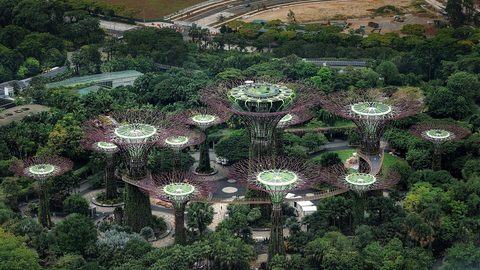 Singapore Things to Do With Only Three Days and Brutal Midday Heat
Hard calls on which Singapore sights earn limited days: Gardens by the Bay and Botanic Gardens are non-negotiable, Sentosa is skippable, and everything bends around the 11am-to-3pm heat.
Singapore Things to Do With Only Three Days and Brutal Midday Heat
Hard calls on which Singapore sights earn limited days: Gardens by the Bay and Botanic Gardens are non-negotiable, Sentosa is skippable, and everything bends around the 11am-to-3pm heat.
-
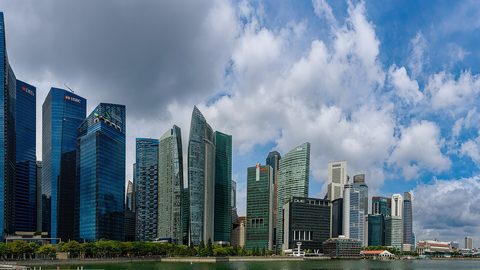 Best Time to Visit Singapore When One Degree From the Equator
Singapore sits one degree from the equator so temperature barely shifts, plan around monsoon rains, Chinese New Year hawker closures, haze season, and F1 hotel price spikes instead.
Best Time to Visit Singapore When One Degree From the Equator
Singapore sits one degree from the equator so temperature barely shifts, plan around monsoon rains, Chinese New Year hawker closures, haze season, and F1 hotel price spikes instead.
-
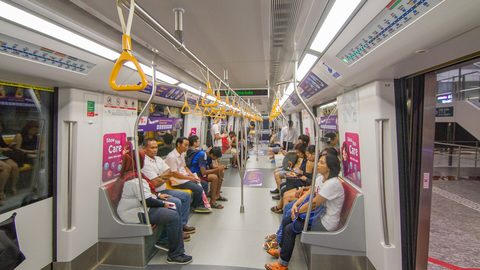 Getting Around Singapore on the MRT With Three Details That Matter
Singapore's MRT is genuinely easy, tap a contactless card at the gate, but three details trip visitors up: the midnight shutdown, post-midnight Grab surge, and CBD kerbside pickup bans.
Getting Around Singapore on the MRT With Three Details That Matter
Singapore's MRT is genuinely easy, tap a contactless card at the gate, but three details trip visitors up: the midnight shutdown, post-midnight Grab surge, and CBD kerbside pickup bans.
-
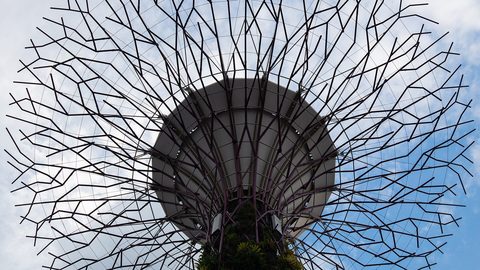 Gardens by the Bay
-
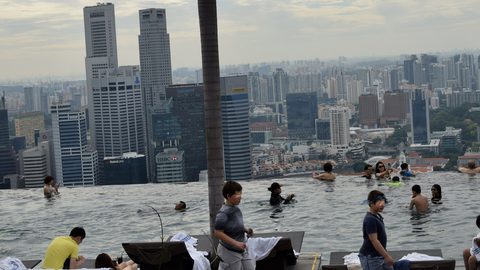 Marina Bay Sands
-
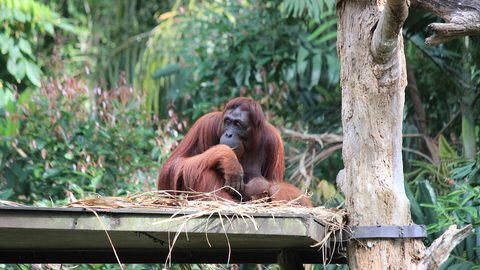 Singapore Zoo and the Mandai parks