What A Day In Beijing Costs From Backpacker Dorm To Courtyard Hotel
A realistic Beijing daily budget ranges from ¥400 for hostels and street food to ¥2000+ for courtyard hotels and roast duck dinners.
The One Number That Matters Before You Pack
A realistic daily spend in Beijing moves through three distinct bands. The lowest one is not ¥100. Backpacker budget runs ¥250 to ¥400 per person per day. Mid-range is ¥800 to ¥1,500. Comfortable starts at ¥2,000. The line items that swing those totals are hotel district choice, whether you take taxis or the metro, and whether you eat in mall food courts or hutong stalls. Everything else is fixed: admission prices, metro fares, bottled water.
Budget Tier: Under ¥400 Per Day
Where You Sleep And How You Move
This is a hostel dorm, street food, metro only, and one major paid sight per day. Accommodation costs ¥80 to ¥180 a night for a dorm bed in a hutong hostel outside central Dongcheng. That is your biggest variable. It means you commit to a 20- to 30-minute metro ride to reach the Forbidden City or Temple of Heaven every morning.
What You Spend On
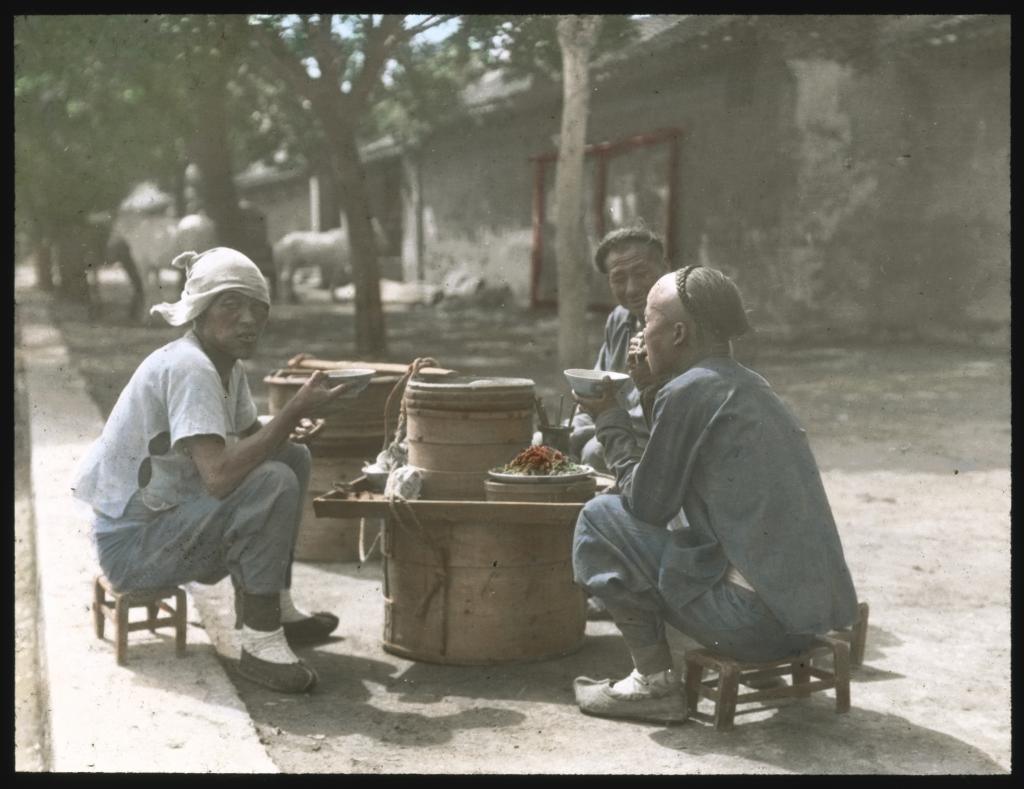
Food runs ¥60 to ¥100 per day. A jianbing from a street cart costs ¥6 to ¥12. A bowl of zhajiangmian at a local noodle shop is ¥15 to ¥30. You skip whole duck dinners at this tier. Metro fares are ¥3 to ¥9 per trip, and with the Yikatong discount of 20% off after ¥100 cumulative monthly spend, you pay ¥15 to ¥25 for a day of transit between five sites. Bottled water from a convenience store costs ¥2 to ¥3 per 500 ml. At tourist sites the same bottle is ¥5 to ¥10. Fill up before you enter.
The Failure Case
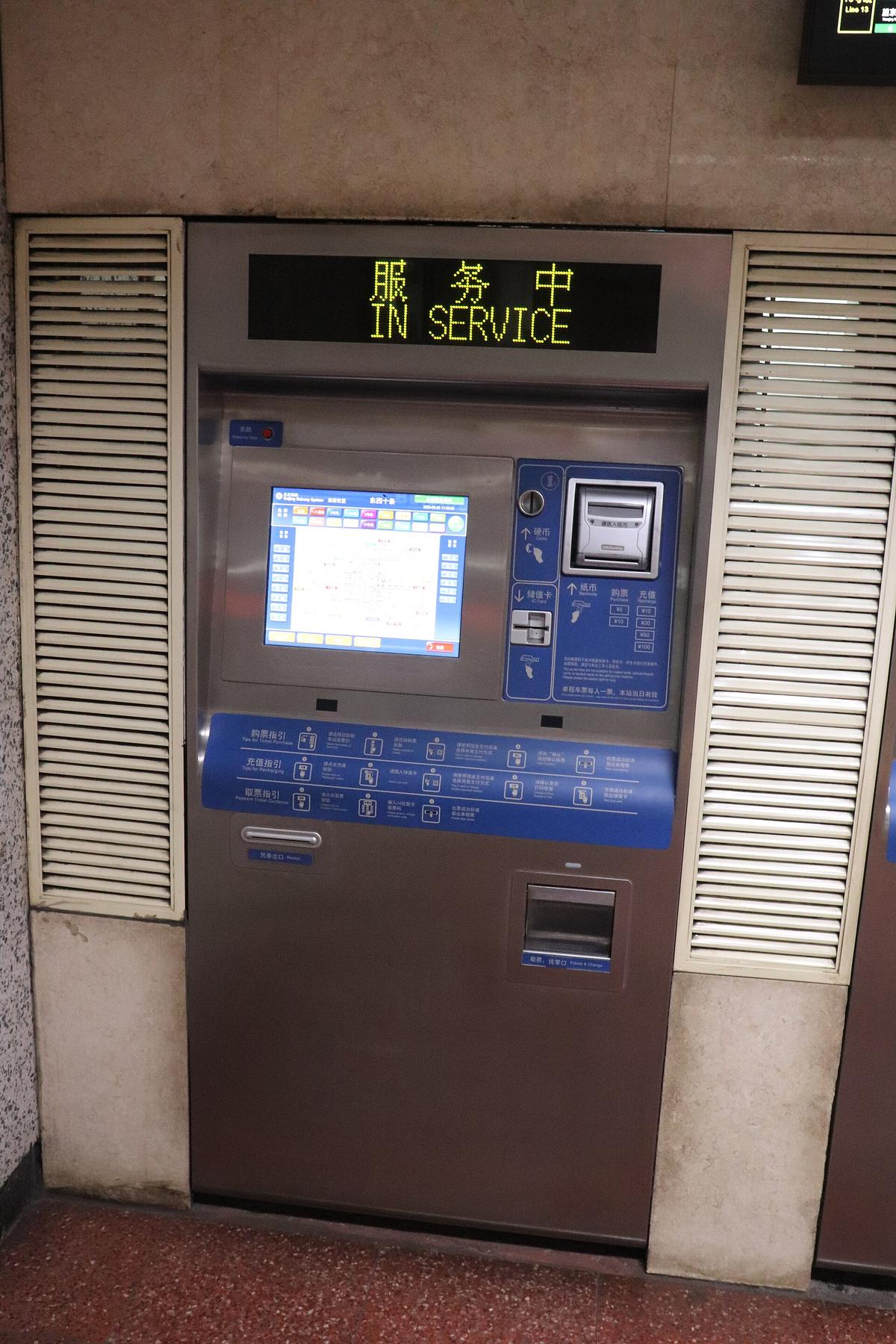
You skip the Yikatong card and buy single journey tickets. Single journey tickets cost the same base fare but have no discount path and require queuing at a machine with cash. The Yikatong deposit is ¥20 and refundable at designated stations. Get the card at any metro station ticket office, not from a machine.
.jpg)
Mid Range Tier: ¥800 to ¥1,500 Per Day
The Room And The Premium You Skip
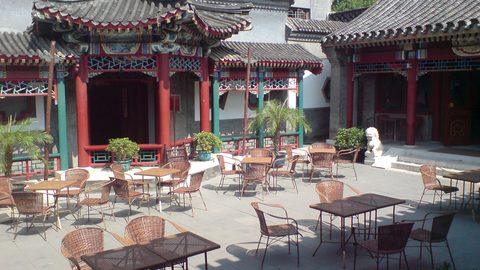
This tier buys a private room in a three star or boutique hotel on the Dongcheng fringe or within 20 minutes of a Line 2 metro stop, two proper restaurant meals, and the option to take taxis for the worst transfers. Accommodation runs ¥350 to ¥700 per night. The premium for sleeping inside central Dongcheng versus that fringe location is ¥200 to ¥500 per night on top of the room rate. Skip the premium unless the extra 40 minutes of transit time each day matters more to you than the money.
Where The Money Goes
Food hits ¥150 to ¥300 per day. You order a whole duck at Siji Minfu for ¥228 to ¥268 at 2024 rates. The published figure changes each year; check the restaurant's current menu online before you go. A hotpot dinner for two at a mid range chain like Haidilao runs ¥200 to ¥350 total. Taxi flagfall is ¥13 for the first 3 km, then ¥2.3 per km after that. A trip from Dongcheng to the Summer Palace in daytime costs ¥40 to ¥60. Didi is 10 to 30% cheaper than the metered taxi for the same route. Verify the exact Didi estimate in app before you confirm the ride.
When To Take The Metro Instead
During rush hour 07:30 to 09:00 and 17:30 to 19:30, the metro is faster than a taxi on Line 1, Line 2, Line 10, and Line 5. Taxis incur a waiting charge of ¥2.3 per 5 minutes in congestion. If your hotel is on or near one of those lines, take the train and save both time and money.
| Item | Budget (Under ¥400) | Mid-Range (¥800–¥1,500) | Comfortable (¥2,000+) |
|---|---|---|---|
| Accommodation | Hostel dorm, ¥80–¥180, outside central Dongcheng | 3-star or boutique room, ¥350–¥700, Dongcheng fringe | 4–5 star hotel, ¥900–¥1,800, central Dongcheng or CBD |
| Food daily | ¥60–¥100, street food and noodle shops | ¥150–¥300, restaurant meals including one duck dinner | ¥400–¥800, fine dining and multiple sit-down meals |
| Transit daily | Metro only, ¥15–¥25 | Mix of metro and 1–2 taxis, ¥40–¥80 | Taxis and Didi, ¥100–¥200 |
| Major sight admission | One site per day, ¥15–¥40 | One site + optional through-ticket, ¥40–¥60 | Multiple sites including through-tickets, ¥60–¥120 |
| Water | Convenience store bottles, ¥2–¥3 each | Convenience store bottles, ¥2–¥3 each | Hotel bottles included |
| Total without accommodation | ¥100–¥200 | ¥250–¥500 | ¥600–¥1,200 |
| Total with accommodation | ¥250–¥400 | ¥800–¥1,500 | ¥2,000–¥3,000 |
Comfortable Tier: ¥2,000+ Per Day
The Spend
At this level you stay in a four or five star hotel in central Dongcheng or the CBD, eat whatever you want including dinner at Da Dong or Quanjude, take taxis or Didi exclusively, and add the expensive day trip items like cable cars and toboggans at the Great Wall. Accommodation runs ¥900 to ¥1,800 per night. Food costs ¥400 to ¥800 per day. A whole duck at Dadong was ¥298 to ¥398 in 2024; the rate is revised annually, so confirm the current menu price. A whole duck at Quanjude was ¥258 to ¥328 in the same period. Both are published figures that change.
The Day Trip That Tests Your Budget
A full day at Mutianyu Great Wall costs ¥275 in base fees at 2024 rates: entrance ¥40, mandatory shuttle bus round trip ¥15, cable car round trip ¥140, and round trip bus from Dongzhimen ¥80. Verify these rates on the Mutianyu official site before you go. Add the toboggan down for another ¥100 at 2024 rates. The cable car is not a luxury choice at this tier. It is a time saver. If you hike up and down instead, budget 45 extra minutes each direction and carry water. The price at the top is ¥5 to ¥10 per bottle.
What The Extra Money Actually Gets You
Sleeping in central Dongcheng instead of a Line 2 fringe saves you 20 minutes of metro time each way. Taking a taxi to the Summer Palace instead of the metro saves 15 minutes. The real gain is not speed. It is that you arrive at the Temple of Heaven by 07:00 to watch the morning rituals before the crowds hit, because you are not tied to the first metro train. That is what the premium buys you.

The Unavoidable Costs That Catch First-Timers
The Big Three Sights
Forbidden City admission is ¥40 April to October and ¥30 November to March at 2024 rates. The through ticket adding the Treasure Gallery and Clock Gallery is ¥60 and ¥40 respectively. These rates are revised annually. Book online 1 to 7 days ahead. If you arrive without a reservation you do not get in. Temple of Heaven park only ticket is ¥15 April to October and ¥10 November to March. The through ticket is ¥34 and ¥28. Summer Palace park only is ¥30 and ¥20. The through ticket is ¥60 and ¥50. You cannot skip admission to these three. Budget for them before you plan anything else.
Getting Around
The metro will be your daily transport unless you budget for taxis. A single journey ticket costs ¥3 to ¥9 depending on distance. The Yikatong card charges the same fare but gives a 20% discount after you spend ¥100 in a calendar month. That matters if you stay 7 days or more. Download the metro map before you arrive because Google Maps is blocked. Use Apple Maps or a locally sourced app instead.
Frequently Asked Questions
What is the biggest mistake budget travellers make with the metro?
Buying single journey tickets instead of a Yikatong card. The card costs a ¥20 deposit that you get back at designated stations, and it gives a 20% discount on all fares after you spend ¥100 in a month. Single journey tickets offer no discount and require queuing at a machine each time.
How much should I budget for a Great Wall day trip?
At Mutianyu, the base cost is ¥275: ¥40 entrance, ¥15 shuttle bus round trip, ¥140 cable car round trip, ¥80 round trip bus from Dongzhimen. Add the toboggan down for ¥100. All figures are 2024 rates, verified on the official site before your trip.
Is it cheaper to take Didi or a metered taxi?
Didi is 10% to 30% cheaper for the same route, but the exact difference varies by demand. Verify the Didi estimate in the app before you confirm the ride. Metered taxis have a flagfall of ¥13 for the first 3 km, then ¥2.3 per km.
Can I refill a water bottle instead of buying bottled water?
Yes, if your hotel has potable water. Tap water in Beijing is not drinkable, but most hotels provide a kettle or a filtered water dispenser. At tourist sites you cannot refill easily, so carry a large bottle and buy at convenience stores for ¥2 to ¥3 rather than at sites where it costs ¥5 to ¥10.
What do I do if I arrive late and the metro is closed?
The metro runs 05:00 to 23:00 depending on the line. After that, your options are a taxi or Didi from the airport. From PEK a taxi costs ¥100 to ¥150 and takes 45 to 70 minutes. From PKX it costs ¥150 to ¥200 and takes 60 to 90 minutes. Have your destination written in Chinese characters for the driver.
Read next
-
 Beijing Hotels by Price Band and Property Type
Beijing hotels split into hutong courtyards, international chains and functional business towers. Here is what each price band actually buys you.
Beijing Hotels by Price Band and Property Type
Beijing hotels split into hutong courtyards, international chains and functional business towers. Here is what each price band actually buys you.
-
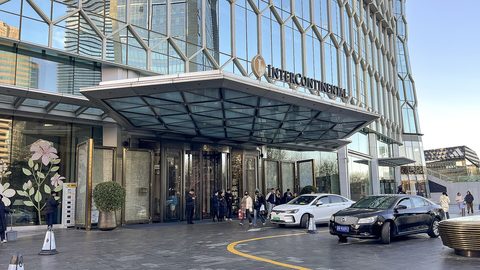 Where to Stay in Beijing by District and Travel Style
Dongcheng puts you beside the Forbidden City, Chaoyang beside the nightlife. Here is how Beijing's districts compare for different travellers.
Where to Stay in Beijing by District and Travel Style
Dongcheng puts you beside the Forbidden City, Chaoyang beside the nightlife. Here is how Beijing's districts compare for different travellers.
-
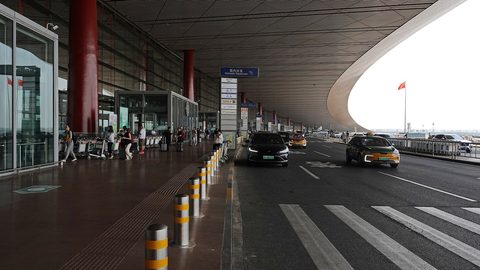 Beijing Flights PEK vs PKX Which Airport Actually Works for You
PEK or PKX? What each Beijing airport costs you in time, money, and logistical friction depending on where you are staying.
Beijing Flights PEK vs PKX Which Airport Actually Works for You
PEK or PKX? What each Beijing airport costs you in time, money, and logistical friction depending on where you are staying.
-
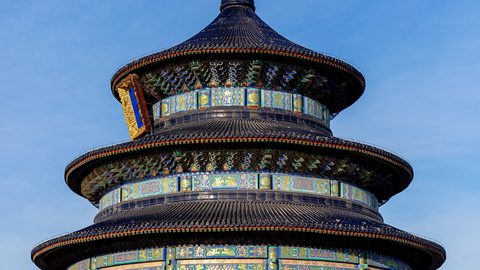 Beijing Things to Do Worth Your Limited Days
The Forbidden City and Great Wall are essential, but Beijing's meaning lives in temple courtyards, hutong lanes and food streets. Here is what earns your days.
Beijing Things to Do Worth Your Limited Days
The Forbidden City and Great Wall are essential, but Beijing's meaning lives in temple courtyards, hutong lanes and food streets. Here is what earns your days.
-
 Best Time to Visit Beijing, Month by Month Tradeoffs
April and October bring blue skies and queues, July brings heat, January brings empty sites and hazardous air. Here is Beijing month by month.
Best Time to Visit Beijing, Month by Month Tradeoffs
April and October bring blue skies and queues, July brings heat, January brings empty sites and hazardous air. Here is Beijing month by month.
-
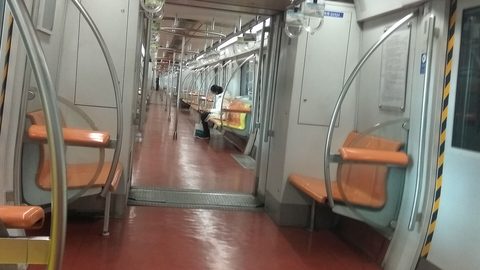 Getting Around Beijing Without Losing Half Your Day
Beijing's metro is clean and cheap but stops early, and taxis rarely speak English. Here is how to move around without burning half your day.
Getting Around Beijing Without Losing Half Your Day
Beijing's metro is clean and cheap but stops early, and taxis rarely speak English. Here is how to move around without burning half your day.
-
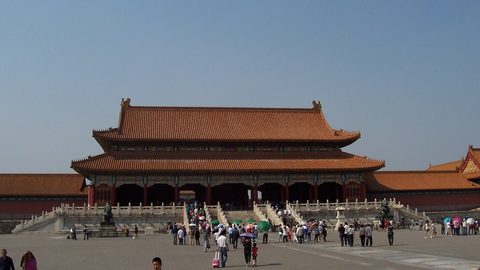 Forbidden City
 tickets require booking seven days ahead on WeChat with a passport. Here is the route to take once you are inside to avoid wasting the visit.
Forbidden City
Forbidden City tickets require booking seven days ahead on WeChat with a passport. Here is the route to take once you are inside to avoid wasting the visit.
-
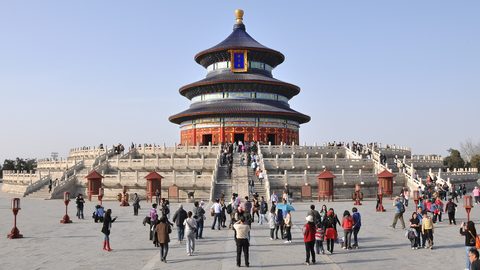 Temple of Heaven
The Temple of Heaven park matters as much as the temple. Morning tai chi, choirs, and card players make it a Beijing ritual worth a full morning.
Temple of Heaven
The Temple of Heaven park matters as much as the temple. Morning tai chi, choirs, and card players make it a Beijing ritual worth a full morning.
-
 Summer Palace
The Summer Palace is vast and the wrong entrance adds an hour of walking. Use the East Palace Gate and plan for at least four hours.
Summer Palace
The Summer Palace is vast and the wrong entrance adds an hour of walking. Use the East Palace Gate and plan for at least four hours.