Dongcheng District Beijing What Central Actually Means
Dongcheng puts you next to the Forbidden City but the district varies wildly from sterile shopping streets to noisy hutong alleys.
- Flag
-

- ISO code
- CN
- Currency
- CNY
- Timezone
- Asia/Shanghai
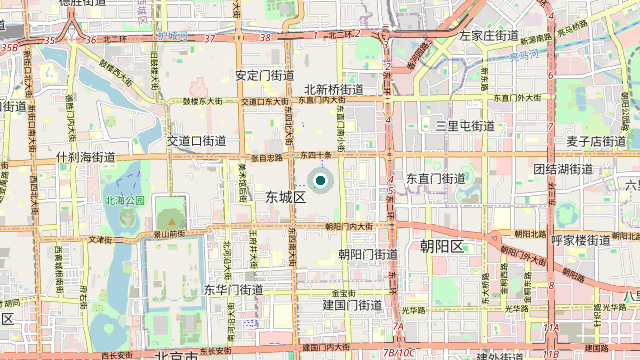
Dongcheng at 7:30 AM: Jet Lag and a Packed Forbidden City Queue
You step out of your hotel on Nanluoguxiang and the air smells of fried dough and coal smoke. A woman in a bathrobe slaps jianbing batter onto a flat grill. A bicycle loaded with cardboard boxes weaves between a tour bus and a stopped taxi. Dongcheng at this hour is not quaint. It is a working district waking up under the weight of ten thousand visitors already shuffling toward the Forbidden City ticket line. The wall around the old city is gone. What remains is a dense, expensive, exhausting rectangle of imperial sights and crumbling hutongs, where the distance from your bed to the Meridian Gate is a 15 minute walk and the distance from that gate to anything resembling quiet Beijing is an hour of pushing through crowds.
The Geography of Dongcheng: What is Actually Here
From Tiananmen to the Drum Tower
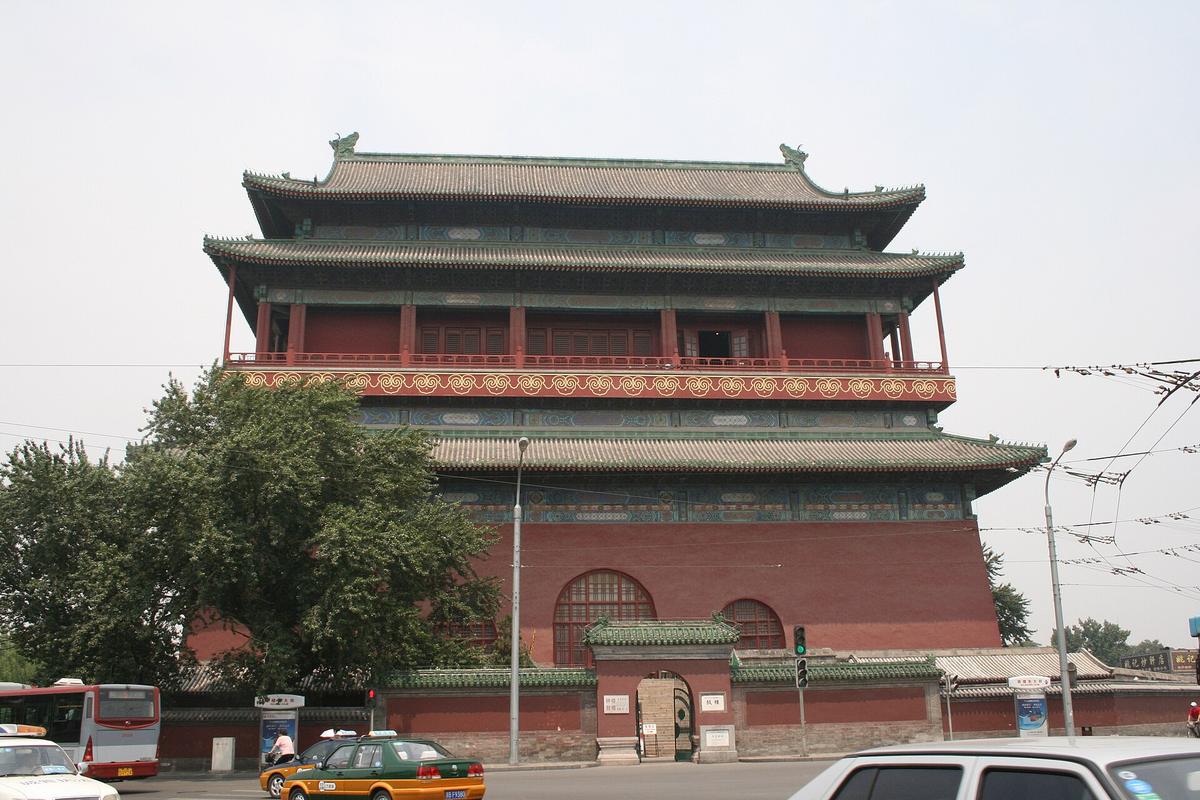
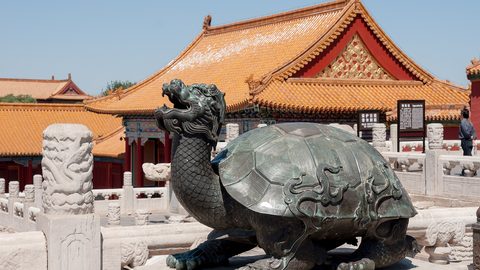
Start at Tiananmen Square. Passport out, security check, queue. North of that sits the Forbidden City, a 3 to 4 hour commitment you must book seven days ahead through the WeChat mini program. Jingshan Park rises directly north of the Forbidden City. The hilltop view of those yellow roof tiles is the single best payoff in the district and requires no booking. Walk east from Jingshan and you hit the Drum and Bell Towers. Climb the steep stairs, look south over grey hutong rooftops, watch laundry flap.
The Northeastern Temples and the Ring Road Boundary
East again, past the Lama Temple where Tibetan Buddhist incense clouds the street, and the Confucius Temple next door where it is quiet enough to hear your own footsteps. These two sit on the northeastern edge of Dongcheng. South of them, around Chongwenmen, the hutongs thin out and wide avenues take over. The district runs from the Second Ring Road in the east to the central axis in the west. It is not large by Beijing standards, but distances here deceive. A 15 minute walk on a map becomes a 30 minute slog through a maze of one way alleys, dead end hutongs, and ten lane roads with no crossing for long stretches.

The Cost of Proximity
The Premium and the Payoff
Dongcheng is the most expensive district for accommodation in Beijing. You pay for the walkable access to four of the city's biggest landmarks. A standard room in a mid range hotel near Wangfujing runs higher than a comparable room in Chaoyang or Haidian. The premium is real. The trade off is time. Staying in Dongcheng means you can hit the Forbidden City at opening, return to your hotel for a nap, and walk to Jingshan Park for sunset. Staying in Chaoyang adds 30 minutes of metro each way. Staying in Haidian adds 45.
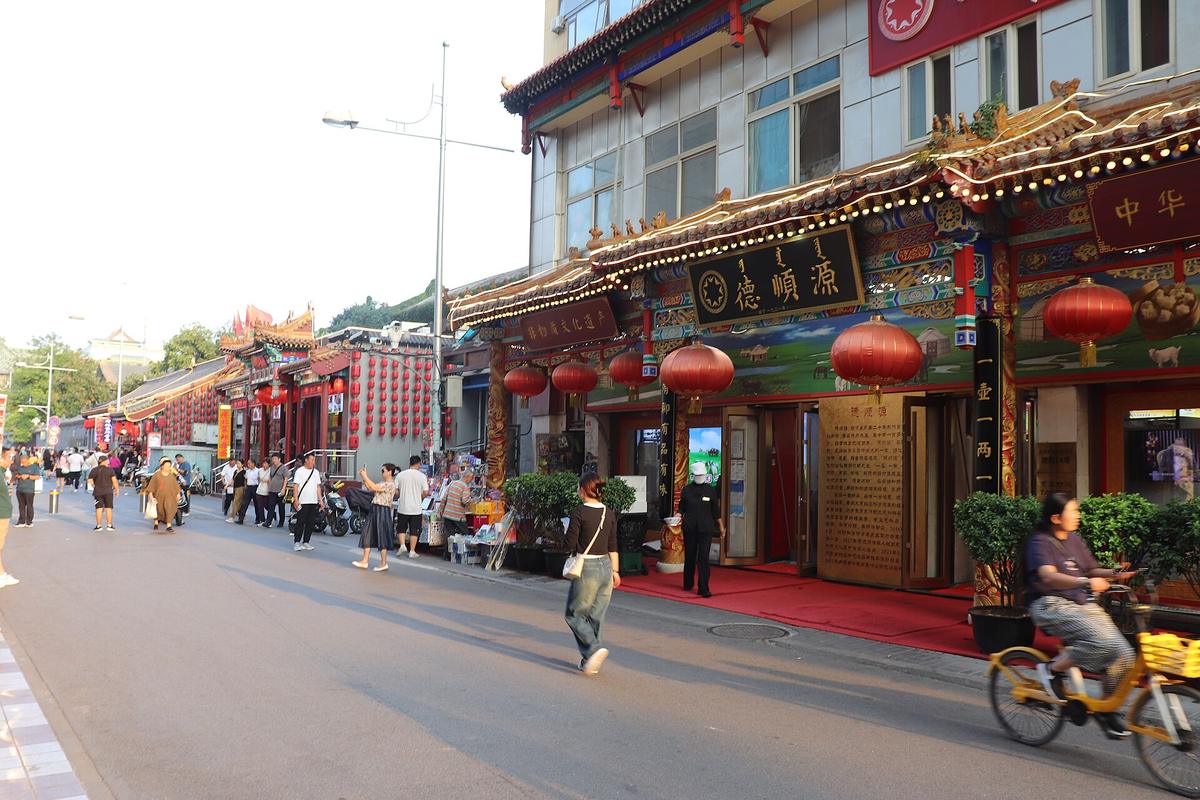
But proximity does not buy you authenticity. The hutongs around Nanluoguxiang are tourist corridors lined with identical souvenir shops selling Mao badges and fridge magnets. After 10 PM these alleys empty. The bars close. The street vendors pack up. You walk down a silent lane lit only by a single yellow bulb and hear your own footsteps echo.
What Happens After Dark
Dongcheng is dead at night. If you want late night chuanr skewers and Uighur vendors, you need to head west into Xicheng or north into Chaoyang. If you want a pub where someone speaks English, you are going to Sanlitun.
Where Dongcheng Fails and Where it Wins
The Shortcomings
Dongcheng is bad at green space. Jingshan Park and the Temple of Heaven sit at its edges. The interior has no parks worth naming. It is bad at spontaneity. Every major sight requires advance booking, passport presentation, and queue time. It is bad at cheap food. The restaurants near the tourist drags charge a premium for average zhajiangmian. For the real stuff, the hand pulled noodles in a hutong hole in the wall, you need to walk 20 minutes off the main path and risk a dead end.
The Strengths
What Dongcheng does well: concentration. You can see the Forbidden City, Jingshan Park, the Drum and Bell Towers, the Lama Temple, and the Confucius Temple in two days without taking a single taxi. You can eat Peking duck at Siji Minfu, where locals prefer the queue, and walk it off through a hutong network that still holds genuine warmth in the courtyards behind closed gates. You can stand in Tiananmen Square at dawn before the tour buses arrive and feel the scale of the place without the crush.
.jpg)
| Factor | Dongcheng | Xicheng | Chaoyang |
|---|---|---|---|
| Walk to Forbidden City | 15 minutes from most hotels | 30+ minutes | 40+ minutes by metro |
| Nightlife options | Poor after 10 PM | Moderate around Houhai | Abundant in Sanlitun |
| Hotel cost premium | Highest in Beijing | High | Moderate |
| Authentic hutong feel | Crowded and commercialised | Older residue, quieter | Very little |
| Metro access | Lines 2, 5, 6 | Lines 2, 4 | Lines 10, 13, 14 |
One Honest Caveat
Dongcheng will exhaust you. The crowds, the booking systems, the passport checks, the squat toilets with no paper, the 10 lane roads with no crossing, the constant mental overhead of navigating a city that does not care about your comfort. The district delivers the imperial sights efficiently but it does not deliver a gentle introduction to China. That is not what it is for. Stay here if you want proximity and you accept the friction. Stay elsewhere if you want ease and a soft landing.
Common Questions
Is staying in Dongcheng worth the price for a first time visitor?
Yes, if your priority is walking distance to the Forbidden City, Jingshan Park, and the Lama Temple. No, if you want nightlife, cheap eats, or a relaxed pace. The premium buys convenience, not character.
How many days should I stay in Dongcheng specifically?
At least two of your four total Beijing days. Use Dongcheng as the base for imperial sightseeing, then take day trips to the Great Wall and Summer Palace from here.
Which metro lines serve Dongcheng best?
Line 2 runs around the old city walls. Line 5 cuts north south through the district. Line 6 runs east west. The Dongzhimen stop connects you to the Airport Express. Expect 10 to 15 minute underground walks at transfer stations.
What is the biggest mistake visitors make in Dongcheng?
Trying to do the Forbidden City and Tiananmen Square in the same morning as the Great Wall. The Forbidden City alone takes 3 to 4 hours and the nearest Great Wall section is 1.5 hours away. Choose one per day.
Are there quiet places in Dongcheng away from the crowds?
Yes. The Confucius Temple courtyard is calm. Jingshan Park early in the morning before 8 AM is quiet. The hutongs west of the Drum Tower, past the souvenir stalls, are empty by 9 PM.
What should I eat while staying in Dongcheng?
Peking duck at Siji Minfu, hand pulled zhajiangmian from a hutong shop, jianbing from a morning street cart, and lamb chuanr from a Uighur vendor after 10 PM, though you may need to walk toward Xicheng for the best ones.
How do I get from the airport to Dongcheng?
From Beijing Capital Airport take the Airport Express to Dongzhimen, 25 minutes at ¥25. From Daxing Airport take the express to Caoqiao, 20 minutes at ¥35, then metro or taxi. Taxi from Capital to central Dongcheng runs ¥100 to ¥150 and takes 45 to 70 minutes.
Read next
-
 Dongcheng District Things to Do Walking from the Imperial Core of Beijing
Plan a walkable Dongcheng itinerary from the Forbidden City's north gate through Jingshan Park and into the hutong alleys, all within Beijing's imperial core.
Dongcheng District Things to Do Walking from the Imperial Core of Beijing
Plan a walkable Dongcheng itinerary from the Forbidden City's north gate through Jingshan Park and into the hutong alleys, all within Beijing's imperial core.
-
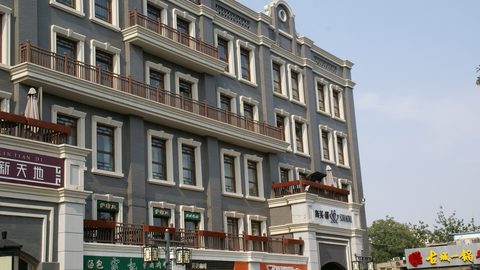 Eating in Dongcheng From Roast Duck Courtyards to Wangfujing Snack Streets
Find Beijing's full food spectrum in Dongcheng, from Siji Minfu roast duck near Dengshikou to hutong courtyard noodles and the Wangfujing snack street stalls.
Eating in Dongcheng From Roast Duck Courtyards to Wangfujing Snack Streets
Find Beijing's full food spectrum in Dongcheng, from Siji Minfu roast duck near Dengshikou to hutong courtyard noodles and the Wangfujing snack street stalls.
-
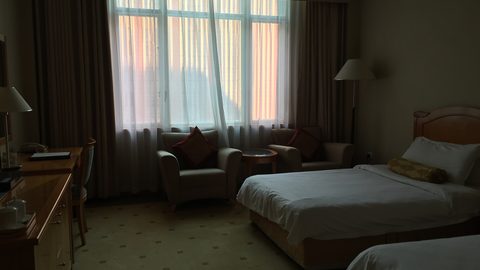 Dongcheng Hotel Guide Courtyard Conversions Versus Chains In The Imperial Core
Dongcheng hotels put you walking distance from the Forbidden City and hutong lanes, but courtyard charm often means thin walls and small rooms.
Dongcheng Hotel Guide Courtyard Conversions Versus Chains In The Imperial Core
Dongcheng hotels put you walking distance from the Forbidden City and hutong lanes, but courtyard charm often means thin walls and small rooms.
-
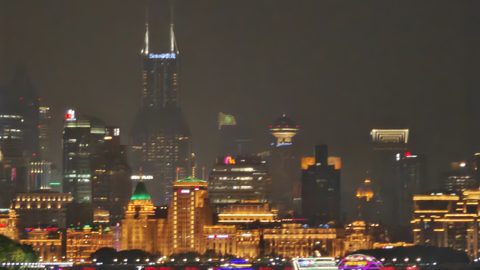 China Travel Guide for First-Timers Who Plan Ahead
China rewards travellers who plan apps, payments, trains, and tickets before arrival. Start with the four obstacles and the pages that solve them.
China Travel Guide for First-Timers Who Plan Ahead
China rewards travellers who plan apps, payments, trains, and tickets before arrival. Start with the four obstacles and the pages that solve them.
-
 China Visa-Free Transit and Unilateral Entry Rules Explained
China visa-free transit and unilateral entry rules change often. Here is how they work now, who qualifies, and what breaks a stay.
China Visa-Free Transit and Unilateral Entry Rules Explained
China visa-free transit and unilateral entry rules change often. Here is how they work now, who qualifies, and what breaks a stay.
-
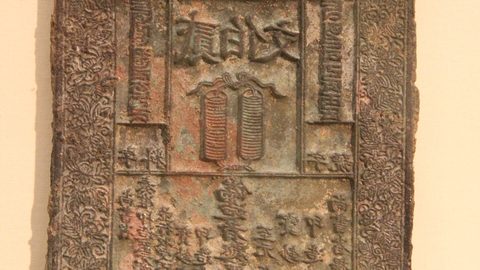 Cash to Cashless in China What First-Timers Must Set Up
China runs on Alipay and WeChat Pay, and cash is often refused. Set up both with a foreign card before you land or risk being stranded.
Cash to Cashless in China What First-Timers Must Set Up
China runs on Alipay and WeChat Pay, and cash is often refused. Set up both with a foreign card before you land or risk being stranded.
-
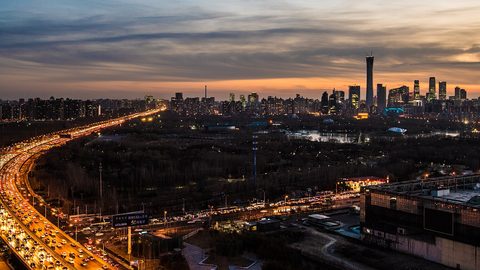 Will Google, WhatsApp and Maps Actually Work on a China eSIM
A China eSIM solves data but not the firewall. Here is what actually works for Google, WhatsApp and Maps and why a VPN still matters.
Will Google, WhatsApp and Maps Actually Work on a China eSIM
A China eSIM solves data but not the firewall. Here is what actually works for Google, WhatsApp and Maps and why a VPN still matters.
-
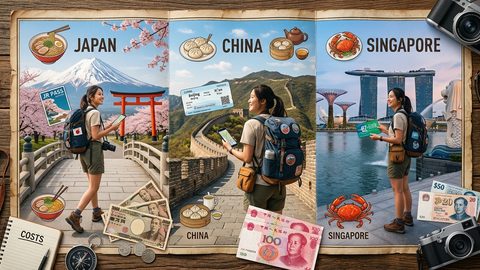 What Japan, China, and Singapore Actually Cost Independent Travelers
Real per-day costs for Japan, China, and Singapore broken down by accommodation tier, food strategy, transit, and connectivity for independent travelers.
What Japan, China, and Singapore Actually Cost Independent Travelers
Real per-day costs for Japan, China, and Singapore broken down by accommodation tier, food strategy, transit, and connectivity for independent travelers.
-
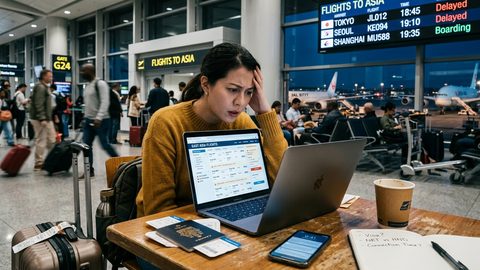 What Most Travelers Get Wrong When Booking Flights to East Asia
Most travelers book East Asia flights on price alone. Here's what they miss about route gaps, fleet age, and aircraft type on 10-14 hour hauls.
What Most Travelers Get Wrong When Booking Flights to East Asia
Most travelers book East Asia flights on price alone. Here's what they miss about route gaps, fleet age, and aircraft type on 10-14 hour hauls.