Sanlitun Beijing What the Expat Bubble Actually Offers
Sanlitun is Beijing's most visibly moneyed district, where embassy staff, expats, and clubbers collide over craft beer and late-night skewers.
- Flag
-

- ISO code
- CN
- Currency
- CNY
- Timezone
- Asia/Shanghai
Friday Night at 10 PM on Gongti Bei Lu
Friday night, 10pm, Gongti Bei Lu. The kebab smoke rises from a Uighur cart parked outside a shuttered embassy gate. A woman in heels stumbles past, phone in hand, looking for her driver. Three men in bar-branded shirts smoke by the door of a club that no one will remember in five years. This is Sanlitun, where Beijing comes to forget it is Beijing. The rest of the city demands patience, stamina, a willingness to queue for 40 minutes at a metro transfer, and the mental fortitude to navigate a 10-lane road with no pedestrian crossing. Sanlitun asks nothing. It is flat, walkable, and predictable. The Thai place you liked last year is still there. The brunch spot with the good coffee still opens at 9am. The bars still serve overpriced cocktails in rooms that could be in Shanghai, Bangkok, or Brooklyn.
Sanlitun is the decompression chamber. It exists because Chaoyang district houses the bulk of Beijing's embassy compounds, and embassies need somewhere their staff can eat a hamburger without explaining what a hamburger is. The expat bubble is real, and it is here. The bubble is not malicious. It is functional. You find it in the supermarket that stocks imported cheese for ¥80, in the craft beer bars where the bartender switches to English without asking, in the fitness studios charging for hot yoga sessions that cost more than a week of groceries. If you need a break from Beijing, you come here. If you want to experience Beijing, you do not.
_-_303.jpg)
What is Actually Here
The Layout and the Embassy Effect
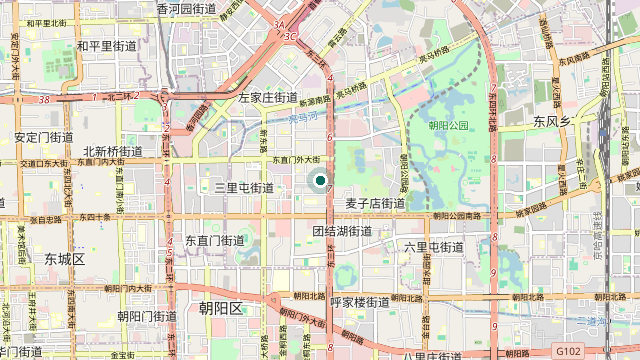
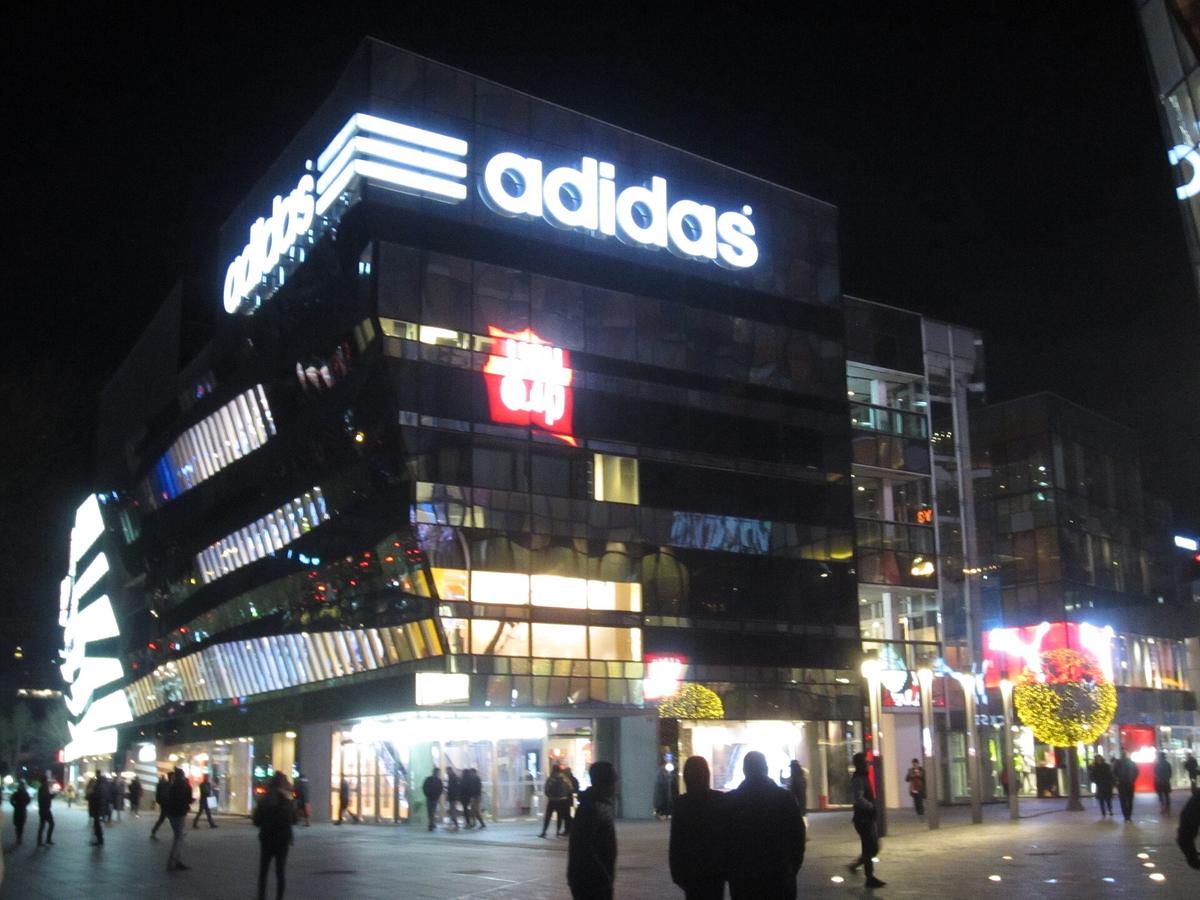
Geographically, Sanlitun is a tight grid bounded by Gongti Bei Lu to the north, Gongti Dong Lu to the east, and the Third Ring Road to the south. Walking distance matters here. The Taikoo Li shopping complex splits into a north and south village, linked by a pedestrian street that fills with photographers and children chasing bubbles on weekend afternoons. The bars cluster on the lanes behind the complex and along Gongti Bei Lu itself. Most are ground floor spaces with patios that get used exactly four months of the year. The embassy compounds sit east of the Third Ring Road, a zone of wide, quiet streets and armed guards. You cannot walk into them, but their presence shapes the area. The restaurants cater to diplomatic tastes: Japanese, Italian, Lebanese, Indian, all calibrated for palates that did not grow up on fermented soybean paste.
What Sanlitun Lacks
There is no Forbidden City here. No Temple of Heaven. The nearest major landmark is the CCTV Headquarters, a striking building you can photograph from outside but cannot enter. The 798 Art District is a 20 minute taxi ride northeast. The Lama Temple is about 25 minutes north by metro. You are in Chaoyang, not Dongcheng, and that means every major sight requires a journey. Sanlitun is bad at being central. It is bad at street food. The jianbing carts that appear in hutongs at 7am do not come here. The chuanr skewers are more expensive and less smoky than what you find in the hutongs around Gulou. The area is also bad at quiet. The weekend brunch crowds spill onto pavements, and the nightclubs vibrate through building walls until 4am. If you want silence, you want Xicheng or the hills beyond the Summer Palace.
How the Area Breaks Down by Hour
Morning to Midnight
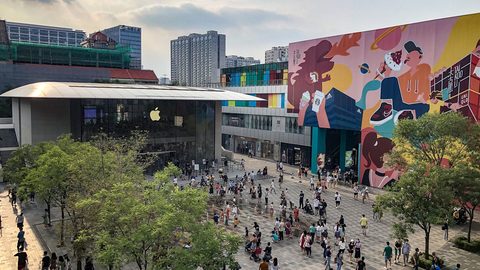
Sanlitun changes shape depending on when you arrive. At 9am on a Saturday, the coffee shops are full of laptop workers and parents with strollers. The brunch menus run eggs benedict and shakshuka. The streets feel almost European, if Europe had smog and security checkpoints. By 2pm, the shopping crowd arrives. Taikoo Li fills with young couples and teenagers taking photos outside the Apple Store. The queue for the Italian gelato place stretches 15 people deep. At 6pm, the after work crowd hits the craft beer bars. Things shift around 10pm, when the club crowd starts filtering in and the Uighur kebab carts multiply on the corners. The club that was a quiet bar at 8pm now has a bouncer checking IDs and a cover charge. By 2am, the taxis line up on Gongti Bei Lu, and the drivers quote flat rates because they know you have no other option.
The Pedestrian Bridge
The pedestrian bridge over the Third Ring Road is the boundary marker. Cross it east and you enter embassy territory, where the streets go dark and quiet. Cross it west and you stay in Sanlitun proper, where the lights stay on. The bridge itself is the best viewpoint in the area. Stand on it at dusk and watch the traffic pour south, the CCTV building glowing blue, the high rises of the central business district stacked behind it. No one stands on that bridge except people changing buses. That is the kind of detail Sanlitun hides.
When to Come and When to Skip
Seasons and Crowds
The area functions year round, but its outdoor patios only make sense April through May and September through October. Summer is brutal. July and August push temperatures past 35°C with humidity that makes walking nine blocks feel like a full workout. Winter is biting cold and hazardous air quality that can hit hazardous levels November through February with less than 24 hours notice. The bars stay open but the patios empty. The first week of October, National Day, brings crowds so dense that even the kebab cart has a queue. Chinese New Year is worse. Millions leave Beijing but millions arrive for temple fairs, and many restaurants close. The area feels both packed and shut.
Getting There and Staying Connected
The metro serves Sanlitun via Line 10 at Tuanjiehu station and Line 2 at Dongzhimen. Both require a 10 minute walk to reach the bar strip. The metro stops running around 22:30 to 23:00 depending on the line, which matters if you plan to stay out past midnight. Taxis are the backup, but drivers may refuse short fares. Have your destination written in Chinese characters. Do not assume your phone will work. WhatsApp, Google, Instagram, Gmail, and Google Maps are all blocked without a VPN installed and tested before arrival. Free WiFi in cafes requires a Chinese phone number for SMS verification. The SIM card you buy at the airport for ¥100 to ¥200 is the piece of plastic that makes this area work.
Common Questions
Is Sanlitun safe at night?
Yes. The streets are well lit and busy until 3am. Police presence is visible around the embassy compounds and nightclub entrances. The main risk is overpaying for a taxi. Agree the fare before you get in.
Can I find local Chinese food in Sanlitun?
Some, but it is not the best version. You will find Uighur kebabs from street carts and a few Beijing duck restaurants. For real zhajiangmian or jianbing, take the metro to Dongcheng. Sanlitun specialises in food that travels well.
Do I need to speak English or Chinese here?
English works in 80% of bars, restaurants, and shops. Menus have English. Staff expect foreign customers. The taxi drivers outside the clubs may not speak either. Have your destination written in Chinese characters.
How do I get back to my hotel after midnight?
Taxi or ride hailing app if you have a Chinese SIM and a VPN working. The metro stops around 22:30 to 23:00. Taxis line up on Gongti Bei Lu after 1am but quote flat rates. Walk to a main road to find one willing to use the meter.
Read next
-
 Sanlitun by Day Shopping Galleries and the Embassy Streets Walk
Spend a day in Sanlitun walking the embassy streets, browsing galleries, and shopping at Taikoo Li before the bar crowds arrive.
Sanlitun by Day Shopping Galleries and the Embassy Streets Walk
Spend a day in Sanlitun walking the embassy streets, browsing galleries, and shopping at Taikoo Li before the bar crowds arrive.
-
 Eating in Sanlitun The International District and the Good Chinese Rooms
Sanlitun food goes beyond international chains. Find the Chinese restaurants and izakayas hidden behind the embassy district.
Eating in Sanlitun The International District and the Good Chinese Rooms
Sanlitun food goes beyond international chains. Find the Chinese restaurants and izakayas hidden behind the embassy district.
-
 Sanlitun Hotel Guide Where To Sleep In The Embassy Quarter And The Noise Question
Sanlitun hotels offer nightlife access but weekend noise is real; north of Taikoo Li and double-glazed chains are the quiet compromise.
Sanlitun Hotel Guide Where To Sleep In The Embassy Quarter And The Noise Question
Sanlitun hotels offer nightlife access but weekend noise is real; north of Taikoo Li and double-glazed chains are the quiet compromise.
-
 Sanlitun Shopping Guide Taikoo Li The Malls Behind It And The Market That Is Not What It Was
Sanlitun shopping is now Taikoo Li's international brands and designer retail; the old Yashow Market bargain scene is mostly gone.
Sanlitun Shopping Guide Taikoo Li The Malls Behind It And The Market That Is Not What It Was
Sanlitun shopping is now Taikoo Li's international brands and designer retail; the old Yashow Market bargain scene is mostly gone.
-
 China Travel Guide for First-Timers Who Plan Ahead
China rewards travellers who plan apps, payments, trains, and tickets before arrival. Start with the four obstacles and the pages that solve them.
China Travel Guide for First-Timers Who Plan Ahead
China rewards travellers who plan apps, payments, trains, and tickets before arrival. Start with the four obstacles and the pages that solve them.
-
 China Visa-Free Transit and Unilateral Entry Rules Explained
China visa-free transit and unilateral entry rules change often. Here is how they work now, who qualifies, and what breaks a stay.
China Visa-Free Transit and Unilateral Entry Rules Explained
China visa-free transit and unilateral entry rules change often. Here is how they work now, who qualifies, and what breaks a stay.
-
 Cash to Cashless in China What First-Timers Must Set Up
China runs on Alipay and WeChat Pay, and cash is often refused. Set up both with a foreign card before you land or risk being stranded.
Cash to Cashless in China What First-Timers Must Set Up
China runs on Alipay and WeChat Pay, and cash is often refused. Set up both with a foreign card before you land or risk being stranded.
-
 Will Google, WhatsApp and Maps Actually Work on a China eSIM
A China eSIM solves data but not the firewall. Here is what actually works for Google, WhatsApp and Maps and why a VPN still matters.
Will Google, WhatsApp and Maps Actually Work on a China eSIM
A China eSIM solves data but not the firewall. Here is what actually works for Google, WhatsApp and Maps and why a VPN still matters.
-
 What Japan, China, and Singapore Actually Cost Independent Travelers
Real per-day costs for Japan, China, and Singapore broken down by accommodation tier, food strategy, transit, and connectivity for independent travelers.
What Japan, China, and Singapore Actually Cost Independent Travelers
Real per-day costs for Japan, China, and Singapore broken down by accommodation tier, food strategy, transit, and connectivity for independent travelers.