Hiking the Unrestored Jinshanling Great Wall from Beijing
How to hike the semi-wild Jinshanling Great Wall from Beijing, including the best watchtower route, transport options, and what to bring.
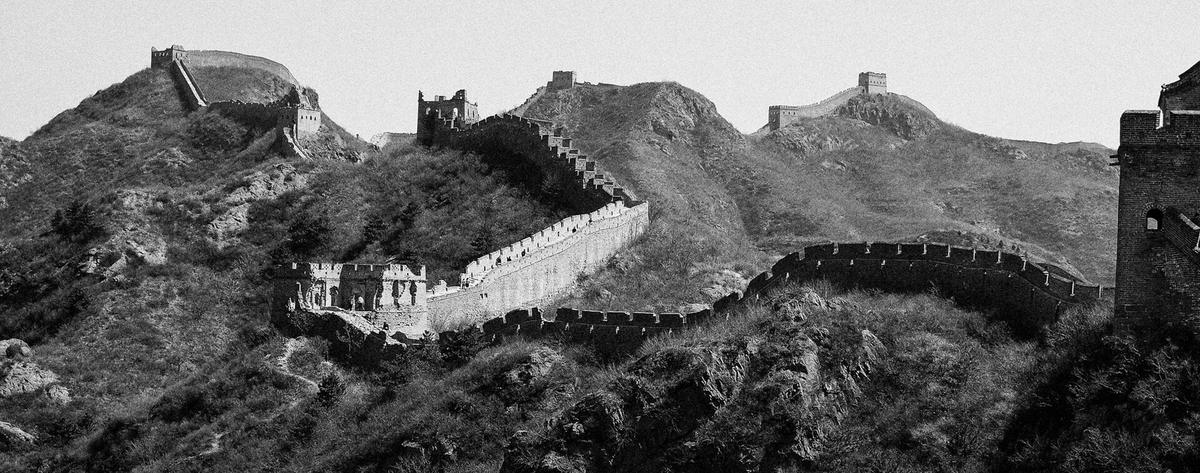

Hiking the Unrestored Jinshanling Great Wall from Beijing
The common mistake about the Jinshanling Great Wall is that it is an all-day ordeal only for serious mountaineers. The truth is that the hike from Beijing is a manageable 6-kilometre route that takes four to five hours with stops for photography. You do not need a tour group. The reward is a stretch of wall that is semi-wild, mostly unrestored, and nearly empty on a weekday. The trade-off is a 2.5-hour transfer each way from central Beijing, no facilities on the wall itself, and a path that demands attention on every step.
Getting there independently works, as long as you plan the return bus and carry enough water. You are a hiker or a photographer who wants the Great Wall without the crowds at Mutianyu. You do not need a cable car, a guide, or a bus full of tourists. You need a plan for transport, water, and the specific watchtowers that give the best shots.
Jinshanling Great Wall Hike from Beijing: Getting There Independently
Two public transport routes work. The better option is Bus 858, which departs from Wangjing West Metro Station (Lines 13 and 15, Exit B). The bus runs to Luanping and stops at the Jinshanling service area. Departure times in 2026 were 08:00 and 09:00, with return buses from Jinshanling at 14:00 and 16:00. The one-way fare is ¥32, payable by cash or Beijing transport card, and the journey takes roughly two hours. These times are published annually and may shift, so check the official bus schedule before you travel.
If you miss the last return bus at 16:00, there is no public transport alternative. A private taxi back to Beijing costs ¥600 to ¥800. Budget for that failure case, or confirm your driver before you set out.
Using the Miyun Bus Route
The second option is the Miyun bus route. Take Bus 980 Express from Dongzhimen to Miyun Bus Terminal, then take a local taxi from Miyun to Jinshanling. Total travel time is 2.5 to 3 hours, and the combined cost is roughly ¥80 to ¥120 per person if you share the taxi from Miyun. This route is slower and involves a transfer, but it is reliable if you are near Dongzhimen.
Private Car for a Group of Four
A private car is the most convenient option for a group. A round-trip from Beijing costs ¥1,000 to ¥1,200 per vehicle, with a one-way duration of 2.5 hours. This price assumes four passengers. The driver waits while you hike, which solves the return problem entirely. Pre-arrange the car through your hotel or a ride-hailing app with a Chinese-speaking contact.
Jinshanling to Simatai West Hike: Why That Route No Longer Exists
Many guidebooks from before 2010 describe a classic traverse from Jinshanling to Simatai West. That route is closed. The Simatai connection has been locked since 2010, and the Simatai West ticket gate is sealed. You cannot walk from Jinshanling to Simatai West as a through-hike. The wall linking the two areas is gated and patrolled.
Your actual hike runs from the Main Ticket Gate at the east end to Zhuanduokou Pass at the west end. That is 6 kilometres of wall, not more. The restored stretch runs from the Main Ticket Gate to General Tower (Jiangjun Lou). Beyond General Tower, the wall becomes wild: uneven stone, broken steps, and a portion with no parapet before Zhuanduokou Pass. Step heights vary from 10 to 40 centimetres. This is not a casual stroll. If you have knee issues, the steep descents on the wild stretch are a real contraindication.
Jinshanling Great Wall Transport: the Failure Case and How to Avoid it
Transport is where this trip goes wrong most often. The return bus from Jinshanling departs at 14:00 and 16:00. Miss both, and your options are a private taxi at ¥600 to ¥800 or finding a guesthouse near the Main Ticket Gate. Guesthouses cluster near the east gate, so an overnight stay is possible. That is not the plan most independent travellers want.
To avoid this, confirm the return bus schedule on the day you travel. The 2026 departure times are annual figures that may change. Ask at the ticket office when you arrive, and set an alarm on your phone for 30 minutes before the last bus. If you cannot make the 14:00 bus, aim for the 16:00 bus and plan your hike to end by 15:30 at the latest. The hike takes 3 to 4 hours at walking pace, or 4 to 5 hours with photography stops. Start by 09:00 and you have a comfortable margin.
If you use a private car, agree on the pickup time and location with the driver before you start hiking. Mobile reception on the wall is patchy. Do not assume you can call a ride-hailing car from the west gate at Zhuanduokou. There is no cable car at the west gate, and the road there is quiet.
Jinshanling vs Mutianyu: Which Section for Which Traveller
Jinshanling and Mutianyu serve different travellers. Mutianyu is 1.5 hours from Beijing, fully restored, with a cable car, a toboggan, and crowds. It works for families, casual visitors, and anyone with limited time. Jinshanling is 2.5 hours from Beijing, semi-wild, with no facilities on the wall, and far fewer people. It works for hikers and photographers who want an unrestored experience and are willing to spend the extra travel time.
The crowd difference matters. Mutianyu can feel like a queue on the wall. Jinshanling, even in its busiest season from October to early November when autumn foliage peaks, is congested only around Dajinshan and Xiaojinshan towers. The rest of the wall is open. If you want solitude, choose Jinshanling. If you want convenience and a restored surface, go to Mutianyu.
One hard constraint: Jinshanling requires a minimum of 7 to 8 hours round-trip from Beijing. That is the door-to-door time, including the drive and the hike. If your day in Beijing is tight, pick Mutianyu. On Jinshanling, you cannot rush the return.
Jinshanling Photography Spots: Watchtowers That Deliver
The best photography on the Jinshanling Great Wall comes from specific watchtowers on the east-to-west route. Start at the Main Ticket Gate and hike west. The watchtowers in order from east to west are: Zhuanduokou West Tower, Zhuanduokou East Tower, Wuyan Tower, Xifang Tower, Jiangjun Tower (General Tower), Shuangbian Tower, Dajinshan Tower, Xiaojinshan Tower, Heigu Tower, Taochun Tower, and Huilong Tower.
The most photographed stretch lies between Dajinshan Tower and Xiaojinshan Tower, especially in autumn when the foliage is golden. This is also the most crowded part in peak season. For sunrise, stay overnight at a guesthouse near the Main Ticket Gate and enter the wall at first light. The east end gives you the morning light behind the watchtowers. For sunset, reach the western watchtowers near Zhuanduokou Pass, where the light hits the wild wall without obstruction.
Bring water. There is none available on the wall between the ticket gates. The nearest drink is at the Main Ticket Gate or at a guesthouse at the base. No stall, no shop, no tap. Plan for 1.5 litres per person for the 4 to 5 hour hike.
What the East-to-West Route Looks Like on the Ground
The recommended hike direction is east to west: from the Main Ticket Gate to Zhuanduokou Pass. You start on restored wall, which is solid and safe for the first stretch up to General Tower. The cable car runs from the east end, near the Main Ticket Gate, and costs ¥40 one-way for 2026. It operates 08:00 to 17:00 from April to October, and 08:30 to 16:30 from November to March. These are annual figures, so check the published schedule before you go.
After General Tower, the wall turns wild. The surface changes from restored stone to broken, uneven steps. The step heights vary from 10 to 40 centimetres, which means you step up or down unpredictably. A portion between General Tower and Zhuanduokou Pass has no parapet. That is the part that makes hikers with vertigo or weak knees reconsider. On the west end at Zhuanduokou, there is no cable car. You walk down the hillside to the West Ticket Gate and find a taxi or your pre-arranged driver back to the east gate or directly to Beijing.
Tickets for 2026 cost ¥65 from April to October and ¥55 from November to March. These are annual rates that change, so confirm the price at the gate. The Main Ticket Gate is the east gate and the best entry point for the east-to-west hike. The West Ticket Gate at Zhuanduokou is the entry for a west-to-east hike, but that direction means you climb the steep wild stretch first and finish on the easier restored wall.
Logistics and Friction Points on the Wall
Carry your passport. You need it for the ticket purchase at the gate, though the Jinshanling area is less strict than the Forbidden City. Still, keep it on you. The wall has no toilets, so use the facilities at the ticket gate before you start. The public toilets in the area are squat-style, and you should carry your own toilet paper and hand sanitiser. Air quality can spike above 150 AQI in winter and spring, so check the index before you go and bring an N95 mask if you are sensitive.
The language barrier is steeper here than in central Beijing. The ticket sellers and taxi drivers at Jinshanling speak little to no English. Have your destination written in Chinese characters on your phone or on paper. The bus drivers on the 858 route do not announce stops in English, so show the driver or a fellow passenger where you need to get off.
Your phone will not have reliable internet on the wall unless you have a local SIM or eSIM with data. Google Maps is blocked without a VPN, and offline maps need to be downloaded before you leave Beijing. Install a VPN and test it before you depart for the wall.
When to Go and When to Skip
The best months for the Jinshanling Great Wall hike are April to May and September to October. These bring clear skies, manageable temperatures, and either spring blossoms or autumn foliage. The peak visitor season is October to early November when the autumn colours are at their strongest. During this period, expect congestion around Dajinshan and Xiaojinshan towers, but the rest of the wall remains relatively quiet.
Avoid July and August, when temperatures regularly exceed 35°C and the humidity is punishing. The wall has no shade. Avoid the National Day week (1 to 7 October), when domestic tourism makes every Great Wall stretch crushingly crowded. Chinese New Year in late January or February brings mass internal migration and closed family-run restaurants near the wall, though the wall itself stays open.
If you want sunrise access, stay overnight at a guesthouse near the Main Ticket Gate. The guesthouses are basic but functional, and they let you enter the wall at first light before the day-trippers arrive from Beijing.
| Watchtower | Section | Notes |
|---|---|---|
| Zhuanduokou West Tower | West end at Zhuanduokou Pass | Westernmost tower, near West Ticket Gate |
| Zhuanduokou East Tower | West end | First tower after entering from west |
| Wuyan Tower | Wild section | Unrestored, broken steps |
| Xifang Tower | Wild section | Good mid-hike vantage point |
| Jiangjun Tower (General Tower) | Boundary between restored and wild | Restored wall ends here |
| Shuangbian Tower | Wild section | Uneven surface, no parapet section begins nearby |
| Dajinshan Tower | Wild section | Crowded in autumn, best photo spot |
| Xiaojinshan Tower | Wild section | Second peak of autumn congestion |
| Heigu Tower | Wild section | Less photographed, quieter |
| Taochun Tower | Wild section | Approaching west end |
| Huilong Tower | Wild section | Final tower before Zhuanduokou Pass |
The Single Thing That Most Often Goes Wrong Here
The thing that most often goes wrong on the Jinshanling Great Wall hike is the return transport. Hikers underestimate the distance, take too long photographing the wild stretch, and miss the 16:00 bus. A private taxi back to Beijing costs ¥600 to ¥800, and at 17:00, finding a driver willing to take that fare is not guaranteed. The guesthouses near the Main Ticket Gate exist for exactly this reason. Arrive at the wall knowing the bus schedule, set a hard turnaround time by 15:00, and if hiking with photography stops, start by 09:00 at the latest. The wall will not let you rush, and the bus will not wait.
Read next
-
 Beijing Hotels by Price Band and Property Type
Beijing hotels split into hutong courtyards, international chains and functional business towers. Here is what each price band actually buys you.
Beijing Hotels by Price Band and Property Type
Beijing hotels split into hutong courtyards, international chains and functional business towers. Here is what each price band actually buys you.
-
 Where to Stay in Beijing by District and Travel Style
Dongcheng puts you beside the Forbidden City, Chaoyang beside the nightlife. Here is how Beijing's districts compare for different travellers.
Where to Stay in Beijing by District and Travel Style
Dongcheng puts you beside the Forbidden City, Chaoyang beside the nightlife. Here is how Beijing's districts compare for different travellers.
-
 Beijing Flights PEK vs PKX Which Airport Actually Works for You
PEK or PKX? What each Beijing airport costs you in time, money, and logistical friction depending on where you are staying.
Beijing Flights PEK vs PKX Which Airport Actually Works for You
PEK or PKX? What each Beijing airport costs you in time, money, and logistical friction depending on where you are staying.
-
 Beijing Things to Do Worth Your Limited Days
The Forbidden City and Great Wall are essential, but Beijing's meaning lives in temple courtyards, hutong lanes and food streets. Here is what earns your days.
Beijing Things to Do Worth Your Limited Days
The Forbidden City and Great Wall are essential, but Beijing's meaning lives in temple courtyards, hutong lanes and food streets. Here is what earns your days.
-
 Best Time to Visit Beijing, Month by Month Tradeoffs
April and October bring blue skies and queues, July brings heat, January brings empty sites and hazardous air. Here is Beijing month by month.
Best Time to Visit Beijing, Month by Month Tradeoffs
April and October bring blue skies and queues, July brings heat, January brings empty sites and hazardous air. Here is Beijing month by month.
-
 Getting Around Beijing Without Losing Half Your Day
Beijing's metro is clean and cheap but stops early, and taxis rarely speak English. Here is how to move around without burning half your day.
Getting Around Beijing Without Losing Half Your Day
Beijing's metro is clean and cheap but stops early, and taxis rarely speak English. Here is how to move around without burning half your day.
-
 Forbidden City
 tickets require booking seven days ahead on WeChat with a passport. Here is the route to take once you are inside to avoid wasting the visit.
Forbidden City
Forbidden City tickets require booking seven days ahead on WeChat with a passport. Here is the route to take once you are inside to avoid wasting the visit.
-
 Temple of Heaven
The Temple of Heaven park matters as much as the temple. Morning tai chi, choirs, and card players make it a Beijing ritual worth a full morning.
Temple of Heaven
The Temple of Heaven park matters as much as the temple. Morning tai chi, choirs, and card players make it a Beijing ritual worth a full morning.
-
 Summer Palace
The Summer Palace is vast and the wrong entrance adds an hour of walking. Use the East Palace Gate and plan for at least four hours.
Summer Palace
The Summer Palace is vast and the wrong entrance adds an hour of walking. Use the East Palace Gate and plan for at least four hours.