What Shopping in Singapore Is Actually Worth Your Luggage Space
Singapore is not a bargain shopping destination, Orchard Road sells global brands at a markup, but Peranakan ceramics, specialty teas, and Mustafa Centre chaos justify the luggage space.
What Shopping in Singapore is Actually Worth Your Luggage Space
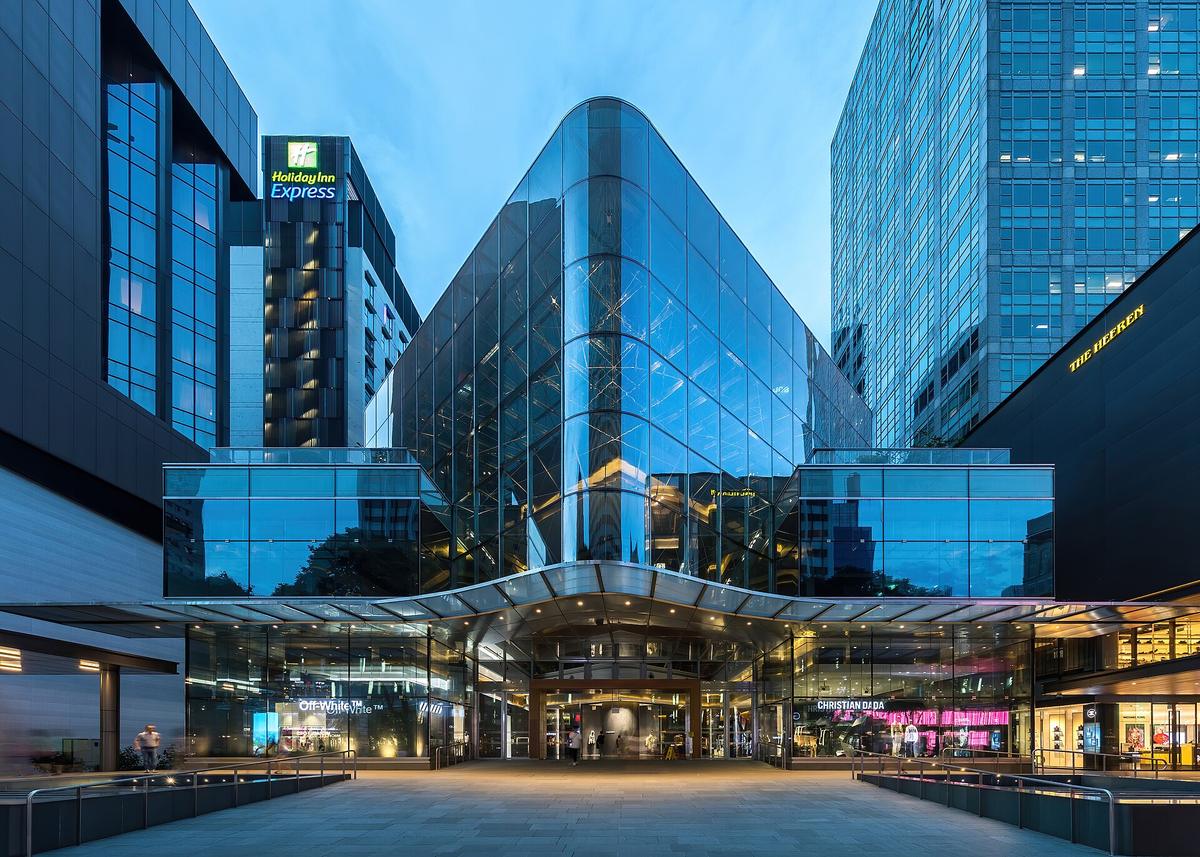
You walk into a mall on Orchard Road, the two kilometre stretch of polished marble and air conditioning that every guidebook sends you to, and within ten minutes you realise you have seen this exact storefront in London, Tokyo, and Dubai. The same Zara. The same Uniqlo. The same Apple Store. Prices run five to fifteen percent higher than you would pay online after currency conversion and the nine percent GST. Singapore is not a bargain shopping destination. It is a hyper efficient, impeccably clean tropical metropolis that feels less like a gritty Asian capital and more like a giant upscale mall with a garden attached. The honest truth is that most of what you can buy here you should not bother with. But a few things justify both the markup and the space in your bag, and they are almost never found on Orchard Road.
The Orchard Road Trap and What to Skip Without Guilt
Orchard Road contains over twenty malls along a single stretch. You could spend three days inside them and miss every reason anyone actually travels to Singapore. The international luxury flagships sell the same goods at prices higher than origin countries after GST and shipping. The electronics chains at Sim Lim Square and Lucky Plaza operate on a documented bait and switch model: an advertised price that rises once you are inside, mandatory accessory bundles nobody warned you about, and grey market units without local warranty. The Consumers Association of Singapore handles disputes from these stores regularly. If you must buy electronics, use the CASE accredited retailers list at case.org.sg before you hand over a cent. Better yet, buy nothing electronic here unless you have priced the exact model against your home market and the difference is negligible.
Souvenir stalls selling keychains and Merlion statues are everywhere. Skip them. The items are identical to what you would find in any airport gift shop anywhere in Southeast Asia. The same goes for the mass produced batik sold on Arab Street. Walk past. Save your bag for the things that cannot be sourced anywhere else.

What to Buy: Four Categories That Justify the Space
Peranakan Ceramics and Textiles From Katong
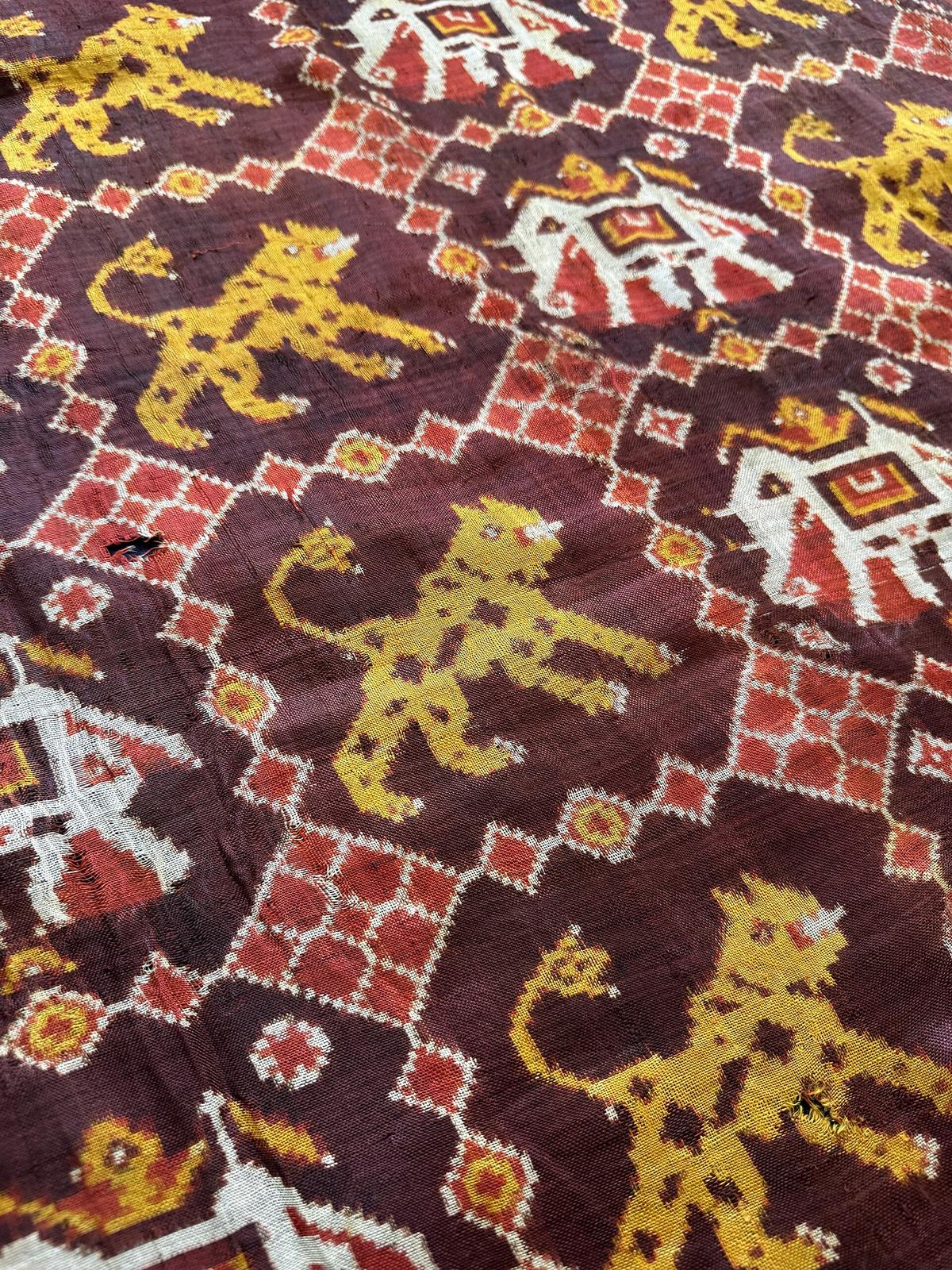
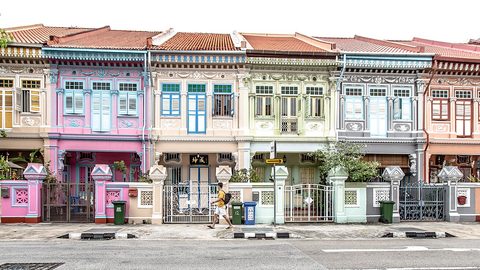
The Peranakan culture, a blend of Chinese and Malay traditions that flourished in the Straits Settlements, produces some of the most distinctive crafts in Southeast Asia. Katong Antique House, Rumah Bebe, and The Intan (which requires an appointment) sell hand painted porcelain, embroidered beadwork slippers, and sarong kebaya that carry a specific history you cannot find in a department store. Prices are not cheap. A single ceramic plate from a known workshop runs fifty to two hundred dollars. But the pieces are genuine. The colours are the same turquoise and pink that appear on the shophouses of Joo Chiat Road. They will not fall apart in your suitcase. Buy one piece, not a set. One teapot or one embroidered cushion cover is a conversation piece. A full dinner set is an expensive burden.
Specialty Tea Blends From Chinatown Merchants
The tea shops of Chinatown sell blends that the big brands do not carry. Look for merchants who roast their own leaves and let you smell before you buy. Local food products, including tea, run from three to fifteen dollars per unit. You can fill a corner of your bag without anxiety. Avoid the pre packaged tourist tins from the street stalls. Go to a proper tea house, taste two or three varieties, and buy the one that surprises you. Tie Guan Yin oolong and aged pu erh are reliable choices. A vendor who offers you a seat and a hot cup before asking for a sale is worth your money.
Singapore Distilled Gin With Regional Botanicals
A small craft distilling scene has emerged in the last few years, and the gins are genuinely unlike anything produced elsewhere. Botanicals include Southeast Asian ingredients like pandan, lemongrass, and pink peppercorn. Bottles cost roughly sixty to ninety dollars at the distillery or at specialist bottle shops around Dempsey Hill and Kampong Glam. Alcohol is expensive in Singapore. A standard pour in a bar can run eighteen to twenty two dollars. Bringing a bottle home is the one way to access a reasonable price on a local spirit. Wrap it in clothing and pack it in checked luggage. One bottle is enough. Two is weight you will regret at the airport.
Limited Edition Tiger Balm From Heritage Pharmacies
Tiger Balm is not a souvenir. It is a medicine cabinet staple sold in every pharmacy in Asia. What makes it worth buying in Singapore is the limited edition packaging that heritage pharmacies in Chinatown and Little India occasionally stock. These are not the standard red and white jars. They come in ceramic containers, jade coloured glass, or wooden boxes printed with vintage advertisements from the 1920s. Prices hover around fifteen to thirty dollars, roughly the same as a basic jar, and the packaging makes a genuinely unusual gift. The product inside is identical. The box is the point.
Mustafa Centre: the One Exception to Every Rule
Mustafa Centre is a twenty four hour, six storey department store on Syed Alwi Road in Little India that sells everything from gold jewellery to suitcases to groceries to electronics, and it operates on a logic that makes sense only after you have been inside for an hour. The aisles are narrow. The lighting is fluorescent. The crowd is dense at 3am on a Tuesday. And that is exactly the point. Mustafa is not a place to find a specific item at a specific price. It is a place to browse without purpose, to realise you need a new suitcase, a bag of cardamom, a gold chain, and a set of stainless steel tiffin carriers, none of which you knew you wanted when you walked in. The prices are competitive, sometimes lower than anywhere else in the city, because the store operates on volume and never closes. Go at an odd hour. Midnight is ideal. The experience will be terrible if you need a specific brand or model. It will be memorable if you treat the whole thing as a performance.
Claiming Your GST Refund at the Airport
You can claim back the nine percent GST on purchases made in a single retailer on a single day totalling at least a hundred dollars, provided you are sixteen or older, leave Singapore by air or sea within two months, and carry the goods as hand or checked luggage for inspection. The refund operators are Global Blue and Planet (formerly Premier Tax Free), and each deducts an administrative fee that varies. Check the actual rate at the airport kiosk before you count on a specific amount back. The scheme covers goods only. Not hotel bills. Not services. Not anything you consume or use in Singapore. If you drink that bottle of gin before you fly, you cannot claim the tax back.
The Smaller Shopping Streets That Reward Patience
Haji Lane and Bussorah Street
Haji Lane, the narrow alley in Kampong Glam, is a row of independent boutiques selling vintage clothing, custom blended perfumes, and local designer work. The street is photogenic and popular, which means it gets crowded and some shops sell the same factory produced dresses you could find on any Instagram storefront. Skip the obvious fast fashion racks. Go for the shops that blend their own alcohol free attar oils on Bussorah Street or sell vintage military surplus. The perfumers on Bussorah Street and North Bridge Road will let you build a custom scent from a range of single note oils. The result is a bottle that smells like nothing your friends own. It costs between twenty and forty dollars. That is a better value than a brand name perfume purchased at Changi Airport duty free.
Tiong Bahru
Tiong Bahru, the art deco housing estate west of the city centre, has a retail character built around indie bookstores, homeware, ceramics, and specialty coffee. This is not a place to hunt for a bargain. It is a place to buy one object you will keep for years: a hand thrown mug from a local potter, a hardcover novel from a store that curates its shelves with intention. Prices are high for what they are, but the things sold here are not the same as the things sold on Orchard Road. They are the opposite of those things. If you want a souvenir that says something about the person who picked it, Tiong Bahru is where to find it.

When the Famous Choices Are the Wrong Ones
Bugis Street is famous for budget shopping, with items averaging five to twenty dollars, and it is almost certainly a waste of your time. The clothes are the same cheap fast fashion sold in every market from Bangkok to Bali. The quality is low. The air conditioning is absent. The heat and humidity between 11am and 3pm will punish any extended outdoor shopping, and Bugis Street is not worth the sweat. Send it. If you need a cheap T-shirt or a pair of flip flops, buy them at the Uniqlo on Orchard Road. At least you will be cool while you do it.
The gold bazaars of Little India, concentrated along Serangoon Road, Upper Dickson Road, and Buffalo Road, sell predominantly twenty two karat gold with the 916 hallmark. This is a genuine local shopping tradition. If you know gold, you can find competitive prices. But gold is not an impulse purchase and the quality inspection requires knowledge most travellers lack. The shops are reputable. The risk is in what you do not know about purity and resale value. If you are a serious gold buyer, bring a jeweller you trust or skip it.
Who Shopping in Singapore Suits and Who Should Skip it
Shopping in Singapore suits the traveller who wants one or two considered objects rather than a haul. It suits the collector who will enjoy hunting for a specific vintage print in Tiong Bahru or a limited Tiger Balm jar in a heritage pharmacy. It suits the food obsessed traveller who will dedicate bag space to kaya jars, chilli crab paste, and bak kut teh sachets from the same hawker stalls they ate at the day before. It suits the first time Asia visitor who wants a soft landing into a shopping culture that is clean, safe, and rule bound.
It does not suit the shoestring backpacker on a thirty dollar daily budget. It does not suit the traveller who expects to haggle their way through a chaotic market and come home with a bag of bargains. It does not suit anyone who wants a new wardrobe at a discount. And it does not suit the traveller who sees a two kilometre stretch of identical malls and feels an obligation to walk through each one. You do not have to buy anything. Many of the best shopping experiences in Singapore involve buying nothing at all.
Common Questions
Is it worth buying electronics in Singapore?
Almost never. The prices at Sim Lim Square and Lucky Plaza are often bait-and-switch traps with grey-market units and inflated GST claims. International brands run five to fifteen percent higher than origin countries. If you must buy, use the CASE-accredited retailers list at case.org.sg and price the exact model against your home market first.
How does the GST refund work at the airport?
Spend at least SGD 100 including GST at a single retailer in one day. You must be 16 or older and leave Singapore within two months. Carry the goods in hand or checked luggage for inspection. Global Blue or Planet deduct an administrative fee. The refund is processed at Changi Airport departure halls.
Where should I shop instead of Orchard Road?
Katong for Peranakan antiques and textiles, Chinatown tea houses for specialty blends, Haji Lane and Bussorah Street for custom perfumes, and Tiong Bahru for indie ceramics and books. Mustafa Centre in Little India is a 24-hour experience that justifies a visit even if you buy nothing.
Can I haggle at markets in Singapore?
Haggling is not the norm and is rarely productive. Most fixed-price stores, including those in Chinatown and Little India, will not negotiate. The exception is Mustafa Centre on large items like electronics or jewellery, and even there the discount is small. Do not haggle at hawker centres or pharmacies.
Read next
-
 Singapore eSIM, Tourist SIM Cards and Free Public Wi-Fi Compared
Singapore offers eSIMs, 100GB tourist SIM cards from S$12 at Changi, and free public Wi-Fi. The real essential is downloading Grab before you land, because setup requires an SMS code.
Singapore eSIM, Tourist SIM Cards and Free Public Wi-Fi Compared
Singapore offers eSIMs, 100GB tourist SIM cards from S$12 at Changi, and free public Wi-Fi. The real essential is downloading Grab before you land, because setup requires an SMS code.
-
 Singapore Hotels by Type and Budget Not by Neighbourhood
Singapore hotels sorted by property type and price band, skyline towers, shophouse boutiques, family chains, and transit sleepers, with honest notes on what S$400 actually buys here.
Singapore Hotels by Type and Budget Not by Neighbourhood
Singapore hotels sorted by property type and price band, skyline towers, shophouse boutiques, family chains, and transit sleepers, with honest notes on what S$400 actually buys here.
-
 Where to Stay in Singapore for Neighbourhood Character Not Just a Bed
Compare Singapore's neighbourhoods by the experience of waking up there, hawker breakfasts, shophouse streets, or skyline views, not by distance to a landmark the MRT erases.
Where to Stay in Singapore for Neighbourhood Character Not Just a Bed
Compare Singapore's neighbourhoods by the experience of waking up there, hawker breakfasts, shophouse streets, or skyline views, not by distance to a landmark the MRT erases.
-
 Flying Into Changi Airport Singapore and Making the Stopover Work
Changi Airport turns a Singapore stopover into a free mini-trip. How long you need to clear immigration, eat a hawker meal, and still make your connection.
Flying Into Changi Airport Singapore and Making the Stopover Work
Changi Airport turns a Singapore stopover into a free mini-trip. How long you need to clear immigration, eat a hawker meal, and still make your connection.
-
 Singapore Things to Do With Only Three Days and Brutal Midday Heat
Hard calls on which Singapore sights earn limited days: Gardens by the Bay and Botanic Gardens are non-negotiable, Sentosa is skippable, and everything bends around the 11am-to-3pm heat.
Singapore Things to Do With Only Three Days and Brutal Midday Heat
Hard calls on which Singapore sights earn limited days: Gardens by the Bay and Botanic Gardens are non-negotiable, Sentosa is skippable, and everything bends around the 11am-to-3pm heat.
-
 Best Time to Visit Singapore When One Degree From the Equator
Singapore sits one degree from the equator so temperature barely shifts, plan around monsoon rains, Chinese New Year hawker closures, haze season, and F1 hotel price spikes instead.
Best Time to Visit Singapore When One Degree From the Equator
Singapore sits one degree from the equator so temperature barely shifts, plan around monsoon rains, Chinese New Year hawker closures, haze season, and F1 hotel price spikes instead.
-
 Gardens by the Bay
-
 Marina Bay Sands
-
 Singapore Zoo and the Mandai parks