What to Eat in Singapore and Where to Find the Real Version
Singapore food is four cuisines arguing for two centuries, Chinese, Malay, Indian, Peranakan, with specific stalls like Tian Tian chicken rice and 328 Katong laksa defining each dish.
What Most Visitors Get Wrong About Eating in Singapore
The mistake is treating Singapore food as a single category. You see it in every listicle: "top 10 Singapore dishes" as if chicken rice and laksa are two entries on the same menu. They are not. They belong to four distinct culinary traditions that have spent two centuries arguing with each other. Chinese, Malay, Indian and Peranakan kitchens have been trading techniques, ingredients and insults since Stamford Raffles landed. The argument is not settled. You do not go to a Peranakan restaurant and ask for roti prata. You do not order biryani from a chicken rice stall. Each cuisine has its own history, its own rules and its own definitive plate.
Each dish below comes with the exact stall that makes the plate worth seeking out. It skips the ones that are famous but not good. It tells you where to go, what to order and why that specific plate is the one that matters.
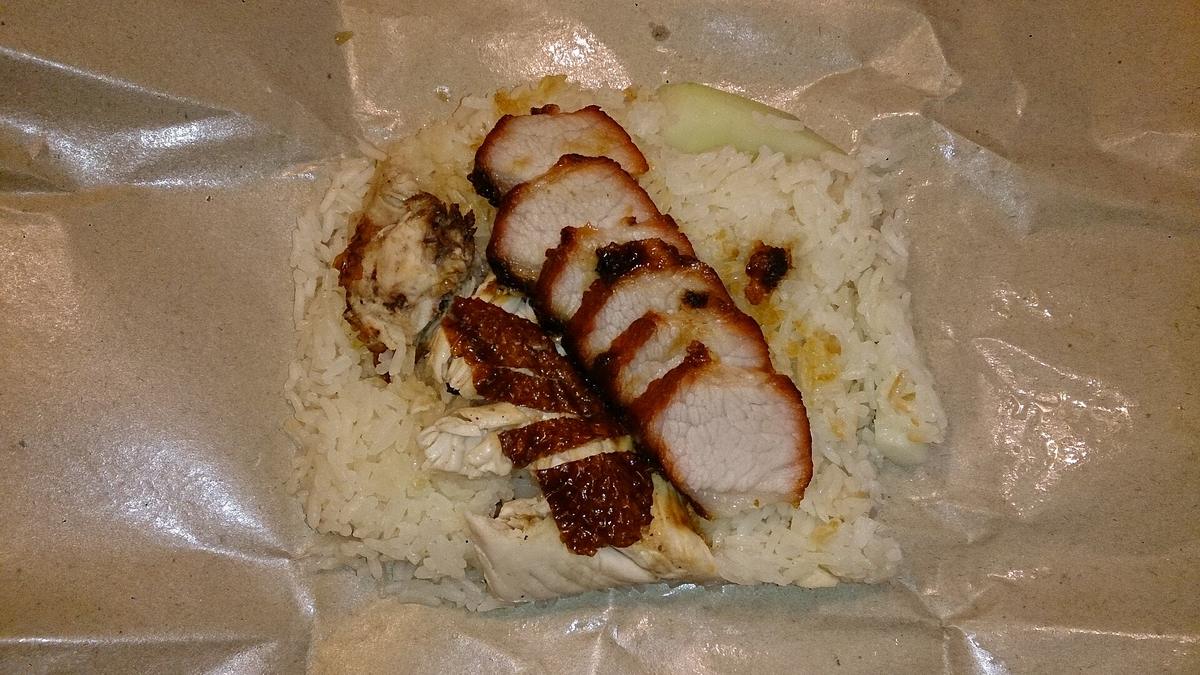

Chinese: the Foundational Cuisine, Four Dishes That Define it
Chinese food in Singapore is not the Cantonese you know from takeaway. It is Hainanese, Teochew, Hokkien and Hakka, and each regional subgroup brought a dish that became Singaporean by force of migration and adaptation. Four dishes are essential. Everything else is a bonus.
Hainanese Chicken Rice at Tian Tian
This is the dish that Singaporeans send tourists to and eat themselves. Tian Tian Hainanese Chicken Rice in Maxwell Food Centre, stall 01-10/11, holds a Michelin Bib Gourmand designation and the queue snakes past three adjacent stalls at peak lunch. Arrive by 11:00 to wait twenty minutes instead of forty-five. The bird is poached, never boiled, so the meat stays silky and the skin retains a gelatinous slip. The rice is cooked in chicken fat and stock, not water. The three dipping sauces are chilli, dark soy and ginger paste. You do not add soy sauce to the rice. You dip the meat. If the queue is too long, the stall two doors down is acceptable on a short visit, but Tian Tian is the benchmark.
Bak Kut Teh at Ng Ah Sio
Bak kut teh translates to "meat bone tea" and comes in two warring styles. The Teochew style at Song Fa on New Bridge Road is a clear peppery broth that tastes like white pepper, garlic and pork bones. The Hokkien style at Founder Bak Kut Teh on Balestier Road is darker, herbal, almost medicinal. Ng Ah Sio on Rangoon Road splits the difference with a peppery base that has enough depth to satisfy both camps. The pork ribs fall off the bone. The broth is sharp enough to clear sinuses. Order a side of salted vegetables and fried dough fritters to soak up the soup. Skip the Michelin-starred Song Fa on a weekend. The queue is forty minutes for a bowl that is 85% as good as Ng Ah Sio with zero queue at 2pm.
Char Kway Teow at Hill Street Fried Kway Teow
Flat rice noodles stir fried in dark soy sauce with cockles, Chinese sausage, bean sprouts and lard. The lard is non negotiable. The plate at Hill Street Fried Kway Teow, stall 01-41 in Bedok South Market and Food Centre, is the one that locals cite when they want to argue. The wok hei, or breath of the wok, is a smoky char that comes only from a high flame and a seasoned carbon steel wok. If the char kway teow arrives looking wet or pale, send it back. This stall does not serve wet noodles.
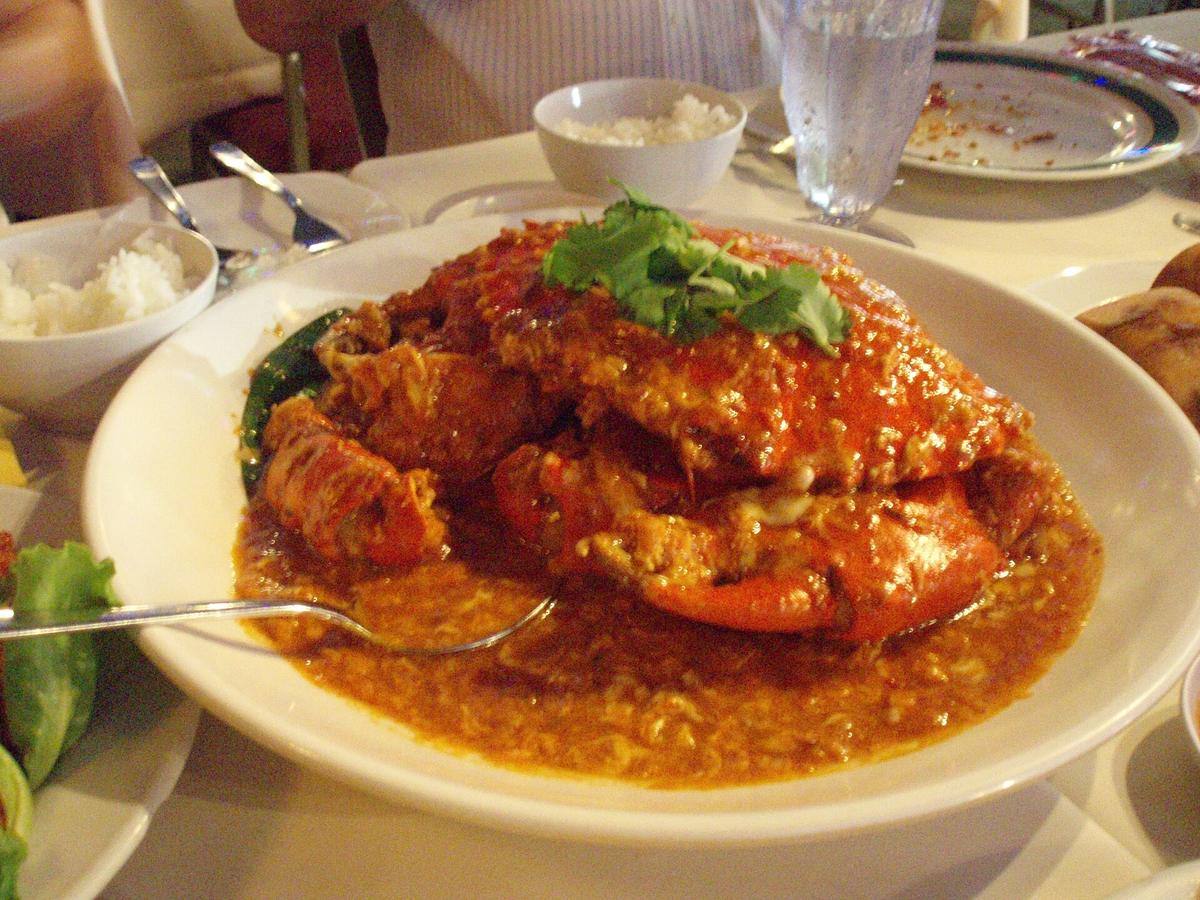
Chilli Crab at Jumbo Seafood
Invented in 1956 by Cher Yam Tian at Palm Beach Restaurant, chilli crab is a sweet savoury tomato chilli sauce thickened with egg and vinegar. It is not spicy in the way Thai food is spicy. It is sweet, savoury and messy. Jumbo Seafood at East Coast Seafood Centre is the benchmark, not the tourist trap at Clarke Quay. Order the mud crab and ask for fried buns to mop the sauce. The black pepper crab at Long Beach Seafood across the same complex is the better dish for anyone who finds the tomato base too sweet. Dry fried with butter, black pepper and curry leaves, it is the plate most Singaporeans eat half the time.
Malay: Spice Pastes, Coconut Milk and the Argument Over Sambal
Malay cooking in Singapore is defined by rempah, the ground spice paste that forms the base of almost every dish. No tomato, no soy, no cream. The flavours come from dried chillies, shallots, garlic, ginger, turmeric, lemongrass and galangal, pounded together and fried until the oil separates. Three dishes matter.
Nasi Lemak at The Coconut Club
Nasi lemak is rice cooked in coconut cream with fried anchovies, peanuts, cucumber, sambal and a hard boiled egg. It is breakfast, lunch and supper. The Coconut Club on Beach Road serves the plate that ruined hawker centre nasi lemak for everyone who eats there. The rice is cooked with freshly squeezed coconut milk, not the canned stuff, and the sambal is made in house with dried shrimp and belacan. The fried poultry is a recent addition that became mandatory by public demand. If you want the hawker plate for half the price, Selera Rasa Nasi Lemak at Adam Road Food Centre, stall 2, is the standard. The queue there moves fast because the stall serves two hundred portions an hour.
Satay at Satay by the Bay
Marinated skewers of poultry, mutton or beef grilled over charcoal and served with peanut sauce and ketupat rice cakes. The satay at Satay by the Bay in Gardens by the Bay is the best option in the central area, not because it is the best in Singapore, but because the alternatives require a trip to a neighbourhood without other attractions. Order ten sticks of mixed meat, ask for extra sauce and eat the ketupat as a palate cleanser between skewers. The peanut sauce should be coarse, with visible ground peanuts and a hint of pineapple for sweetness.
Mee Rebus at a Hawker Centre You Choose
Yellow noodles in a thick, sweet savoury gravy made from sweet potato, dried shrimp and spices, topped with boiled egg, fried tofu and lime. The dish is less famous than laksa but more representative of Malay noodle cooking. No single stall dominates the argument the way Tian Tian owns chicken rice. Look for a stall with a queue of Malay locals. Judge by the colour of the gravy, which should be deep orange brown, not pale yellow.
Indian: Flatbreads, Spice Blends and the Fish Head Curry Debate
Indian food in Singapore is mostly South Indian by way of the Malay Peninsula. The Muslim Indian community created dishes that do not exist in India, like roti prata and fish head curry. The Hindu vegetarian tradition produced a repertoire of meals that make Singapore one of the easiest places in the world to eat plant based.
Roti Prata at Mr and Mrs Mohgan Super Crispy Roti Prata
The best roti prata in Singapore is at a coffee shop on Joo Chiat Road, run by a family that has been making it for decades. The dough is stretched thin enough to see through, folded into layers and fried on a griddle until the outside shatters and the inside stays chewy. Order the original, not the cheese or egg variations, and eat it with the fish curry on the side, which is thin, spicy and sour. The stall is at 300 Joo Chiat Road and it closes by early afternoon most days. Go for breakfast or not at all.
Fish Head Curry at Banana Leaf Apolo
A whole fish head, usually red snapper, cooked in a tamarind and coconut curry that is sour, spicy and rich. The curry is poured into a banana leaf lined tray and eaten with rice or parotta. Banana Leaf Apolo on Race Course Road is the most famous and the most consistent. The debate is whether the original or the newer branch is better. The answer is the original. Order the fish head curry with rice, a side of bitter gourd fry and a glass of iced lime juice. Do not attempt to eat the bones. Pick the meat from the cheeks and collar. Those are the best parts.
Biryani at the Zam Zam Restaurant
The Zam Zam Restaurant in Kampong Glam has been serving biryani since 1908. The mutton biryani is the house standard, with long grain basmati, slow cooked mutton and a layer of potatoes that absorb the stock. The rice is not dyed yellow with turmeric the way it is at cheaper places. What colour it gets comes from the spices. Order a quarter mutton biryani and a glass of teh tarik. The queue moves fast because the counter staff have been doing this for decades.
| Dish | Cuisine | Defining Stall | What Makes It The One | What It Costs (S$) |
|---|---|---|---|---|
| Hainanese Chicken Rice | Chinese | Tian Tian, Maxwell Food Centre | Silkiest poached chicken, fat cooked rice, three proper dipping sauces | From S$5.50 at the stall |
| Katong Laksa | Peranakan | 328 Katong Laksa, East Coast Road | Noodles cut short, eaten with spoon, coconut broth with depth | From S$7 at the stall |
| Roti Prata | Indian | Mr and Mrs Mohgan, Joo Chiat Road | Shatter crisp outside, chewy inside, fish curry on the side | From S$2 at the stall |
| Bak Kut Teh | Chinese | Ng Ah Sio, Rangoon Road | Peppery Teochew style with fall off the bone ribs | From S$9 at the stall |
Peranakan: the Fusion That Argues with Both Sides
Peranakan food is the argument itself. Chinese ingredients, Malay techniques, coconut cream and rempah in the same pot. It is the cuisine that refuses to pick a side, which makes it the most interesting and the hardest to define. Two dishes are mandatory.
Katong Laksa at 328 Katong Laksa
The distinguishing feature of Katong laksa is that the noodles are cut short and you eat the whole thing with a spoon. No chopsticks. The soup is coconut milk based, spicy from rempah and thickened with pounded dried shrimp and galangal. 328 Katong Laksa on East Coast Road holds a Michelin Bib Gourmand and the queue is justified. The broth has a thickness that clings to the spoon. The cockles are fresh. The sambal chilli on the side is not optional. If you add the chilli, you taste the full argument between Chinese noodle making and Malay spice grinding. Without it, you are eating a bowl that is only half built.
Ayam Buah Keluak at Candlenut
The dish that separates serious Peranakan cooking from casual. Poultry simmered in a gravy made from the fermented black nuts of the kepayang tree, which are toxic if not prepared correctly. The nut tastes like dark chocolate mixed with anchovy and earth. Candlenut on Dempsey Hill is the only Peranakan restaurant in the world with a Michelin star, which it has held since 2019. The dish is rich, intense and not for everyone. Skip it if you do not like fermented or funky flavours. Order it if you want to understand why Peranakan cooking is the most debated cuisine in Singapore.

The Argument Over Kopi and the National Breakfast
Before you talk about dishes, you need to talk about the coffee that fuels the arguments. Kopi is local style coffee, brewed from robusta beans roasted with sugar and margarine, which gives it a dark caramelised flavour that tastes nothing like filter coffee. The vocabulary is a Hokkien Malay hybrid. Kopi is coffee with condensed milk. Kopi O is black coffee with sugar. Kopi C swaps condensed milk for evaporated milk. Kopi Kosong is black with neither. Learn these terms and you can order anything at a hawker centre coffee stall without looking at a menu.
The national breakfast is kaya toast, two soft boiled eggs and a cup of kopi or teh. Kaya is a coconut egg jam made with sugar, eggs and coconut cream, cooked until it becomes a pale green spread. The toast is thin white bread, grilled, buttered and spread with kaya, then cut into triangles. The eggs are boiled for exactly four minutes so the white is set and the yolk is liquid. Add dark soy sauce and white pepper, stir them into a slurry and dip the toast into it. Ya Kun Kaya Toast, founded in 1944, is the chain that standardised this breakfast across the island. The outlet in the basement of the Raffles City Shopping Centre near City Hall MRT is the most convenient for a first time visit. Order the set. Eat the toast quickly before the butter melts into the jam. Do not skip the eggs.
What Costs What in a Hawker Centre
Hawker centre prices are low, but not as low as a decade ago. A plate of chicken rice runs from S$5.50 at the stall. A bowl of laksa costs about S$7. A roti prata is from S$2. A kopi runs S$2 to S$3. A meal for one with a drink and a side falls between S$8 and S$15, depending on what you order. The exception is chilli crab at a seafood restaurant, which will run S$50 to S$80 per crab depending on size. Air conditioned food courts in shopping malls charge twenty to fifty percent more than hawker centres for the same dishes, with no improvement in quality. Eat where the seats are plastic and the floor is tiled, not where the air conditioning is cold.
The Single Most Practical Thing You Should Do Next
Download the Grab app before you land. It is the essential ride hail, food delivery and payments app in Singapore. Register your credit card in the app before you arrive, because the verification SMS may not come through reliably on a roaming SIM. When you land, buy a tourist SIM card from Changi Recommends or a Singtel store in the arrival hall. A plan with 100GB costs from S$12 at the Singtel counter. Then open the NEA hawker centre locator, find which of the stalls below are within walking distance of your hotel and build your day around the one that closes earliest. The heat will slow you down. The food is worth the sweat.
Common Questions
Is the Michelin star for Tian Tian Chicken Rice still current?
Tian Tian holds a Michelin Bib Gourmand, not a star. That distinction means good quality at a reasonable price under S$45 per person. The Bib Gourmand list is revised annually, so check the Michelin website for the latest year before you travel.
Why does no one recommend the Liao Fan Hawker Chan soy sauce chicken rice anymore?
Liao Fan Hawker Chan became the first hawker stall to earn a Michelin star in 2016, but it lost the star in 2021 and is no longer Michelin listed. The quality declined after the owner franchised the brand. Skip it. The chicken at Tian Tian is better.
Can I find good vegetarian versions of these dishes?
Yes. Indian vegetarian restaurants like Komala Vilas on Serangoon Road serve excellent vegetarian meals. Chinese Buddhist vegetarian restaurants like LingZhi on Thomson Road make mock meat versions that approximate chicken rice and char kway teow. Look for the character 斋 on signage.
When do hawker stalls close?
Most hawker stalls operate on staggered hours. Breakfast stalls open 6am to 2pm. Lunch and dinner stalls open 10am to 9pm. Many close one day per week, often Monday or Tuesday. Chinese New Year sees widespread closures for two to three days. Check the National Environment Agency website for individual stall hours.
Read next
-
 Singapore eSIM, Tourist SIM Cards and Free Public Wi-Fi Compared
Singapore offers eSIMs, 100GB tourist SIM cards from S$12 at Changi, and free public Wi-Fi. The real essential is downloading Grab before you land, because setup requires an SMS code.
Singapore eSIM, Tourist SIM Cards and Free Public Wi-Fi Compared
Singapore offers eSIMs, 100GB tourist SIM cards from S$12 at Changi, and free public Wi-Fi. The real essential is downloading Grab before you land, because setup requires an SMS code.
-
 Singapore Hotels by Type and Budget Not by Neighbourhood
Singapore hotels sorted by property type and price band, skyline towers, shophouse boutiques, family chains, and transit sleepers, with honest notes on what S$400 actually buys here.
Singapore Hotels by Type and Budget Not by Neighbourhood
Singapore hotels sorted by property type and price band, skyline towers, shophouse boutiques, family chains, and transit sleepers, with honest notes on what S$400 actually buys here.
-
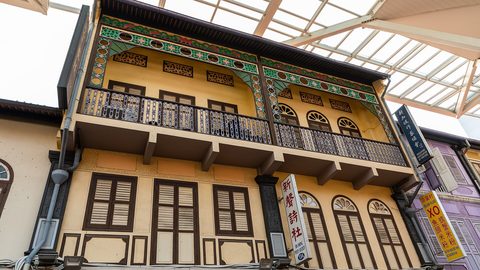 Where to Stay in Singapore for Neighbourhood Character Not Just a Bed
Compare Singapore's neighbourhoods by the experience of waking up there, hawker breakfasts, shophouse streets, or skyline views, not by distance to a landmark the MRT erases.
Where to Stay in Singapore for Neighbourhood Character Not Just a Bed
Compare Singapore's neighbourhoods by the experience of waking up there, hawker breakfasts, shophouse streets, or skyline views, not by distance to a landmark the MRT erases.
-
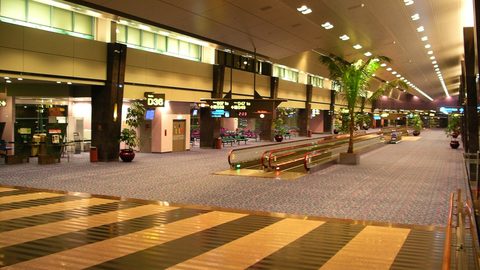 Flying Into Changi Airport Singapore and Making the Stopover Work
Changi Airport turns a Singapore stopover into a free mini-trip. How long you need to clear immigration, eat a hawker meal, and still make your connection.
Flying Into Changi Airport Singapore and Making the Stopover Work
Changi Airport turns a Singapore stopover into a free mini-trip. How long you need to clear immigration, eat a hawker meal, and still make your connection.
-
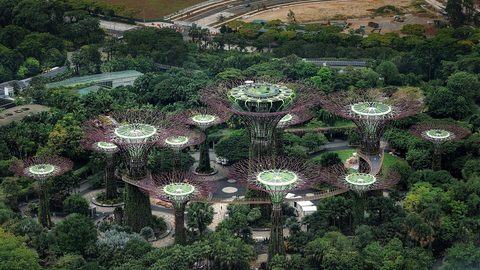 Singapore Things to Do With Only Three Days and Brutal Midday Heat
Hard calls on which Singapore sights earn limited days: Gardens by the Bay and Botanic Gardens are non-negotiable, Sentosa is skippable, and everything bends around the 11am-to-3pm heat.
Singapore Things to Do With Only Three Days and Brutal Midday Heat
Hard calls on which Singapore sights earn limited days: Gardens by the Bay and Botanic Gardens are non-negotiable, Sentosa is skippable, and everything bends around the 11am-to-3pm heat.
-
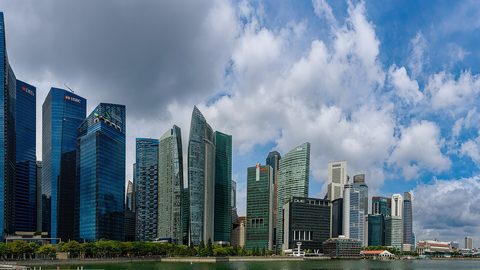 Best Time to Visit Singapore When One Degree From the Equator
Singapore sits one degree from the equator so temperature barely shifts, plan around monsoon rains, Chinese New Year hawker closures, haze season, and F1 hotel price spikes instead.
Best Time to Visit Singapore When One Degree From the Equator
Singapore sits one degree from the equator so temperature barely shifts, plan around monsoon rains, Chinese New Year hawker closures, haze season, and F1 hotel price spikes instead.
-
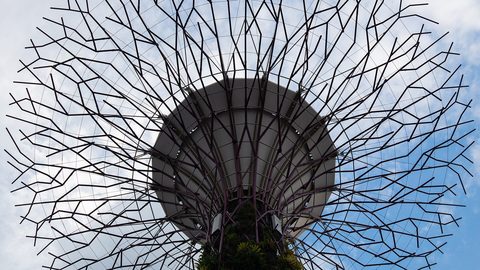 Gardens by the Bay
-
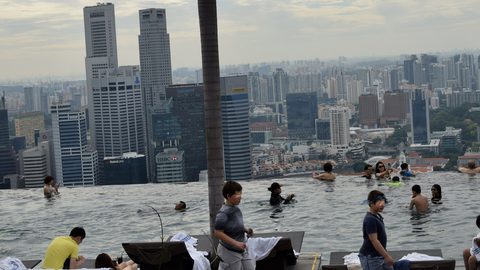 Marina Bay Sands
-
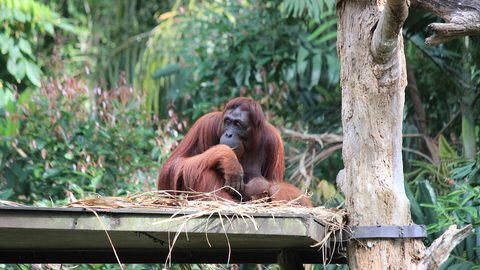 Singapore Zoo and the Mandai parks