Beijing Spring Weather and the Sandstorm Problem
Blossom, sandstorms, and six good weeks with a wind problem, plus how to time Beijing spring around Labour Day.
.jpg)
Beijing Spring Weather and the Sandstorm Problem
The single most useful fact about Beijing in spring is that the season splits into two halves with opposite problems. Late March to early April brings cherry blossoms and magnolias but also Gobi Desert dust that can turn the sky orange. Late April to May clears the dust but fills the city with domestic tourists for the Labour Day break from 1 May to 5 May. Plan around those two windows and you get the only weeks when Beijing spring is genuinely pleasant.
The Two Halves of Beijing Spring
Late March to Early April: Blossoms and Dust
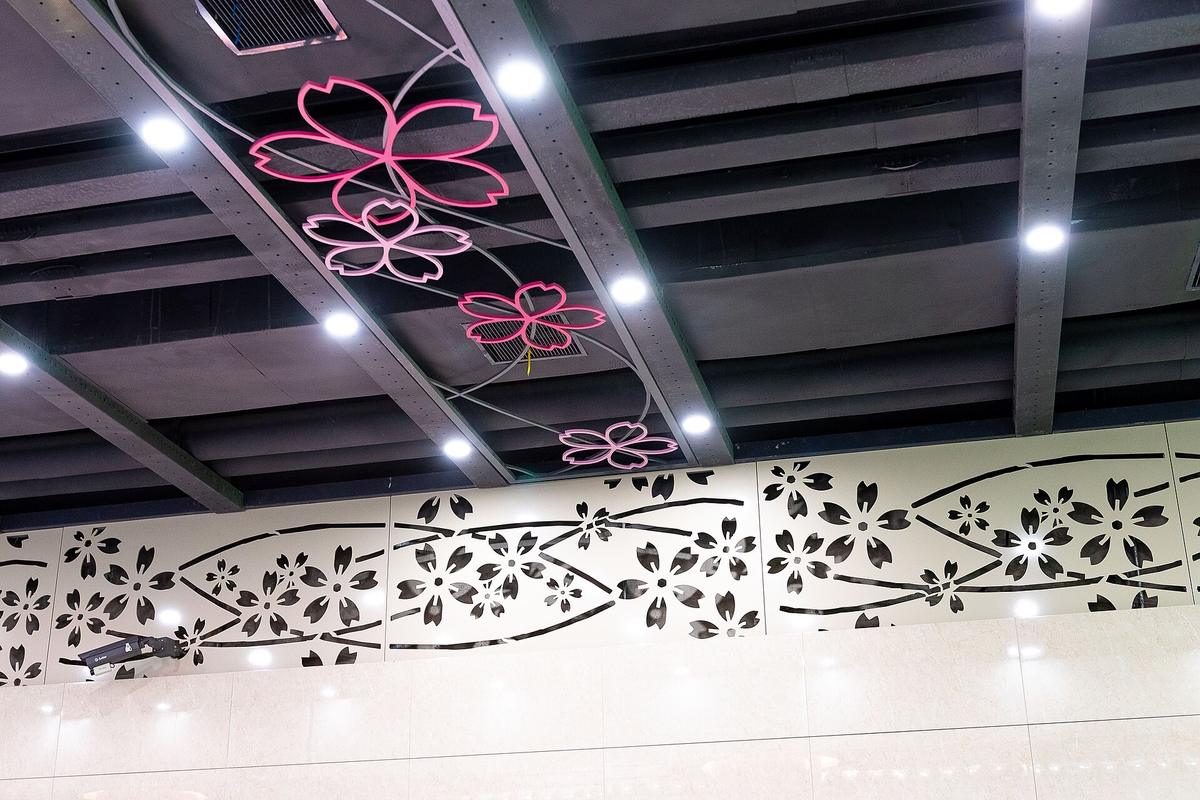
Temperatures in March range from 1°C at night to 13°C in the afternoon. That is cold enough for a winter coat in the morning and a light jacket by midday. The diurnal swing of 10°C to 15°C means you dress in layers or you freeze at sunrise and sweat by lunch. This is the window for blossoms. Yuyuantan Park holds over 2,000 cherry trees that peak in late March to early April, and the crowds are extremely heavy. Arrive before 08:00 if you want a photo without strangers in it. Tanzhe Temple, 40 minutes west of the city centre by taxi, has a magnolia tree over 300 years old that blooms in early to mid April. Make the trip. The temple courtyard is quieter than the parks, and the single ancient tree is more striking than a grove of young ones.
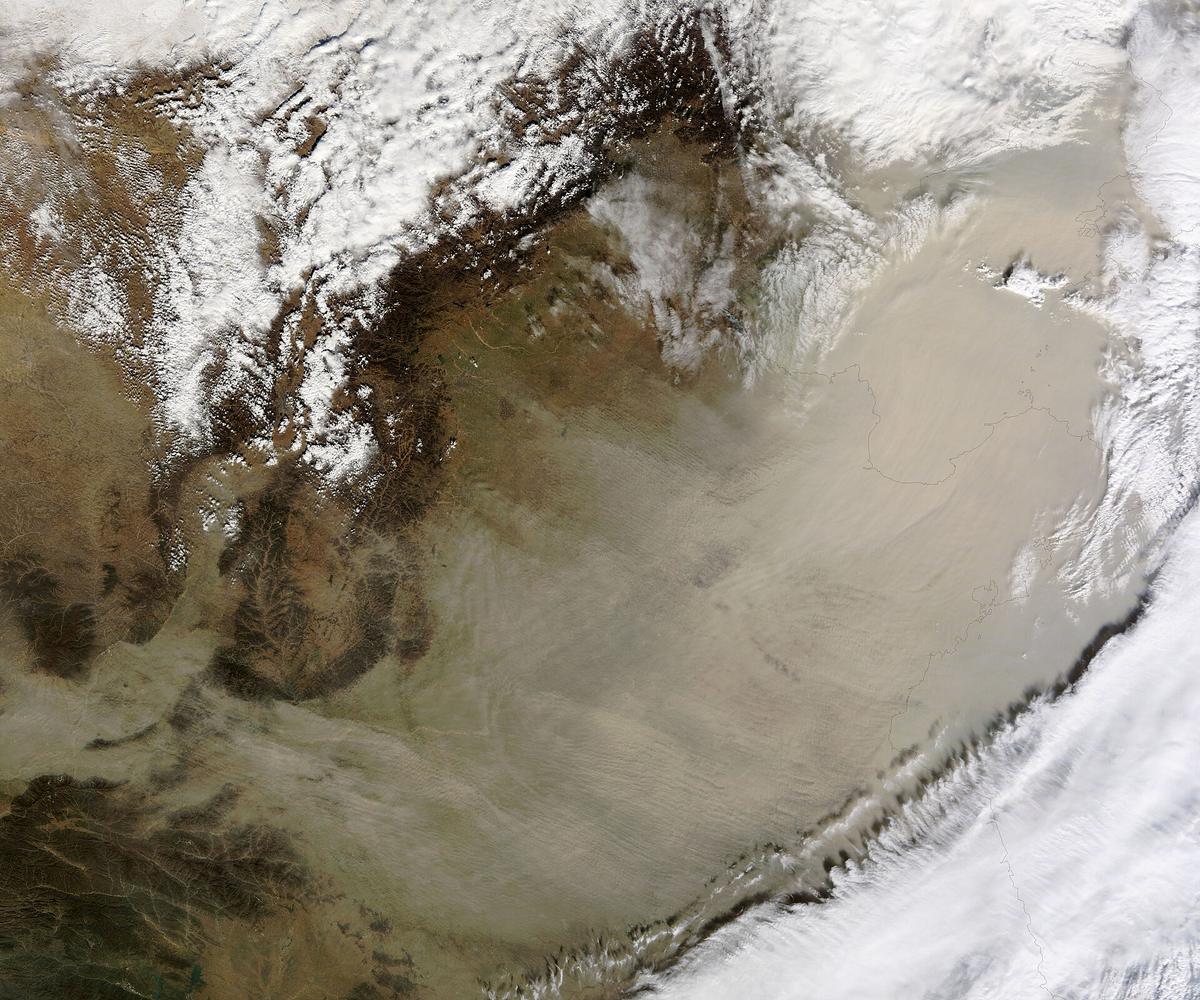
The problem is sandstorms. March and April are the peak months for dust events that originate in the Gobi Desert and Mongolia. The warning lead time is 24 to 48 hours from official forecasts. On an orange sky day, visibility drops under 1 kilometre and PM10 concentration goes over 1,000 µg/m³. The action is simple: stay indoors, seal windows, and wear an N95 mask if you must go outside. Do not attempt sightseeing on those days. Spring air quality is worse than winter in a different way: winter pollution is PM2.5 from coal heating, which is finer and penetrates deeper. Spring brings coarse PM10 from dust, which irritates your throat and eyes but does not spike your PM2.5 reading. Check the AQI before you leave your hotel. If the number is over 150, redirect your day to museums instead of parks.
Qingming festival falls on 4 or 5 April (5 April in 2026). It is a tomb sweeping observance and causes severe traffic congestion on highways and around cemeteries, but major tourist sites stay open with high crowds. It is not a closure problem. It is a traffic problem. Avoid driving or taking taxis across the city that day. The metro still runs.
Late April to May: Clear Skies and May Day Crowds
April average temperatures climb to 8°C low and 20°C high. By late April, after the sandstorm peak has passed, you get your best window of the entire season: clear skies, warm afternoons, and dust risk that drops significantly. This window runs from roughly 20 April to 30 April. Book your hotel three to four weeks ahead for late April. Forbidden City tickets open seven days before at 20:00 Beijing time, and the daily cap is about 40,000 tickets. They sell out for this window. Set a reminder.
May brings the next problem. Labour Day runs 1 May to 5 May and is treated as a second Golden Week. Domestic travel volume during this period is comparable to the National Day Golden Week in October. Hotel prices double or triple. Train tickets for routes into and out of Beijing sell out within minutes of release at 08:00 Beijing time, fifteen days before travel. If you are arriving or departing during this period, book trains immediately when the window opens and expect to pay two to three times normal hotel rates. The sights are packed. The Great Wall at Mutianyu will have queues for the cable car. The Forbidden City will hit its cap every day.
Mid to Late May: The Second Calm Window
Mid to late May, after the break ends, is the second pleasant window. Temperatures reach 14°C low and 26°C high. Sandstorm risk is low. Crowds thin out. Jingshan Park has over 200 varieties of peonies blooming from mid April to mid May, but the peak display hits in early May during the holiday crush. If you want the peonies without the crowd, go on the last weekend of April. If you miss it, the view of the Forbidden City from Jingshan Park is worth the ¥2 admission with or without flowers.
Where to See Spring Flowers Without Regretting it
Skip Yuyuantan Park unless you enjoy queuing for a selfie with 2,000 strangers. The cherry blossoms are real and the trees are plentiful, but the crowd level is described as extremely heavy in the research, and that is a diplomatic way of saying you will spend more time navigating people than looking at flowers. Go instead to Tanzhe Temple for the 300 year old magnolia, which draws a fraction of the crowd, or to the Summer Palace for a longer walk along Kunming Lake where willow catkins and peach trees bloom without a bottleneck.
Jingshan Park for peonies is worthwhile during the last week of April, before the holiday crush. The park sits directly north of the Forbidden City, and the peony garden is at the base of the hill. Walk up the hill for the panorama, then circle through the peonies on the way out. Budget 45 minutes total.
One more spot that does not appear in the standard lists but works: the grounds of the Temple of Heaven have ancient cypress trees and some late blooming apricot trees in early April. The main draw there is the morning ritual crowd doing tai chi, fan dancing, and singing. The combination of blossoms and local life is more interesting than a pure flower garden.
| Period | Temperature Range | Key Issue | Best Action |
|---|---|---|---|
| Late March to early April | 1°C to 13°C | Sandstorms, dust, cold mornings | Visit parks before 08:00; check AQI daily; carry N95 mask |
| Late April (20-30 April) | 8°C to 20°C | Pre-holiday price rise, ticket sellouts | Book hotel 3-4 weeks ahead; book Forbidden City 7 days ahead |
| 1 May to 5 May | 14°C to 26°C | Crowds, 2-3x hotel prices, train sellouts | Avoid if possible; book 15 days ahead if not |
| Mid to late May | 14°C to 26°C | None (season best) | Go. Book hotel 2-3 weeks ahead |
Practical Advice for Not Having a Bad Day
Morning Checks That Decide Your Day
Check two things every morning before you plan your day: the AQI and the wind forecast. AQI above 150 means redirect to indoor sights like the Capital Museum or 798 Art Zone. Wind above 30 km/h from the northwest means the Gobi dust is incoming within 24 hours. The two factors together are more important than the temperature.
Carry your passport every day. You need it for Tiananmen Square, the Forbidden City, the National Museum, and many parks. Security checks at metro stations and major sights add 5 to 10 minutes per stop. Budget for them. The metro is your best transport: 27 lines, flat fares of ¥3 to ¥10, signs in Chinese and English. Get a Beijing Transportation Smart Card (Yikatong) or set up the transport QR code in Alipay before you arrive. Cash ticket machines exist but the queues are slower.
Wall Choices and Food Decisions
For the Great Wall, choose Mutianyu over Badaling because the crowd is smaller even during peak season. It is 1.5 hours from the city by pre-booked car or tourist bus. If you want fewer people still, Jinshanling is 2.5 hours and semi-wild, better for photography but harder on legs.
One thing to skip: the tourist snack stalls at Wangfujing. The táng húlu (candied hawthorn skewers) there are overpriced, and the street food is not the same quality as what you find in hutong stalls. Eat zhajiangmian or xiàn bǐng from a neighbourhood shop instead. You will pay ¥15 instead of ¥50 and eat better.

What Most Visitors Get Wrong
The common mistake is trying to pack the Forbidden City, Temple of Heaven, Summer Palace, and Great Wall into two days. You lose hours to metro transfers, security checks, and queue times. The Forbidden City alone can take a full morning. The Summer Palace is a 40 to 60 minute metro ride from the centre and needs half a day to feel worth the trip. The Great Wall at Mutianyu takes a full day door to door because of the 1.5 hour drive each way.
Another mistake is treating spring weather as a single condition. It is not. The difference between 1 March and 31 May is the difference between winter coat weather and summer shirt weather. The difference between a still morning and a windy afternoon is the difference between clear sky and airborne dust. Do not assume that because the calendar says spring, the air will be good.
Last mistake: ignoring the AQI because the sky looks blue. Spring dust storms are regional. The air above your head can be clear while the PM10 count is elevated because the dust is high altitude or hasn't settled yet. Check the number, not the colour of the sky.
Read next
-
 Beijing Hotels by Price Band and Property Type
Beijing hotels split into hutong courtyards, international chains and functional business towers. Here is what each price band actually buys you.
Beijing Hotels by Price Band and Property Type
Beijing hotels split into hutong courtyards, international chains and functional business towers. Here is what each price band actually buys you.
-
 Where to Stay in Beijing by District and Travel Style
Dongcheng puts you beside the Forbidden City, Chaoyang beside the nightlife. Here is how Beijing's districts compare for different travellers.
Where to Stay in Beijing by District and Travel Style
Dongcheng puts you beside the Forbidden City, Chaoyang beside the nightlife. Here is how Beijing's districts compare for different travellers.
-
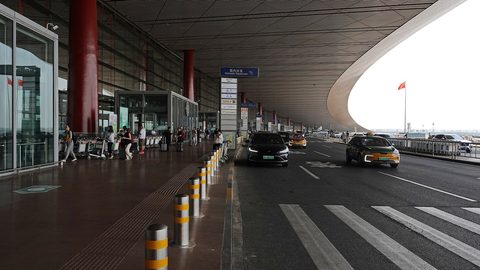 Beijing Flights PEK vs PKX Which Airport Actually Works for You
PEK or PKX? What each Beijing airport costs you in time, money, and logistical friction depending on where you are staying.
Beijing Flights PEK vs PKX Which Airport Actually Works for You
PEK or PKX? What each Beijing airport costs you in time, money, and logistical friction depending on where you are staying.
-
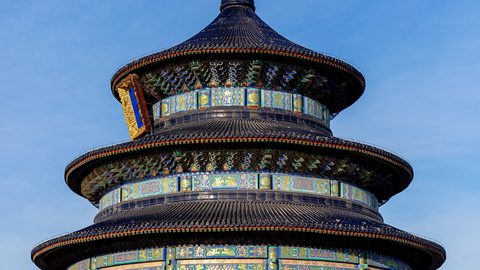 Beijing Things to Do Worth Your Limited Days
The Forbidden City and Great Wall are essential, but Beijing's meaning lives in temple courtyards, hutong lanes and food streets. Here is what earns your days.
Beijing Things to Do Worth Your Limited Days
The Forbidden City and Great Wall are essential, but Beijing's meaning lives in temple courtyards, hutong lanes and food streets. Here is what earns your days.
-
 Best Time to Visit Beijing, Month by Month Tradeoffs
April and October bring blue skies and queues, July brings heat, January brings empty sites and hazardous air. Here is Beijing month by month.
Best Time to Visit Beijing, Month by Month Tradeoffs
April and October bring blue skies and queues, July brings heat, January brings empty sites and hazardous air. Here is Beijing month by month.
-
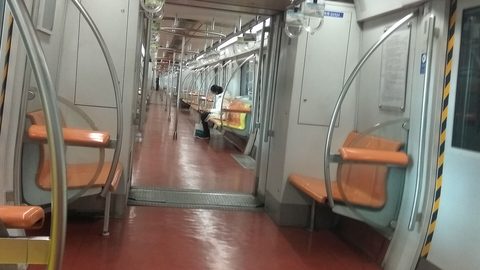 Getting Around Beijing Without Losing Half Your Day
Beijing's metro is clean and cheap but stops early, and taxis rarely speak English. Here is how to move around without burning half your day.
Getting Around Beijing Without Losing Half Your Day
Beijing's metro is clean and cheap but stops early, and taxis rarely speak English. Here is how to move around without burning half your day.
-
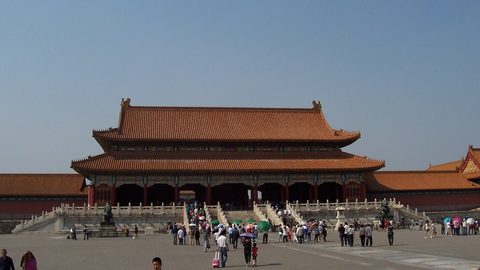 Forbidden City
 tickets require booking seven days ahead on WeChat with a passport. Here is the route to take once you are inside to avoid wasting the visit.
Forbidden City
Forbidden City tickets require booking seven days ahead on WeChat with a passport. Here is the route to take once you are inside to avoid wasting the visit.
-
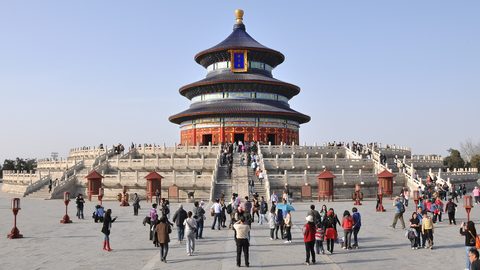 Temple of Heaven
The Temple of Heaven park matters as much as the temple. Morning tai chi, choirs, and card players make it a Beijing ritual worth a full morning.
Temple of Heaven
The Temple of Heaven park matters as much as the temple. Morning tai chi, choirs, and card players make it a Beijing ritual worth a full morning.
-
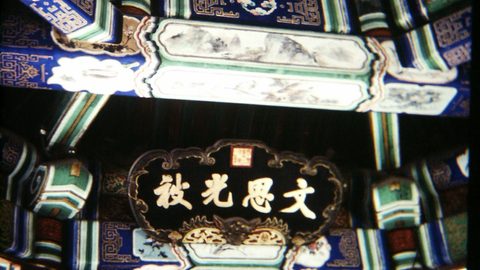 Summer Palace
The Summer Palace is vast and the wrong entrance adds an hour of walking. Use the East Palace Gate and plan for at least four hours.
Summer Palace
The Summer Palace is vast and the wrong entrance adds an hour of walking. Use the East Palace Gate and plan for at least four hours.