How to Recognise and Shut Down Common Beijing Scams
Six Beijing scams, how each one opens, the hook that pulls you in, and the exact sentence that ends the interaction.

The One Sentence That Ends Each Common Beijing Scam
Every Beijing scam follows a script. A friendly stranger approaches. They give you a reason to trust them. Then the trap closes. Learn the opening line, the setup, and the sentence that shuts it down before you land.
Carry your passport. Keep it on you. Most scams target the moment you are distracted, lost, or rushing. If a stranger initiates conversation on a street corner near a major sight, assume it is a scam until you have a reason to think otherwise. The cost of being wrong is time, money, or both.
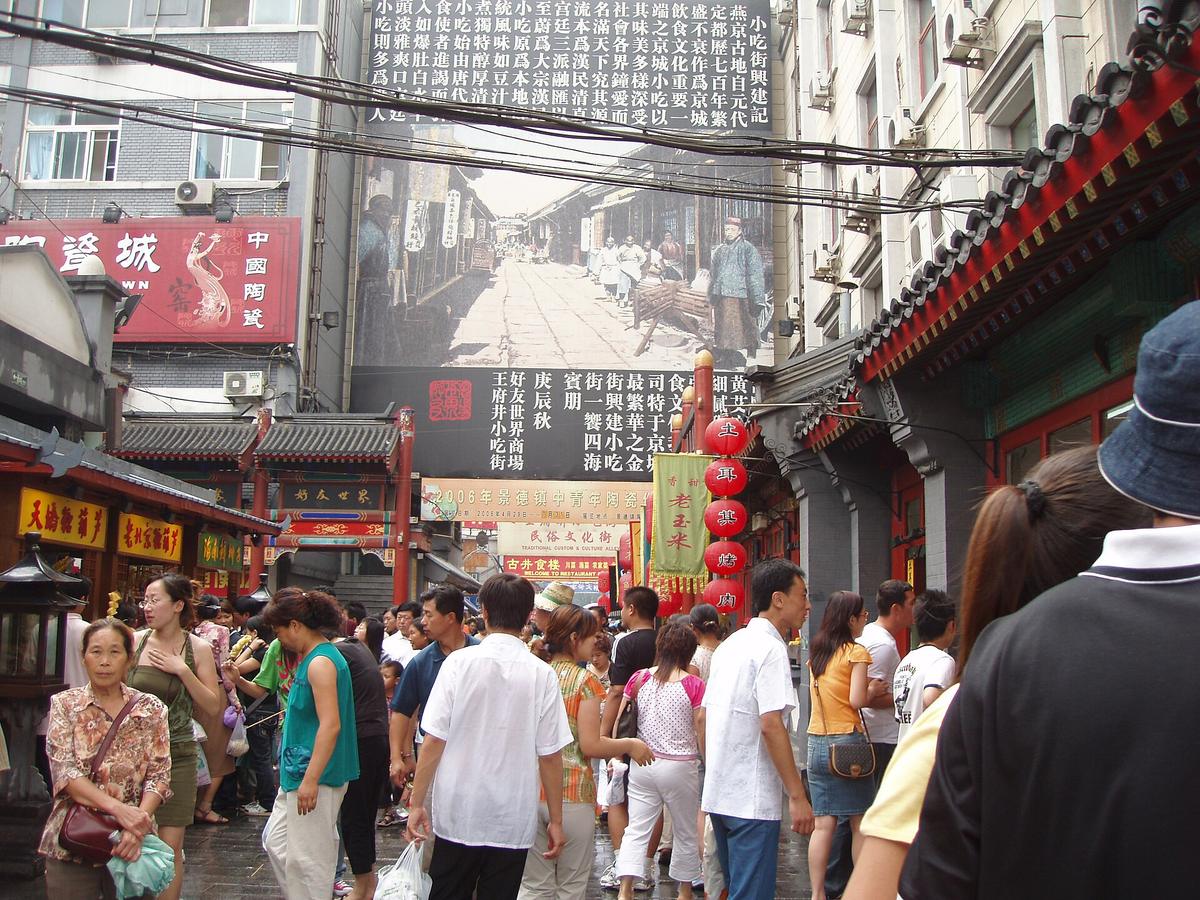
The Tea House Invitation
Who approaches: English-speaking students or a young couple near Wangfujing, Tiananmen, or Qianmen.
The hook: They say they are practising English. They are warm. After two or three minutes of chat, they invite you to a traditional tea house for a ceremony. It sounds cultural. It sounds generous.
It is not.
What happens inside: You sit. Tea arrives. A bill for thousands of yuan arrives with it. Staff block the exit and demand payment. They escort you to an ATM.
The sentence that ends it: “No, thank you, I have another appointment.” Repeat it if needed. Walk away. Do not linger, do not explain, do not apologise. If they follow, enter a shop or a metro station. The fixer does not chase you past a threshold.
The Art Student Gallery Pitch
Who approaches: A friendly student, often near 798 Art Zone or outside a university gate.
The hook: They are an art student. They ask if you want to see their work or their teacher’s work in a nearby gallery. They call it a private studio. It sounds like a cultural exchange.
What happens inside: You walk into a gallery of mass-produced scrolls. Pressured sales tactics follow. Prices start high. The student earns a commission on everything you buy.
The sentence that ends it: “I am not interested in buying art today.” Say it before you follow them anywhere. Or say it and keep walking. The exit is earlier than you think.
The Fake Monk Blessing
Who approaches: A person in monk robes near Lama Temple or a park exit.
The hook: They place a bead bracelet or a small charm in your hand. They say it is a blessing. They chant briefly. Then they ask for a donation.
What happens: The “blessing” is a transaction. Pressure escalates if you hesitate. Other people may appear to create intimidation.
The sentence that ends it: “No thank you, I do not need a blessing.” Hand the item back immediately. Do not hold it. Once it is in your hand, they argue you accepted it. Keep your hands empty and your pace steady.
The Rigged Taxi Meter and the Refused Fare
How The Scam Opens
You are at a taxi queue or an airport terminal. A driver approaches you inside the terminal, not at the official queue. Or you get into a cab, ask for a short ride, and the driver says no. Or you agree on a price, the driver refuses to use the meter, and at arrival the price triples. Or the driver takes the long way round through ring roads.
Stop It Before You Get In
Use Didi, the ride-hailing app, with a recorded route. You see the price before you get in. The car tracks on the map. If you must use a street taxi, the sentence is: “Please use the meter, or I will get out here.” Say it while the car is stationary. If the driver refuses, get out. Do not negotiate. A metered ride from PEK to central Beijing costs roughly 100 to 150 yuan. Airport touts inside the terminal will ask for double or triple.
Short Fare Refusal
If a taxi refuses your short ride, do not argue. Step out. Wave down the next one. The one that stops will take you.
The Great Wall Closed Today Reroute
How it opens: You are near a metro station or on a street near your hotel. A driver or a tout says the Great Wall is closed today. The real section is closed. But they can take you to another section, or to a jade and silk shopping stop first, for a “special price.” They sell you a combined ticket on the street.
What happens: The Great Wall is not closed. Combined tickets sold on the street are overpriced or fake. The real entrance to Mutianyu or Jinshanling requires an ID-matched ticket or an on-site purchase. A resold ticket cannot work because entry is real-name.
The sentence that ends it: “I will check the official website myself, thank you.” Keep walking. Do not look at their ticket. Do not hand over your phone. Pull up the official Mutianyu page on your own device.

The Special Price Jade or Silk Shop
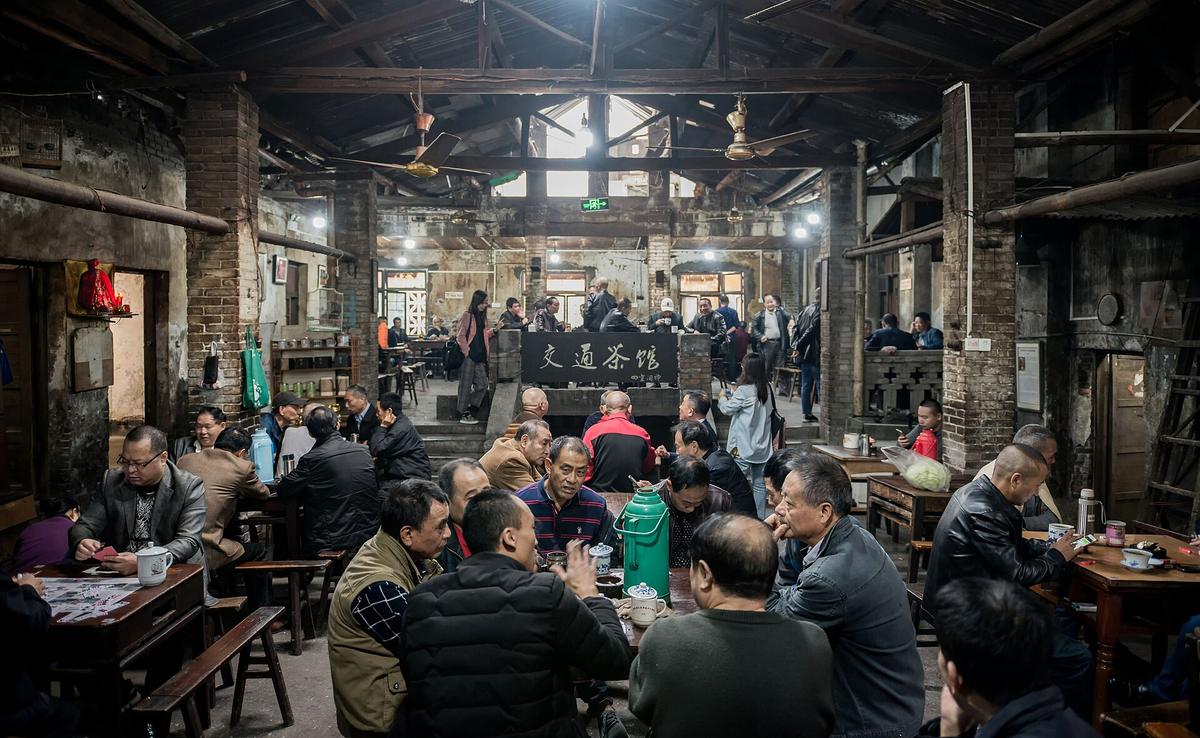
How it opens: A friendly driver or guide says they know a “real” jade or silk factory. No tourists go there. Special price for you. Free to look. They take you to a shop in a nondescript building.
What happens: The prices are inflated. The jade may be dyed quartz or resin. The silk may be synthetic. The driver earns a commission of 30 to 50 percent of whatever you spend.
The sentence that ends it: “I do not need to buy anything. Please take me to my original destination, or I will get out here and call Didi.” Say it at the shop door. Do not enter. Once you are inside, the pressure to buy is higher.
Things That Look Like Scams but Are Not
Three behaviours are normal in Beijing. Do not mistake them for scams. Pushing in queues happens. Staring is not aggressive, it is curiosity. Being photographed by strangers is common, especially if you have light skin or non-Asian features. You can say no. You do not need to be rude. A hand wave and a shake of the head works.
| Scam | Who Approaches You | Your Exit Sentence |
|---|---|---|
| Tea House | Students or a young couple | "No, thank you, I have another appointment." |
| Art Gallery | Friendly student | "I am not interested in buying art today." |
| Fake Monk | Person in monk robes | "No thank you, I do not need a blessing." |
| Rigged Taxi | Driver inside terminal or refusing meter | "Please use the meter, or I will get out here." |
| Great Wall Closed | Tour driver or tout | "I will check the official website myself, thank you." |
| Jade Or Silk Shop | Driver or guide | "I do not need to buy anything. Please take me to my destination." |
What Goes Wrong Most Often
Travellers underestimate the distance between sights and the time security checks take. Then they try to save time by accepting help from a stranger on the street. That is exactly how each of these scams starts. The moment someone offers you a shortcut, a discount, a blessing, a tea ceremony, or a ride to a “closed” Great Wall, you are being sold something that costs more than you planned.
Book your Didi with a recorded route. Keep walking past the friendly student. Hand back the bracelet. Say the sentence, then leave. Decide, before you arrive, that you will not stop for an unsolicited offer in central Beijing. Not once. Not for a photo. Not for directions. That decision saves you time, money, and the headache of a police report.
Read next
-
 Beijing Hotels by Price Band and Property Type
Beijing hotels split into hutong courtyards, international chains and functional business towers. Here is what each price band actually buys you.
Beijing Hotels by Price Band and Property Type
Beijing hotels split into hutong courtyards, international chains and functional business towers. Here is what each price band actually buys you.
-
 Where to Stay in Beijing by District and Travel Style
Dongcheng puts you beside the Forbidden City, Chaoyang beside the nightlife. Here is how Beijing's districts compare for different travellers.
Where to Stay in Beijing by District and Travel Style
Dongcheng puts you beside the Forbidden City, Chaoyang beside the nightlife. Here is how Beijing's districts compare for different travellers.
-
 Beijing Flights PEK vs PKX Which Airport Actually Works for You
PEK or PKX? What each Beijing airport costs you in time, money, and logistical friction depending on where you are staying.
Beijing Flights PEK vs PKX Which Airport Actually Works for You
PEK or PKX? What each Beijing airport costs you in time, money, and logistical friction depending on where you are staying.
-
 Beijing Things to Do Worth Your Limited Days
The Forbidden City and Great Wall are essential, but Beijing's meaning lives in temple courtyards, hutong lanes and food streets. Here is what earns your days.
Beijing Things to Do Worth Your Limited Days
The Forbidden City and Great Wall are essential, but Beijing's meaning lives in temple courtyards, hutong lanes and food streets. Here is what earns your days.
-
 Best Time to Visit Beijing, Month by Month Tradeoffs
April and October bring blue skies and queues, July brings heat, January brings empty sites and hazardous air. Here is Beijing month by month.
Best Time to Visit Beijing, Month by Month Tradeoffs
April and October bring blue skies and queues, July brings heat, January brings empty sites and hazardous air. Here is Beijing month by month.
-
 Getting Around Beijing Without Losing Half Your Day
Beijing's metro is clean and cheap but stops early, and taxis rarely speak English. Here is how to move around without burning half your day.
Getting Around Beijing Without Losing Half Your Day
Beijing's metro is clean and cheap but stops early, and taxis rarely speak English. Here is how to move around without burning half your day.
-
 Forbidden City
 tickets require booking seven days ahead on WeChat with a passport. Here is the route to take once you are inside to avoid wasting the visit.
Forbidden City
Forbidden City tickets require booking seven days ahead on WeChat with a passport. Here is the route to take once you are inside to avoid wasting the visit.
-
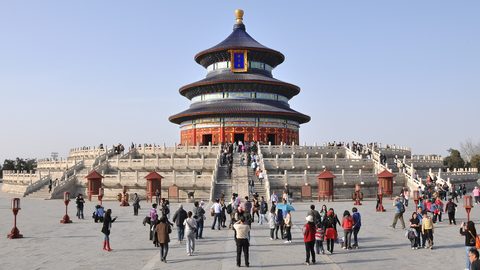 Temple of Heaven
The Temple of Heaven park matters as much as the temple. Morning tai chi, choirs, and card players make it a Beijing ritual worth a full morning.
Temple of Heaven
The Temple of Heaven park matters as much as the temple. Morning tai chi, choirs, and card players make it a Beijing ritual worth a full morning.
-
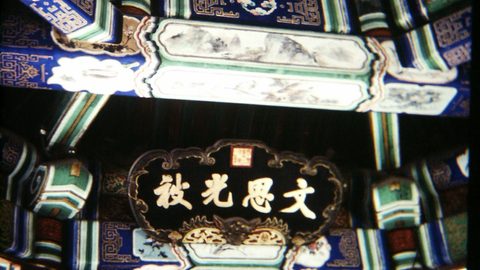 Summer Palace
The Summer Palace is vast and the wrong entrance adds an hour of walking. Use the East Palace Gate and plan for at least four hours.
Summer Palace
The Summer Palace is vast and the wrong entrance adds an hour of walking. Use the East Palace Gate and plan for at least four hours.