Whether the Lama Temple Is Worth It When You Have Already Seen Two Temples
The Lama Temple is an active Tibetan Buddhist monastery, not a museum piece. It earns a slot if you want living ritual over restored imperial halls.
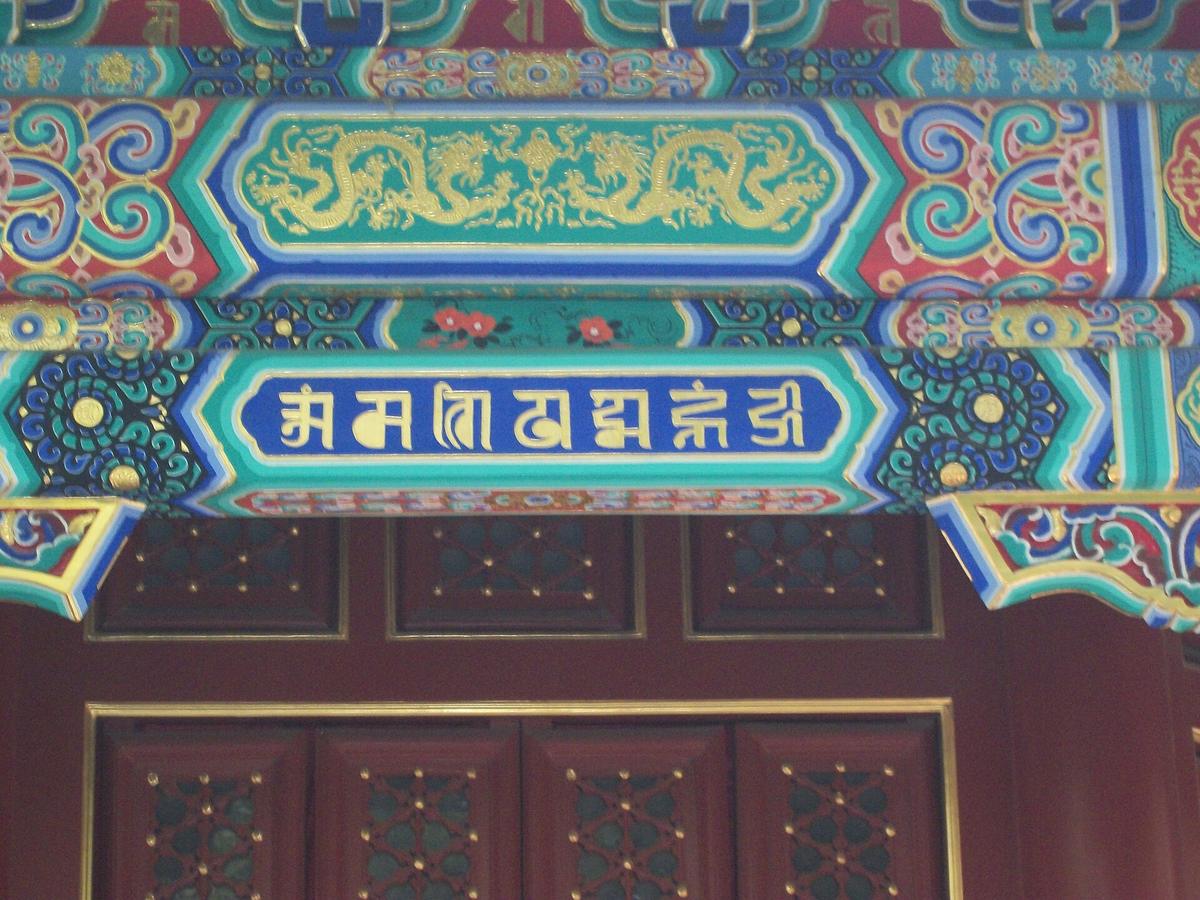

Should You Visit the Lama Temple When You Have Already Done Two Temples
The wrong assumption is that all Chinese temples blur into one after the first two. The Temple of Heaven is an imperial altar, a stage for celestial ceremony. The Forbidden City is a palace complex dressed as a temple. Neither is an active religious site. The Lama Temple is. It is a working Tibetan Buddhist monastery where the incense smoke hangs so thick you taste it, where worshippers press their foreheads to wooden floors and queue with thermoses of tea for a monk's blessing. That alone sets it apart.
The Sandalwood Buddha
But the real argument for slotting it in after temple number two is the Buddha. An 18-metre sandalwood statue carved from a single tree trunk, rising through five floors of the Wanfu Pavilion. You walk around it, you look up at it, and the sheer scale of the thing makes every other Buddha you have seen feel like a desk ornament. It is not a museum piece. It is a living object of devotion, surrounded by bowls of oil lamps and piles of fruit offerings. The question is not whether you have seen enough temples. The question is whether you want to see something that is still doing its original job.
- What It Actually Is: An active Tibetan Buddhist monastery, converted from a prince's residence in 1744, now a major pilgrimage site for monks and lay worshippers
- Verdict: Worth the slot. It feels different from the imperial altar temples because it is still in use, not preserved behind ropes
- How To Get In: Buy a ticket at the gate or via the official WeChat mini-program. Passport required for booking. No advance reservation needed except during National Day week. Queue at the south gate on Yonghegong Street
- Time Required: 30 to 45 minutes. Walk straight through the five halls, stop at the Wanfu Pavilion for the sandalwood Buddha, and you are done
- Best Time To Visit: Before 9am, before the tour buses arrive. Mornings also mean fewer crowds and thicker incense. Avoid weekends and the first week of October
- The Mistake Most Visitors Make: Visiting in the afternoon when the light is flat, the courtyard is packed, and the smoke has thinned. Or skipping the side halls, where the real prayer activity happens
- What To Skip: The gift shop at the exit. The souvenir vendors on Yonghegong Street. The attempt to photograph the Buddha inside the Wanfu Pavilion (it is dark and no-flash anyway)
What Makes the Lama Temple Earn Its Slot
The contrast with the Confucius Temple next door tells you everything. Walk out of the Lama Temple through the south gate, cross the street, and enter the Confucius Temple complex. Silence. Empty courtyards. Gnarled cypress trees older than the Qing dynasty. It is a quiet courtyard escape, a scholar's retreat with no incense, no chanting, no worshippers.
Two Temples, Two Worlds
The Lama Temple is the opposite. It is loud, crowded, and intensely sensory. The halls are lined with wrathful protector deities painted in gold and black. Monks in saffron robes argue over sutras in the prayer hall. The air smells of sandalwood and yak butter. If you are temple-fatigued, the Confucius Temple is where you sit down. The Lama Temple is where you wake up. That is why it earns its slot. It does not feel like the Temple of Heaven or the Forbidden City. It feels like Tibet in the middle of Beijing, a living tradition that has survived the Cultural Revolution and the modernisation of the city around it.
How to Do it Well and What to Skip
Arrive at 8.30am on a weekday. The south gate opens at 9am, and the first wave of tour buses rolls in around 10am. You want the 30 minutes between opening and the buses.
The Five-Hall Route
Walk straight through the five main halls. Do not stop at every side hall. The sequence is: the Hall of Heavenly Kings, the Yonghe Palace with the Maitreya Buddha, the Yongyou Hall with the Buddha of Long Life, the Falun Hall for the massive prayer wheel, and finally the Wanfu Pavilion for the sandalwood statue. That is the order. The mistake is lingering in the first three halls and running out of energy for the last one.
What To Do at the Buddha
The Buddha is the reason you came. Stand under it for a full minute. Watch the pilgrims circle it clockwise, spin the small prayer wheels, and touch their heads to the floor. Then leave. You do not need the side halls. You do not need the calligraphy exhibition. You need that 45-minute hit of raw devotion, and then you are done. After that, cross the street to the Confucius Temple for the silence. It is the perfect pairing: one active, one passive. Both fit into a 90-minute morning.
Logistics and Friction Points
The metro is the easiest way in. Take Line 2 or Line 5 to Yonghegong Lama Temple station, exit C. The ride from Dongzhimen takes 5 minutes. From central Dongcheng, it is 15 minutes on the train.
Tickets and Timing
The ticket costs ¥25 you can pay with cash or Alipay. If you use cash, the queue at the ticket window moves slower than the digital one. Bring your passport in case the system checks. No advance booking is needed for most days, but skip the first week of October when the courtyard fills with domestic tourists. The site is closed on some Buddhist holidays; check the official WeChat account before you go.
Food and Facilities
Public toilets are inside the compound, squat-style, no paper. Carry your own. The small streets around the south gate have snack vendors selling jianbing and chuanr skewers, but the best food move is a 10-minute walk to Wudaoying Hutong for a proper lunch of zhajiangmian at a hutong hole-in-the-wall shop.
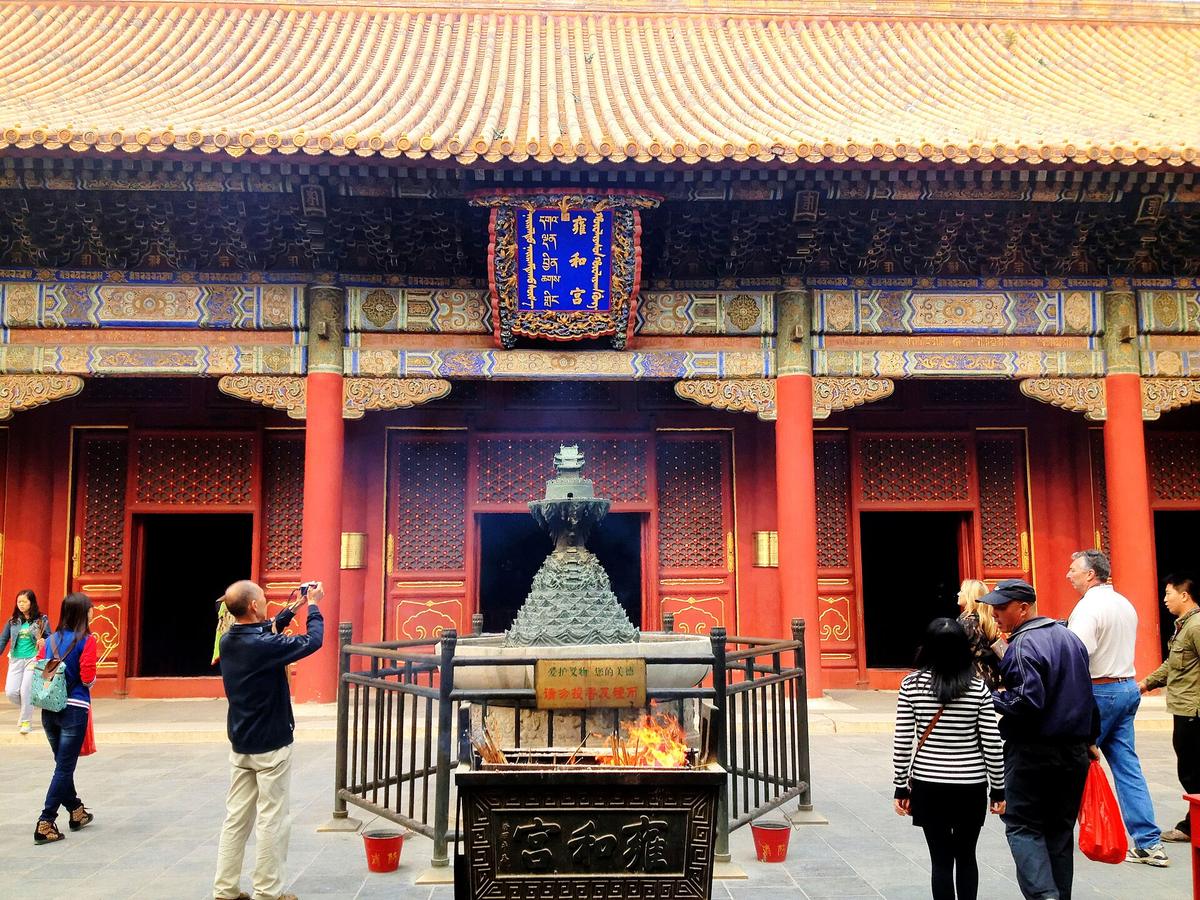

Who This Suits and Who it Does Not
This suits the history obsessive who wants depth over charm and who understands that a temple in Beijing is not a retreat. It suits the solo traveller comfortable with logistical friction and the repeat China visitor who has ticked the imperial sights and wants something raw. It does not suit anyone who needs green space and spontaneity, or the first-time Asia traveller seeking a gentle introduction. If you are temple-fatigued and looking for a quiet courtyard to sit in, skip the Lama Temple and go straight to the Confucius Temple next door. The Lama Temple demands your attention. It earns it, but it will not give you peace.
Common Questions
Is the Lama Temple worth visiting after the Temple of Heaven and the Forbidden City?
Yes, because it is an active temple, not a museum. The incense, the worshippers, and the 18-metre sandalwood Buddha make it feel fundamentally different from the imperial altar temples.
How long do I need at the Lama Temple?
30 to 45 minutes. Walk the five main halls, stop at the Wanfu Pavilion, and you are done. Adding the Confucius Temple next door makes it a 90-minute morning.
What is the best time of day to visit?
Before 9am, before the tour buses arrive. Mornings have fewer crowds and thicker incense. Afternoons are packed and the light is flat.
Do I need to book tickets in advance?
Not normally. You can buy at the gate with cash or digital payment. During National Day week (first week of October), book ahead on the official WeChat mini-program and bring your passport.
Is photography allowed inside the temple?
Photography is allowed in the courtyards and halls, but no flash inside. The Wanfu Pavilion is too dark for good photos anyway. Put your camera down and look at the Buddha.
What is the difference between the Lama Temple and the Confucius Temple next door?
The Lama Temple is loud, crowded, and intensely sensory with incense and chanting. The Confucius Temple is silent, empty, and green. Visit both in one morning for the contrast.
Should I skip the Lama Temple if I am tired of temples?
Skip it if you want a quiet courtyard sit. Visit it if you want a genuinely active religious site that feels nothing like the imperial temples. It will not cure temple fatigue but it will break the pattern.
Read next
-
 Beijing Hotels by Price Band and Property Type
Beijing hotels split into hutong courtyards, international chains and functional business towers. Here is what each price band actually buys you.
Beijing Hotels by Price Band and Property Type
Beijing hotels split into hutong courtyards, international chains and functional business towers. Here is what each price band actually buys you.
-
 Where to Stay in Beijing by District and Travel Style
Dongcheng puts you beside the Forbidden City, Chaoyang beside the nightlife. Here is how Beijing's districts compare for different travellers.
Where to Stay in Beijing by District and Travel Style
Dongcheng puts you beside the Forbidden City, Chaoyang beside the nightlife. Here is how Beijing's districts compare for different travellers.
-
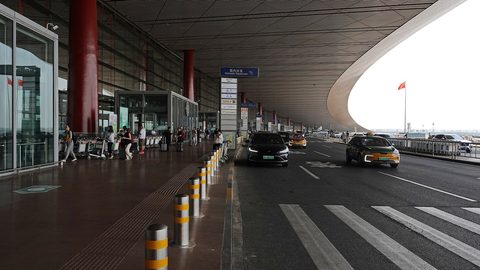 Beijing Flights PEK vs PKX Which Airport Actually Works for You
PEK or PKX? What each Beijing airport costs you in time, money, and logistical friction depending on where you are staying.
Beijing Flights PEK vs PKX Which Airport Actually Works for You
PEK or PKX? What each Beijing airport costs you in time, money, and logistical friction depending on where you are staying.
-
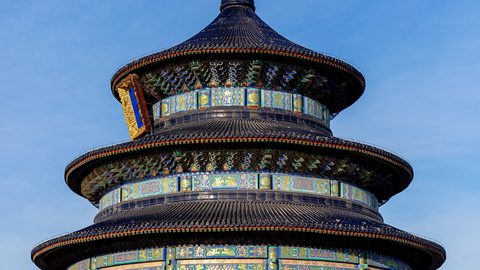 Beijing Things to Do Worth Your Limited Days
The Forbidden City and Great Wall are essential, but Beijing's meaning lives in temple courtyards, hutong lanes and food streets. Here is what earns your days.
Beijing Things to Do Worth Your Limited Days
The Forbidden City and Great Wall are essential, but Beijing's meaning lives in temple courtyards, hutong lanes and food streets. Here is what earns your days.
-
 Best Time to Visit Beijing, Month by Month Tradeoffs
April and October bring blue skies and queues, July brings heat, January brings empty sites and hazardous air. Here is Beijing month by month.
Best Time to Visit Beijing, Month by Month Tradeoffs
April and October bring blue skies and queues, July brings heat, January brings empty sites and hazardous air. Here is Beijing month by month.
-
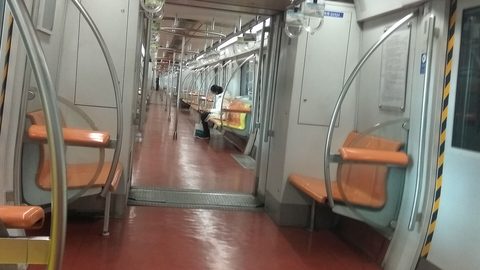 Getting Around Beijing Without Losing Half Your Day
Beijing's metro is clean and cheap but stops early, and taxis rarely speak English. Here is how to move around without burning half your day.
Getting Around Beijing Without Losing Half Your Day
Beijing's metro is clean and cheap but stops early, and taxis rarely speak English. Here is how to move around without burning half your day.
-
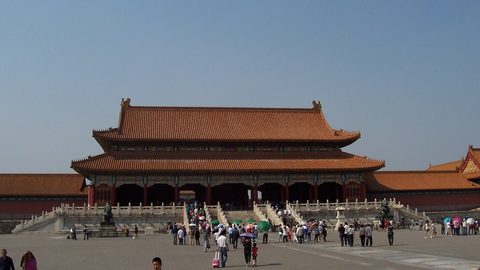 Forbidden City
 tickets require booking seven days ahead on WeChat with a passport. Here is the route to take once you are inside to avoid wasting the visit.
Forbidden City
Forbidden City tickets require booking seven days ahead on WeChat with a passport. Here is the route to take once you are inside to avoid wasting the visit.
-
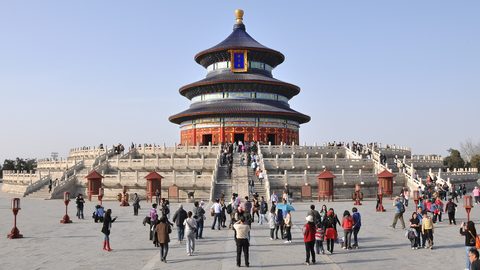 Temple of Heaven
The Temple of Heaven park matters as much as the temple. Morning tai chi, choirs, and card players make it a Beijing ritual worth a full morning.
Temple of Heaven
The Temple of Heaven park matters as much as the temple. Morning tai chi, choirs, and card players make it a Beijing ritual worth a full morning.
-
 Summer Palace
The Summer Palace is vast and the wrong entrance adds an hour of walking. Use the East Palace Gate and plan for at least four hours.
Summer Palace
The Summer Palace is vast and the wrong entrance adds an hour of walking. Use the East Palace Gate and plan for at least four hours.