Which Beijing Great Wall Section Should You Actually Visit
Mutianyu and Badaling are the two most-visited Great Wall sections from Beijing, but they suit very different travellers and tolerance levels.
.jpg)
Between Mutianyu and Badaling, the Real Difference is Not the Wall. it is the Crowd.
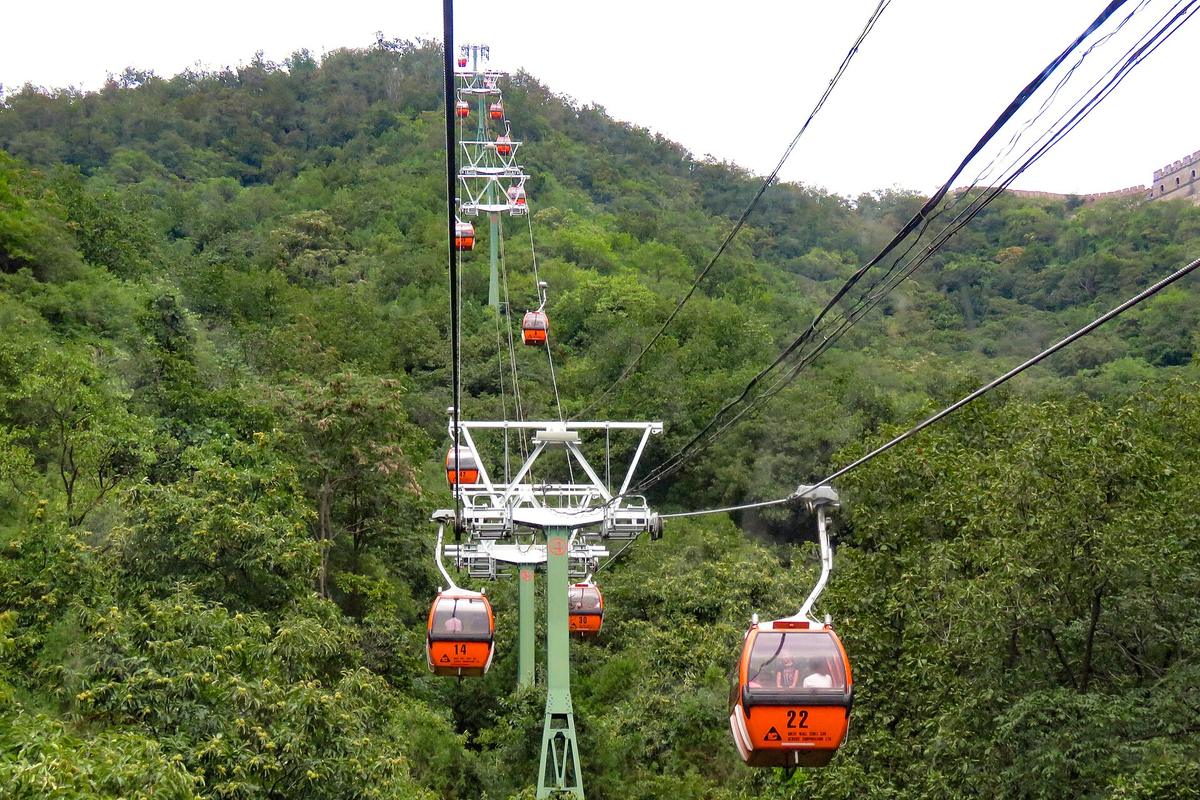
Badaling gets 70,000 visitors on a peak day. Mutianyu gets a fraction of that. That single fact matters more than the condition of the stonework, the view from the watchtowers, or the price of a cable car ticket. The Great Wall was built to keep people out. At Badaling, the problem is keeping them moving. Mutianyu, by contrast, feels like what you came for: a wall you can walk without your shoulders brushing strangers on both sides.
But Badaling is not a trap. It is the right section for a specific kind of traveller. Mutianyu rewards a different one. And if neither fits, there is a third section that silently solves the whole argument. Let me referee this honestly, starting with the numbers that matter.
| Factor | Badaling | Mutianyu | Jinshanling |
|---|---|---|---|
| Crowd Density | Extreme. Peak season you shuffle. | Moderate. You walk freely. | Low. Thousands, not tens of thousands. You hike. |
| Getting There | Direct train from Beijing North Station (80 min). Easiest. | Bus 916 Express to Huairou then taxi, or pre-booked car (1.5 hours total). | 2.5 hours by car from central Beijing. No train. |
| Accessibility | Wheelchair-accessible cable car. Handrails everywhere. Gentle paths. | Cable car up and down. Toboggan slide. Steeper paths. Not wheelchair-friendly. | No cable car. Steep climbs on original stone. For fit walkers only. |
| Wall Experience | Fully restored, wide, paved. Feels like a park. | Fully restored, 23 watchtowers in 2km. Denser tower cluster than Badaling. | Semi-wild. Partly restored, partly crumbling. Genuine hiking feel. |
| Time Needed | Half day from Beijing. 2–3 hours on the wall. | Full day from Beijing. 3–4 hours on the wall. | Full day minimum. 4–6 hours on the wall for a good hike. |
| Cost | Train ¥25. Cable car ¥140 round trip. Entry ¥40. | Bus ¥15. Taxi from Huairou ¥60. Cable car ¥120 round trip. Entry ¥40. Toboggan ¥80. | Entry ¥65. Car hire ¥500+ shared. No cable car cost. |
Badaling is the Practical Choice. but Practical Has a Price.
When Convenience Wins
Badaling wins on one axis only: convenience. The direct train from Beijing North Station dumps you at the foot of the wall in 80 minutes. The cable car is wheelchair accessible. Handrails run the length of the restored sections. There are enough noodle shops, souvenir stalls, and selfie spots to occupy a family for an entire morning. Beijing operates on a scale that exhausts even prepared travellers, and Badaling reduces the logistical friction to near zero.
The Crowd Trade-Off
But here is the trade-off. In April and May, or September and October, or the first week of October when domestic tourism peaks, you will share that wall with thousands of people moving at a shuffle. The experience becomes a queue with a view. You are not walking the Great Wall. You are being herded along it. The handrails that make it accessible also turn it into a conveyor belt. If you hate crowds, do not go to Badaling during peak season. Go in winter, when biting cold keeps numbers down and the empty wall is genuinely moving.
Mutianyu Rewards the Effort of Getting There. and the Toboggan is Real.
Why the Extra Hour Matters
Mutianyu requires a bus to Huairou, then a taxi. Or a pre-booked car for the whole trip. That extra hour of friction filters out the worst of the crowds. You still get a fully restored wall with 23 watchtowers packed into two kilometres, a denser cluster than Badaling's, which means more variety in your walk. You also get the toboggan slide down from the wall, which is not a gimmick. It is a genuine thrill, a 1.6km concrete chute you control with a brake lever, and it lets you skip the cable car queue on the way down.
Who Should Choose Mutianyu
Mutianyu is the right wall for anyone who wants to feel like they are at the Great Wall rather than at a theme park called the Great Wall. It is still busy. It is still heavily restored. But the crowd density is lower, the watchtowers are closer together, and the walk itself feels like a hike rather than a promenade. First-time Asia travellers who are comfortable with a little logistical friction should pick Mutianyu over Badaling without hesitation.
One warning: do not try to do the Forbidden City and the Great Wall on the same day. The Forbidden City alone takes 3, 4 hours, and Mutianyu is 1.5 hours north of Beijing. You will photograph both entrances and leave. That is not a day trip. That is a waste of a metro ride.

Jinshanling is the Answer When Neither Mutianyu Nor Badaling Satisfies
The Silent Contender
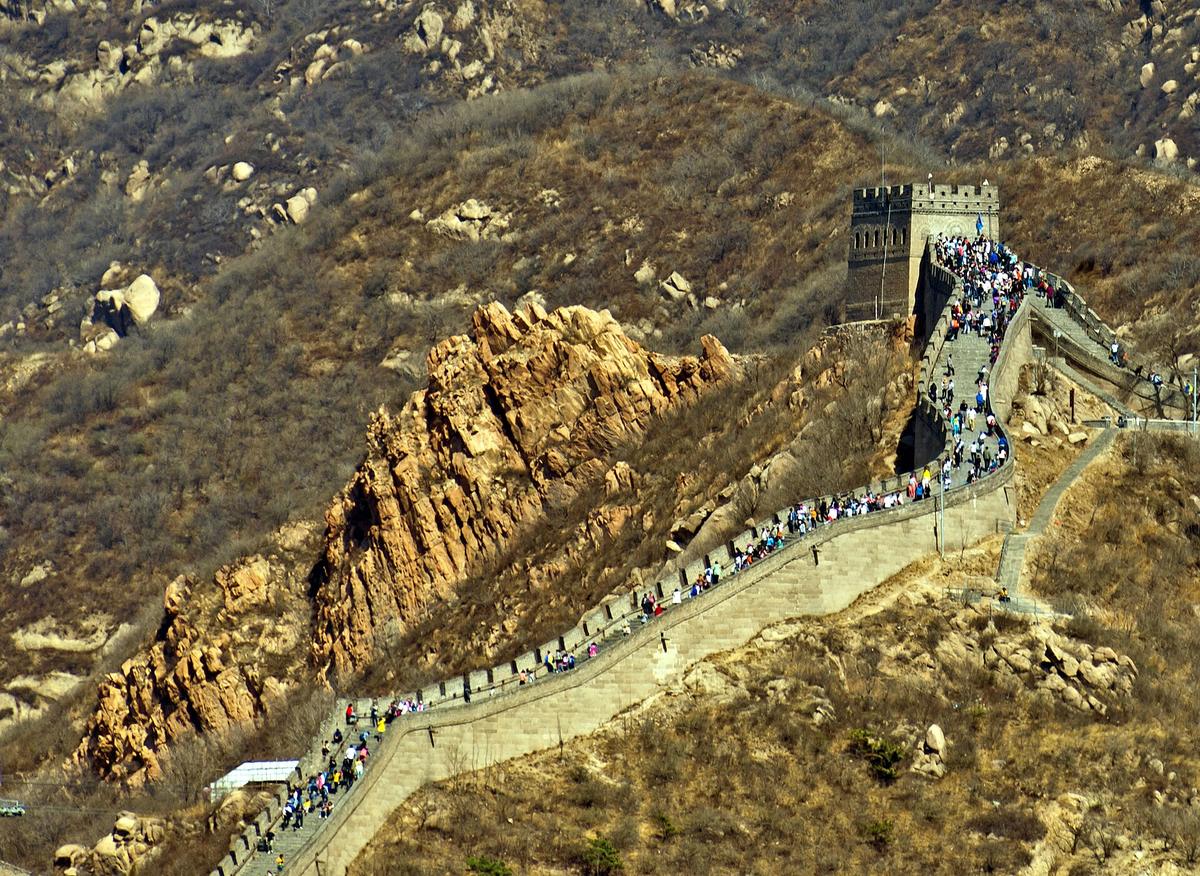
If you are willing to drive further, Jinshanling solves the dilemma. It is 2.5 hours by car from central Beijing, has no cable car, and offers a semi-wild wall that is partly restored and partly crumbling. The crowds are low even in peak season because the effort required filters out the casual tourist. The hike is real: steep climbs on original Ming-dynasty stone, watchtowers you can enter without bumping into a gift shop, and views that stretch into the mountains without a selfie stick in the foreground.
Who Jinshanling is For
Jinshanling is not for everyone. It is for history obsessives who want depth over charm, solo travellers comfortable with logistical friction, and repeat China visitors who have already done the restored sections. It is not for first-time Asia travellers seeking a gentle introduction or anyone with mobility issues. But if you can manage the drive and the climb, Jinshanling is the Great Wall the brochure photographs sold you.
Worth it if
- Badaling is the most accessible restored section in China. Direct train from Beijing North Station, wheelchair accessible cable car, handrails everywhere. Zero logistical hassle.
- Mutianyu has a denser watchtower cluster than Badaling, meaning more to see per kilometre walked. Plus the toboggan slide down is a real experience, not a theme park gimmick.
- Jinshanling offers low crowd density even in peak season, genuine Ming-dynasty stonework, and a hiking experience that feels like discovery rather than queuing.
Skip it if
- Badaling can see 70,000 visitors in a single day during peak season. You will shuffle, not walk. The experience is a queue with a view.
- Mutianyu requires a bus to Huairou then a taxi, or a pre booked car. The extra hour of friction is rewarding but real, and first time Asia travellers may find it stressful.
- Jinshanling is 2.5 hours by car with no cable car, no wheelchair access, and steep climbs on original stone. It is not for casual visitors or anyone with mobility issues.
Read next
-
 Beijing Hotels by Price Band and Property Type
Beijing hotels split into hutong courtyards, international chains and functional business towers. Here is what each price band actually buys you.
Beijing Hotels by Price Band and Property Type
Beijing hotels split into hutong courtyards, international chains and functional business towers. Here is what each price band actually buys you.
-
 Where to Stay in Beijing by District and Travel Style
Dongcheng puts you beside the Forbidden City, Chaoyang beside the nightlife. Here is how Beijing's districts compare for different travellers.
Where to Stay in Beijing by District and Travel Style
Dongcheng puts you beside the Forbidden City, Chaoyang beside the nightlife. Here is how Beijing's districts compare for different travellers.
-
 Beijing Flights PEK vs PKX Which Airport Actually Works for You
PEK or PKX? What each Beijing airport costs you in time, money, and logistical friction depending on where you are staying.
Beijing Flights PEK vs PKX Which Airport Actually Works for You
PEK or PKX? What each Beijing airport costs you in time, money, and logistical friction depending on where you are staying.
-
 Beijing Things to Do Worth Your Limited Days
The Forbidden City and Great Wall are essential, but Beijing's meaning lives in temple courtyards, hutong lanes and food streets. Here is what earns your days.
Beijing Things to Do Worth Your Limited Days
The Forbidden City and Great Wall are essential, but Beijing's meaning lives in temple courtyards, hutong lanes and food streets. Here is what earns your days.
-
 Best Time to Visit Beijing, Month by Month Tradeoffs
April and October bring blue skies and queues, July brings heat, January brings empty sites and hazardous air. Here is Beijing month by month.
Best Time to Visit Beijing, Month by Month Tradeoffs
April and October bring blue skies and queues, July brings heat, January brings empty sites and hazardous air. Here is Beijing month by month.
-
 Getting Around Beijing Without Losing Half Your Day
Beijing's metro is clean and cheap but stops early, and taxis rarely speak English. Here is how to move around without burning half your day.
Getting Around Beijing Without Losing Half Your Day
Beijing's metro is clean and cheap but stops early, and taxis rarely speak English. Here is how to move around without burning half your day.
-
 Forbidden City
 tickets require booking seven days ahead on WeChat with a passport. Here is the route to take once you are inside to avoid wasting the visit.
Forbidden City
Forbidden City tickets require booking seven days ahead on WeChat with a passport. Here is the route to take once you are inside to avoid wasting the visit.
-
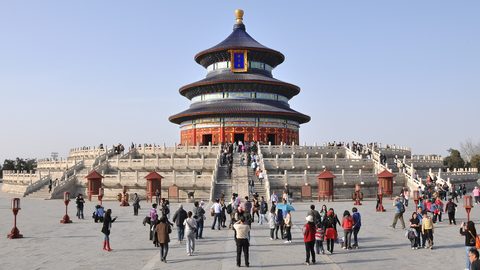 Temple of Heaven
The Temple of Heaven park matters as much as the temple. Morning tai chi, choirs, and card players make it a Beijing ritual worth a full morning.
Temple of Heaven
The Temple of Heaven park matters as much as the temple. Morning tai chi, choirs, and card players make it a Beijing ritual worth a full morning.
-
 Summer Palace
The Summer Palace is vast and the wrong entrance adds an hour of walking. Use the East Palace Gate and plan for at least four hours.
Summer Palace
The Summer Palace is vast and the wrong entrance adds an hour of walking. Use the East Palace Gate and plan for at least four hours.