What to Actually Do in Qianmen After You See the Facade
Qianmen's main street is a rebuild, but the lanes behind it still hold old Beijing food, brands, and morning rituals worth finding.
What to Actually Do in Qianmen After You See the Facade
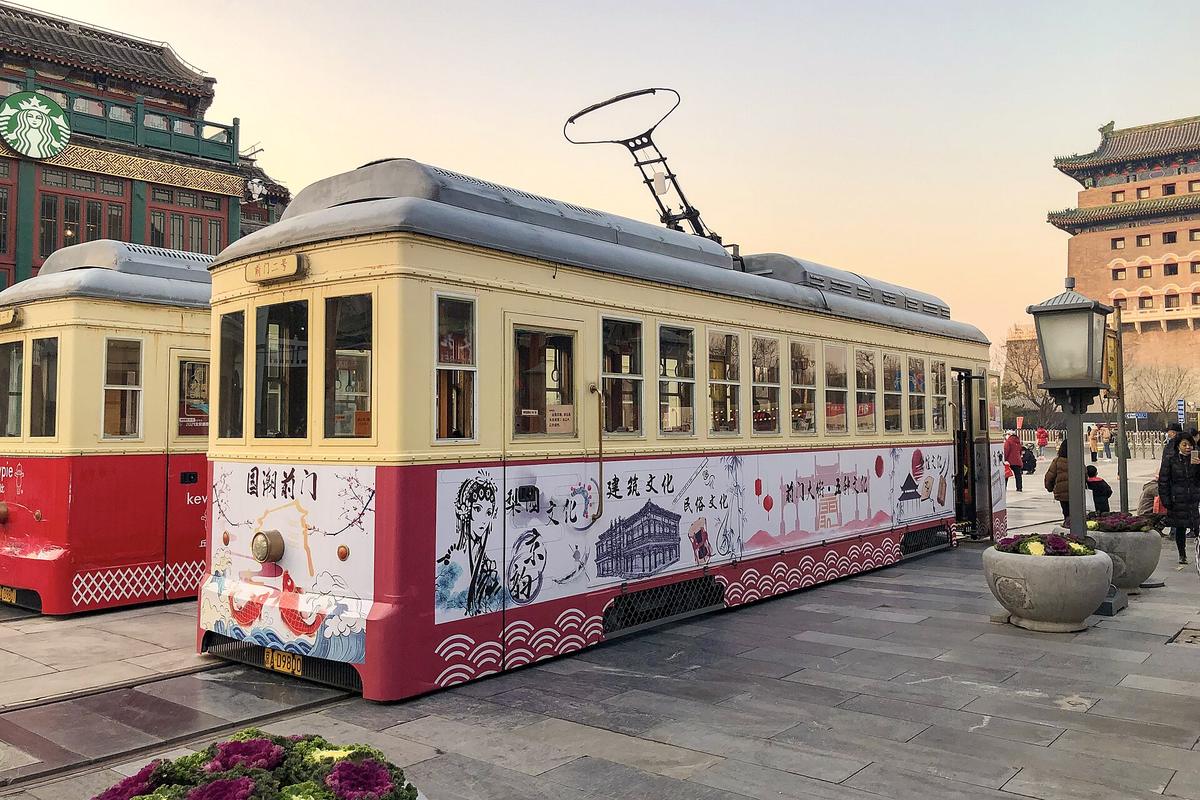
The main street of Qianmen is a 2008 reconstruction of a Ming and Qing commercial avenue, and the tram running down its centre is a static prop. Accept that now. The street was rebuilt to look old rather than to be old, and the crowds shuffling past branded souvenir shops confirm it. The question that matters, and the one that determines whether Qianmen Street is worth visiting, is what survives behind that polished front. The answer is the side lanes of the old commercial quarter, the brand shops still trading on centuries of reputation, the hutong life that starts before dawn, and the food stalls feeding Beijingers who never stopped coming. This is a lesson in reading the city's layers, not a preserved old town, and it is worth your time if you know where to look.
Qianmen Street Worth Visiting: the One Question You Have to Answer
You need a clear reason to walk Qianmen main street. The architecture is a replica, the shops are chains, and the crowds are thick. If you come expecting authenticity, you will leave disappointed. If you come as a starting point, you leave with a day. The main street connects to everything worth doing in the area: it puts you steps from the old commercial gate, from the old pharmacy on your left, from the diagonal lane that leads to Liulichang. Walk it once, fast, heading south. The real work begins when you turn off it.
.jpg)
| Street or Lane | Length | Why It Matters | Best Time To Go |
|---|---|---|---|
| Dashilan main axis | Approx 300 m | Commercial street with Ming dynasty origins; shops like Tongrentang and Neiliansheng still trade from original premises | Morning, before 11:00, when tour groups have not yet filled it |
| Yangmeizhu Xiejie | Approx 500 m | Diagonal lane connecting the old commercial street to Liulichang; independent bookshops, design studios, low foot traffic | Midday or afternoon; shops open 10:00 to 18:00 |
| Liulichang street | Approx 200 m | Arts supplies street; Ming dynasty name, Qing and Republican buildings; in-house carving and mounting visible at workshops | Late morning to early afternoon; many workshops close by 17:00 |
| Hutong lanes behind the old commercial street | Variable | Residential lanes with courtyard homes, local breakfast stalls, early morning life | 05:30 to 08:00, before the shops open |
Dashilan Hutong History: the Real Commercial Core
The old commercial street has origins in the Ming dynasty, specifically the period from 1368 to 1644, though its current buildings are largely 20th century or later. That does not make it fake. The street has been rebuilt multiple times because it has been commercially vital for centuries, and that continuity matters more than the age of the bricks. What you are looking at is a living commercial district, not a museum set.
The Shops That Never Left
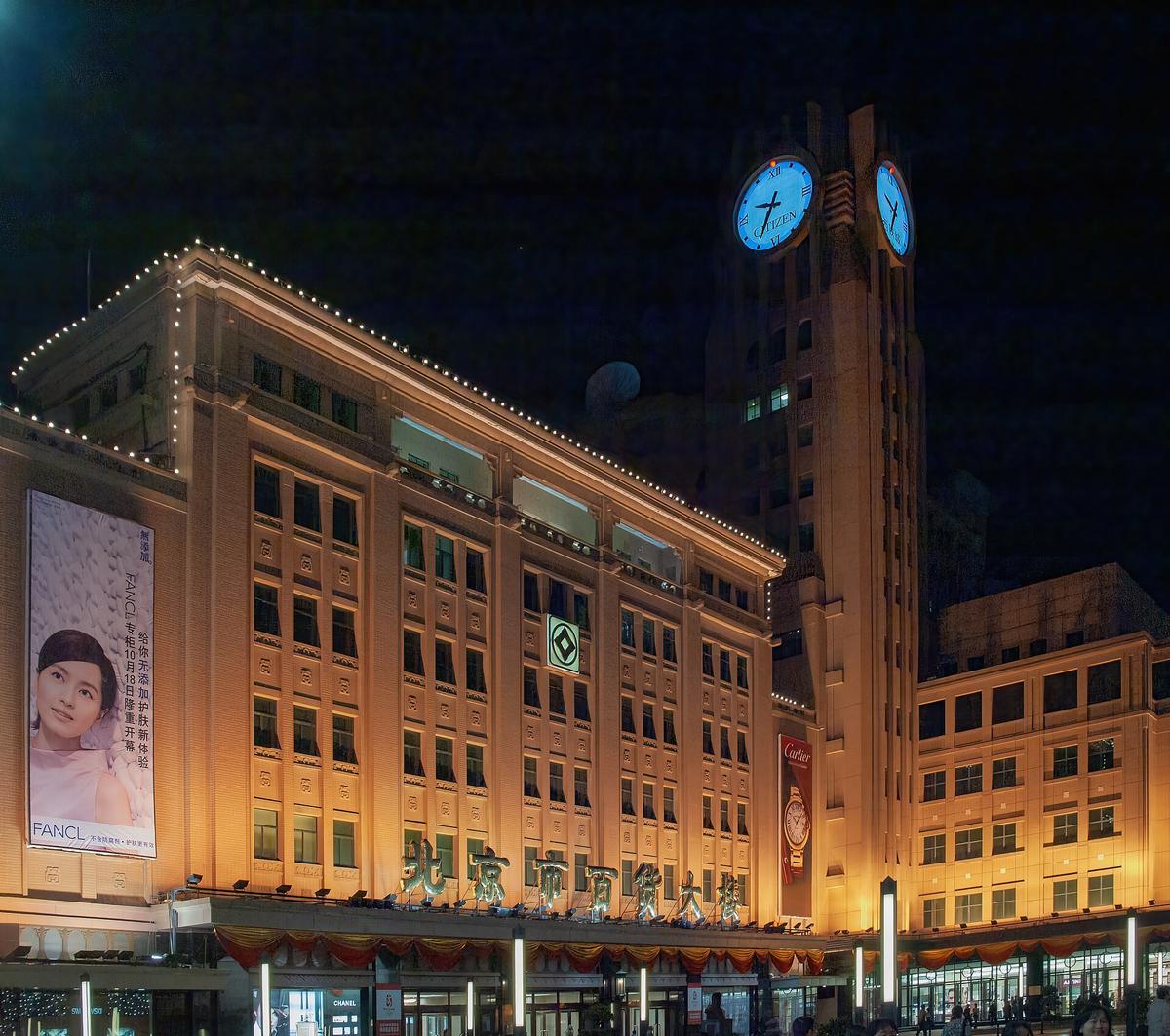
Four old brand shops anchor the street and they are worth entering. Tongrentang pharmacy was founded in 1669, the eighth year of the Kangxi reign, and still trades from its original location. Neiliansheng shoemaker dates to 1853, the third year of the Xianfeng reign. Ruifuxiang silk merchant opened in 1862, the first year of the Tongzhi reign. Zhang Yiyuan tea house has been here since 1900, the 26th year of the Guangxu reign. Step inside each one. The interiors are not rebuilt. The counters, the cabinets, the smell of herbs at Tongrentang, the roll of silk being cut at Ruifuxiang, the tea leaves being weighed at Zhang Yiyuan: these are the fragments of old Beijing that the rebuild could not erase.
How To Tell A Workshop From A Souvenir Shop
Liulichang street runs parallel to the old commercial street, technically closer to the arts quarter than the commercial strip, but you reach it easily via Yangmeizhu Xiejie. The key distinction on Liulichang is between a workshop and a souvenir shop. A workshop has in-house production visible: someone carving a seal, mounting a scroll, grinding ink. A souvenir shop sells pre-packaged sets with uniform pricing labels and no workbench. You want the workshop. They let you watch, they let you choose the stone for a name seal, and they charge a fair price for something made on the spot. The souvenir shops sell what you can buy in any airport.
Qianmen Rebuilt Street Review: Honest Assessment
If you have seen one Chinese pedestrian street rebuilt for tourism, you have seen most of this one. The Qianmen main street is clean, wide, paved in stone, lined with two storey facades painted in greys and reds, and filled with people taking selfies in front of the fake tram. The shops are mostly national chains selling cloisonne, tea, silk, and snacks at marked up prices. The street is not a scam. It is a functional pedestrian retail corridor that happens to wear a period costume. That is fine if you know what it is. It becomes a problem when visitors treat it as authentic Ming or Qing fabric, because it is not, and the disappointment that follows colours the whole afternoon. Accept it as a starting point, not a destination, and you will enjoy the area around it.
Beijing Qianmen Food Street: Where Locals Still Eat
The main street restaurants are tourist traps serving lukewarm versions of Beijing staples. Avoid them. The real food is in the lanes behind the old commercial street, in the breakfast stalls that set up by 05:30, and in the small windows where you order by pointing.
Breakfast in the Hutongs
Between 05:30 and 08:00, the residential hutong lanes behind the old commercial street fill with steam. You find xian bing, the stuffed pan fried flatbreads that are a common breakfast staple, cooked on a drum sized griddle. You find ludou, the braised offal stew that locals eat as a breakfast or late snack, served from a metal pot. You find tanghulu, the candied hawthorn skewers, though those are more common in autumn and winter. No English menus. No pictures. Point at what the person in front of you is eating, hold up fingers for quantity, pay in cash or by scanning a WeChat Pay QR code taped to the cart. This is the Qianmen that existed before the rebuild, and it still runs every morning.
What About the Main Street Food
The snack stalls on Qianmen main street sell acceptable tanghulu and decent jianbing, the savoury crepe. Prices are higher than in the hutongs, roughly double, but convenience has a cost. Do not eat a full meal there. Eat a snack to keep walking, then find a proper meal in the old commercial street or walk to the Muslim quarter near Niujie for lamb hotpot or quick boiled tripe with sesame sauce.

Qianmen to Tiananmen Walk: the Practical Route
The walk from Qianmen main street to Tiananmen gate tower is approximately 1.2 kilometres north along Qianmen Avenue. It takes about 15 minutes on foot if you do not stop. You will need to factor in the security procedure for the Tiananmen approach. ID or passport check and bag X ray at the entry to the Tiananmen Square perimeter. The queue varies between 10 and 45 minutes depending on season, time of day, and the political alert level. The 2024 published rate by the Beijing Public Security Bureau was that queues exceeded 30 minutes on approximately one third of days in peak tourist season. Check the published figure before you go, as it is revised annually. The square entry hours are typically 05:00 to 22:00, though these can be adjusted for political events. Confirm before you set out.
When To Walk It
Walk from Qianmen to Tiananmen early, before 08:00, when the queue is shortest and the square is not yet full. You can combine it with a morning visit to the Zhengyangmen gate tower, the Ming dynasty structure dating to 1439, the fourth year of the Zhengtong reign. The tower stands 43.65 metres high, and the upper level is open to visitors. The view north along the Tiananmen axis and south over the Qianmen area is worth the climb, especially in clear morning light. The arrow tower, the separate structure south of the gate tower, also dates to 1439 and was restored after damage in the Boxer Rebellion of 1900. It is less frequently visited and offers a quieter perspective.
The Early Morning Behind the Facades
Qianmen by day is retail and tour groups concentrated on the main street, with side lanes quieter but still busy. Qianmen at night sees the main street illuminated, but most side lane shops close by 21:00 to 22:00. The window for seeing the area as it actually functions is the early morning, between 05:30 and 08:00. This is when the residential hutong lanes behind the old commercial street are active with residents heading to work, elderly people doing exercises in the narrow courtyards, and breakfast vendors setting up. The facades on the main street are irrelevant at this hour. What matters is the life happening behind them, in the lanes the rebuild did not touch because they were never part of the retail plan. Walk those lanes. You will see washing hung on lines, bicycles parked against walls from the 1950s, and the same ceramic pickle jars that have sat outside courtyard doors for decades. That is the Beijing that the Qianmen project was supposed to evoke, and it is still there if you arrive early enough.
One Honest Caveat Before You Go
If you cannot wake up early, Qianmen will feel like a theme park. The main street is crowded by 10:00, the old shops are full of tour groups, and the hutongs behind the old commercial street are quiet but empty of the life that makes them interesting. The area rewards the early start and punishes the late one. Arrive at 08:30 and you will spend the morning queueing for Tiananmen security and walking past closed breakfast stalls. Arrive at 06:00 and you will see the Beijing that the rebuild was built around, not the rebuild itself. That is the choice Qianmen offers, and it is the only honest way to judge whether the street was worth your time.
Common Questions
Is Qianmen Street worth visiting if it is a reconstruction?
Yes, if you treat the main street as a starting point rather than a destination. The value is in the side lanes, old brand shops, and early morning hutong life behind the facades. Skip it if you want authentic Ming or Qing fabric.
How long should I spend in the Qianmen area?
A half day is enough: 30 minutes to walk the main street once, one to two hours exploring the old commercial street and its shops, 45 minutes to walk Yangmeizhu Xiejie to Liulichang, and an hour for breakfast in the hutongs if you go early.
What is the difference between Dashilan and Qianmen Street?
Qianmen main street is the 2008 reconstruction. Dashilan is a separate commercial street with Ming dynasty origins, rebuilt multiple times, that runs perpendicular to the south end of Qianmen. The old brand shops are on Dashilan.
Can I see the old Beijing atmosphere in Qianmen?
Only early in the morning, before 08:00, in the residential hutong lanes behind Dashilan. The main street has no old atmosphere. It is a modern pedestrian retail corridor in period costume.
How far is it from Qianmen to Tiananmen Square?
Approximately 1.2 kilometres north along Qianmen Avenue, about 15 minutes on foot. Add 10 to 45 minutes for the security queue at the square perimeter.
Where should I eat in Qianmen?
In the hutong lanes behind Dashilan, at breakfast stalls open from 05:30 to 08:00. The main street restaurants are overpriced and mediocre. Point at what locals are eating and pay in cash or WeChat Pay.
What is the old railway station in Qianmen?
The China Railway Museum Qianmen branch is housed in the former Qianmen East railway station, which opened in 1901 and closed as a station in 1959. It is worth a quick look if you are interested in railway history.
Read next
-
 Eating at Qianmen The Old Restaurants South of Tiananmen Square
Find the old Beijing restaurants around Qianmen that have served roast duck, zhajiangmian, and copper-pot mutton for over a century.
Eating at Qianmen The Old Restaurants South of Tiananmen Square
Find the old Beijing restaurants around Qianmen that have served roast duck, zhajiangmian, and copper-pot mutton for over a century.
-
 Qianmen Shopping Beyond Dashilan What Is Real and What Is Rebuilt
Navigate Qianmen shopping with a guide to Dashilan's genuinely old brands and the restored facades on Qianmen Street, so you know what is real.
Qianmen Shopping Beyond Dashilan What Is Real and What Is Rebuilt
Navigate Qianmen shopping with a guide to Dashilan's genuinely old brands and the restored facades on Qianmen Street, so you know what is real.
-
 China Travel Guide for First-Timers Who Plan Ahead
China rewards travellers who plan apps, payments, trains, and tickets before arrival. Start with the four obstacles and the pages that solve them.
China Travel Guide for First-Timers Who Plan Ahead
China rewards travellers who plan apps, payments, trains, and tickets before arrival. Start with the four obstacles and the pages that solve them.
-
 China Visa-Free Transit and Unilateral Entry Rules Explained
China visa-free transit and unilateral entry rules change often. Here is how they work now, who qualifies, and what breaks a stay.
China Visa-Free Transit and Unilateral Entry Rules Explained
China visa-free transit and unilateral entry rules change often. Here is how they work now, who qualifies, and what breaks a stay.
-
 Cash to Cashless in China What First-Timers Must Set Up
China runs on Alipay and WeChat Pay, and cash is often refused. Set up both with a foreign card before you land or risk being stranded.
Cash to Cashless in China What First-Timers Must Set Up
China runs on Alipay and WeChat Pay, and cash is often refused. Set up both with a foreign card before you land or risk being stranded.
-
 Will Google, WhatsApp and Maps Actually Work on a China eSIM
A China eSIM solves data but not the firewall. Here is what actually works for Google, WhatsApp and Maps and why a VPN still matters.
Will Google, WhatsApp and Maps Actually Work on a China eSIM
A China eSIM solves data but not the firewall. Here is what actually works for Google, WhatsApp and Maps and why a VPN still matters.
-
 Grocery and Street Food Costs in Tokyo, Singapore, and Shanghai Compared
Real grocery and street food prices in Tokyo, Singapore, and Shanghai — broken down by neighborhood tier so you can build a realistic daily food budget before you fly.
Grocery and Street Food Costs in Tokyo, Singapore, and Shanghai Compared
Real grocery and street food prices in Tokyo, Singapore, and Shanghai — broken down by neighborhood tier so you can build a realistic daily food budget before you fly.
-
 What Japan, China, and Singapore Actually Cost Independent Travelers
Real per-day costs for Japan, China, and Singapore broken down by accommodation tier, food strategy, transit, and connectivity for independent travelers.
What Japan, China, and Singapore Actually Cost Independent Travelers
Real per-day costs for Japan, China, and Singapore broken down by accommodation tier, food strategy, transit, and connectivity for independent travelers.
-
 What Most Travelers Get Wrong When Booking Flights to East Asia
Most travelers book East Asia flights on price alone. Here's what they miss about route gaps, fleet age, and aircraft type on 10-14 hour hauls.
What Most Travelers Get Wrong When Booking Flights to East Asia
Most travelers book East Asia flights on price alone. Here's what they miss about route gaps, fleet age, and aircraft type on 10-14 hour hauls.