Qianmen Food and the Historic Restaurants of Beijing's Southern Gate
Find the old Beijing restaurants around Qianmen that have served roast duck, zhajiangmian, and copper-pot mutton for over a century.
Four Century-Old Qianmen Restaurants Serving Classic Beijing Food
Four restaurants near Qianmen have been serving Beijing food for more than a century. Three survived the 2008 street widening. A fourth moved back into a restored building after the renovation finished in 2021. Here's which ones, what to order, and where old Beijingers eat when they avoid the tourist crowds.
The Four Century-Spanning Restaurants That Made it Through
The Three That Never Left
Qianmen Quanjude, founded in 1864, sits at 32 Qianmen Dajie and never shut during the 2008 rebuild. Bianyifang, a roast duck shop from 1416 (current name from 1855), is at 2A Xianyukou Jie, just off the main drag. Duyichu, founded in 1738, is at 38 Qianmen Dajie. All three open daily 11:00 to 21:00, except Duyichu which starts at 10:30.
Baodu Feng: The One That Came Back
Baodu Feng was founded in the 1880s and operated on Langfang Ertiao, a narrow hutong off Dashilan. The street widening forced it out. It returned in 2019 to 19 Langfang Ertiao, inside the restored Dashilan complex. It opens 10:00 to 21:00. Skip the front rooms with the English menus. Walk to the back counter where the regulars sit and order the baodu (flash boiled tripe, ¥48 to ¥78 per plate). It is the only dish you need.
What to Order and What It Costs
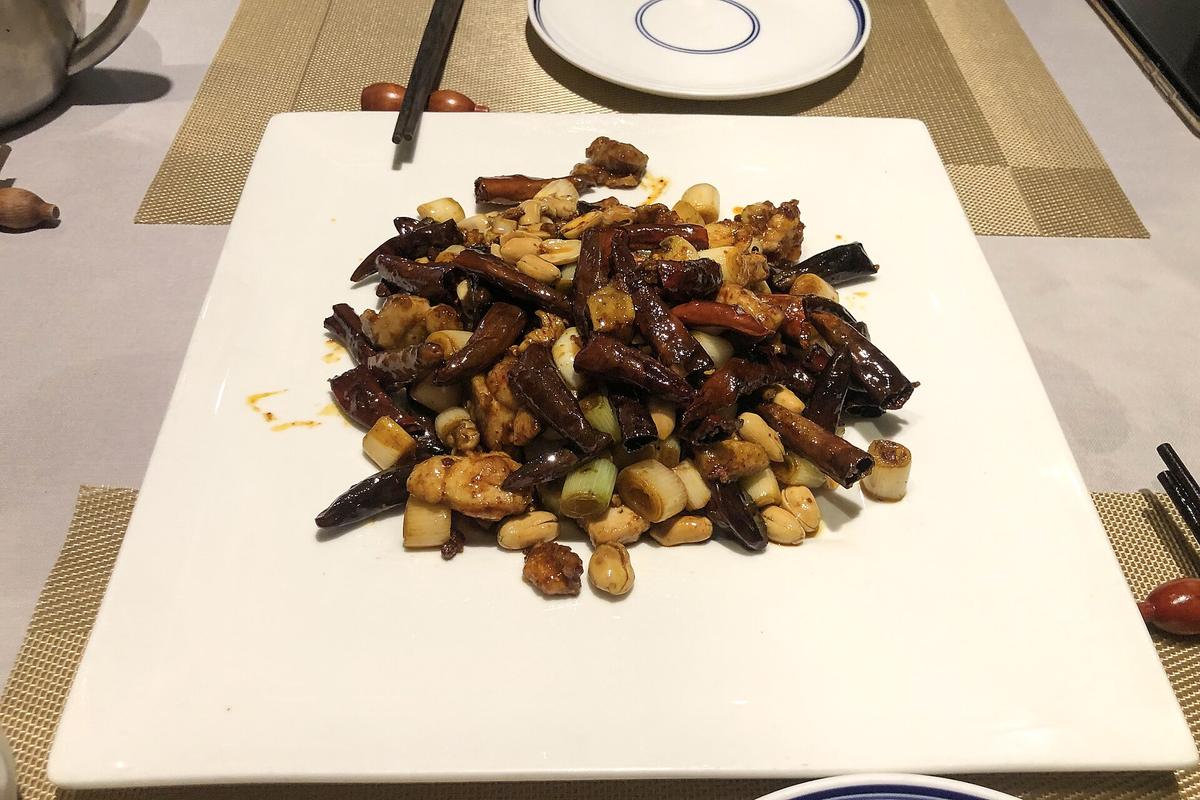
At Qianmen Quanjude, a whole roast duck runs ¥258 to ¥298 depending on the duck breed; a half duck is ¥139 to ¥159. Bianyifang charges ¥198 to ¥238 for a whole duck. Do not order half duck at Bianyifang. The price difference is not about quality. Quanjude is busier and caters to tour groups. Bianyifang has a calmer dining room and a longer history as a duck specialist. Both serve the same classic meal: crispy skin, thin pancakes, scallion brushes, sweet bean sauce.
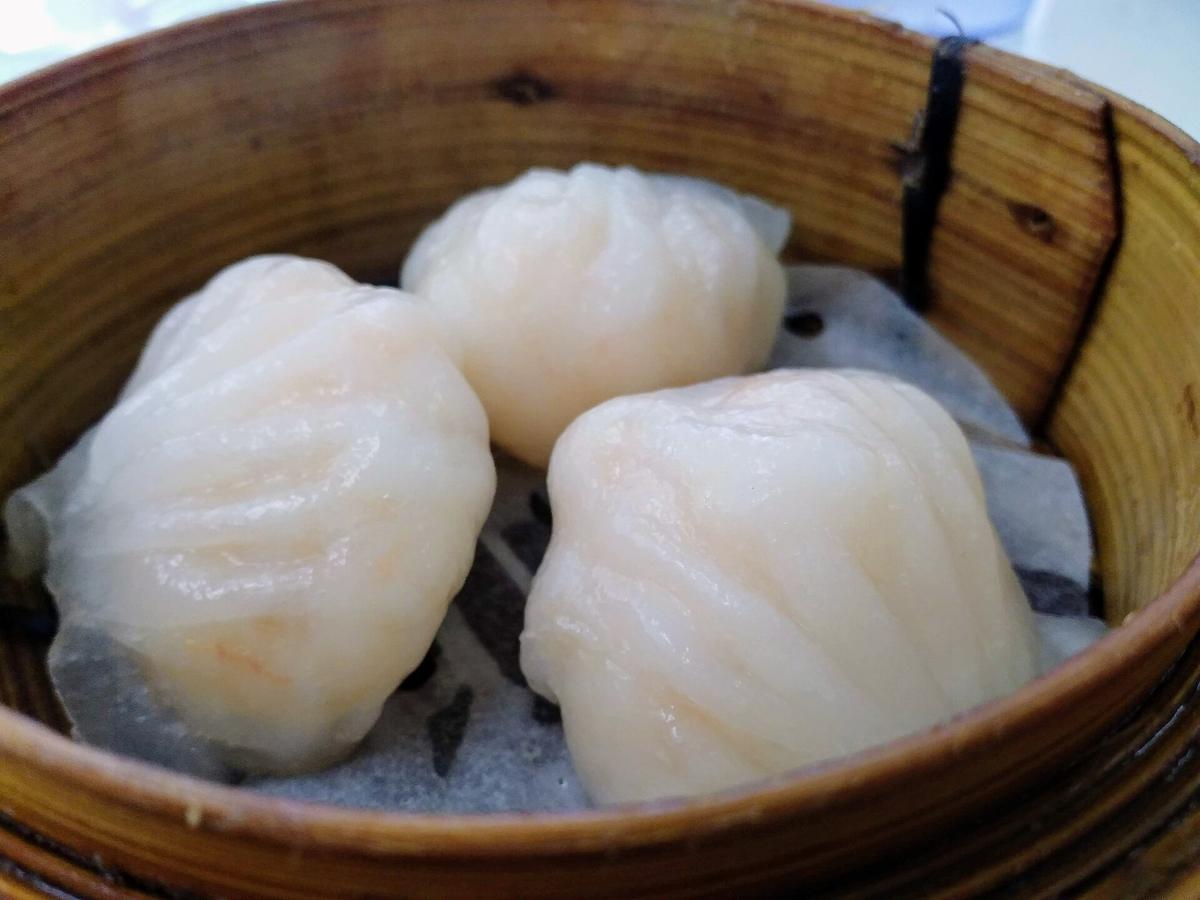
At Duyichu, the only order is shaomai. A steamer costs ¥38 to ¥68 depending on the filling. Choose the pork and crab roe version at the top price. One steamer feeds one person. Order two if you are hungry.
Where Old Beijingers Eat and Where Tourists End Up
The main Qianmen Dajie frontages are tourist facing. Quanjude ground floor is a parade of open kitchens and hawkers. The real eating happens in the back rooms upstairs at Quanjude, the side room at Duyichu, and the rear counter at Baodu Feng. If you see a laminated English menu and a host with a headset, you are in the tourist zone. Head deeper into the building.
Xianyukou Snack Street
Xianyukou Jie is the east-west pedestrian street that intersects Qianmen Dajie just south of Dashilan. About 100 to 120 stalls line it. A snack costs ¥10 to ¥35 per item. Tanghulu (candied fruit on a stick) runs ¥10 to ¥20. Jianbing (savory crepe) is ¥12 to ¥18. Lüdagunr (sweet bean roll) is ¥15 to ¥25 per portion. Prices here are 20 to 40 percent lower than equivalent items on Wangfujing Snack Street, where a roast duck roll costs ¥25 to ¥35 and tanghulu runs ¥15 to ¥25.
The Hutong Breakfast Zone
For breakfast, skip the snack street entirely. Walk west of Qianmen Dajie into the hutong zone: Yangmeizhu Xiejie (roughly 500 meters long) and Tieshu Xiejie (roughly 600 meters), plus the alleys that connect them. Small shops here serve zhajiangmian (noodles with bean sauce) for ¥12 to ¥20 per bowl, douzhi (fermented mung bean drink) for ¥3 to ¥6 per bowl, and jiaoquan (fried dough rings) for ¥1.5 to ¥3 per piece. These shops open by 06:00 and sell out of their best items by 09:00. Go early or skip breakfast.
Two More Hutong Specialists Worth the Walk
Chen's Braised Intestine is at 3 Langfang Ertiao, same hutong as Baodu Feng. A bowl costs ¥28 to ¥48 depending on size. The dish is pork intestine braised in soy sauce and spices, served with steamed bread. It is not for everyone. If you do not eat offal, skip it. If you do, this is the best bowl in the area. Opening hours are roughly 10:00 to 21:00, though Chen's sometimes closes early if the day's batch sells out. Arrive by 13:00.
Baodu Feng operates on the same hutong. The two restaurants are a 90-second walk apart. Visit both in one lunch. Order baodu at Feng first, then walk to Chen's for the braised intestine. Do not reverse the order. Baodu is lighter and works as a starter.
.jpg)

Navigating Dashilan and the Pedestrian Hours
Dashilan (written in Chinese as 大栅栏, Dàshílànr) has been a commercial street since the Ming dynasty, around 1420. It is pedestrian only 24 hours a day, with vehicle restrictions enforced from 08:00 to 22:00. The street is always crowded between 11:00 and 19:00. If the crowd bothers you, visit at 09:00 or after 20:00. Langfang Ertiao, the hutong where Baodu Feng and Chen's are located, branches off Dashilan and is quieter even at peak hours.
Common Questions
Which Qianmen restaurant has been open the longest?
Bianyifang. It started as a roast duck shop in 1416 and has operated under its current name since 1855. It predates Quanjude by 66 years and Duyichu by more than a century.
Are the prices at these century-old restaurants higher than other Beijing duck spots?
Quanjude charges ¥258 to ¥298 for a whole duck. Bianyifang charges ¥198 to ¥238. Both are above market rate for duck in Beijing. You pay for the history and the location.
Can I eat at these restaurants without a reservation?
Yes, but expect a wait at Quanjude between 12:00 and 14:00. Bianyifang and Duyichu seat walk-ins faster. Baodu Feng does not take reservations at all. Arrive at 11:00 opening to avoid queues.
What is the single dish I should not miss?
Baodu (flash boiled tripe) at Baodu Feng. It costs ¥48 to ¥78 per plate. No other restaurant in the area serves it this way. Eat it at the back counter, not the front room.
Read next
-
 Qianmen Shopping Beyond Dashilan What Is Real and What Is Rebuilt
Navigate Qianmen shopping with a guide to Dashilan's genuinely old brands and the restored facades on Qianmen Street, so you know what is real.
Qianmen Shopping Beyond Dashilan What Is Real and What Is Rebuilt
Navigate Qianmen shopping with a guide to Dashilan's genuinely old brands and the restored facades on Qianmen Street, so you know what is real.
-
 Qianmen Things to Do Beyond the Rebuilt Street
Qianmen's main street is a rebuild, but the lanes behind it still hold old Beijing food, brands, and morning rituals worth finding.
Qianmen Things to Do Beyond the Rebuilt Street
Qianmen's main street is a rebuild, but the lanes behind it still hold old Beijing food, brands, and morning rituals worth finding.
-
 China Travel Guide for First-Timers Who Plan Ahead
China rewards travellers who plan apps, payments, trains, and tickets before arrival. Start with the four obstacles and the pages that solve them.
China Travel Guide for First-Timers Who Plan Ahead
China rewards travellers who plan apps, payments, trains, and tickets before arrival. Start with the four obstacles and the pages that solve them.
-
 China Visa-Free Transit and Unilateral Entry Rules Explained
China visa-free transit and unilateral entry rules change often. Here is how they work now, who qualifies, and what breaks a stay.
China Visa-Free Transit and Unilateral Entry Rules Explained
China visa-free transit and unilateral entry rules change often. Here is how they work now, who qualifies, and what breaks a stay.
-
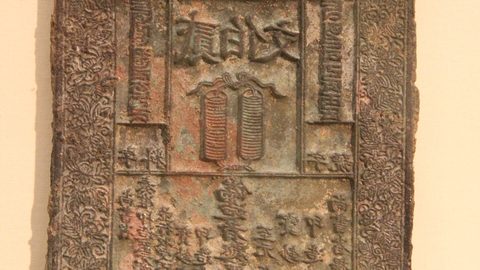 Cash to Cashless in China What First-Timers Must Set Up
China runs on Alipay and WeChat Pay, and cash is often refused. Set up both with a foreign card before you land or risk being stranded.
Cash to Cashless in China What First-Timers Must Set Up
China runs on Alipay and WeChat Pay, and cash is often refused. Set up both with a foreign card before you land or risk being stranded.
-
 Will Google, WhatsApp and Maps Actually Work on a China eSIM
A China eSIM solves data but not the firewall. Here is what actually works for Google, WhatsApp and Maps and why a VPN still matters.
Will Google, WhatsApp and Maps Actually Work on a China eSIM
A China eSIM solves data but not the firewall. Here is what actually works for Google, WhatsApp and Maps and why a VPN still matters.
-
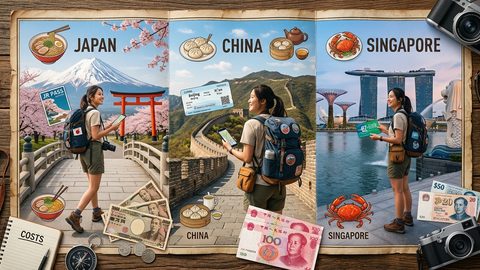 What Japan, China, and Singapore Actually Cost Independent Travelers
Real per-day costs for Japan, China, and Singapore broken down by accommodation tier, food strategy, transit, and connectivity for independent travelers.
What Japan, China, and Singapore Actually Cost Independent Travelers
Real per-day costs for Japan, China, and Singapore broken down by accommodation tier, food strategy, transit, and connectivity for independent travelers.
-
 What Most Travelers Get Wrong When Booking Flights to East Asia
Most travelers book East Asia flights on price alone. Here's what they miss about route gaps, fleet age, and aircraft type on 10-14 hour hauls.
What Most Travelers Get Wrong When Booking Flights to East Asia
Most travelers book East Asia flights on price alone. Here's what they miss about route gaps, fleet age, and aircraft type on 10-14 hour hauls.
-
 The Honest Cost of Mobile Data in Japan, China, and Singapore
Real price data for SIMs, pocket WiFi, and eSIMs in Japan, China, and Singapore. Plus the friction points most travel guides quietly skip.
The Honest Cost of Mobile Data in Japan, China, and Singapore
Real price data for SIMs, pocket WiFi, and eSIMs in Japan, China, and Singapore. Plus the friction points most travel guides quietly skip.