Riding the Star Ferry Across Victoria Harbour
The Star Ferry costs HK$5, takes 10 minutes, and the upper deck heading from Tsim Sha Tsui to Central gives the best skyline view.
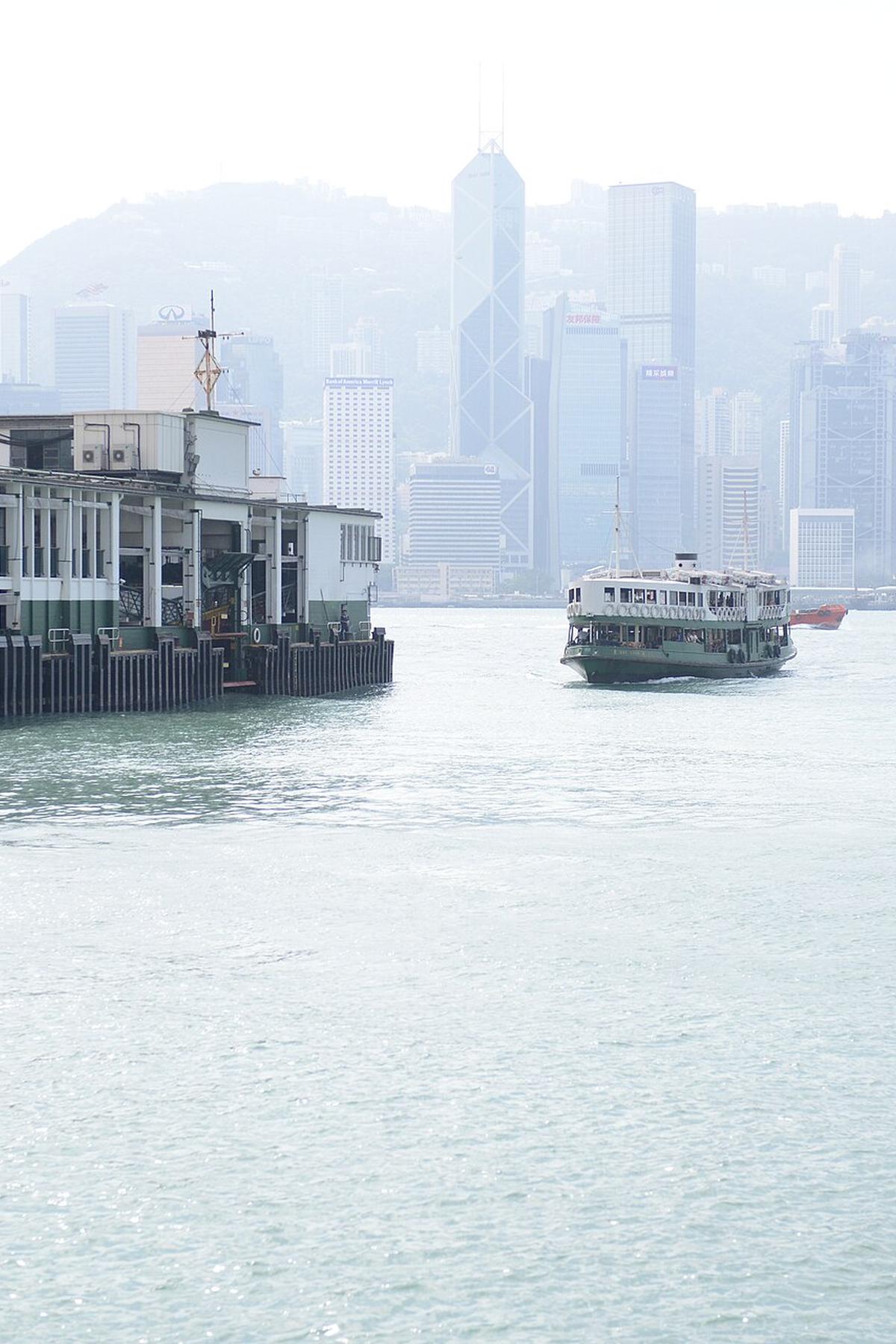

The Five Dollar Harbour View
The Star Ferry gives you a 10 minute trip across Victoria Harbour that most visitors overpay for by choosing the wrong direction and the wrong seat. The upper deck weekday fare from Tsim Sha Tsui to Central is set by Star Ferry at HK$5.00. The lower deck fare is HK$4.00. On weekends and public holidays the upper deck fare rises to HK$6.50 and the lower deck to HK$5.20. The difference between the two decks is not just price. It is the difference between a window and a breeze, between air conditioning and the harbour air, between a seat and a bench. And the direction you choose determines whether your 10 minutes give you a skyline or a sun.
- Routes: Central, Tsim Sha Tsui (7-8 min) and Wan Chai, Tsim Sha Tsui (8 min)
- Upper Deck Fare: HK$5.00 weekdays, HK$6.50 weekends and public holidays
- Lower Deck Fare: HK$4.00 weekdays, HK$5.20 weekends and public holidays
- Payment: Octopus card, coins, contactless bank card
- Frequency: Central, TST every 6-12 min; Wan Chai, TST every 15-30 min
- Hours: Central, TST 06:30-23:30; Wan Chai, TST 07:20-22:50
- Operator: Star Ferry Company Limited, founded 1888
Which Deck: Upper Deck Versus Lower Deck
Choosing Your Deck
Upper deck access is through the separate gangway on the left side of the pier. The fare buys you an air conditioned cabin with individual seats or open air benches on the side. The cabin protects you from the humidity and the spray, but the open benches give you the view without glass between you and the water. Carry a layer year round. The air conditioning is aggressive.
Lower deck access is through the separate gangway on the right side of the pier. The fare buys you open sided benches with no air conditioning. This is the deck where you feel the harbour breeze, hear the diesel engine, and smell the salt. The trade off is comfort. In August the humidity is punishing. In October the breeze is perfect. Choose the lower deck when the temperature is under 28°C and you want the harbour air. Choose the upper deck when you want a clear window view of the skyline and a seat that does not leave your clothes damp.
Photography And History
For photography, take the upper deck open air benches at the rail. They give you the cleanest line. For the experience of crossing a harbour the way Hong Kong has crossed it since 1888, take the lower deck. It sits closer to the water and closer to the history. The 1966 fare rise that triggered the Star Ferry riots began with an increase from 20 to 25 cents for first class. You are paying roughly twenty times that now. The ride itself has not changed.
Star Ferry Tsim Sha Tsui to Central: the Dusk Direction
Timing The Light
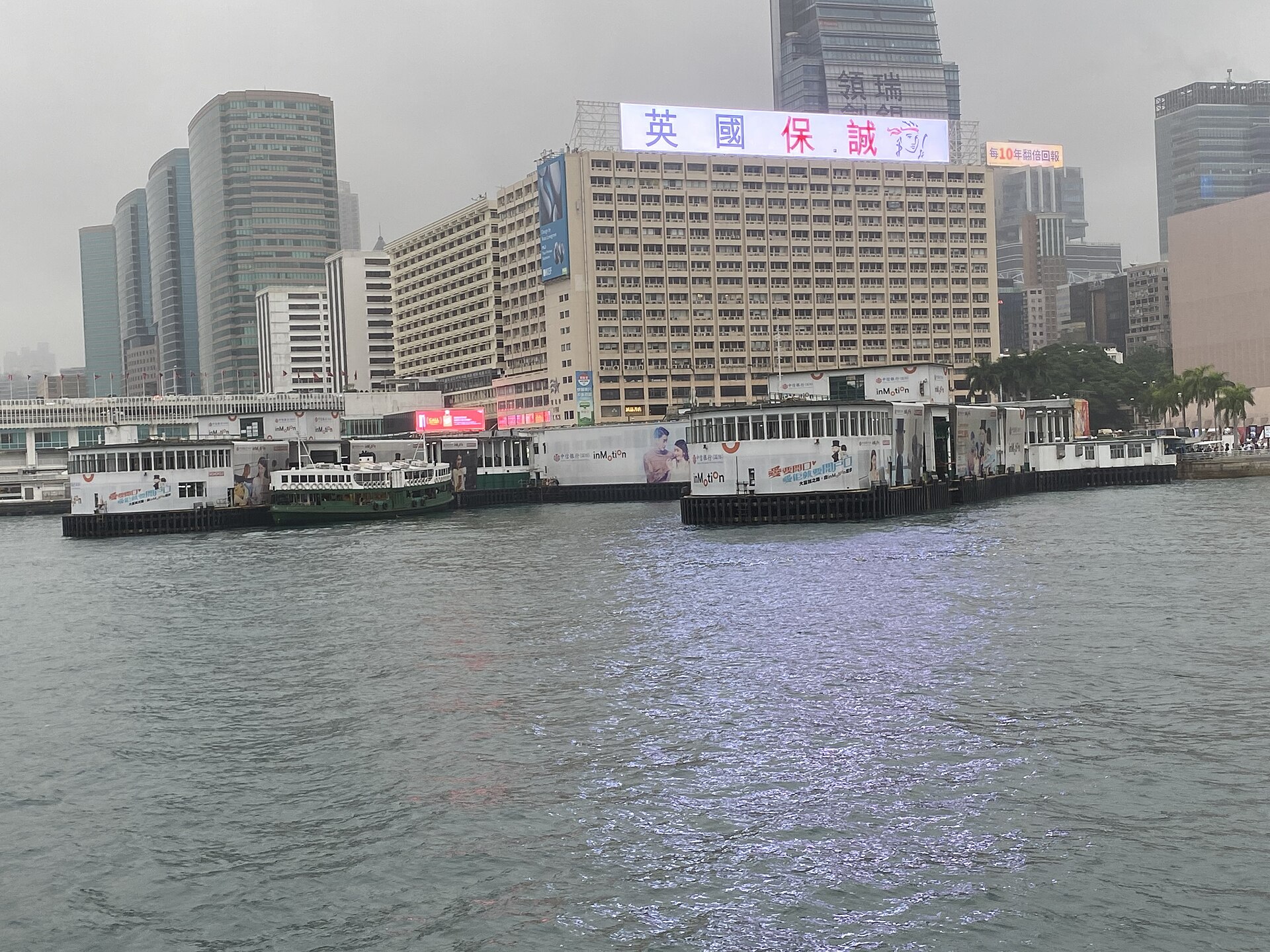
The Star Ferry Tsim Sha Tsui to Central route is the standard crossing. From the Tsim Sha Tsui pier on Salisbury Road the ferry heads southeast across the harbour and docks at Pier 7 in Central. The crossing takes 7 to 8 minutes. The frequency is every 6 to 12 minutes.
The direction matters most at dusk. Board from Tsim Sha Tsui and you face the Hong Kong Island skyline with the sun behind you. The light falls on the buildings rather than into your eyes. The glass towers of Central, the Bank of China building, the two IFC towers, and the Peak beyond them catch the golden hour and then the blue hour. The last light hits the water surface and the ferries cross it in silhouette. Board from Central to Tsim Sha Tsui at the same hour and you face directly into the sun. The skyline is backlit, flat, and hard to photograph.
Riding Into The Light Show
If you are on the Tsim Sha Tsui side at 19:45, board a ferry to Central. The Symphony of Lights starts at 20:00. You will be on the water as the lasers and LEDs begin, arriving at Central just as the show starts across the harbour. From the Central pier you can walk back to the Tsim Sha Tsui side by MTR in five minutes. Or wait for the return ferry and watch the second half from the water in the other direction.
Star Ferry Upper Deck: Why You Pay the Extra Dollar
What The Extra Fare Buys
The Star Ferry upper deck costs HK$1.00 more on weekdays and HK$1.30 more on weekends. The difference is air conditioning, individual seats, and a slightly higher sightline over the rail. On a 7 minute crossing that extra dollar buys you a seat in a cabin that keeps you dry and cool. On a 10 minute crossing in August it buys you sanity.
The upper deck is also where the tourists sit and where the ferry company expects you to sit. The gate on the left takes you there. The gate on the right takes you to the lower deck. There is no change given at either gate. Pay with coins, Octopus card, or contactless bank card. The Octopus card is the most efficient. Tap and board without fumbling for exact change.
Fares For Children
If you are travelling with children, the child and concession fare for the upper deck on weekdays is HK$2.90 and on weekends HK$3.90. The lower deck child fare is HK$2.20 weekdays and HK$2.90 weekends. Children under three travel free. The upper deck cabin has space for strollers. The lower deck open benches do not.
Hong Kong Harbour Crossing Boat: the Practical Mechanics
A Working Ferry
The Hong Kong harbour crossing boat that locals still use is the Star Ferry. It is not a tourist attraction that happens to be a ferry. It is a ferry that happens to be a tourist attraction. The annual ridership is roughly 26 million. Most of those trips are commuters crossing between Kowloon and Hong Kong Island because the MTR is faster but the ferry is cheaper and does not require you to navigate the wrong exit in Central or Tsim Sha Tsui.
The ferry fleet is diesel electric double ended vessels. There are 9 active vessels. The design has not changed substantially since the 1950s. The green and white paint, the wooden benches on the lower deck, the canvas awnings, the brass fittings. The Edinburgh Place Star Ferry Pier was demolished in November 2006 and the clock tower from the old pier was preserved at the new Pier 7. The Star Ferry is listed as a Hong Kong intangible cultural heritage item. That status is correct. It is also a working piece of transport.
Choosing Your Route
The Wan Chai to Tsim Sha Tsui route is less scenic and less frequent, running every 15 to 30 minutes. It deposits you near the Hong Kong Convention Centre and the Wan Chai Ferry Pier on Convention Avenue. If you are staying in Wan Chai or Causeway Bay this route saves you the MTR transfer. If you are here for the harbour view, take the Central route. It is the straight line across the widest part of the harbour and it gives you the full skyline.
Star Ferry Octopus Card: Paying Without the Queue
How To Pay
Using a Star Ferry Octopus card is the fastest way through the gate. The Octopus card costs a HK$50 refundable deposit. Top up with cash at MTR stations and convenience stores. Tap the card on the reader at the gate. The fare is deducted. No fumbling for coins, no rejected notes, no holding up the queue while you find the exact change the machine accepts.
The ferry accepts coins only at the coin gate. No banknotes. No change given. If you pay cash you need HK$5 in coins for the upper deck on a weekday. The Octopus card removes that problem. It also works on the MTR, buses, and most convenience stores. You will use it for everything during your stay. The Octopus top up machines at MTR stations accept cash and credit cards. You can also use a contactless bank card at the ferry gate if you prefer not to buy an Octopus card at all. The contactless reader works with Visa, Mastercard, and UnionPay.
Buy Before You Board
The mistake most visitors make is arriving at the pier without coins and without an Octopus card. The queue at the ticket machine on the pier platform is slow. The gate queue for Octopus and contactless is fast. Buy your Octopus card at the airport MTR counter or any convenience store. The HK$50 deposit is refundable at any MTR customer service centre when you leave. The ferry companies do not have their own card machines on the pier itself. You need your own payment method before you reach the gate.

When the Ferry Does Not Run
Weather And Warnings
The Star Ferry operates normally under Typhoon Signal 1 and Typhoon Signal 3, though delays are possible. Under Typhoon Signal 8 the service is suspended. If a Signal 8 is hoisted while a ferry is at sea, the vessel proceeds to the nearest pier and docks. The Black Rainstorm Warning may cause reduced frequency but service often continues. In practice, if the MTR is running, the ferry is probably running. If the MTR has stopped, the ferry has stopped too.
Best And Worst Times
The best months to ride are October to early December when the sky is clear and the humidity is low. The worst months are August for heat and typhoon risk, and late March to April when fog can reduce the harbour view to grey haze. The worst days are Chinese New Year and the first week of October when mainland visitor numbers spike and every queue on the pier doubles. The ferry itself does not close on public holidays. It runs on a reduced schedule. The crowds are the problem, not the service.
Who Should Skip the Star Ferry
This ride is not for anyone who dislikes queues, crowds, or small ferry cabins. The pier at Tsim Sha Tsui on a Saturday evening is full. The ferry holds roughly 200 passengers per deck. The wait is rarely longer than 12 minutes but it is a wait in a dense crowd. If your tolerance for standing in line with a hundred other people is low, take the MTR across the harbour. It costs more and gives you a tunnel, not a view, but it empties you out on the other side without the queue.
The Star Ferry is also not for anyone who wants a romantic sunset cruise with a drink and a seat. That product exists. It is the Harbour Tour at HK$230 with one drink coupon. The regular ferry is a commuter vessel. The seats are hard. The cabin is loud. The smell is diesel and salt. The romance is in the price and the fact that it has been crossing this harbour since 1888 without changing much. If that sounds like a bad time, skip it. If HK$5 for a skyline view sounds like the best deal in Hong Kong, board the upper deck on the left and stand at the rail for 7 minutes.
Common Questions
Is the upper deck worth the extra HK$1?
Yes, on hot or humid days. The air conditioned cabin gives you a seat and a window view. On mild days the lower deck open benches are fine and save you HK$1.
Which direction gives the best view at sunset?
Tsim Sha Tsui to Central. You face the Hong Kong Island skyline with the sun behind you. The reverse direction faces directly into the sun.
Can I use my Octopus card for both decks?
Yes. The same Octopus card works at both gates. The fare deducted depends on which gate you tap at. The upper deck gate is on the left and the lower deck is on the right.
How long does the crossing take?
7 to 8 minutes for Central to Tsim Sha Tsui. 8 minutes for Wan Chai to Tsim Sha Tsui.
Does the Star Ferry run in bad weather?
Under Typhoon Signal 1 and 3 the service is normal with possible delays. Under Typhoon Signal 8 it is suspended. Black Rainstorm Warning may cause reduced frequency.
Where does the Star Ferry depart in Central?
Pier 7, Central. The pier is a five minute walk from the MTR Central station. Exit through the ferry pier exit, not the harbour view exit.
Is there a longer harbour tour?
Yes. The operator sells a 1 hour Harbour Tour from Tsim Sha Tsui via Central and Wan Chai. The adult fare is set by Star Ferry at HK$230 and includes one drink coupon.
Read next
-
 Hong Kong eSIM and Data Plans Before You Land
Hong Kong has no internet firewall. A cheap eSIM or tourist SIM from the airport gives you fast data for Google Maps and WhatsApp from the moment you land.
Hong Kong eSIM and Data Plans Before You Land
Hong Kong has no internet firewall. A cheap eSIM or tourist SIM from the airport gives you fast data for Google Maps and WhatsApp from the moment you land.
-
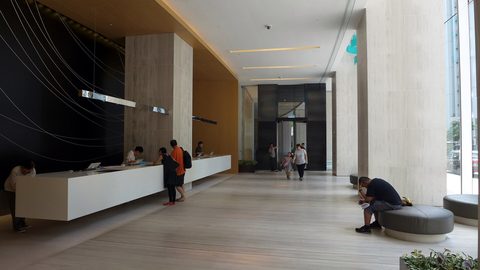 Hong Kong Hotels by Price Band and Property Type
Hong Kong hotel rooms are small, but the difference between a luxury harbour-view tower and a Mong Kok budget room is enormous.
Hong Kong Hotels by Price Band and Property Type
Hong Kong hotel rooms are small, but the difference between a luxury harbour-view tower and a Mong Kok budget room is enormous.
-
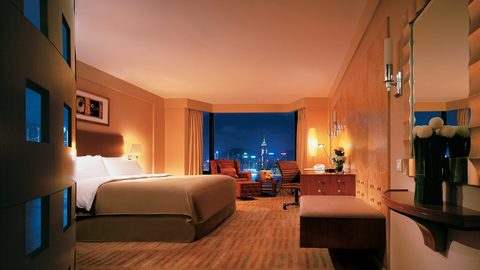 Where to Stay in Hong Kong Island or Kowloon for a First Visit
Hong Kong Island puts you in the financial and dining core, while Kowloon gives you harbour views and street life. The street you pick matters more than the district.
Where to Stay in Hong Kong Island or Kowloon for a First Visit
Hong Kong Island puts you in the financial and dining core, while Kowloon gives you harbour views and street life. The street you pick matters more than the district.
-
 How to Find Cheap Flights to Hong Kong International Airport
Hong Kong has one airport, a lot of airline competition, and a fast train into the city. The routing tricks are in the booking, not the arrival.
How to Find Cheap Flights to Hong Kong International Airport
Hong Kong has one airport, a lot of airline competition, and a fast train into the city. The routing tricks are in the booking, not the arrival.
-
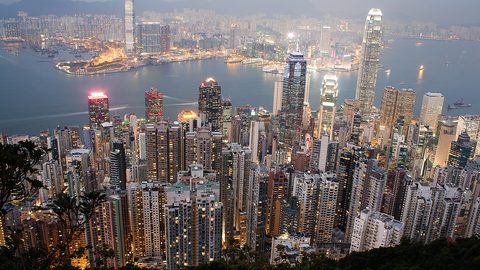 Things to Do in Hong Kong Ranked by What Is Worth Your Time
Victoria Peak, the Star Ferry, and a serious hike earn their fame. Some other Hong Kong sights do not.
Things to Do in Hong Kong Ranked by What Is Worth Your Time
Victoria Peak, the Star Ferry, and a serious hike earn their fame. Some other Hong Kong sights do not.
-
 Best Time to Visit Hong Kong for Clear Skies and Low Humidity
October to December offers the best balance of clear skies and low humidity, but every other season trades weather for lower prices or festivals.
Best Time to Visit Hong Kong for Clear Skies and Low Humidity
October to December offers the best balance of clear skies and low humidity, but every other season trades weather for lower prices or festivals.
-
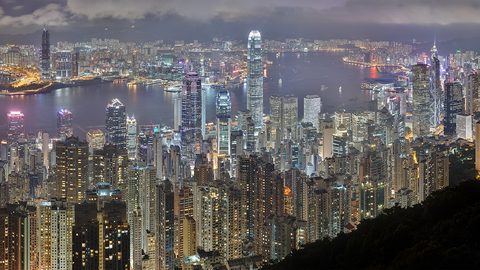 Victoria Peak
The view from Victoria Peak is the point; the tram queue is the problem, and there are four other ways up.
Victoria Peak
The view from Victoria Peak is the point; the tram queue is the problem, and there are four other ways up.
-
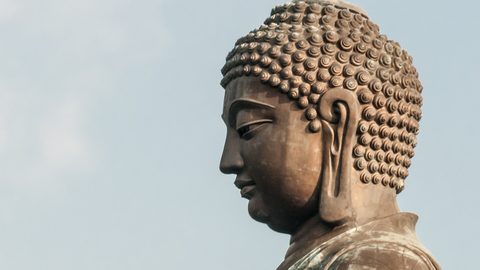 Big Buddha and Ngong Ping
The Big Buddha is 268 steps up, the cable car takes 25 minutes, and the village at the top is mostly a shopping mall.
Big Buddha and Ngong Ping
The Big Buddha is 268 steps up, the cable car takes 25 minutes, and the village at the top is mostly a shopping mall.
-
 Temple Street Night Market
Temple Street's stalls are ordinary, but the fortune tellers, opera singers and dai pai dong food make it the best night market in Kowloon.
Temple Street Night Market
Temple Street's stalls are ordinary, but the fortune tellers, opera singers and dai pai dong food make it the best night market in Kowloon.