Eating in Mong Kok: Street Snacks, Cart Noodles and Cheap Kowloon Food
Mong Kok is the best cheap eating in Kowloon. Find street snacks, cart noodles and cha chaan teng food in the right lanes.
What Visitors Get Wrong About Eating in Mong Kok
Most visitors arrive in Mong Kok looking for Ladies Market street food and leave disappointed, clutching a skewer of lukewarm fish balls they could have bought anywhere. The street food you see from Nathan Road is for tourists. The real working-class food scene sits one lane back, two floors up, or opens at 10pm when the shopping crowd has gone home. This is the best place in Kowloon to eat well for under HK$50, but only if you know which footbridge to cross and which queue to join.
Mong Kok is overwhelming density, narrow pavements blocked by scaffolding, and air conditioning that hits you like a wall every time you step inside. It is not a gentle introduction to Hong Kong street food. It rewards the person who walks past the neon and into a fluorescent-lit cooked food centre, who carries cash because the card reader is down, who shares a table with a stranger eating the same bowl of cart noodles. If you want a relaxed meal with space between tables, go to Tsim Sha Tsui. If you want to eat what Kowloon actually eats, stay in Mong Kok.
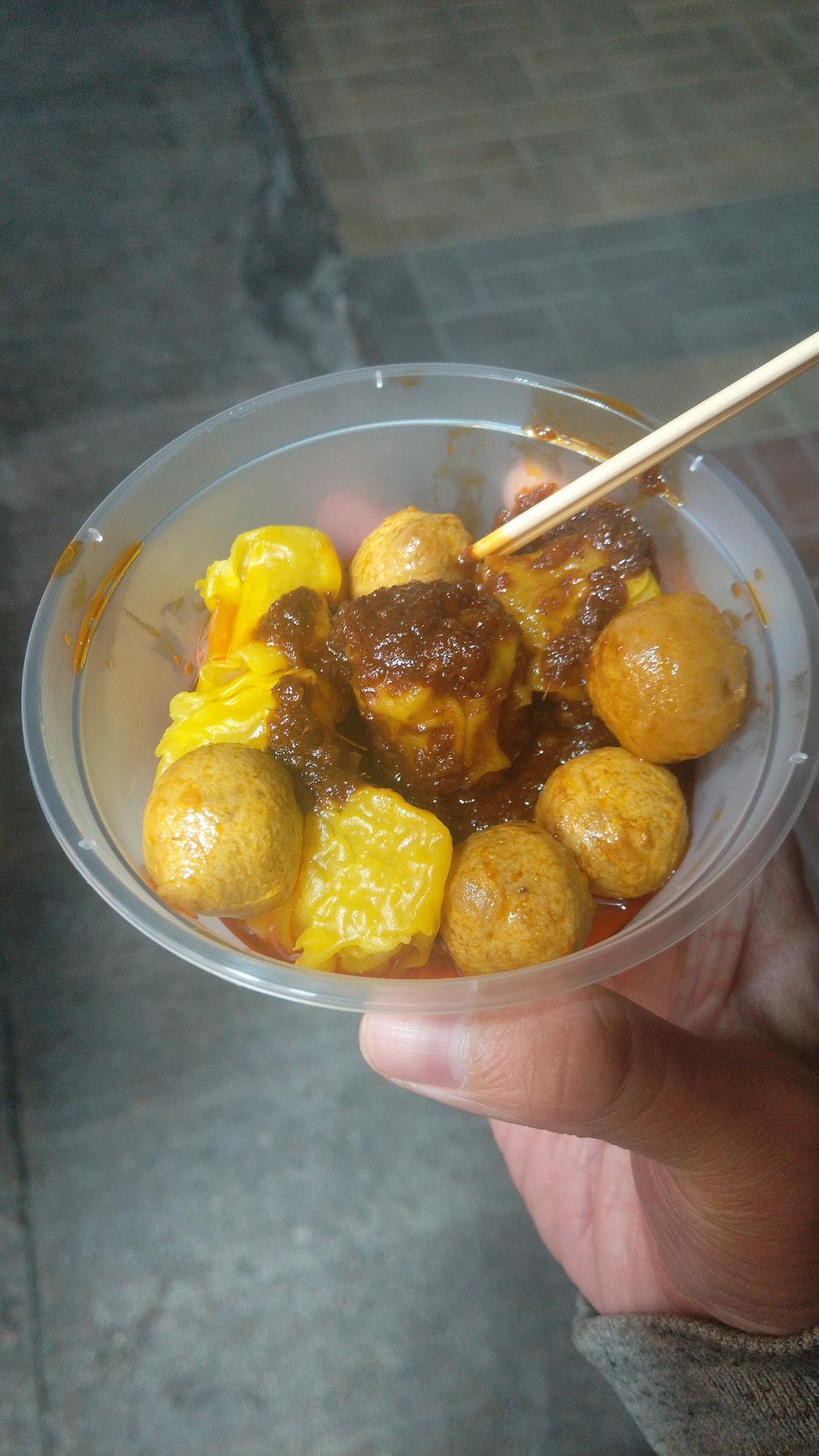
Cart Noodles: the Meal That Defines Mong Kok
Cart noodles are the distributed decision that trips up first-timers. You pick a base from oil noodles, thin noodles, thick noodles, rice noodles, vermicelli, instant noodles, and udon. Then toppings: fish balls, beef balls, squid, pig skin, radish, chicken wings, pork blood, luncheon meat, vegetables, fried tofu, and sausage. Then a sauce or broth: clear, satay, curry, spicy, tomato, or mixed. The bowl costs somewhere between HK$30 and HK$60 depending on how many toppings you add. The shop sets the price, and each extra topping pushes it higher. Do not look for a menu with fixed combos. You point, you hold up fingers, you pay cash.
The best cart noodle shops in Mong Kok are not on the main drag. Walk to the side streets off Fa Yuen Street and Tung Choi Street. Look for a shop front with bubbling pots and a queue of people holding numbered receipts. That is your signal. The broth will be darker, the fish balls denser, the satay sauce thicker than anything you find near the MTR exit. Expect to stand while you eat or wedge yourself onto a shared bench. No one lingers. The rhythm is eat quickly, leave, free the seat. Do not ask for takeaway in a box. They will do it, but you are missing the point.
What to Order on Your First Bowl
Start with oil noodles in satay broth with fish balls and radish. That is the foundational order. The satay sauce is savory and slightly sweet, the radish soaks up the broth, the fish balls bounce when you bite them. After you have eaten that once, branch out to pig skin and curry broth. Pig skin has no meat attached. It is a textural thing. If you do not like chewy, gelatinous things, skip it and add fried tofu instead. The broth matters more than the noodles. A good satay broth turns a bowl into a meal you remember two years later. The shop sets the price; expect to pay at the lower end of the HK$30 to HK$60 band for a basic bowl and more as you add toppings.
Street Snacks That Are Worth Your Time and Cash
Egg waffles are the most famous Mong Kok street snack and also the most likely to disappoint if you buy from the wrong cart. The ones cooked on a proper honeycomb mold in front of you for three to four minutes have a crisp outside and a soft, slightly custardy inside. The ones sitting under a heat lamp are not worth the money. Buy from a stall where the batter hits the iron fresh. Stalls set their own prices, with egg waffles running roughly HK$15 to HK$25. Pay cash. Do not add ice cream, chocolate sauce, or any other topping. The waffle can handle itself.
Curry fish balls are everywhere and they are all made from the same fish paste. What changes is the curry sauce. Some stalls simmer them for hours until the sauce thickens into something clingy and spicy. Others dip precooked balls into thin curry water and hand you a lukewarm skewer. Skip the latter. A serving runs six to ten balls on a skewer or in a cup. Vendors charge HK$10 to HK$20. You know the good stalls because the sauce is dark brown and bubbling in a pot, not pale yellow in a tray.
Stinky tofu divides travellers more than any other street food. The fermented tofu is deep-fried or steamed and served with hoisin or chili sauce. The smell hits you before you see the stall. It is not subtle. Portions cost HK$15 to HK$30, depending on the vendor. The fermented version has a stronger ammonia note. The deep-fried version is milder and crunchier. If you are unsure, buy the fried version and eat it immediately. The texture is soft inside, crisp outside, and the sauce cuts the funk.
Cheung fun, steamed rice noodle sheets, are served plain or with dried shrimp, char siu, or beef. The vendor cuts them into bite-sized pieces, dresses them with sweet soy, hoisin, sesame, and chili oil. HK$10 to HK$25 per portion, set by each stall. The charm is in the sauce balance. Too much sweet soy and it is cloying. Too little sesame and it is flat. The stalls that get it right have a queue. The stalls that do not are empty. Follow the queue.
Put chai ko is the snack that catches people off guard. A steamed rice flour pudding in a small bowl, eaten with two bamboo sticks. Plain or with red bean. Stalls sell it for HK$8 to HK$15. It is mildly sweet, soft, and the texture is closer to a firm pudding than a cake. Not a destination on its own, but a good palate reset between the fish balls and the waffles.
Roasted chestnuts appear from October to February. Vendors charge HK$20 to HK$40 per bag, with the price shifting by season and seller. They are not unique to Hong Kong, but eating them from a paper bag while walking down a Mong Kok street at night is one of the few seasonal pleasures that costs less than HK$30.
| Item | Price Range (HKD) | Where to Find in Mong Kok |
|---|---|---|
| Egg waffles | 15-25 | Dundas Street carts, Fa Yuen Street stalls |
| Curry fish balls (6-10 pieces) | 10-20 | Tung Choi Street, Portland Street evening carts |
| Stinky tofu (per portion) | 15-30 | Sai Yeung Choi Street South, Dundas Street |
| Cheung fun (per portion) | 10-25 | Fa Yuen Street cooked food stalls |
| Put chai ko (per piece) | 8-15 | Tung Choi Street morning stalls |
| Cart noodles (per bowl) | 30-60 | Side streets off Fa Yuen Street, Portland Street |
| Milk tea, hot | 18-28 | Cha chaan teng on Nathan Road side streets |
| Milk tea, iced | 20-32 | Same cha chaan teng |
| Cha chaan teng meal (per person) | 40-80 | Sai Yeung Choi Street, Portland Street |
| Tong sui (per bowl) | 20-45 | Dessert shops near Dundas Street |
| Hotpot (per person) | 150-400 | Portland Street and Nathan Road side streets |
| Fa Yuen Cooked Food Centre meal | 40-100 | Upper floor of Fa Yuen Street Municipal Services Building |
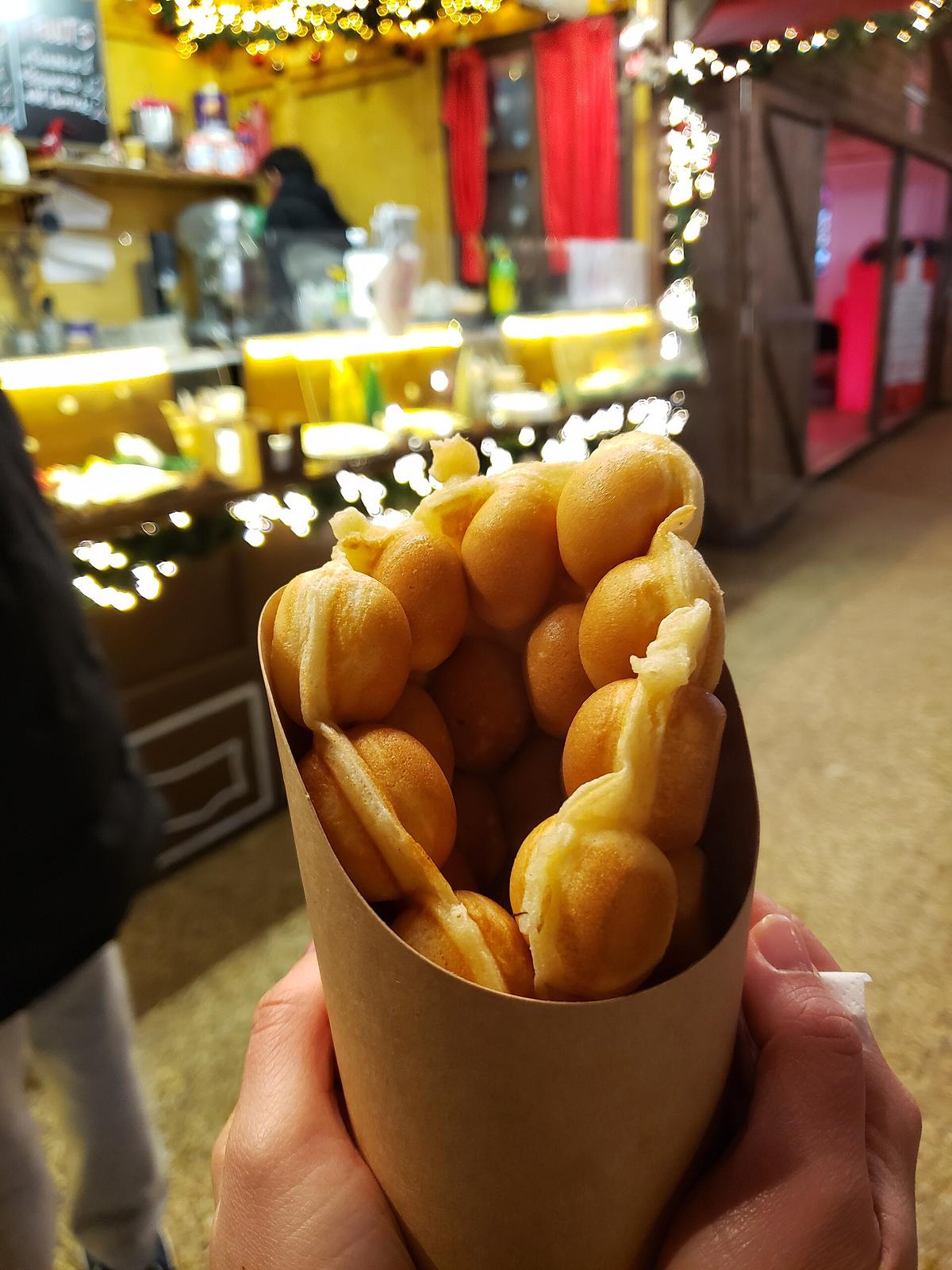


Where Locals Queue: Streets and Stalls That Deliver
Dundas Street is your best starting point. The food carts appear around 15:00 and run until 23:00, peaking between 18:00 and 22:00. This is not a lunch scene. Arrive at noon and you find closed shutters and delivery trucks. Come back after 3pm. The stalls on Dundas Street handle egg waffles, curry fish balls, and stinky tofu. Quality is uneven. Watch for the stalls where the vendor is actively cooking, not just handing over pre-packaged portions.
Sai Yeung Choi Street South runs parallel to the MTR station and carries the densest concentration of street food after dark. The 2am eating options here include dai pai dong-style cooked food stalls and 24-hour cha chaan teng. If you want a bowl of congee at 3am or a pineapple bun with butter at 4am, this street delivers. The carts thin out after 23:00 but the indoor shops stay open. Bring cash. Almost none of them take cards.
Fa Yuen Street is famous for sportswear at ground level, but the cooked food centre on the upper floor of the Fa Yuen Street Municipal Services Building is where the real eating happens. The market fills the lower floors. The cooked food stalls occupy the upper floor. Hours vary by stall but run roughly 06:00 to 02:00. A full meal costs HK$40 to HK$100 per person, set by each stall. The stalls here serve cart noodles, siu mei, and cha chaan teng staples. You share tables with office workers, retirees, and families who have been coming here for twenty years. The seating is communal and the turnover is fast. Do not sit down unless you are ready to order.
Tung Choi Street is the Ladies Market at ground level, but the side lanes hold the cart noodle shops worth walking for. The stalls here also serve siu mai, the steamed pork and fish dumplings sold five to eight per portion. The good ones have a slight bounce to the dumpling skin and a filling that tastes of shrimp, not just starch. Vendors charge HK$10 to HK$15 per portion. The stalls that wrap their own siu mai in the morning are the ones you want.
Portland Street turns into a hotpot corridor after dark, with restaurants open until 02:00 to 04:00. Restaurants set their own prices; expect HK$150 to HK$400 per person depending on what you order. If you want a full hotpot meal rather than a snack, this is the street. The restaurants on the Nathan Road side streets tend to be cheaper and less tourist-oriented than the ones directly on Nathan Road.
Michelin-Listed Cheap Eats: Worth the Queue?
Mong Kok has several Michelin-listed cheap places: Kai Kai Dessert, Joyful Dessert House, Sun Kwai Heung, and Kung Wo Beancurd Factory. Queue times run 10 to 45 minutes at peak depending on the day and time. The Michelin Guide included these in its 2024 list; check their website for the current version. The desserts are good but not so good that you should wait 45 minutes on a Saturday night. Kung Wo Beancurd Factory is worth the wait for the tofu fa, a silky tofu dessert served warm with ginger syrup. The others you can skip if the line is long. There is a second Joyful Dessert House with a shorter queue. That one.
Frequently Asked Questions About Eating in Mong Kok
What is the best time of day to eat street food in Mong Kok?
Street food stalls appear around 15:00 and operate until 23:00, with peak activity from 18:00 to 22:00. This is an evening scene, not a lunch scene. If you arrive at noon, you will find empty pavements. Come back after 3pm.
Do I need cash or will carts take credit cards?
Cash dominates street stalls. Octopus card is accepted at some fixed stalls. Mobile payment works at larger shops. Credit cards are not accepted at street carts or small noodle shops. Carry HK$200 to HK$300 in small notes.
How do I order if I do not speak Cantonese?
Point at the item you want and hold up fingers for the quantity. No table service exists at street stalls. Cooked food centres and cha chaan teng will hand you a paper slip. Mark your choices with a pen and hand it back.
Do I have to share a table with strangers?
Yes, and this is standard practice. In cha chaan teng, cooked food centres, dessert shops, and noodle shops, parties of two are regularly seated with strangers at four-person tables. Do not ask for a private table. Eat fast and free the seat.
Is street food in Mong Kok safe to eat?
Stalls with a Food and Environmental Hygiene Department permit display their licence. These are safe. Unlicensed stalls operate intermittently and have no official oversight. Use your judgment: if the stall is busy with locals, it is fine. If it is empty, skip it.
What is the quietest time to visit for shorter queues?
Weekdays between 15:00 and 17:00 are the quietest window. Friday, Saturday, and public holidays draw the largest crowds. Avoid the first week of October when mainland visitor numbers spike during Golden Week.
Can I eat after midnight in Mong Kok?
Yes. Late-night options include dai pai dong-style cooked food stalls, hotpot restaurants on Portland Street, 24-hour cha chaan teng, congee and noodle shops, and street food carts on Dundas Street and Sai Yeung Choi Street South. Hotpot restaurants stay open until 02:00 to 04:00.
Read next
-
 Hong Kong Travel Guide and Trip Planning Hub
How to plan a Hong Kong trip that respects the city's density, uses the MTR properly, and leaves room for a hike or an island day.
Hong Kong Travel Guide and Trip Planning Hub
How to plan a Hong Kong trip that respects the city's density, uses the MTR properly, and leaves room for a hike or an island day.
-
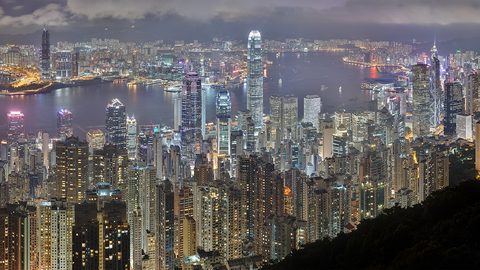 Victoria Peak Hong Kong The View Is the Point the Tram Queue Is Not
The view from Victoria Peak is the point; the tram queue is the problem, and there are four other ways up.
Victoria Peak Hong Kong The View Is the Point the Tram Queue Is Not
The view from Victoria Peak is the point; the tram queue is the problem, and there are four other ways up.
-
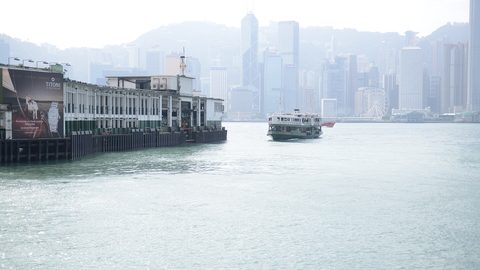 Star Ferry Hong Kong Fare, Route and Which Side to Sit
The Star Ferry costs HK$5, takes 10 minutes, and the upper deck heading from Tsim Sha Tsui to Central gives the best skyline view.
Star Ferry Hong Kong Fare, Route and Which Side to Sit
The Star Ferry costs HK$5, takes 10 minutes, and the upper deck heading from Tsim Sha Tsui to Central gives the best skyline view.
-
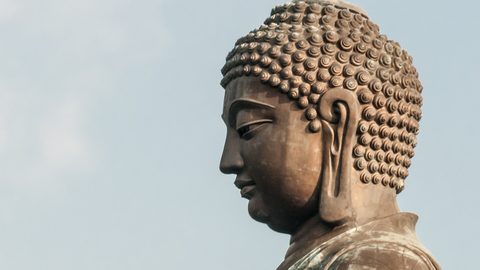 Big Buddha and Ngong Ping 360 Cable Car Without the Crowds
The Big Buddha is 268 steps up, the cable car takes 25 minutes, and the village at the top is mostly a shopping mall.
Big Buddha and Ngong Ping 360 Cable Car Without the Crowds
The Big Buddha is 268 steps up, the cable car takes 25 minutes, and the village at the top is mostly a shopping mall.
-
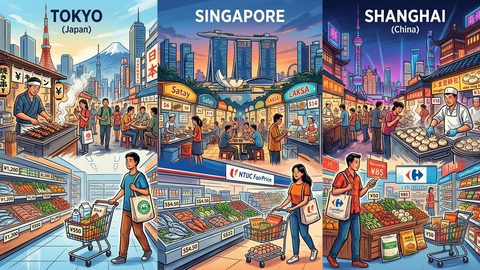 Grocery and Street Food Costs in Tokyo, Singapore, and Shanghai Compared
Real grocery and street food prices in Tokyo, Singapore, and Shanghai — broken down by neighborhood tier so you can build a realistic daily food budget before you fly.
Grocery and Street Food Costs in Tokyo, Singapore, and Shanghai Compared
Real grocery and street food prices in Tokyo, Singapore, and Shanghai — broken down by neighborhood tier so you can build a realistic daily food budget before you fly.
-
 What Japan, China, and Singapore Actually Cost Independent Travelers
Real per-day costs for Japan, China, and Singapore broken down by accommodation tier, food strategy, transit, and connectivity for independent travelers.
What Japan, China, and Singapore Actually Cost Independent Travelers
Real per-day costs for Japan, China, and Singapore broken down by accommodation tier, food strategy, transit, and connectivity for independent travelers.
-
 What Most Travelers Get Wrong When Booking Flights to East Asia
Most travelers book East Asia flights on price alone. Here's what they miss about route gaps, fleet age, and aircraft type on 10-14 hour hauls.
What Most Travelers Get Wrong When Booking Flights to East Asia
Most travelers book East Asia flights on price alone. Here's what they miss about route gaps, fleet age, and aircraft type on 10-14 hour hauls.
-
 The Honest Cost of Mobile Data in Japan, China, and Singapore
Real price data for SIMs, pocket WiFi, and eSIMs in Japan, China, and Singapore. Plus the friction points most travel guides quietly skip.
The Honest Cost of Mobile Data in Japan, China, and Singapore
Real price data for SIMs, pocket WiFi, and eSIMs in Japan, China, and Singapore. Plus the friction points most travel guides quietly skip.