What to Eat in Hong Kong and Where to Find It
Hong Kong's food ranges from push-cart dim sum to the cheapest Michelin-starred roast goose on earth, all within a few MTR stops.
The Wrong Way to Eat in Hong Kong
The mistake visitors make is treating Hong Kong food like a checklist of famous names. They cram Tim Ho Wan, Kam's Roast Goose, and a dai pai dong into one day, move between them by MTR, and wonder why the city feels like a gauntlet. The problem is not the food. It is the frame. You are not ticking dishes. You are entering three completely different eating cultures that happen to share a postcode, and each one demands a different approach to time, money, and patience. This guide organises by how and where you eat, not by district. Knowing the difference between push-cart dim sum and tick-box dim sum, or understanding why a dai pai dong will turn you away for not having cash, is what separates a meal from a chore.
Yum Cha: the Art of Dim Sum and Two Radically Different Services
Tea First, Always
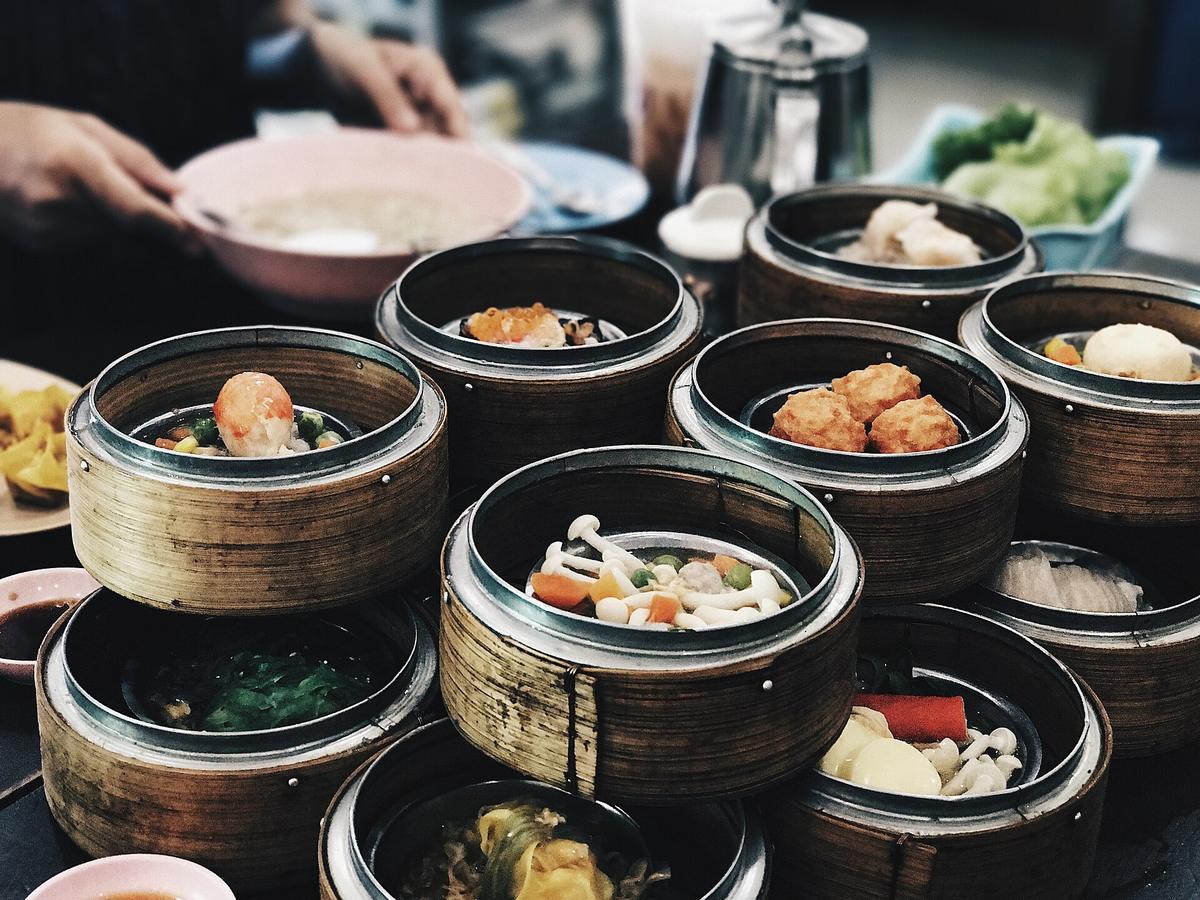
Dim sum is called yum cha, which means drink tea, and the tea is not incidental. It arrives first. You pour for your elders or companions, and you tap your index and middle finger on the table twice to thank the pourer. That gesture matters. So does the signal for a refill. Leave the teapot lid open or tilted, and someone will come. Do not wave or shout. The meal window is late morning to early afternoon, roughly 10:00 to 14:00. Anything earlier is for tourists who booked a 9am slot at a hotel restaurant. Anything later and the baskets are cold and the steamers are being packed away.
Trolley Service: Chaos Worth Chasing
The deeper choice is between two service styles that feel like different centuries. Trolley service, the traditional method, means women wheel metal steamers around the room and you flag them down for what looks good. Lin Heung Tea House in Sheung Wan and Luk Yu Tea House in Central still do this. The experience is chaotic, loud, and disorienting. You will have to compete with regulars who know exactly which trolley carries the cheung fun with sesame sauce. You might end up with something you did not ask for. That is the point. The quality is uneven, but the atmosphere is irreplaceable. The glutinous rice wrapped in lotus leaf from a trolley that has been circling for forty minutes is sometimes the best thing you will eat all week.
Order-Sheet Dim Sum: Speed and Precision
The modern alternative is the order-sheet, a tick-box menu you hand to the server. This is what almost every dim sum house in the city does now. It is faster, more efficient, and guarantees you get exactly what you want. Tim Ho Wan, the cheapest Michelin-starred restaurant in the world, works this way. The original location in Mong Kok is still the one to hit, though the queues are punishing. Arrive by 10:30 on a weekday or accept a 45 minute wait. The baked char siu bun, the dish that made them famous, is a sweet, pale bun with a crisp top that tastes more like a pastry than a dumpling. It is worth the wait. The rest of the menu is good but not miraculous. If you want the full trolley chaos and have no patience for crowds, skip Luk Yu and go to Lin Heung on a Tuesday morning. If you want precision and speed, find a branch of Maxim's Palace or run the queue at Tim Ho Wan. For a deeper breakdown of specific dumplings and house rules, the separate dim sum guide covers the details.

Cha Chaan Teng: Shared Tables, Milk Tea and the Pineapple Bun Rule
What a Tea Restaurant Actually Is
Cha chaan teng, or tea restaurant, is where Hong Kong goes for the food that has no equivalent anywhere else. British colonial influences, Cantonese speed, and working class thrift collide in a menu that features macaroni soup with ham as a breakfast staple and instant noodles with luncheon meat at lunch. The signature drink is milk tea, strained through a cloth that looks like a silk stocking. The drink is strong enough to stand a spoon in, sweetened with evaporated milk, and served hot or iced. Order it cold. It comes in a glass that sweats so hard you need a napkin just to pick it up.
How to Behave
The seating norm is shared tables with strangers. You sit where there is space, not where you want. A table with three seats full and one empty means you take the empty seat. Do not ask if it is available. It is. Order by pointing at the set menu on the laminated sheet. Do not expect the server to write anything down. They remember, and they will shout your order to the kitchen in Cantonese. Pay at the register on your way out, not at the table. Most cha chaan teng are cash only. Carry small notes.
The Bun That Defines the Category
The dish you should not skip is the pineapple bun with butter, called bo lo bao. It is not pineapple flavoured. The name describes the crackled sugar top, which resembles the skin of the fruit. The bun is split, a thick slab of cold butter is shoved inside, and the heat of the bread melts it to a soft, salty cream. Kam Fung Cafe in Wan Chai, Australia Dairy Company in Jordan, and the chain Tsui Wah all do a version that hits the mark. Australia Dairy Company is the most efficient, and the most aggressive: you will order, eat, and be out in twelve minutes. Do not linger. This is not a cafe for sitting. It is a cafe for eating, and the table behind you is waiting. The separate cha chaan teng guide goes deeper on the full menu, from egg tarts to satay beef macaroni.
Dai Pai Dong: Cash Only, Green Stools and a Dying Tradition
What You Are Walking Into
A dai pai dong is an open air cooked food stall with green metal tables, plastic stools, and a license that is almost impossible to get. As of a 2024 count by the Food and Environmental Hygiene Department, only around 21 licensed dai pai dongs remain in the city, down from thousands half a century ago. The real figure may have shifted by the time you read this, so check that department's published list before you go hunting. The handful that survive are concentrated in a few spots: the outdoor cooked food centres in Sheung Wan, Sham Shui Po, and Central's Graham Street. The experience is bare bones. You sit on a stool that wobbles on uneven pavement. You eat under a fluorescent bulb. You pay in cash, because none of them take cards or Octopus. The menu is charcoal grilled skewers, congee, stir fried noodles, or curry fish balls, cooked in a wok over a flame so high the oil spits.
How to Eat at One
Do not go to a dai pai dong expecting a meal that takes an hour. Go for a single dish cooked in front of you by someone who has done it ten thousand times. The beef brisket noodle is rougher and darker than the version at Kau Kee in Central, and the broth is cloudier with sediment from the charcoal. That is a good thing. Sing Heung Yuen in Central's Miu Fong Cooked Food Centre does a tomato and beef noodle that is almost a soup and is bright red with canned tomatoes. The queue forms before 11am. The other dai pai dong worth the trip is Chiu Kee in Sham Shui Po, which specialises in wok fried noodles with soy sauce that have a charred edge you cannot get from a gas burner. Bring wet wipes. Accept that your elbows will stick to the table. Do not order more than two dishes. The point is the speed and the heat, not the variety.

The Specific Dishes That Define Hong Kong Cantonese Food
Roast Goose and Soy Chicken
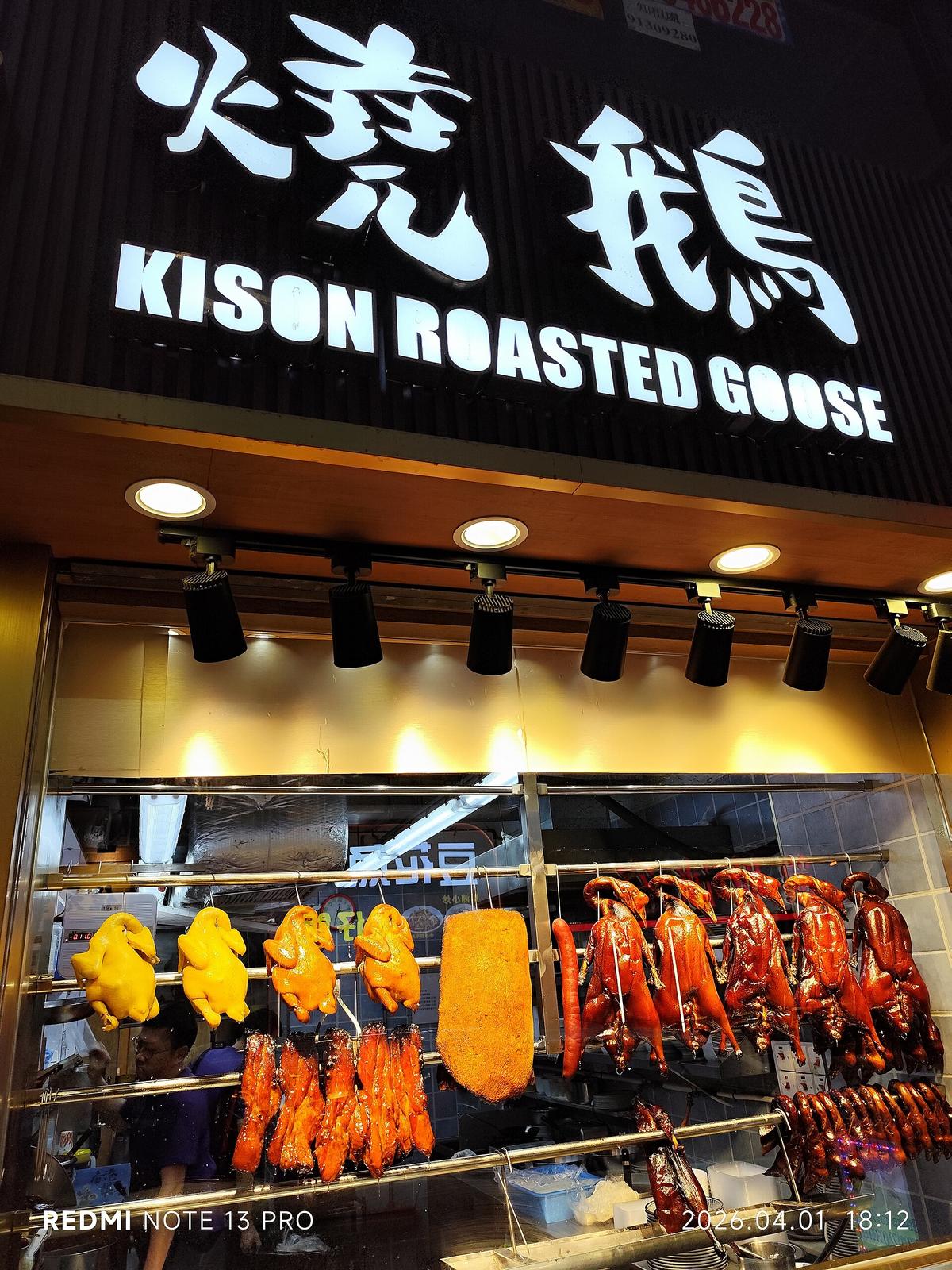
Roast goose is the dish that draws pilgrimages. Yat Lok in Central holds one Michelin star for its goose. The skin is brittle, the meat is dark and rich, and the fat renders to a point where it coats your tongue. The queue is shorter at lunch than dinner. Order the goose leg if it is available. It costs more and it is worth every dollar. Kam's Roast Goose in Wan Chai also holds a Michelin star, and their soy chicken outstrips their goose. Go to Kam's for the soy chicken, so tender the bones slide out. Go to Yat Lok for the goose. Do not combine them in one meal. They are too far apart and the richness will flatten you.
Claypot Rice
Claypot rice is a winter dish, from October to March, cooked over charcoal in a clay pot that gives the rice a layer of crust on the bottom that is the whole point. The toppings are Lap Cheong sausage, cured pork, chicken, and Chinese mushrooms. The classic spot is in Temple Street, where a row of dai pai dong entrepreneurs have been serving it for decades. You wait 20 minutes because the pot cooks from scratch. Do not rush it. When it arrives, pour dark soy sauce over the top, stir from the bottom to scrape up the crust, and eat it while it is burning hot. The crispy rice layer is a texture that does not exist in any other dish in Hong Kong, and it is why people queue in the cold for it.
Wonton Noodles and Beef Brisket
Wonton noodle soup at Mak's Noodle in Central is a benchmark. The wontons are plump with whole shrimp, not a paste, and the noodles are thin, springy, and alkaline with a yellow tint. The broth is a pale gold, made from dried flounder and shrimp shells. The bowl is small. Order two if you are hungry. For beef brisket noodle, Kau Kee in Central is the famous name, but the queue stretches down the block and the quality has slipped with the volume. Consider Sister Wah in Tin Hau instead, which has held a Michelin Bib Gourmand in past years. Their brisket is gelatinous, the tendons melt, and the broth is darker and more peppery than Kau Kee's. The 2024 Bib Gourmand count for all of Hong Kong was 77 entries. The list changes every year. Check the Michelin web site for the current edition before you make a detour.
Street Snacks and Sweet Soups
For street snacks, start with curry fish balls from a cart in Mong Kok. They are bouncy, slick with a yellow curry sauce, and cost a few dollars on a skewer. Egg waffles, gai daan jai, are a crisp shell with a soft interior, best from a stall that makes them fresh and hands them to you in a paper cone. Stinky tofu is an acquired taste that smells like a blocked drain. Try it anyway. For dessert, the category called tong sui, sweet soup, covers black sesame paste and mango sago pomelo. Kai Kai Dessert in Jordan is the benchmark. The black sesame soup is thick, warm, and tastes like toasted nuts ground into silk. Order one bowl per person. It is richer than it looks.
Common Questions
What is the cheapest Michelin-starred meal in Hong Kong?
Tim Ho Wan, the dim sum chain that started in Mong Kok. The original branch on Fuk Wing Street still draws queues, and a full meal of several dishes plus tea costs under HK$200 per person. The baked char siu bun is the dish that earned the star. Arrive by 10:30 on a weekday to avoid the worst of the line.
How do I choose between push-cart dim sum and order-sheet dim sum?
Push-cart, at places like Lin Heung Tea House, is chaotic, loud, and slow. You eat what is available, not what you ordered. Go for the atmosphere and the sense of tradition. Order-sheet dim sum, at modern houses like Tim Ho Wan or Maxim's Palace, is fast, precise, and guarantees you get the dishes you want. Go for efficiency and consistency. Do not try to do both in the same day.
Are all dai pai dongs cash only?
Yes. Every licensed dai pai dong operates on cash. No credit cards, no Octopus cards. Many also have minimum spend amounts for seating, so bring small denominations. HK$100 in notes and coins is enough for a meal for one at most stalls.
What is the proper etiquette for shared tables in a cha chaan teng?
Sit in the first empty seat without asking. Order quickly. Do not spread your belongings across the table. Eat at the pace of the restaurant, which is fast. Pay at the register on your way out, not at the table. Tipping is not expected. If the table is shared, do not use personal chopsticks to take food from any communal plates that exist on the table. Use the serving spoon provided.
What is the best season for claypot rice?
October to March. Claypot rice is a cold weather dish, cooked over charcoal, and the stalls in Temple Street and other areas only fire up their pots when the temperature drops. The dish depends on the crispy crust at the bottom of the pot, which forms because of the cold air hitting the hot clay. Ordering it in August will result in a pale, soggy imitation.
Read next
-
 Hong Kong eSIM and Data Plans Before You Land
Hong Kong has no internet firewall. A cheap eSIM or tourist SIM from the airport gives you fast data for Google Maps and WhatsApp from the moment you land.
Hong Kong eSIM and Data Plans Before You Land
Hong Kong has no internet firewall. A cheap eSIM or tourist SIM from the airport gives you fast data for Google Maps and WhatsApp from the moment you land.
-
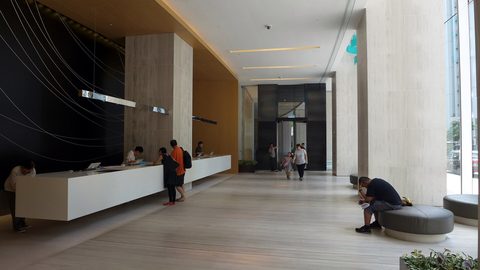 Hong Kong Hotels by Price Band and Property Type
Hong Kong hotel rooms are small, but the difference between a luxury harbour-view tower and a Mong Kok budget room is enormous.
Hong Kong Hotels by Price Band and Property Type
Hong Kong hotel rooms are small, but the difference between a luxury harbour-view tower and a Mong Kok budget room is enormous.
-
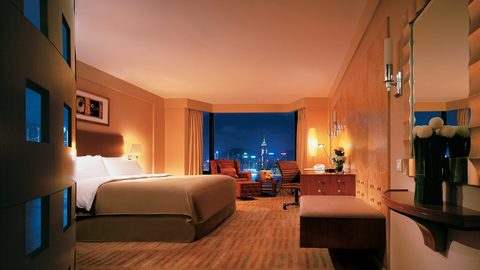 Where to Stay in Hong Kong Island or Kowloon for a First Visit
Hong Kong Island puts you in the financial and dining core, while Kowloon gives you harbour views and street life. The street you pick matters more than the district.
Where to Stay in Hong Kong Island or Kowloon for a First Visit
Hong Kong Island puts you in the financial and dining core, while Kowloon gives you harbour views and street life. The street you pick matters more than the district.
-
 How to Find Cheap Flights to Hong Kong International Airport
Hong Kong has one airport, a lot of airline competition, and a fast train into the city. The routing tricks are in the booking, not the arrival.
How to Find Cheap Flights to Hong Kong International Airport
Hong Kong has one airport, a lot of airline competition, and a fast train into the city. The routing tricks are in the booking, not the arrival.
-
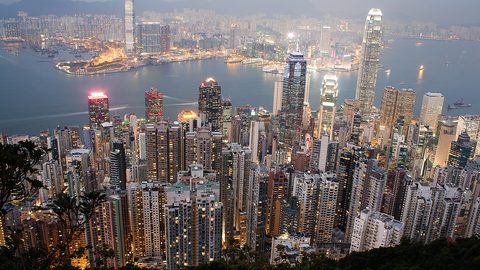 Things to Do in Hong Kong Ranked by What Is Worth Your Time
Victoria Peak, the Star Ferry, and a serious hike earn their fame. Some other Hong Kong sights do not.
Things to Do in Hong Kong Ranked by What Is Worth Your Time
Victoria Peak, the Star Ferry, and a serious hike earn their fame. Some other Hong Kong sights do not.
-
 Best Time to Visit Hong Kong for Clear Skies and Low Humidity
October to December offers the best balance of clear skies and low humidity, but every other season trades weather for lower prices or festivals.
Best Time to Visit Hong Kong for Clear Skies and Low Humidity
October to December offers the best balance of clear skies and low humidity, but every other season trades weather for lower prices or festivals.
-
 Victoria Peak
The view from Victoria Peak is the point; the tram queue is the problem, and there are four other ways up.
Victoria Peak
The view from Victoria Peak is the point; the tram queue is the problem, and there are four other ways up.
-
 Star Ferry
The Star Ferry costs HK$5, takes 10 minutes, and the upper deck heading from Tsim Sha Tsui to Central gives the best skyline view.
Star Ferry
The Star Ferry costs HK$5, takes 10 minutes, and the upper deck heading from Tsim Sha Tsui to Central gives the best skyline view.
-
 Big Buddha and Ngong Ping
The Big Buddha is 268 steps up, the cable car takes 25 minutes, and the village at the top is mostly a shopping mall.
Big Buddha and Ngong Ping
The Big Buddha is 268 steps up, the cable car takes 25 minutes, and the village at the top is mostly a shopping mall.