What a Beijing Hutong Actually Is, and Which Ones Are Worth Your Time
An honest guide to Beijing's hutongs: what they are, which ones still feel like neighbourhoods, and which are now just tourist alleys.

What a Hutong Actually is and Where to Find the Real Ones
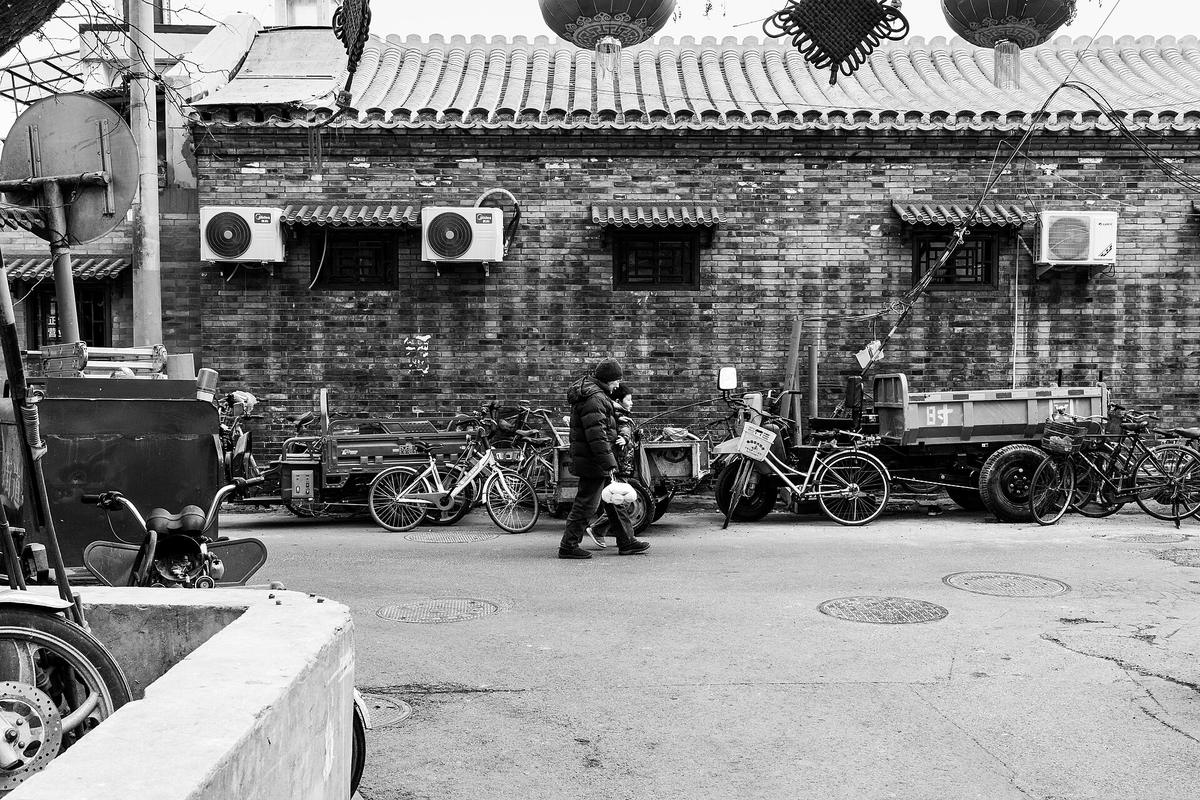
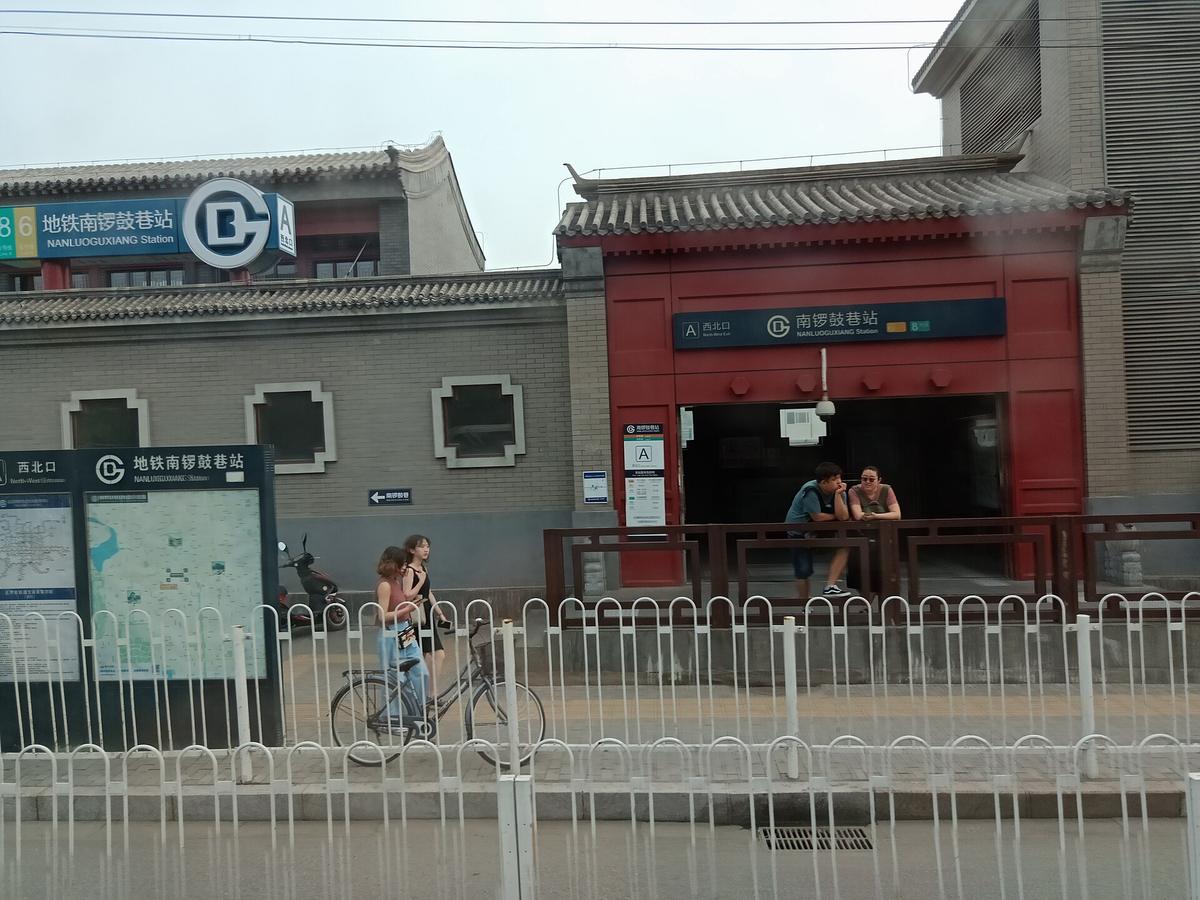
Most hutongs you will visit in Beijing are not real hutongs. Nanluoguxiang is a pedestrian shopping corridor with a metro stop. The reconstructed lanes at Qianmen are a film set built over a demolished neighbourhood. Neither functions as a residential community. A real hutong is not a narrow alley. It is the public corridor of a siheyuan courtyard housing complex, a social organism where four to eight families share a central courtyard, a toilet block, and decades of mutual obligation. That logic erodes when souvenir stalls replace the courtyard gates. To find the surviving fragments, you need to walk away from the metro exits and into the blocks between Gulou and the Second Ring Road.
The Three Hutongs You Actually Meet
Beijing's remaining hutongs fall into three categories, and knowing which is which saves you hours of disappointment.
Living Neighbourhoods
Living hutongs. These are residential neighbourhoods where people still cook, argue, and hang laundry. The best surviving cluster sits around Wudaoying Hutong, north of Yonghegong Lama Temple. Wudaoying itself has cafes and boutiques, but the lanes branching off it, Fangjia Hutong, Yongkang Hutong, Guozijian Street, hold working homes. The alleys around Drum and Bell Towers also function as real neighbourhoods, especially north of the Gulou metro stop. Parts of Dashilan, south of Tiananmen, remain residential behind the tourist facades, though the density of hostels is rising.
Touristified Lanes
Touristified hutongs. Nanluoguxiang is the prime example. It was a genuine hutong until the 2000s. Now it is a snack corridor selling squid on sticks and bubble tea, shoulder-to-shoulder at peak hours. The side alleys still hold residents, but the main drag has no social logic left. Visit once to see the morphology, then leave.
Reconstructed Streets
Reconstructed hutongs. The Qianmen area, south of Tiananmen, was bulldozed and rebuilt as a heritage theme park. The alleys are wider, the building facades are new, and the shop rents are too high for local businesses. It looks clean and photogenic. It is not a hutong.
The Uncomfortable Truth: What Has Been Lost
Since the 1990s, hundreds of hutong neighbourhoods have been demolished to make way for high-rises, ring roads, and Olympic infrastructure. The demolition accelerated in the 2000s and continues in pockets today. What remains is a fragment concentrated in Dongcheng District, roughly bounded by the Second Ring Road and the axis from Drum Tower to Chongwenmen. That fragment is shrinking.
Why Some Survive
Some hutongs survive because they sit near tourist sites; others because residents organised against eviction. Most are gone. The city is a collision of imperial grandeur and brusque modernity where history gets bulldozed overnight, and the pockets of hutong life that persist carry genuine warmth precisely because they fought to stay.
A Walking Route Through Surviving Dongcheng Lanes
This route rewards slow wandering and avoids the crowds entirely. Start at Yonghegong Lama Temple metro station, Exit C. Walk south through Guozijian Street, a tree-lined lane flanked by the Confucius Temple and the Imperial College. Turn right onto Yongkang Hutong. This is a living hutong with courtyard gates still painted red. Follow it west to Fangjia Hutong, turn left, and walk south. Fangjia has a handful of quiet bars that open in the evening.
Into the Lanes West of Wudaoying
At the end, you hit the traffic of Andingmen Inner Street. Cross it into the web of alleys west of Wudaoying. No names matter at this point. Just walk. You will cross vegetable stalls, a bicycle repair shed, a man sweeping his stoop. Keep walking until you hit Gulou East Street. The Drum and Bell Towers rise ahead. By now you have covered roughly 2.5 kilometres and seen more real Beijing life than Nanluoguxiang offers in a month. The grid layout means endless walking, but that is the point.
| Type | Example | What You Find | Worth Visiting? |
|---|---|---|---|
| Living hutong | Wudaoying area, lanes off Gulou, parts of Dashilan | Residents, courtyard gates, vegetable stalls, small eateries | Yes, this is the real thing |
| Touristified hutong | Nanluoguxiang | Snack stalls, souvenir shops, crowd density | Once, briefly, to understand the contrast |
| Reconstructed hutong | Qianmen rebuilt lanes | New facades, chain brands, no residential life | Not if you want authenticity |

How to Tell the Difference on the Ground
Three quick checks. First, look for bicycles parked at courtyard gates. A cluster of parked bikes means people live there. If the lane has bike racks for shared rentals instead, it is a tourist strip. Second, check the shop mix. A real hutong has a hardware store, a produce vendor, a pick-your-own-rice shop. A tourist hutong has 14 bubble tea stands. Third, go at 7am. If the lane is quiet except for a sizzling jianbing cart, you are in a real neighbourhood. If shopkeepers are power-washing the pavement, it is a set piece.
Why Winter is the Best Season for Hutong Wandering
April, May, September, and October bring tolerable temperatures and blue skies. They also bring the crowds. July and August deliver 35°C+ heat with humidity that makes a 30-minute walk feel like a mile. The first week of October is National Day, when domestic tourism hits every site.
The Cold Keeps the Alleys Empty
Winter offers something else: biting cold that keeps the alleys empty. November through February, you can walk through Fangjia Hutong at midday and share the lane with two people. Yes, the air quality can hit hazardous levels with less than 24 hours' notice. Check the forecast, wear a mask, and pack thermal layers. The trade-off is worth it. The courtyards look sharper under a low winter sun, and the steam from a hutong noodle shop tastes better when the cold is real.
Read next
-
 Beijing Hotels by Price Band and Property Type
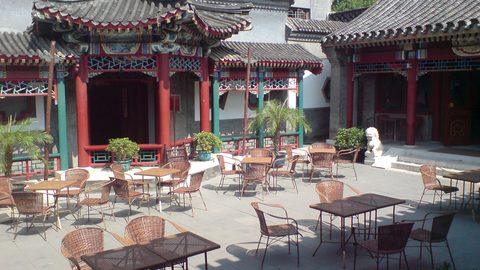
Beijing hotels split into hutong courtyards, international chains and functional business towers. Here is what each price band actually buys you.
Beijing Hotels by Price Band and Property Type
Beijing hotels split into hutong courtyards, international chains and functional business towers. Here is what each price band actually buys you.
-
 Where to Stay in Beijing by District and Travel Style
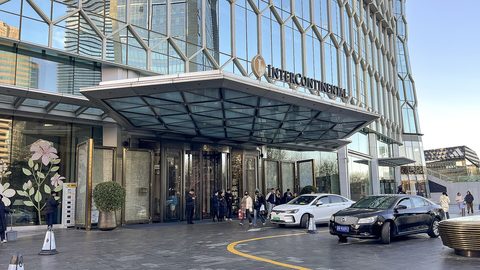
Dongcheng puts you beside the Forbidden City, Chaoyang beside the nightlife. Here is how Beijing's districts compare for different travellers.
Where to Stay in Beijing by District and Travel Style
Dongcheng puts you beside the Forbidden City, Chaoyang beside the nightlife. Here is how Beijing's districts compare for different travellers.
-
 Beijing Flights PEK vs PKX Which Airport Actually Works for You
PEK or PKX? What each Beijing airport costs you in time, money, and logistical friction depending on where you are staying.
Beijing Flights PEK vs PKX Which Airport Actually Works for You
PEK or PKX? What each Beijing airport costs you in time, money, and logistical friction depending on where you are staying.
-
 Beijing Things to Do Worth Your Limited Days
The Forbidden City and Great Wall are essential, but Beijing's meaning lives in temple courtyards, hutong lanes and food streets. Here is what earns your days.
Beijing Things to Do Worth Your Limited Days
The Forbidden City and Great Wall are essential, but Beijing's meaning lives in temple courtyards, hutong lanes and food streets. Here is what earns your days.
-
 Best Time to Visit Beijing, Month by Month Tradeoffs
April and October bring blue skies and queues, July brings heat, January brings empty sites and hazardous air. Here is Beijing month by month.
Best Time to Visit Beijing, Month by Month Tradeoffs
April and October bring blue skies and queues, July brings heat, January brings empty sites and hazardous air. Here is Beijing month by month.
-
 Getting Around Beijing Without Losing Half Your Day
Beijing's metro is clean and cheap but stops early, and taxis rarely speak English. Here is how to move around without burning half your day.
Getting Around Beijing Without Losing Half Your Day
Beijing's metro is clean and cheap but stops early, and taxis rarely speak English. Here is how to move around without burning half your day.
-
 Forbidden City
 tickets require booking seven days ahead on WeChat with a passport. Here is the route to take once you are inside to avoid wasting the visit.
Forbidden City
Forbidden City tickets require booking seven days ahead on WeChat with a passport. Here is the route to take once you are inside to avoid wasting the visit.
-
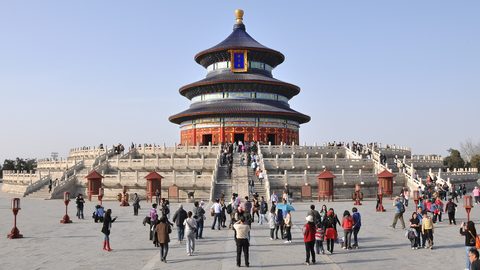 Temple of Heaven
The Temple of Heaven park matters as much as the temple. Morning tai chi, choirs, and card players make it a Beijing ritual worth a full morning.
Temple of Heaven
The Temple of Heaven park matters as much as the temple. Morning tai chi, choirs, and card players make it a Beijing ritual worth a full morning.
-
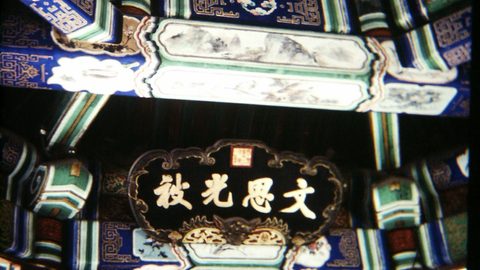 Summer Palace
The Summer Palace is vast and the wrong entrance adds an hour of walking. Use the East Palace Gate and plan for at least four hours.
Summer Palace
The Summer Palace is vast and the wrong entrance adds an hour of walking. Use the East Palace Gate and plan for at least four hours.